
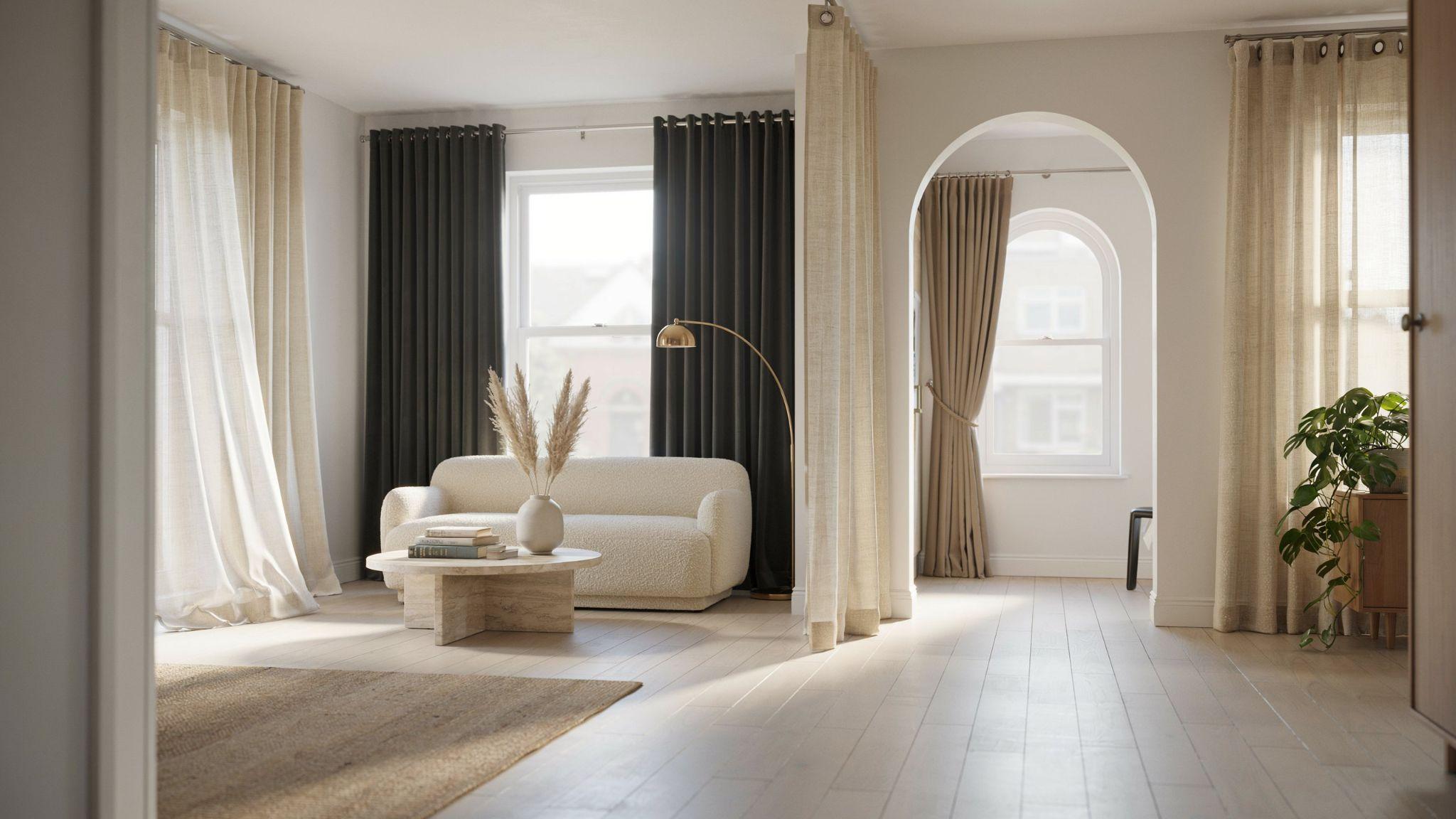
I remember standing in a home goods store, staring at rows of curtains with zero idea what I actually needed. Too many options, no clear direction.
Here's the thing most people don't realize. Curtains are not just fabric on a window. They control light, set the mood, and can make a room feel completely different.
The wrong pair can make even a well-decorated space feel off. The right ones pull everything together.
I put this list together to make it easier for you. Whether you need full blackout coverage or something soft and light, there is a curtain style here that fits your room perfectly.
Why the Right Window Curtains Matter
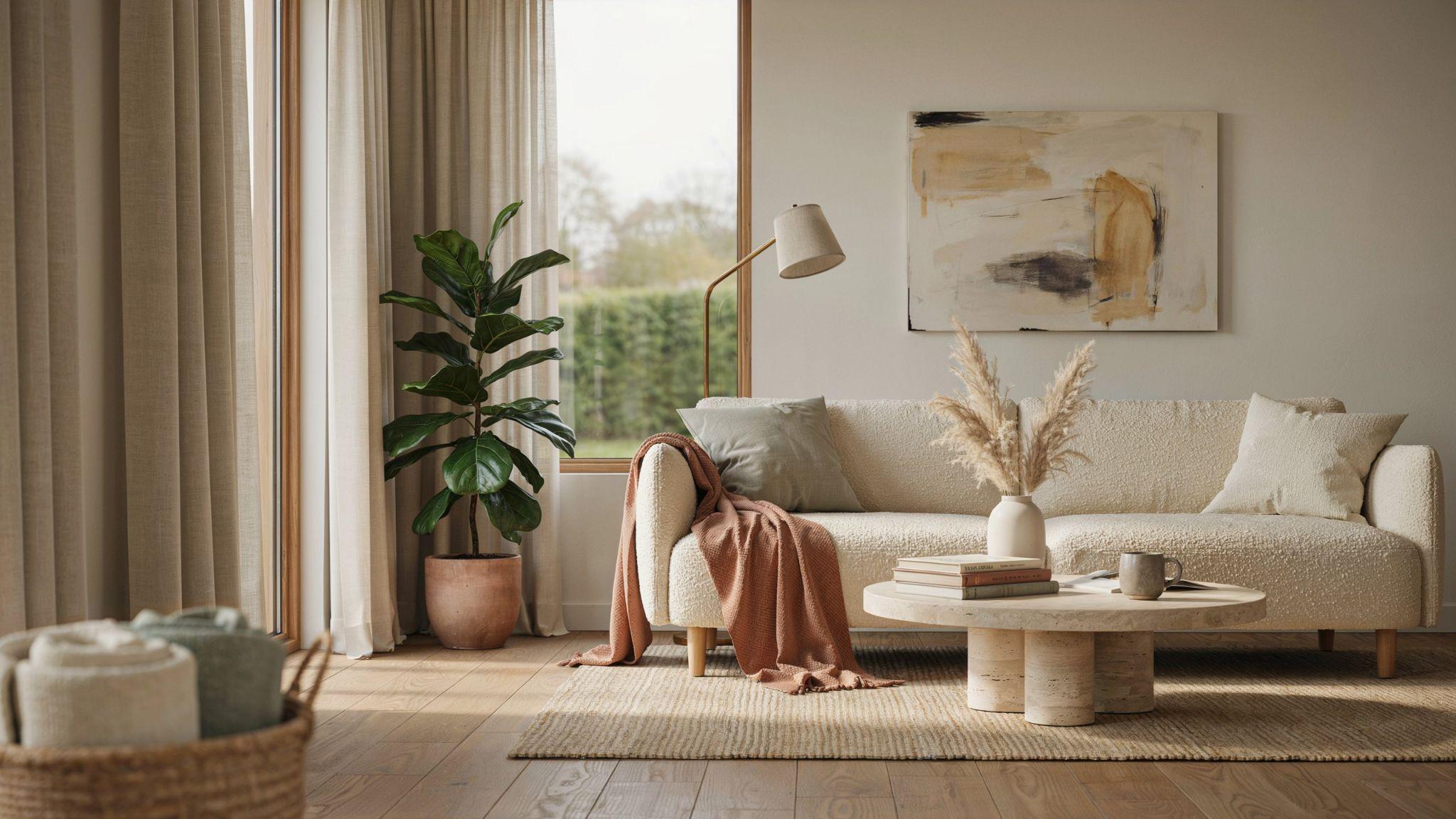
Curtains do more than cover a window. They set the mood, control light, and pull a room together. The wrong ones can make a space feel off, even if everything else looks great.
Think about how much light you want, how much privacy you need, and what your room already looks like. Get those three things right, and your curtains will work hard for you.
List of 23 Types of Window Curtains for Design
There are so many curtain styles out there, it can get confusing fast. Here's a simple breakdown of 23 types to help you find what works best for your space.
1. Blackout Curtains for Bedrooms
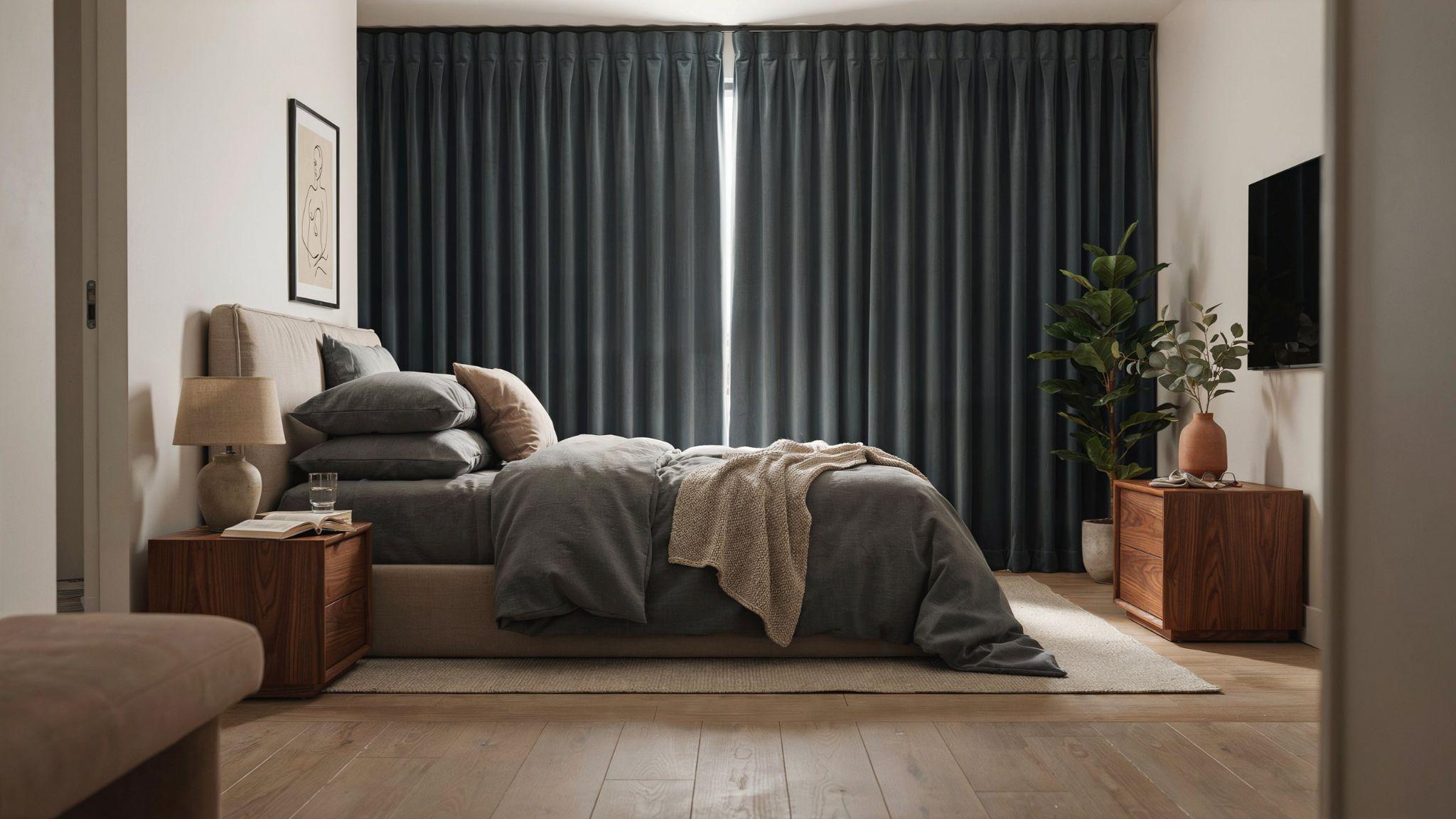
These block out nearly all light, making them great for bedrooms or anyone who sleeps during the day. They also help reduce outside noise and keep the room cooler in summer.
2. Sheer Curtains for an Airy Look
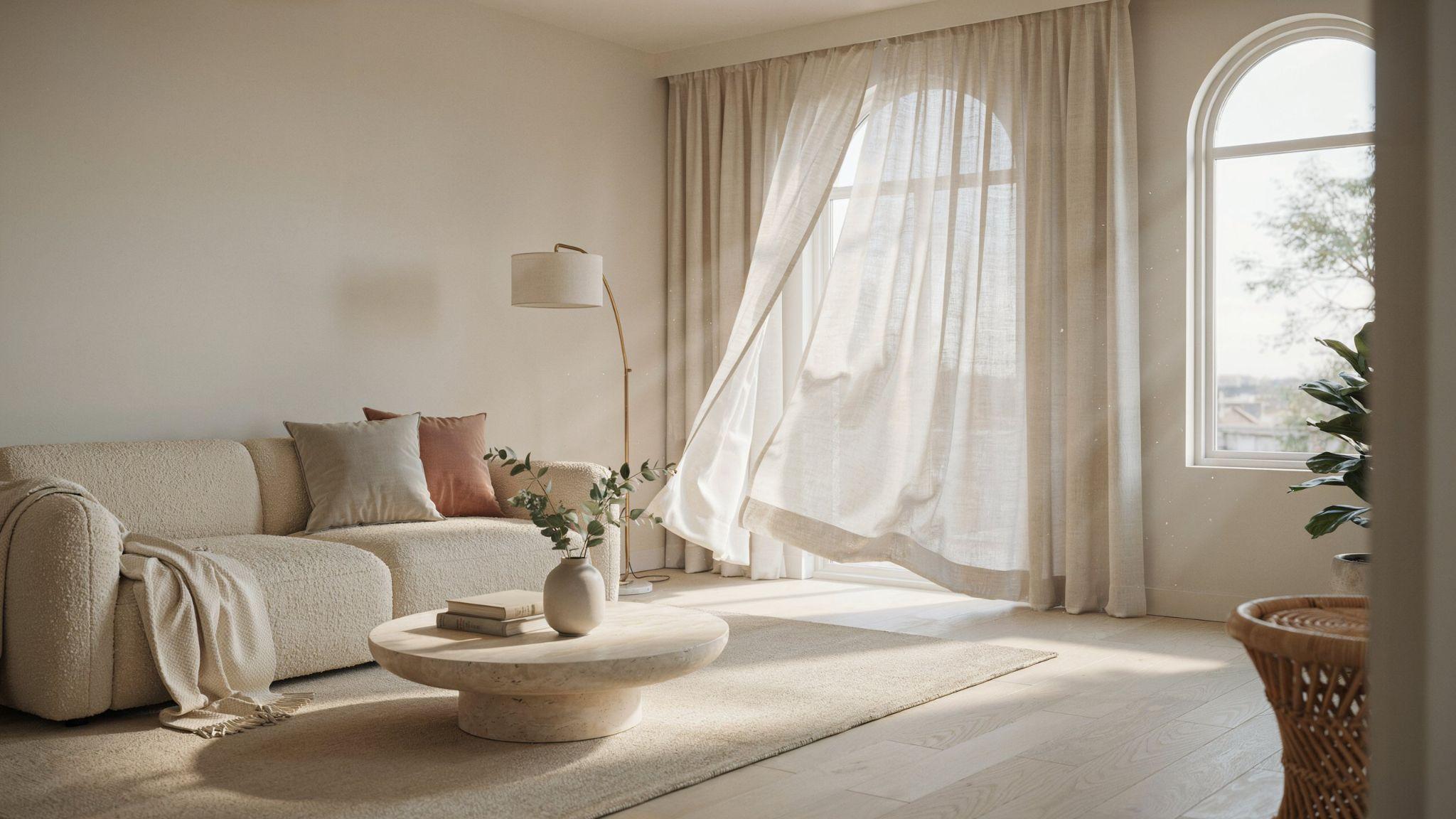
Sheer curtains let in plenty of natural light while still giving you some privacy. They work well in living rooms and dining spaces where you want a soft, open feel.
3. Light-Filtering Curtains for Soft Natural Light
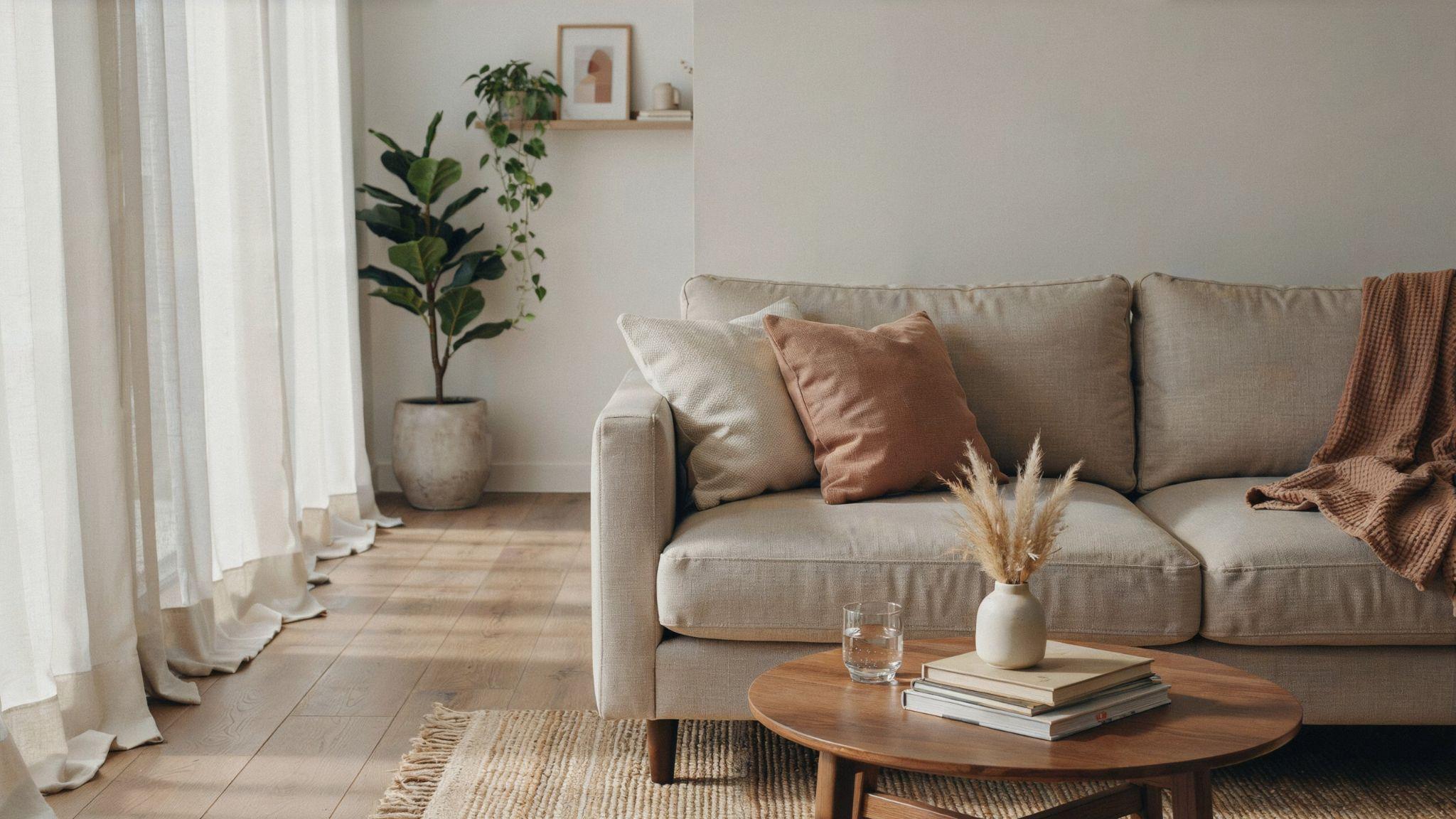
These sit between sheer and blackout. They soften harsh sunlight without fully blocking it. Good for spaces where you want a warm, comfortable glow during the day.
4. Heat-Blocking Curtains for Energy Efficiency
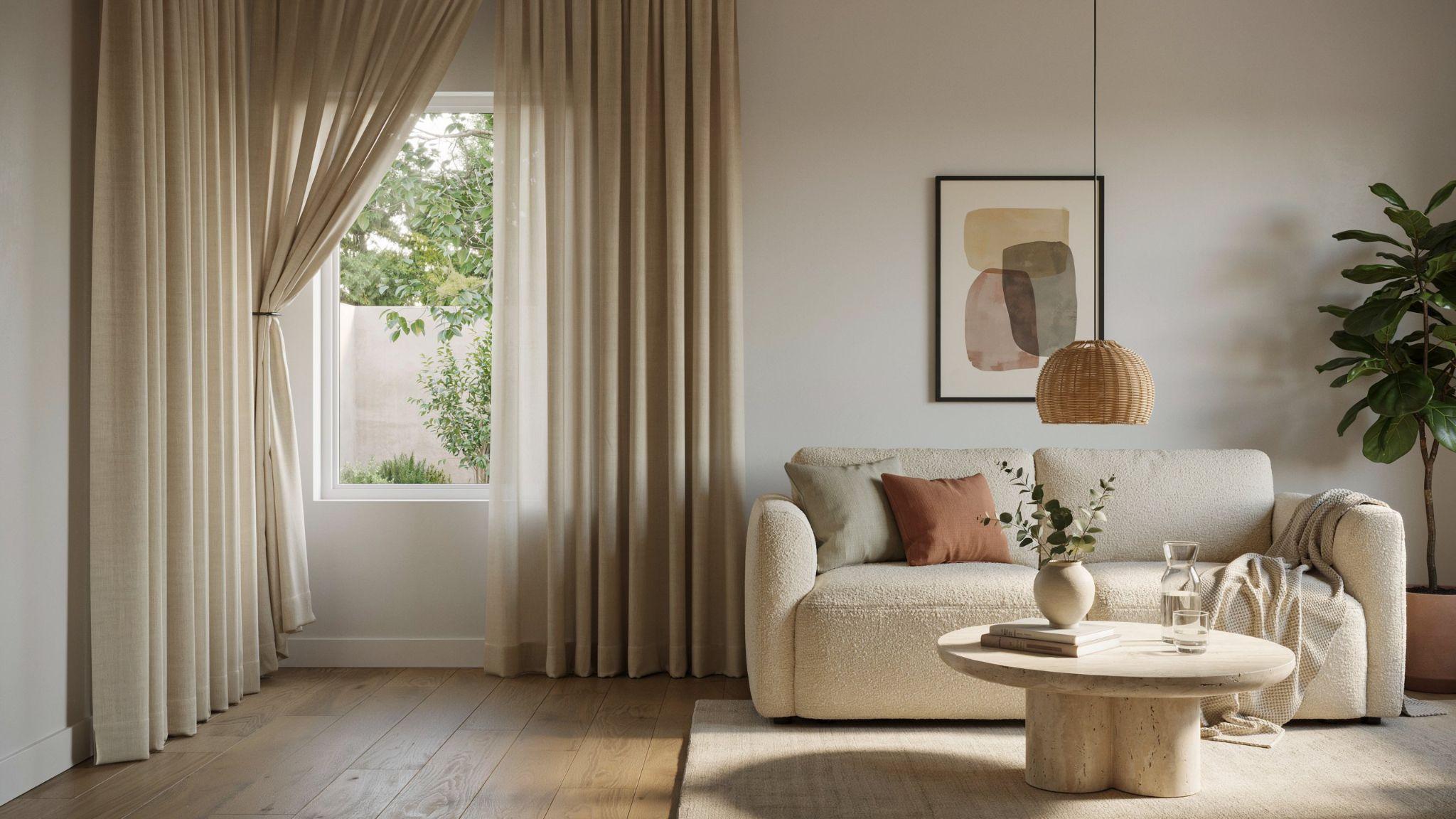
These curtains have a special lining that reflects heat. They help keep rooms cooler in summer and warmer in winter, which can lower your energy bills over time.
5. Grommet Curtains for Modern Spaces
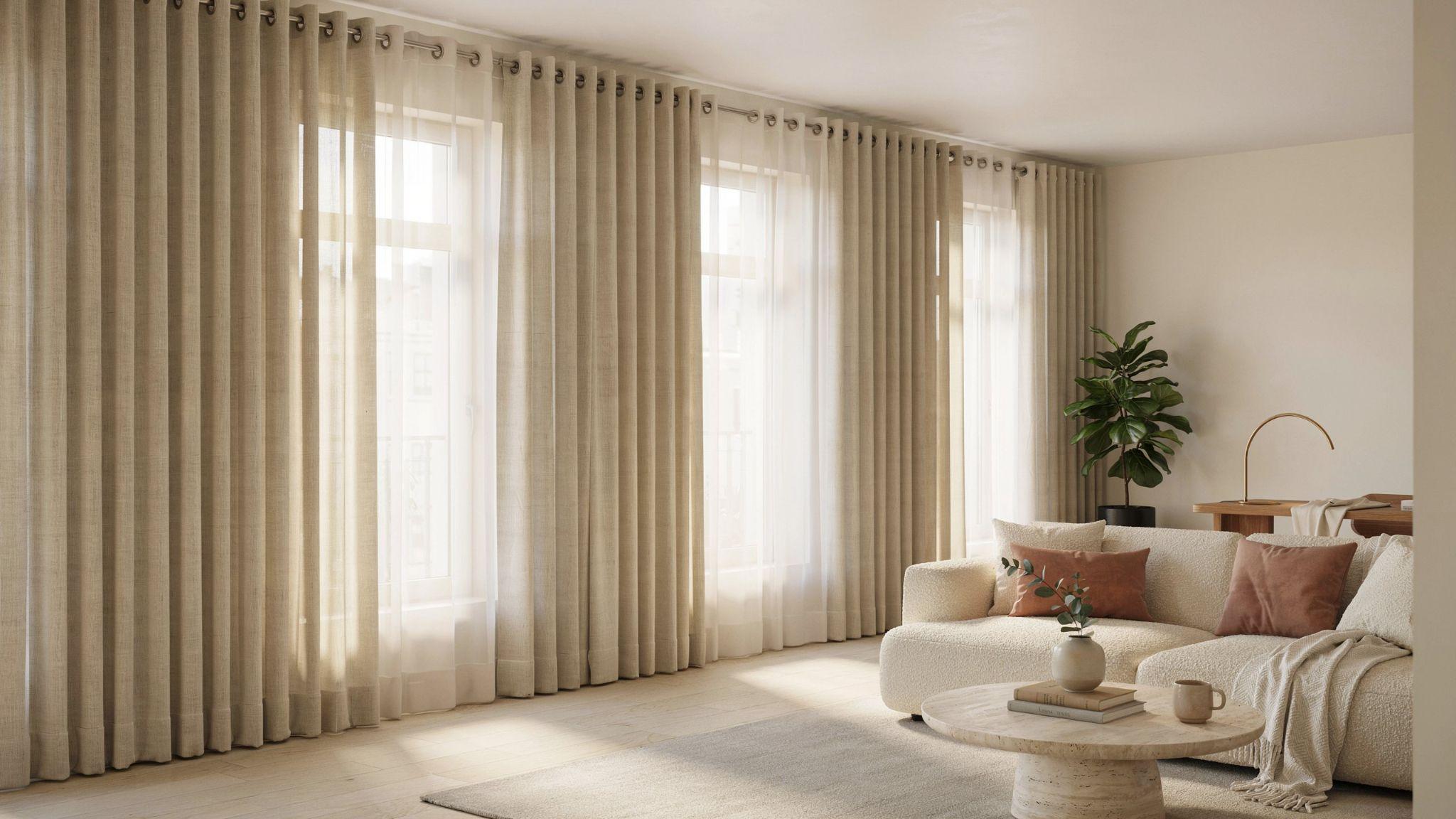
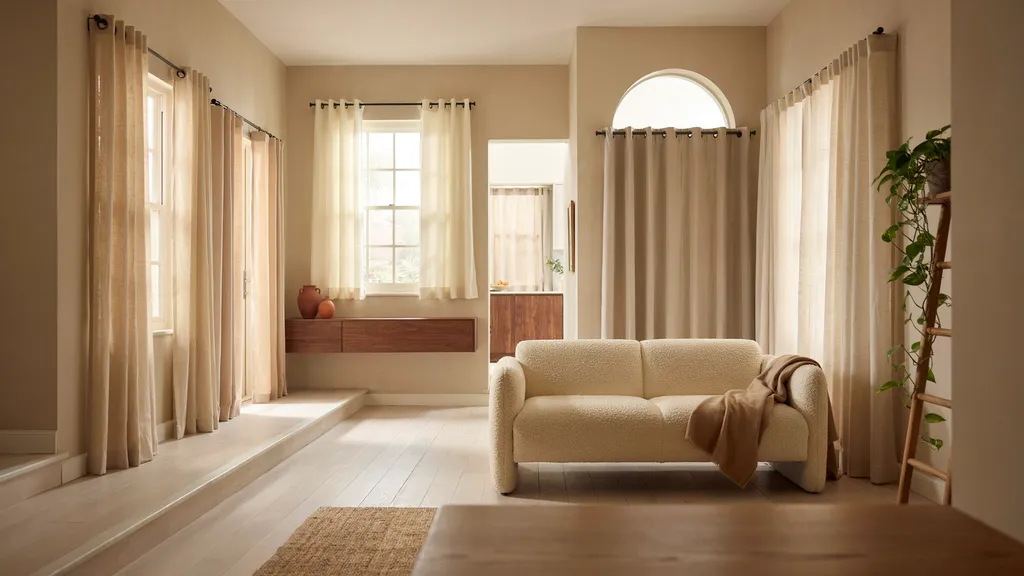
Grommet curtains have metal rings at the top that slide directly onto the rod. They hang in clean, even folds and are easy to open and close, perfect for modern rooms.
6. Rod Pocket Curtains for Traditional Homes
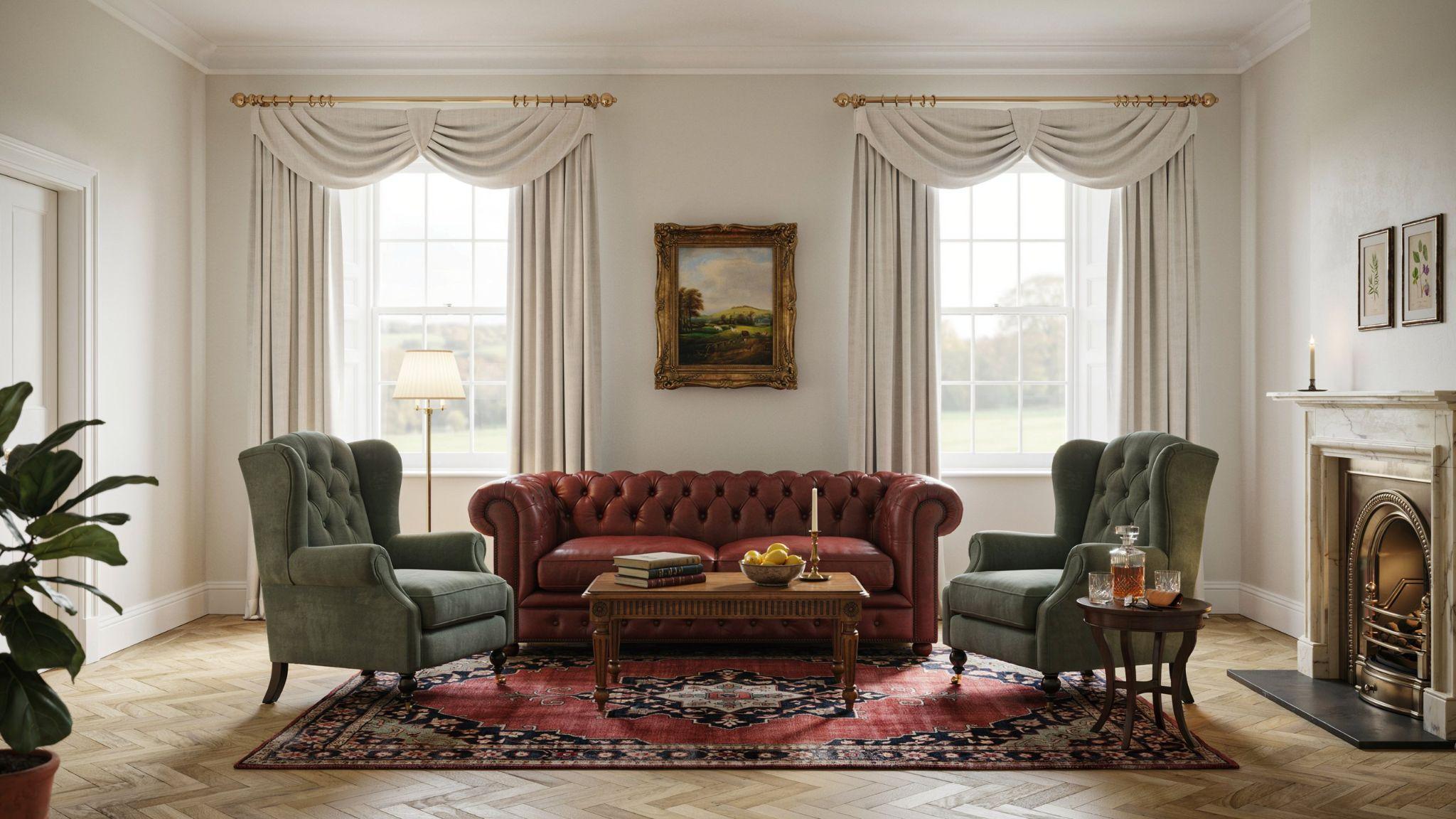
The rod runs through a sewn pocket at the top of the panel. They gather softly and have a classic look that suits traditional or cottage-style interiors really well.
7. Tab Top Curtains for Casual Interiors
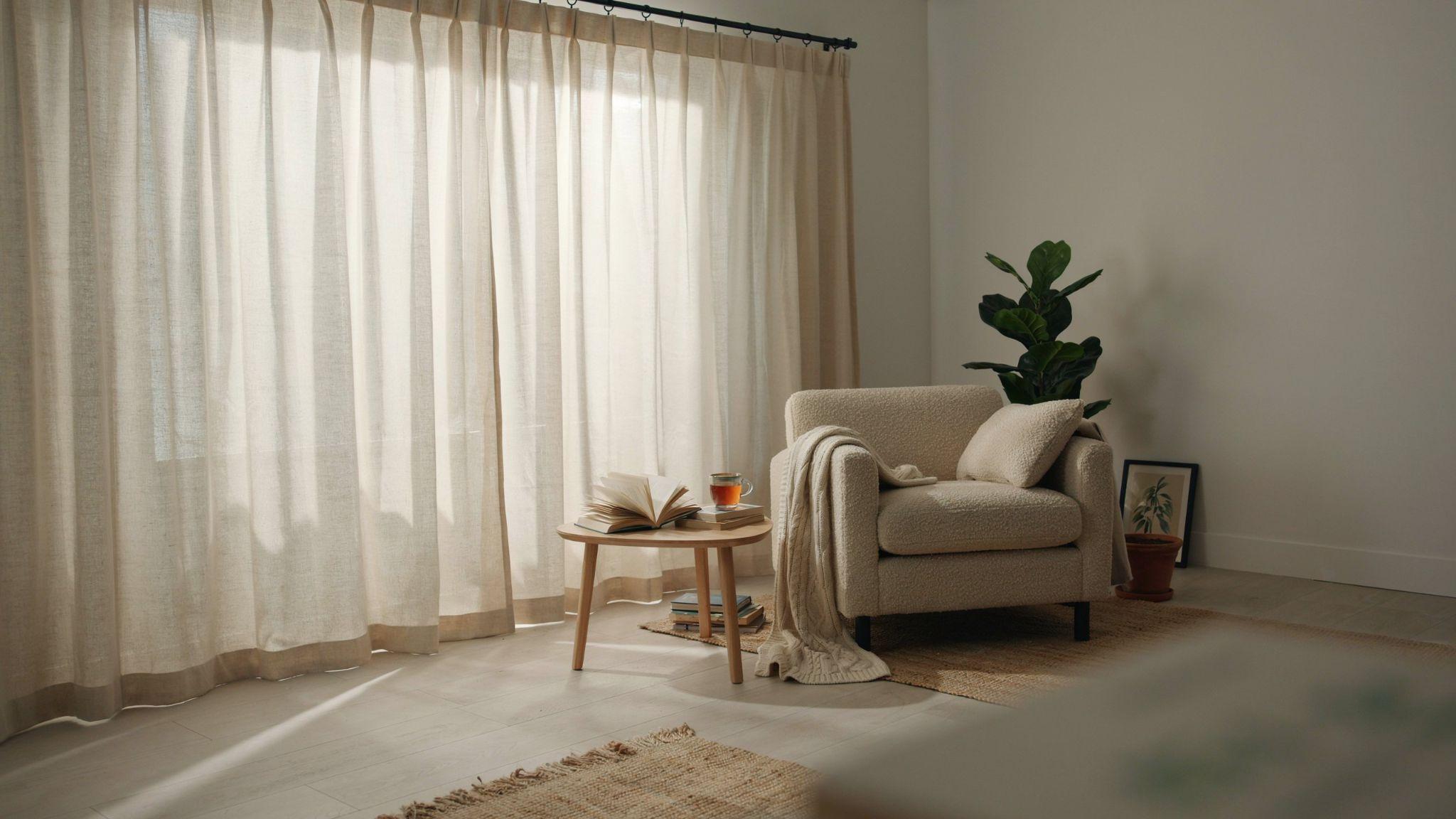
Fabric loops at the top hold the rod in place. They give a relaxed, informal look and work great in casual spaces like guest rooms, sunrooms, or reading nooks.
8. Tie-Top Curtains for Boho Charm
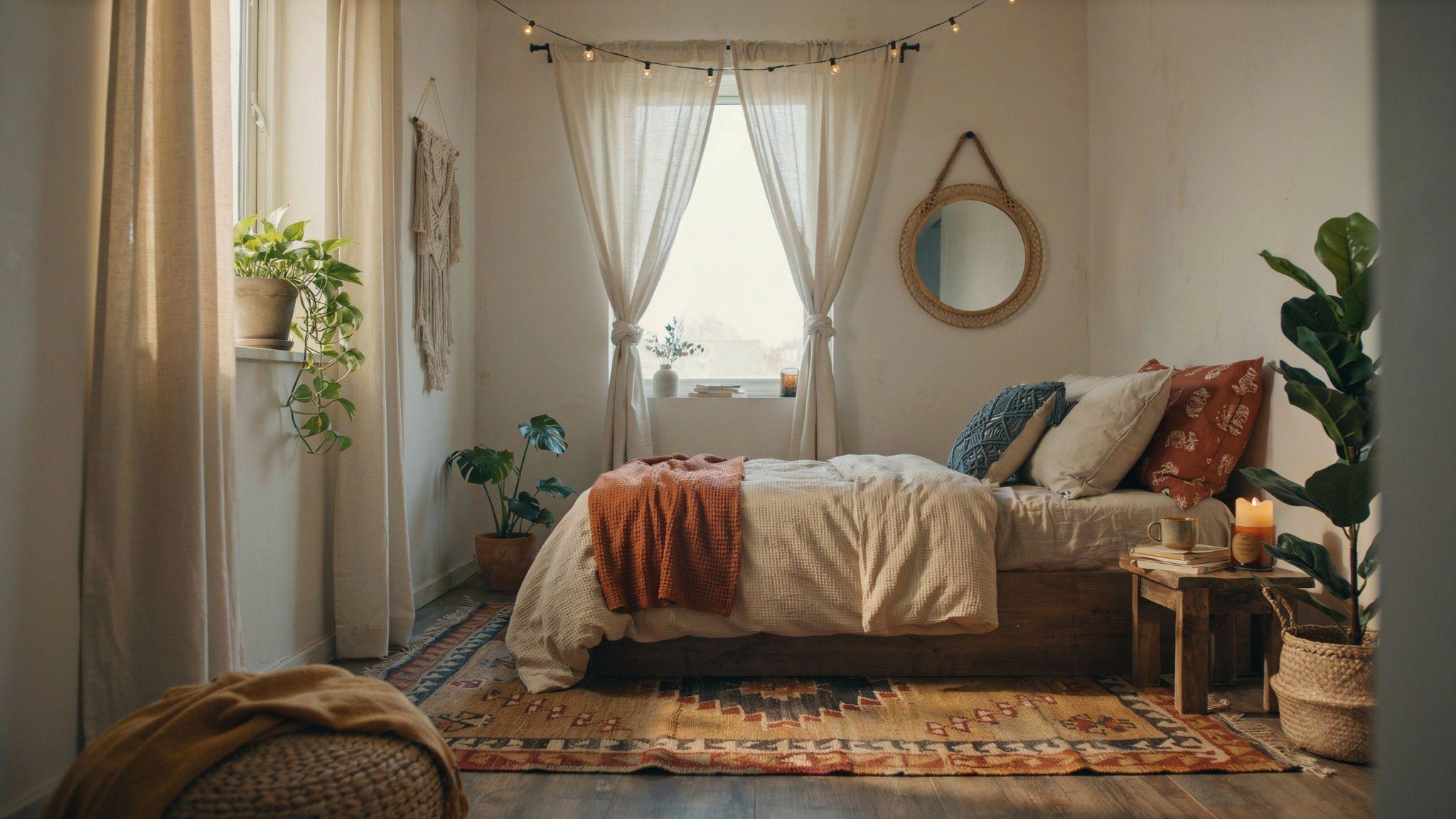
These use fabric ties instead of rings or pockets. They have a laid-back, handmade feel that fits bohemian or farmhouse-style rooms. Easy to hang and fun to style.
9. Double Panel Curtains for Large Windows
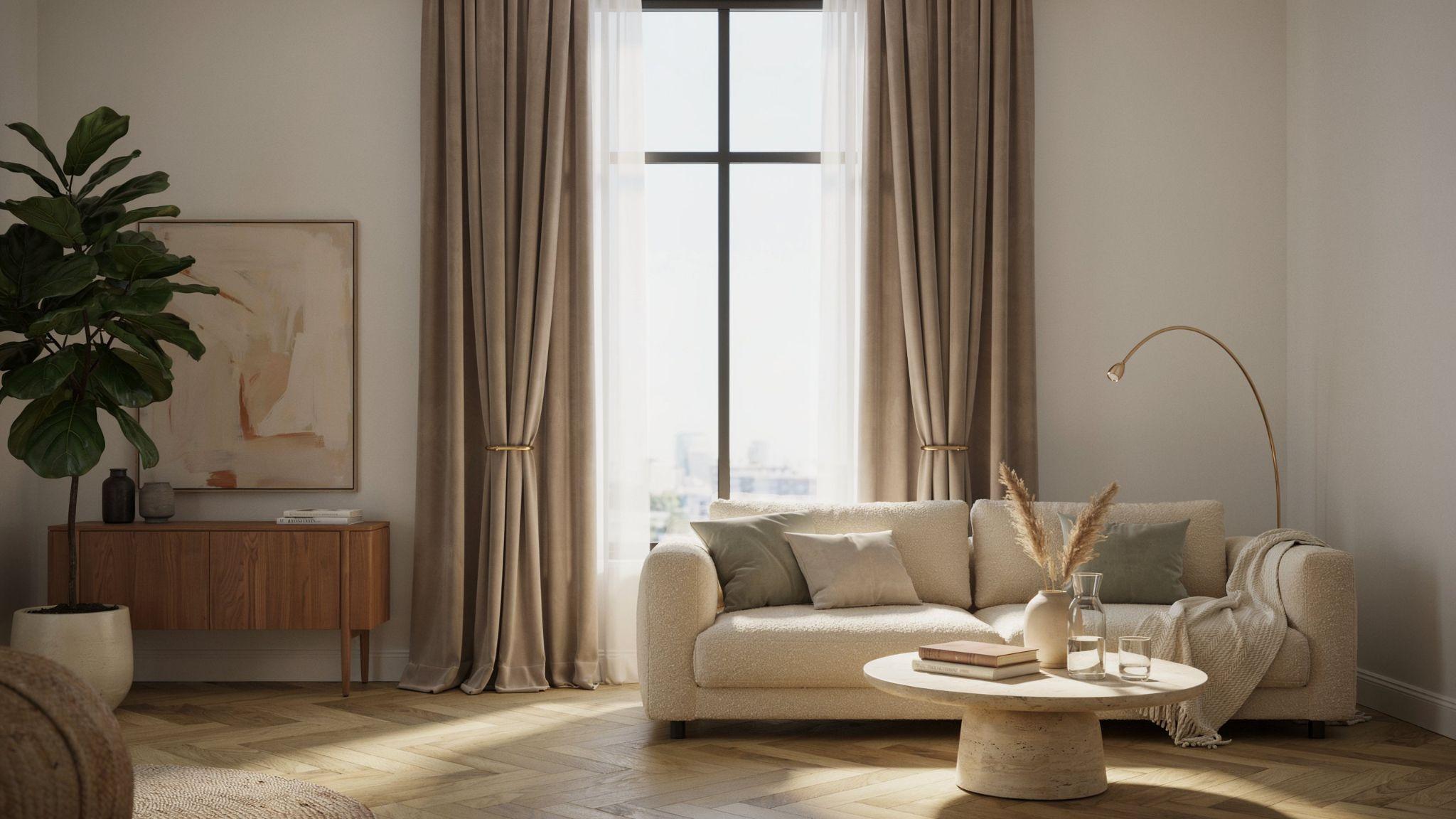
Two panels cover a wide window from both sides. They give a full, balanced look and are ideal for large windows in living rooms or any space with oversized openings.
10. Single Panel Curtains for Minimalist Rooms
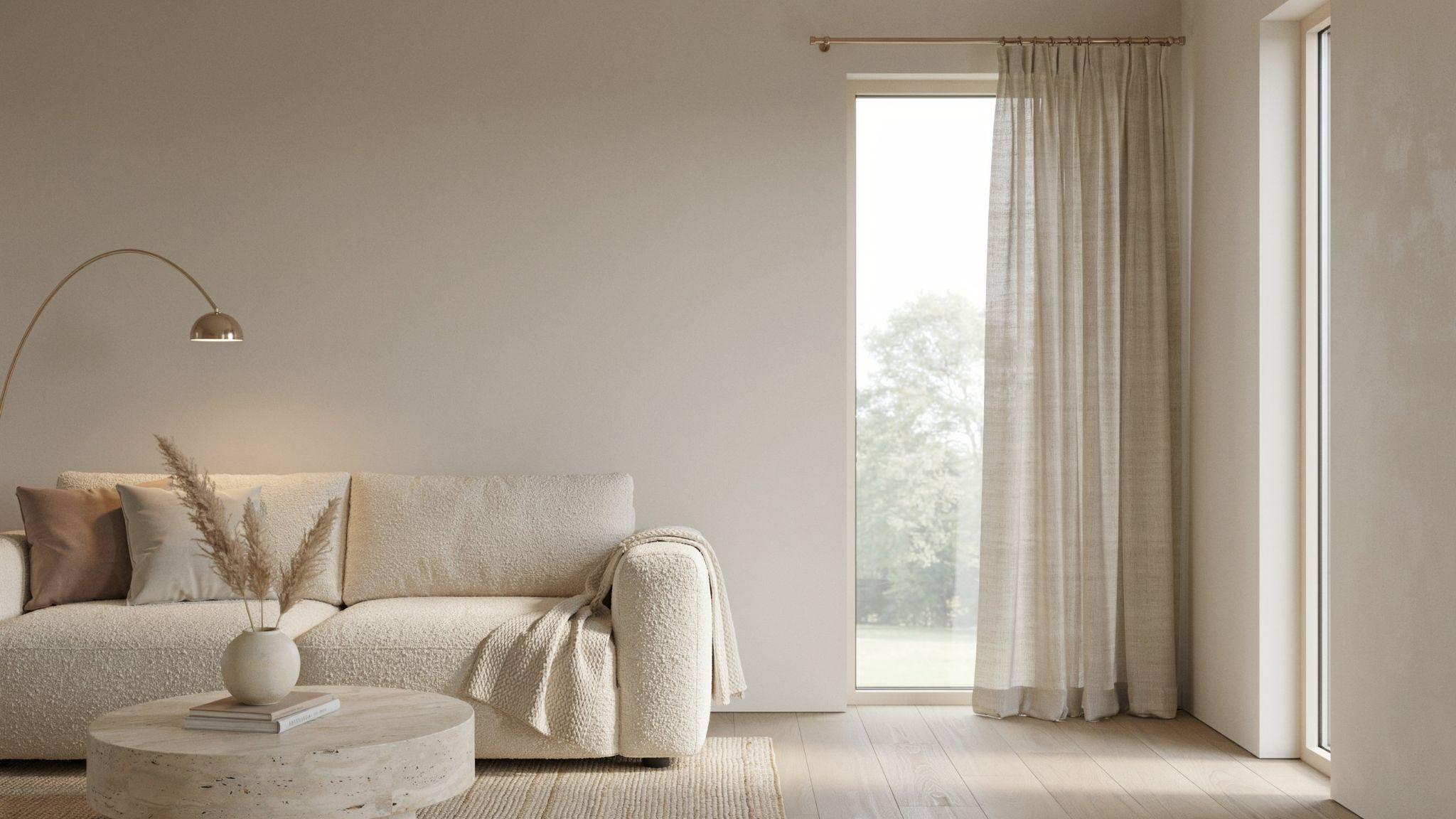
One panel covers or frames the window on one side. It is a clean, simple choice that works well in minimalist spaces where you want less visual clutter on the walls.
11. Floor-Length Curtains for Elegant Spaces
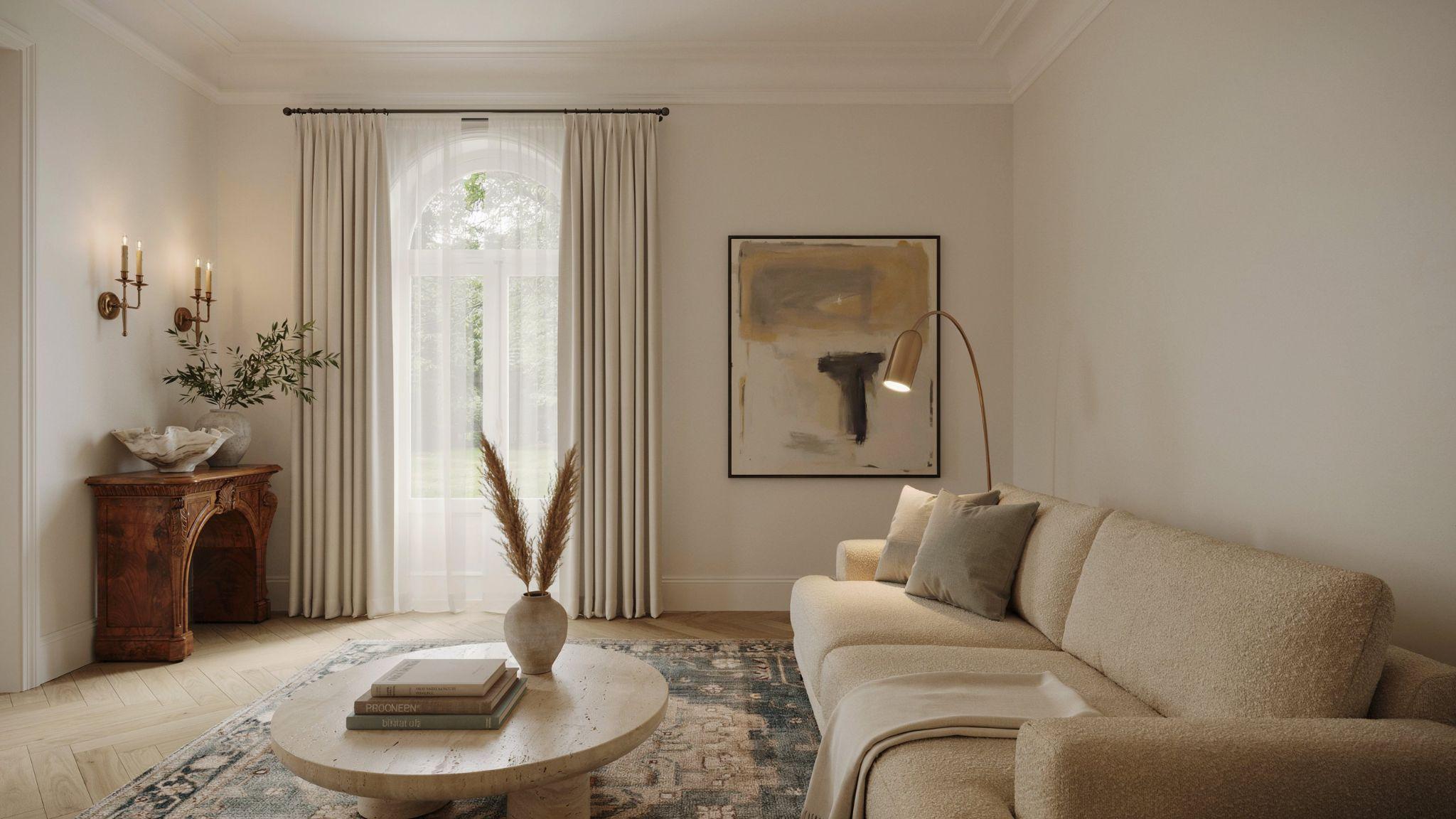
These hang from the rod all the way to the floor. They make ceilings look taller and rooms feel more put-together. A popular choice for living rooms and dining areas.
12. Puddle-Length Curtains for Luxury Appeal
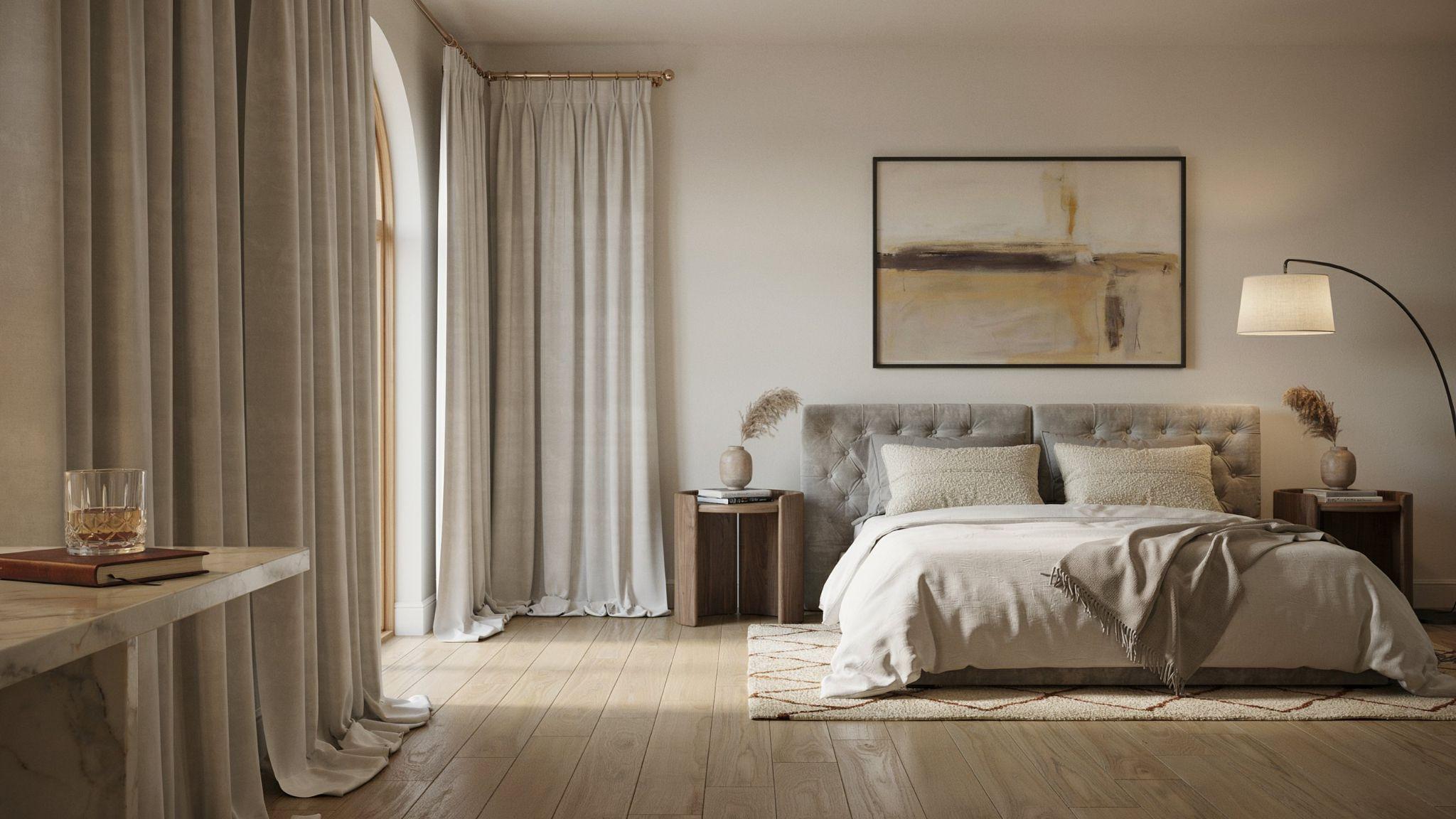
These are cut longer than the window height so the fabric pools on the floor. They create a dramatic, high-end look often seen in formal sitting rooms or master bedrooms.
13. Apron-Length Curtains for Small Windows
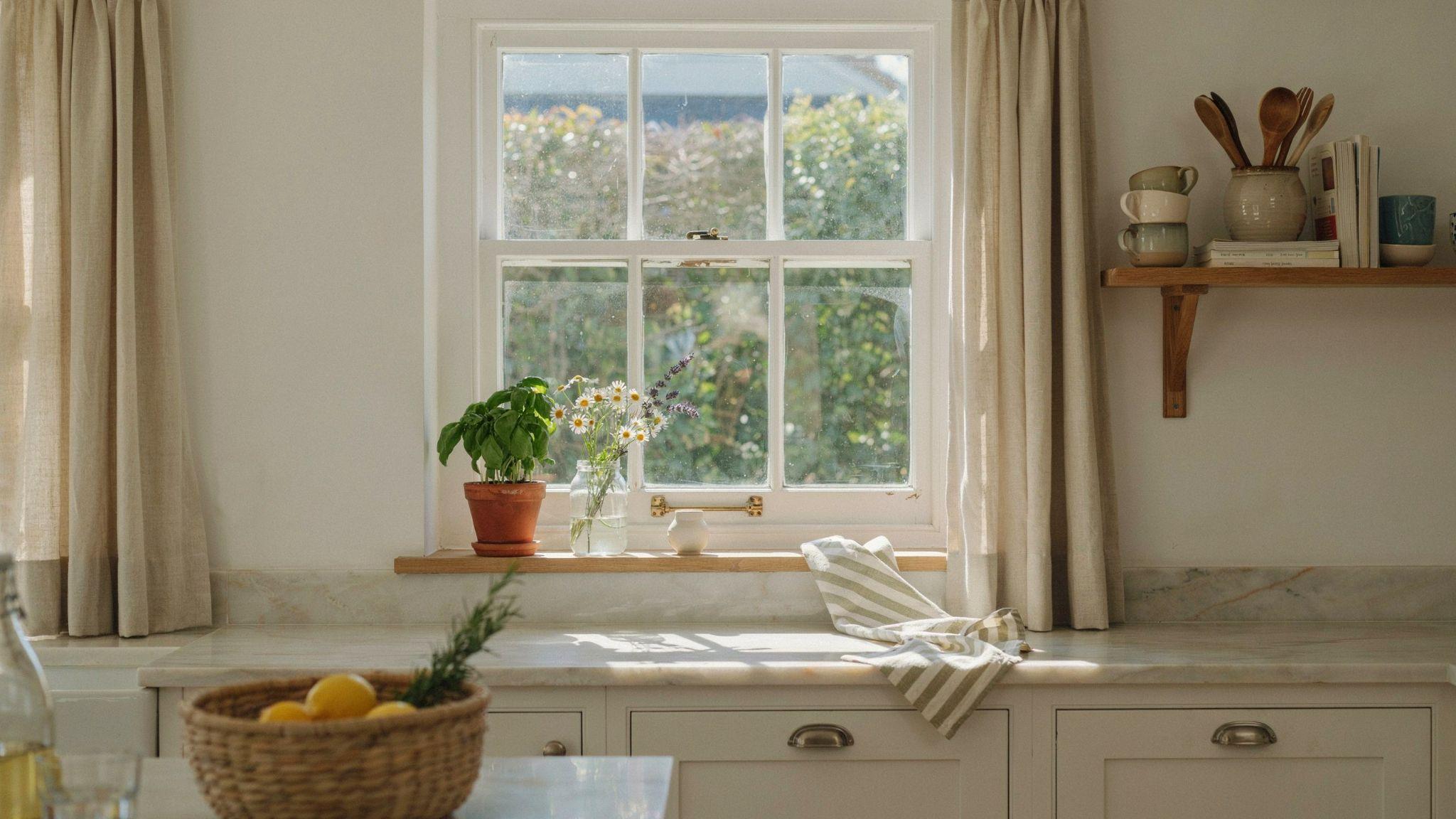
These end just below the window sill. They are practical for smaller windows in kitchens or bathrooms where floor-length curtains would get in the way or look oversized.
14. Café Curtains for Kitchens and Breakfast Nooks
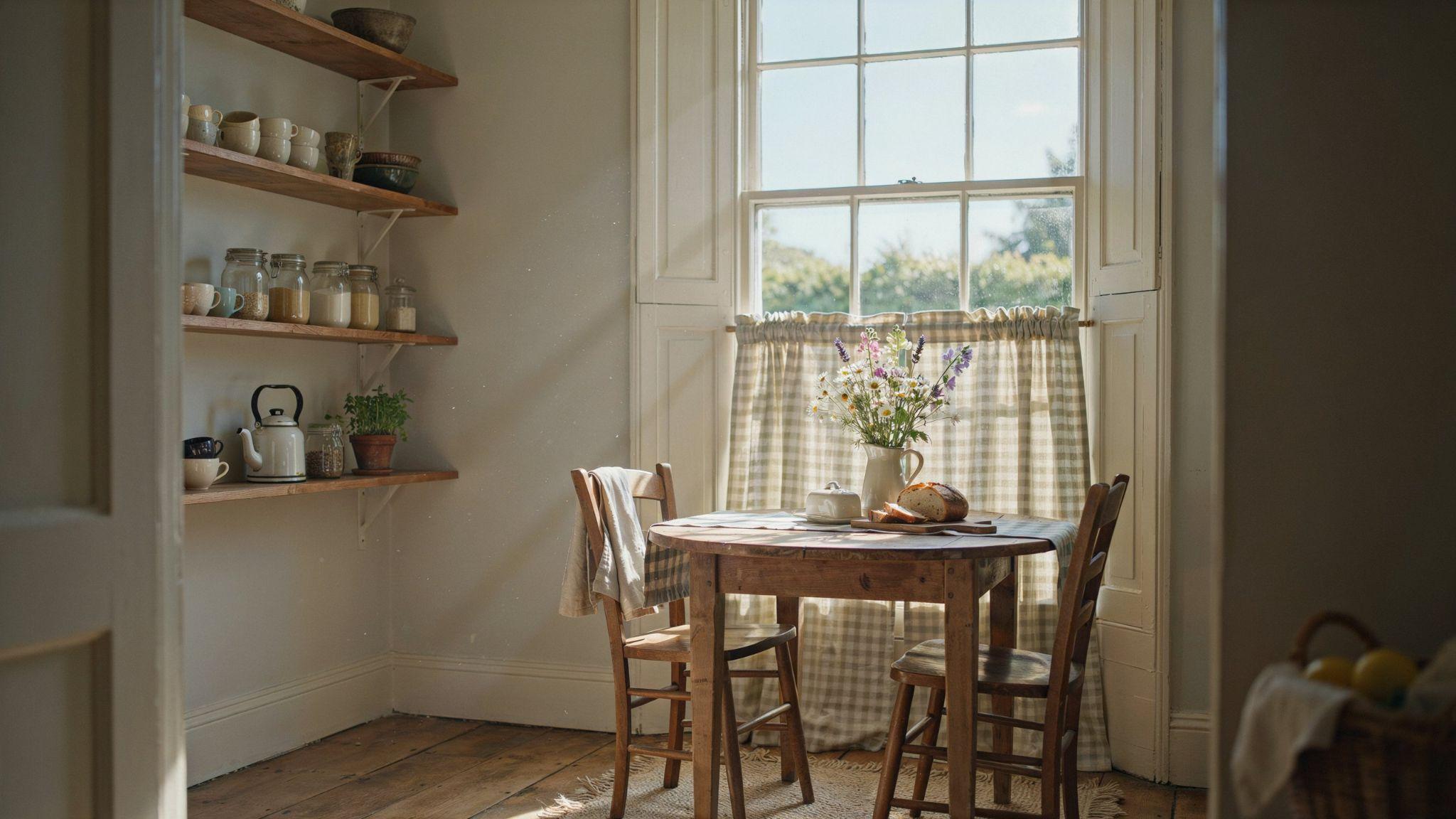
Café curtains cover only the bottom half of the window. You get privacy at eye level while still letting light in from the top. A classic fit for kitchen windows.
15. Flat Panel Curtains for Contemporary Homes
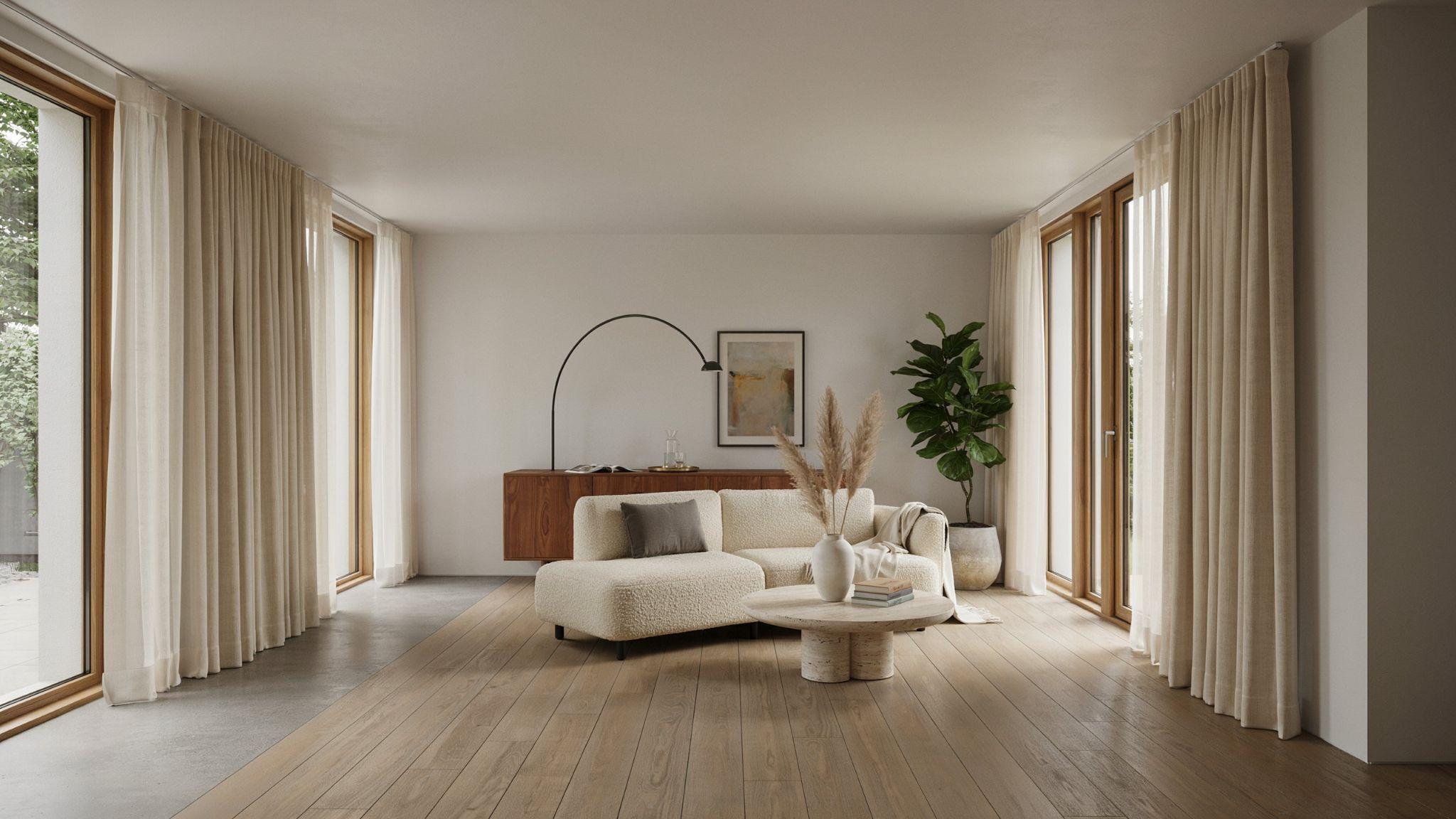
Simple and clean, flat panel curtains have no pleats or gathers. They hang straight down from the rod and suit modern or minimalist interiors that prefer a no-fuss look.
16. Pinch Pleat Curtains for a Tailored Look
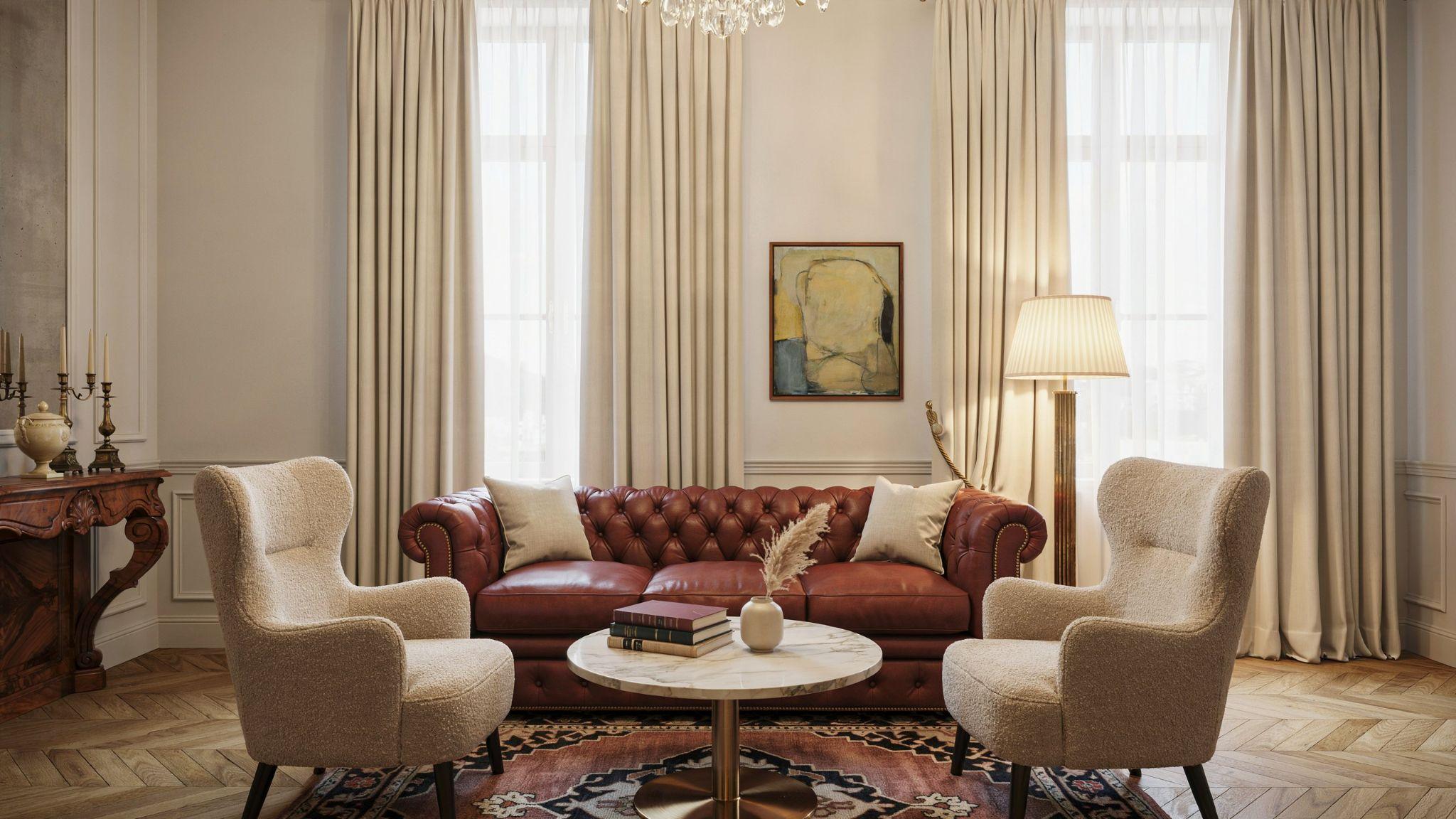
Fabric is pinched together at regular intervals at the top, creating neat, structured pleats. They look polished and work well in formal living rooms or well-dressed dining spaces.
17. Euro Pleat Curtains for Sophisticated Interiors
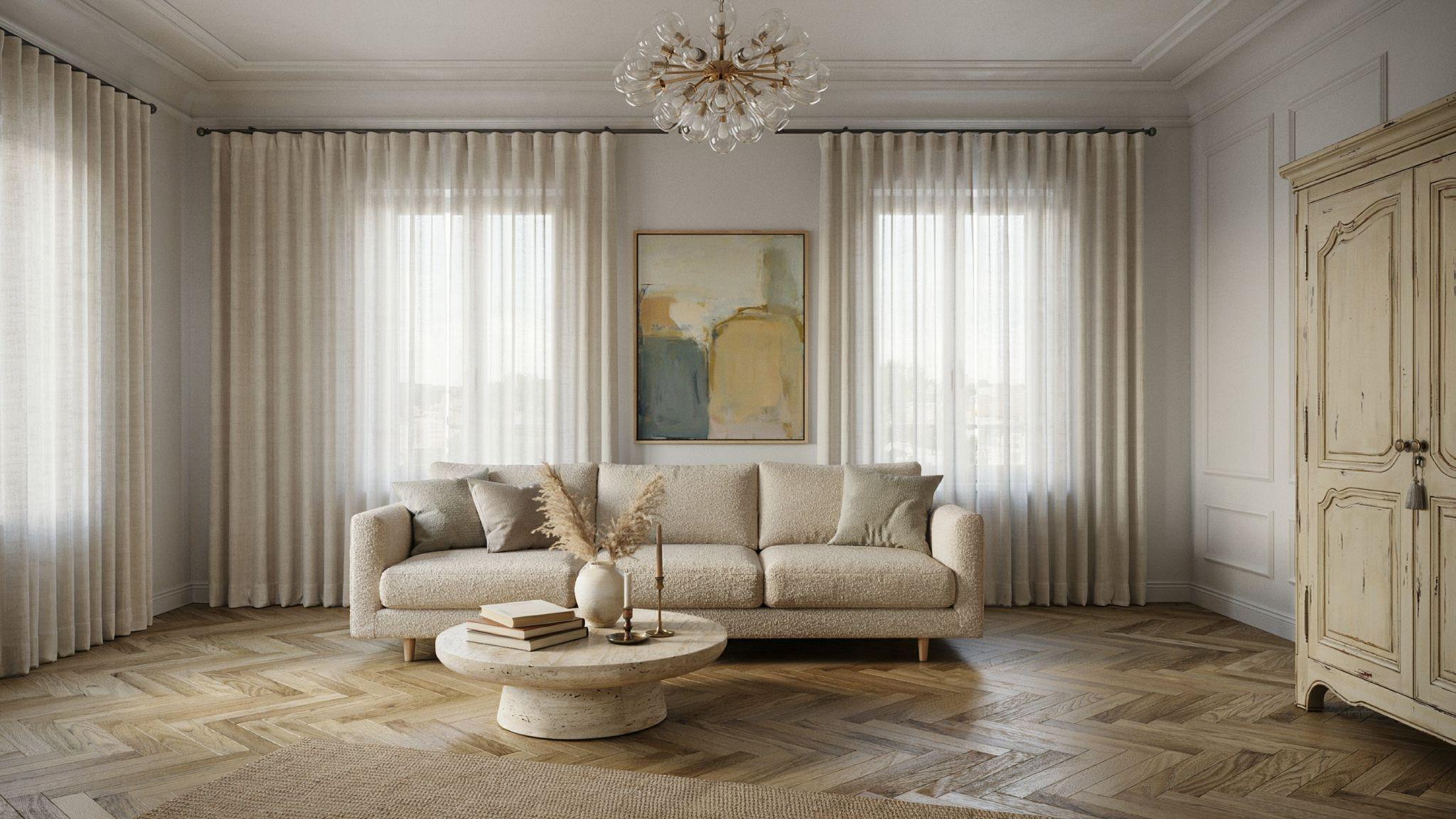
Euro pleats are single, wide pleats spaced evenly across the top. They create a full, uniform look that feels refined without being too formal. Common in high-end European interiors.
18. Box Pleat Curtains for Formal Rooms
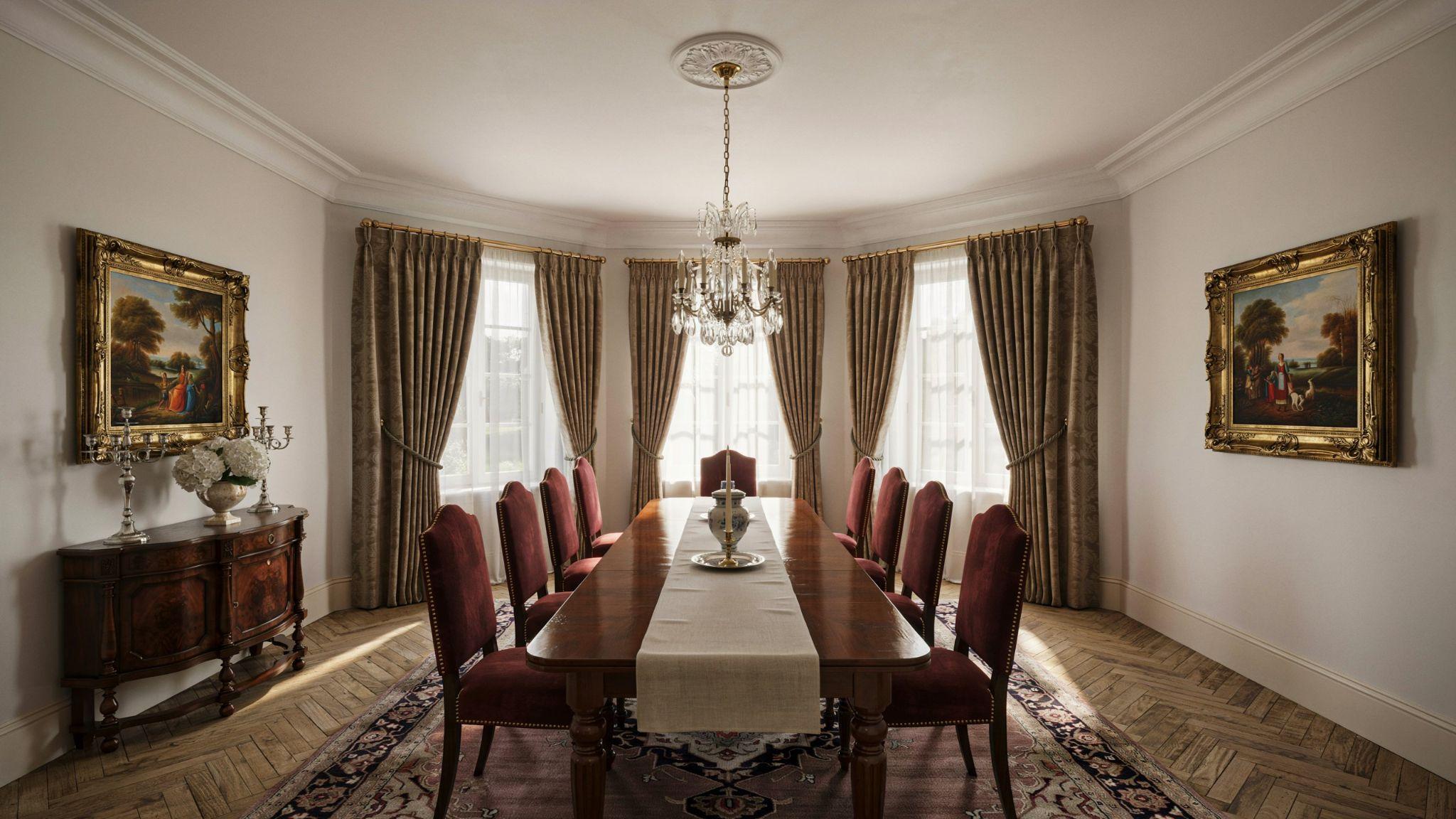
Box pleats are flat folds sewn into the fabric at even intervals. They give a very structured, neat appearance that works well in formal dining rooms or traditional home offices.
19. Inverted Pleat Curtains for Modern Styling
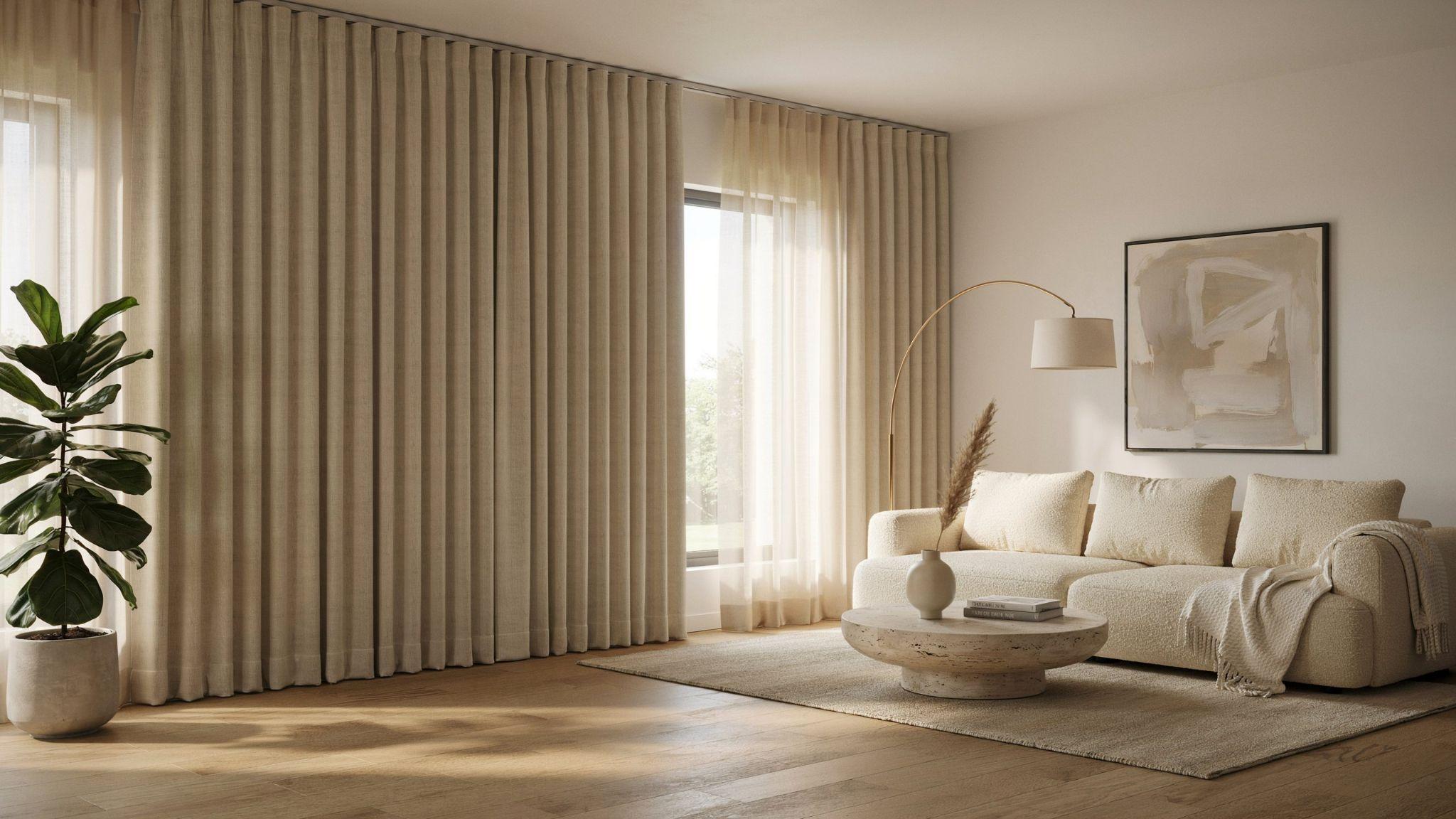
This is a reverse box pleat where the fold faces outward. It creates a smooth, flat front with hidden fullness behind. A clean style that suits contemporary and transitional rooms.
20. Window Scarf Curtains for Decorative Flair
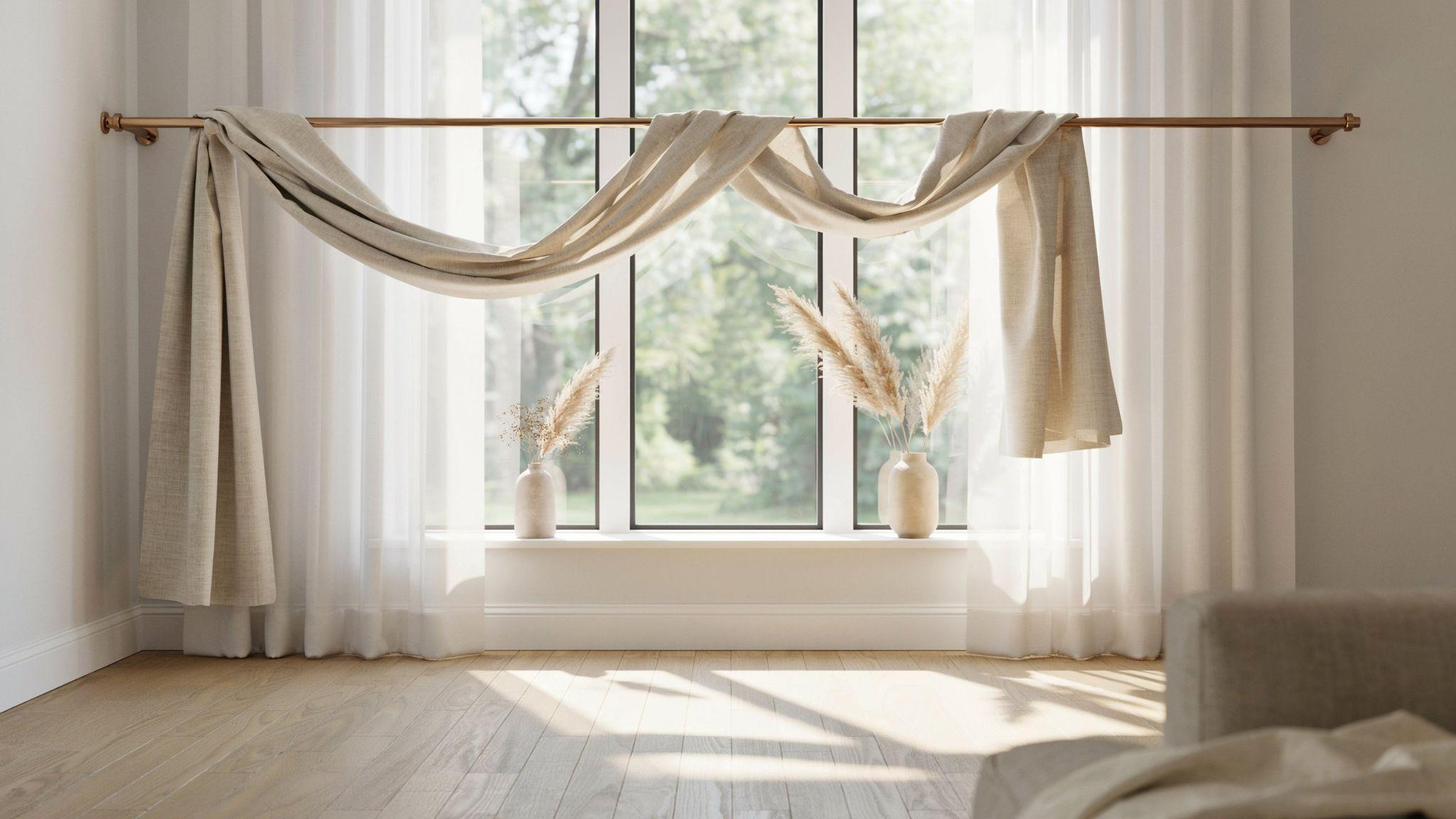
A scarf is a long piece of fabric draped loosely over a rod. It is more decorative than functional and adds softness to a window without blocking light or adding bulk.
21. Layered Curtains for Added Depth and Texture
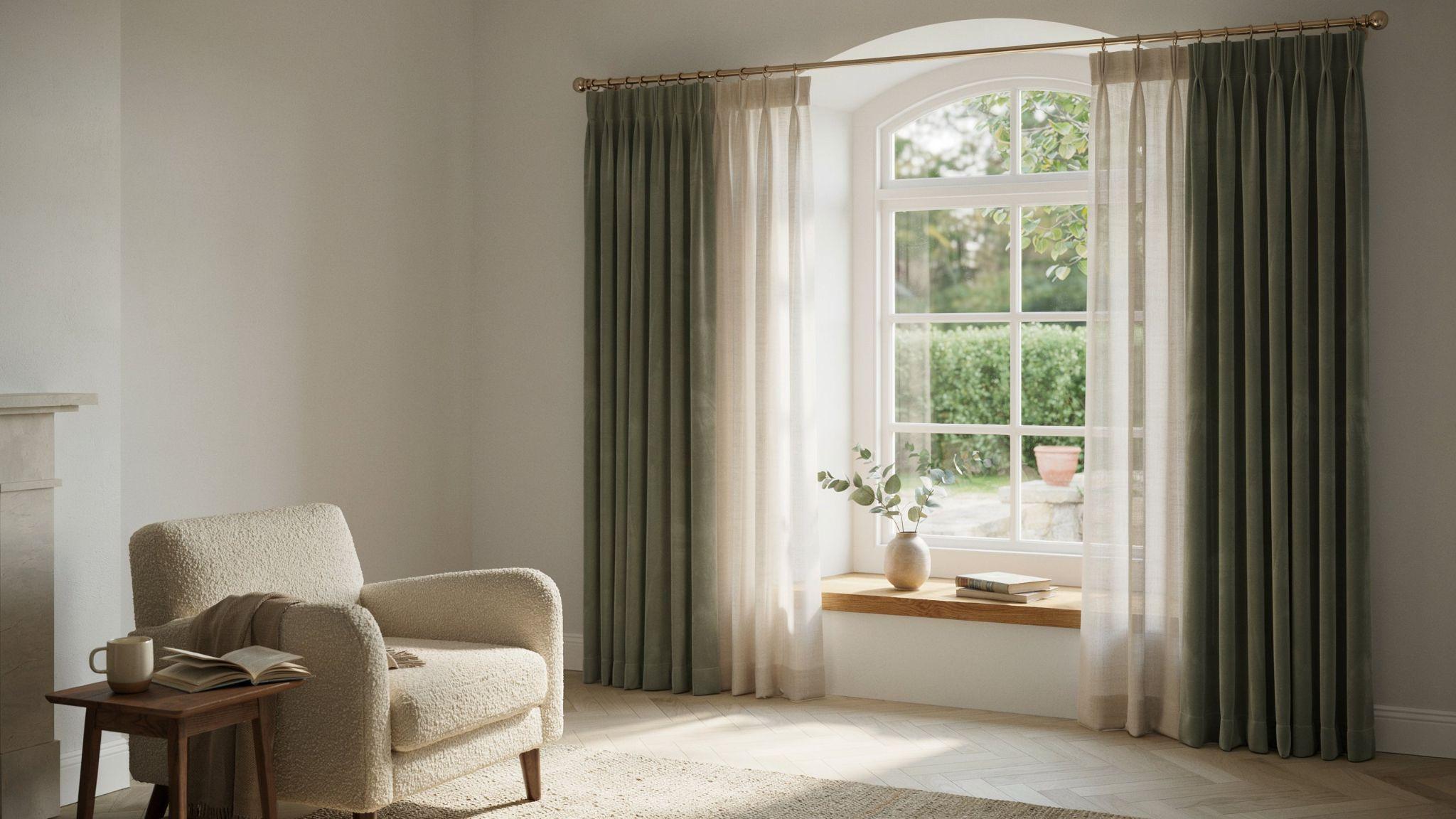
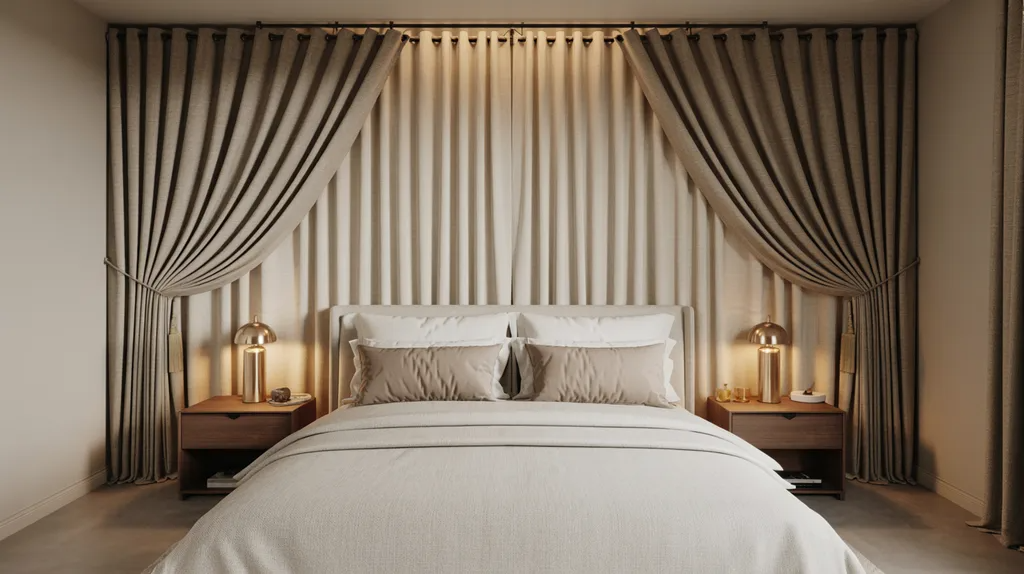
Layering means pairing sheers with heavier panels. You get flexibility with light control and privacy throughout the day. It also adds visual depth and a more finished look to any window.
22. Roman Shade Curtains for Clean Lines
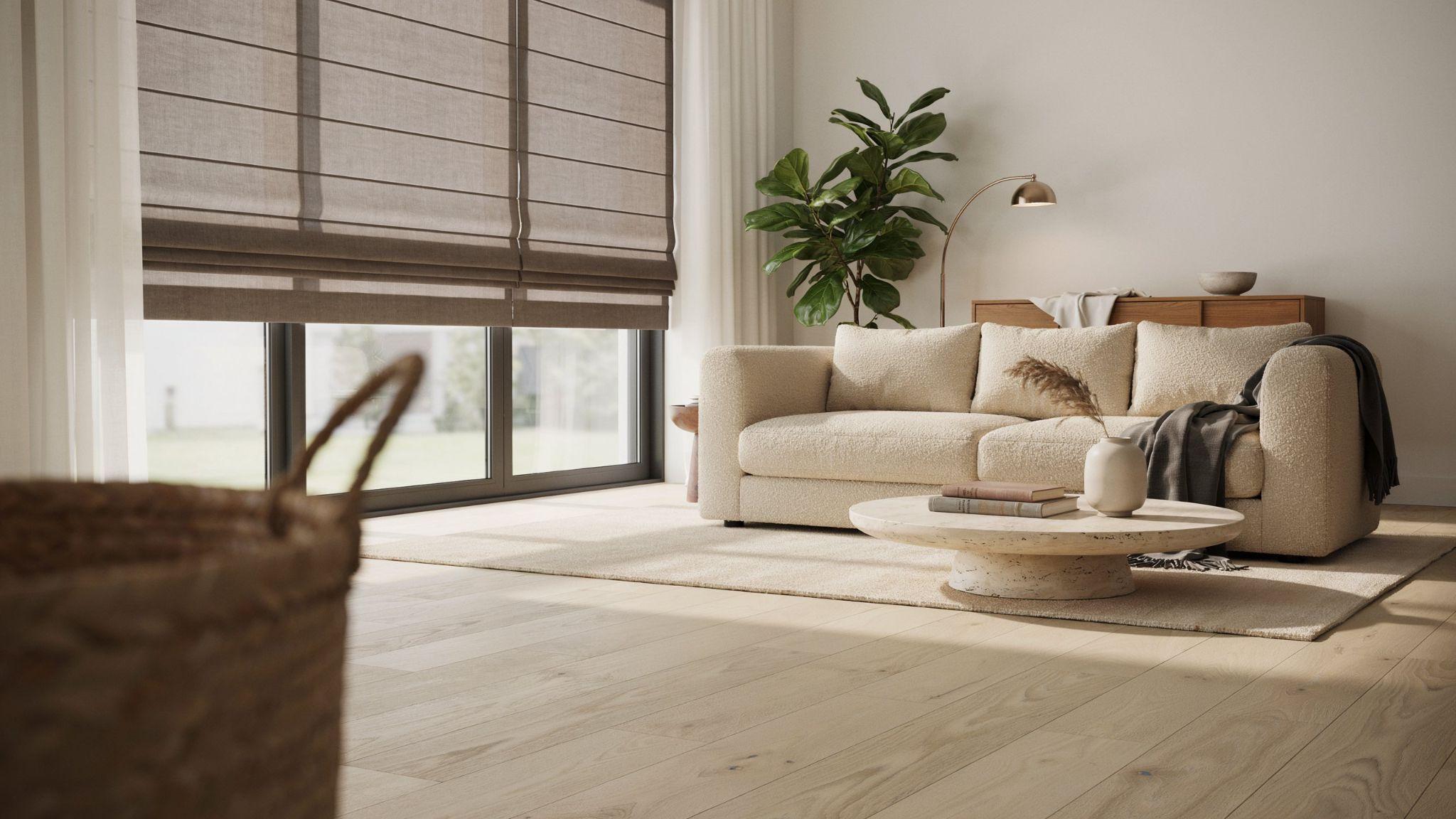
Roman shades fold up neatly when raised and lie flat when lowered. They work like a curtain but with a more structured look, great for smaller windows or tidy, modern spaces.
23. Patterned Curtains for a Bold Statement
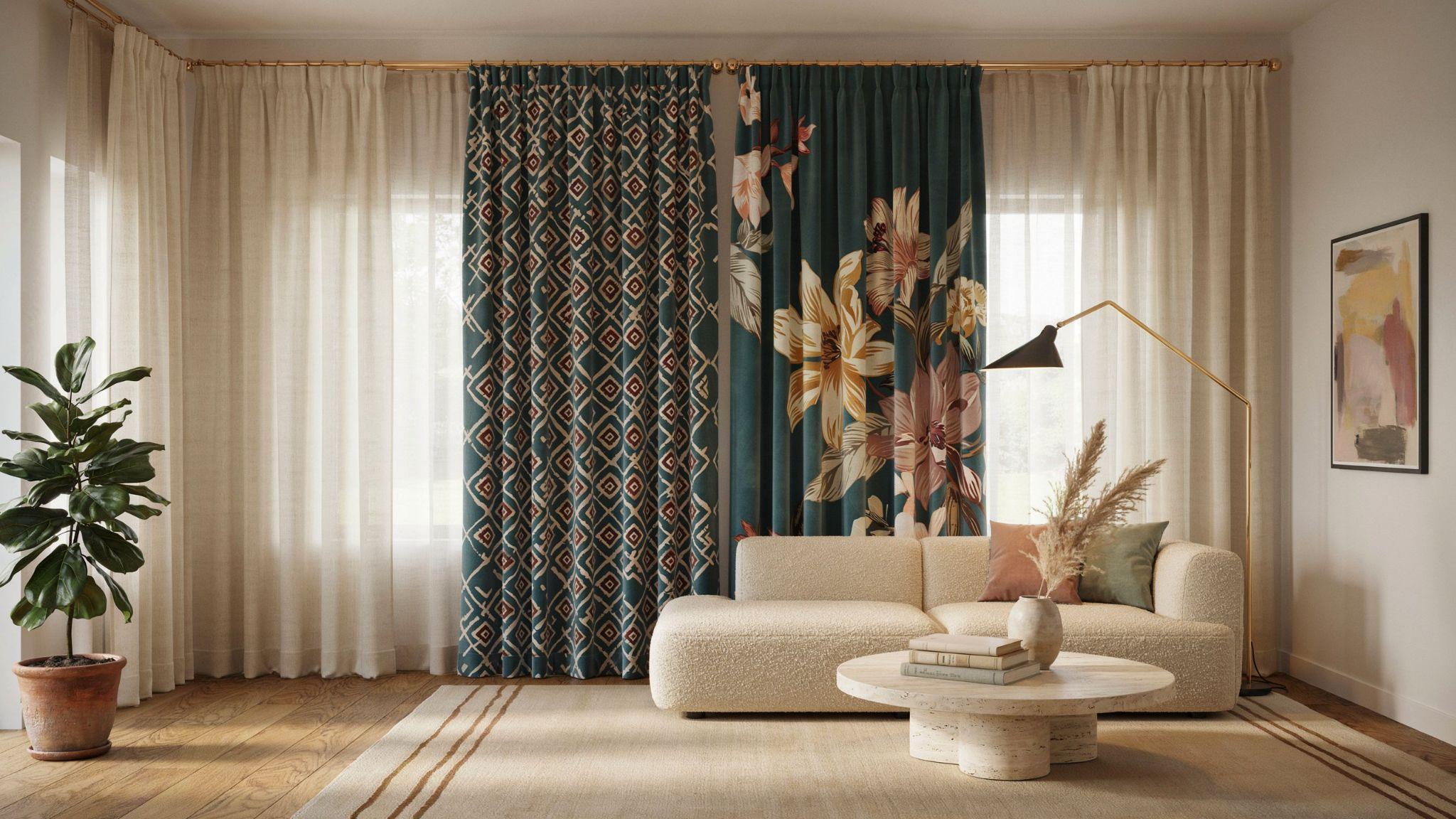
Patterns like stripes, florals, or geometric prints add personality to a room fast. They work best when the rest of the space is kept neutral so the curtains stand out.
How to Choose the Best Type of Window Curtains
Start by looking at your room as a whole. Think about your interior style, how big your windows are, and how much light you want coming in.
The fabric matters too. Heavy fabrics give more privacy and block more light, while lighter ones keep things breezy. And always think about function first.
A curtain that looks great but lets in too much light or too little is not really doing its job.
Common Mistakes to Avoid When Choosing Curtains
- Hanging curtains too low makes ceilings look shorter. Always mount the rod closer to the ceiling, not just above the window frame.
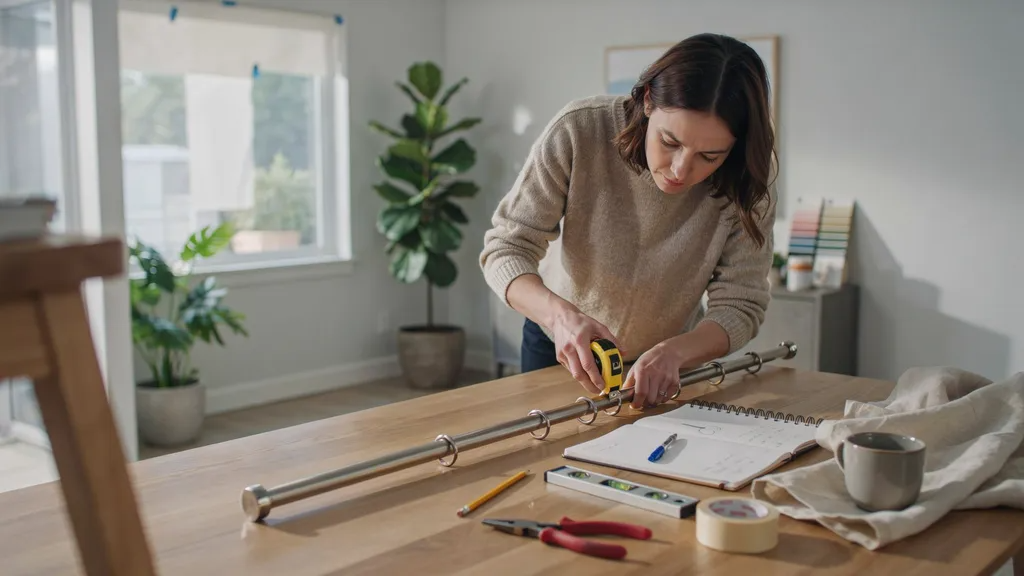
- Getting the length wrong throws off the whole room. Measure carefully before buying and decide if you want floor-length or sill-length panels.
- Ignoring how much natural light a room gets is a big one. A bright south-facing room needs different curtains than a dim north-facing space.
- Skipping fabric care labels leads to shrinking or fading after the first wash. Always check if the fabric is machine washable or dry clean only.
- Buying curtains that are too narrow is a common slip. Panels should be wide enough to stack back and still fully cover the window when closed.
Conclusion
Picking the right curtains makes a bigger difference than most people think. I've seen rooms go from flat to really well put-together just by swapping out the wrong curtains for the right ones.
Take your time with it. Think about your light, your space, and your style before buying anything.
Got questions about which type suits your room? Drop them in the comments below. And if this helped, share it with someone who's redecorating right now.
Frequently Asked Questions
What are the most popular types of window curtains?
Blackout, sheer, and grommet curtains are among the most widely used. Each one serves a different purpose, so the best choice depends on your room and how much light you want.
Which curtain type is best for bedrooms?
Blackout curtains work best in bedrooms because they block out light and help you sleep better. They also reduce outside noise, which is a bonus if you live in a busy area.
What type of curtains make a room look bigger?
Floor-length curtains hung close to the ceiling make a room look taller and more open. Lighter fabrics and neutral colors also help a small room feel less closed in.
How do I know what curtain length to choose?
Measure from the rod to where you want the curtain to end. Floor-length works for most rooms, sill-length suits kitchens and bathrooms, and puddle-length adds a dramatic touch to formal spaces.
Can I mix different curtain types in the same room?
Yes, layering two types like sheers and blackout panels is a common approach. It gives you more control over light and privacy without having to swap curtains out during the day.