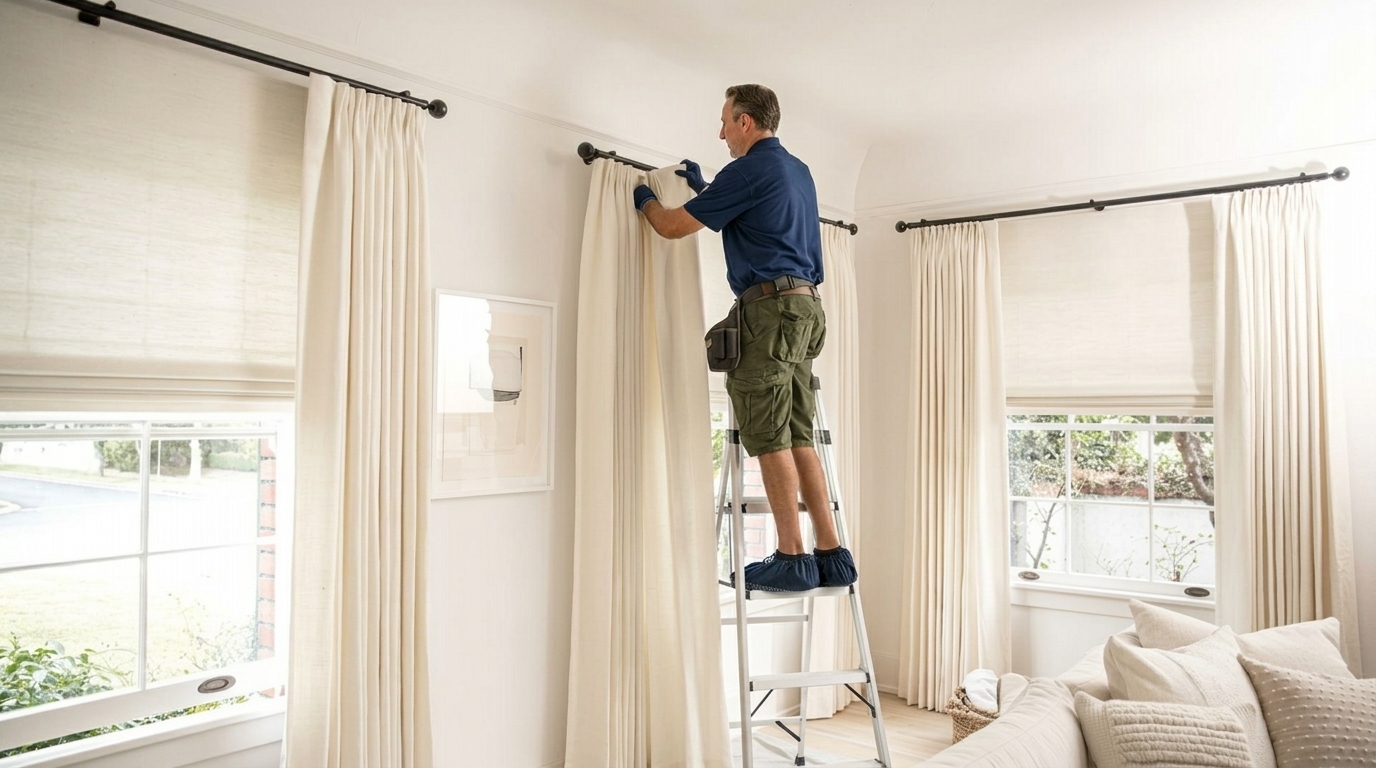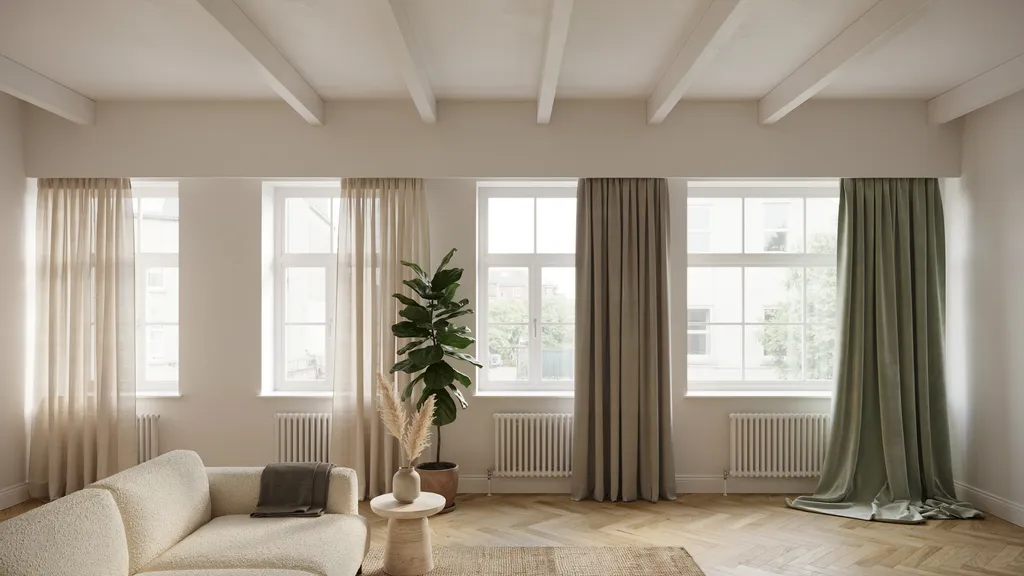

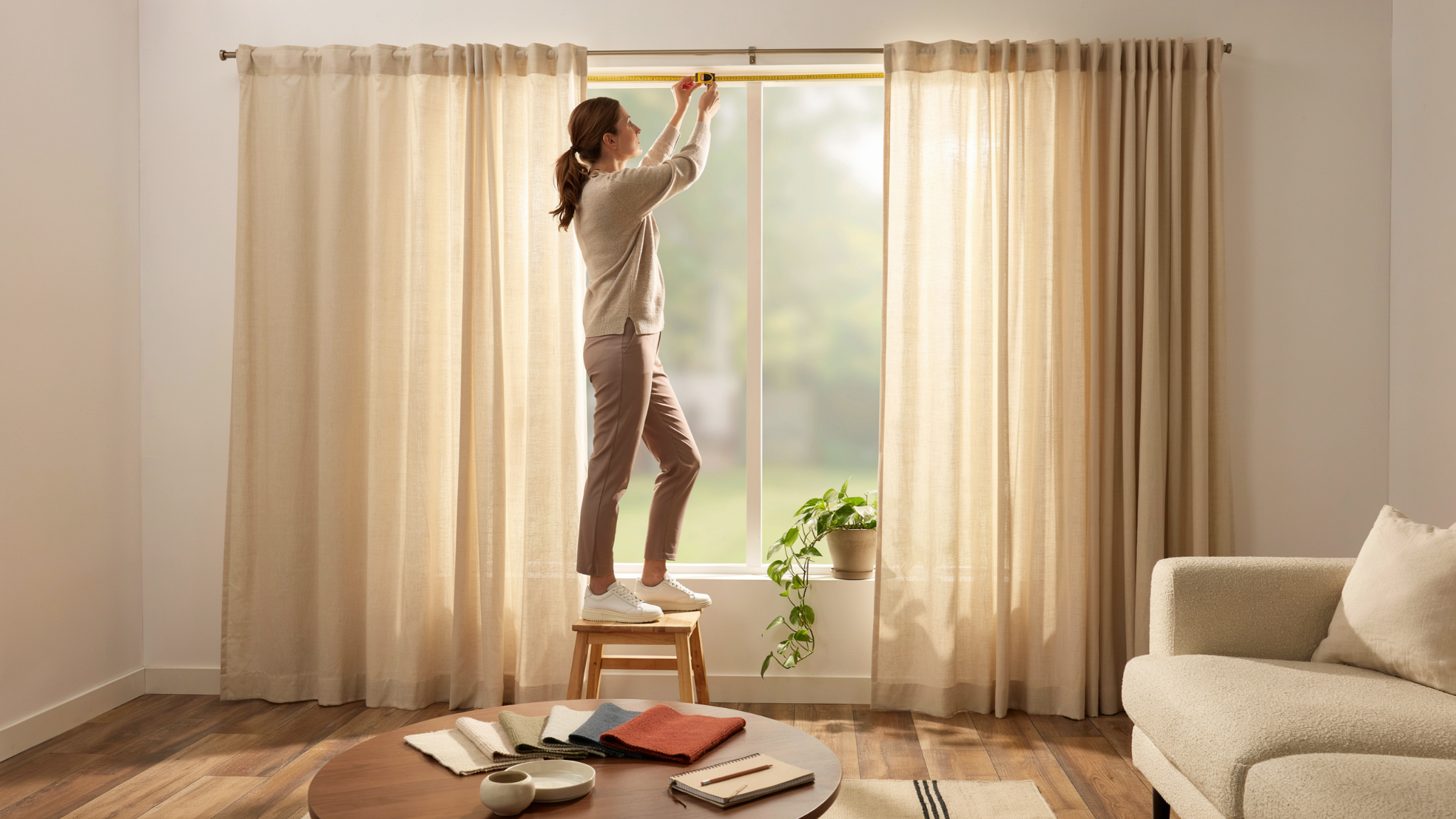
Picking the right number of curtain panels can feel confusing. Too few panels leave your window looking bare. Too many can overwhelm a small space. This guide walks you through the exact steps to measure your window and figure out how many panels you need.
I've helped friends and family pick curtains for years, and the same questions always come up. That hands-on experience is why this guide sticks to what actually works.
In this article, you'll learn how to measure your rod, understand fullness, use a simple formula, and check size charts for common windows. By the end, you'll know just what to buy.
Understanding Curtain Panels and How They Are Measured
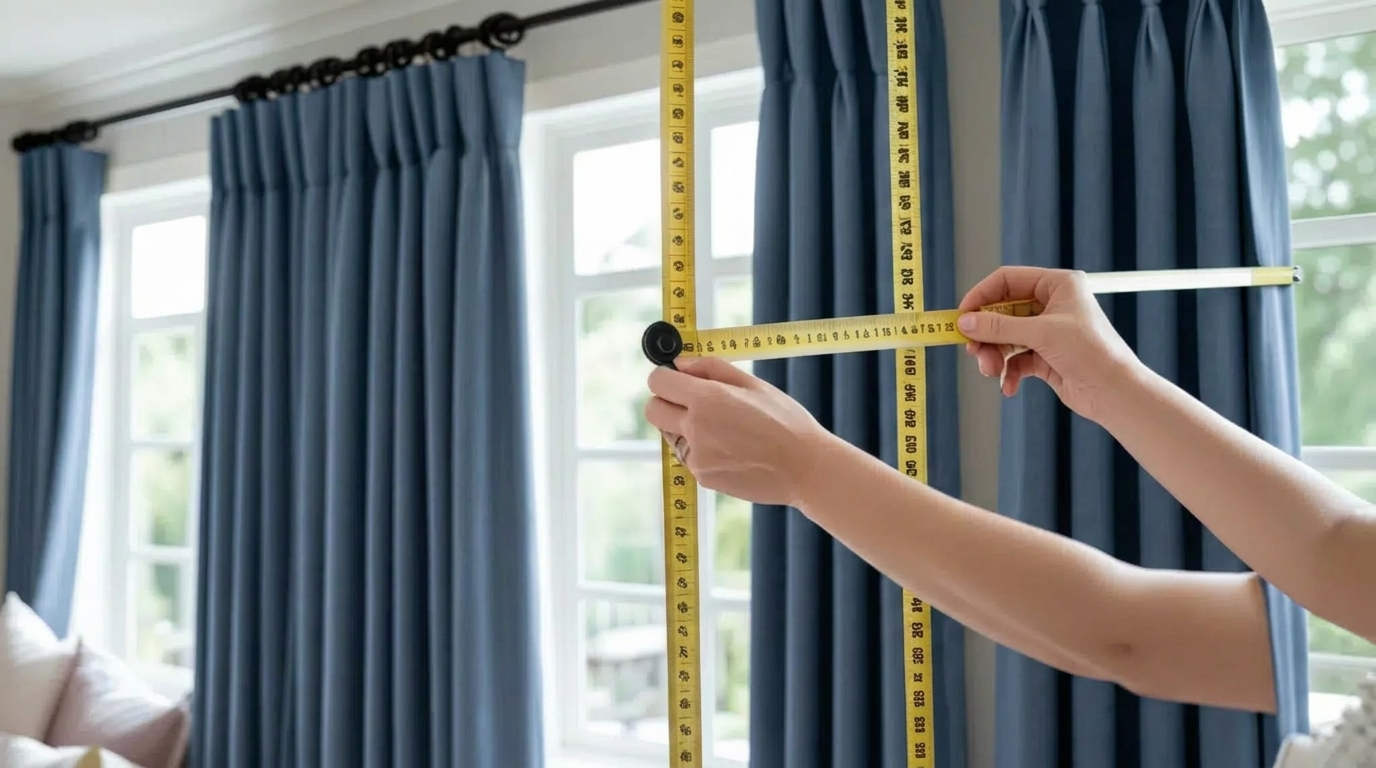
Curtain panels are single fabric pieces, and most curtains are sold in pairs of two.
Curtain panels are single pieces of fabric that hang on either side of a window. Most curtains come in a set of two panels, though single panels are sold too.
Each panel has a width and a length, often written together on the label, such as 50 by 84 inches.
The width tells you how wide that one piece of fabric is, not how wide your window is.
The length tells you how far the fabric drops from the rod to where it ends. Knowing these two numbers is the first step before you measure your own window.
How to Measure Your Window for Curtain Panels

Good measurements start with the rod, not the window glass itself.
Measure the Curtain Rod Width
Use a tape measure to measure your curtain rod from one end to the other, not the window frame itself.
This number tells you the total width of fabric you will need to cover the rod completely.
Account for Rod Extensions Beyond the Window
Many rods stick out past the window frame on each side to allow room for the curtains to stack.
Add this extra width to your total rod measurement before you start shopping for panels.
Determine the Finished Curtain Length
Decide where you want the bottom of the curtain to fall, such as the floor, the windowsill, or just below the frame.
Measure straight down from the top of the rod to that point to get your finished length.
Record Your Measurements Correctly
Write down both the width and the length measurements together in inches as soon as you take them.
Keep a copy on your phone or on paper and check the numbers again before you place your order.
Curtain Fullness Explained
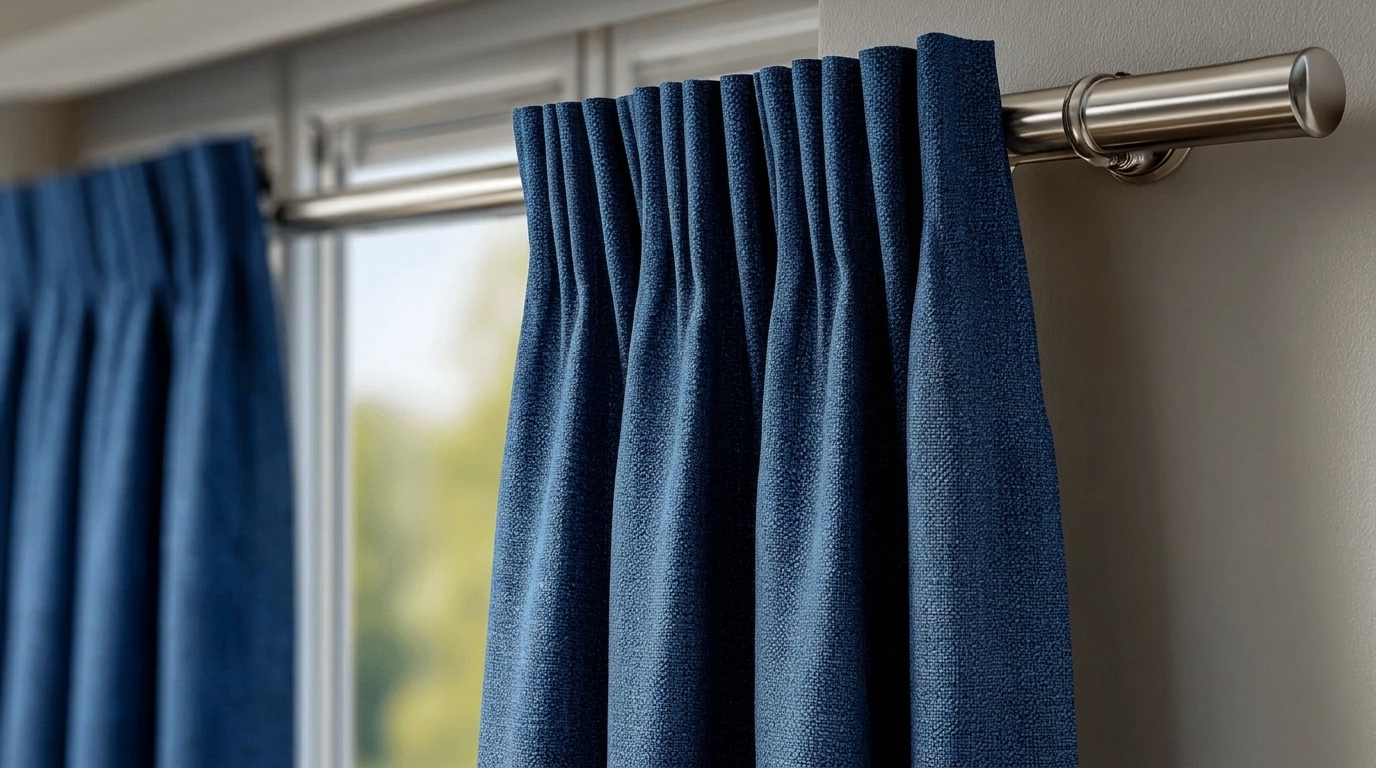
Fullness decides whether your curtains look flat or rich with folds.
What Is Curtain Fullness?
Fullness is the ratio between the width of your fabric and the actual width of your curtain rod.
When you use more fabric than the rod width, it creates folds and gathers once the curtain is closed.
1.5x vs 2x vs 3x Fullness
A 1.5x fullness uses less fabric and gives the curtain a flatter, simpler look when closed.
A 2x fullness is the most common option, while a 3x fullness uses much more fabric for a heavier, layered look, often paired with sheer panels.
How Fullness Affects Panel Count
A higher fullness ratio means you need more total fabric width, which usually means buying extra panels.
A lower fullness ratio uses less fabric overall, so you can often get away with fewer panels for the same window.
How Many Curtain Panels Do I Need Calculator

A simple formula takes the guesswork out of buying curtains.
Curtain Panel Calculation Formula
To find your panel count, multiply your rod width by the fullness ratio you want to use. Then divide that total by the width of a single panel and round up to the next whole number.
Step-by-Step Example Calculation
For example, if your rod is 60 inches wide and you want 2x fullness, multiply 60 by 2 to get 120 inches of fabric needed.
Divide 120 by 50, the width of one panel, which gives you 2.4, so you would round up to 3 panels.
How to Round Up the Number of Panels
Always round your final number up, never down, even if the decimal is small. A partial panel still has to be purchased as a full one, so rounding up keeps your curtains looking even on both sides.
How Many Curtain Panels Do I Need for One Window?

Window size is the biggest factor in how many panels you should buy.
Small Windows
Small windows under 36 inches wide usually only need two panels to look balanced and complete. This keeps the window from feeling overcrowded with too much fabric.
Standard Windows
Standard windows between 36 and 60 inches wide typically need two to four panels, depending on the fullness you choose.
A higher fullness ratio on these windows will push you toward the higher end of that range.
Large Windows
Large windows between 60 and 96 inches wide often need four to six panels to get full, even coverage across the rod.
This range gives the curtains enough fabric to fall nicely without looking thin.
Floor-to-Ceiling Windows
Floor-to-ceiling windows need extra length so the fabric reaches all the way down without stopping short.
They often need extra panels as well, so the curtain still looks full from the top of the rod to the floor.
How Many Curtain Panels Do I Need for My Window? (By Window Type)
Different window shapes need different panel counts to look right.
Single Window

A single window usually only needs two panels, with one hanging on each side of the frame. This is the most common setup for most rooms in a home.
Double Window

Double windows are wider than a single window, so they usually need four panels instead of two. Splitting the panels evenly across both sections keeps the look balanced on either side.
Bay Window

Bay windows have multiple angled sections that meet at corners, so each section often needs its own set of panels.
Treating each section separately helps the curtains hang properly along the angle of the wall.
Sliding Glass Door

Sliding glass doors are both wide and tall, so they usually need four to six panels to fully cover the space.
This many panels also gives you enough fabric to push the curtains aside without bunching.
Curtain Panel Calculator Chart for Common Window Sizes
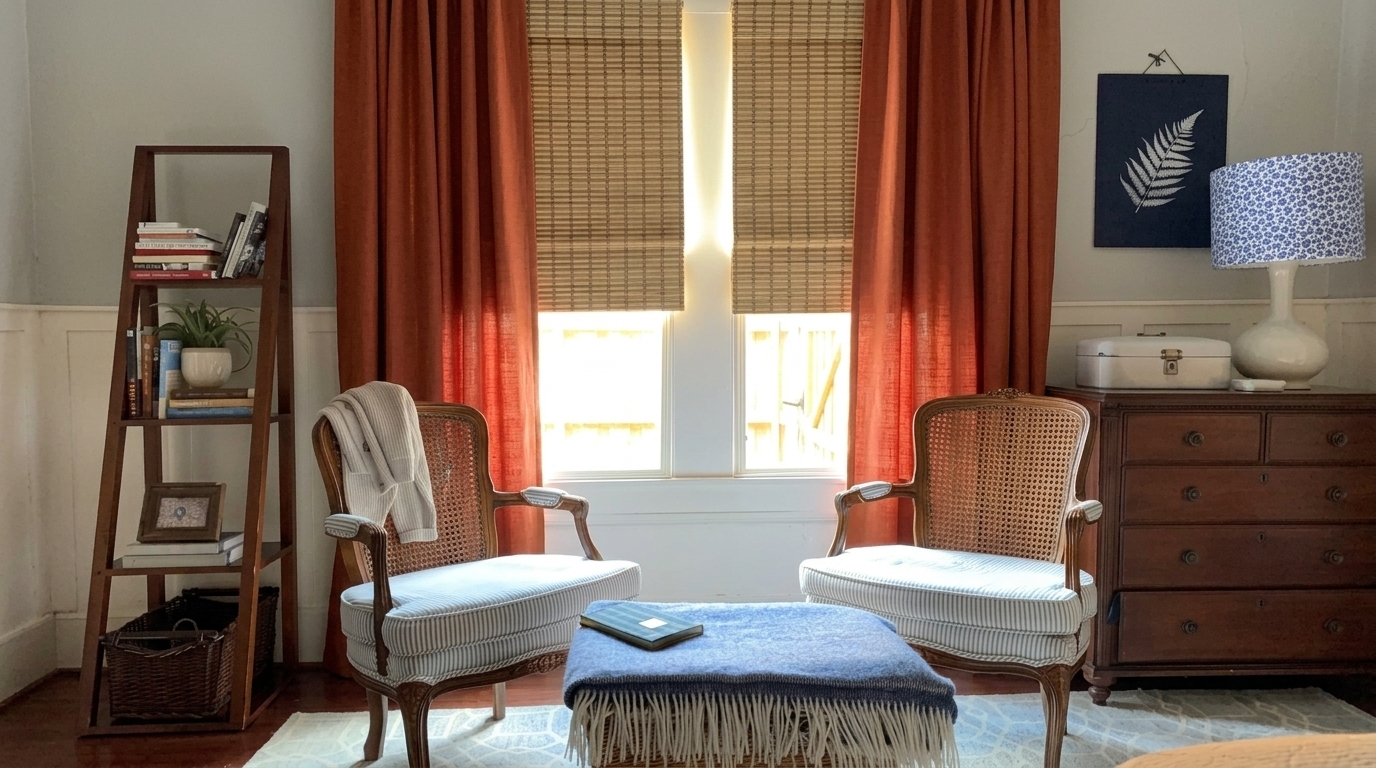
These quick numbers help you shop faster without doing the math yourself.
36-Inch Window
A 36-inch window usually works well with around two panels at standard 2x fullness. This estimate assumes you are using panels that are about 50 inches wide each.
60-Inch Window
A 60-inch window typically needs around two to three panels at standard 2x fullness. Choosing three panels instead of two will give the curtains a noticeably fuller look.
72-Inch Window
A 72-inch window usually looks best with around three panels at standard 2x fullness. This keeps the folds even and consistent across the entire width of the rod.
96-Inch Window
A 96-inch window generally needs around four panels at standard 2x fullness. This amount of fabric covers the wider rod completely without leaving any noticeable gaps.
120-Inch Window
A 120-inch window usually needs around five to six panels at standard 2x fullness. Wider rods like this need this extra panel count to keep the fabric looking full from end to end.
Tips for Choosing the Right Number of Curtain Panels
A few small choices make a big difference in how your curtains turn out.
- Add extra panels for deeper, fuller folds.
- Use more panels or thicker fabric for full privacy.
- Pick fewer panels with sheer fabric for soft daytime light.
- Match panel count to how often you open and close the curtains.
- Keep panels even on both sides for a balanced look.
Conclusion
Picking the right number of curtain panels does not have to be stressful.
I remember measuring my own living room window and feeling unsure until I tried this simple formula myself.
Once I saw the folds fall just right, it all made sense. You now have the steps, the formula, and the charts to do the same in your home.
Try it on your own window this week. If this guide helped, drop a comment below or share it with a friend shopping for curtain panels too.
Frequently Asked Questions
How Many Curtain Panels Do I Need for a 72-Inch Window?
For a 72-inch window, two to three panels usually work well at standard fullness. Choose three panels if you want a fuller, softer look.
Should Curtains Be Twice the Width of the Window?
A 2x fullness rule is common and gives soft, even folds. You can use less fabric for a flatter look or more for a fuller one.
Can I Use One Curtain Panel for a Window?
Yes, one panel can work for a very small window or a simple, light look. For most windows, two panels give a more balanced, finished result.
How Many Curtain Panels Do I Need for Extra-Wide Windows?
Extra-wide windows often need five or more panels to cover the full rod. Use the formula and round up to get the exact number for your space.
Does Curtain Fullness Change the Number of Panels I Need?
Yes, higher fullness needs more fabric width, which often means more panels. Lower fullness uses less fabric, so fewer panels may be enough.