
Is your basement collecting dust and old boxes? You’re not alone. Most homeowners struggle with what to do with this extra space. But here’s the good news: a basement remodel can add serious value to your home and give your family room to spread out.
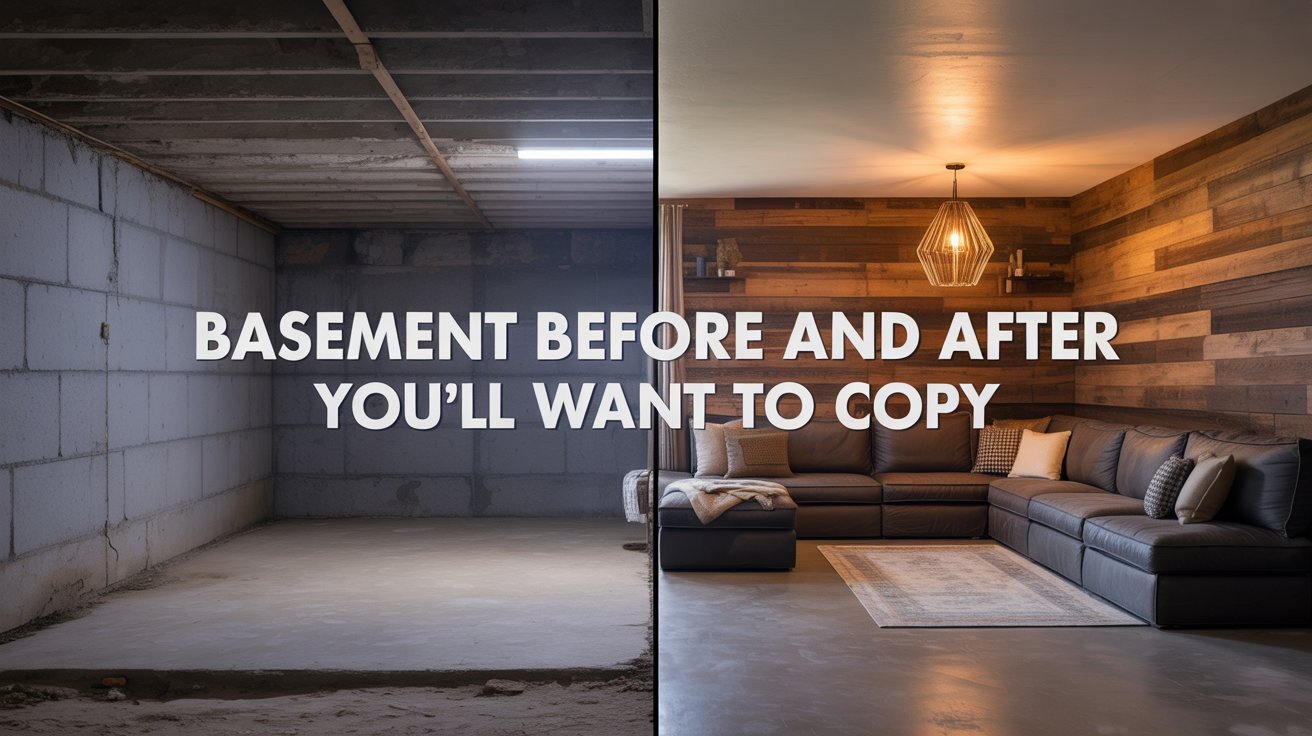
Real basement before and after examples show just how dramatic these changes can be. From scary concrete dungeons to cozy family rooms, the possibilities are huge. In this guide, you’ll see real remodels that prove any basement can become a useful space.
We’ll cover different styles, budgets, and tips to help you plan your own project. If you need a home office, playroom, or entertainment area, these ideas will show you what’s possible.
Basement Before and After Ideas That Will Inspire Your Next Project
Looking at real basement before and after photos is the best way to see what’s actually possible in your own home. These examples aren’t from magazines with unlimited budgets. They’re from real homeowners who tackled their lower-level spaces with different goals and price ranges in mind.
Some of these projects were done on weekends with basic tools and IKEA furniture. Others needed professional contractors for plumbing and electrical work. The point is that there’s a remodel style for every budget and skill level. From simple paint and lighting updates to full gut renovations, you’ll see the range of options.
These seven examples show different purposes, too. Maybe you need a quiet workspace, a loud playroom away from bedrooms, or a private suite for guests. Each remodel solved a specific problem for the homeowner. Let’s look at what they did and how much it cost.
Inspiring Basement Before and After Transformations
Here are seven real examples that show the range of what you can do below ground level.
1. Dark and Dated to the Bright Family Room

The original basement had wood paneling from the 1970s covering every wall. Dark brown tones made the space feel like a cave, even with the lights on. The low ceilings and outdated furniture made no one want to spend time there.
The homeowners ripped out all the paneling and installed smooth drywall. They painted the walls a light gray and added recessed lighting throughout. A comfortable sectional sofa and modern coffee table created a spot where the whole family actually wants to hang out. This moderate budget project made the basement the most used room in the house.
2. Unfinished Space to Functional Home Office

Before the remodel, this basement was basically a construction zone. Bare wooden studs lined the walls, concrete covered the floor, and you could see all the ceiling joists and ductwork above. It was cold, echoey, and definitely not somewhere you’d want to work.
The homeowner finished the walls with drywall and laid down luxury vinyl plank flooring. Instead of dropping the ceiling and losing precious height, they painted the exposed joists and pipes black for an industrial look. Wood accent walls, a solid desk, and good task lighting turned this space into a productive home office. The whole project stayed budget-friendly by skipping the dropped ceiling.
3. Scary Cinderblock Dungeon to Multi-Zone Living Area

This basement before and after might be the most dramatic on the list. The starting point was genuinely scary: bare gray cinderblock walls, exposed pipes and wires hanging everywhere, and a damp concrete floor. No one would go down there except to check the water heater.
The full renovation covered those cinderblock walls with insulation and drywall. The space now has two distinct zones: an entertainment area with a TV and seating, plus matching work areas for both spouses. Recessed lighting brightens every corner, and a small chandelier adds style over the seating area. This comprehensive remodel wasn’t cheap, but it basically added a whole floor to the home.
4. Unused Storage Space to Custom Bar and Entertainment Area

This basement was stuck in storage mode, packed with holiday decorations, old furniture, and forgotten boxes. The space had potential but served as nothing more than a dumping ground for stuff the family didn’t know what to do with.
After clearing everything out, the homeowners installed a custom bar with a granite countertop and bar seating. They added a beverage fridge, glassware storage, and pendant lights over the bar. The rest of the space became a lounge area perfect for hosting friends. This mid to high range project created an adult space separate from the main living areas and seriously boosted the home’s entertainment value.
5. Basic Finished Space to In-Law Suite with Bedroom and Bathroom

The starting point wasn’t terrible: finished walls, decent flooring, and okay lighting. But the space didn’t serve a clear purpose. It was just empty square footage that the family walked through to reach the laundry room.
The remodel added a bedroom with a door for privacy, a full bathroom with a shower, and a small kitchenette with a microwave and mini fridge. Now the basement works as a complete living space for aging parents or adult kids who move back home. Adding plumbing made this a higher investment project, but it also dramatically increased the property value and gave the family flexibility for changing needs.
6. Bare Bones Basement to Children’s Play Area

Before this remodel, the basement had minimal finishing and serious moisture problems. The concrete walls showed water stains, and the family worried about mold. The space was cold and unwelcoming, definitely not safe for kids.
The first step was fixing the moisture with waterproofing paint and a good dehumidifier. Then the family finished the walls, added bright overhead lighting, and installed foam floor tiles that are easy on little knees. They built a playhouse under the stairs and created themed zones for different types of play. The basement before and after here shows how proper preparation for moisture issues is worth the investment. Now the kids have a dedicated space for noise and mess, keeping the main floor calmer.
7. Cluttered Basement to Cozy Living Room with Fireplace

This basement had become the catch-all for everything that didn’t fit upstairs. Boxes were stacked against walls, old furniture created a maze, and exposed pipes and wiring hung from the ceiling. The family avoided going down there because it felt overwhelming.
After a major cleanout, they painted the walls a cool gray color that makes the space feel bigger. The exposed pipes were painted to match, keeping the ceiling height. The showstopper was adding an electric fireplace as a focal point on one wall. Comfortable seating, warm lighting fixtures, and a soft area rug completed the space. This moderate to high budget project created a second living room that actually feels inviting.
Essential Tips for Planning Your Basement Remodel
Planning a basement before and after project takes more than just picking paint colors. Start with the basics and work your way up to the fun stuff.
Here are the key planning points to consider:
- Work around structural elements you can’t remove, like support posts and load-bearing walls
- Accept low ceilings by painting them the same color as the walls to make them less noticeable
- Save money with exposed painted ceilings instead of drop ceilings
- Install plenty of lighting since basements lack natural light (recessed lights work great)
- Choose waterproof flooring like luxury vinyl plank or carpet tiles, which you can replace if needed
- Use light paint colors to make the space feel bigger and brighter
- Plan electrical and plumbing changes early, since running new lines gets expensive
- Pick furniture that fits the space without overwhelming it
- Think about how you might use the space differently in five or ten years
A good basement remodel should add value to your home and improve your daily life. Don’t rush the planning phase, even if you’re excited to get started. A few extra weeks of planning can save you months of headaches and thousands of dollars in fixes.
Conclusion
These basement before and after examples prove that nearly lower-level space can become useful, comfortable, and valuable. The transformations range from simple weekend projects to major renovations, showing there’s an option for every budget.
The best part? You don’t need a huge budget or professional skills to make a difference. Even basic updates like paint, lighting, and furniture can totally change how a basement looks and feels. More complex projects that add bathrooms or kitchens cost more but also add serious value to your property.
Start by thinking about what your family actually needs. A quiet home office? A loud play space for kids? Once you know the purpose, you can plan the details. Look back at these examples to see which style and budget match your goals. Your basement doesn’t have to be wasted space anymore.
Frequently Asked Questions
How Long Does a Typical Basement Remodel Take to Complete?
Simple cosmetic updates like paint and flooring can be done in a few weeks. More complex remodels with plumbing, electrical work, and structural changes typically take three to six months. Major renovations might need up to 1.5 years, depending on permits and contractor schedules.
Can You Remodel a Basement That Has Moisture Problems?
Yes, but you must fix the moisture first. Use waterproofing products on walls, improve drainage around your foundation, and install a dehumidifier. Never finish a basement with active water problems, or you’ll end up with mold and damaged materials that need to be torn out.
What Are the Most Effective Updates for a Basement Makeover?
Paint is the cheapest way to make a big impact. Add updated lighting fixtures, affordable furniture from IKEA or discount stores, and carpet tiles you can install yourself. Leaving the ceiling exposed and painting it saves money while keeping the height.
Do All Basement Remodels Require Professional Help?
Not all projects need pros. You can handle paint, flooring, and furniture yourself. But hire licensed contractors for electrical work, plumbing, structural changes, and anything involving gas lines. Permits and inspections are required for major work in most areas.
How Do You Make a Low-Ceiling Basement Feel More Spacious?
Paint the ceiling the same light color as your walls so it doesn’t stand out. Skip bulky ceiling treatments like coffered designs. Use recessed lighting instead of hanging fixtures. Choose low-profile furniture that doesn’t crowd the vertical space.