
Have you ever looked up at your tall living room walls and felt stuck? You’re not alone. High ceilings can feel amazing, but they also create challenges when it comes to decorating.
Many homeowners worry about walls that look too bare, spaces that feel too big, or not knowing how to fill all that vertical space. The good news is that high ceilings offer more chances to create something special than problems to solve.
This guide gives you practical living room high ceiling wall decor ideas that work in real homes. You’ll learn specific ways to decorate your walls, understand basic design rules, and get tips you can use right away. By the end, you’ll know exactly how to make your tall living room look and feel just right.
The Golden Rules for High Ceiling Wall Decor
Before you start hanging art or painting walls, you need to understand a few basic rules. These principles will save you time, money and help you avoid common mistakes.
The most important rule: Focus on decorating at eye level first, which means the space from the floor to about 8 to 10 feet high. This is where people actually look and spend their time. Think of it like this: you’re designing for people, not for filling every inch of wall space. Many professional designers actually leave upper walls bare, and it looks great.
Here’s what matters most:
- Scale and proportion: Your decor should match the size of your room. Big spaces need bigger pieces, not just more small things.
- The upper wall debate: You don’t have to decorate all the way up. Sometimes leaving the top part empty creates a clean, modern look.
- Use height wisely: Decide if you want to show off how tall your ceiling is or make the room feel cozier.
- Lighting comes first: Good lighting at different heights matters more than wall decor. Use table lamps, floor lamps, and wall lights, not just overhead fixtures.
- Build your foundation: Get your furniture, rugs, and basic lighting right before you add wall decor.
Once you understand these rules, choosing and placing your living room high ceiling wall decor ideas becomes much easier. You’ll make confident choices that look professional and feel right for your space.
Creative Wall Decor Ideas for High Ceiling Living Rooms
Ready to see what works? Here are nine proven ways to decorate your tall living room walls.
1. Paint Your Ceiling in Bold or Contrasting Colors

Stop thinking of ceilings as something that has to be white. When you paint your ceiling a different color from your walls, you create instant visual interest that pulls eyes upward in a good way.
Try pairing wallpaper on your walls with a matching ceiling color. For example, pink walls with a green ceiling can look fresh and fun. Deep blue ceilings with warm cream walls feel cozy and rich. The color on top becomes part of your room’s personality.
2. Create an Accent Stripe at the Ceiling Line

This simple trick adds definition right where your wall meets your ceiling. Paint a contrasting color band along the top edge, and suddenly your room has more structure and style.
For a modern look, use horizontal accent bands in colors that pop against your main wall color. Take it further by continuing that accent color onto your door frames and baseboards. This creates a complete look that ties everything together.
3. Embrace Full Height Wallpaper

When you want to celebrate your tall ceilings instead of hiding them, cover all four walls with wallpaper from floor to ceiling. This works best when you love your ceiling height and want everyone to notice it.
Pick patterns that look good both up close and from far away. Floral designs or detailed prints work well because they give people something interesting to look at, no matter where they stand. The key is choosing a pattern you truly love since it will cover so much space.
4. Install Large Scale Mural Wallpaper

Your tall walls give you room for big, dramatic designs that would overwhelm smaller spaces. Botanical murals showing trees or gardens, or scenic designs of landscapes, turn your wall into art.
These murals naturally become the focal point of your room. Pair them with woodwork painted in colors pulled from the mural itself. This makes everything look planned and professional, even if you’re doing it yourself.
5. Use Vertical Stripes to Enhance Height

Want to make your already tall ceiling feel even taller? Paint a single vertical stripe in a contrasting color. This draws eyes straight up and emphasizes the height you’ve got.
Place the stripe in a corner or on a focal wall for the best effect. Try bold combinations like navy blue stripes on cream walls, or soft gray stripes on white. Use this technique when you want your ceiling height to be the star of the room.
6. Apply Horizontal Stripes to Minimize Height

Sometimes high ceilings feel too tall and make a room feel empty or cold. Wide horizontal bands of color painted across your walls bring the eye level down and create a cozier feeling.
The stripes work even better when you add shelves and decorations that follow the horizontal lines. Choose warm colors or deeper tones for your stripes. This approach turns an overwhelming space into one that feels comfortable and inviting.
7. Try Color Drenching for a Cocooning Effect

Color drenching means painting your walls, ceiling, and all the woodwork in the same color. This technique works magic in tall spaces because it blurs the lines and makes the room feel wrapped and intimate.
Pick rich, deep colors like forest green, burgundy, or navy blue for the best results. Add interest with paneling or trim details that show up through texture instead of color. This is one of the smartest living room high ceiling wall decor ideas for making a grand space feel personal.
8. Decorate at Eye Level with Gallery Walls

Here’s what professionals do: they keep all their art and photos at human height, from the floor to about 8 or 10 feet up. This is where people naturally look, and it’s where your decor makes the biggest impact.
Create gallery walls that group pictures and art at levels you can actually see and enjoy. Choose pieces that mean something to you, not just things to fill space. Arrange them in clusters or rows that feel balanced but not stiff.
9. Add Architectural Molding or Paneling

Molding and paneling give your walls structure and style without hanging anything on them. Crown molding along the ceiling line, picture rails at chair height, or wainscoting on the lower walls all add visual interest.
For ceilings, coffered designs (grid patterns with recessed squares) create an amazing visual impact in tall spaces. Even a simple trim around columns or archways adds character. These architectural pieces also give you natural places to change colors and create your design scheme.
10. Layer Multiple Light Sources at Different Heights

Don’t rely on one overhead fixture in a tall room. Place lighting at low, mid, and high levels to make the space feel balanced and comfortable.
Hang a statement chandelier that drops down into the room. Add wall sconces at eye level for warmth. Include floor lamps and table lamps to create layers. This spreads light throughout the vertical space instead of leaving dark zones.
11. Install Floor-to-Ceiling Built-In Shelving

Built-in shelves that reach all the way up make use of your entire wall height. They become both storage and decoration in one smart move.
Fill the lower shelves with books and items you use regularly. Style the upper shelves with decorative pieces, plants, or collections. Use a rolling ladder for access and extra charm. This turns wasted vertical space into something functional and Stylish.
12. Hang Oversized Mirrors to Reflect Light

A large mirror on a tall wall does double duty. It reflects natural light around the room and makes the space feel even bigger and brighter.
Choose mirrors that are at least 4 to 6 feet tall to match your wall scale. Lean an oversized floor mirror against the wall for a casual look. Or mount a tall mirror with an interesting frame as a focal point. Position mirrors across from windows to maximize light reflection.
13. Add Tall Indoor Trees or Plants

Living plants bring life to tall spaces in a way nothing else can. Large indoor trees like fiddle leaf figs or rubber plants naturally fill vertical space with organic beauty.
Place tall plants in corners where they can reach upward without blocking pathways. Group smaller plants at different heights on stands and shelves. The greenery softens the hard edges of tall walls and makes the room feel lived in and welcoming.
Essential Tips for Decorating High-Ceiling Living Rooms
Now that you’ve seen specific living room high ceiling wall decor ideas, let’s talk about the bigger picture. These tips help you avoid mistakes and create a space that looks complete.
Start with your basics before you think about wall decor. Get your furniture arranged right, put down a good rug, and set up your lighting. These foundations matter more than anything you’ll hang on the walls.
Follow these guidelines for the best results:
- Layer your lighting: Use lamps at different heights throughout the room instead of depending on overhead lights. This makes the space feel warm and lived in.
- Add tall items at ground level: Big plants, tall bookcases, and floor lamps help fill vertical space without putting anything on the walls.
- Quality beats quantity: Buy fewer pieces that you really love instead of many items just to cover blank walls.
- Think about upper views: If you have a balcony or second floor that looks down into the living room, consider how things look from above.
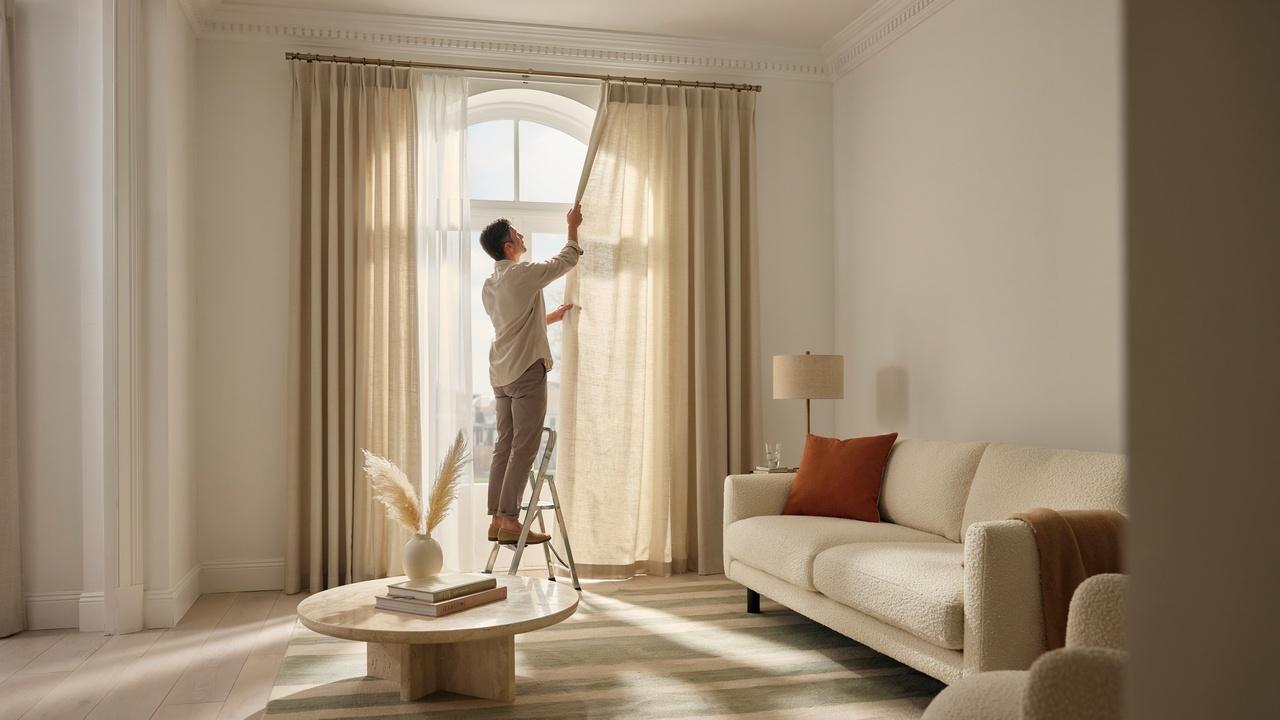
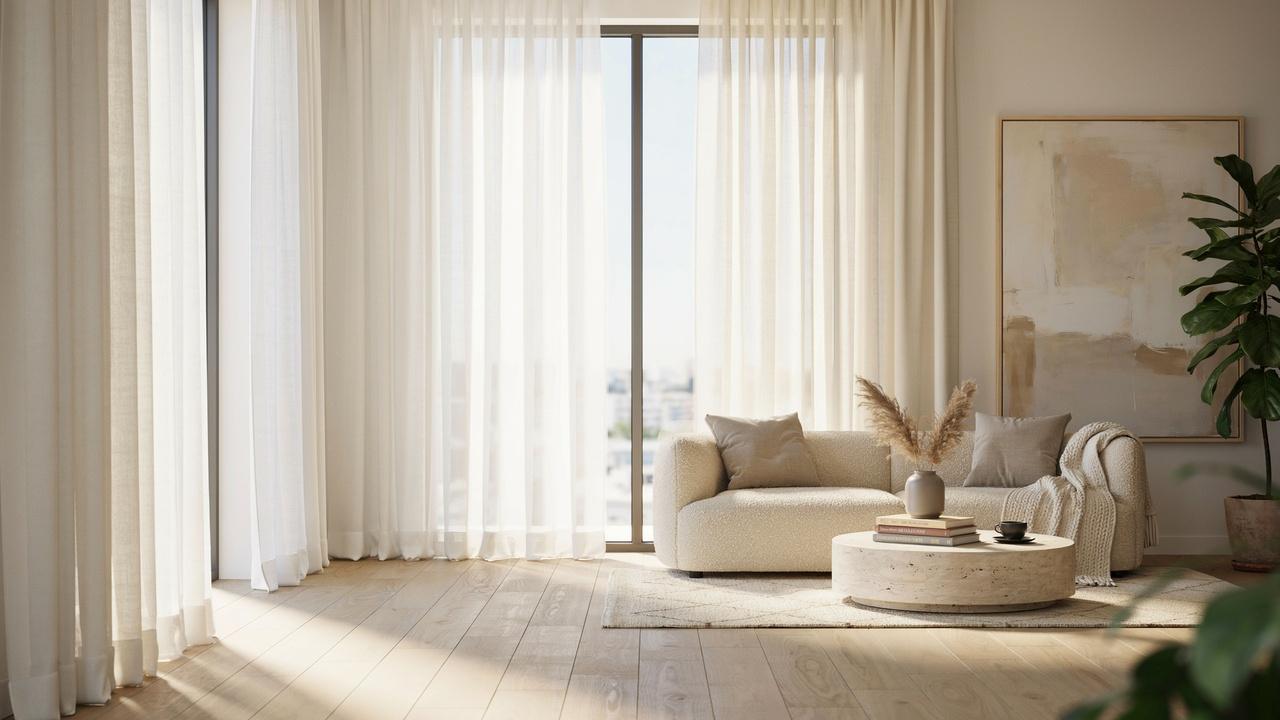
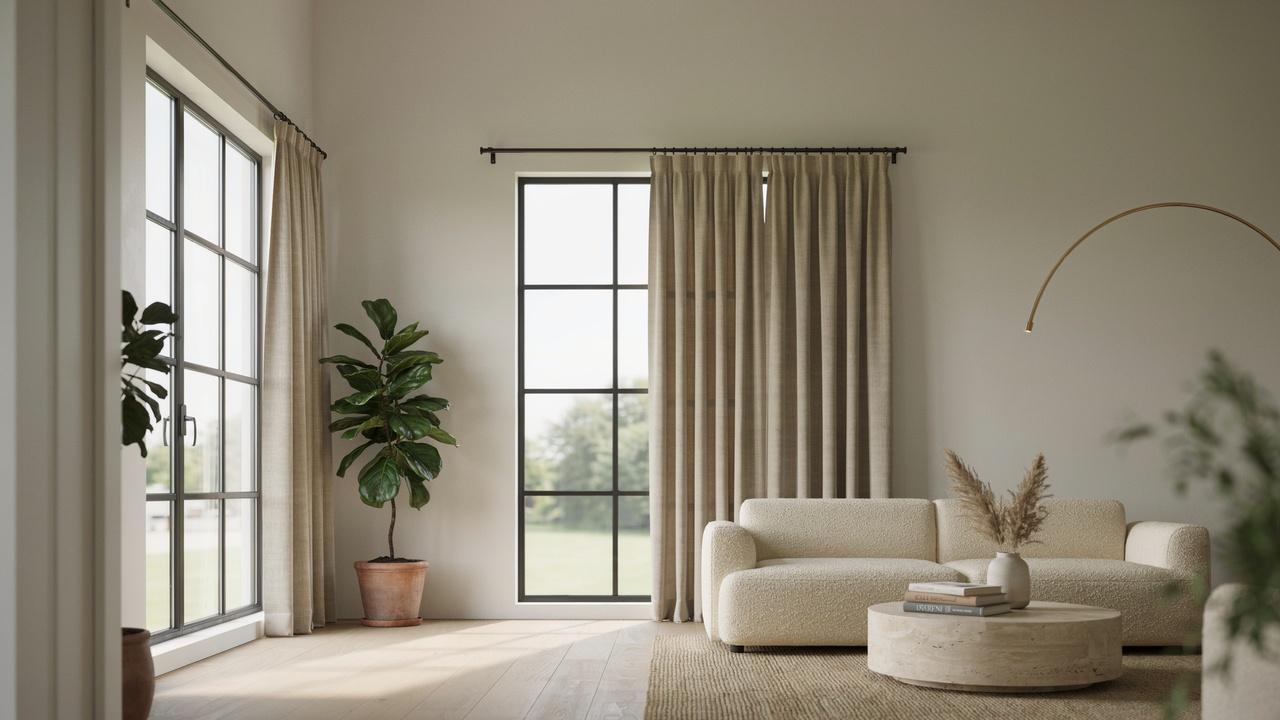
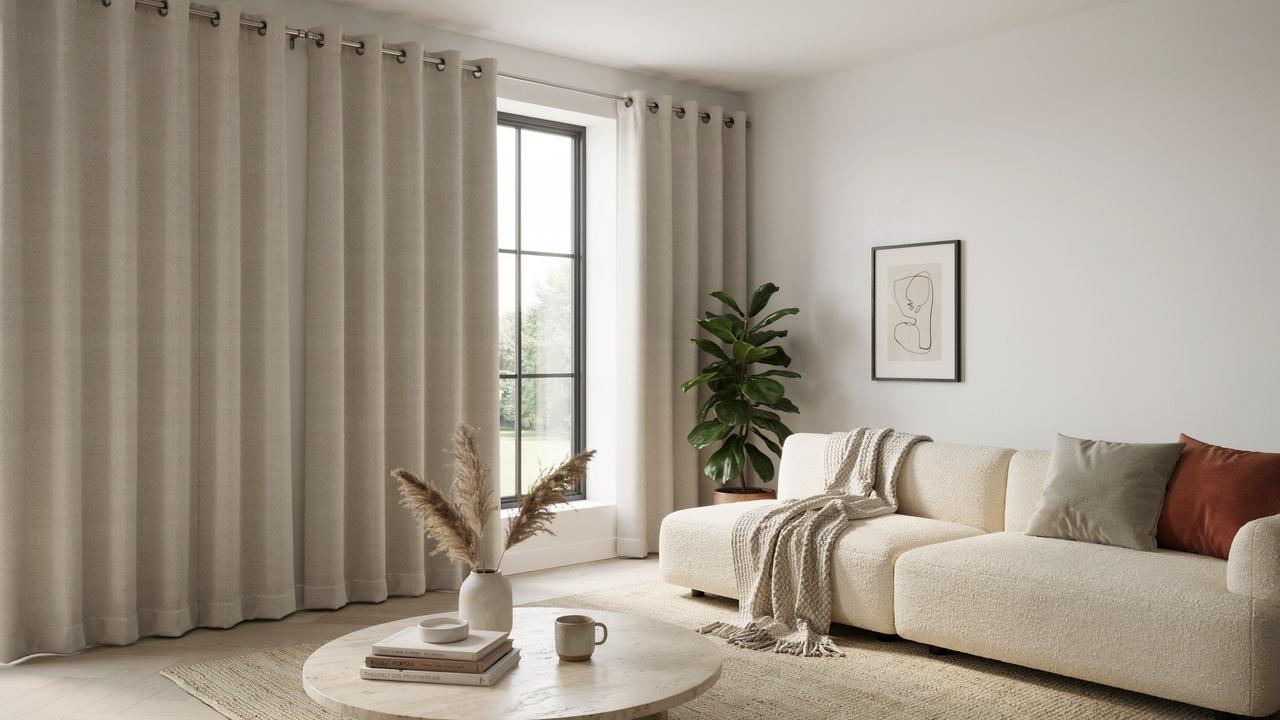
- Use window treatments smartly: Long curtains or drapes add vertical lines and can make your windows feel bigger.
- Take your time: Live in your space for a while before making permanent choices. You’ll learn what the room needs.
- Mix styles: Combine trendy items with classic pieces so you don’t have to redo everything when styles change.
Remember, you’re creating a home for yourself, not a magazine photo shoot. These tips work because they focus on how you actually use and enjoy your living room every day.
Conclusion
High ceilings give your living room special chances to be creative, not just problems to fix. The most important thing to remember is the pyramid approach: get your eye-level decor right first, then work your way up if you want to.
You don’t have to use every idea in this guide. Pick one or two living room high ceiling wall decor ideas that feel right for your style and your space. Maybe you’ll start with a bold ceiling color, or perhaps a gallery wall at the perfect height.
The best choice is always the one that respects your home’s features and shows off your personal taste. Your tall living room should feel like yours, comfortable and complete.
Start with one idea that excites you. Try it out. See how it feels. Then build from there.
Frequently Asked Questions
Should You Always Decorate All the Way Up High Ceiling Walls?
No, you don’t need to fill every inch. Most designers keep decor at eye level, around 8 to 10 feet high. Upper walls can stay bare for a clean, modern look. The exception is if someone can see the upper walls from a balcony or second floor.
What Size Rug Works Best in a High-Ceiling Living Room?
Choose larger rugs that help ground your space and make it feel complete. All the front legs of your furniture should sit on the rug. Pick a size based on your room’s floor space, not ceiling height. For very large rooms, consider using separate rugs for different seating areas.
How Do You Make a High-Ceiling Living Room Feel Cozy?
Use color drenching with warm, rich colors on all surfaces. Put lights at human height throughout the room. Try horizontal stripes or darker ceiling colors to bring the eye down. Add soft textiles, plants, and furniture pieces that fill vertical space naturally.
Can You Mix Wallpaper and Paint in High Ceiling Rooms?
Yes, mixing them creates nice visual balance in tall spaces. Try wallpaper on your walls with paint on the ceiling in a matching color. Or use paint for accent stripes with wallpapered walls. Pull your paint colors from the shades in the wallpaper pattern for a cohesive look.
What’s the Biggest Mistake When Decorating High-Ceiling Living Rooms?
The biggest mistake is working on the upper walls before finishing your eye-level design. Other common errors include picking furniture that’s too small for the space, depending too much on overhead lighting, and buying decorations just to fill space instead of choosing pieces you actually love.