
Retro style is making a big comeback in homes across the country. More people are mixing vintage looks from the 1950s through the 1980s with today’s clean, functional design. This blend creates spaces that feel both familiar and fresh.
The beauty of this style is how it brings warmth and character into modern living spaces. You don’t need to choose between old and new. You can have both.
In this guide, you’ll learn practical ways to add retro touches to your home. We’ll cover everything from furniture choices to color schemes, helping you create a space that feels personal and inviting.
What is Modern Retro Interior Design and How to Achieve It?
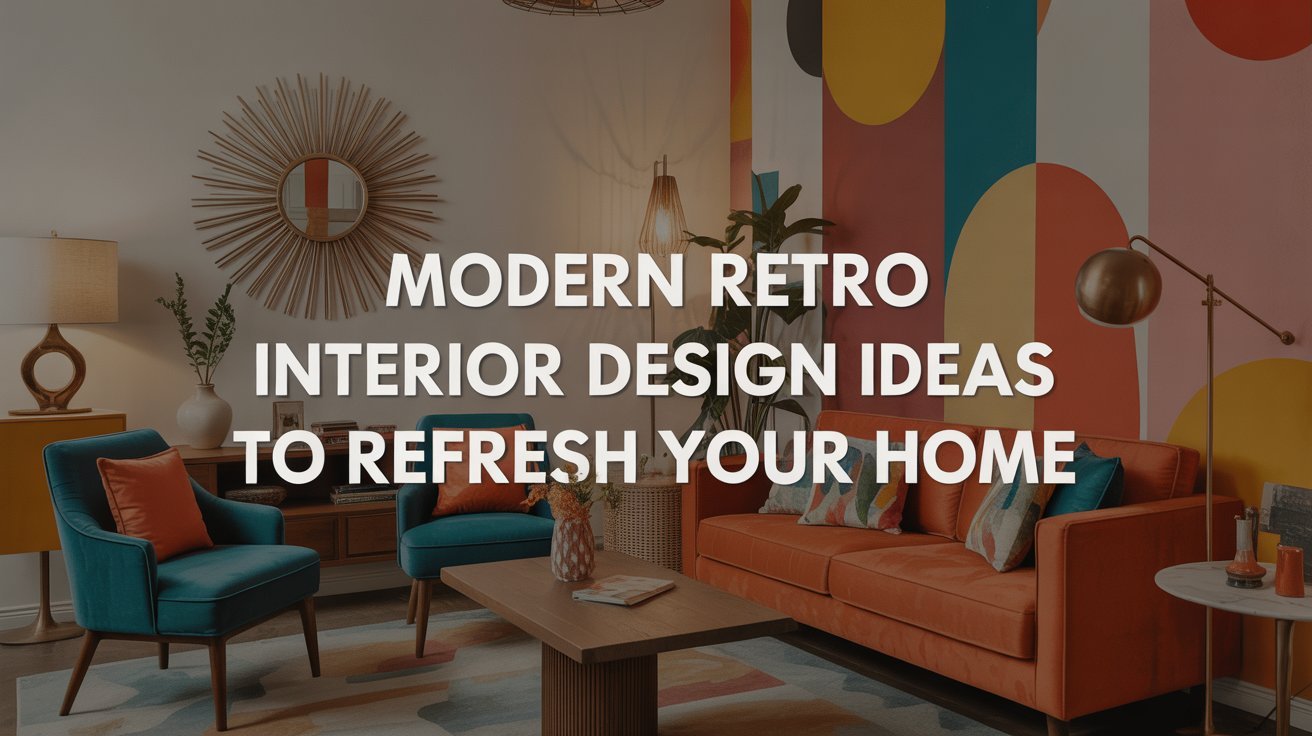
Modern retro interior design combines the best of past decades with today’s comfort and function. Think of it as taking the fun, bold looks from the 1950s through 1980s and updating them for how we live now. You get the visual appeal of vintage pieces without giving up modern conveniences like smart home features or comfortable seating.
There’s an important difference between retro-inspired design and using actual vintage items. Retro-inspired means new furniture and decor made to look old, while vintage means actual pieces from those decades. Both work well in modern retro interior design, and mixing them creates an authentic feel. The key is balance, so you want your home to look pulled together, not like a time capsule.
Getting started is easier than you might think. Begin with color choices like burnt orange, mustard yellow, avocado green, or deep teal. Mix different textures, pair smooth surfaces with shaggy rugs, or combine matte finishes with glossy ones. Look for furniture with clean lines, curved shapes, or geometric forms. Add patterns like atomic designs, bold geometric prints, or stylized flowers. Start with one statement piece, like a colorful sofa or eye-catching light fixture, then build your room around it.
Modern Retro Interior Design Ideas to Refresh Your Space
Ready to bring some retro flair into your home? These nine ideas will help you create a space that honors the past while working for today’s lifestyle.
1. Iconic Mid-Century Furniture Pieces

Furniture from the mid-1900s brings instant retro style to any room. Eames chairs, molded plastic Panton chairs, and low-profile ottomans are classic choices that still look great today. These pieces feature the clean lines and interesting shapes that define the era. They work especially well when you mix them with simpler, modern furniture.
You can choose between original vintage pieces or new reproductions. Original items cost more but hold their value, while reproductions give you the look for less money. Either way works for modern retro interior design. Try placing one iconic chair in a corner with a simple side table, or use a vintage credenza alongside contemporary shelving.
2. Bold Retro Color Blocking

The 1980s gave us brave color combinations that still pop today. Color blocking means using large sections of bold, contrasting colors rather than blending them. This technique adds energy and fun to any space. Paint one wall bright pink and pair it with teal accessories, or use electric blue furniture against mustard yellow walls.
The trick is balancing bold colors with neutral spaces. Use white, beige, or gray as your base, then add punches of bright color through furniture, art, or accent walls. Popular combinations include coral with turquoise, lime green with purple, or orange with navy blue. Start with two main colors and add a third as an accent to avoid overwhelming the space.
3. Vintage-Inspired Appliances with Modern Function

Kitchen appliances have come a long way in style. Brands like Smeg make refrigerators, toasters, and mixers that look straight out of the 1950s but have all the modern features you need. These appliances become focal points in your kitchen, adding personality while still being practical for daily use.
The best part about these products is that you don’t sacrifice performance for looks. You get energy-efficient cooling, precise temperature controls, and modern safety features, all wrapped in a fun, colorful design. Match your appliances to your color scheme, or let them stand out as accent pieces. They prove that modern retro interior design can be both Stylish and functional.
4. Geometric and Patterned Wallpaper

Wallpaper patterns from the 1950s through 1970s featured atomic shapes, boomerang designs, and oversized flowers. These bold patterns work wonderfully as accent walls in living rooms, bedrooms, or dining areas. They add instant personality without requiring you to cover every wall in your home.
Modern versions of these classic patterns come in updated colors and better quality materials. You can find atomic starburst patterns, modern geometric shapes, and stylized botanical prints. Use patterned wallpaper on one wall and keep the others simple, or go bold and paper an entire smaller room like a powder bathroom. The pattern creates a focal point that defines the retro mood of your space.
5. Layered Textures and Materials

Mixing different materials and textures creates visual interest and depth. Velvet sofas, chrome table legs, wooden side tables, and shag rugs all work together in modern retro interior design. Each material brings its own feel, including velvet looks rich, chrome feels sleek, and shag adds coziness.
Don’t be afraid to combine opposites. Place a smooth glass coffee table on a fluffy rug. Mix wood paneling with glossy ceramic accessories. Try terrazzo surfaces alongside soft fabric cushions. The contrast between rough and smooth, shiny and matte, or hard and soft makes your space more engaging. Layer at least three different textures in each room for the best effect.
6. Statement Lighting Fixtures

Lighting from past decades was sculptural and bold. Atomic chandeliers with starburst shapes, arc floor lamps that curve over seating areas, and geometric pendant lights all capture retro style. These fixtures do more than light a room. They become art pieces that set the mood.
Choose lighting that matches the era you’re drawing from. The 1950s favored atomic and space age designs, the 1960s loved natural shapes and orbs, and the 1970s embraced dramatic geometric forms. Hang a dramatic pendant light over your dining table, or place a curved floor lamp behind your sofa. Good lighting makes your modern retro interior design come alive, especially in the evening.
7. Transparent and Lucite Furniture

Clear acrylic furniture became popular in the 1980s and still works well today. Lucite chairs, acrylic tables, and transparent shelving units take up physical space without looking heavy. This makes them perfect for smaller rooms where you want retro style without making the space feel cramped.
Pair transparent pieces with bolder, more colorful items to create balance. An acrylic coffee table lets a bright, patterned rug shine through. Clear chairs around a wooden dining table keep the focus on the table itself. This furniture style adds a modern touch while still honoring retro design principles. It’s practical and stylish at the same time.
8. Bringing Nature Indoors

The 1960s and 1970s celebrated houseplants as part of home decor. Large leafy plants in ceramic pots, hanging planters suspended from macramé holders, and tropical prints all bring that era’s love of nature indoors. Plants add life and color while softening the harder edges of furniture and architecture.
If you can’t keep live plants, tropical print wallpaper, pillows, or art, create a similar effect. Banana leaf prints, palm fronds, and monstera designs were everywhere in vintage decor. Hang plants at different heights, group several small plants together on a stand, or place one large plant in a corner. The greenery balances out bold colors and busy patterns in modern retro interior design.
9. Curated Retro Accessories

The right accessories pull your look together. Bar carts with brass frames, neon signs with retro fonts, vintage record players, and old telephones all add personality. These smaller items are easier and cheaper to collect than large furniture, making them a great starting point.
Be selective to avoid looking cluttered or kitschy. Choose accessories that reflect real style rather than novelty items. Think Studio 54 glamour rather than theme restaurant decor. Display your pieces thoughtfully, group similar items together, leave some space, and rotate pieces seasonally. Quality matters more than quantity when finishing your modern retro interior design.
10. Retro-Inspired Tile Designs

Tile patterns from the mid-century and 1970s are making a big comeback. Checkerboard floors, geometric tiles, and terrazzo patterns fit perfectly into modern retro interiors. These designs add visual interest and instantly set the tone for the room.
Try using retro tile in entryways, kitchens, or bathrooms. A black-and-white checkerboard floor pairs stylishly with sleek modern cabinetry. Terrazzo tiles offer subtle patterning that blends old-school charm with modern durability. Even a small tiled backsplash can create a strong retro impact without overwhelming the space.
11. Record Display Walls and Vintage Audio Stations

Vinyl records provide both sound and style. Displaying album covers on your wall brings bold artwork and nostalgic flair into your home. Whether you use floating shelves or simple wall-mounted racks, this setup becomes a conversation starter.
Pair your display with a modern turntable that has a retro look. Many brands now offer Bluetooth-enabled record players in vintage designs. This blend of old and new fits perfectly with modern retro interiors while giving your favorite music a stylish home.
12. Retro Bar Areas and Cocktail Corners

Home bars were a staple of 1960s and 1970s decor. Recreate the feel with a sleek bar cart, a mirrored bar cabinet, or a compact drink station in a corner of your living room.
Stock your bar with glassware and accessories inspired by retro shapes—ribbed glasses, geometric decanters, and bold-colored cocktail shakers. Add a neon sign or retro art print above the bar to complete the look. This area becomes both functional and stylish for entertaining.
13. Wall Art with Retro Typography and Graphics

Graphic posters from the 60s, 70s, and 80s featured bold shapes, groovy lettering, and bright colors. Incorporating these prints into your walls adds instant retro personality.
Look for posters with curved text, psychedelic patterns, or simple geometric layouts. Frame them in thin metal or wood frames to blend modern simplicity with retro flair. A gallery wall of vintage-inspired prints brings character without requiring major redesigns.
14. Low Seating and Lounge Zones

Retro interiors often featured casual seating arrangements. Low-profile sofas, floor cushions, sunken seating areas, and poufs create a relaxed atmosphere that nods to the 1970s.
Use neutral tones for the bigger seating pieces and add vibrancy through patterned cushions or throws. Low seating encourages conversation and gives your home a laid-back, lounge-style feel. It’s especially effective in living rooms and cozy corners.
15. Retro Room Dividers and Screens

Folding screens and room dividers were popular mid-century decor elements. Screens made from rattan, wood slats, plastic panels, or frosted acrylic add style and function to your modern retro home.
Use a divider to separate a living area from a workspace or to create a small reading nook. Choose designs with geometric cutouts, curved shapes, or bold patterns to keep the retro theme strong. They help define spaces without closing them off completely.
Essential Tips for Balancing Modern and Retro
Creating a home that feels cohesive rather than confusing takes some planning. These guidelines will help you strike the right balance.
- Start small with accessories before buying large furniture pieces
- Mix items from different decades, but keep your color palette consistent
- Hide modern technology in retro-styled cabinets or furniture
- Choose fewer high-quality pieces rather than many cheap items
- Use lighter retro elements in small rooms and save bolder pieces for larger spaces
- Make sure every piece serves a purpose beyond looking good
Remember that your home needs to work for your daily life. The best modern retro interior design looks great but also functions perfectly for cooking, relaxing, working, and entertaining.
Conclusion
Modern retro interior design gives your home personality and warmth that purely contemporary spaces sometimes lack. By mixing vintage styles with modern comfort, you create rooms that feel both special and livable.
The key is making it personal. Choose the decades and elements that speak to you rather than following every trend. Your space should reflect your taste and support your lifestyle.
Start with one or two ideas from this guide and build from there. Try different combinations until you find what feels right. The goal is to create a home that brings you joy every day.
Most importantly, have fun with it. Retro design celebrates color, pattern, and personality—so let yours shine through.
Frequently Asked Questions
Is Modern Retro Design Expensive to Achieve?
Not necessarily. You can mix affordable reproductions with thrift store finds and a few investment pieces. Start with budget-friendly accessories and add higher-quality furniture over time as your budget allows.
Can Retro Design Work in Small Apartments?
Absolutely. Use transparent furniture, lighter colors, and strategic placement of bold pieces. Focus on smaller-scale retro items and avoid overcrowding. One or two statement pieces work better than filling every corner.
How Do I Avoid Making My Home Look Like a Museum?
Keep it functional and personal. Mix in modern comfort items, display things you actually use, and avoid perfectionism. Your home should look lived in, not staged. Balance retro pieces with contemporary elements that serve your daily needs.
What’s the Difference Between Retro, Vintage, and Mid Century Modern?
Retro means new items styled to look old. Vintage refers to actual pieces from past decades, usually 20 to 100 years old. Mid-century modern specifically describes the design style from roughly 1945 to 1969, known for clean lines and functional forms.
Which Retro Era Should I Choose for My Home?
Pick the decade whose style appeals to you most. The 1950s offer atomic designs and pastels, the 1960s bring modern patterns and earthy tones, the 1970s feature old colors and natural materials, and the 1980s provide bright colors and geometric shapes. You can also mix elements from multiple decades for an eye-catching look.