
Choosing between sheer and light-filtering curtains? You’re not alone. Most homeowners struggle with this decision because both look similar but work very differently in your space.
This guide breaks down exactly how each curtain type performs. You’ll learn about privacy levels, light control, and which option fits your room best. I’ve spent years helping people pick the right window treatments, and I’ll share what actually matters (not just what sounds good in a sales pitch).
Here’s what we’ll cover: how much light each blocks, the privacy you can expect, which rooms work best for each type, and the honest pros and cons. No fluff or confusing jargon. By the end, you’ll know exactly which curtain solves your specific problem. If you need gentle morning light or complete daytime privacy, you’ll make the right choice for your home.
What Are Sheer Curtains?

Think of sheer curtains as the light, breezy option. They let sunlight pour through. They add a soft touch to any room.
- Lightweight fabrics: Made from voile, chiffon, or organza
- Translucent appearance: You can see through them easily
- Maximum brightness: They don’t block much light
- Airy feel: Perfect for creating an open vibe
- Decorative touch: Add softness without heaviness
Now, sheer doesn’t always mean see-through. Some options give you more coverage. “Cloud Privacy Sheers” are a great example. You still get that bright feeling. Just with slightly more opacity. They’re ideal if you want the sheer look but need privacy.
What Are Light Filtering Curtains?

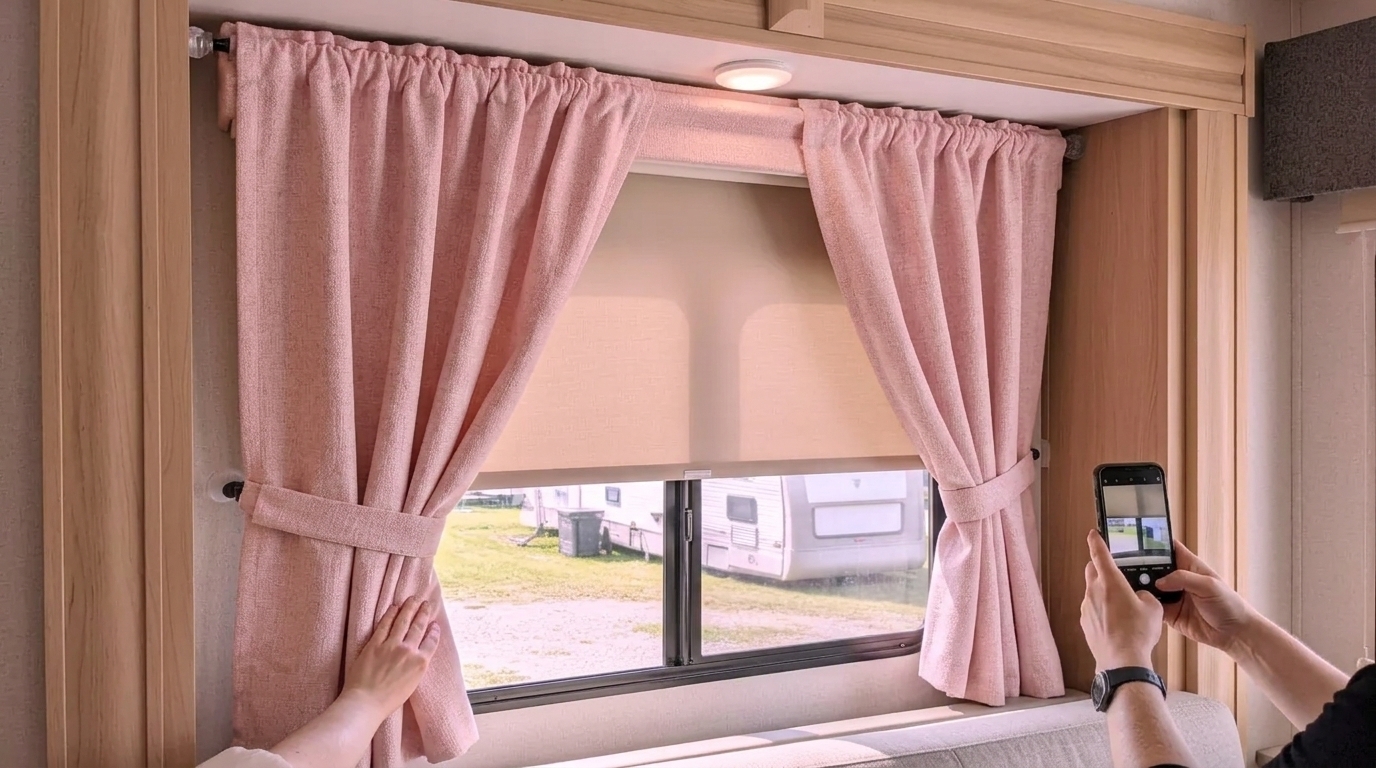
Light filtering curtains are the middle ground. They’re thicker than sheers. But lighter than blackout curtains.
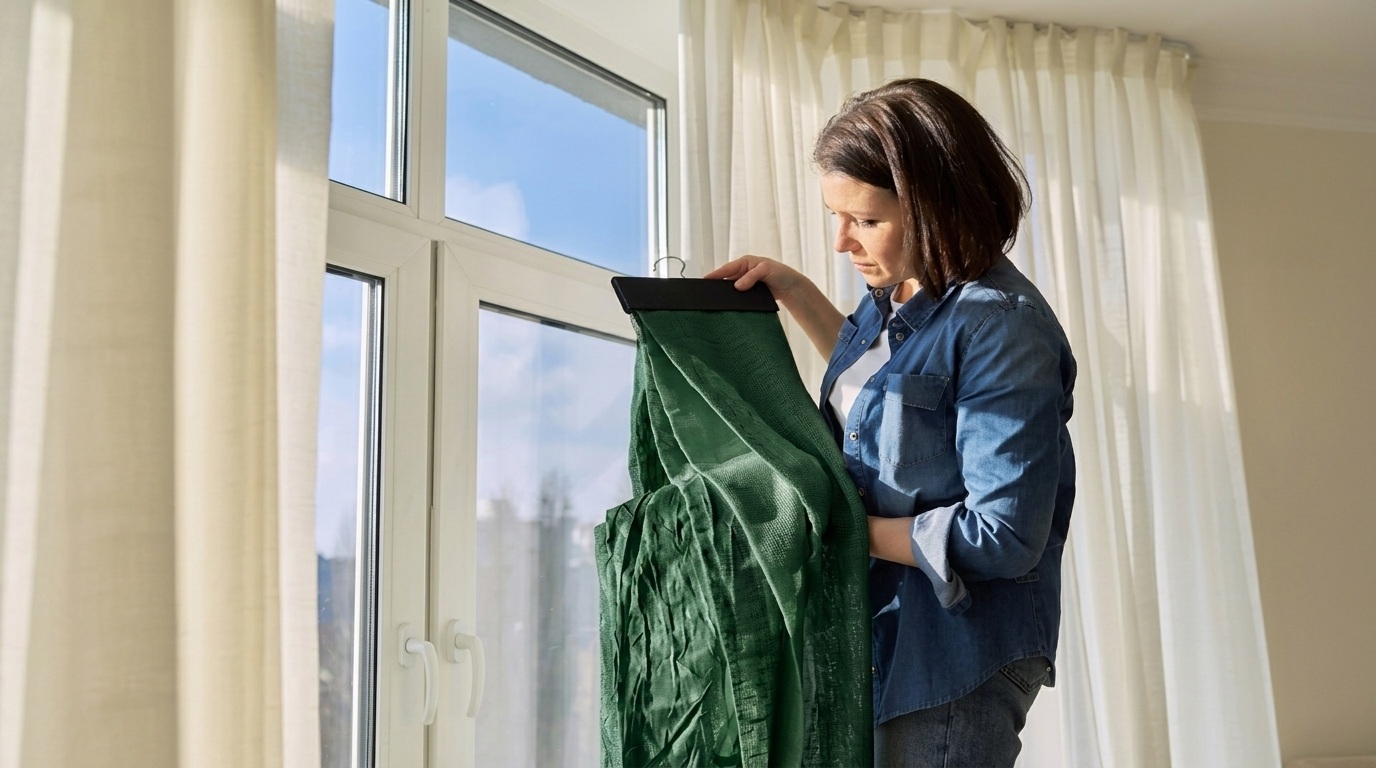
- Semi-opaque fabrics: Made from cotton, linen, or polyester blends
- Tighter weave: The fabric blocks more light
- Diffused sunlight: Light comes through more softly
- Privacy during the day: You can’t see through them easily
- Glare reduction: Protects your eyes and furniture</u>
- UV protection: Keeps your floors from fading
The real benefit? Temperature control. Light filtering curtains provide mild insulation. They keep your home cooler in summer. They keep it warmer in winter. Not as much as blackout curtains. But enough to make a difference on your energy bill.
Sheer vs Light Filtering Curtains: Key Differences
Let me break down the main differences. This table will help you choose the right curtains for your needs.
| Feature | Sheer Curtains | Light Filtering Curtains |
|---|---|---|
| Light Control |
|
|
| Privacy Level |
|
|
| Aesthetic Appeal |
|
|
| Energy Efficiency & UV Protection |
|
|
| Maintenance & Durability |
|
|
| Cost |
|
|
Choosing the Right Curtain for Each Room
Different rooms need different curtains. Let me show you which type works best.
Living Room or Dining Room

Your living room is where you entertain. Make it bright and welcoming.
Best Option: Sheer Curtains
- Create an open, airy feel
- Make spaces look inviting
- Let natural light flow freely
- Keep the room feeling spacious
- Add softness without blocking views
Here’s a smart trick. Layer them with light-filtering drapes. Use sheers during the day. Close the light filtering layer at night for privacy.
Bedroom or Nursery

Sleep matters. Privacy matters even more.
Best Option: Light Filtering Curtains
- Ensure complete privacy
- Create a soft, restful atmosphere
- Block prying eyes day and night
- Reduce morning glare
- Help you sleep better
Need total darkness? Pair them with blackout liners. Light filtering curtains work great alone. But add that blackout layer if you’re a light-sensitive sleeper. Babies sleep better in darker rooms, too.
Kitchen or Home Office

These rooms need flexibility. Sometimes you want brightness. Other times you need focus.
Best Option: Combination Approach
- Use sheer curtains for maximum daylight
- Switch to light filtering for glare control
- Get privacy when cooking or working
- Control light based on time of day
- Reduce screen glare during video calls
Here’s what I recommend: Install both types on a double rod. Sheers in front for everyday brightness. Light filtering behind for screen time. Working on your laptop? Close the light filtering side. Cooking breakfast? Open everything up.
Layering Sheer and Light Filtering Curtains

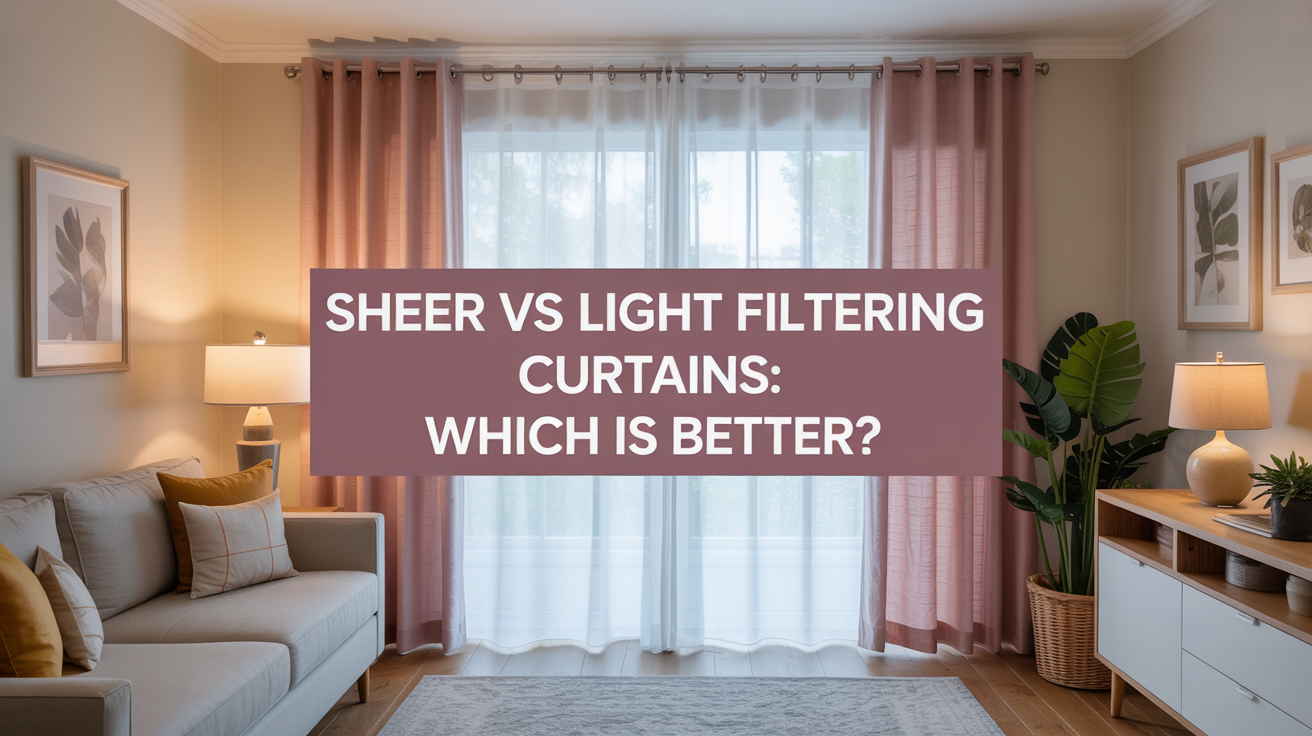
I’ve found that combining sheer and light-filtering curtains gives you the best of both worlds. You get soft, natural light during the day and real privacy when you need it. Here’s how it works: hang your sheers closest to the window glass, then add light filtering panels on the outer rod. Simple.
- Maximum flexibility: Use sheers alone for bright mornings. Close the light filtering layer when you want privacy at night or during screen time.
- Texture and depth: The double layer adds visual interest to your windows. Your room looks more finished and styled without trying too hard.
- Complete light control: Adjust each layer separately based on the time of day. You decide exactly how much brightness comes through.
- Enhanced privacy options: Sheers soften the view during daylight hours. Light filtering panels block direct views when darkness falls outside.
- Year-round versatility: Switch between layers as seasons change. Summer mornings feel airy with just sheers, while winter evenings feel cozy with both layers closed.
Factors to Consider Before Choosing
I want you to think about a few key things before you buy. Your room’s purpose, sunlight direction, and climate all matter. So does your personal style. Let me break it down.
Room Function & Orientation

The direction your windows face changes everything. South-facing rooms get intense sunlight all day long. You’ll squint without protection.
- South-facing rooms: Light filtering curtains cut down harsh glare. Your eyes will thank you during afternoon work sessions.
- North-facing spaces: Sheer curtains let in every bit of available light. These rooms naturally stay dimmer.
- Bedrooms: Do you sleep late? Need darkness for shift work? Your sleep schedule decides your curtain type.
I always check which way my windows face first. It saves money and frustration later.
Climate & Energy Needs

Your local weather impacts your curtain choice more than you’d think. Hot climates need different solutions than cold ones.
- Warm regions: Sheers allow airflow while blocking some heat. Your AC won’t work as hard.
- Cold areas: Light filtering curtains add insulation at windows. They trap air and reduce drafts.
- High-sun locations: UV protection becomes non-negotiable. Light-filtering fabrics shield your furniture from fading.
Energy bills drop when you choose smart. I’ve seen the difference on my own utility statements.
Personal Style & Décor Goals

Your curtains should match how you want your space to feel. Function matters, but so does beauty.
- Stylish minimalism: Sheer curtains create an airy, open feeling. Perfect for modern or Scandinavian designs.
- Cozy Style: Light filtering curtains add warmth and texture. They make rooms feel finished and intentional.
- Bold statements: Light filtering curtains come in more patterns. Sheers keep attention on other décor elements.
I pick curtains last in my decorating process. You should see the whole room before committing to window treatments.
Conclusion
So, sheer vs light filtering curtains, which wins? It depends on your needs. Sheers give you soft, dreamy light and a decorator’s touch, but minimal privacy during the day. Light filtering curtains offer better privacy while still keeping your room bright and welcoming.
Think about what matters most in each room. Your bedroom probably needs more privacy than your living room. Your home office might need glare control that your kitchen doesn’t. There’s no wrong choice here, just the right fit for your space.
Now you’ve got the facts to make a confident decision. Pick what works for your lifestyle and daily routine. Got questions or want to share which type you chose? Drop a comment below. And if this helped, pass it along to anyone else struggling with the same window treatment dilemma.
Frequently asked questions
What’s the difference between sheer and light-filtering curtains?
Sheer curtains are made from transparent, lightweight fabrics that let in maximum light and offer minimal privacy. Light filtering curtains use denser weaves that diffuse sunlight while providing better daytime privacy. Both allow natural light through, but light-filtering curtains block more view from outside.
Which curtains offer better privacy, sheer or light filtering?
Light-filtering curtains provide significantly better privacy during daylight hours. You can see silhouettes through the sheers from outside, especially when interior lights are on. Light filtering fabrics obscure details and shapes much more effectively while still maintaining a bright, airy feel in your room.
Are sheer or light-filtering curtains better for bedrooms?
Light-filtering curtains work better for most bedrooms. They provide more privacy and block enough light for comfortable sleep without complete darkness. Sheers are too transparent for bedroom privacy unless paired with blinds or blackout shades. Consider your privacy needs and sleep preferences first.
Can people see through sheer vs light-filtering curtains at night?
Yes, people can see through both types at night when indoor lights are on. Sheers reveal clear silhouettes and movement. Light filtering curtains obscure more details but still show shapes and shadows. For nighttime privacy, layer either type with blinds or choose room-darkening
Which curtains block more sunlight and UV rays?
Light filtering curtains block more sunlight and UV rays than sheers. They typically filter 40-60% of light while sheers only block 10-30%. Light filtering fabrics also offer better protection for furniture and flooring from sun damage, making them more practical for sunny rooms.