
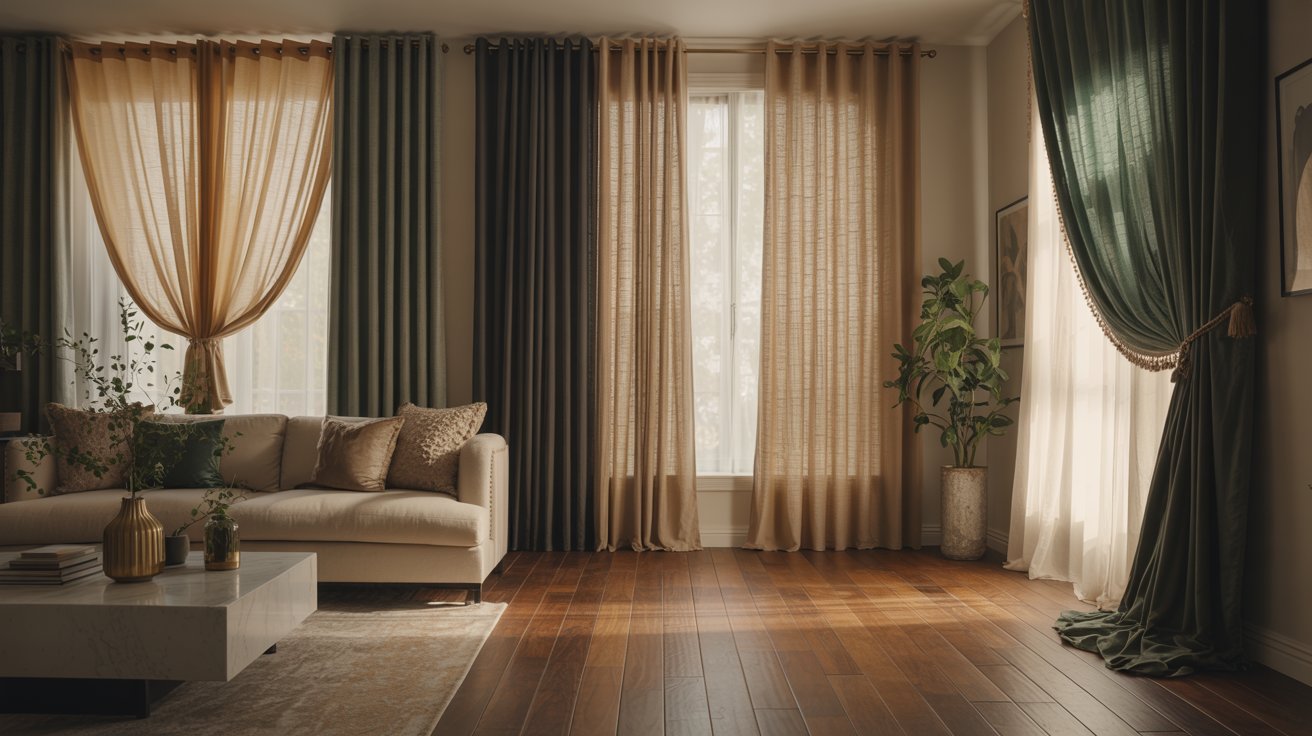
I never thought curtains could make or break a room. Then I stood in my living room staring at fabric that looked completely wrong, and I had to figure out why.
That's when I started digging into every style, fabric, and function I could find.
What I found genuinely surprised me. There are so many different types of curtains that most people never even consider.
The right one can change how a room feels, functions, and looks every single day.
Stick with me through this guide, and by the end, you'll know exactly what your space actually needs.
Why Choosing the Right Curtains Matters
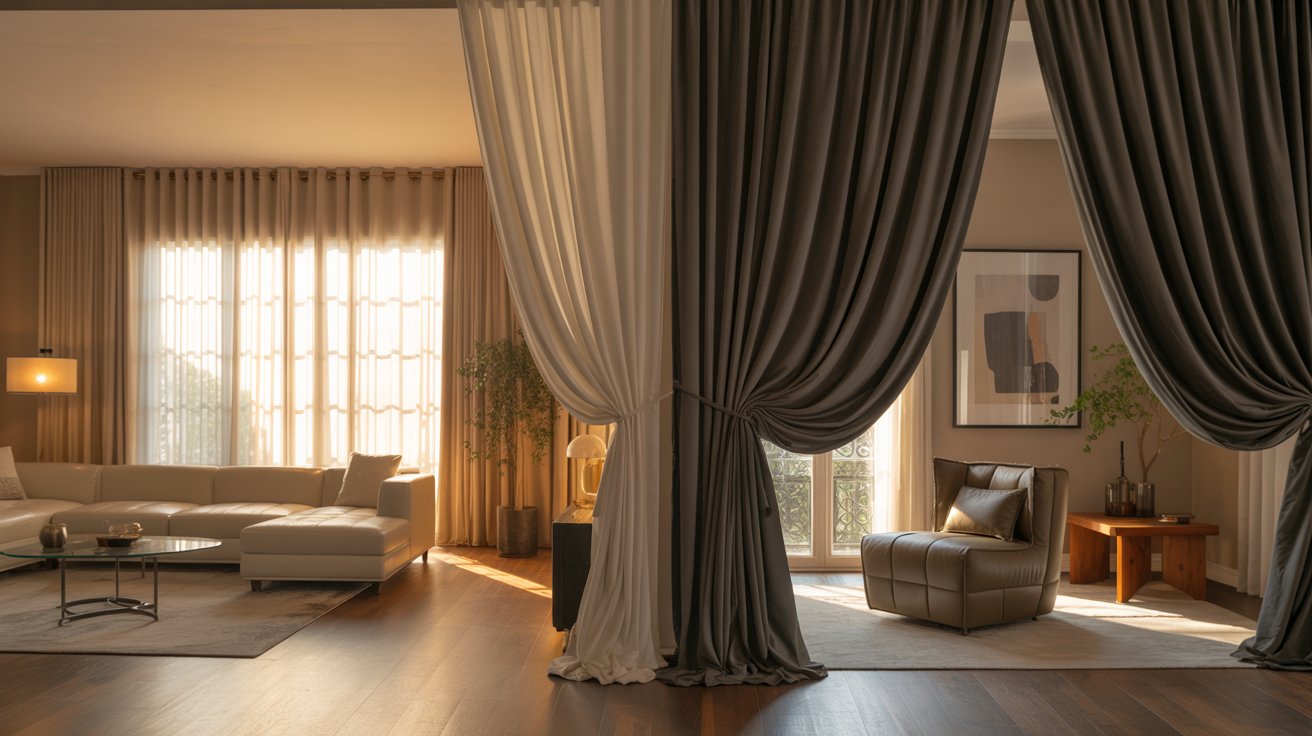
Curtains do more than cover a window. They set the tone for the entire room. A light sheer fabric makes a space feel open. A heavy velvet panel makes it feel cozy and rich.
The fabric you pick controls how much natural light enters. This matters in home offices or TV lounges where glare is a real issue.
Thick, lined curtains keep heat in during winter and block heat in summer. That can lower your energy bills over time.
Curtains should also work with your furniture and wall color. A neutral curtain often works better than a bold pattern in rooms that already have a lot going on.
23 Different Types of Curtains for Every Home Style
There's no one-size-fits-all curtain. Each style serves a different purpose, fits a different window, and suits a different room.
1. Blackout Curtains
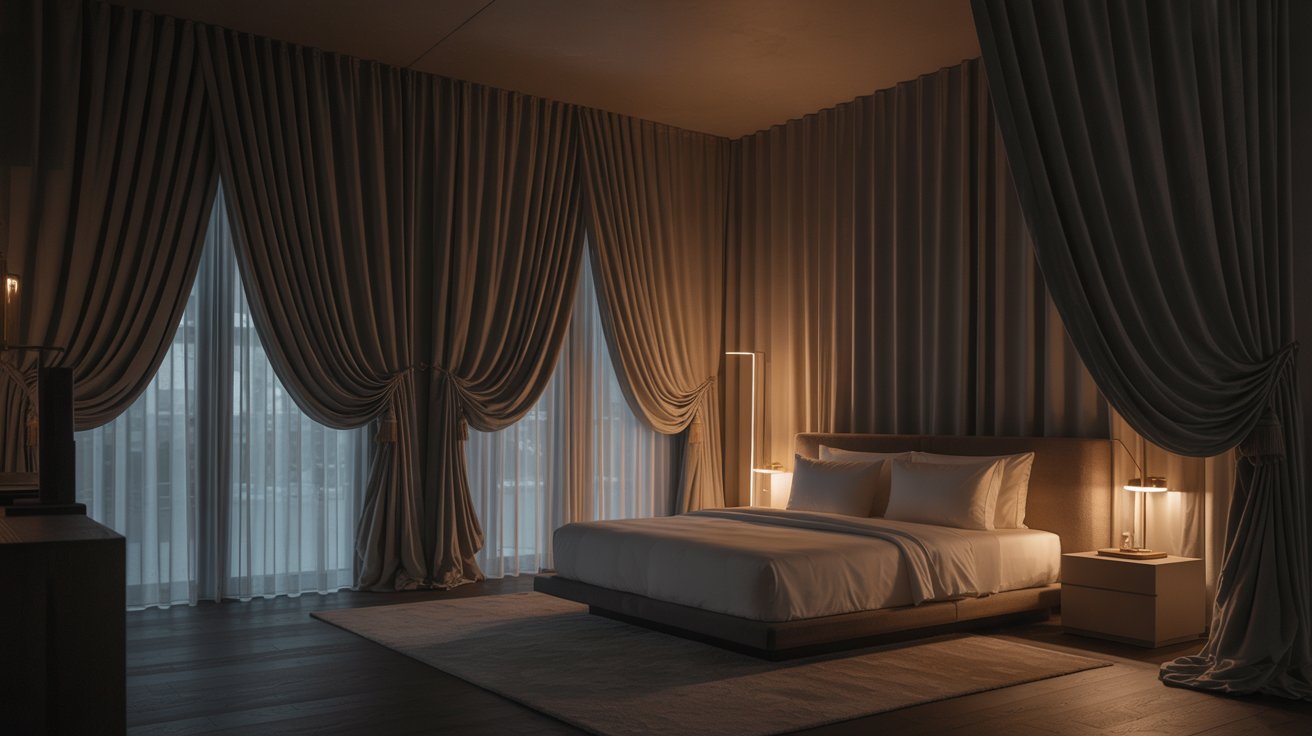
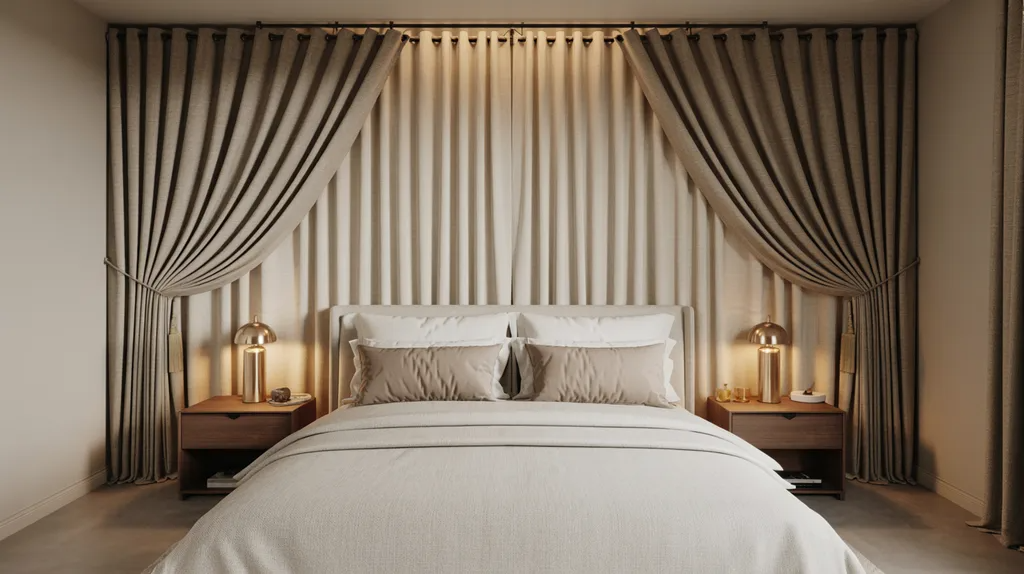
Blackout curtains block out almost all outside light. They're the go-to choice for bedrooms, nurseries, and home theaters.
The thick lining keeps cold air out in winter and blocks heat in summer. They also improve sleep quality for light sleepers or night-shift workers.
Look for ones with a tightly woven backing. The denser the lining, the better the light-blocking performance.
2. Sheer Curtains
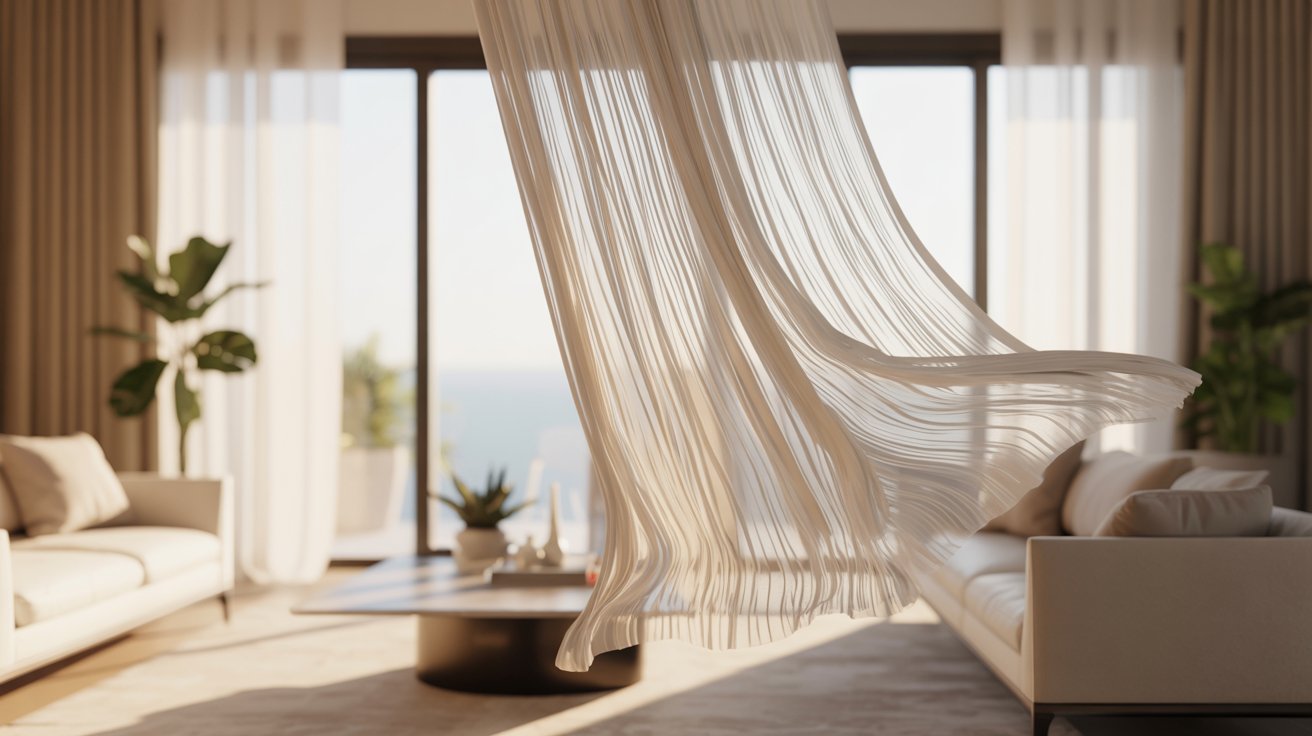
Sheer curtains are made from lightweight, semi-transparent fabric. They let natural light in while giving you a soft layer of daytime privacy.
They work really well in living rooms and dining areas. They make a room feel fresh and open without cutting off the view.
They look great alone in bright spaces and even better when layered with heavier drapes for full light control.
3. Velvet Curtains
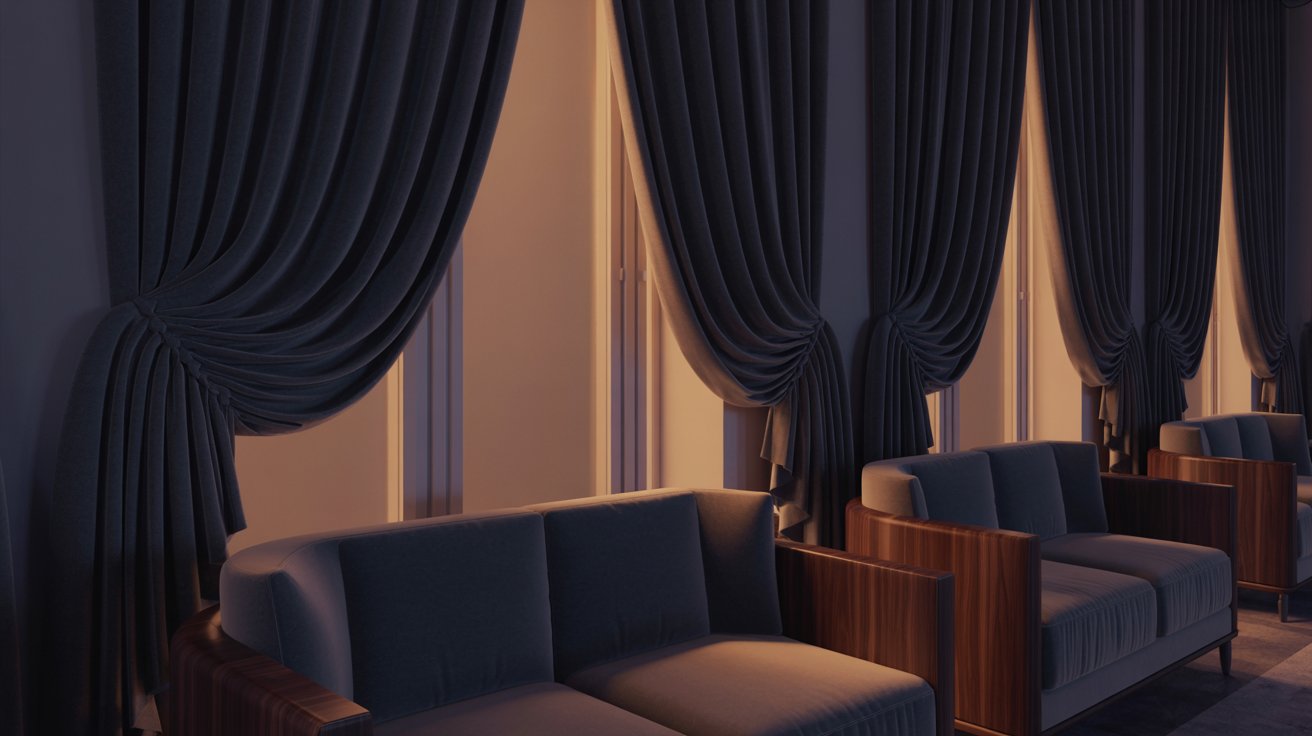
Velvet curtains have a rich, heavy texture that adds depth to any room. Because velvet is dense, it naturally blocks light and reduces noise too.
They work best in bedrooms, formal living rooms, or dining rooms with classic or contemporary decor. Deep colors like navy, emerald, or burgundy show off the fabric beautifully.
4. Linen Curtains
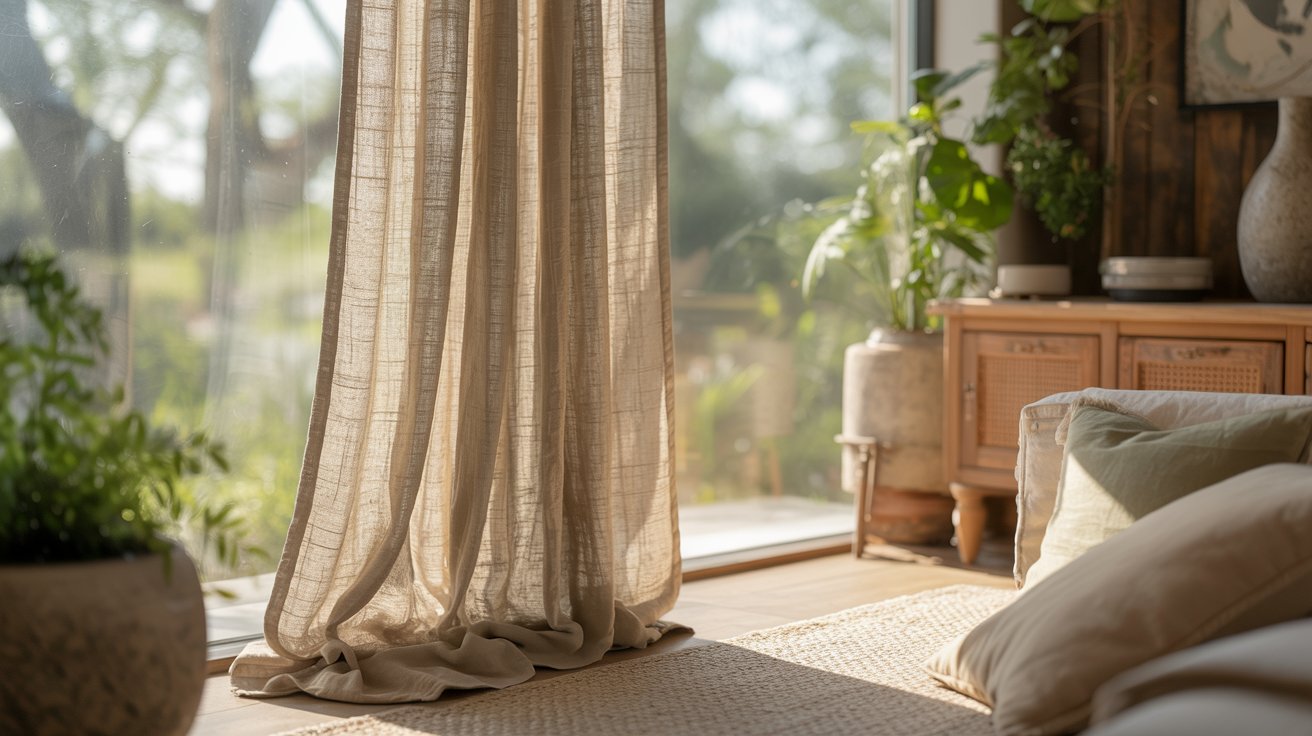
Linen is lightweight and breathable. It lets in soft, diffused light while keeping the room feeling relaxed.
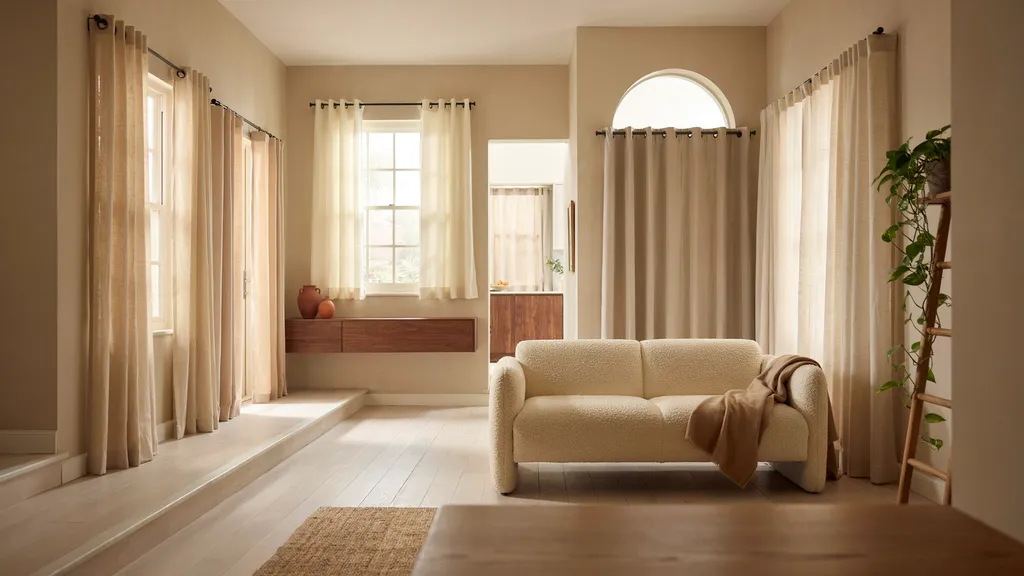
Linen curtains work well in living rooms and bedrooms with a modern, organic, or farmhouse feel. They come in earthy tones like white, beige, and taupe that pair easily with most color schemes.
One thing to know: linen wrinkles. You'll need to steam or iron them regularly if you want a crisp look.
5. Cotton Curtains
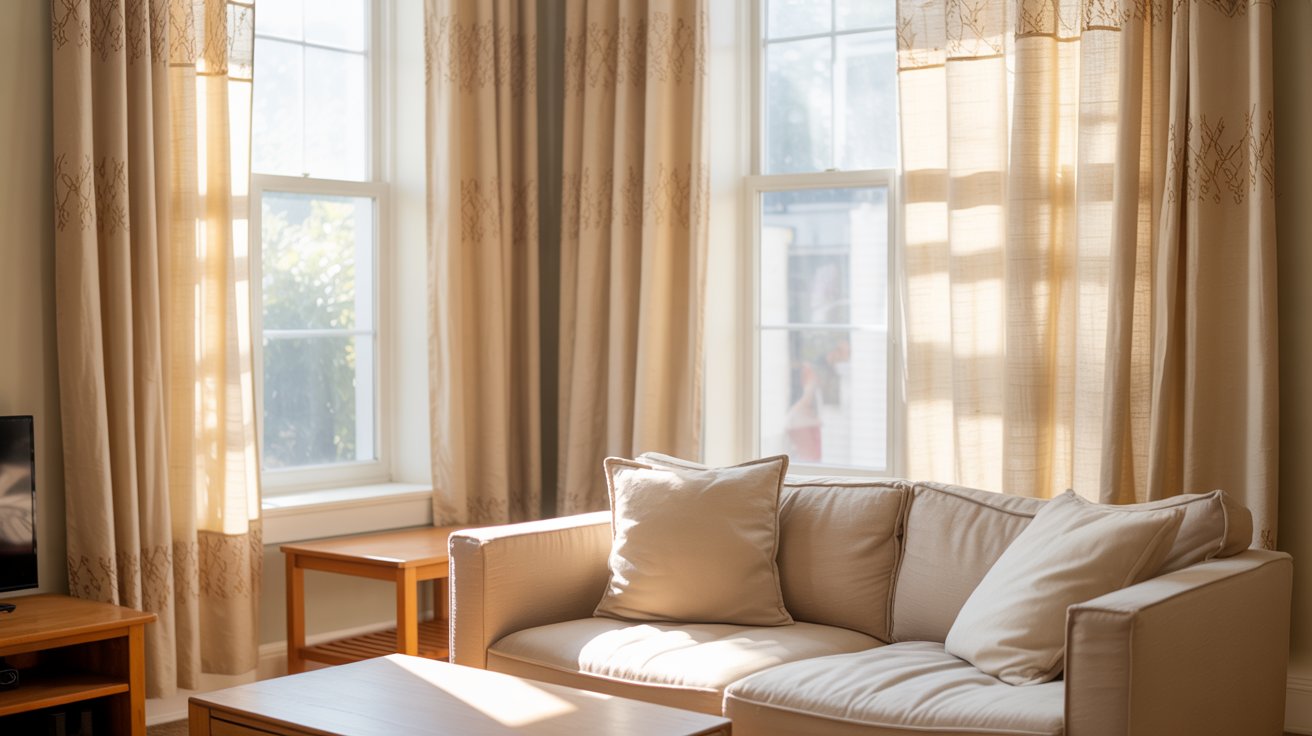
Cotton curtains are the most practical choice for everyday use. They're easy to wash, hold color well, and work in almost any room.
They're ideal for kitchens, kids' rooms, and casual living spaces where washability is a priority. Cotton also handles dye and print really well, making it a great base for printed styles.
6. Thermal Curtains
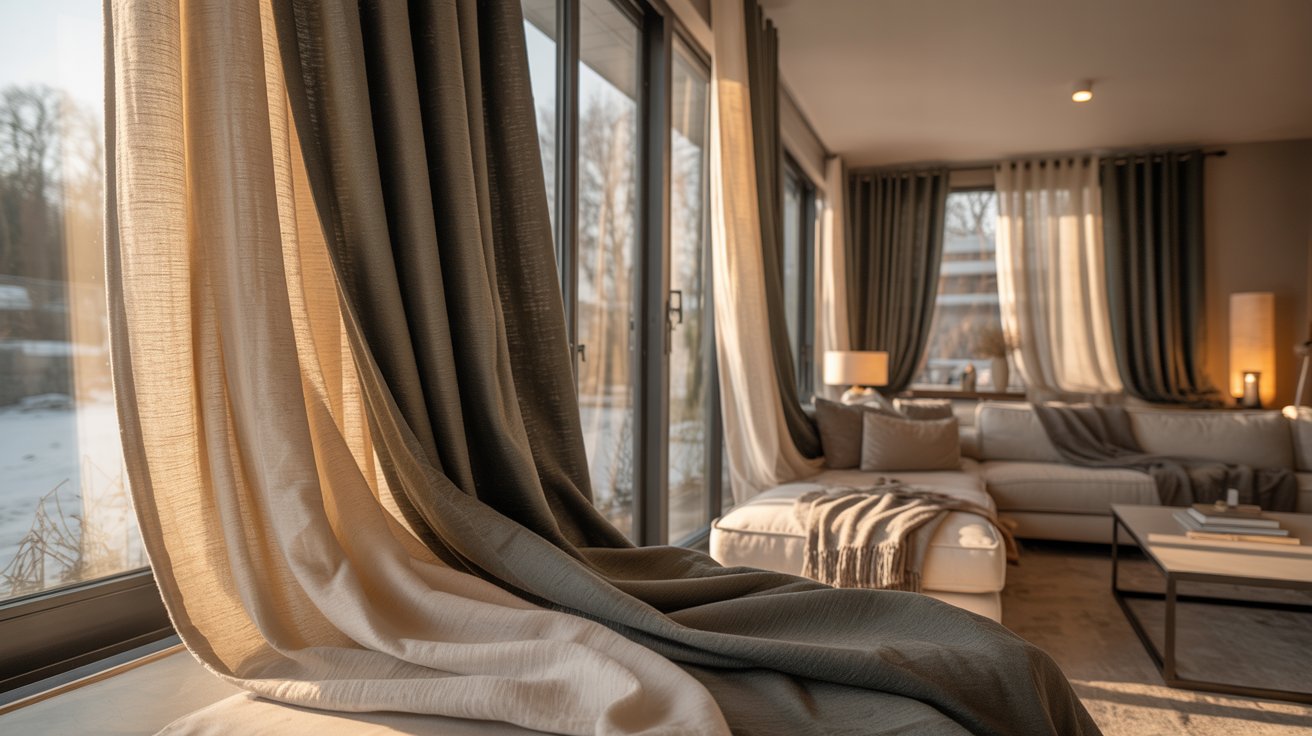
Thermal curtains have an extra insulating layer that traps air between the fabric and the window, reducing heat loss in winter.
They're often confused with blackout curtains, but they're different. Blackout curtains block light. Thermal curtains focus on temperature control. Some combine both, but not all.
7. Eyelet Curtains
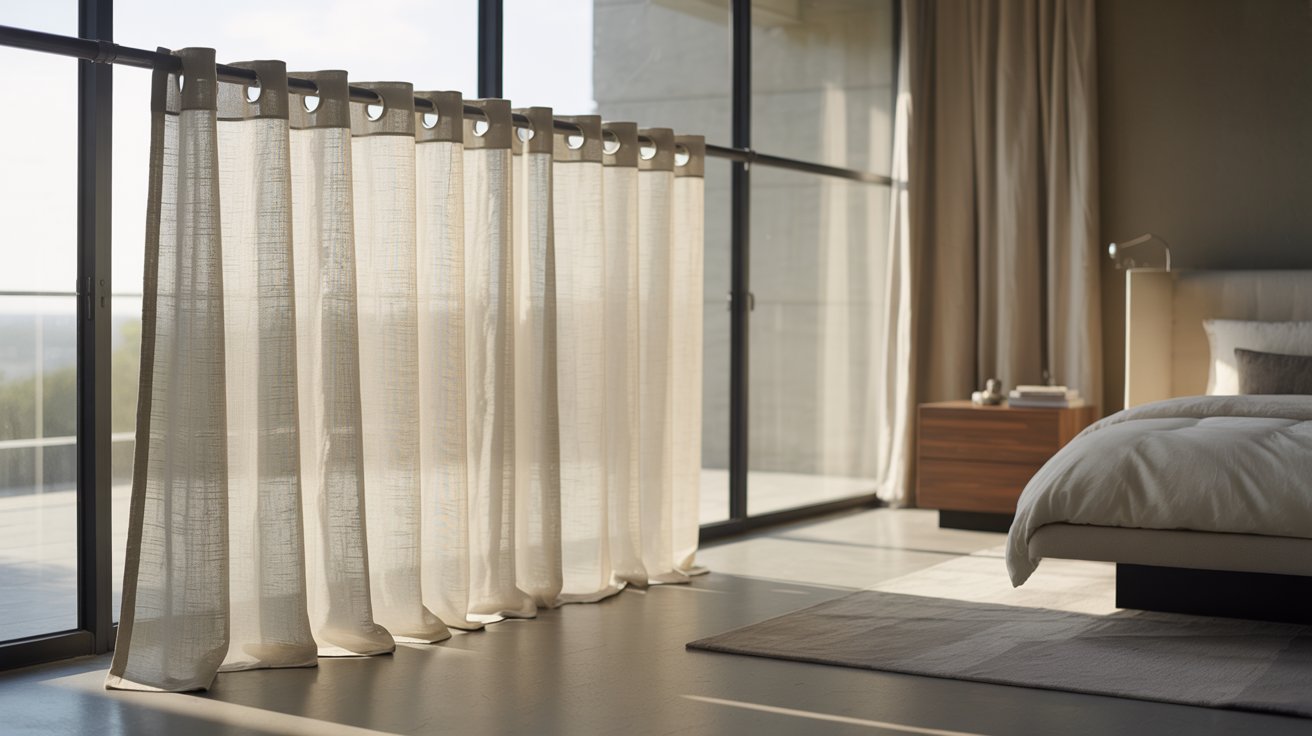
Eyelet curtains have metal rings punched into the fabric at the top. The rod slides through these rings, creating even, structured folds.
The look is clean and modern. They're easy to hang, easy to slide, and work well in contemporary living rooms and bedrooms. Make sure the rod diameter fits the eyelet size so they glide properly.
8. Pencil Pleat Curtains
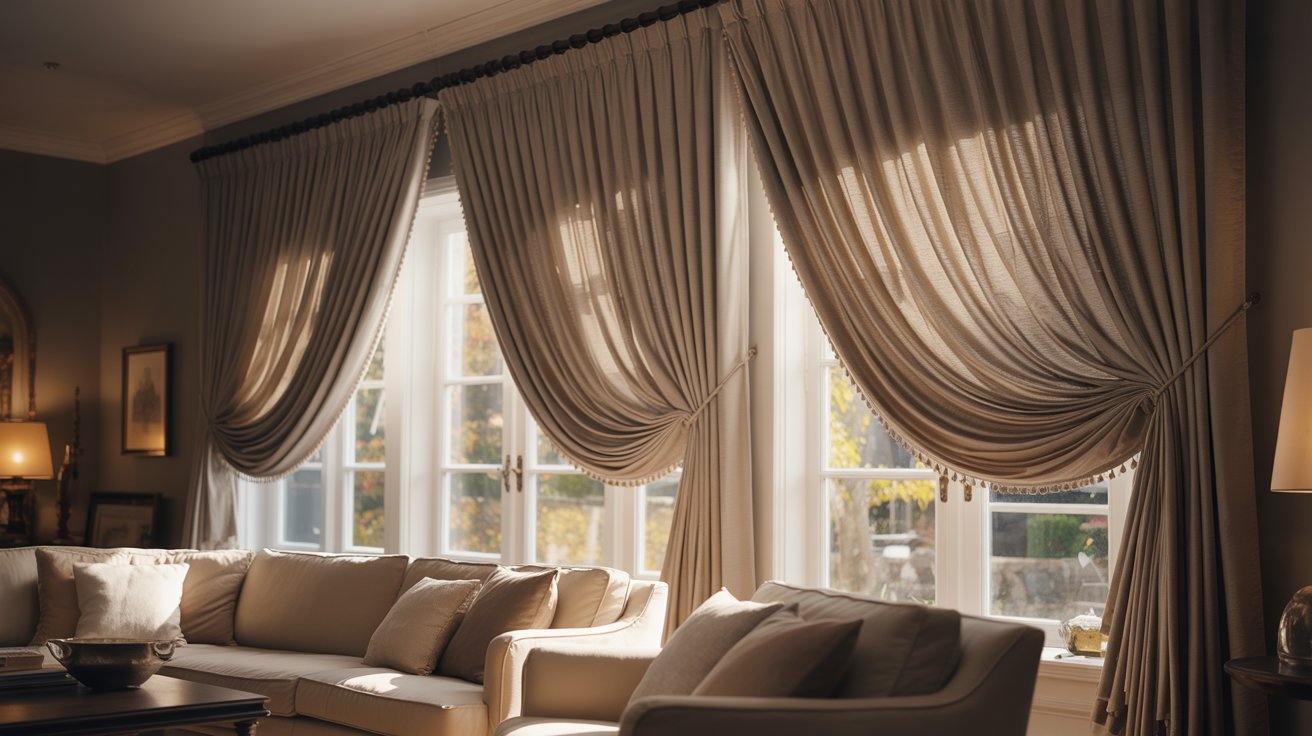
Pencil pleat curtains have a tightly gathered heading that creates thin, even folds across the full width. It's one of the most traditional curtain styles.
They work with both rods and ceiling tracks, making them flexible. You'll need about two to two-and-a-half times the window width in fabric to get the full gathered effect.
9. Pinch Pleat Curtains
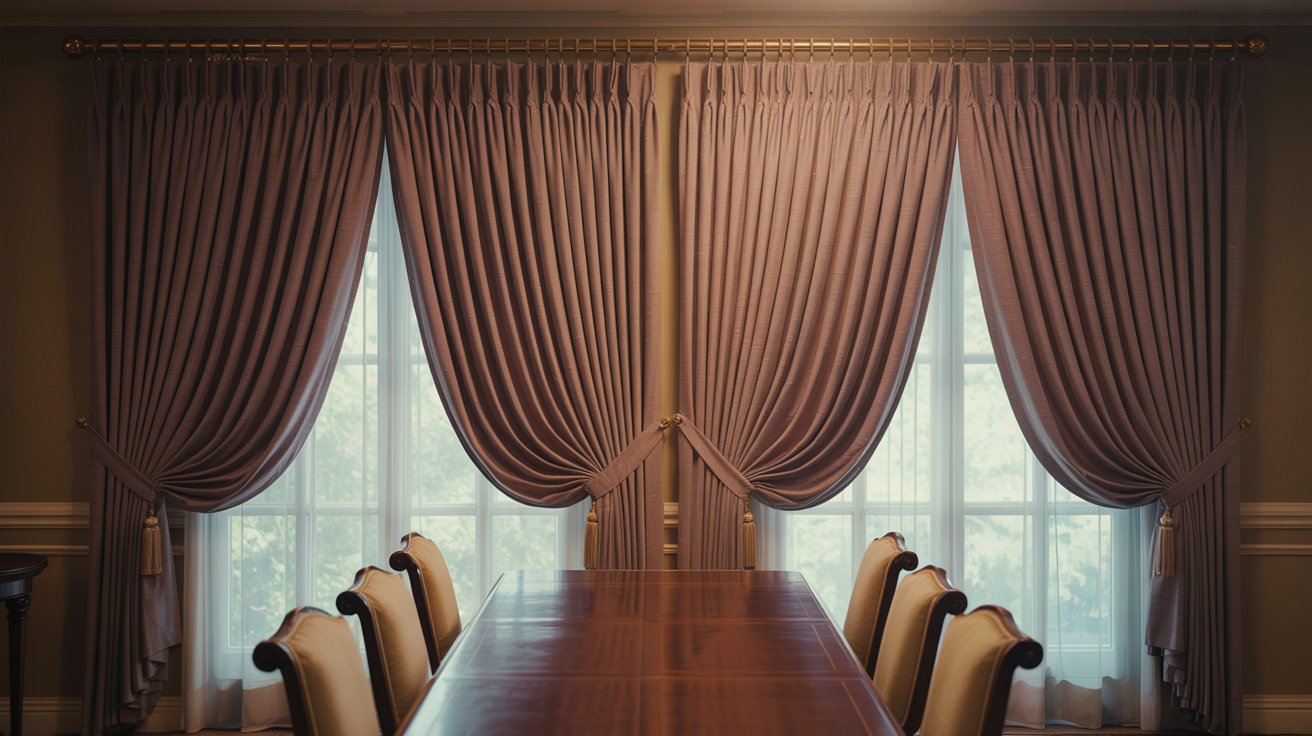
Pinch pleat curtains have fabric stitched at the top into neat groups of two or three pleats. It's a structured, polished look that suits formal dining rooms and traditional living spaces.
Because the pleats are stitched in place, the folds stay consistent every time you open or close them. They require hooks for hanging.
10. Tab Top Curtains
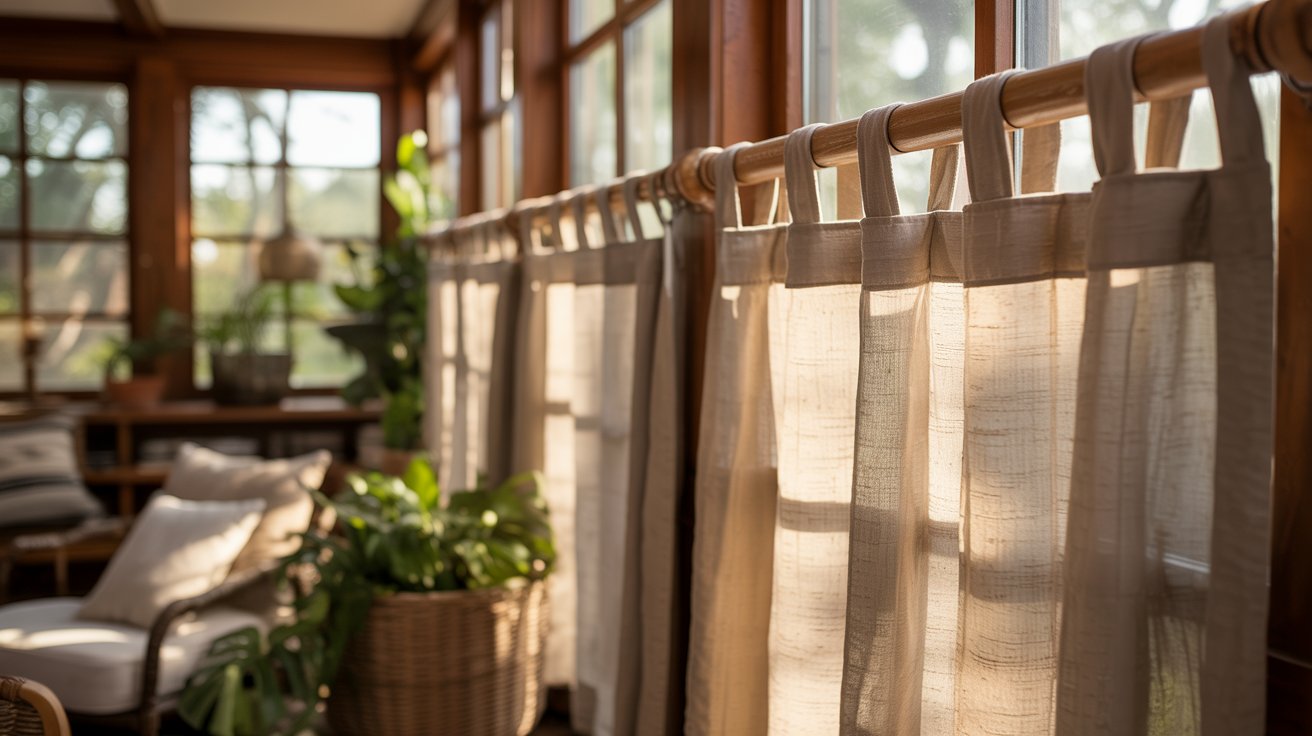
Tab top curtains have fabric loops sewn along the top that slide onto the curtain rod. The look is casual and laid-back.
They work best in relaxed spaces like reading nooks or sunrooms. They don't slide as smoothly as eyelet or grommet curtains, so they're better suited for windows you don't open and close constantly.
11. Rod Pocket Curtains
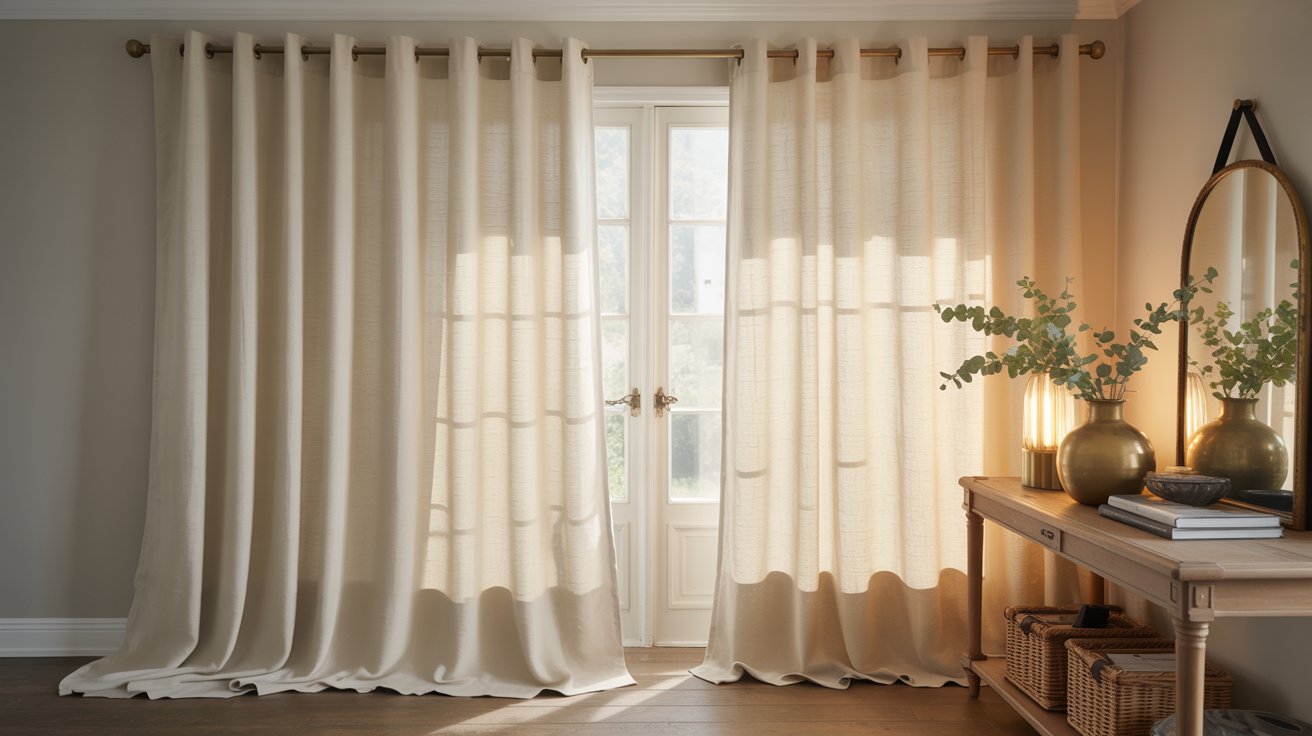
Rod pocket curtains have a sewn channel at the top that the rod slides through. They're one of the easiest styles to install with no hooks or rings needed.
The trade-off is they don't slide easily. They work better as decorative side panels in guest rooms or entryways than as everyday curtains.
12. Cafe Curtains
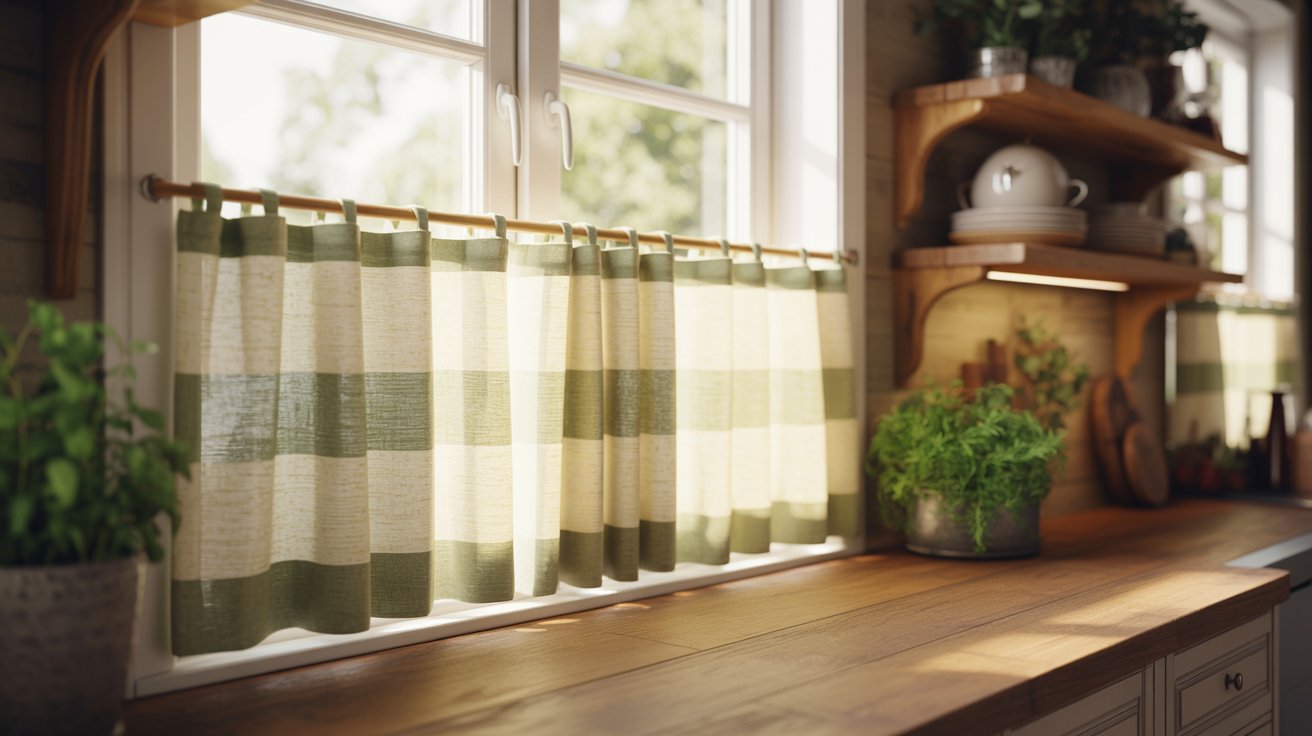
Cafe curtains cover only the bottom half of a window. They give you privacy at eye level while letting light in from the top.
They're most popular in kitchens and bathrooms for this exact balance. They also suit small windows where full-length curtains would feel too heavy.
13. Layered Curtains
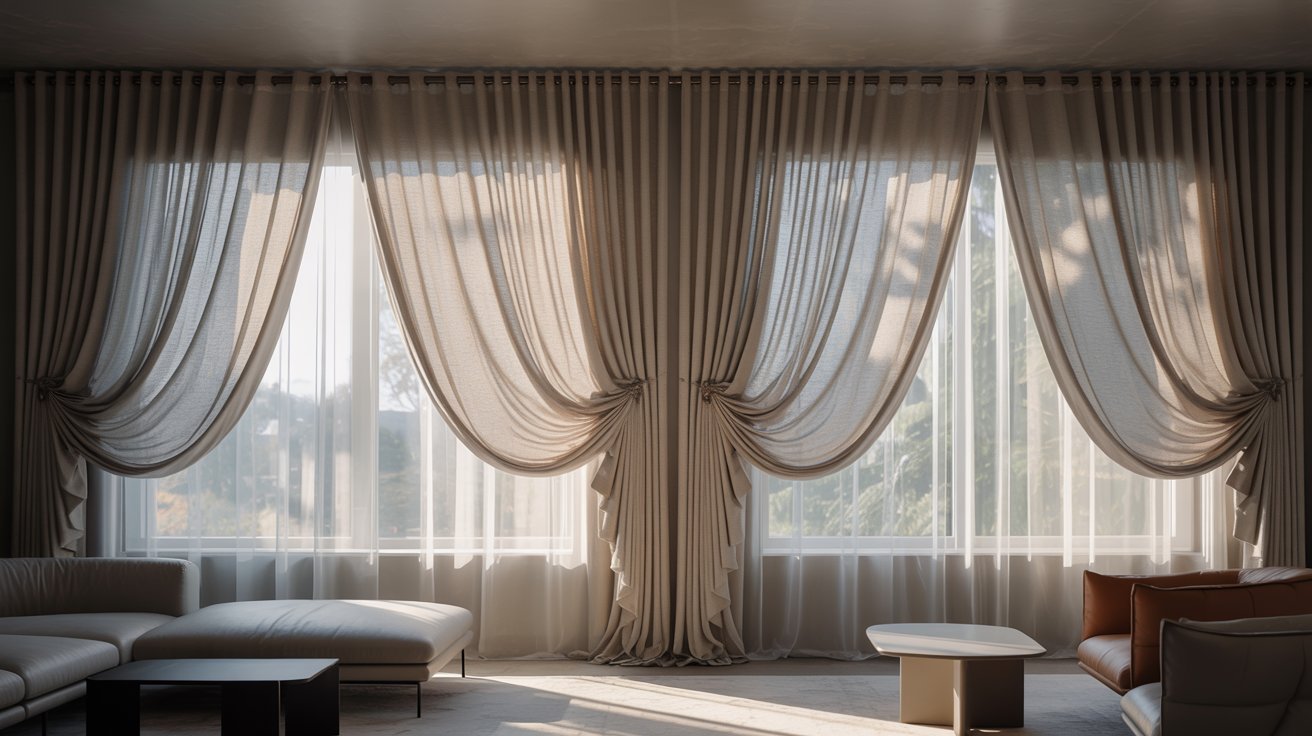
Layered curtains combine a sheer panel closest to the window with a heavier panel on the outside. Together, they give you full control over light and privacy at any time of day.
This is one of the most functional window treatment options. It also adds depth and dimension to any window without looking cluttered.
14. Printed Curtains
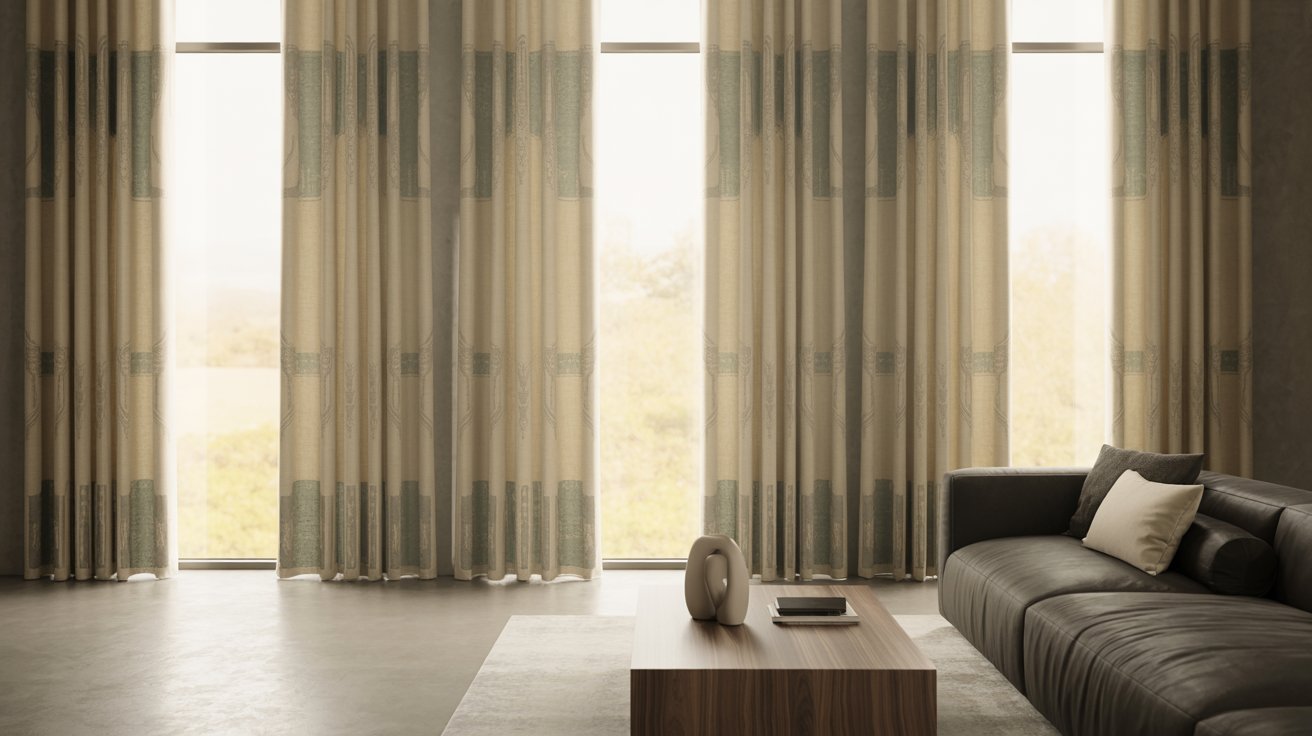
Printed curtains add personality to a room. Florals, geometrics, and stripes are all popular depending on the room's style.
If your walls or furniture already have strong patterns, go for a subtle print. Let the curtain be the statement piece in rooms with mostly solid-colored furniture.
15. Solid Color Curtains
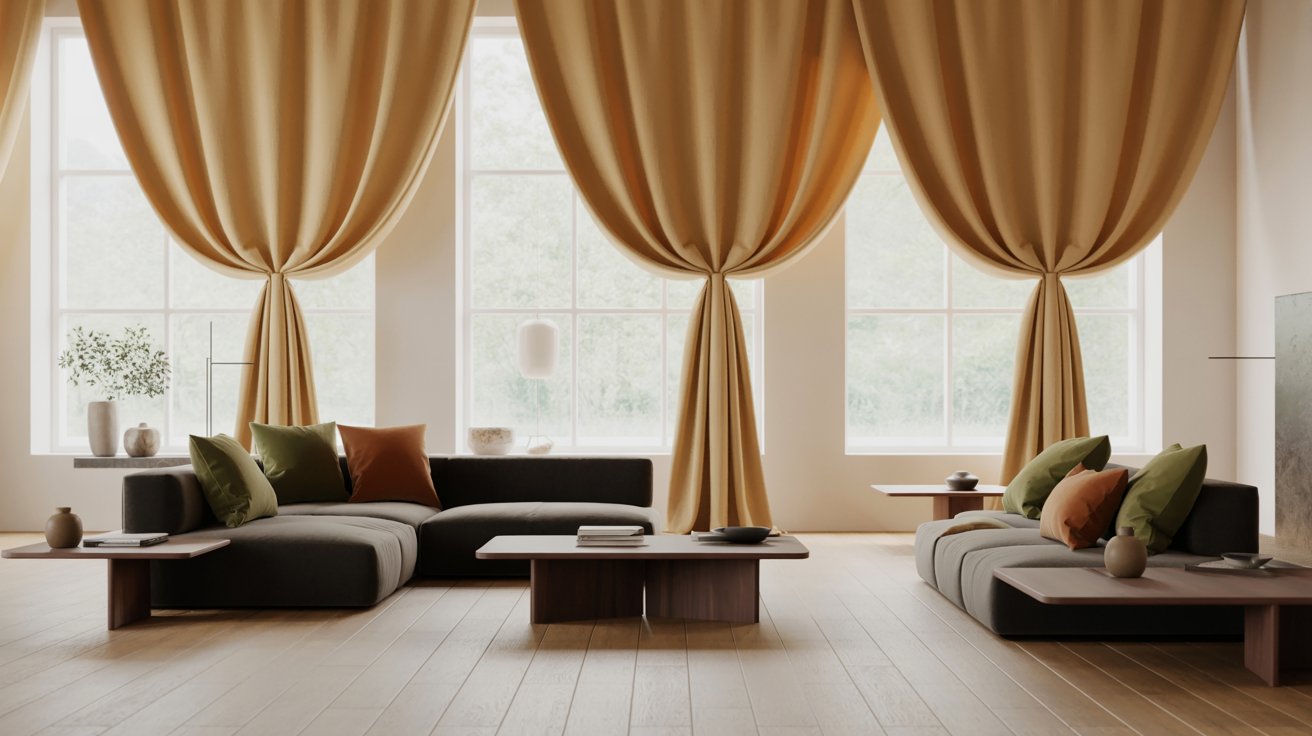
Solid color curtains are clean, simple, and always work. Whites and grays suit modern spaces. Terracotta, dusty rose, or olive green add warmth.
They're the safest choice when you're unsure. They keep the window treatment from competing with your furniture or artwork and are easy to update as your decor changes.
16. Floor-to-Ceiling Curtains
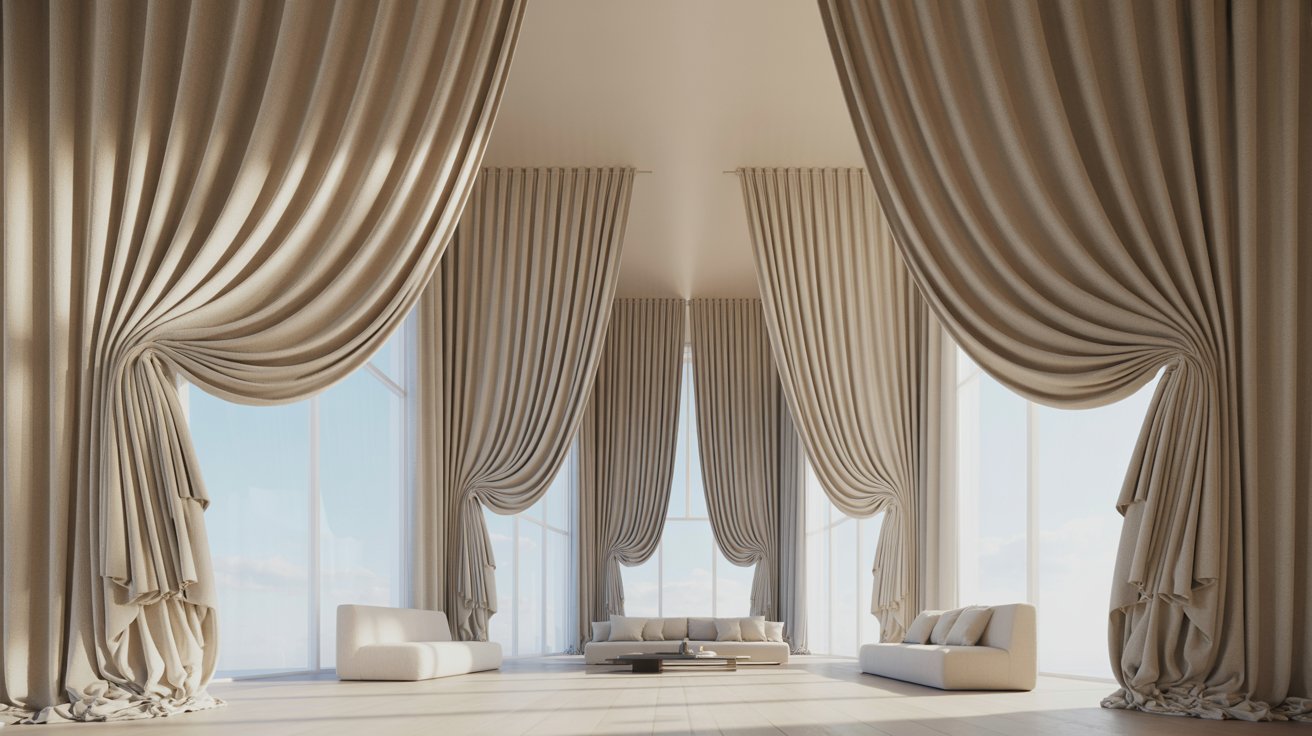
Floor-to-ceiling curtains hang from the top of the wall to the floor, making ceilings look higher and rooms feel larger. They work especially well in small or low-ceilinged spaces.
Hang the rod as close to the ceiling as possible, not just above the window frame. Let the curtain just touch the floor for a clean, sharp finish.
17. Sill-Length Curtains
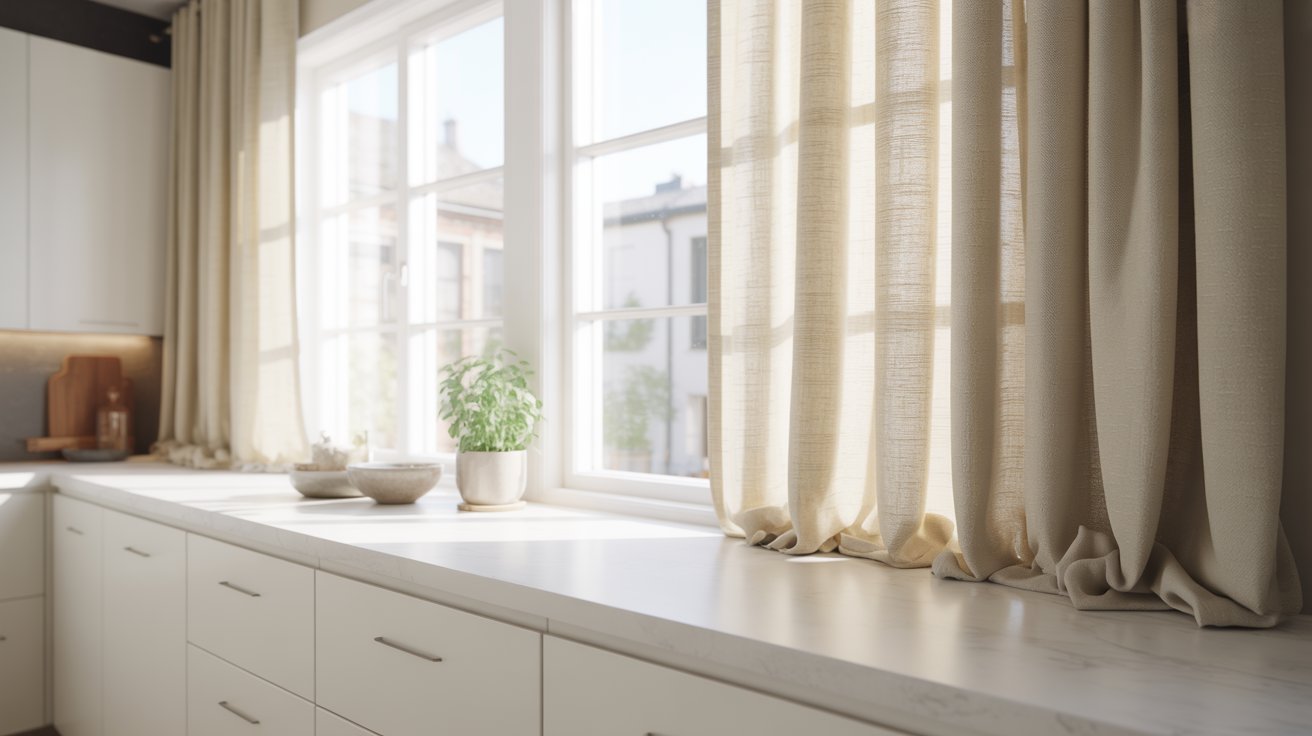
Sill-length curtains end right at the window sill. They're short, tidy, and practical for kitchens, bathrooms, and kids' rooms where long curtains would get in the way.
They also work well above furniture like desks or radiators. Keep the fabric simple and the colors light so they blend in rather than draw attention.
18. Apron Curtains
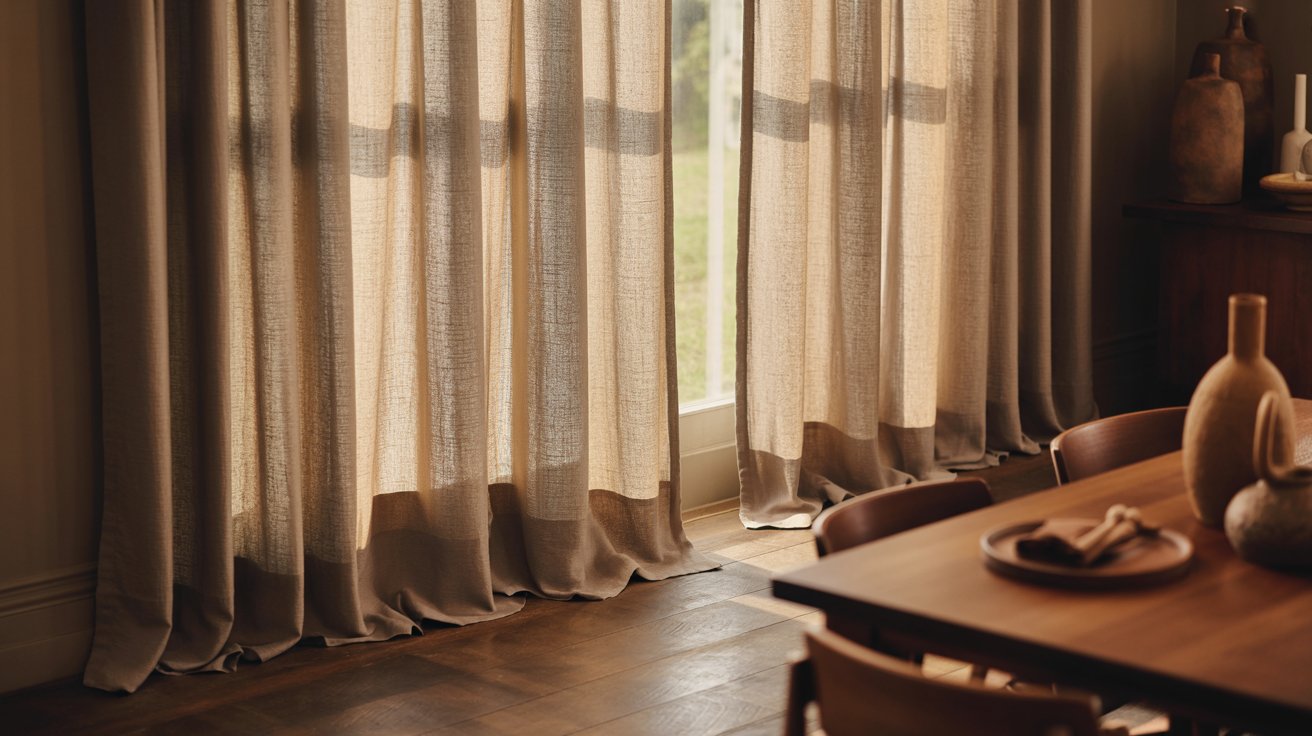
Apron curtains fall a few inches below the window sill but stop before the floor. They offer more coverage than sill-length curtains without the drama of floor-length panels.
They work well in dining rooms and casual living spaces. Just make sure the length looks intentional and doesn't appear like you simply ran out of fabric.
19. Window Scarf Curtains
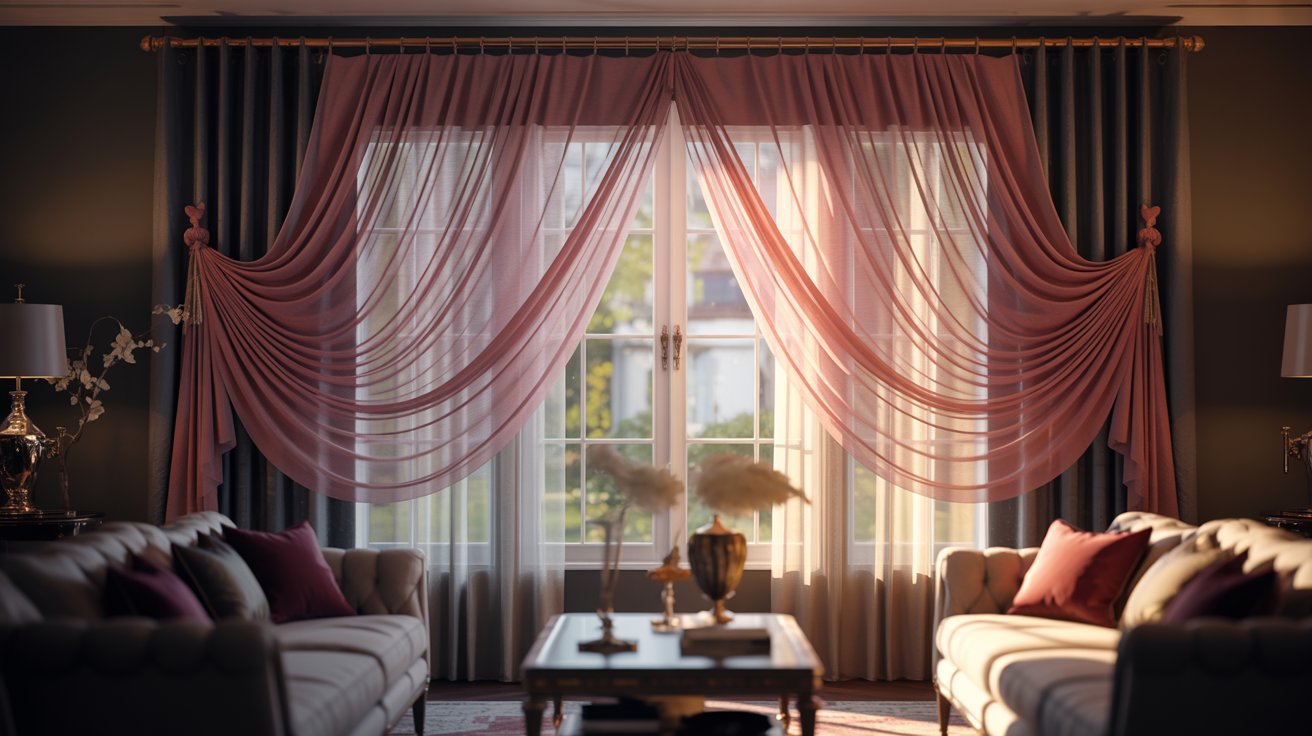
A window scarf is a long piece of fabric draped loosely over a curtain rod, used purely for decoration. The fabric cascades down both sides in soft, flowing folds.
They suit dining rooms, entryways, and formal living rooms. Pair a scarf with blinds or sheers underneath so the scarf handles the decor and the blind handles the light.
20. Valance Curtains
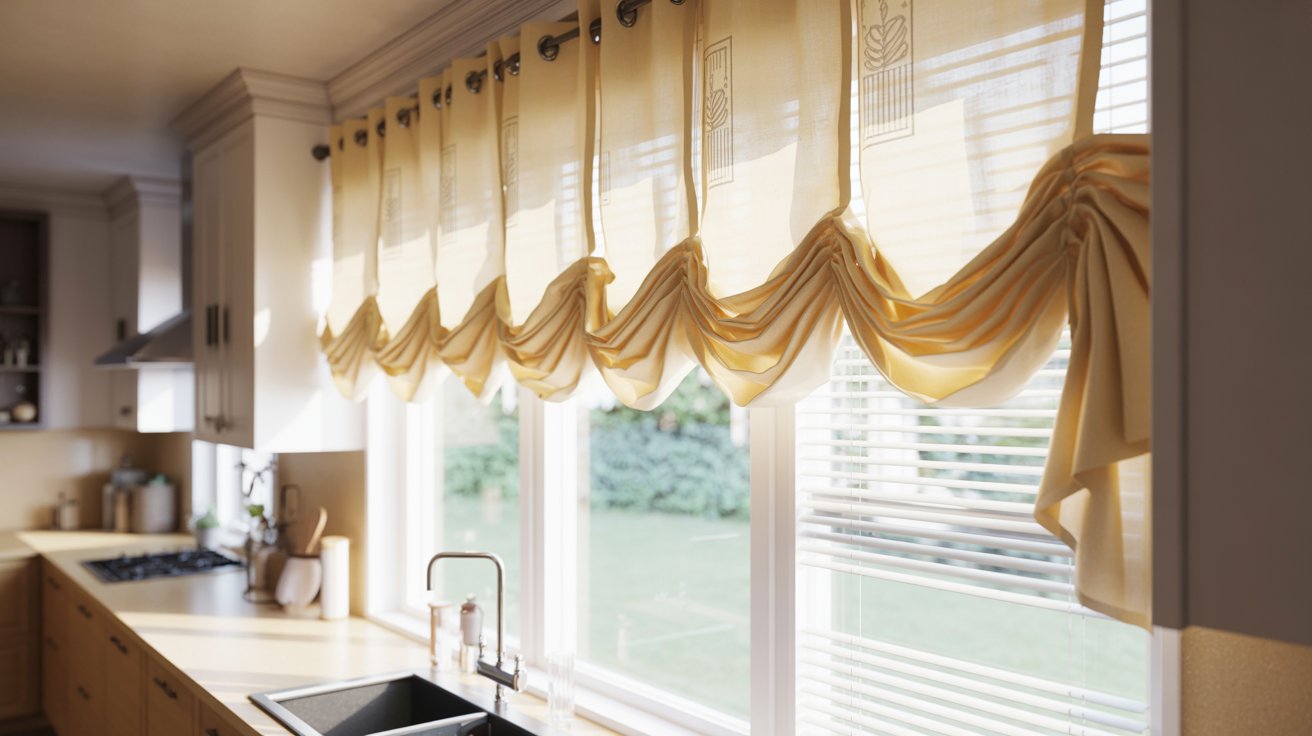
A valance is a short curtain that covers only the top portion of a window. It's used as a decorative top treatment rather than for privacy or light control.
Valances hide rods and tracks while giving windows a finished look. They pair well with blinds or roller shades underneath and work well in kitchens, bathrooms, and living rooms.
21. Grommet Curtains
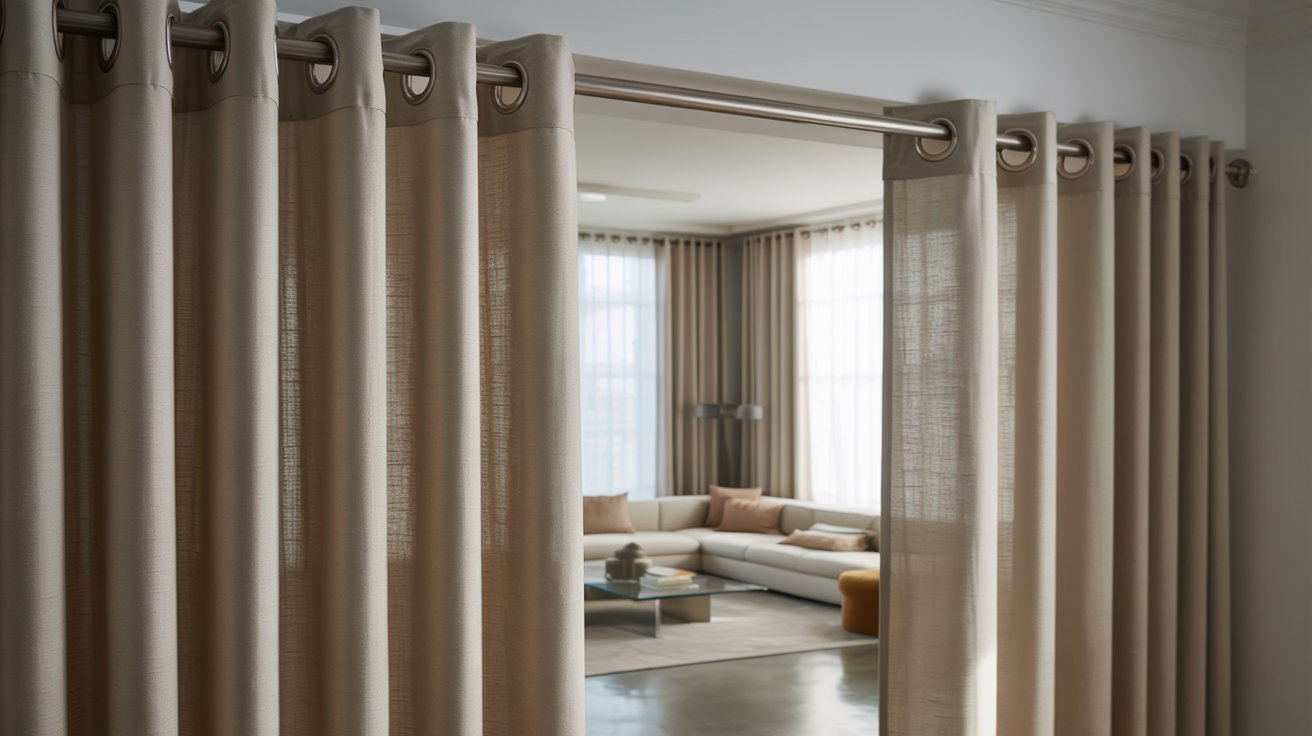
Grommet curtains have large metal rings sewn into the top of the fabric. They glide along the rod more smoothly than most other styles, making them great for curtains you open and close daily.
The look is clean and contemporary, suiting modern living rooms, home offices, and bedrooms with streamlined decor.
22. Motorized Smart Curtains
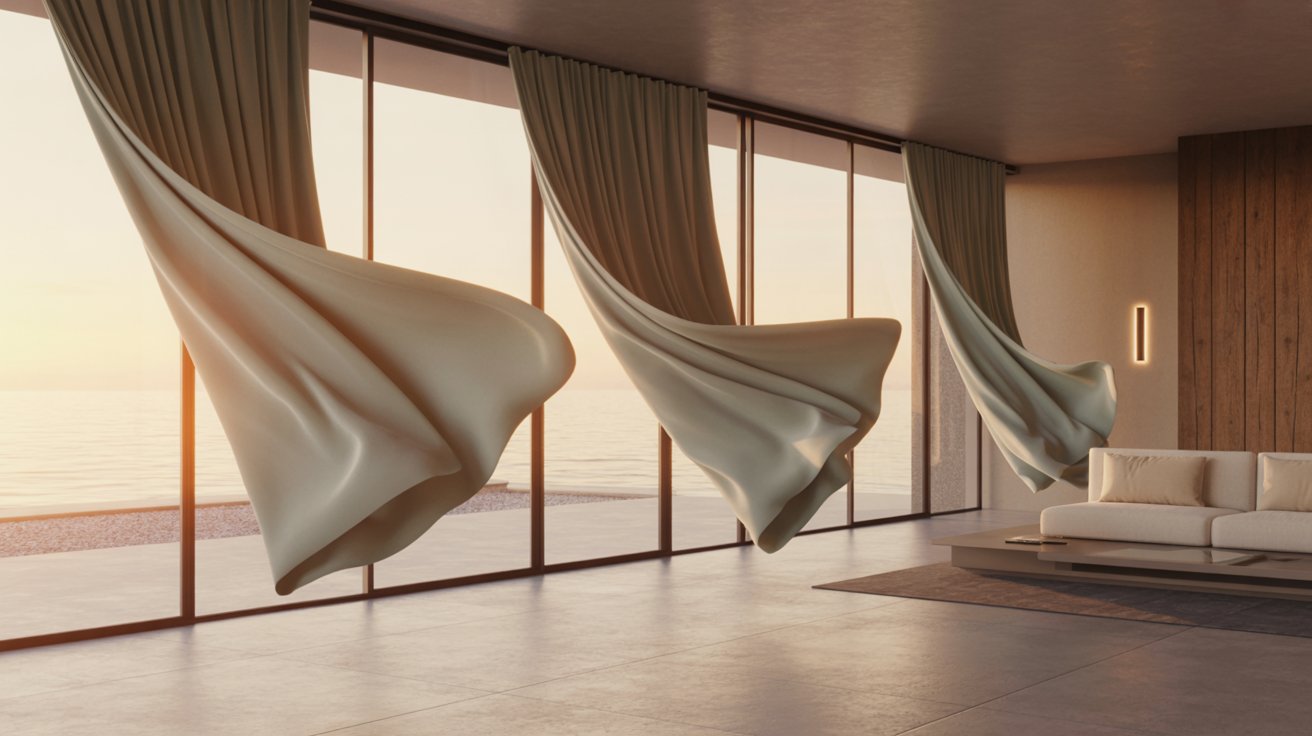
Motorized curtains open and close automatically via remote, phone app, or voice assistant. They work with systems like Google Home and Amazon Alexa.
They're especially practical for large windows or hard-to-reach spots. You can also program them to close during peak heat hours or open at sunrise for passive energy savings.
23. Outdoor Curtains
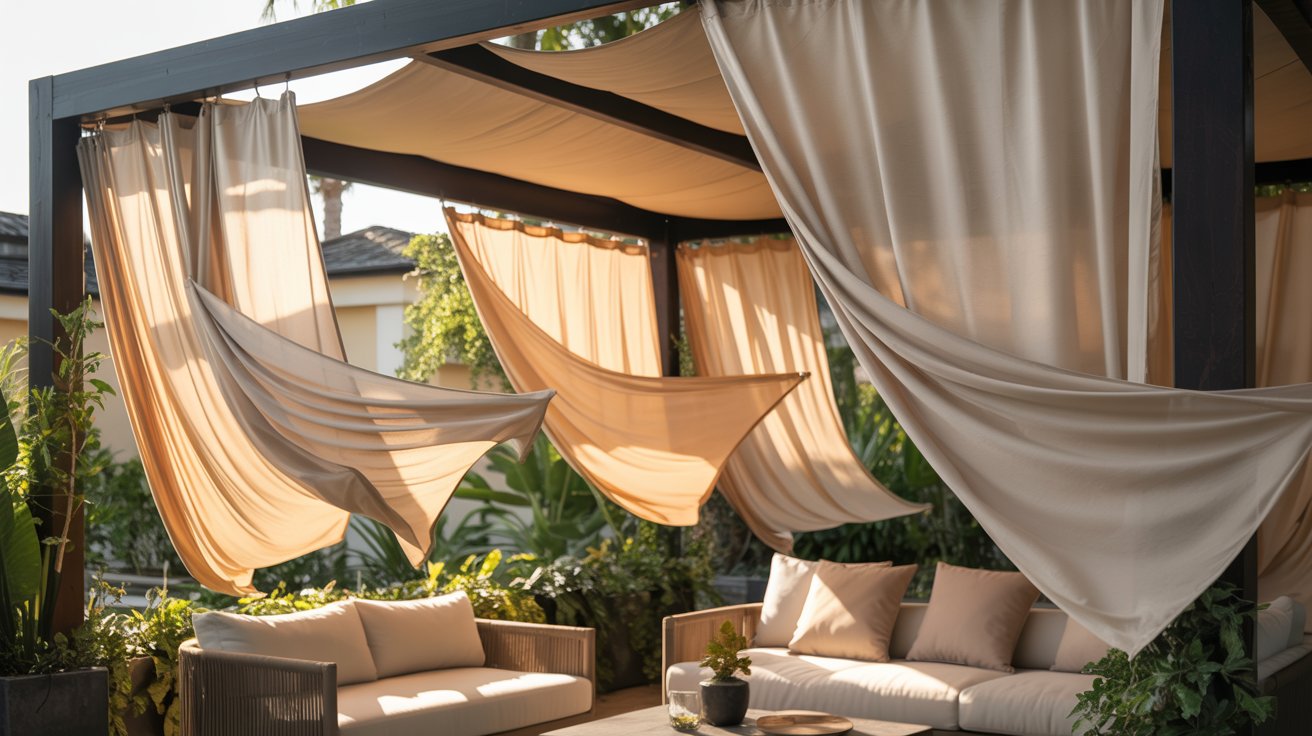
Outdoor curtains are made from weather-resistant fabrics like polyester or acrylic. They're designed for patios, porches, pergolas, and balconies.
They provide shade, privacy, and a sense of enclosure without blocking airflow. Look for fabrics labeled UV-resistant and mold-resistant so they last longer and hold their color through the seasons.
Curtain Fabrics Explained: Which Material Is Best?
Picking the right fabric matters as much as picking the right style. The material affects how curtains hang, how they look, and how much care they need.
Cotton vs. Linen: Cotton is easy to wash and holds its shape well. Linen is more breathable with a relaxed, organic look. Cotton works better in high-use rooms. Linen suits spaces where a laid-back, natural feel is the goal.
Velvet vs. Polyester: Velvet is heavy, rich-looking, and great for insulation. Polyester is lightweight, affordable, and easy to maintain. Velvet suits formal rooms. Polyester is the practical everyday pick.
Best fabrics for privacy: Tightly woven fabrics like velvet, cotton canvas, or lined linen block outside visibility without needing blackout lining.
Best fabrics for climate: Linen and light cotton allow airflow in hot climates. Velvet, wool blends, and thermal-lined fabrics retain warmth in cold climates.
Low-maintenance picks: Polyester resists wrinkles, fades slowly, and is machine washable. It's the easiest fabric to care for long-term.
Common Curtain Mistakes to Avoid
Most curtain mistakes are easy to fix once you know what to look for. A little awareness before you buy saves a lot of frustration later.
- Choosing the wrong curtain length: Short curtains in tall rooms look out of place. Measure from rod to floor and aim for floor-length panels in main living areas.
- Ignoring fabric weight: Heavy fabrics on a flimsy rod will sag or fall. Match curtain weight to your hardware's strength.
- Hanging curtain rods too low: Hang your rod closer to the ceiling to make the room feel taller and more open.
- Overcrowding small spaces with heavy fabrics: Dark, thick curtains in small rooms feel cramped. Stick to light colors and lightweight fabrics.
- Forgetting lining and insulation: Unlined curtains look flat and provide no insulation. A basic lining improves drape, light blocking, and temperature control.
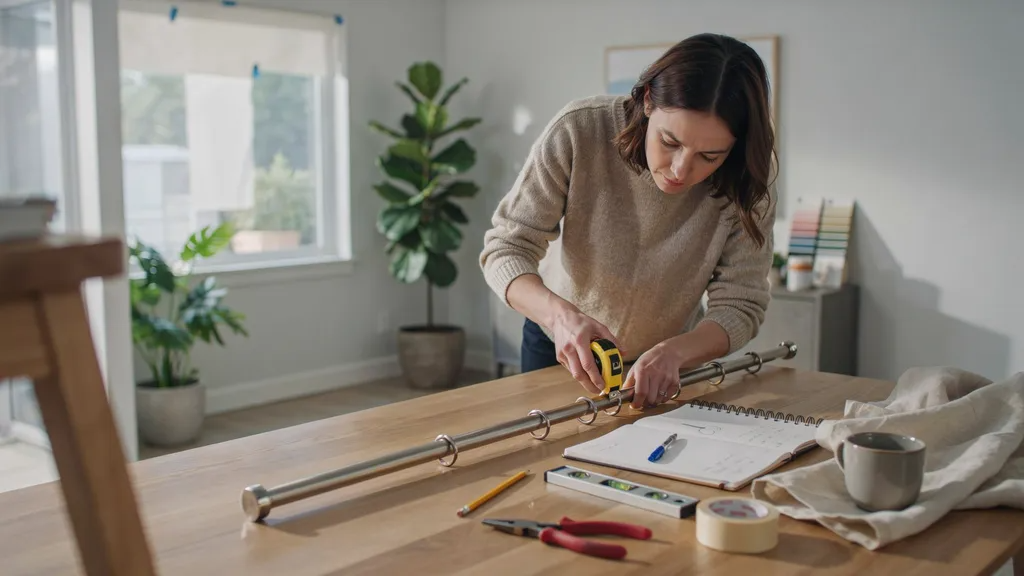
Measure your windows properly and think about how you actually use each room before buying. Those two steps alone will help you avoid most of these mistakes.
Conclusion
Curtains shape how a room feels every single day. You've seen all the styles, the fabrics, and the common mistakes. Now it's time to act on it.
Pick one room, think about what it needs most, and start there. Different types of curtains work for every space, every budget, and every style.
You don't need to get it perfect on the first try. Just get started.
Drop a comment below and tell me which style caught your eye. I read every single one.
Frequently Asked Questions
What Are the Most Popular Different Types of Curtains?
Blackout, sheer, linen, velvet, and eyelet curtains are among the most widely used. Each serves a different purpose, from blocking light to adding decoration.
Which Curtain Fabric Is Best for Living Rooms?
Cotton and linen work well for casual living rooms, while velvet suits more formal setups. Your choice depends on the look you want and how much natural light the room gets.
How Do I Choose Curtains for Small Rooms?
Go for light colors and sheer or lightweight fabrics to keep the space feeling open. Floor-to-ceiling panels also help by drawing the eye upward and making the room feel taller.
Are Blackout Curtains Good for Summer?
Yes, blackout curtains block a significant amount of heat coming through the window. This helps keep rooms cooler and reduces the load on your air conditioning.
What Is the Difference Between Drapes and Curtains?
Curtains are lighter, more casual, and usually unlined. Drapes are heavier, often lined, and used in formal rooms where light control and insulation matter more.