
Picking the right curtain rod sounds simple until you are standing in the store staring at a wall of options and have no idea where to start.
The wrong rod can make your curtains sag, look off, or simply not work with your window at all.
This guide covers all 11 types of curtain rods, how to match them to your curtain style and window type, and what to check before you buy.
Having helped style multiple rooms over the years, I know how much one right hardware choice can change the whole look of a space.
By the end, you will know exactly which curtain rod fits your needs.
How Do You Choose the Right Curtain Rod?
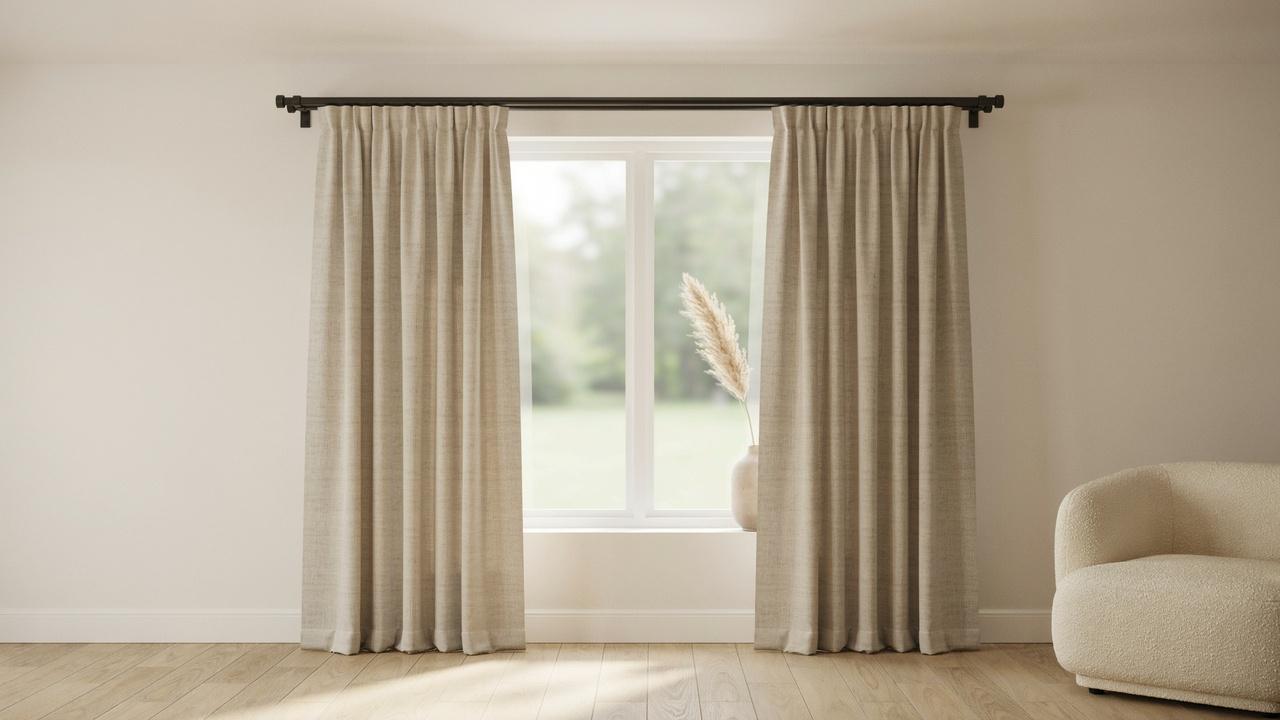
Choosing the right curtain rod comes down to knowing your window, your curtain, and how much work you want the rod to do.
Start with the curtain weight. Heavy drapes need a rod with strong brackets and a thick diameter. Sheer panels can hang on almost anything.
Next, look at your window size. Wide windows need a center support bracket to prevent the rod from bending in the middle.
Think about how many curtain layers you want. A single rod holds one panel. A double rod holds two, which is useful when you want a sheer layer behind a blackout curtain.
Also consider your wall type. Drywall, concrete, and wood paneling each require different anchors and brackets. Getting this wrong leads to rods that pull out of the wall.
Finally, think about style. Do you want the rod to be seen or hidden? Decorative finials and exposed rods work well in living rooms. Concealed tracks suit a cleaner, more modern look.
What Are the 11 Types of Curtain Rods?
There are more rod types than most people expect, and each one serves a different purpose.
1. Single Curtain Rods
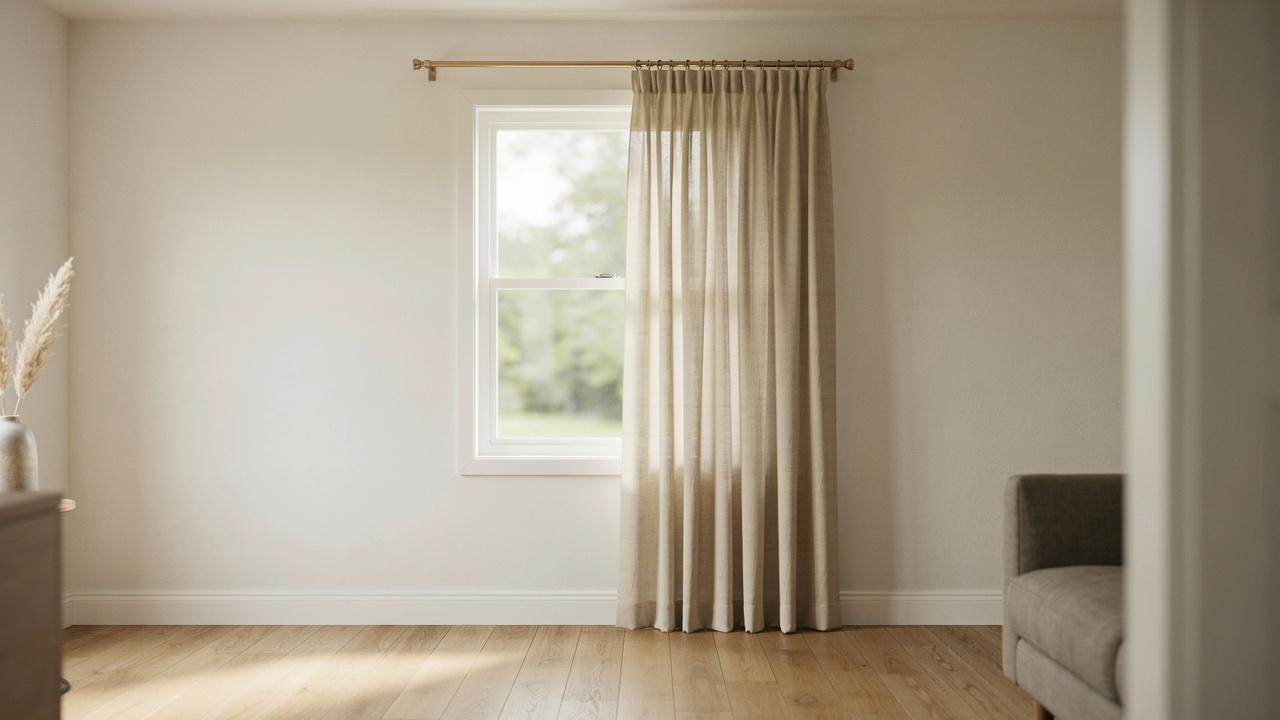
A single curtain rod is the most common type. It holds one layer of curtains and works with almost any curtain header style, including rod pocket, grommet, tab top, and pinch pleat.
It is a good starting point for most rooms and is easy to install. You can find these in metal, wood, and acrylic finishes to suit different room styles.
2. Double Curtain Rods
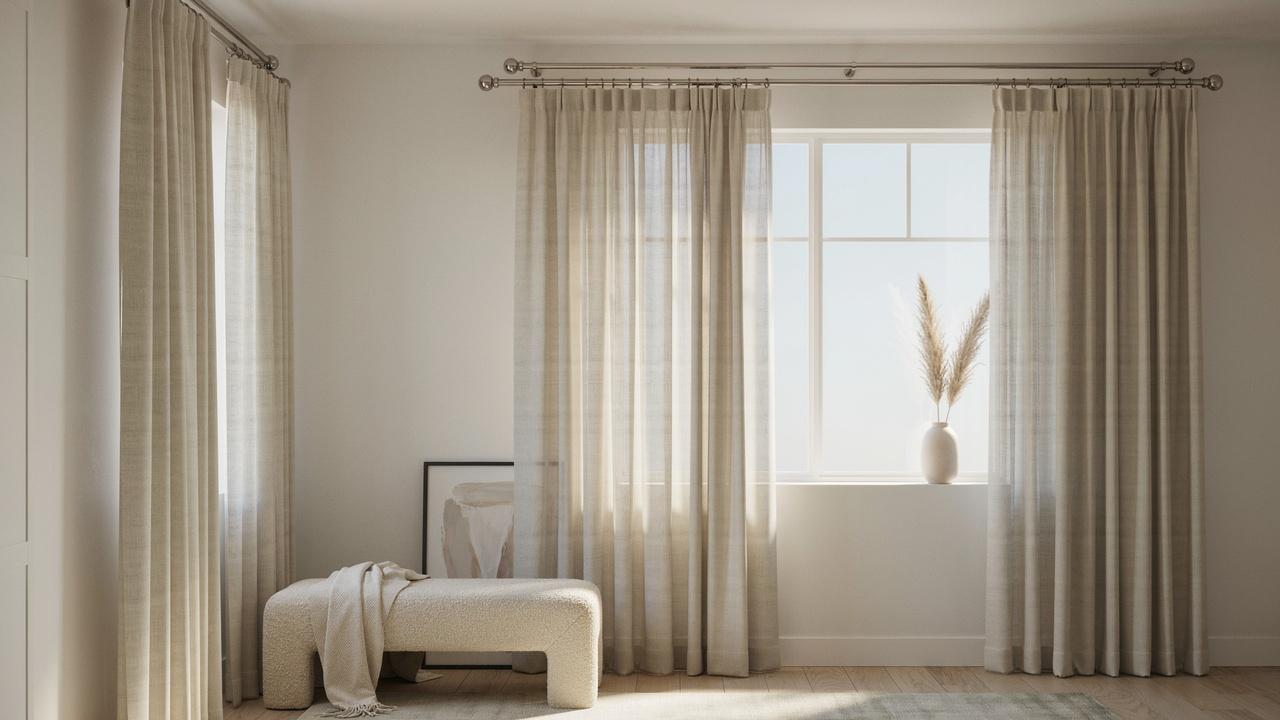
A double curtain rod has two parallel rods mounted on the same bracket set. The front rod usually holds a decorative or blackout curtain, while the back rod holds a sheer panel.
This setup gives you both light control and privacy without needing two separate bracket systems.
Double rods are especially popular in living rooms and bedrooms.
3. Decorative Curtain Rods
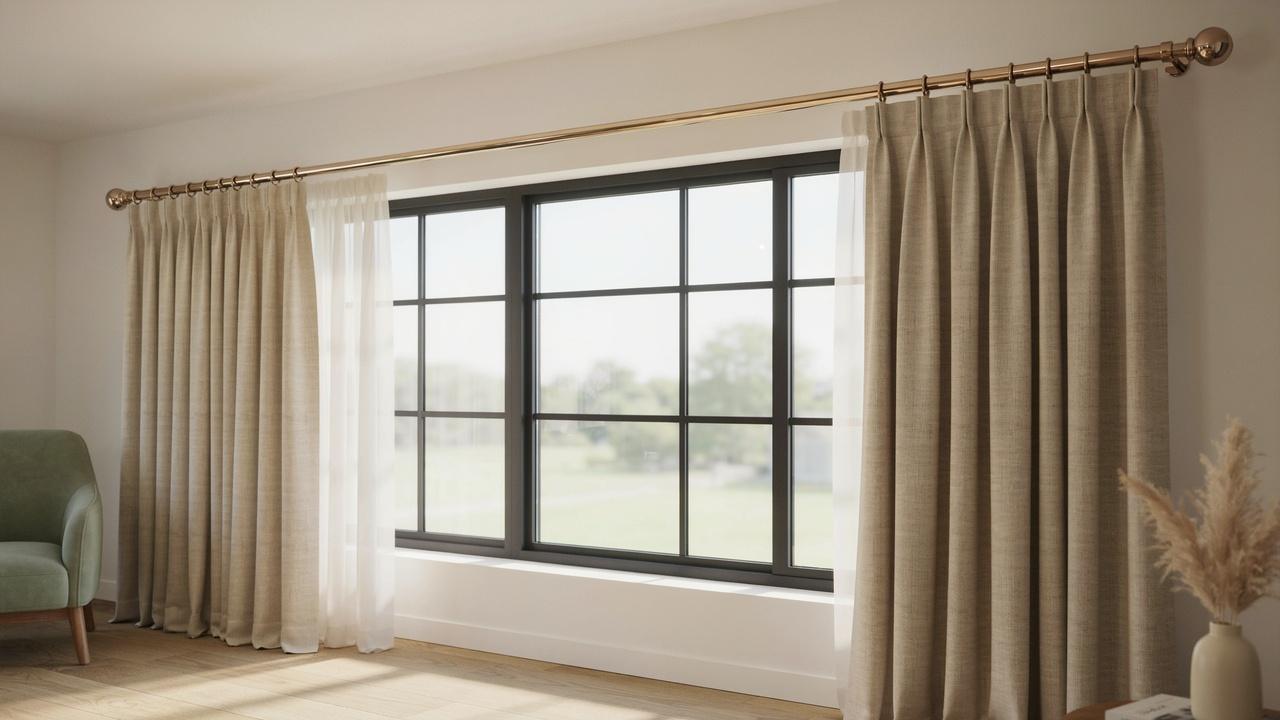
Decorative curtain rods are meant to be seen.
They come with stylish finials on each end, like ball tips, spear tips, or globe shapes, and are available in a wide range of finishes such as brushed nickel, oil-rubbed bronze, brass, and matte black.
These rods work best in spaces where the curtain hardware is part of the room's overall look.
4. Tension Curtain Rods
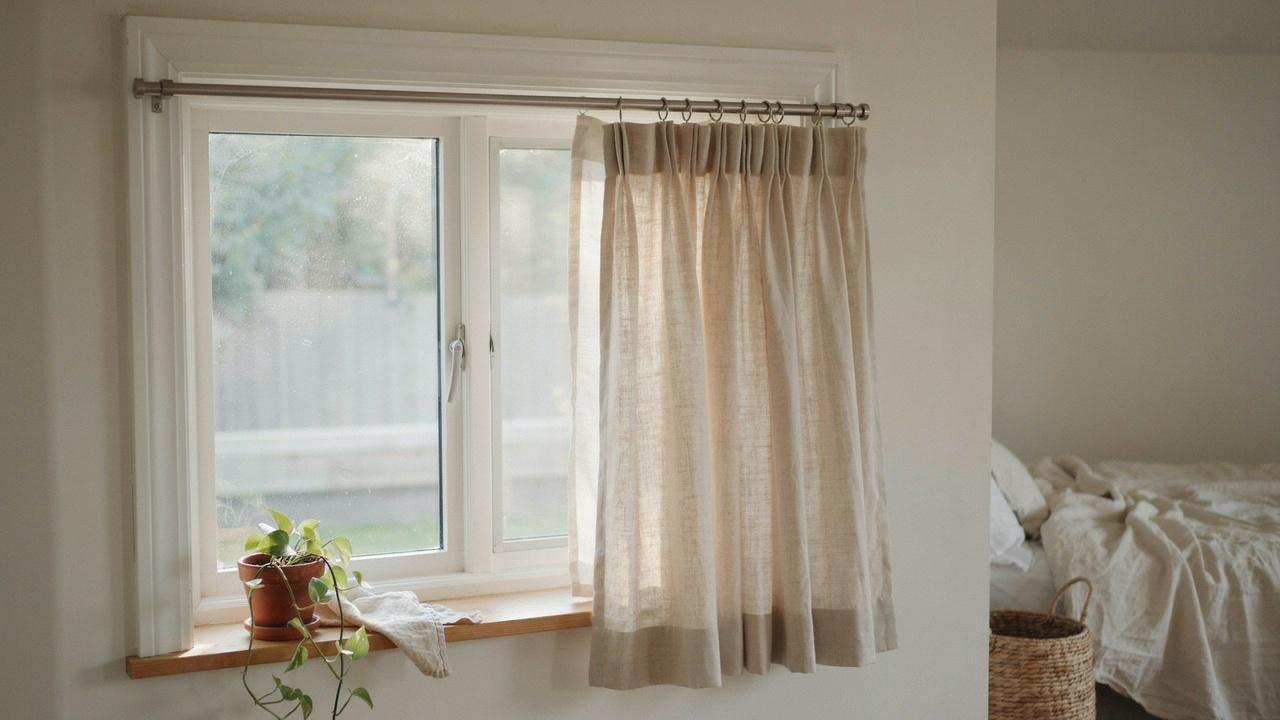
Tension curtain rods use spring pressure to stay in place inside a window frame or between two walls. No screws or brackets are needed.
They are perfect for lightweight curtains in rentals, small windows, closets, and bathrooms. However, they are not built for heavy curtains and can slip if overloaded.
5. Traverse Curtain Rods
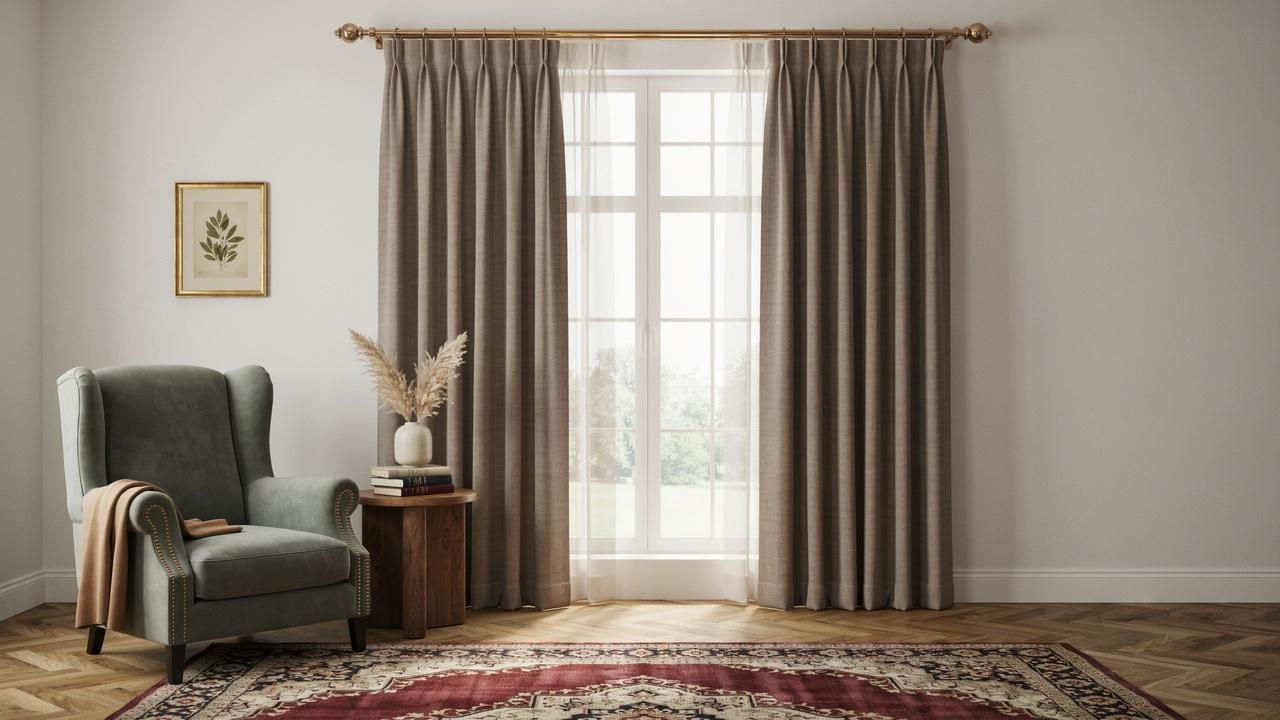
Traverse rods use a cord or wand system that lets you open and close curtains by pulling without touching the fabric.
They are ideal for large or heavy drapes and work well in formal living rooms or home theaters.
Traverse rods come in standard and motorized versions. They require a bit more installation effort but offer smooth, consistent curtain movement.
6. Concealed Curtain Rods
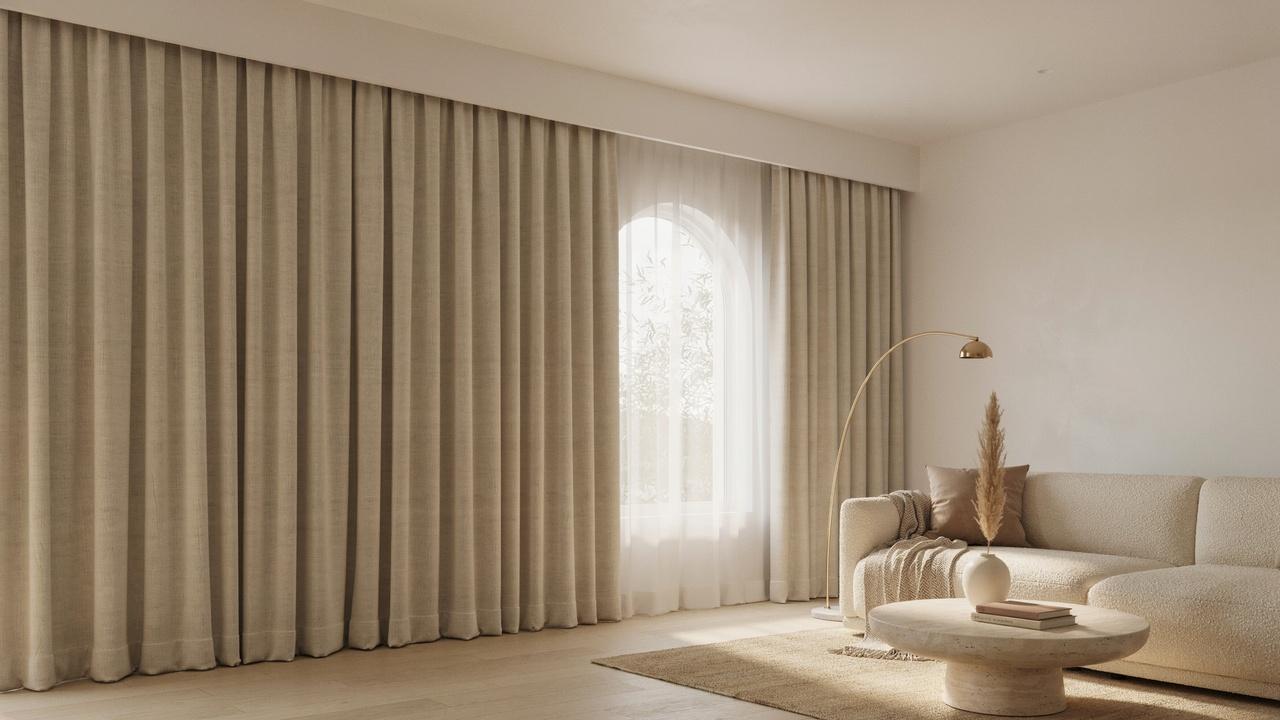
Concealed curtain rods, also called curtain tracks or ceiling tracks, are mounted so the hardware is hidden behind a valance, inside a channel, or flush with the ceiling.
The curtain hangs from clips or gliders, giving a very clean and minimal look.
These are popular in modern and Scandinavian-inspired interiors where you want the curtain to be the focus, not the hardware.
7. Cafe Curtain Rods
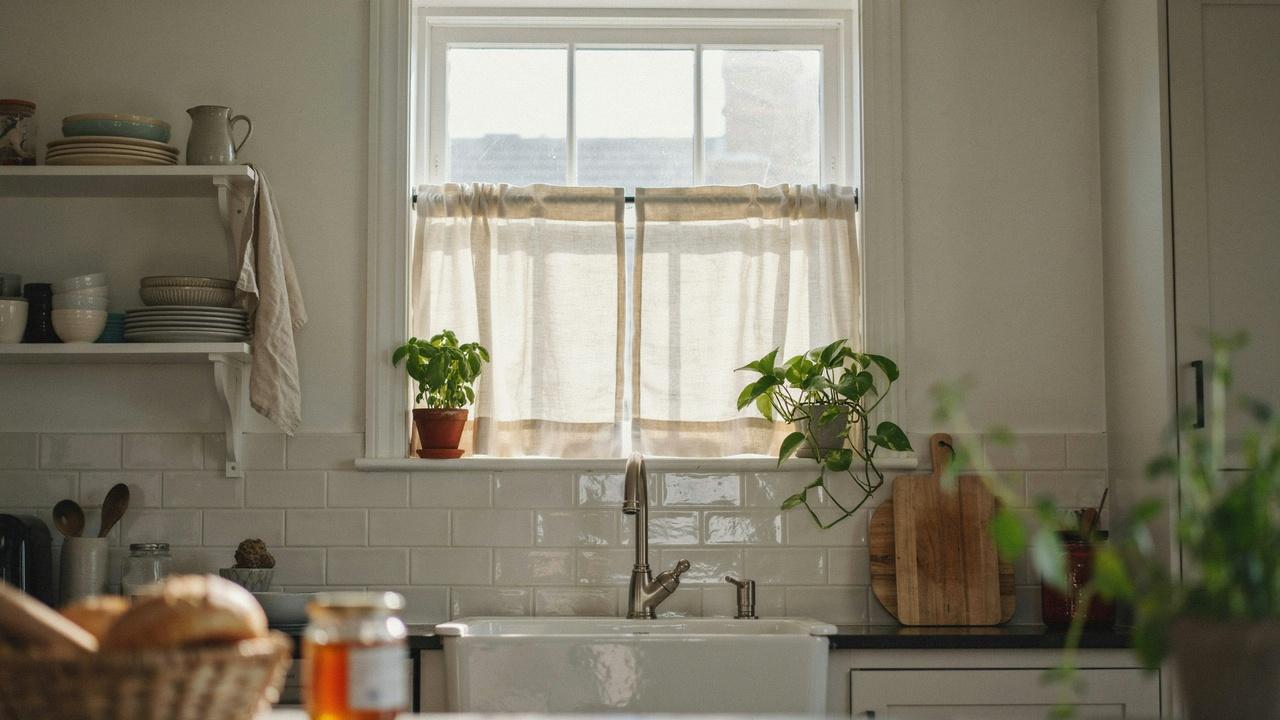
Cafe rods are narrow, lightweight rods designed to hold curtains that cover only the lower half of a window.
They are commonly used in kitchen windows, bathroom windows, and anywhere you want some privacy without blocking all the natural light.
Most cafe rods are tension-based and require no drilling.
8. Magnetic Curtain Rods
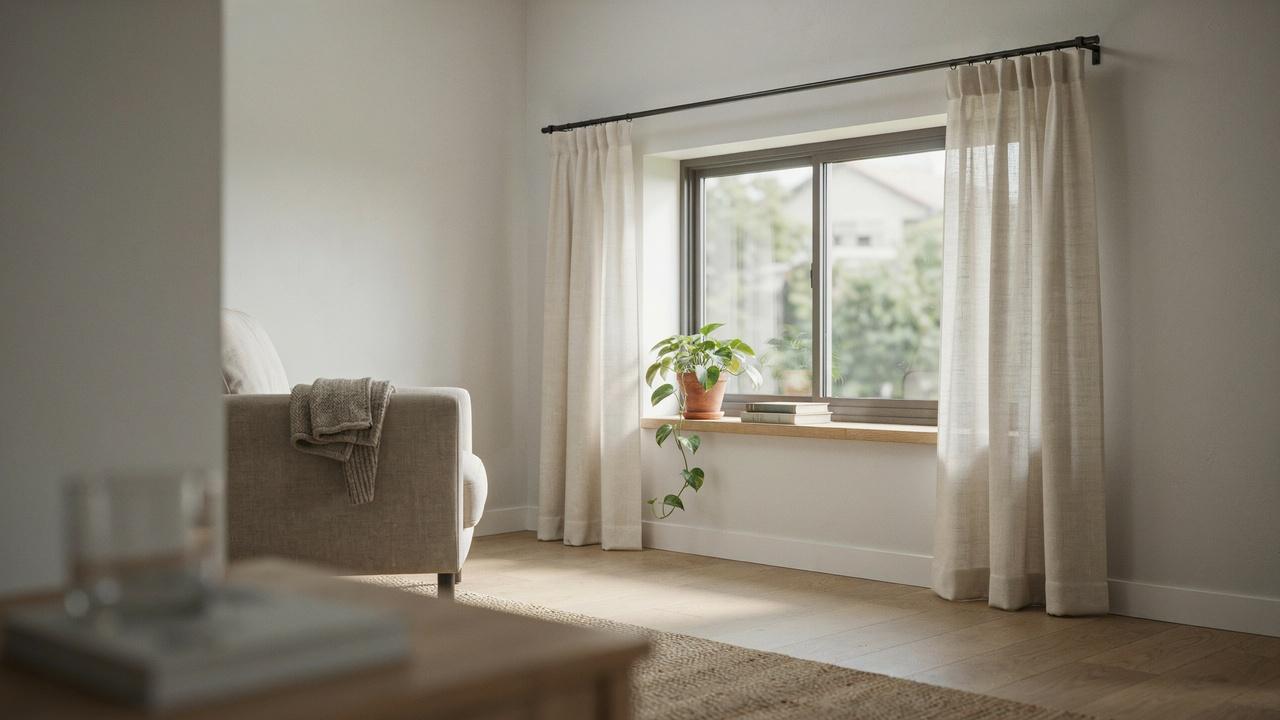
Magnetic curtain rods attach to metal door frames or steel surfaces without any hardware. They are typically used for door panels, French doors, and small windows with metal frames.
They are easy to move and remove, making them a practical choice for temporary setups or renters.
9. Wraparound Curtain Rods
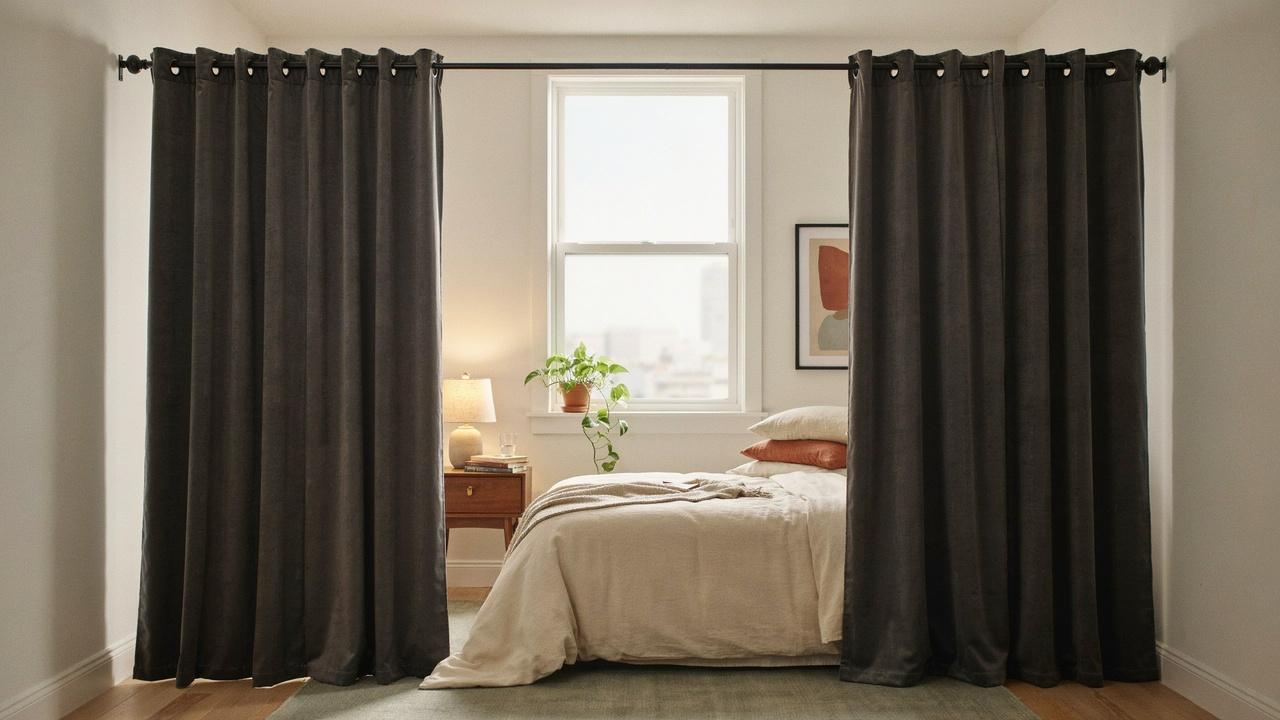
Wraparound rods have brackets that curve toward the wall at each end, allowing the curtain to wrap around and sit flush with the wall.
This design blocks the side gaps that allow light to sneak in from the edges.
Wraparound rods are a smart pick for blackout curtains in bedrooms and home theaters where full light blockage matters.
10. Curved or Arched Curtain Rods
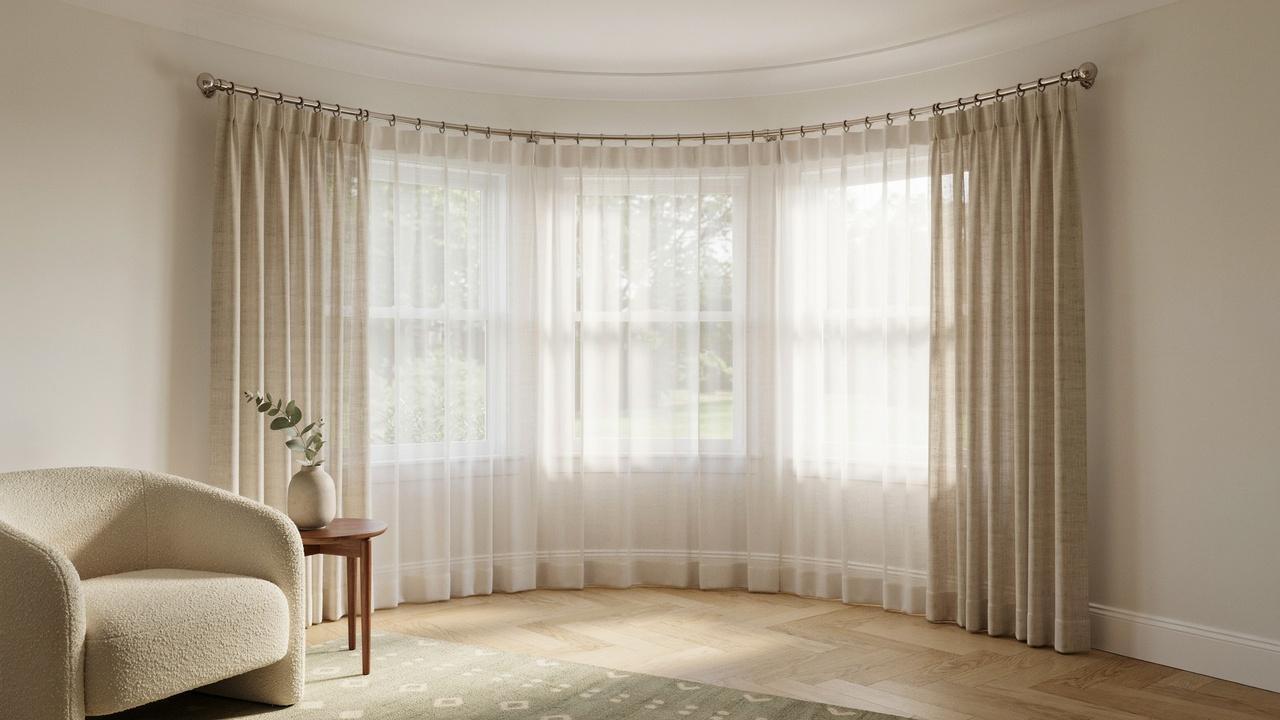
Curved rods are built to fit bay windows, arched windows, or corner windows. They are either pre-bent or flexible, letting them follow the shape of the window.
Standard straight rods will not work on these windows without leaving awkward gaps. If you have an unusual window shape, a curved rod is often the only practical option.
11. Ceiling-Mounted Curtain Rods
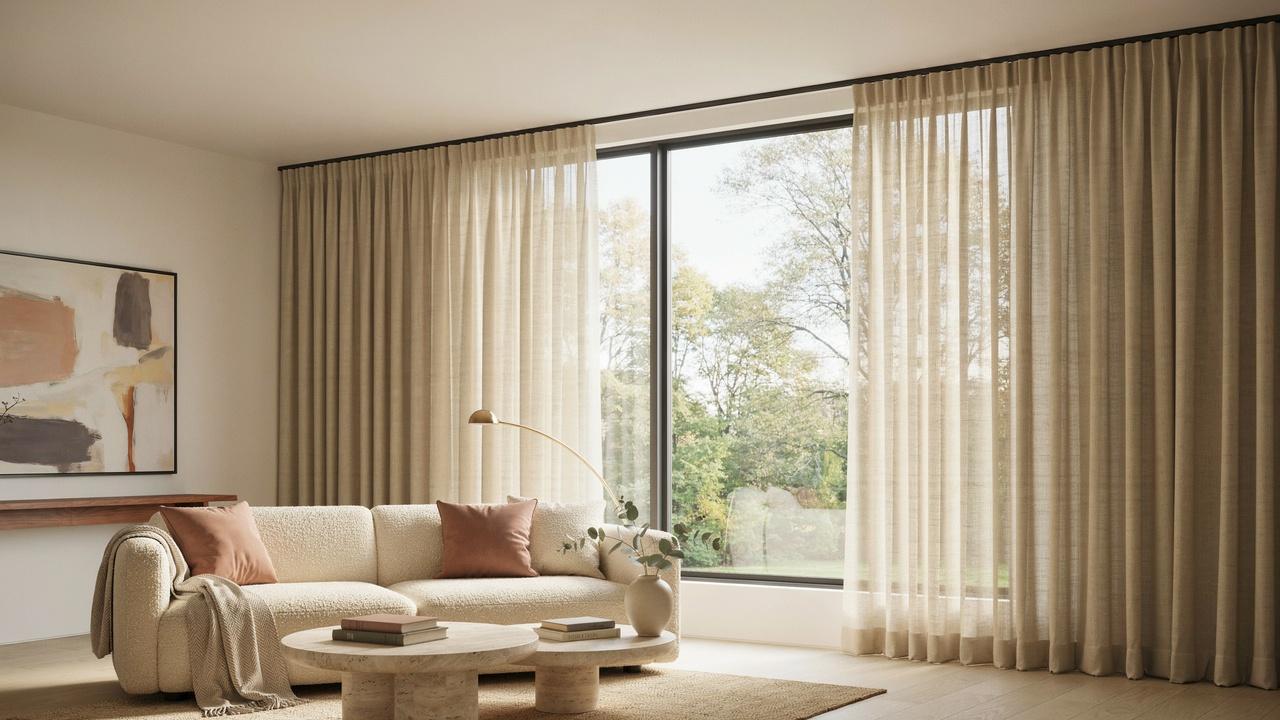
Ceiling-mounted rods are fixed directly to the ceiling rather than the wall above the window.
This works well in spaces with low ceilings, floor-to-ceiling windows, or open-plan rooms where you want the curtain to act as a divider.
They can also make a room feel taller when the curtain hangs from ceiling height all the way to the floor.
Which Curtain Rod Is Best for Your Curtains?
Matching the rod to your curtain type makes a real difference in how the curtains hang and function.
Best Curtain Rods for Heavy Curtains
Heavy curtains like velvet, brocade, and thermal drapes need a thick rod with a diameter of at least one inch, ideally more.
Use a rod made of steel or wrought iron with sturdy wall anchors and a center support bracket for windows wider than 60 inches. Avoid hollow rods, as they tend to bow under weight.
Best Curtain Rods for Blackout Curtains
Blackout curtains work best on wraparound rods since the wraparound design closes the gap between the curtain and the wall at the sides.
Pair this with a ceiling-mounted or close-to-ceiling bracket installation to minimize light from the top.
A double rod lets you add a decorative front panel while keeping the blackout layer behind.
Best Curtain Rods for Sheer Curtains
Sheer curtains are light, so almost any rod type can support them. A single rod or tension rod works well for most sheer panels.
If you want to layer sheers with a heavier drape, use a double rod and place the sheer on the back rod. For a very clean look, a ceiling track with clip rings works nicely with sheers.
Best Curtain Rods for Layered Curtains
Layered curtains need a double rod or a traverse rod with two channels. The front layer is usually the decorative or privacy curtain, while the back layer is a sheer or liner.
Make sure the brackets are strong enough to carry the combined weight of both panels.
Best Curtain Rods for Grommet and Rod-Pocket Curtains
Grommet and rod-pocket curtains slide directly onto the rod, so the rod's diameter needs to fit through the opening.
Most grommet curtains work with rods between 3/4 inch and 1 1/4 inch in diameter. Rod-pocket curtains need a slim rod unless the pocket is extra wide.
Check the curtain's header before buying the rod.
Best Curtain Rods for Pleated Curtains
Pleated curtains, including pinch pleat and pencil pleat styles, work best on rings or hooks rather than sliding directly on the rod.
A traverse rod is often the best match for pleated curtains since the cord system keeps pleats evenly spaced as you open and close them. Standard rods with ring clips also work well.
Which Curtain Rod Is Best for Your Window?
The shape and size of your window matter just as much as your curtain style when choosing a rod.
Best Rods for Standard Windows
Standard rectangular windows are compatible with almost any rod type. A single or double rod mounted 4 to 6 inches above the window frame is the most common setup.
Choose the rod based on curtain weight and style rather than the window itself.
Best Rods for Wide Windows
Windows wider than 60 inches need a rod with a center support bracket to prevent sagging in the middle.
Heavy-duty steel rods or two-piece extension rods with a center connector work best here. Avoid flimsy rods, as they will visibly bow over time.
Best Rods for Bay and Corner Windows
Bay and corner windows need curved or flexible rods that can follow the angle of the window configuration.
Some brands offer bay window rod kits that include pre-angled connectors. You can also use separate rods joined at adjustable corner brackets for a cleaner finish.
Best Rods for Small Windows
Small windows do well with tension rods or slim cafe rods. These rods keep the hardware proportionate to the window size.
A tension rod inside the frame also keeps the window trim visible, which suits smaller spaces where you do not want the window to feel crowded.
Best Rods for Arched Windows
Arched windows need a curved or custom-bent rod that matches the arch shape. Flexible curtain tracks are another option, as they can be shaped to follow the curve.
If you want to keep the arch visible, consider installing a straight rod only across the bottom portion of the arch and leaving the top uncovered.
Best Rods for Kitchen and Bathroom Windows
Kitchens and bathrooms often have small windows with limited wall space. Tension rods, magnetic rods, and cafe rods are all good choices here.
They are easy to clean, easy to remove, and work well in spaces with higher humidity. Avoid wooden rods in bathrooms, as moisture can cause warping over time.
How Do You Measure for a Curtain Rod?
Getting the measurement right before you buy saves a lot of frustration later.
Measure the Window Width
Start by measuring the width of the window frame from one side to the other. This gives you the base measurement you will build on.
Use a metal measuring tape for accuracy since cloth tapes can stretch slightly.
Decide How Far the Rod Should Extend Past the Window
Most rods extend 4 to 6 inches past each side of the window frame.
This allows the curtains to stack off the glass when open, which keeps the view clear and makes the window feel wider. For small rooms or tight walls, even 3 inches per side can work.
Choose the Right Rod Length
Add the total extension to both sides of your window width to get the minimum rod length you need.
If you want the curtains to sit wider for a more dramatic look, extend the rod further. Adjustable rods make this easier since they cover a range of sizes rather than one fixed length.
Determine the Correct Rod Diameter
Rod diameter affects both strength and how the curtain header slides or hangs. Heavier curtains need a thicker rod, usually 1 to 1 3/8 inches in diameter.
Lighter curtains can use a 5/8 inch or 3/4 inch rod. Always match the rod diameter to the curtain's grommet or pocket opening before purchasing.
Account for Curtain Stack-Back Space
Stack-back is the space the curtain takes up on the rod when it is fully open. Thicker or more fabric-heavy curtains need more stack-back space.
If you do not account for this, your curtains may cover part of the window even when fully open.
A general rule is to allow about one-third of the window width as stack-back space on each side.
Single vs. Double Curtain Rods: Which Is Better?
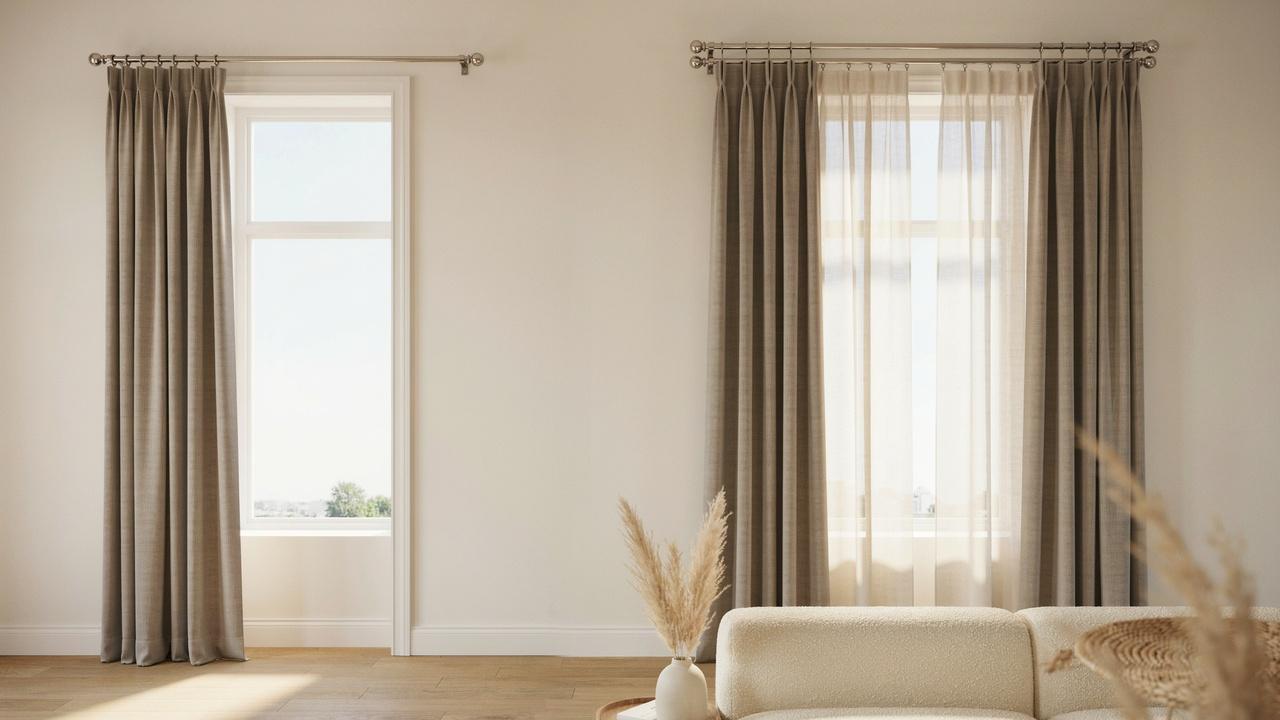
This comes down to how many curtain layers you need and what you want the window to do.
A single rod is simpler to install and works well when you only need one layer of curtains.
It suits spaces where light control is not a major concern, such as a dining room or home office with a sheer curtain.
A double rod is the better pick when you want to layer curtains. The most practical use is pairing a blackout curtain with a sheer.
The sheer lets diffused light in during the day, while the blackout curtain gives you full darkness at night. You get two functions from one window without adding extra hardware.
For purely decorative curtains that frame the window without being opened or closed, a single rod is all you need.
For privacy and light control in bedrooms or living rooms, the double rod gives you more flexibility.
Double rods do require slightly more installation work and cost more than single rods, but the added function is usually worth it in high-use rooms.
Tension vs. Mounted Curtain Rods: Which Should You Choose?
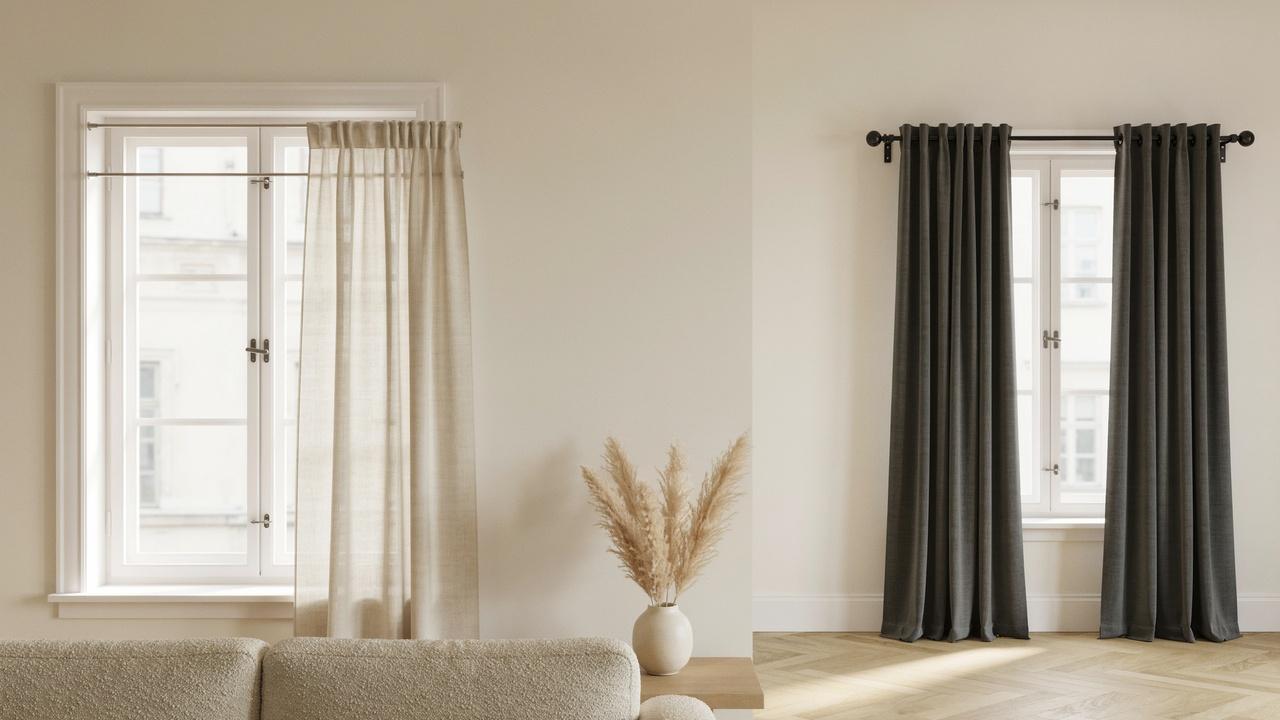
The difference between these two types goes well beyond installation.
Tension rods require no drilling, no anchors, and no tools. They fit by pressing outward against the window frame or wall.
This makes them ideal for renters, temporary setups, and spaces where you want to avoid putting holes in walls.
However, tension rods have weight limits. Most hold between 5 and 20 pounds depending on the design. Overloading them causes slipping or falling.
Mounted rods are secured with brackets drilled into the wall. They are far more stable and can support much heavier curtains.
They also stay in place better over time, especially in high-traffic rooms where curtains are opened and closed frequently.
The trade-off is that installation takes more time and leaves small holes in the wall.
If you have a light curtain in a bathroom, closet, or rental space, a tension rod is practical and convenient.
If you are installing curtains in a living room or bedroom with heavier fabric, go with a mounted rod for long-term reliability.
What Should You Consider Before Buying a Curtain Rod?
Running through a quick checklist before you buy saves time, money, and return trips to the store.
Curtain weight: Know whether your curtains are lightweight, medium, or heavy before choosing a rod and bracket type.
Window width and shape: Measure the window and check whether it is standard, wide, arched, or bay-style.
Rod length and diameter: Match the rod length to your window width plus extensions, and match the diameter to your curtain header.
Mounting location: Decide whether you are mounting inside the frame, outside the frame, or on the ceiling.
Curtain header style: Check whether your curtains use grommets, rod pockets, rings, or hooks, since this affects which rod diameter works.
Number of curtain layers:One layer needs a single rod. Two layers need a double rod or a rod with two brackets.
Material and finish: Match the rod material to your room's hardware finish for a consistent look. Common options include brushed nickel, matte black, brass, chrome, and wood.
Hardware requirements: Check the wall type and buy the right anchors. Drywall, tile, and concrete each need different fasteners.
Budget: Rod prices range from a few dollars for tension rods to several hundred dollars for custom traverse systems. Set a budget before browsing.
Ease of installation:Some rods come with clear instructions and all hardware included. Others require separate purchases. Read product details before buying.
Expert Tips for Choosing and Installing Curtain Rods
Small decisions at the right time can prevent bigger problems after installation.
- Buy curtains before the rod so you know the exact weight, header type, and grommet or pocket size before purchasing hardware.
- For windows over 60 inches wide, use a solid metal rod with at least a 1-inch diameter to avoid bending over time.
- Add a center support bracket to any rod spanning more than 60 inches to prevent sagging in the middle.
- Mount the rod 4 to 6 inches past each side of the window frame so curtains can fully clear the glass when open.
- Check your wall type before drilling and use the right anchors for drywall, concrete, or brick to keep brackets secure.
Conclusion
Choosing the right curtain rod is not complicated once you know what to look for.
The 11 types of curtain rods each serve a different purpose, and the best one for your space depends on your curtain style, window size, and how much light control you need.
Take your measurements, check your curtain header, and match the rod strength to your fabric weight before you buy.
Now that you have a clear picture of your options, you are ready to make a confident choice.
Found this helpful? Drop a comment below, share it with someone redoing their windows, or check out our other home styling guides.
Frequently Asked Questions
Can I use a curtain rod without drilling into the wall?
Yes. Tension rods and magnetic rods require no drilling and work well for lightweight curtains in rentals or small windows.
How much weight can a standard curtain rod hold?
Most standard mounted rods hold between 20 and 30 pounds. Heavy-duty rods can support significantly more depending on the bracket and wall anchor used.
Can I use one rod for both sheer and blackout curtains together?
No. You need a double rod to layer sheer and blackout curtains properly, with each panel on a separate rod.
What is the standard height to hang a curtain rod?
Most rods are mounted 4 to 6 inches above the window frame, though hanging closer to the ceiling creates the appearance of taller walls.
Do curtain rods come with all the installation hardware included?
Not always. Some rods include brackets and screws, but anchors for specific wall types are often sold separately. Always check the product details before purchasing.