

I've stood in a home store, picked up a pair of curtains, and thought, "Why does this cost so much?" You're not alone at that moment.
Why are curtains so expensive?
That's what this blog answers. I'll walk you through fabric costs, custom work, installation, and more.
By the end, you'll know exactly what you're paying for and whether it's worth it.
I've spent time researching this so you don't have to guess.
We'll cover what drives curtain prices up, materials, craftsmanship, and custom costs, smart curtains and brand markups, and how curtains compare to blinds.
What Makes Curtains Expensive?
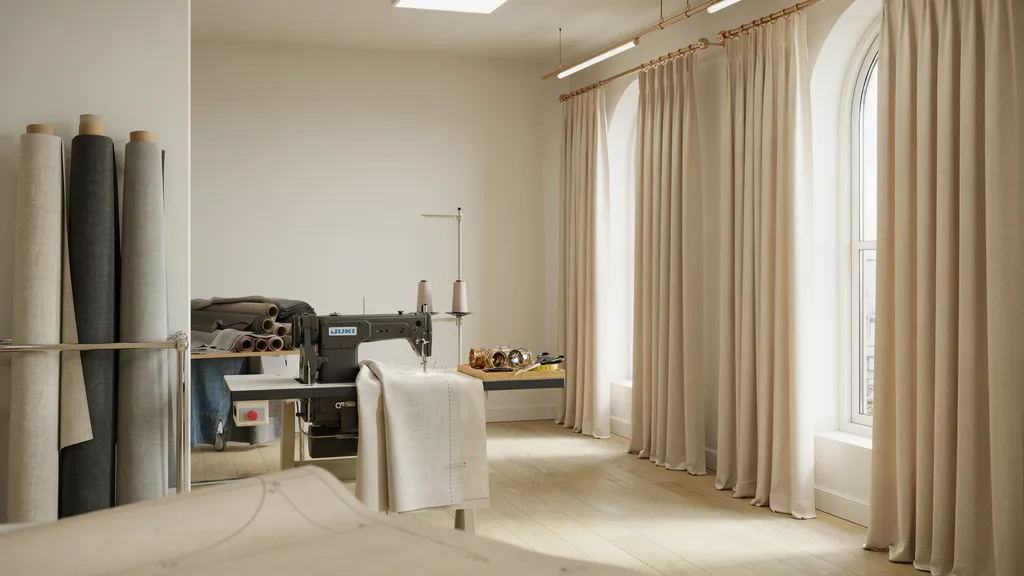
Curtains aren't just fabric hanging on a rod. There's a lot going on behind the price tag.
The cost starts with materials. High-quality fabric costs more to source. Then there's the cutting, sewing, and finishing. Each step adds to the final number.
Custom sizing pushes prices even higher. A standard curtain is cheaper. But if your windows are an odd size, you're looking at custom work. That means more labor and more cost.
Shipping and packaging matter too. Heavy fabric isn't cheap to move. That gets passed on to you.
And then there's the brand. Some names charge more simply because of their reputation. You're paying for the label as much as the curtain.
Quality of Materials and Fabric Costs
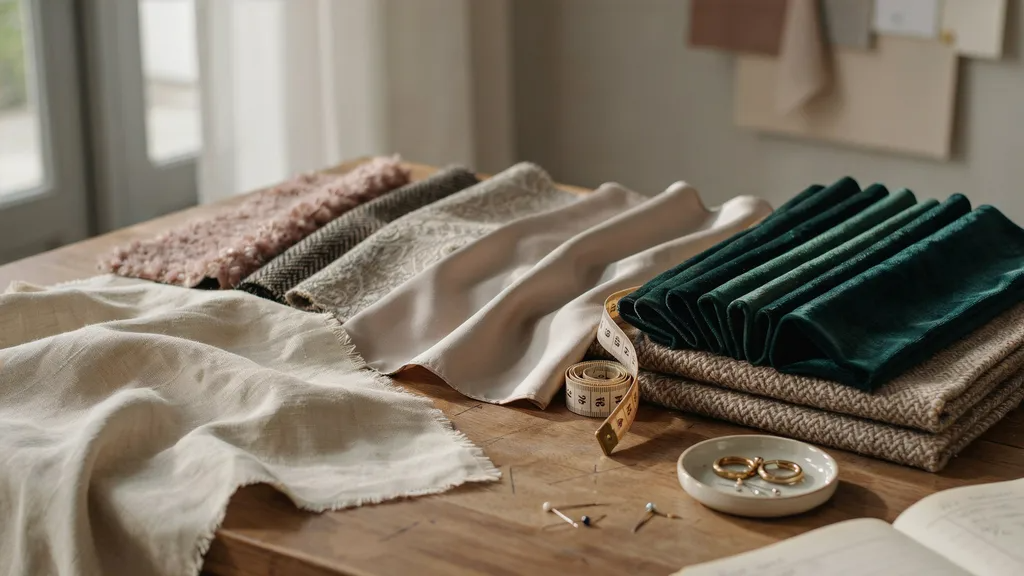
The fabric is the biggest price driver.
Linen, silk, and velvet cost far more than polyester. These materials are harder to source and harder to work with. They also last longer and look better over time.
Linen breathes well and holds shape. Silk has a natural sheen. Velvet adds warmth and weight. Each of these comes with a higher price because of what goes into making them.
Thread count matters in curtains just like in bedsheets. More threads per inch means a tighter, heavier weave. That takes more material and more time.
Some curtains also use lining fabric. A good lining blocks light better and helps the curtain hang properly. That's an added cost most people don't think about.
The Cost of Custom-Made Curtains

Custom curtains are a different world from ready-made ones.
When you order customs, someone measures your windows, cuts the fabric to fit, and sews everything by hand or with high-end machines. That process isn't quick or cheap.
A custom curtain can cost three to five times more than a store-bought one.
But here's the thing: it fits perfectly. No awkward lengths. No bunching at the bottom.
Custom work also lets you choose everything. Fabric, lining, heading style, color. You're not picking from a small set of options.
If you have unusual windows or want a specific look, custom is often the only real option. And that level of work comes with a price that reflects the effort.
Craftsmanship and Manufacturing Expenses
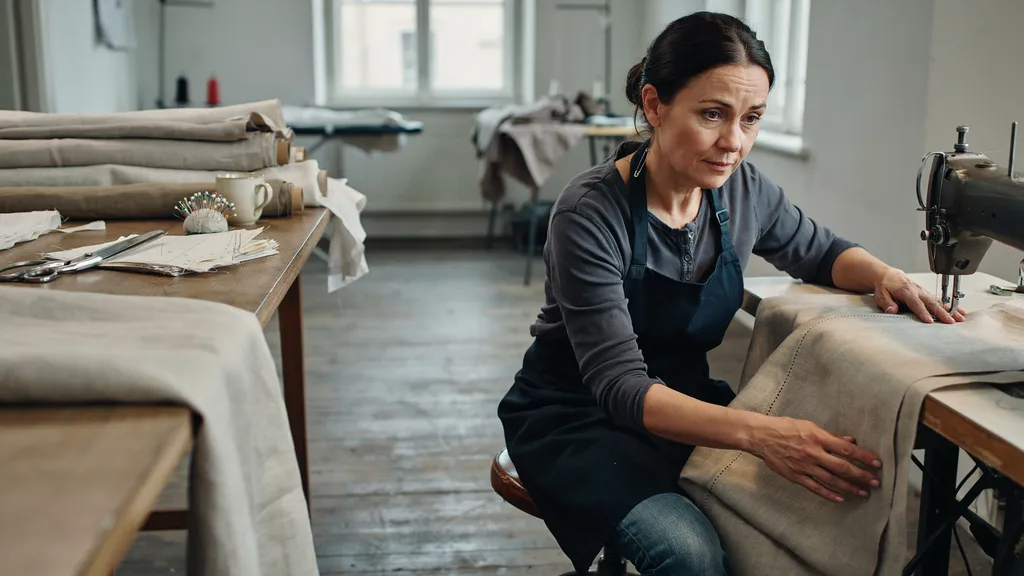
Good curtains take real skill to make.
The stitching has to be even. The hems need to hang straight. Please have to sit just right. Any small mistake shows when the curtain is hanging in your window.
Skilled workers cost more. Factories that pay fair wages charge more per unit. That's not a bad thing, but it does affect the price you pay.
Some curtains are made in small batches. That means less automation and more hands-on work. The result is often better quality, but the cost per piece goes up.
Even the small things add up. Hooks, rings, weights sewn into the hem. Each detail is part of what makes a curtain hang and perform well.
How Curtain Installation Affects the Total Cost
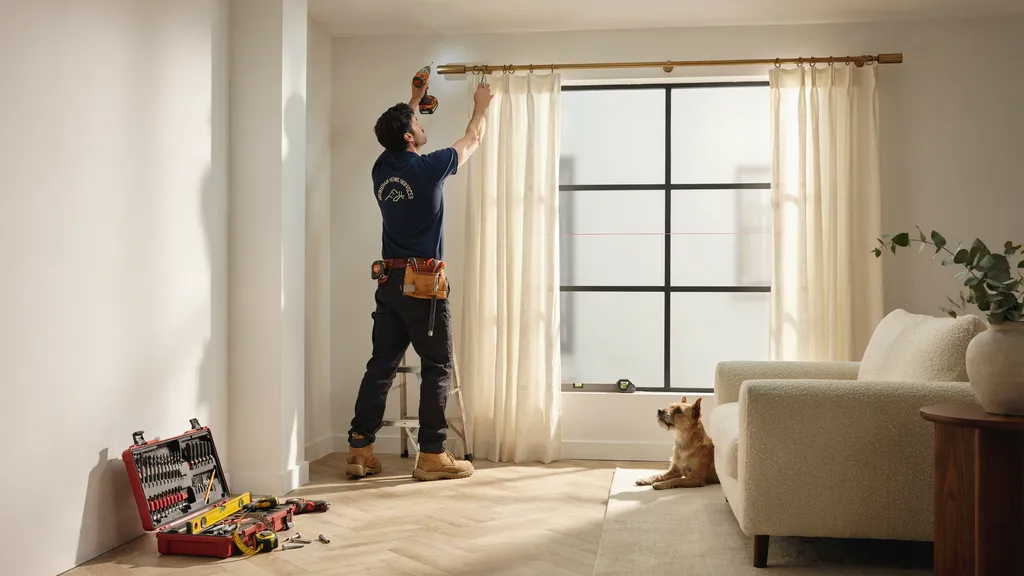
Buying the curtain is just part of it.
Installation adds to your total spend. A professional installer can charge anywhere from $50 to $200 or more depending on the job.
That includes hanging the rod, checking levels, and making sure everything sits right.
Rods and hardware aren't free either. A decent rod with good brackets can cost $30 to $100 on its own. Decorative rods cost more.
If your walls are tricky, like plaster or concrete, drilling takes more time and the right tools. That can push installation costs up further.
Many people don't factor in these extra costs until after they've bought the curtains. I always tell people to budget for the full setup, not just the fabric.
The Impact of Design Trends and Brand Names
Brands play a big role in curtain pricing.
A well-known home brand charges more because people trust the name. That trust is built on marketing, years of presence, and a reputation for quality. You pay for all of that.
Design trends also push prices up. When a certain fabric or pattern is popular, demand goes up. Prices follow.
Limited collections cost more simply because they're limited. The exclusivity is part of what you're buying.
This doesn't mean expensive brands are always better. Sometimes a lesser-known brand offers the same quality at half the price. It's worth comparing before you commit.
Additional Benefits That Add Value to Curtains
Curtains do more than block light.
They insulate your room. Heavy curtains keep heat in during winter and block heat during summer. Over time, that can lower your energy bills.
They also block noise. Thick fabric absorbs sound. If you live near a busy road, that matters.
Privacy is another real benefit. Curtains give you full coverage in a way that blinds sometimes can't.
And they protect your furniture. UV light fades sofas and floors over time. A good curtain with lining blocks UV rays and extends the life of your belongings.
When you think of it that way, the cost isn't just about looks. There's a real function behind the price.
Are Expensive Curtains Worth It?
That depends on what you need.
If you're renting short-term, budget curtains work fine. A $30 panel does the job. You don't need to spend more.
But if you own your home and plan to stay, investing in quality curtains makes sense. They last longer, work better, and add real value to the room.
I've seen cheap curtains sag, fade, and lose shape within a year. A well-made curtain, cared for properly, can last a decade.
The key is knowing what you're buying. You don't need the most expensive option. But going too cheap usually costs more in the long run when you're replacing them every couple of years.
Conclusion
Curtains cost more than most people expect. But now you know why.
Fabric quality, custom sizing, skilled labor, and installation all add up. Smart features and brand names push prices even higher.
That said, good curtains offer real value. They insulate, block noise, protect your furniture, and give you privacy. When I look at it that way, the cost starts to make more sense.
You don't have to buy the most expensive pair. But understanding what you're paying for helps you make a smarter choice. Set a budget, know your priorities, and buy accordingly.
What would matter most to you when choosing curtains for your home?
Frequently Asked Questions
Why do curtains cost more than blinds?
Curtains use more fabric and take more skill to make. They also offer better insulation and noise reduction, which adds to the overall value.
Are custom curtains really necessary?
Not always. Custom curtains are worth it for unusual window sizes or specific style needs. Standard windows can work well with ready-made options.
How long should curtains last?
Good quality curtains can last 5 to 10 years or more. Cheaper ones may need replacing within 1 to 2 years.
Do expensive curtains save energy?
Yes. Thick, lined curtains reduce heat loss in winter and block heat in summer, which can lower your energy costs over time.
Is it cheaper to make curtains at home?
It can be. DIY curtains save on labor costs. But you need the right fabric, tools, and sewing skills to get a clean finish.