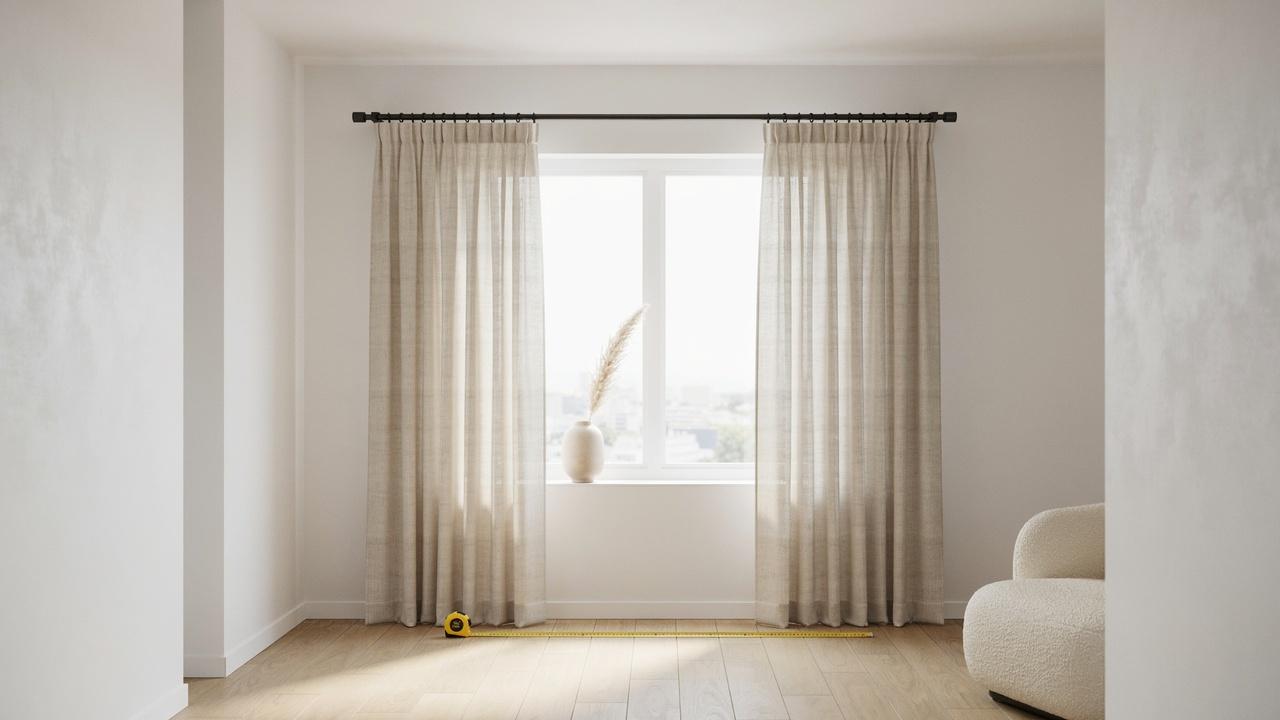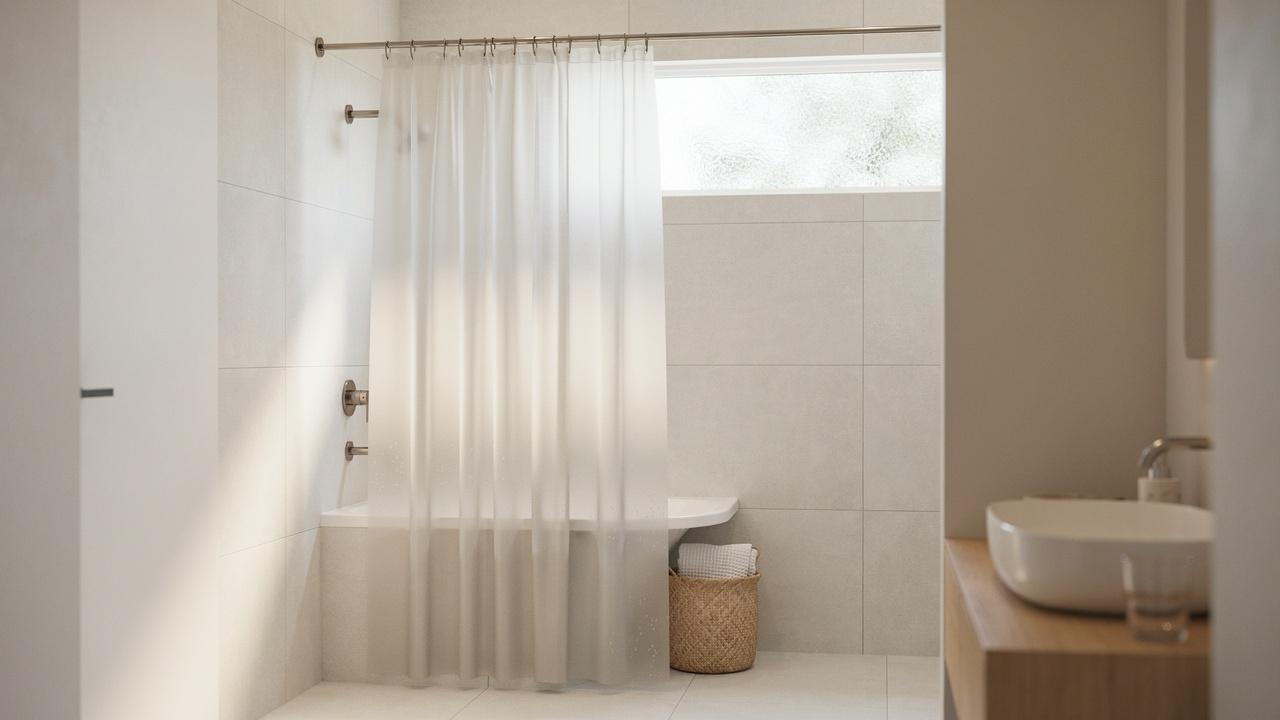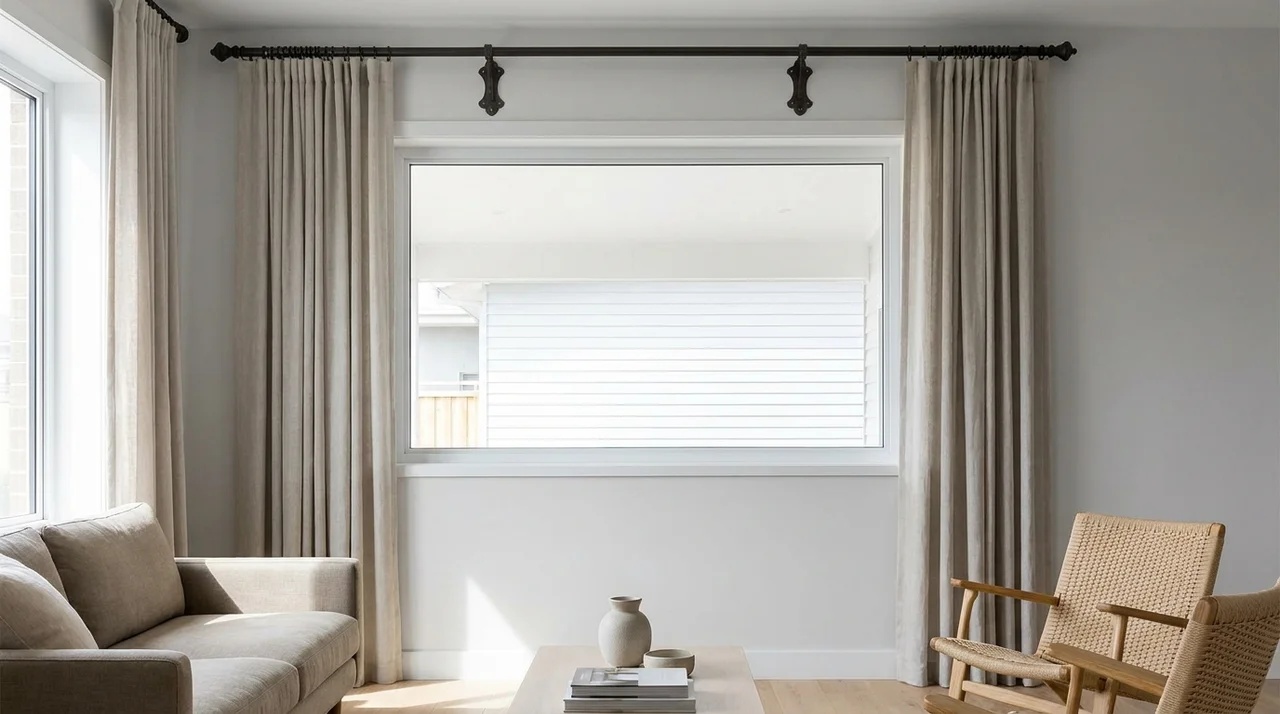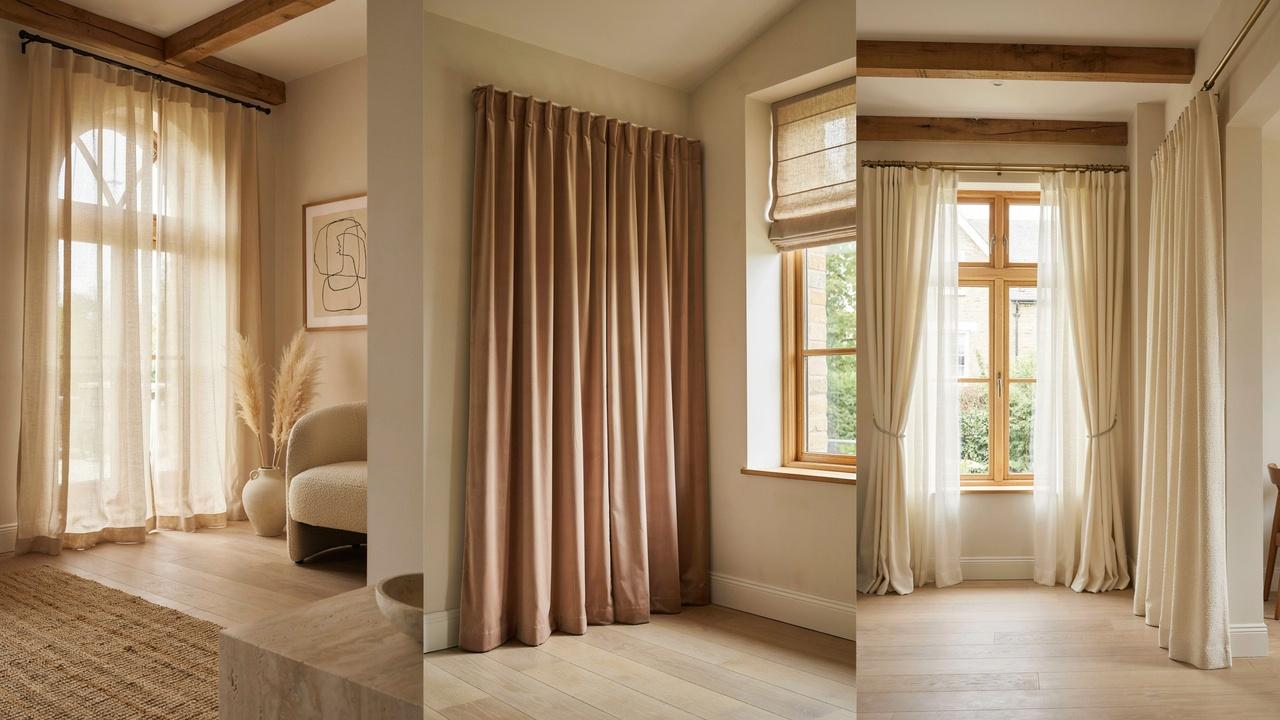


If you've ever shopped for new curtains, you probably asked yourself why curtains are so expensive.
A simple set of window coverings can cost more than a piece of furniture, and that surprises a lot of people.
The price often comes down to fabric quality, sizing, and the work needed to make them fit and function well.
This guide breaks down what actually drives curtain prices up, so you can shop smarter and avoid overpaying.
After looking at pricing trends across dozens of home decor retailers, the patterns behind curtain costs become much easier to understand. By the end, you'll know exactly what to look for and what to skip.
Why Are Curtains So Expensive?
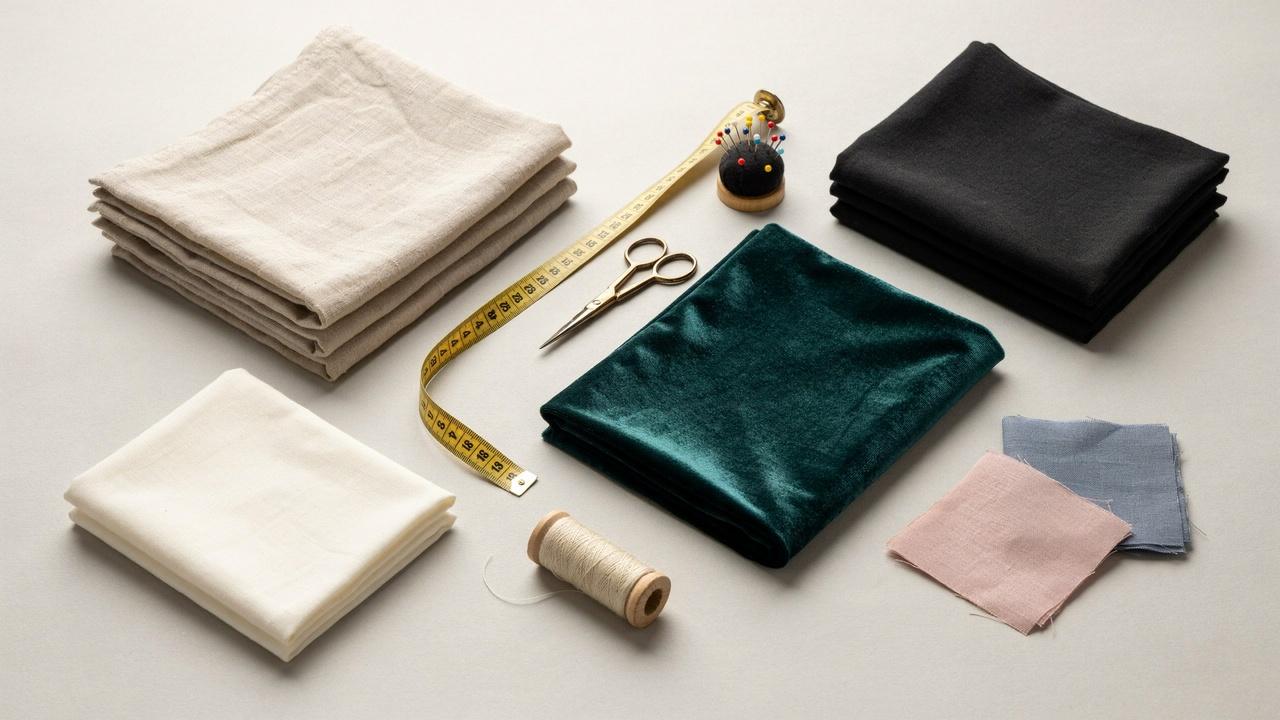
Curtains cost more than most people expect because they involve more than just fabric. Between materials, labor, and added features, prices can add up fast.
The Real Cost Behind Curtain Pricing
A curtain's price tag reflects several things working together. The fabric itself, the amount used, the stitching, and any special treatments all play a part.
Wider windows need more material, which raises the base cost before you even add extras like lining or blackout coating.
Manufacturing methods also influence price. Ready-made curtains are produced in standardized sizes, while custom curtains require precise measurements, additional fabric planning, and individual finishing, making them more expensive overall.
Why Quality Curtains Cost More Than Cheap Options
Cheap curtains often use thin, synthetic fabric that fades or tears within a year or two. Well-made curtains use heavier fabric that holds its shape, blocks light better, and lasts through years of daily use.
Paying more upfront often means you won't need to replace them as often, which can actually save money over time.
Curtain Price Breakdown by Type
Curtain prices vary widely depending on how they're made and what they're made from.
| Curtain Type | Details | Price Comparison |
| Ready-Made | Comes in standard sizes, most budget-friendly option | Lowest cost |
| Custom | Built to your exact window measurements | Costs two to four times more, depending on fabric and features |
| Cotton | Most affordable natural fabric option | Lower end of natural fabrics |
| Linen | Costs a bit more due to its texture and durability | Mid-range |
| Velvet | Heavier weight, good light-blocking properties | Mid-to-high range |
| Silk | Smooth finish and drape, needs more careful care | Most expensive |
| Blackout | Thick, layered construction that blocks nearly all outside light | Higher cost |
| Sheer | Thin, lightweight fabric | Generally cheaper, though decorative patterns can raise the price |
Are Expensive Curtains Worth the Money?
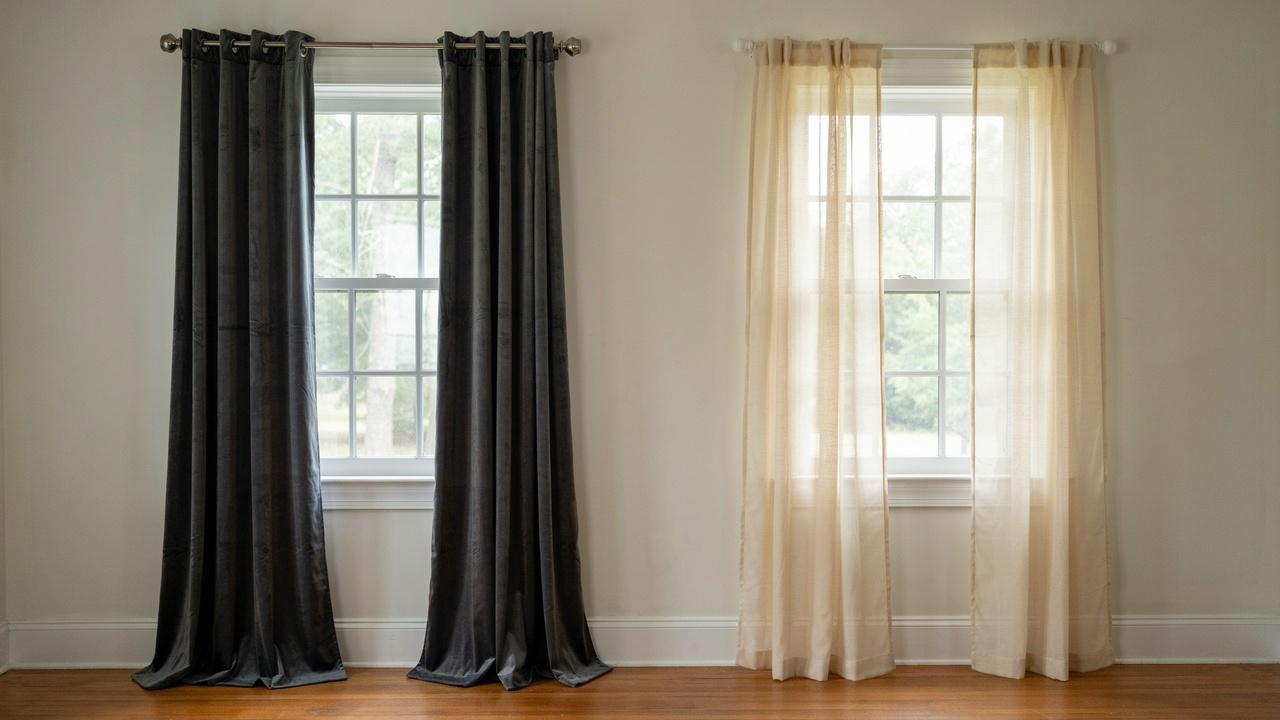
Higher prices don't always mean better value, but in many cases, spending more on curtains pays off over time.
Durability and Long-Term Value
Well-made curtains resist fading, stretching, and wear far longer than cheap alternatives.
If you plan to keep your window treatments for five years or more, the best value depends on how long you plan to use the curtains, how much sunlight the room receives, and whether durability matters more than the initial purchase price.
Energy Efficiency and Insulation Benefits
Thicker, well-lined curtains help regulate room temperature. They can reduce heat loss in winter and block excess sun in summer, which may lower your energy bills.
The U.S. The Department of Energy notes that window coverings can affect how much heat a room gains or loses, depending on the type of covering and how well it's installed.
Over a few years, these savings can offset a good part of the original cost.
Appearance and Interior Design Impact
Quality curtains hang better, hold their shape, and photograph well in a room. Cheap fabric often looks flat or wrinkled no matter how it's hung.
If curtains are a focal point in your space, better fabric makes a visible difference.
How Much Should You Expect to Pay for Curtains?
Curtain prices fall into a few general ranges depending on fabric, size, and features.
Budget Price RangeExpect to pay $15–40 per panel for ready-made curtains. They're ideal for standard windows, rental properties, and temporary room updates.
Mid-Range Price RangeMost homeowners spend $40–100 per panel for better construction, improved lining options, and a wider range of colors and styles.
Luxury Price RangeCustom or premium curtains typically cost $150–500+ per panel because they include tailored sizing, higher-end materials, and detailed craftsmanship
How to Choose Curtains Without Overspending
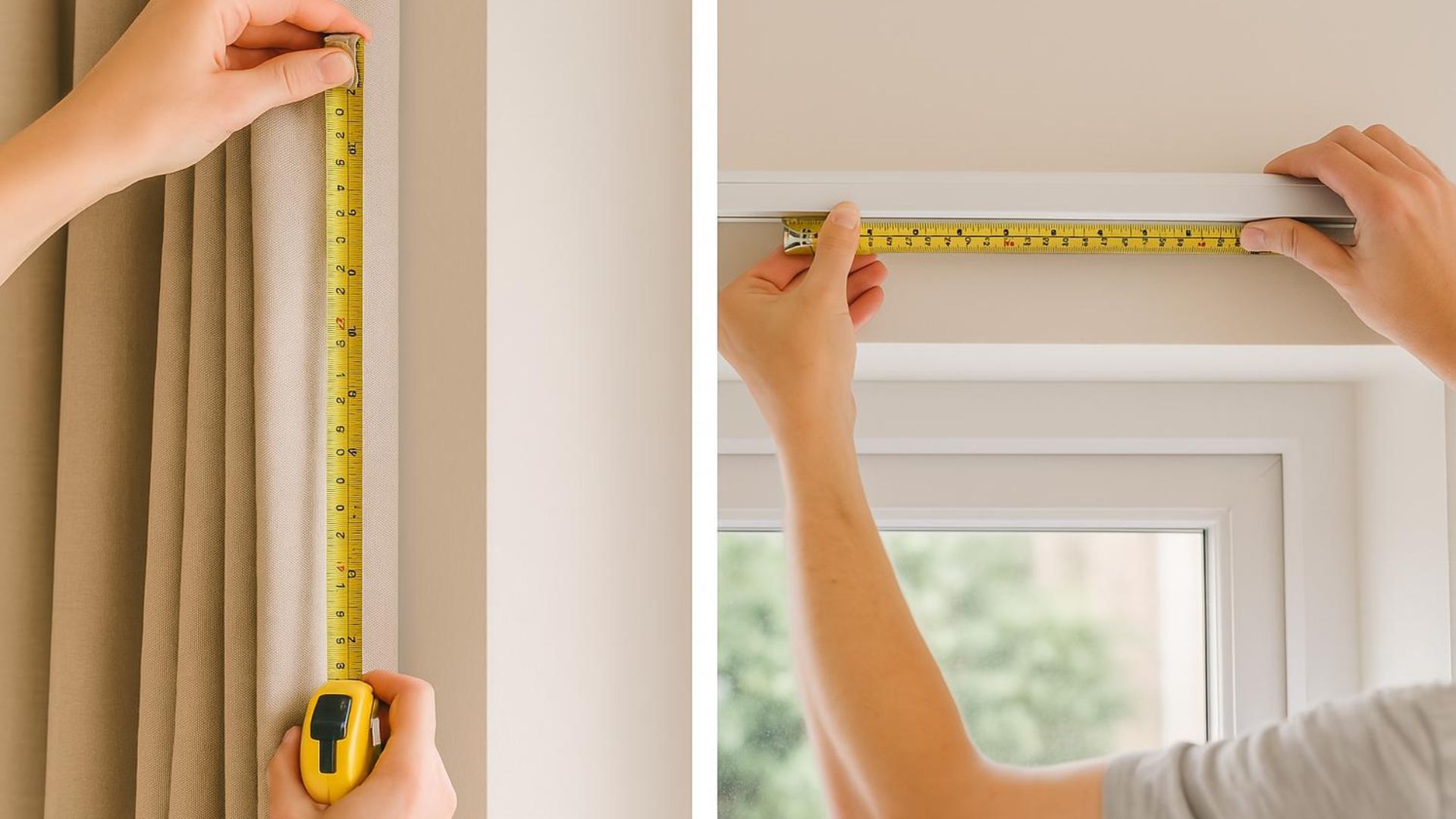
You don't need to spend a fortune to get curtains that look good and function well. A few smart choices can keep costs down.
Decide Between Ready-Made and Custom
If your windows are a standard size, ready-made curtains can save you a significant amount of money.
Save custom orders for windows that truly need them, like oversized or unusually shaped frames.
If budget is the top concern, blinds are often cheaper than either option since they use less fabric and simpler hardware, though curtains usually win on insulation and softness.
Pick the Right Fabric for Your Room
Match fabric to the room's purpose. A bedroom may need blackout lining for better sleep, while a living room might do fine with lighter cotton or linen.
Choosing fabric based on need, not just looks, helps you avoid paying for features you won't use.
Choose Features You Actually Need
Skip extras like thermal lining or heavy pleating if they don't serve a real purpose in that room. Every added feature increases the price, so stick to what actually improves your daily comfort.
Common Mistakes That Increase Curtain Costs
Small errors can quietly push your curtain budget higher than it needs to be.
Ordering the Wrong Measurements:Incorrect measurements lead to curtains that don't fit properly, forcing you to reorder or pay for alterations. Always measure your window width and length twice before placing an order.
Paying for Unnecessary Premium Features:Not every window needs blackout lining or heavyweight fabric. Adding premium features to every room in your home can add up fast, even in spaces where they don't offer much benefit.
Ignoring Fabric Maintenance Requirements: Some fabrics, like silk or velvet, need special cleaning and care. Skipping this step can shorten their lifespan, meaning you end up replacing expensive curtains sooner than expected.
Expert Tips to Save Money on Quality Curtains
A few practical habits can help you get better curtains for less.
- Buy During Seasonal Sales: Home decor retailers often run sales around major holidays and end-of-season clearances. Timing your purchase around these events can cut costs significantly without sacrificing quality.
- Invest More in High-Use Rooms: Spend more on curtains for rooms you use daily, like the living room or bedroom, and save on less-used spaces like guest rooms. This helps you balance quality and cost across your whole home.
- Compare Fabric Quality Before Buying: Check fabric weight, often measured in grams per square meter (GSM), and thread count when possible, and read product descriptions closely. A slightly higher price for better fabric usually pays off in how long the curtains last.
Conclusion
Understanding how materials, sizing, and construction affect pricing makes it easier to compare products and choose curtains that match both your budget and your room's needs.
Take time to think about what your room actually needs before buying, and don't be afraid to compare a few options first.
Good curtains can last for years when you choose them carefully. If this guide helped you, share it with someone planning a home update, or leave a comment with your own curtain shopping experience.
Frequently Asked Questions
Why do curtain prices vary so much between stores?
Pricing depends on brand reputation, import costs, retailer markup, and manufacturing location. Boutique stores often charge more than large retailers for similar fabric quality and construction.
Do curtains need professional installation?
Most curtains are simple to hang yourself with basic tools. Heavy fabrics, motorized systems, or complex tracks may require professional help, which adds extra cost to your total budget.
How long do good curtains typically last?
Well-made curtains usually last eight to fifteen years with proper care. Cheaper synthetic fabrics often wear out, fade, or lose shape within two to three years of regular use.
Are curtains cheaper online than in physical stores?
Online retailers often offer lower prices due to reduced overhead costs. However, you miss the chance to feel fabric texture and check color accuracy before making your final purchase.
Does dry cleaning curtains cost a lot over time?
Dry cleaning costs vary by size and fabric type, typically ranging from $10 to $30 per panel. Silk and velvet curtains usually require more frequent professional cleaning.