
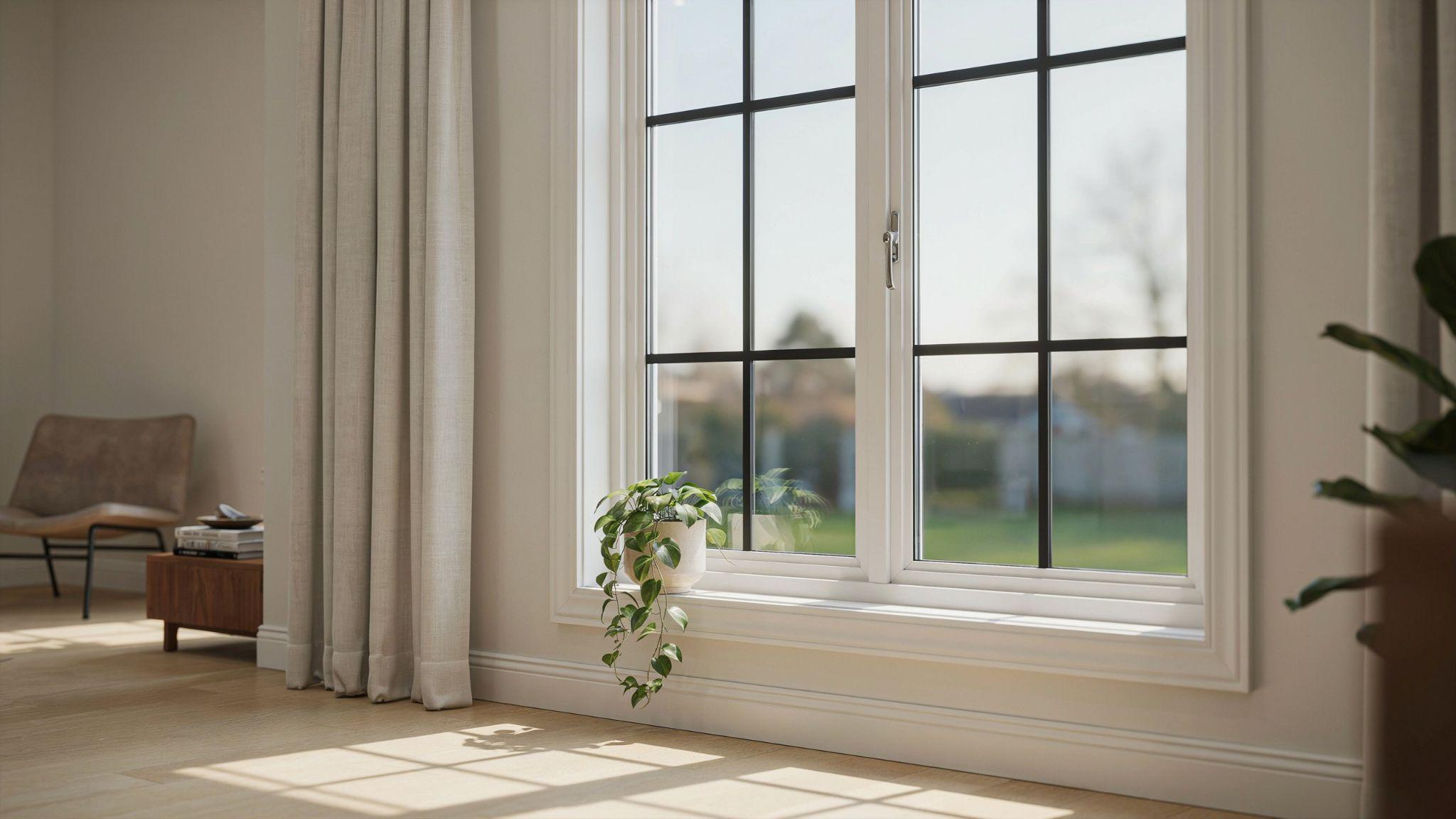
Most homeowners look at a window and just see glass. But there's a lot more going on than that.
Every window has multiple parts working together. When one part fails, the whole window suffers. Drafts sneak in. Energy bills go up. And you're left guessing what actually went wrong.
I've been there. And trust me, knowing your window parts changes everything.
When you know what's broken, you can fix it faster and cheaper. You stop paying for guesswork.
And when it's time for a repair or full replacement, you can talk to any contractor without feeling lost.
The more you understand your windows, the smarter your maintenance choices get. Simple as that.
Basic Window Structure – Core Components Explained
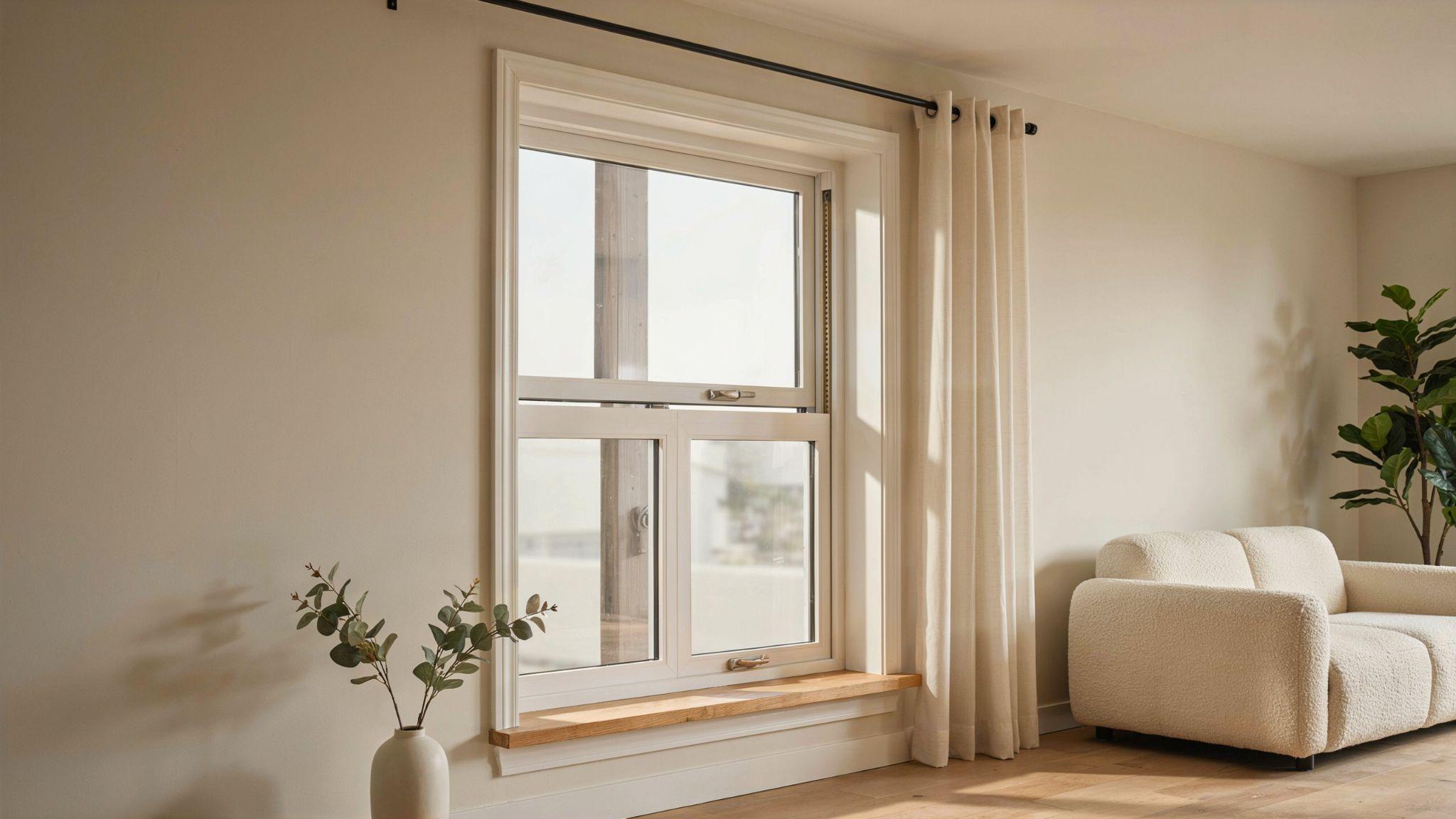
A window is made up of four main things: the frame, the sash, the glass, and the hardware.
The frame holds everything in place. The sash is the moving part that holds the glass. The glass itself keeps the elements out. And the hardware is what lets you open, close, and lock it all.
Every part depends on the others. If one goes wrong, the rest feel it. That's why knowing the full picture matters.
Window Frame Parts and Their Functions
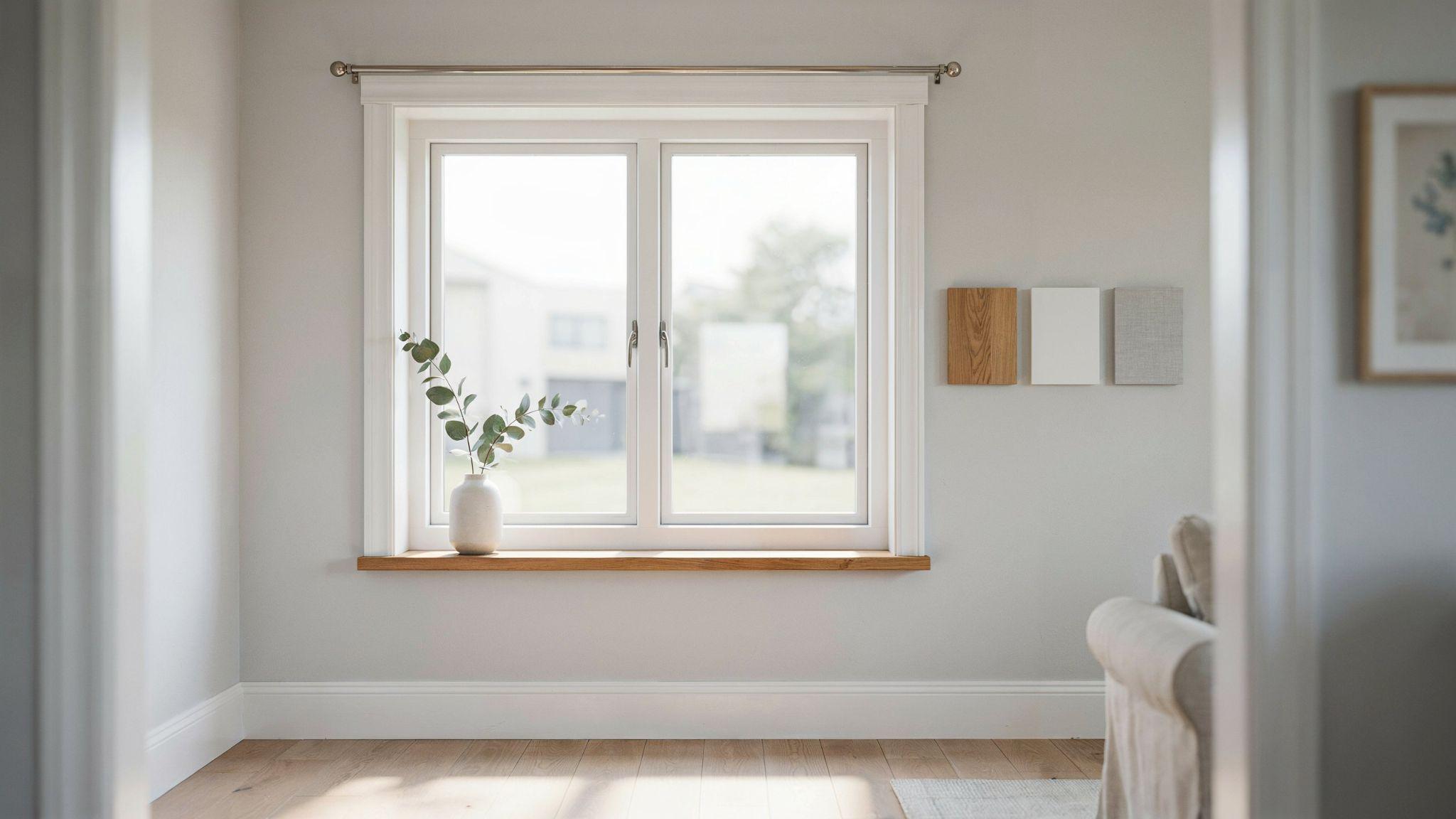
The frame is the backbone of any window. Get to know each part and you'll always know where to look when something goes wrong.
Head – Top Structural Support of the Window
The head sits at the very top of the window frame. It carries the load from the wall above and keeps the window square.
Without a solid head, the whole frame can shift and cause the window to stick or warp over time.
Jambs – Vertical Side Supports
Jambs run along both sides of the frame. They keep the sash aligned and give the window its vertical strength.
When jambs crack or rot, windows stop closing properly. They're also where most weatherstripping gets installed to block out cold air and moisture.
Sill – Bottom Part That Directs Water Away
The sill sits at the base of the frame on the outside. It's angled slightly forward so rainwater runs off instead of pooling.
A damaged sill is one of the most common causes of water damage around windows, so keeping it sealed matters a lot.
Stool – Interior Ledge and Finishing Element
The stool is what most people call the windowsill inside the house. It's the flat ledge you see on the interior side.
It covers the gap between the frame and the wall and gives the window a clean, finished look from inside the room.
Frame Materials and Their Differences
Wood frames look great but need regular upkeep. Vinyl frames are low maintenance and affordable.
Fiberglass frames are the most durable of the three and handle temperature changes well. Each material has its strengths, so the right choice depends on your budget and your local climate.
Window Sash Components Explained
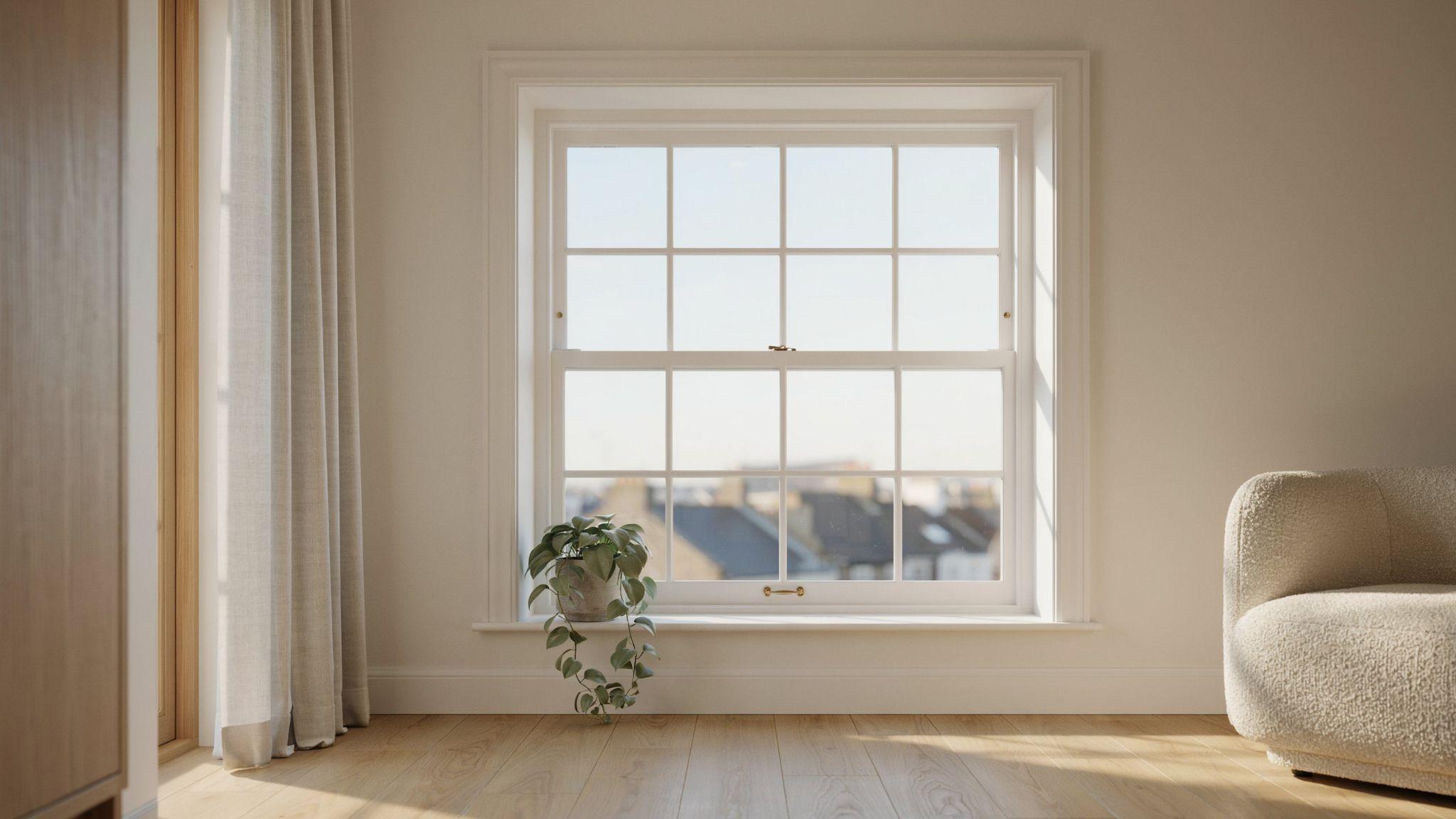
The sash is the part of the window that holds the glass. It's one of the most important parts, and most window problems trace back to it.
What Is a Window Sash and Why It Matters
The sash is the inner frame that holds the glass pane. It fits inside the main frame and either stays fixed or moves.
When a sash warps or breaks its seal, you'll notice drafts, fogging, and higher energy bills pretty quickly.
Fixed vs Movable Sash Differences
A fixed sash doesn't move. It's sealed in place and only lets light in. A movable sash slides or swings open for ventilation.
Most windows have at least one movable sash, and some like double-hung windows have two.
Stiles – Vertical Sash Parts
Stiles are the vertical sides of the sash frame. They give the sash its side strength and hold the glass in from both sides. If a stile cracks or rots, the sash loses structure and the glass can work itself loose.
Rails – Horizontal Sash Parts
Rails are the horizontal pieces at the top and bottom of the sash. Together with the stiles, they form the full sash frame that keeps the glass sitting securely in place.
Muntins and Decorative or Structural Grids
Muntins are thin strips that divide a window into smaller panes. In older windows they were structural. In modern windows they're mostly decorative grids placed between double panes to give a classic look.
Check Rail and Sealing Point in Double-Hung Windows
The check rail is where the top and bottom sash meet in the middle of a double-hung window. It creates the seal when the window is closed. A worn check rail is a common reason older windows feel drafty.
Types of Windows and Their Parts
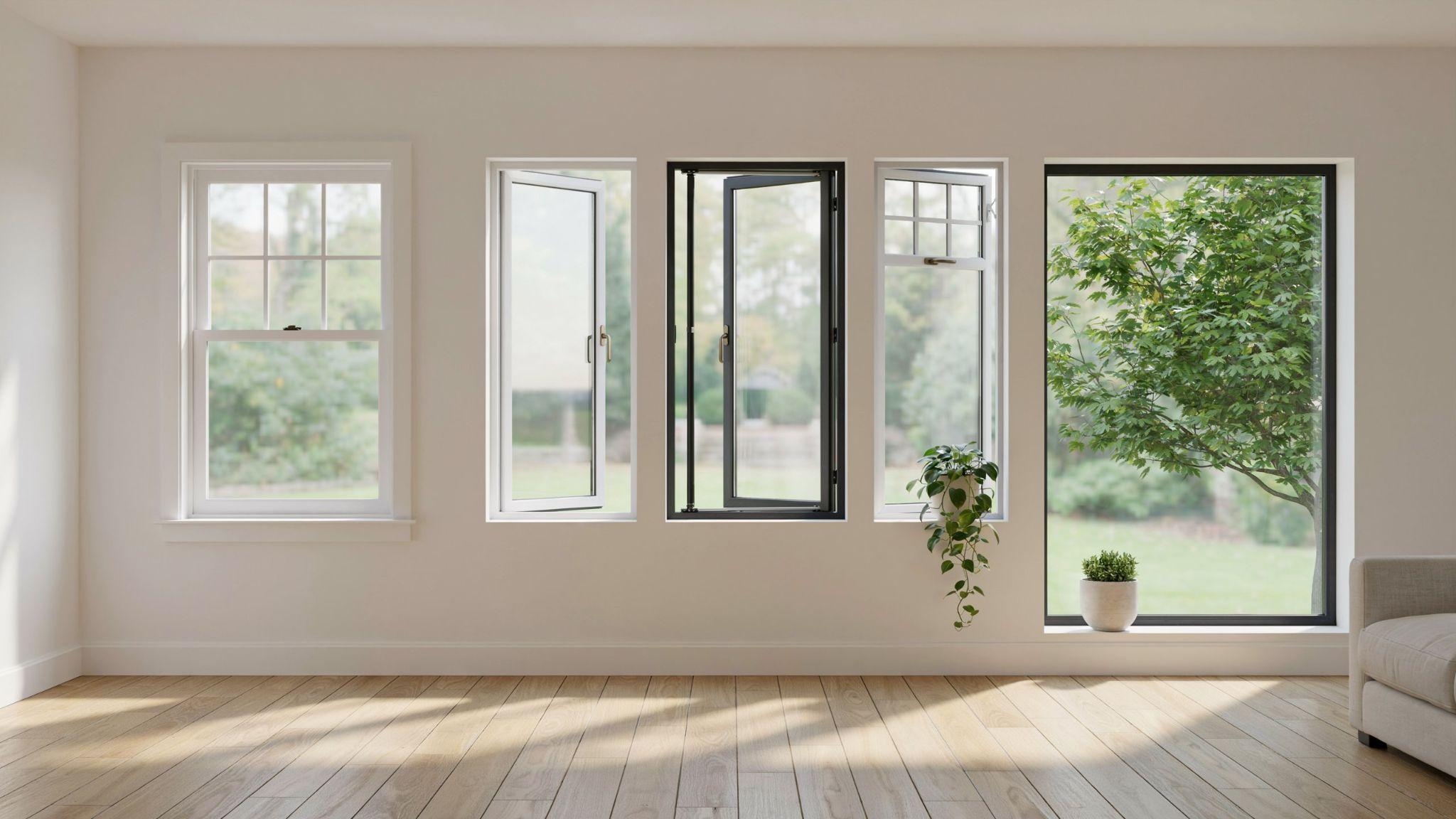
Not all windows work the same way. Each type has its own parts and its own way of opening, sealing, and letting light in.
Double-Hung Windows and Moving Sashes
Double-hung windows have two sashes, and both of them move. You can slide the bottom sash up or the top sash down.
This makes ventilation easy to control. They're one of the most common window types in homes and are simple to clean since most tilt inward.
Casement Windows and Crank Mechanisms
Casement windows are hinged on one side and swing outward. They use a crank handle at the bottom to open and close.
The crank connects to an operator arm that pushes the sash out. When the crank wears out, the window won't open or close fully.
Sliding Windows and Track Systems
Sliding windows move left or right along a track. One sash is usually fixed while the other slides.
The track at the top and bottom keeps everything aligned. Dirt and debris in the track is the most common reason sliding windows start to stick or drag.
Awning Windows and Top-Hinged Operation
Awning windows are hinged at the top and open outward from the bottom. This design lets you keep them open during light rain without water getting in.
They use a crank or push-out mechanism and are popular in bathrooms and kitchens where privacy and ventilation both matter.
Fixed or Picture Windows and Non-Operable Design
Fixed windows don't open at all. They're built purely to let light in and frame a view. There's no sash hardware or crank.
Because they have no moving parts, they tend to seal better and last longer. The tradeoff is zero ventilation.
Common Window Problems by Component
- Air leaks: Usually come from worn weatherstripping or damaged seals around the frame. You'll notice drafts near the edges even when the window is fully closed.
- Broken sash or balance failure: Makes a window impossible to hold open or causes it to slam shut on its own. This is common in older double-hung windows where the balance system wears out over time.
- Hardware malfunctions: Like stuck cranks, broken locks, or stiff handles are often ignored until they get worse. Most hardware issues are cheap to fix early but costly if left too long.
- Glass seal failure: In double-pane windows shows up as fogging or condensation between the panes. Once the seal breaks, the insulating gas escapes and the window loses its energy efficiency.
- Frame and sill damage: From moisture or rot is one of the most expensive problems to fix if caught late. Regular checks around the frame edges can save you a lot of money down the line.
Conclusion
Knowing your window parts makes you a smarter homeowner. You'll catch problems early, spend less on repairs, and stop getting overcharged by contractors.
Better sealed windows mean lower energy bills and a more comfortable home all year.
And when it's time for a replacement, you'll know exactly what to ask for.
Got a window giving you trouble? Drop your question in the comments. I'm happy to help.
Frequently Asked Questions
What are the main parts of a window?
A window has four core parts: the frame, sash, glass, and hardware. Each one plays a specific role in keeping your window functional, sealed, and secure.
What is the difference between a window sash and a window frame?
The frame is the outer structure fixed into the wall. The sash sits inside the frame and holds the glass, and it's the part that moves when you open or close the window.
How do I know if my window seal is broken?
The most common sign is fogging or condensation between the glass panes. Once you see that, the seal is gone and the window has lost its insulating ability.
What causes a window to feel drafty even when it's closed?
Worn weatherstripping, a damaged check rail, or a warped sash are the usual culprits. Run your hand along the edges on a windy day and you'll feel exactly where the air is coming in.
When should I repair a window vs replace it entirely?
If it's a single part like hardware or weatherstripping, repair it. But if the frame is rotting, the seal is gone, or the sash is warped beyond fixing, a full replacement will save you more money long term.