
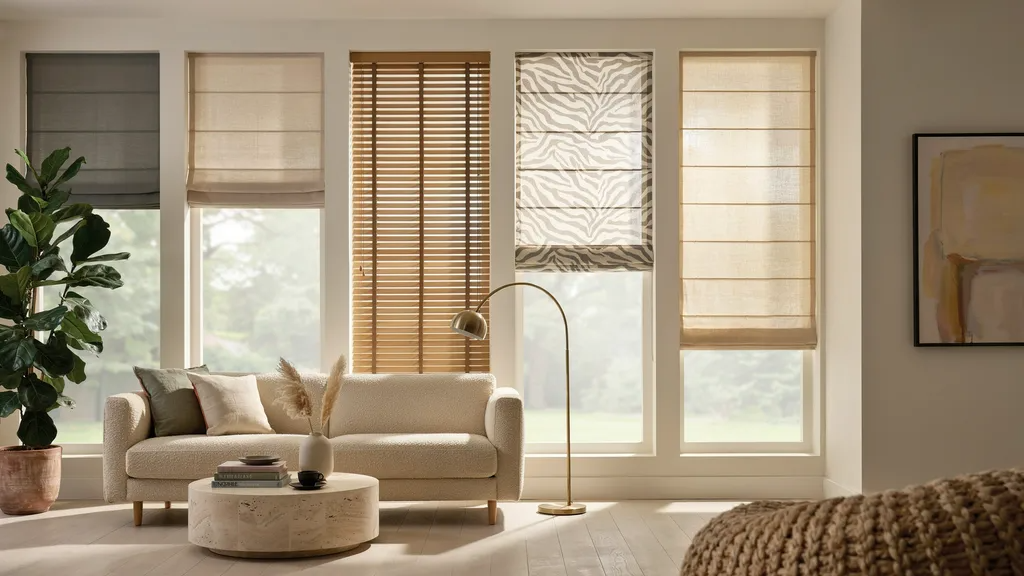
Picking the right blinds for your living room feels harder than it should be.
There are too many options, and most guides just list products without actually helping you choose. I've been through this myself, and I know how frustrating it gets.
So I put together this guide on the 17 best types of blinds for living room spaces to make things simpler for you.
I'll walk you through each blind type, what it does best, who it works for, and what to watch out for. I've spent years helping people make smarter home decisions, so you're in the right place.
Let's find the perfect fit for your space.
Why Choosing the Right Living Room Blinds Matters
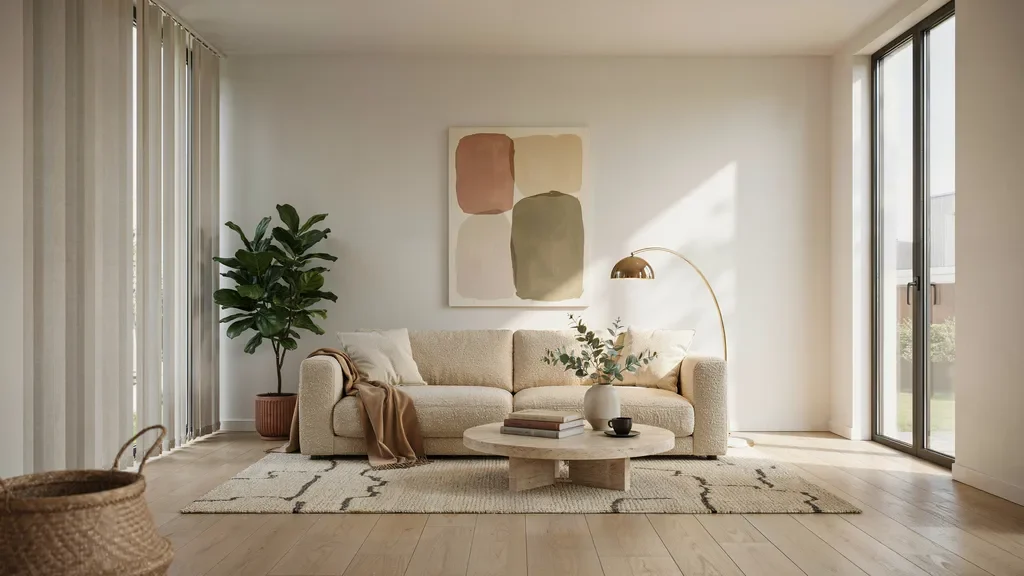
Most people pick blinds based on looks alone. That's a mistake. Your living room gets the most foot traffic in the house and the most sunlight too.
The wrong blinds can make a room feel dark, closed off, or just uncomfortable to sit in. The right ones give you privacy without cutting out all the light.
They also help with glare, temperature, and even noise. Before you buy anything, ask yourself a few honest questions.
How much natural light do you want coming in? Do you need daytime privacy? What is your budget? Do you have kids or pets at home?
Answer these first, and the rest of this guide will make a lot more sense.
17 Best Types of Blinds for Living Room
Here are the 17 types I think every living room owner should know before buying.
1. Roller Blinds
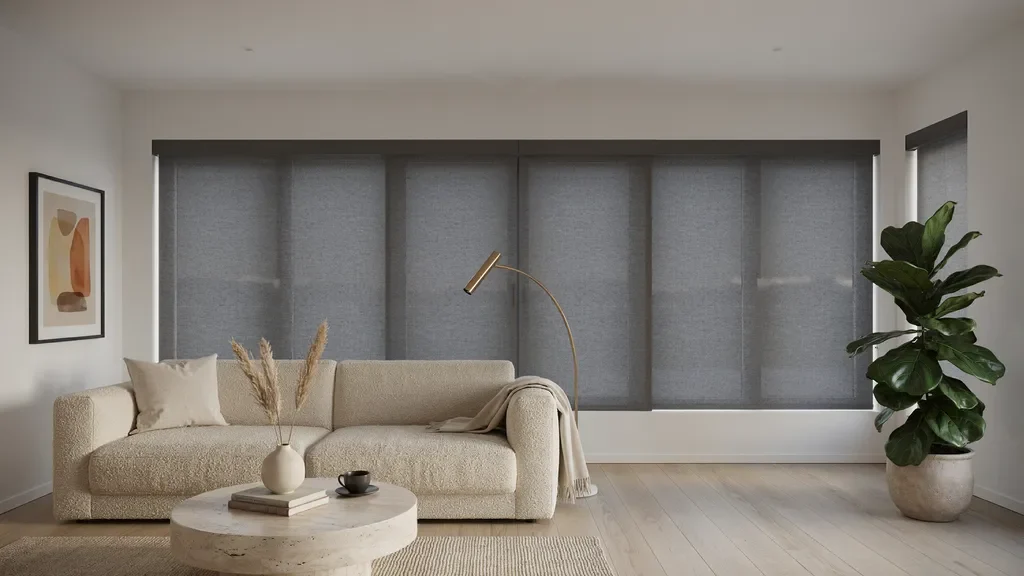
Roller blinds are one of the simplest options out there. They roll up and down on a tube and fit almost any window size.
I like them because they are easy to use and very low maintenance.
They come in light-filtering or blackout fabric, so you get to choose how much light enters the room.
2. Roman Blinds
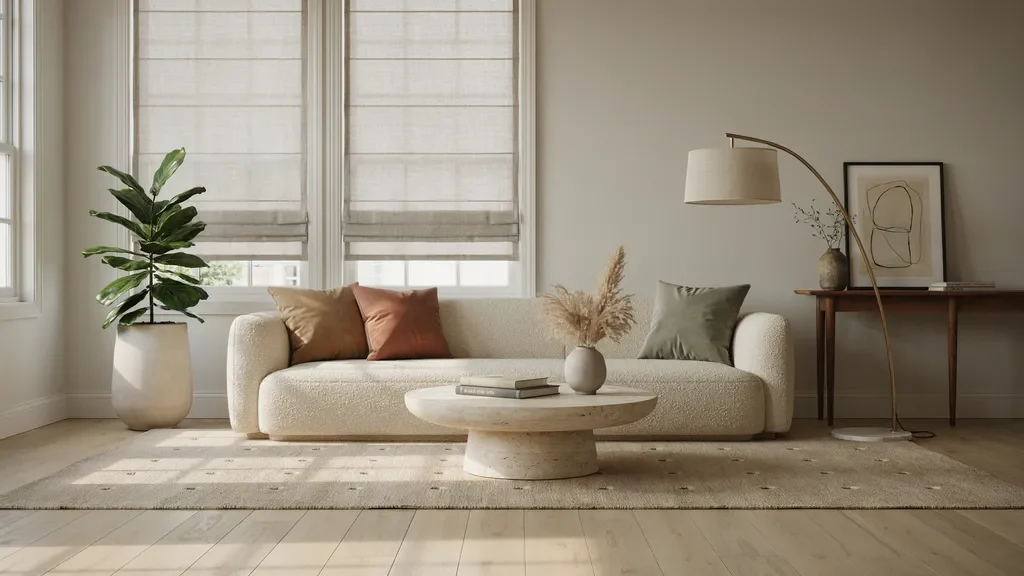
Roman blinds fold into soft, horizontal layers when you raise them. They give a room a warm, cozy feel without the bulk of heavy curtains.
I would pick these for someone who wants fabric texture and a relaxed look.
They work well in living rooms that have a casual, comfortable vibe. Just know they need a bit more care when cleaning compared to hard blinds.
3. Wood Blinds

Wood blinds have real wooden slats and a naturally warm look. They feel premium and add character to a room.
They are a bit heavier and need occasional dusting, but the payoff in appearance is worth it for many people.
4. Faux Wood Blinds
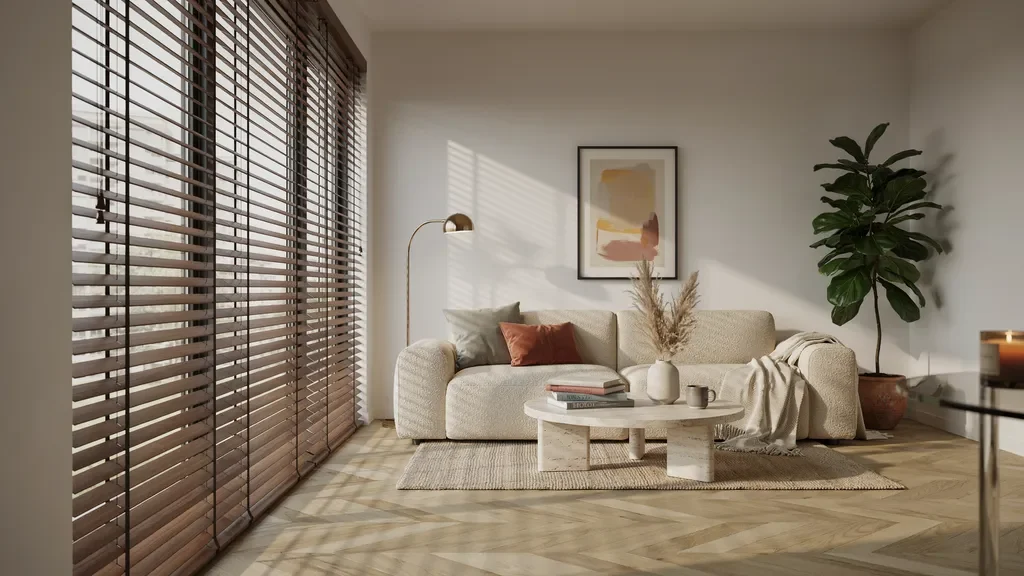
Faux wood blinds look almost identical to real wood but cost significantly less. They are also moisture-resistant, which makes them more practical for everyday use.
I recommend these to most people who love the wood look but do not want the upkeep or the higher price tag. You get the same warm feel at a fraction of the cost.
5. Solar Shades
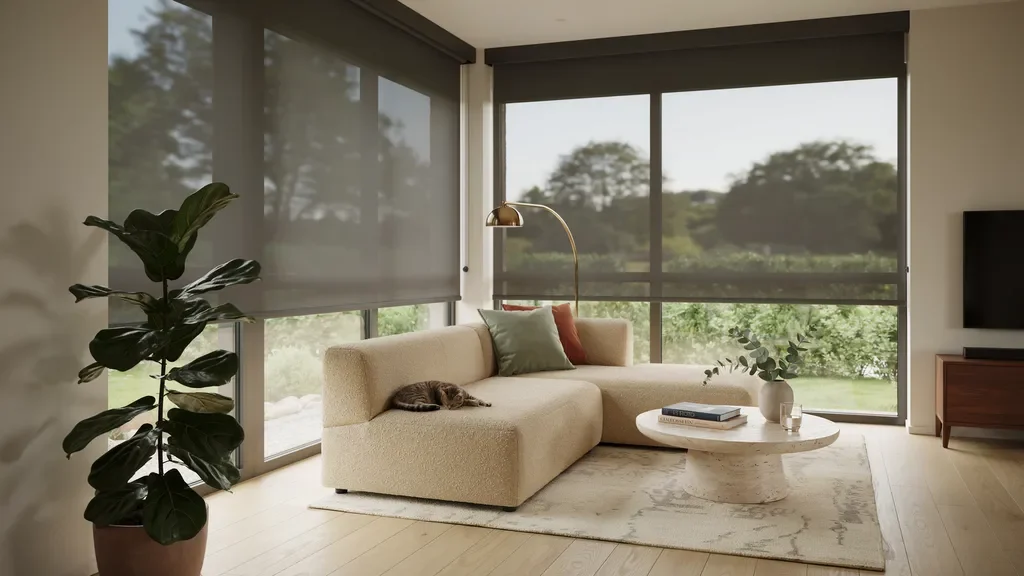
Solar shades are designed to filter sunlight without fully blocking your view outside. You can still see through them during the day while the glare on your TV or laptop screen gets reduced.
I find these especially useful in rooms with large windows.
6. Venetian Blinds
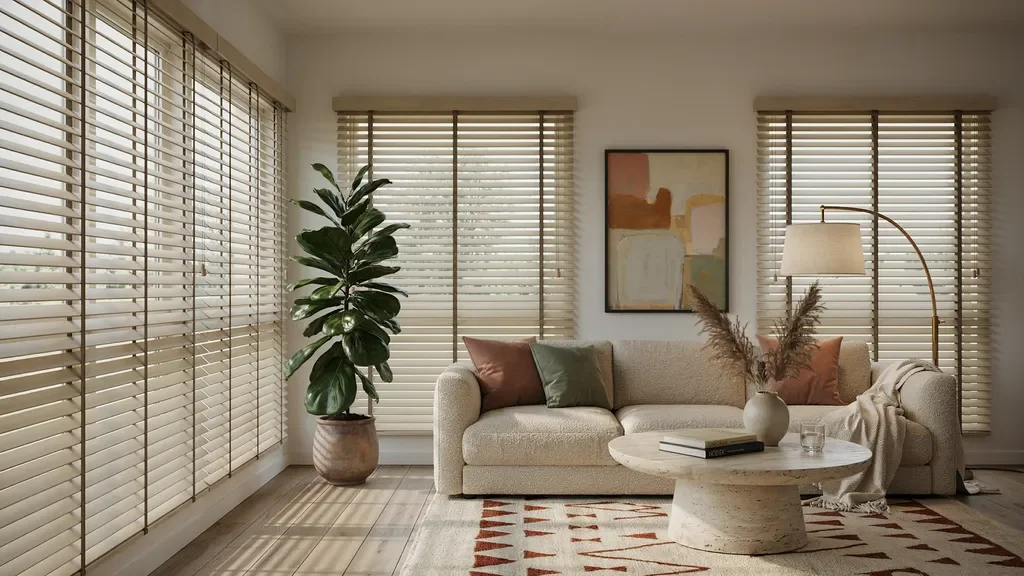
Venetian blinds have horizontal slats that you can tilt to control how much light and privacy you get. They are one of the most common types of blinds for good reason.
They are versatile, affordable, and easy to wipe clean.
7. Zebra Blinds
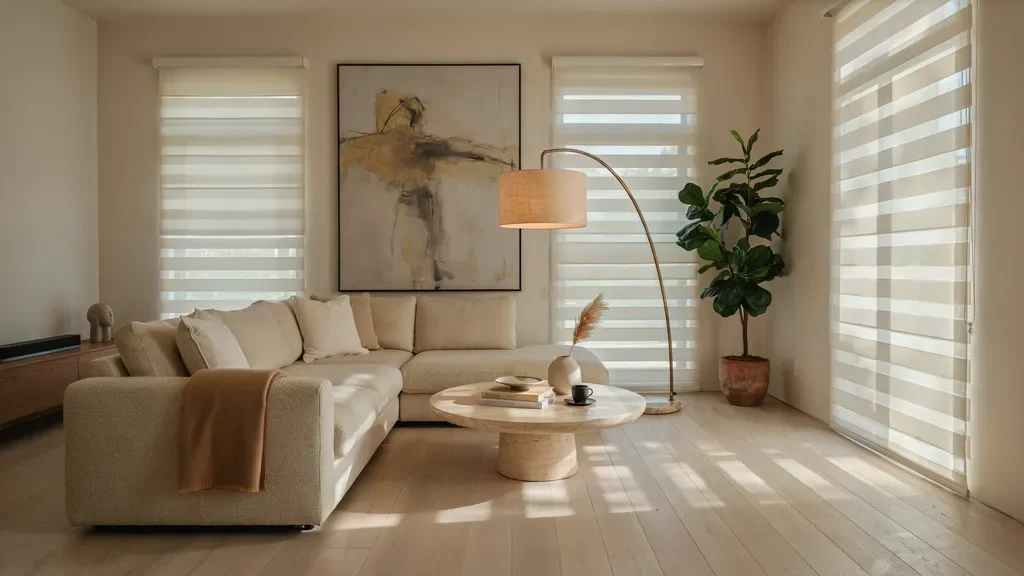
Zebra blinds alternate between sheer and solid fabric strips. You adjust the strips to move between an open, airy feel and a more private setting.
They look modern and work well in contemporary living rooms. I think of them as a step up from basic roller blinds.
Same ease of use, but with a more interesting look.
8. Cellular Blinds
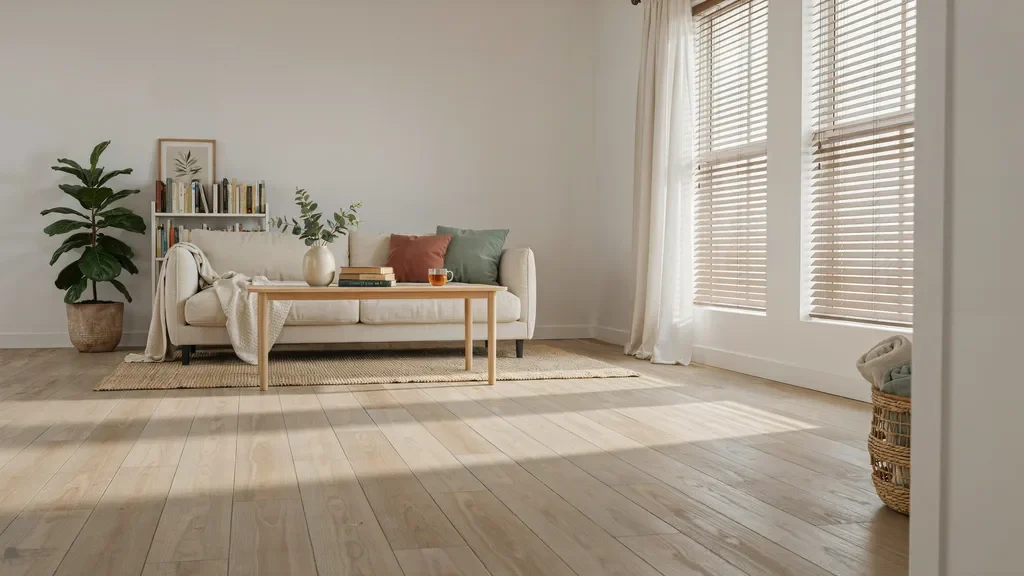
Cellular blinds, also called honeycomb blinds, have a layered structure inside that traps air. This makes them one of the best options for insulation.
If your living room gets very hot in summer or cold in winter, cellular blinds can help keep the temperature more stable.
9. Woven Wood Blinds
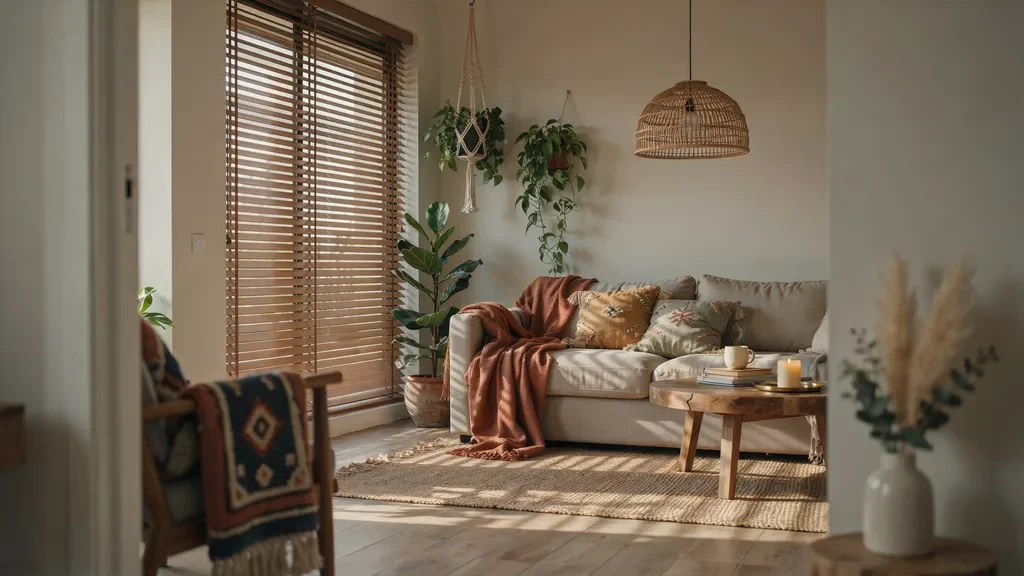
Woven wood blinds are made from natural materials like bamboo, jute, or reeds. They bring a lot of texture and warmth to a room.
I love how they let some soft light filter through while still adding a natural, earthy feel.
10. Vertical Blinds
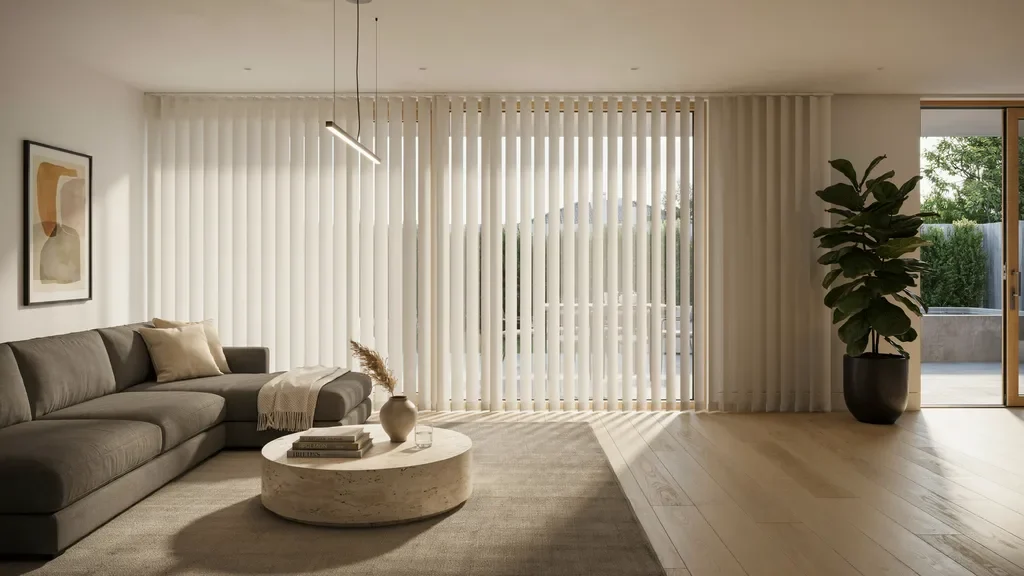
Vertical blinds hang from a track at the top and move side to side. They are a go-to choice for wide windows and sliding glass doors.
They open fully without taking up much space, which makes them practical for rooms with patio or garden access.
11. Motorized Blinds
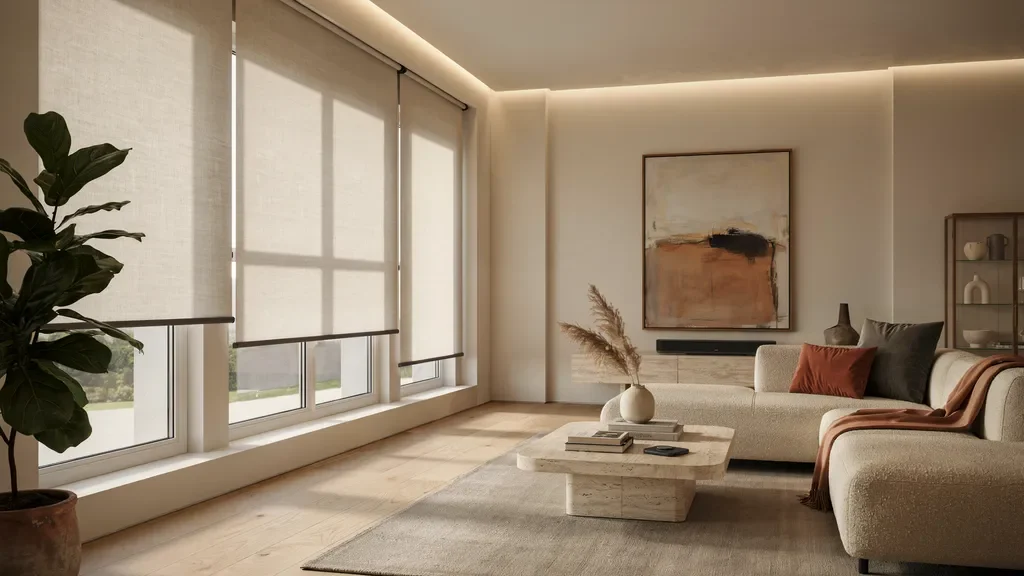
Motorized blinds are controlled by a remote, a wall switch, or even your phone. No cords, no pulling, no effort.
They cost more than standard blinds, but the convenience is real.
I think they are especially worth it for high windows or large windows that are hard to reach. If you are building a smart home setup, motorized blinds fit right in.
12. Cordless Blinds
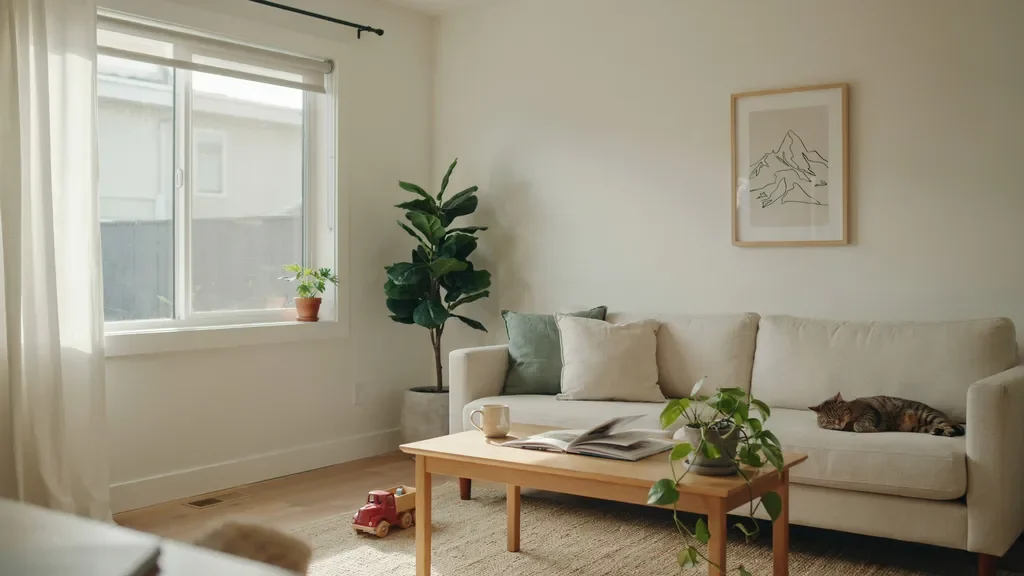
Cordless blinds work by simply pushing or pulling the bottom rail up or down. There are no hanging cords anywhere.
This is my top pick for homes with young children or pets.
Dangling cords are a safety risk, and cordless blinds remove that concern entirely.
13. Top-Down Bottom-Up Blinds
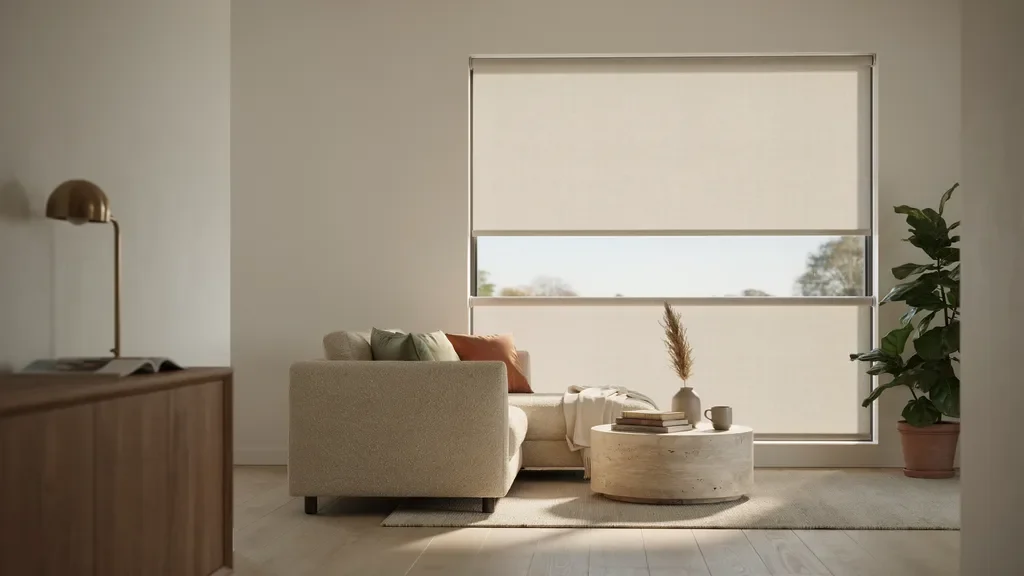
These blinds can be adjusted from both the top and the bottom. You can lower the top to let light in while keeping the bottom raised for privacy. I think this is one of the most practical designs available.
It gives you light and privacy at the same time, which is something most standard blinds cannot do. Great for street-facing living rooms.
14. Mini Blinds
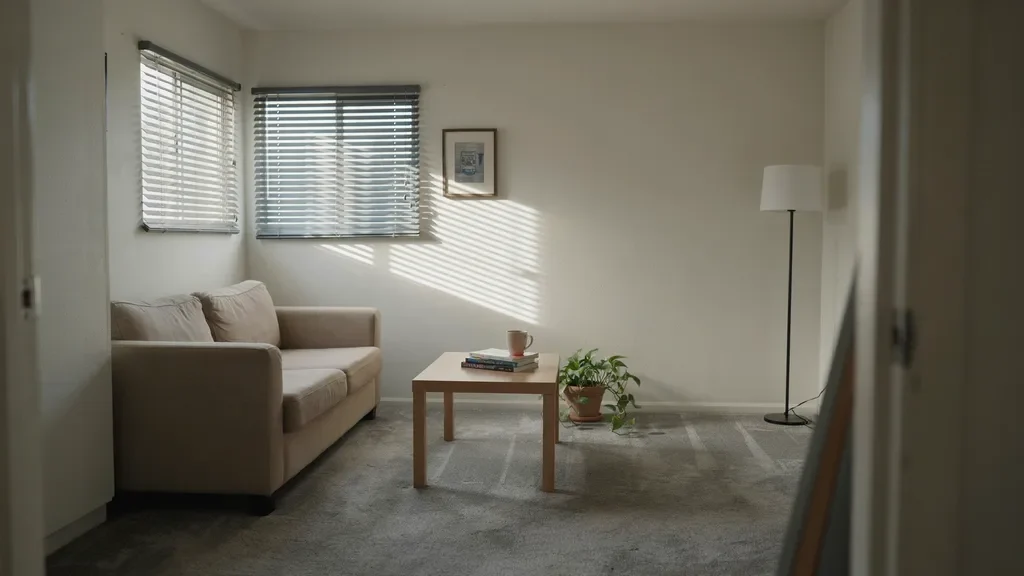
Mini blinds have thinner slats, usually about one inch wide. They are lightweight, affordable, and work well on smaller windows. They are not the most stylish option, but they get the job done.
If you are working with a tight budget or just need a simple solution for a smaller window, mini blinds are worth considering.
15. Metal Blinds
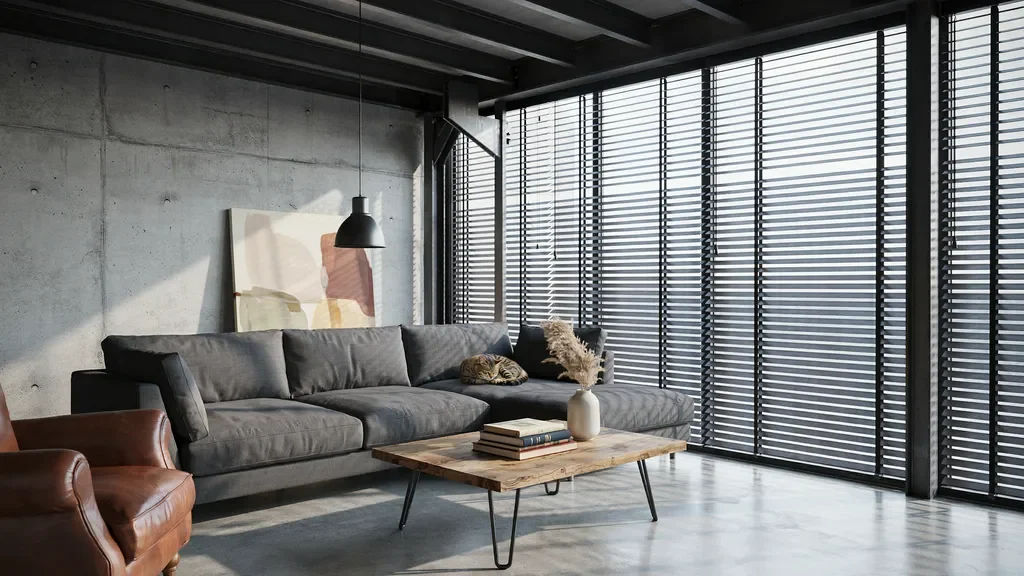
Metal blinds, usually made from aluminum, are durable and easy to clean. They have a sleek, industrial look that works well in modern living rooms.
They are also resistant to humidity and do not warp over time. If you want something low-maintenance that lasts, metal blinds are a practical choice.
16. Blackout Blinds
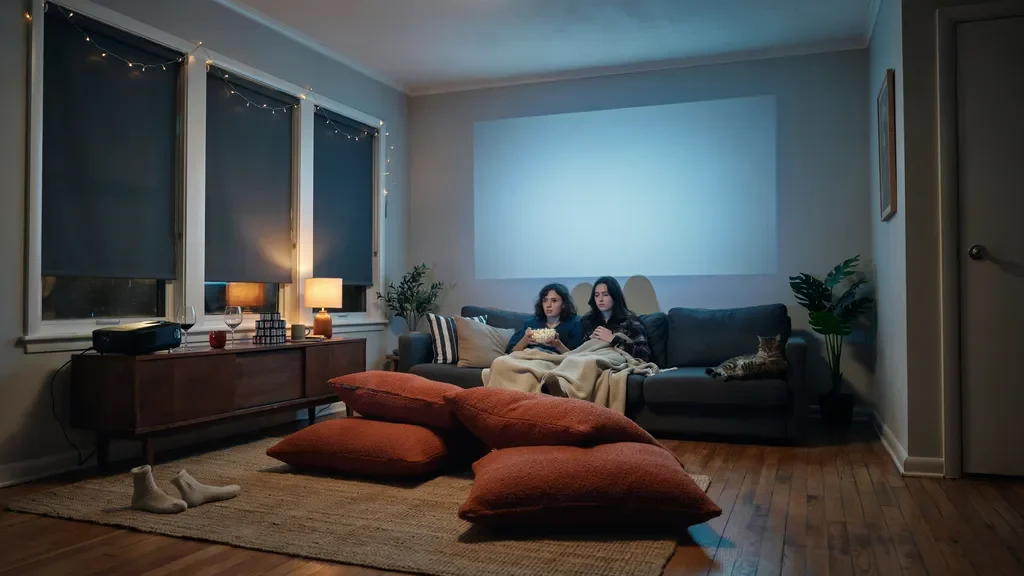
Blackout blinds block out nearly all incoming light. If your living room doubles as a movie room or if afternoon sun makes it hard to watch TV, these solve that problem immediately.
They also help with temperature by blocking heat from direct sunlight. I use these in rooms where light control really matters.
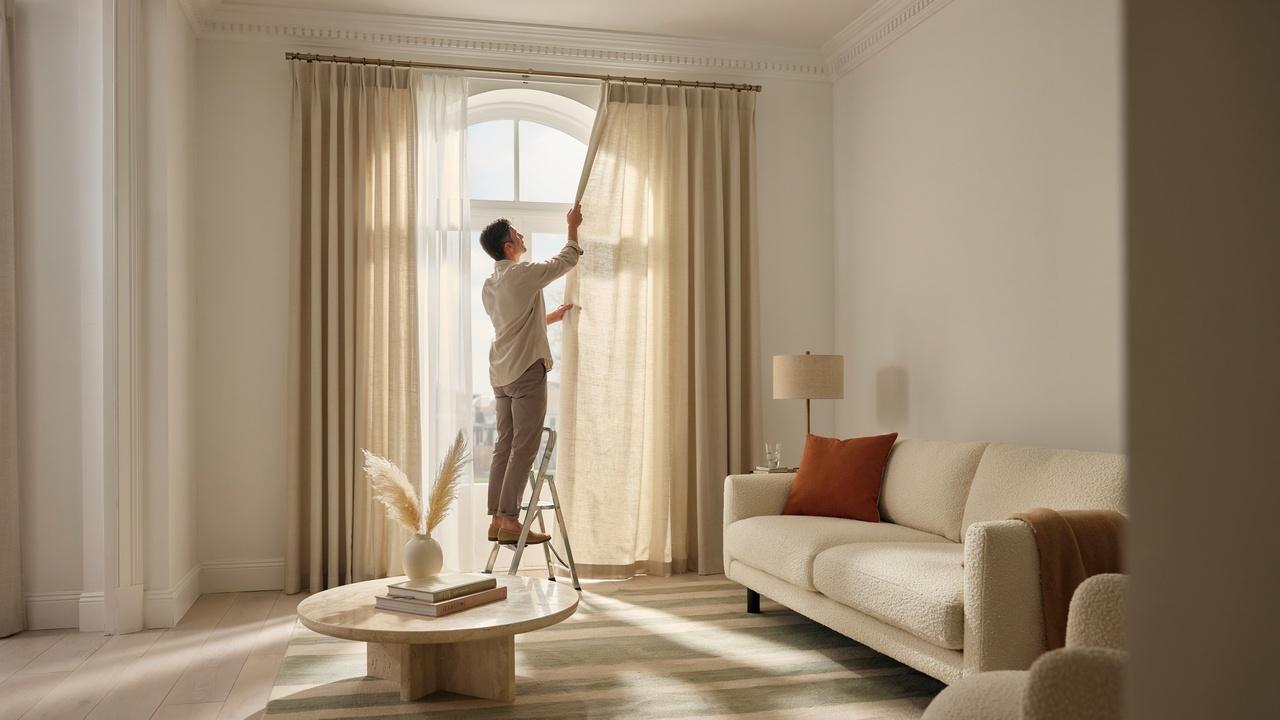
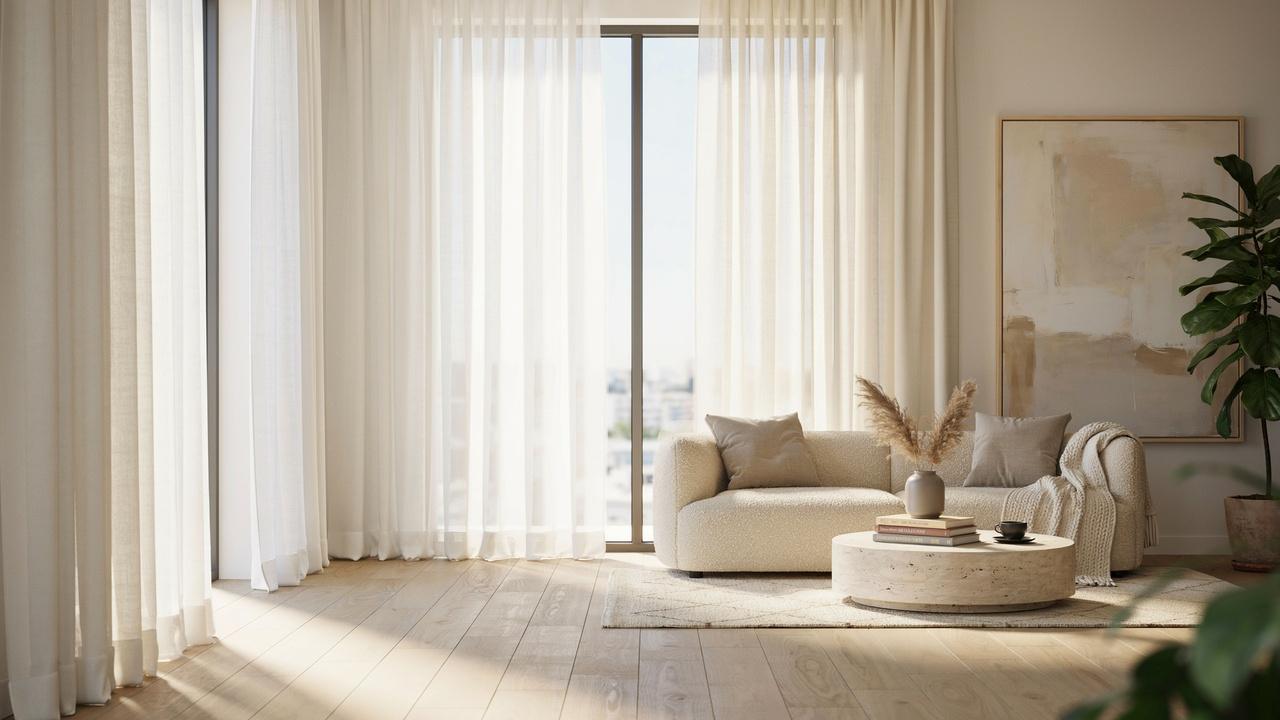
17. Layered Blinds and Shades
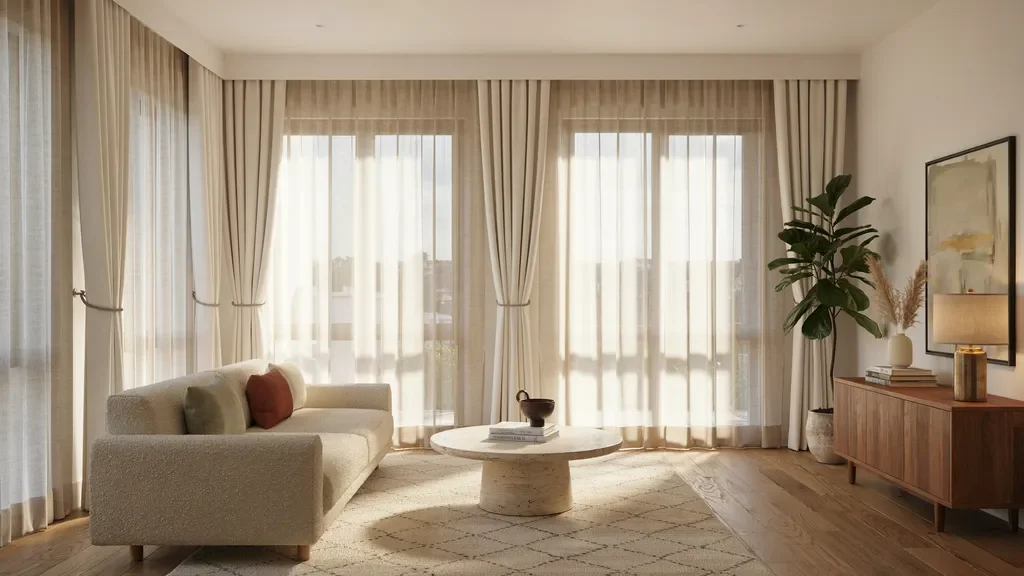
Layering blinds with shades or curtains gives you the most flexibility. You get light filtering during the day and full coverage at night.
It also adds depth and visual interest to your windows. I recommend this approach for living rooms where you want both function and a finished, put-together look without overcomplicating things.
Common Mistakes to Avoid When Choosing Living Room Blinds
Getting blinds wrong is easy.
Here are the most common mistakes I see:
- Buying without measuring first. Always measure your window width and height before ordering anything.
- Ignoring light needs. Think about when the sun hits your living room and how much light you actually want at different times of day.
- Choosing style over function. A blind that looks good but does not give you privacy or light control will frustrate you quickly.
- Forgetting about children and pets. Corded blinds can be a safety risk. Go cordless if you have young kids or animals at home.
- Skipping the quality check. Cheap blinds wear out fast. It is worth spending a little more on something that will last.
- Not thinking about cleaning. Some blinds are much easier to maintain than others. Factor that in before you buy.
Conclusion
Choosing blinds for your living room does not have to be complicated. Once you know what each type does, the decision becomes much easier.
I hope this guide gave you a clear picture of your options without overwhelming you. Think about your light needs, your budget, and who lives in your home.
Start there, and the right blind will stand out on its own.
Whether you go with simple roller blinds or invest in motorized ones, what matters most is that the blinds work for your life and your space.
So, which type of blind are you planning to try first in your living room?
Frequently Asked Questions
What type of blinds are best for a living room?
It depends on your needs. Roller blinds work well for minimal spaces, while cellular blinds are great for insulation. Solar shades are a good pick if glare is your main issue.
Are cordless blinds safe for homes with kids?
Yes, cordless blinds are much safer for homes with young children. They remove the risk that comes with dangling cords, making them a practical choice for family living rooms.
How do I choose between light-filtering and blackout blinds?
If you watch a lot of TV or need to nap during the day, blackout blinds make sense. For general use where you still want some natural light, light-filtering blinds are a better fit.
Can I layer blinds with curtains in my living room?
Yes, and I actually recommend it. Layering gives you more control over light and privacy throughout the day while also making your windows look more finished.
How often should I clean my living room blinds?
A light dusting every one to two weeks keeps most blinds in good shape. For a deeper clean, wipe them down with a damp cloth once a month or as needed.