

I still remember the first time I tried closing the blinds in a school classroom I was helping set up. Three different people tried. Nobody could figure it out. We just left the glare.
Looking back, it was such a simple fix that we completely overthought.
The truth is, most blinds work differently, and without knowing which type you have, even the easiest adjustment feels confusing.
Knowing how to close blinds the right way takes less than a minute once you understand the mechanism.
Stay with me and I will show you exactly what to do for every major blind type out there.
Understanding How Different Types of Blinds Close

Blinds are not all built the same.
Horizontal blinds, vertical blinds, roller blinds, cordless systems, and mini blinds each use a different mechanism to close. Using the wrong method can cause real damage.
Some blinds use a wand or tilt cord to rotate the slats. Others use a chain, a spring, or simply your hand.
Before you touch anything, take a moment to identify what type of blind you are working with. That one step saves a lot of frustration.
How to Close Horizontal Blinds
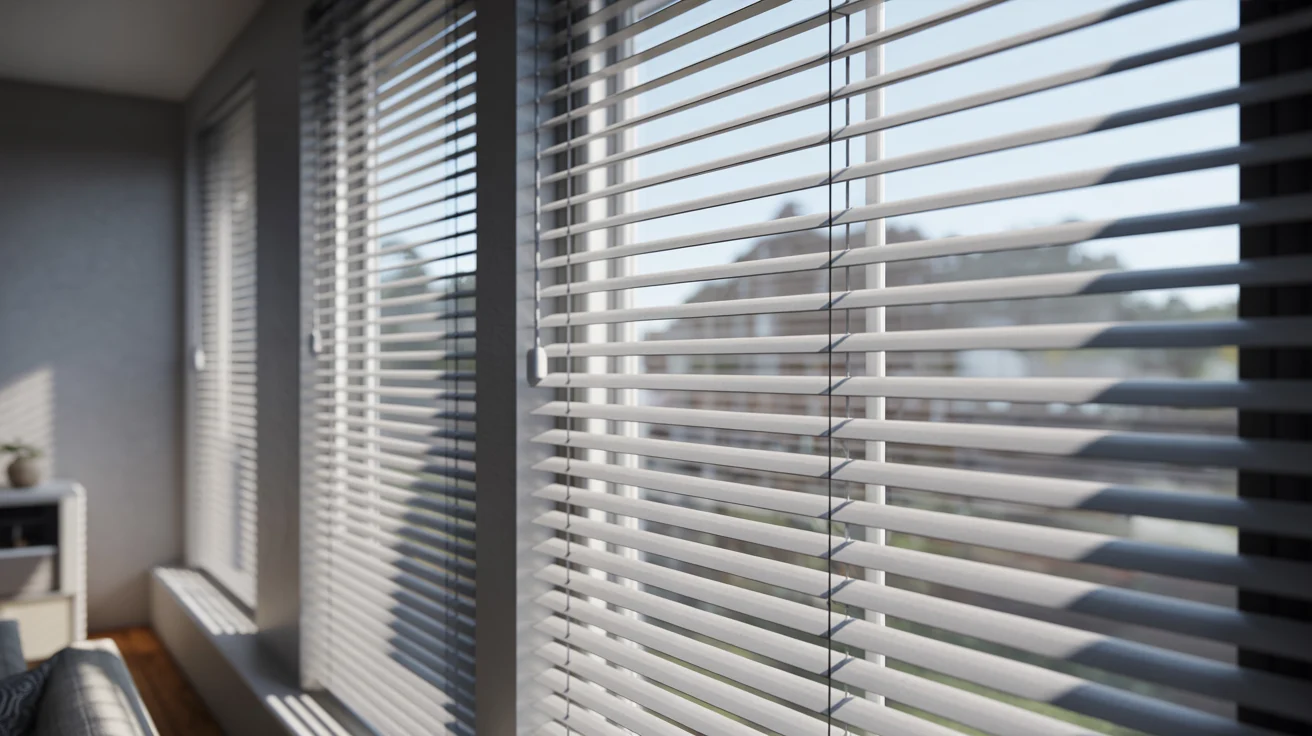
Horizontal blinds close by rotating the slats, not by pulling the blind down. The method depends on whether your blind has a tilt wand or a tilt cord.
Using the Tilt Wand
Grip the wand hanging from the headrail and turn it slowly in one direction. Keep turning until the slats fully overlap. That is when you have complete privacy and light block.
For partial coverage, stop before the slats fully overlap. Always turn slowly. Fast spinning stresses the tilt mechanism over time.
Using Tilt Cords
Pull one cord to tilt the slats one way, and the other cord to tilt them the opposite way. Use a slow, steady pull. Yanking is the fastest way to damage the tilt mechanism.
Do not mix up the tilt cord with the lift cord. The lift cord raises and lowers the blind. The tilt cord only rotates the slats.
How to Close Vertical Blinds
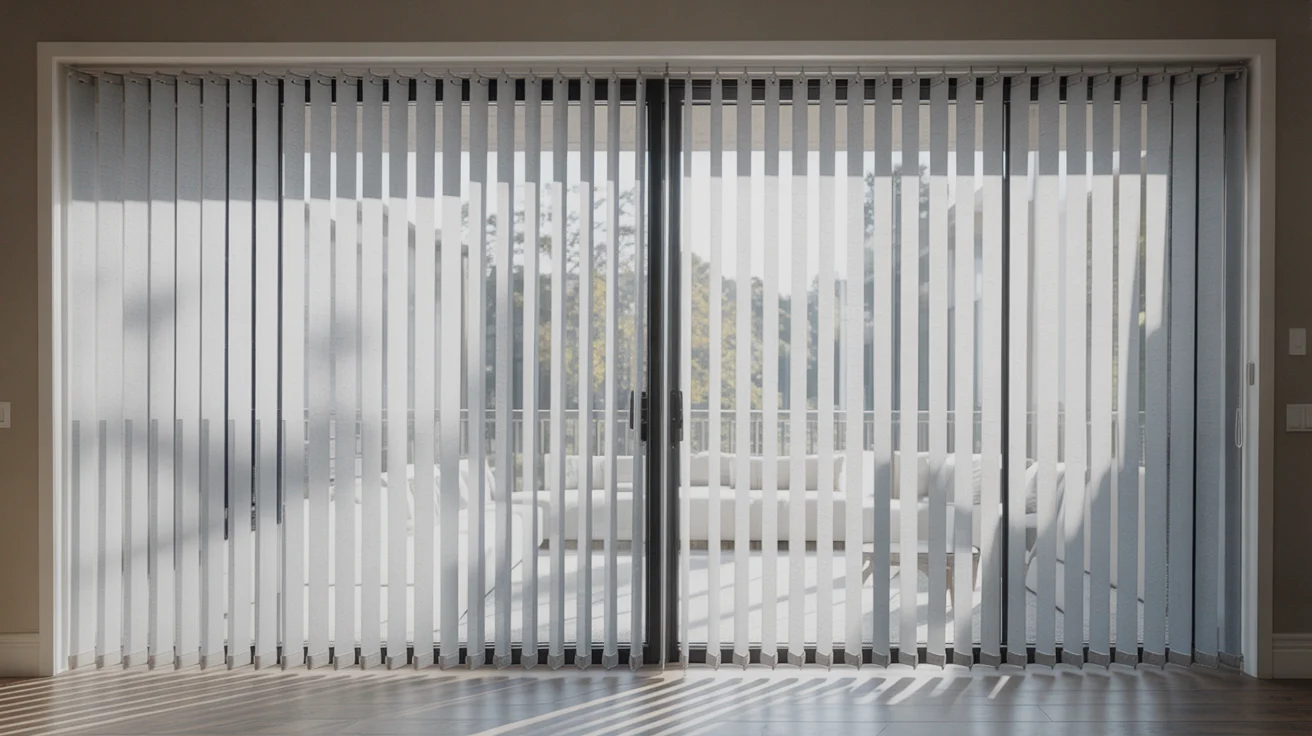
Use the control wand or chain to rotate the vanes until they overlap fully across the window. Some systems stack left, some stack right, and others open from the center.
Always check which way your system stacks before pulling. Going against it puts strain on the track.
For full privacy, make sure every vane faces the same direction. Even one turned the wrong way lets light through.
How to Close Mini Blinds and Venetian Blinds
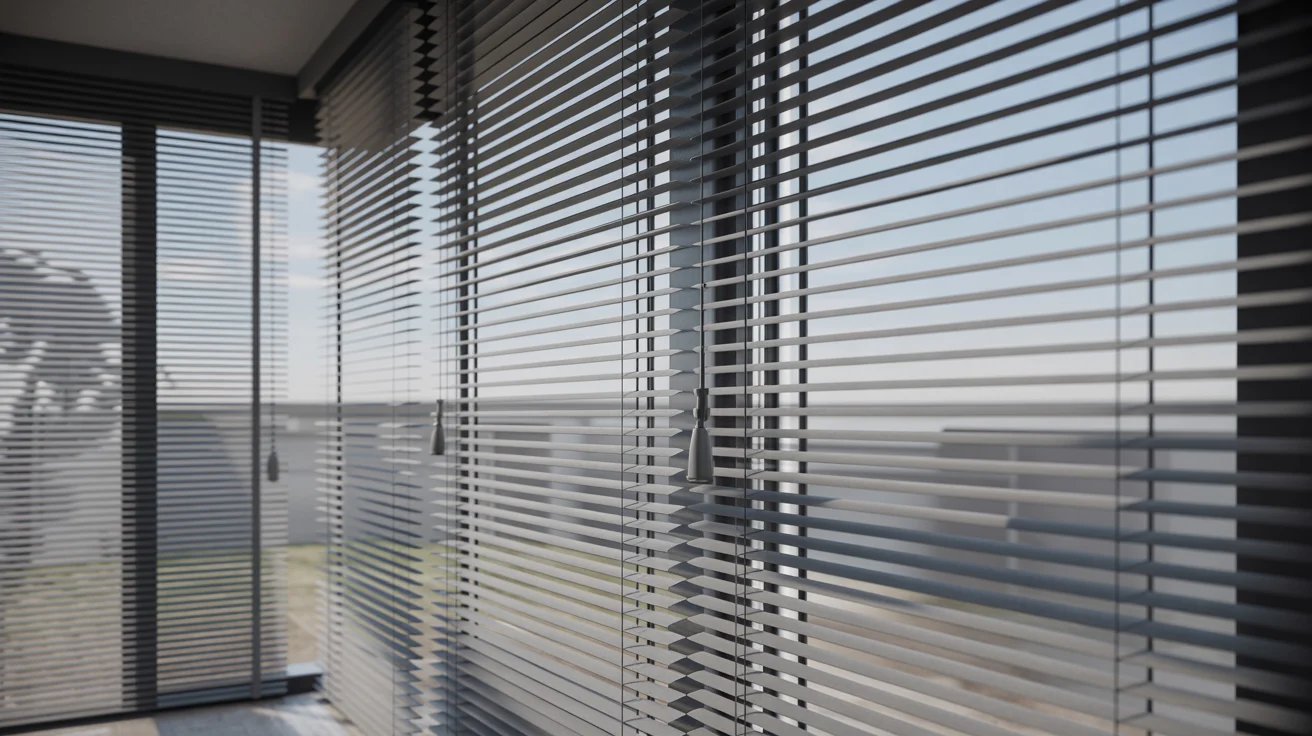
Both use a tilt mechanism to rotate the slats closed. Find the tilt wand or cord and rotate or pull it until the slats fully overlap. For maximum privacy, tilt so the curved side faces outward.
In offices and schools these blinds get heavy daily use. Turning the wand gently and avoiding sharp tugs keeps the mechanism working much longer.
How to Close Cordless Blinds Safely
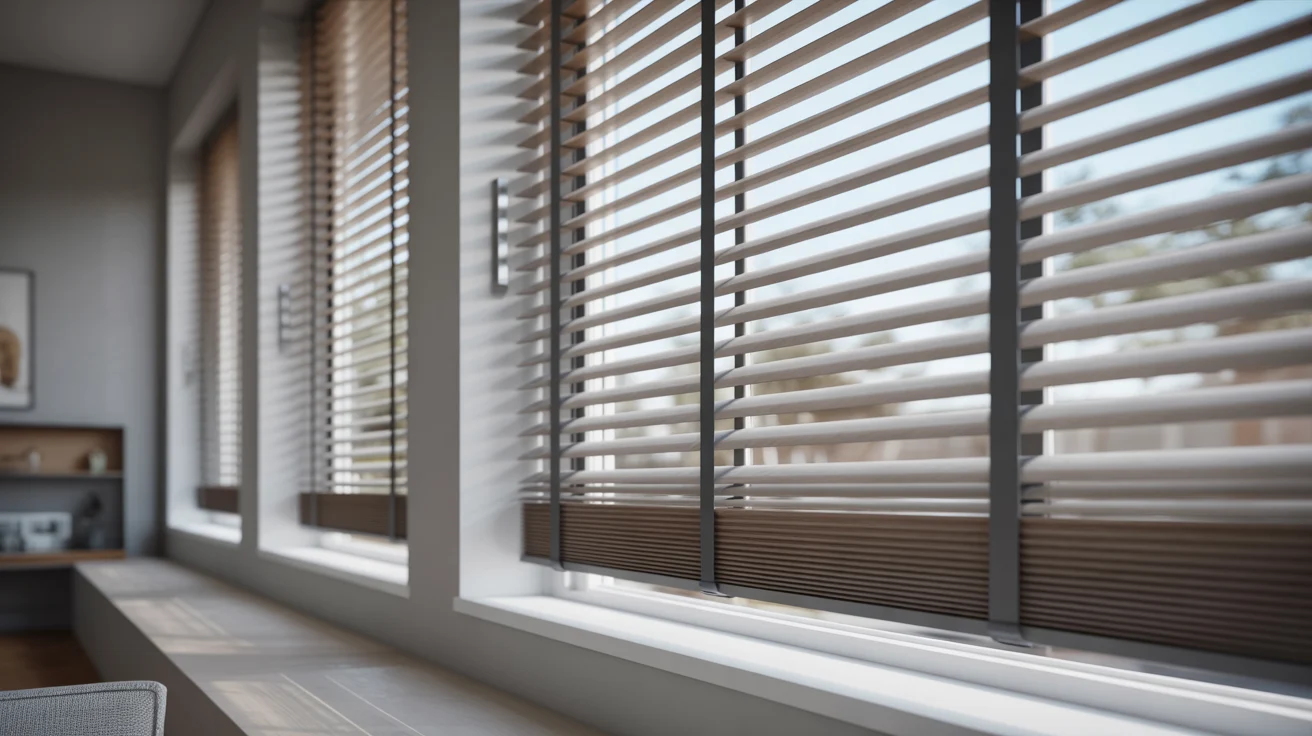
Grip the bottom rail with both hands and pull it down to cover the window. The blind holds its position once you let go. No cord needed.
Many users searching for how to close blinds without a string are typically referring to cordless systems operated by hand. Use even pressure across the full bottom rail. Pulling from one side only causes the blind to tilt and jam inside the headrail.
How to Close Roller Blinds and Solar Shades
For pull-down roller blinds, grip the bottom bar and pull down to your preferred height. Release slowly. Let go too fast and the blind snaps back up.
Chain-operated models are more common in commercial spaces. Pull one side of the chain to lower, the other to raise.
For complete coverage, make sure the bottom bar sits evenly across the window. An uneven bar lets light in from one side.
How Universities, Schools, and Offices Typically Recommend Closing Blinds
Knowing how to close blinds in shared spaces protects both people and the building itself. In classrooms and offices, closing blinds cuts screen glare and reduces eye strain during long sessions.
Many facilities close blinds as part of energy management. Blocking direct sunlight during peak hours lowers cooling costs, especially in south-facing rooms.
UV exposure also fades furniture and flooring over time, so closing blinds during the brightest part of the day extends the life of everything inside.
In healthcare and dormitory settings, privacy is the main reason. Blinds are closed to protect dignity, support rest, and keep the environment professional.
Common Problems When Closing Blinds and How to Fix Them
Most blind problems have simple solutions once you know where to look.
- Slats won't rotate fully: Try turning the wand the opposite direction first to reset, then try again slowly.
- Vertical vanes keep spinning past closed: The vane carrier may be worn. Replace just the carrier, not the whole blind.
- Cordless blind won't stay in position: Pull it all the way down, then push all the way up a few times to recalibrate the tension.
- Roller blind won't stay down: Unroll it fully, remove from the bracket, roll by hand a few turns, then rehang.
- Blind feels stiff or gritty: Dust in the headrail is usually the cause. A quick wipe with a dry cloth often fixes it.
Most of these take under five minutes with no tools needed.
Best Practices for Closing Blinds Without Damaging Them
A few consistent habits keep your blinds working well for years without repairs or replacements.
- Never force a stuck blind. If it will not move, stop. Forcing it damages cords, slats, and mechanisms fast.
- Keep things clean. Wipe the headrail and slats lightly every few weeks to stop dust buildup from causing stiffness.
- Check the manual. Different brands have specific recommendations that are easy to miss without looking.
- Inspect regularly in shared spaces. Schools, offices, and healthcare facilities put blinds through heavy daily use. A monthly check for fraying cords or loose brackets catches problems early.
Conclusion
Honestly, the hardest part is just figuring out which blind type you have. After that, how to close blinds is something anyone can do in seconds.
I have been there with the stuck slats and the spinning wand that goes nowhere. It gets easier every single time once you know what you are working with.
Pick one window today and put these steps to the test.
Got a blind that is still giving you grief? Drop a comment below. I read every one and I am always happy to help you figure it out.
Frequently Asked Questions
How Do I Fully Close Blinds for Maximum Privacy?
Rotate the slats or vanes until they fully overlap with no gaps. For roller blinds, pull the fabric all the way down to the sill.
Why Won't My Blinds Close All the Way?
The tilt mechanism may be worn or blocked by dust. Try cleaning the headrail and rotating the wand slowly in both directions to reset it.
How Do Cordless Blinds Close Without a String?
Use the bottom rail to operate them by hand. Pull it down to cover the window and the blind holds its position on its own.
Should Blinds Be Closed Up or Down?
Curved side facing outward gives better privacy. Curved side facing inward lets in more diffused light while still reducing glare.
What Is the Easiest Way to Close Blinds in Offices or Classrooms?
Horizontal blinds with a tilt wand are the quickest. One turn closes all the slats at once with minimal effort.