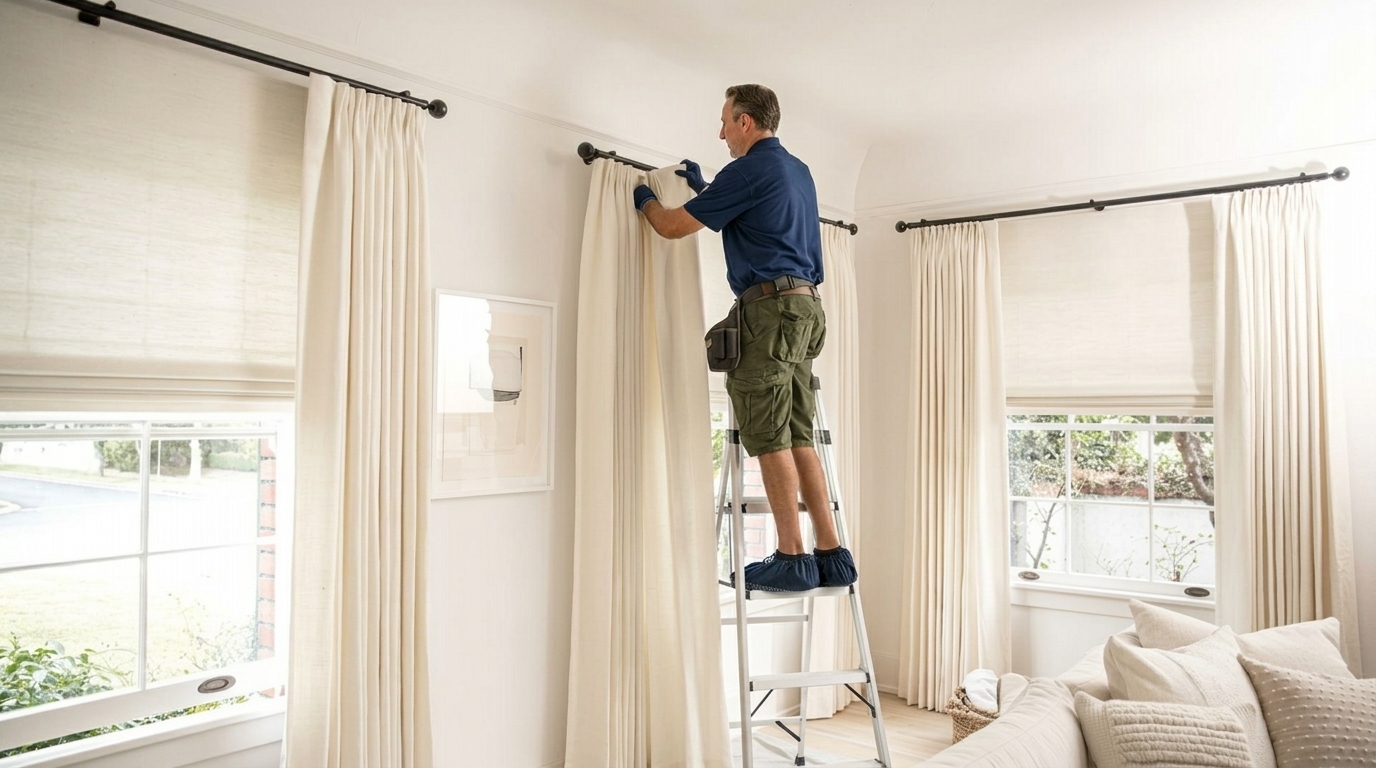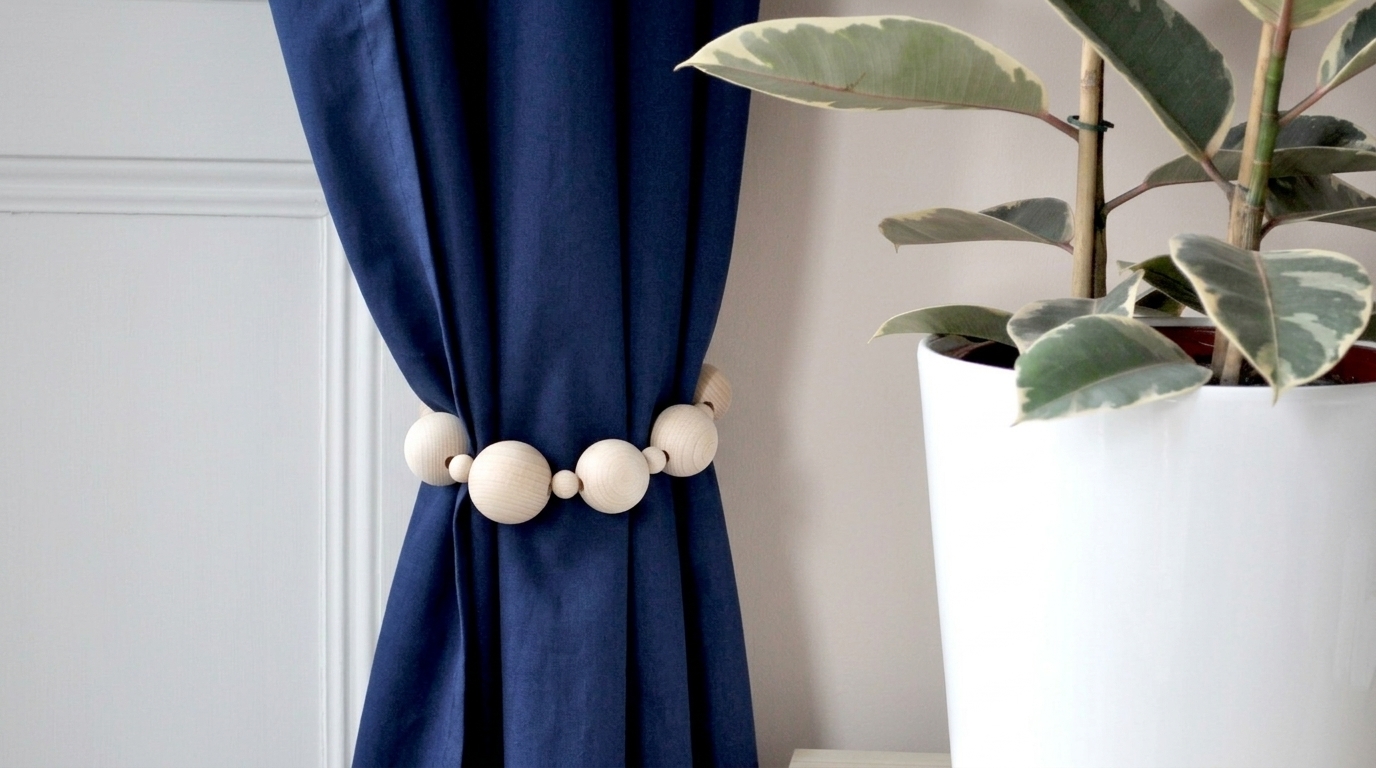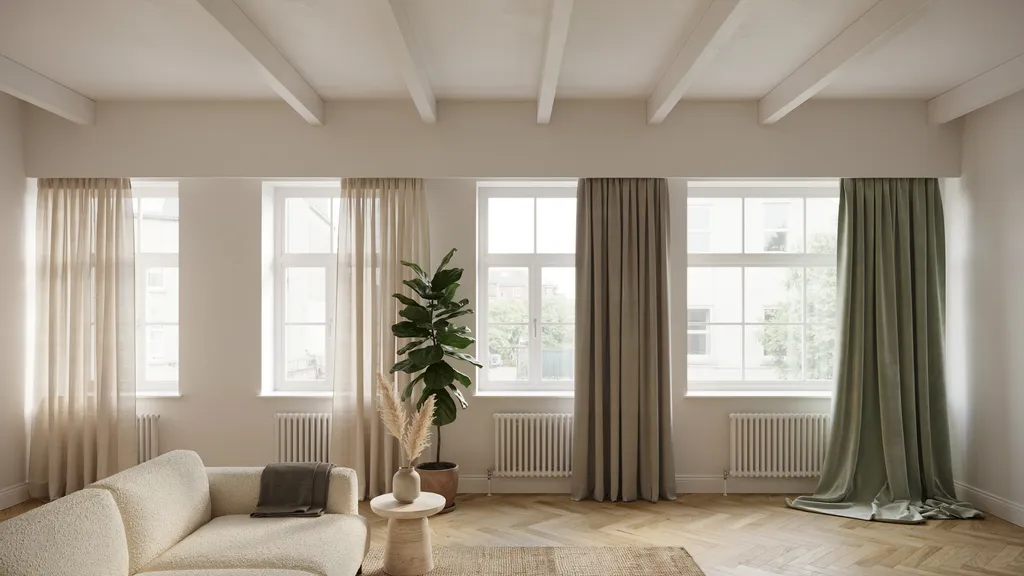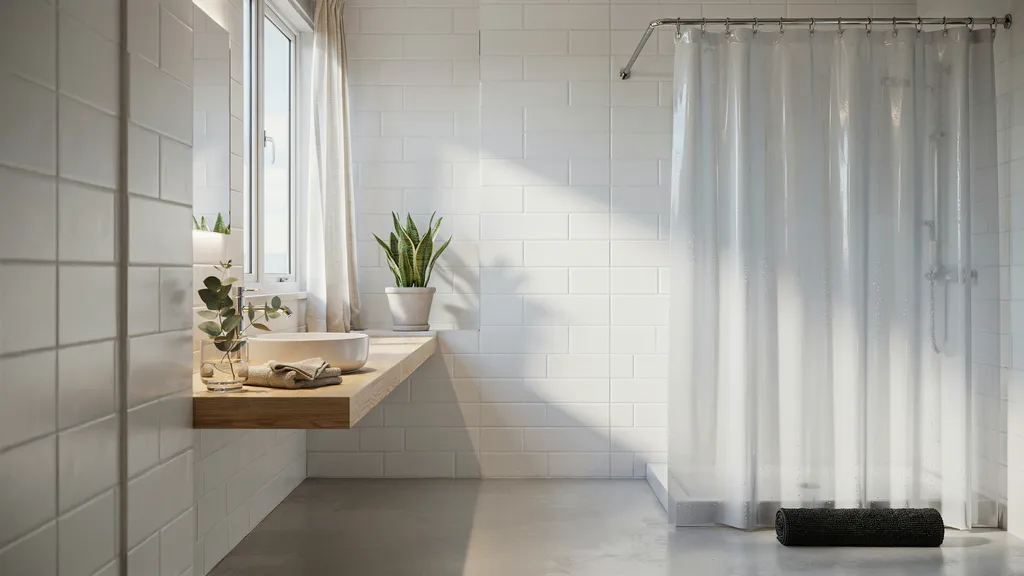

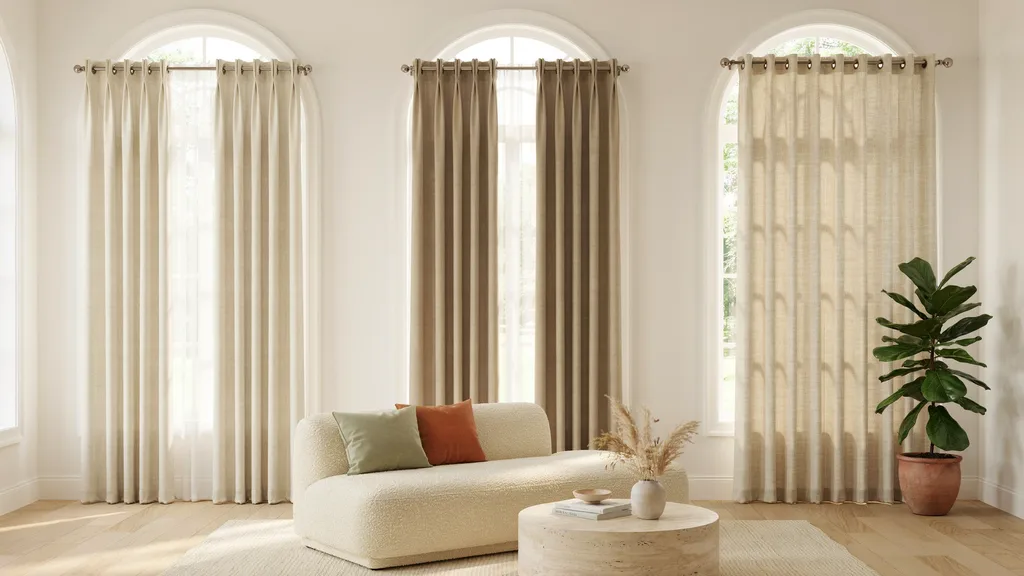
Picking the right curtains can feel confusing. With so many pleat styles out there, it's hard to know where to start. I've been there too, and that's why I put this guide together.
In this article, I'll walk you through 7 types of curtain pleats, what they look like, where they work best, and how to choose the right one for your space.
You'll also learn how to match pleats with your interior style and how to style them like a pro.
With years of home décor experience, I'm here to make this simple, clear, and genuinely helpful for you.
What Are Curtain Pleats?
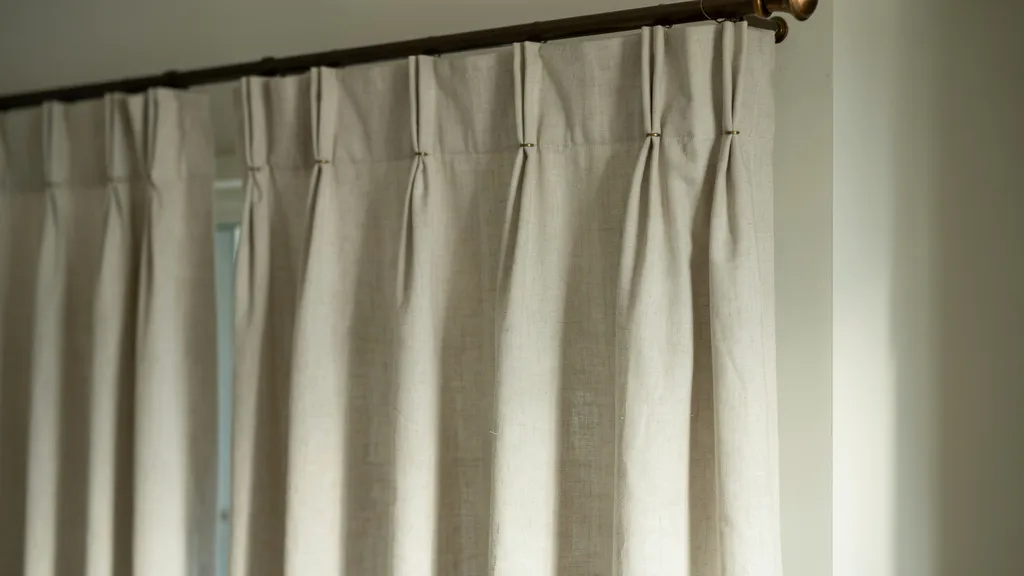
Curtain pleats are folds stitched into the top of a curtain panel that control how the fabric hangs and drapes. The way these folds are made affects the entire look of a room.
A neat pleat gives a sharp, clean finish, while a loose one creates a softer, relaxed feel. But pleats are not just about looks.
They also control how much light comes in, how easy the curtain is to open, and how full the fabric appears. The right pleat can make a small room feel bigger and more put together.
The wrong one can make even a nice fabric look flat and lifeless.
7 Types of Curtain Pleats You Should Know
Here are the seven most popular curtain pleat styles to help you choose the best fit.
1. Ripple Fold (Wave) Pleats
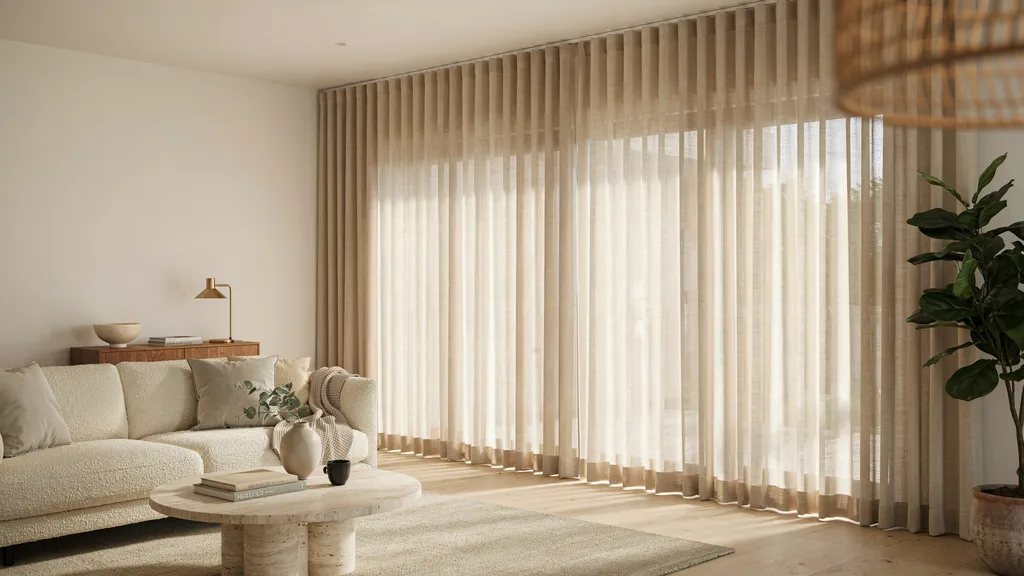
Ripple fold pleats create smooth, even S-shaped waves across the curtain. They work with a track system fixed to the ceiling or wall.
Best for: Modern homes, large windows, and sliding doors.
These pleats are very easy to open and close. They look neat and use space well. If you want a clean, current look, this is a great starting point.
2. Pinch Pleat Curtains
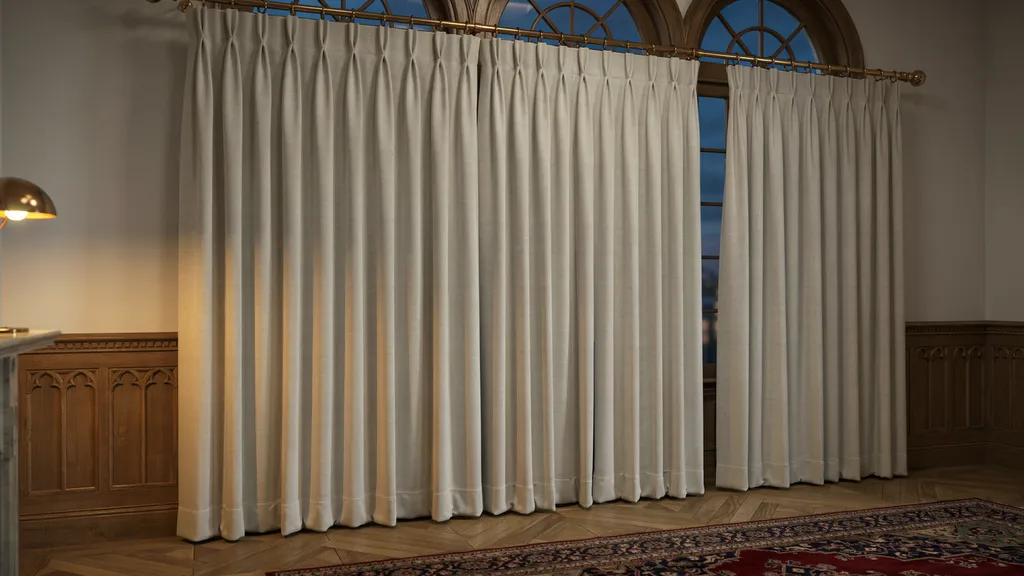
Pinch pleats are gathered and stitched together at the top. You can get them in single, double, or triple pinch styles. More pinches mean a fuller look.
Best for: Traditional, formal, or transitional rooms.
This style has been around for decades and still looks great. It gives a structured drape and works well with heavier fabrics. It's a classic choice that rarely goes out of style.
3. Tailored Pleat Curtains
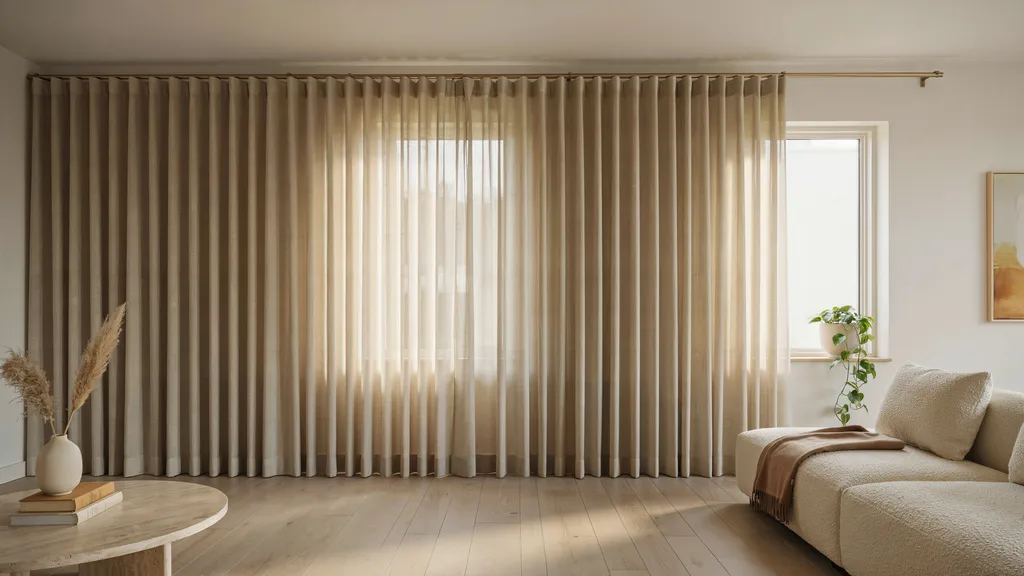
Tailored pleats have a clean three-fold design. They sit neatly at the top without looking too stiff or too loose.
Best for: Modern interiors that want a refined touch.
This pleat sits between classic and modern. It's not as formal as a pinch pleat, but not as casual as a rod pocket either. It's a smart pick if you want something that works in most rooms.
4. Inverted (Box) Pleat Curtains
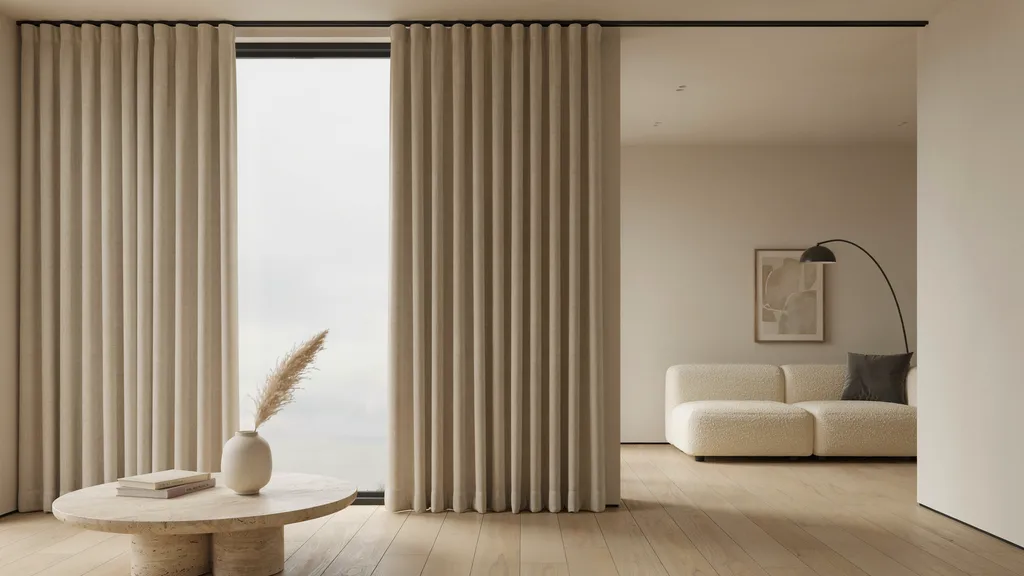
With inverted pleats, the folds are hidden at the back. The front of the curtain looks completely flat and smooth.
Best for: Minimalist and contemporary spaces.
This is a very clean style. There's no visible folding from the front. It gives the curtain a sharp, uncluttered look that pairs well with modern furniture and neutral walls.
5. Goblet Pleat Curtains
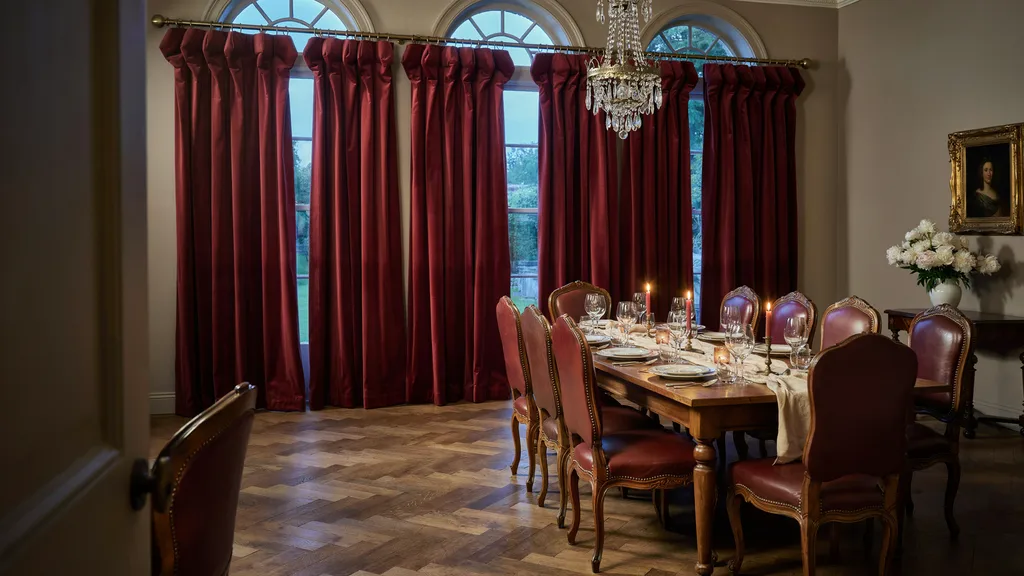
Goblet pleats are shaped like small cups or goblets at the top of the curtain. They stand upright and hold their shape well.
Best for: Formal rooms and high-end interiors.
These pleats add a rich, decorative feel to any space. They work best in dining rooms, living rooms, or master bedrooms where you want things to look a bit more special.
They're not the most practical for daily use, but they look impressive.
6. Grommet (Eyelet) Pleats
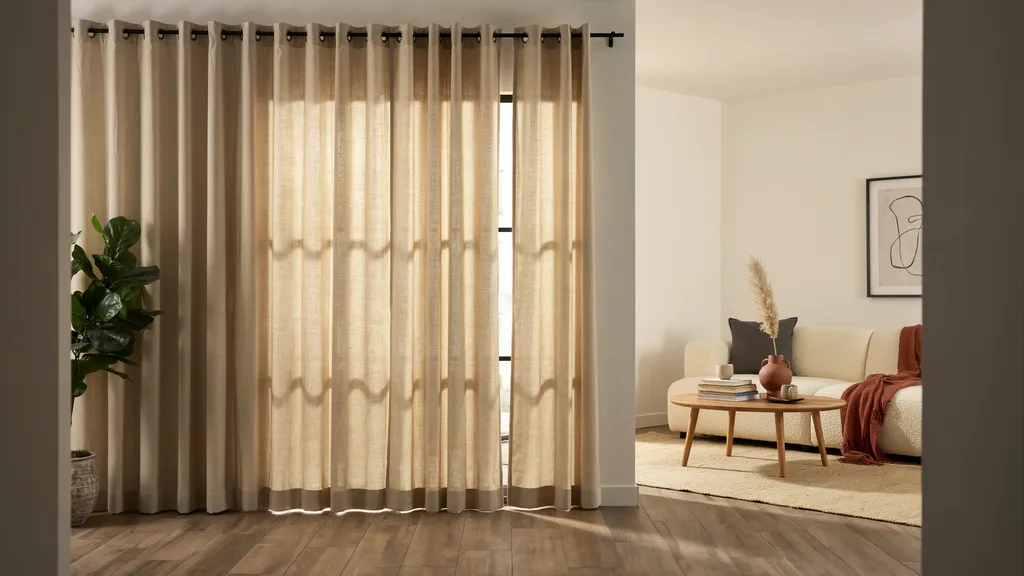
Grommet pleats use metal rings punched through the fabric at the top. The curtain rod slides directly through these rings, creating deep, even folds.
Best for: Casual and modern homes.
This is one of the easiest curtain styles to hang and use. The folds are even and consistent. It's also one of the more budget-friendly options, which makes it very popular for everyday rooms.
7. Rod Pocket Pleats

Rod pocket curtains have a sewn channel at the top. The curtain rod slides through this pocket, and the fabric gathers softly around it.
Best for: Rustic, farmhouse, or decorative settings.
This style gives a soft, relaxed look. It's very simple to set up and costs less than most other styles.
The downside is that it can be harder to slide open and closed, so it's better used in spots where the curtain stays in one place.
How to Choose the Right Curtain Pleat
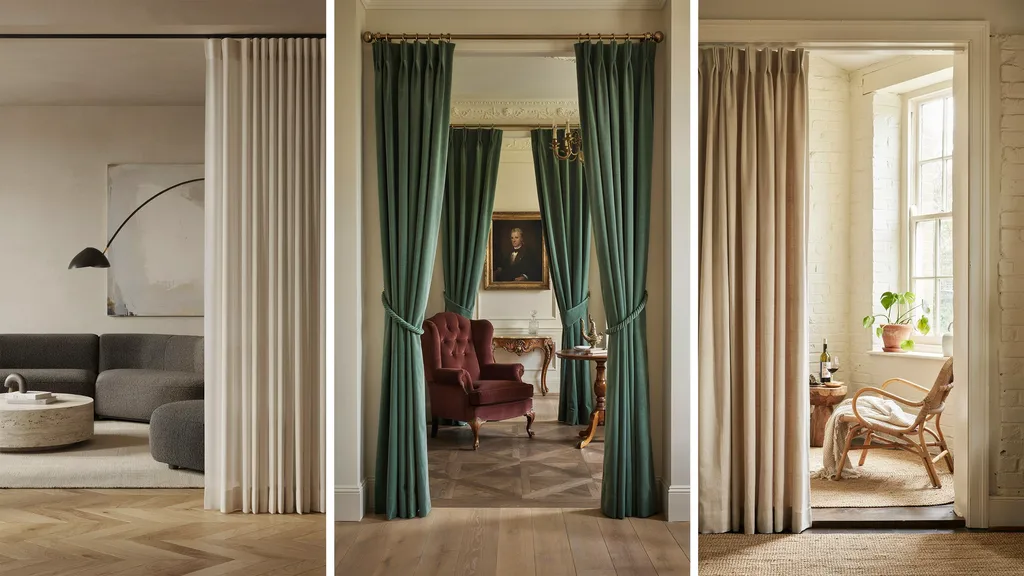
Choosing the right pleats comes down to your style, how you'll use it, and what you can spend.
Based on Interior Style
Think about the overall look of your room first.
Formal rooms do well with pinch or goblet pleats. Modern or minimal spaces work better with ripple fold or inverted pleats. Casual homes suit grommet or rod pocket styles.
Based on Functionality
Ask yourself how often you'll open and close the curtain.
If you need to move them daily, go with grommet or ripple fold. If the curtain is mostly decorative, goblet or rod pocket styles work fine.
Based on Fabric and Budget
Detailed pleats like pinch or goblet use more fabric. That means higher costs, especially with thick or heavy material.
Simpler styles like grommet or rod pocket need less fabric and are easier to sew, which keeps costs down. Always check fabric samples before you buy in bulk.
Tips to Style Curtain Pleats Like a Pro
Small changes in how you hang and style curtains can make a big difference in the final look.
- Mount the curtain rod close to the ceiling, not just above the window, to make the room feel taller and more open.
- Use light fabrics like linen or sheer for soft, flowing ripple folds that move easily and look relaxed.
- Choose heavy fabrics like velvet or thick cotton when using pinch or goblet pleats for a more structured drape.
- Match fabric weight to your pleat style as it is one of the simplest ways to get a clean, polished finish.
- Pick a curtain color that already appears somewhere in the room, whether neutral or bold, to keep the look balanced and connected.
Conclusion
Choosing the right curtain pleat really does change how a room feels. I've seen simple spaces go from flat to finished just by switching the pleat style.
Start with your room's vibe. Think about how often you'll use the curtains. Then set a budget that works for you.
Before you buy, always test a fabric sample in your space. Lighting changes everything.
I'd love to know which pleat style caught your eye. Drop a comment below and share your pick. And if this helped, share it with someone redoing their space!
Frequently Asked Questions
What is the most popular type of curtain pleat?
Pinch pleat and grommet pleats are among the most widely used styles. Pinch pleats suit formal rooms, while grommet pleats work well in casual, modern spaces.
Which curtain pleat is easiest to install at home?
Grommet and rod pocket pleats are the easiest to put up. Both require minimal tools and can be done without professional help.
Are pinch pleat curtains more expensive than other styles?
Yes, pinch pleat curtains usually cost more. They need extra fabric and more stitching, which increases both material and labor costs.
Can I use ripple fold pleats on a standard curtain rod?
No. Ripple fold pleats need a special track system to create their wave effect. They do not work on a standard rod.
Which pleat style works best for small rooms?
Ripple fold or grommet pleats work well in smaller rooms. They keep the look clean and light, which helps the space feel more open.