
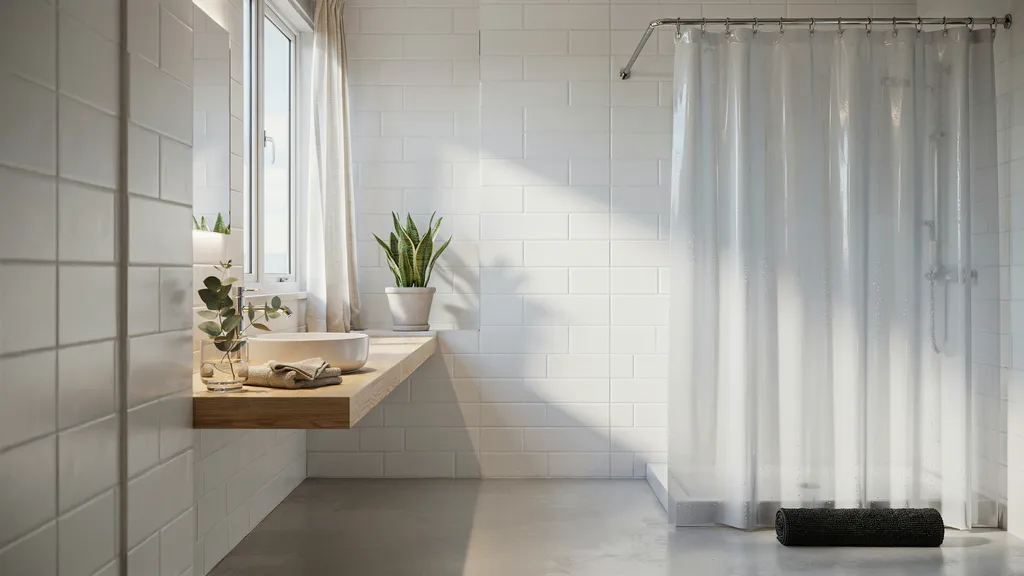
Shopping for a shower curtain can feel confusing with so many materials and options out there. I've been there too, standing in the aisle wondering what any of it means.
This guide breaks it all down for you. We'll cover what a PEVA shower curtain is, how it works, why it's worth your attention, how it compares to PVC, what features to look for, and how to keep it clean.
I've researched this topic thoroughly so you don't have to. By the end, you'll know exactly what to buy and why.
Whether it's material basics, key features, benefits, or care tips, we've got it all covered right here.
What is PEVA?
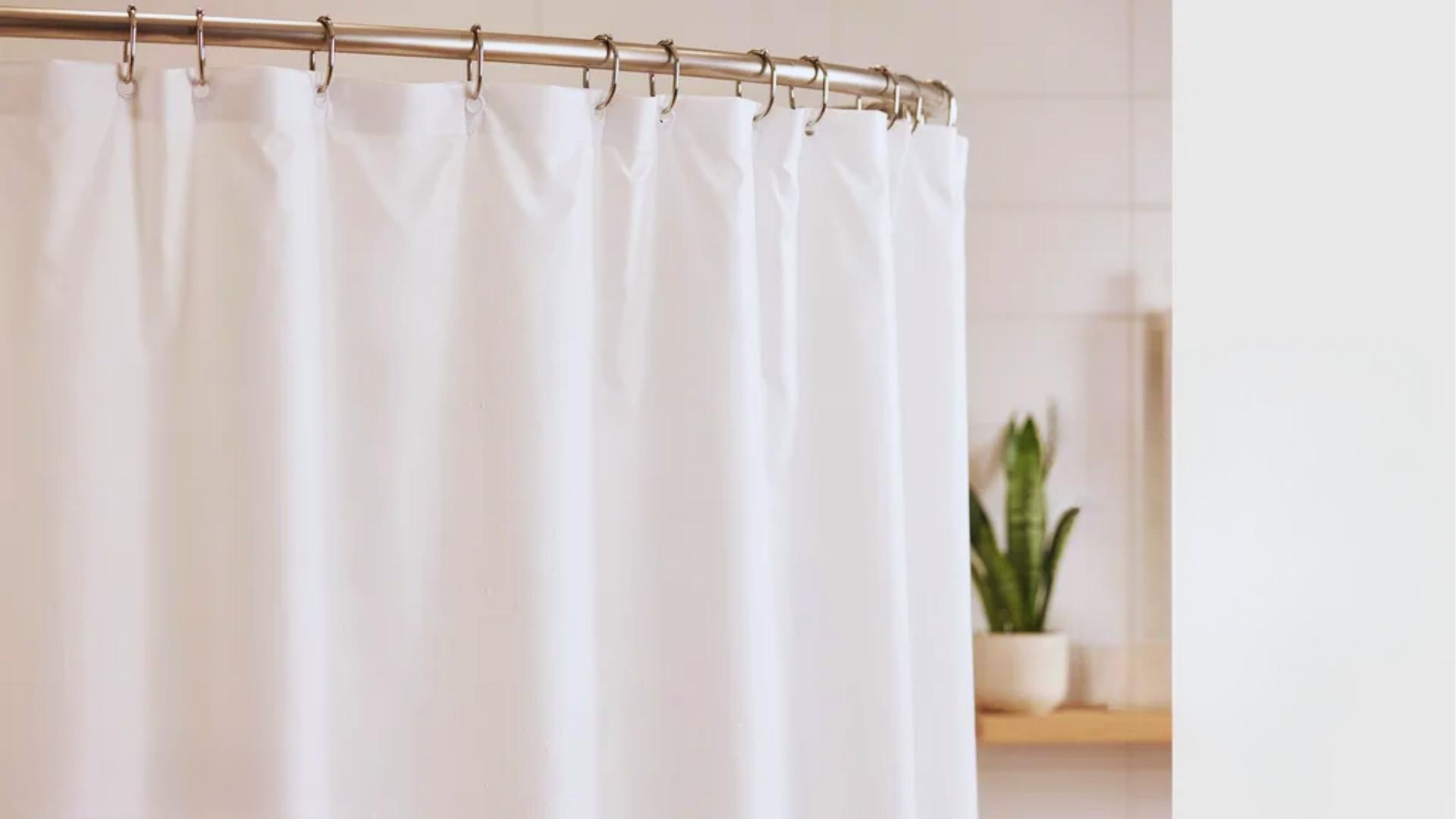
PEVA stands for Polyethylene Vinyl Acetate, a soft and flexible plastic material made without chlorine. That matters because chlorine-based plastics can release harmful chemicals over time.
PEVA is water-resistant and widely used in shower curtains, tablecloths, and food storage bags. Most plastics are stiff or loaded with chemicals, but PEVA is made to be gentle and safer for indoor use.
Unlike PVC, it contains no phthalates or chlorine, making it a much cleaner option for home use, especially in smaller spaces like bathrooms.
It gives you the durability of plastic without the health concerns that come with heavier chemical-based materials commonly found in traditional shower curtains.
Key Features of PEVA Shower Curtains
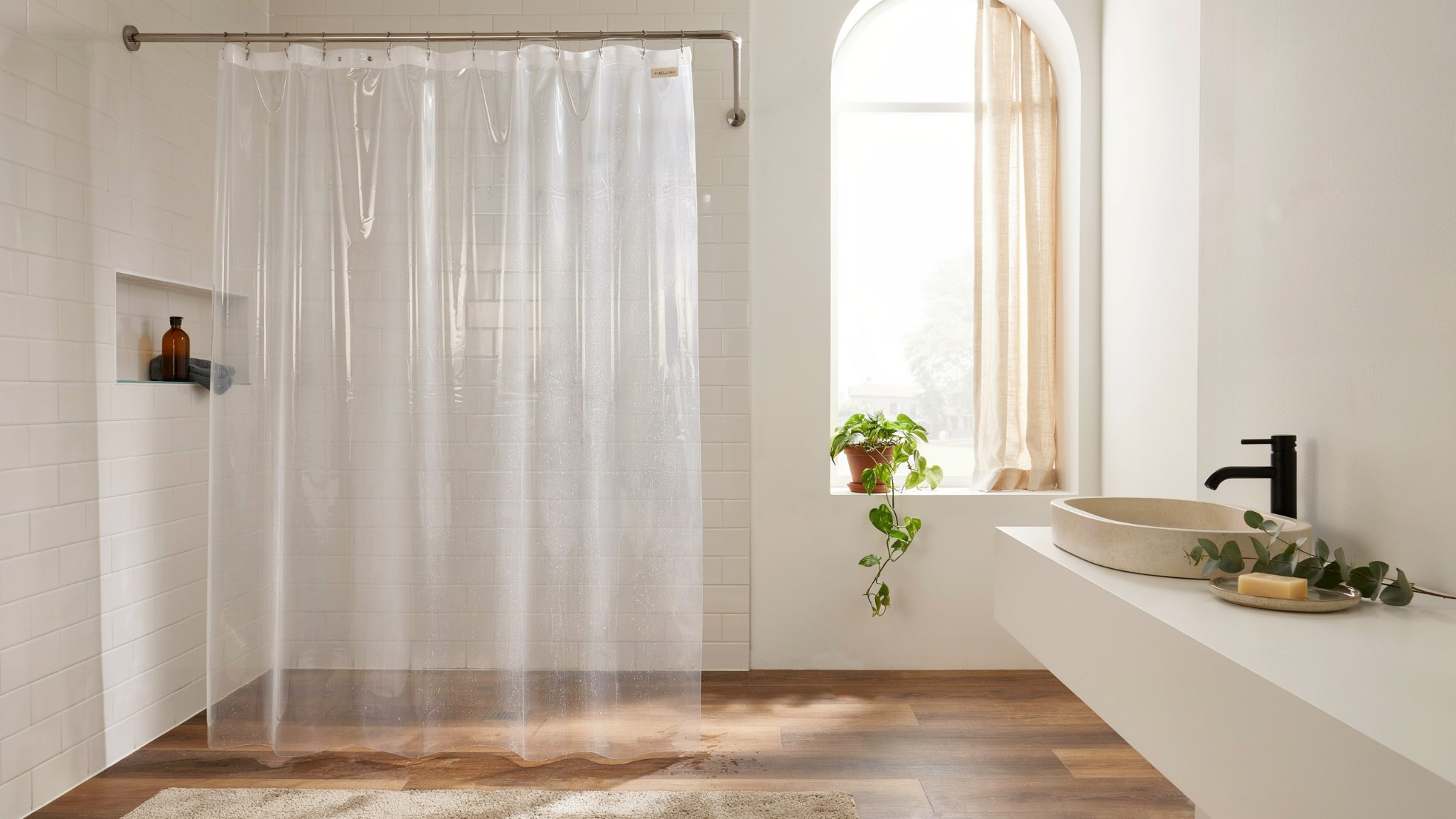
PEVA shower curtains come with several practical features that make bathroom life easier.
Waterproof and Moisture-Resistant Nature
PEVA repels water well. It doesn't absorb moisture, which means it dries faster after each shower. This helps keep your bathroom floor dry and safe.
Odor-Free and Non-Toxic Advantages
One of the first things people notice with new PVC curtains is a strong chemical smell. PEVA shower curtains don't have that problem.
They come with little to no odor, making them a better fit for bathrooms used by kids or people sensitive to smells.
Lightweight and Easy-to-Use Design
PEVA is light. It hangs easily on any standard curtain rod and moves smoothly. You don't need any special hooks or tools to set it up.
Mold and Mildew Resistance Benefits
Bathrooms are wet by nature. Mold loves that. But PEVA's surface doesn't hold onto water, so mold and mildew have a harder time growing on it. Regular rinsing keeps it clean for months.
PEVA vs PVC Shower Curtains (Important Comparison)
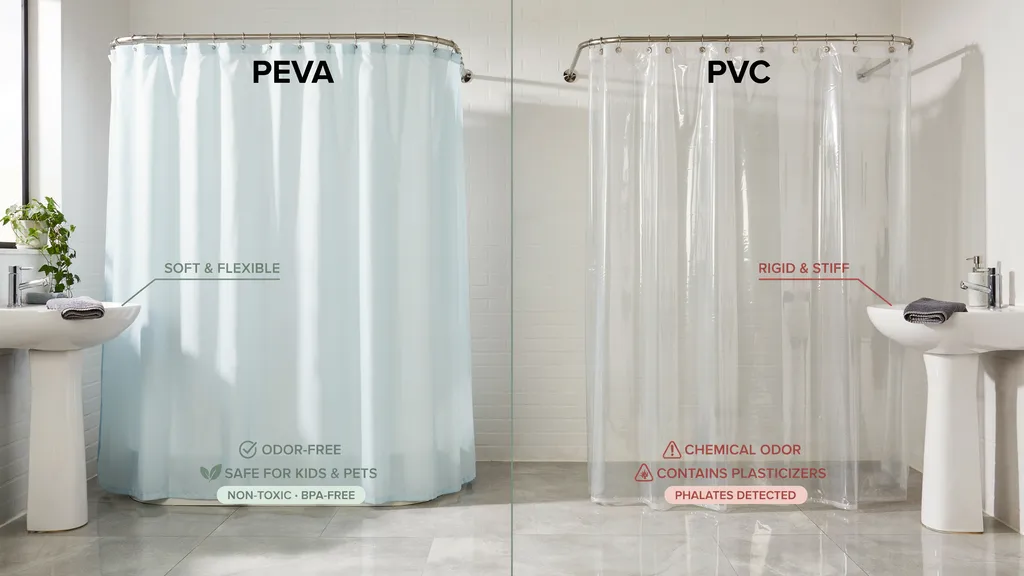
Knowing the difference between PEVA and PVC can help you make a smarter buying decision.
Material and Chemical Differences
PVC (Polyvinyl Chloride) contains chlorine and often includes additives like phthalates to make it flexible. These chemicals can off-gas over time.
PEVA contains no chlorine. It's softer by nature and doesn't need extra chemical additives to stay flexible.
Health and Environmental Safety Comparison
PVC has been linked to indoor air quality issues. PEVA is considered much safer. It's free from the toxic chemicals found in PVC.
From an environmental standpoint, PEVA is also better. It's easier to recycle and doesn't release harmful gases when produced or disposed of.
Durability and Usability Differences
PVC tends to be thicker and may last slightly longer under heavy use. But PEVA holds up well in standard home bathroom conditions.
It's durable enough for daily use without cracking or peeling quickly.
Which One is Better for Home Bathrooms?
For most homes, PEVA is the better choice. It's safer, lighter, easier to clean, and doesn't smell. Unless you need something extra heavy-duty, PEVA gets the job done well.
Benefits of Using PEVA Shower Curtains
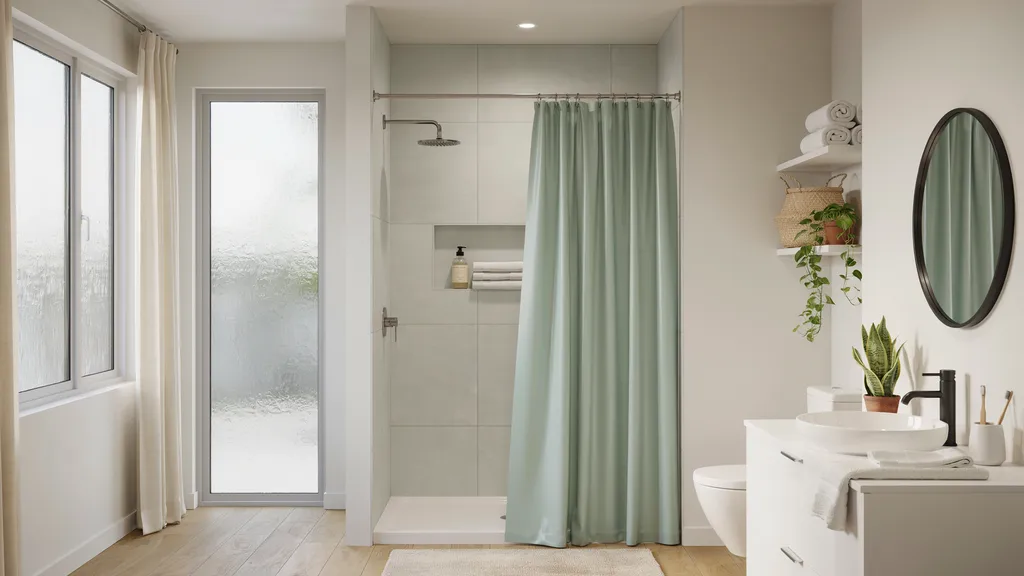
Here's why more households are switching to PEVA shower curtains today.
Safer Choice for Families and Kids
Families with young children need products that are low in toxins. PEVA fits that need. No harsh chemicals means no worries about kids touching the curtain or breathing in fumes during a bath.
Eco-Friendlier Alternative to PVC
PEVA production creates fewer harmful byproducts than PVC. If you're trying to reduce your home's chemical footprint, switching to PEVA is a simple step in the right direction.
Easy Maintenance and Cleaning
Cleaning a PEVA shower curtain is simple. Wipe it down with a damp cloth or toss it in the washing machine on a gentle cycle. It dries fast and doesn't wrinkle badly.
Long-Lasting Bathroom Performance
A good PEVA curtain holds up for a year or more with basic care. It resists tearing, stays waterproof, and keeps its shape over time.
How to Choose the Right PEVA Shower Curtain
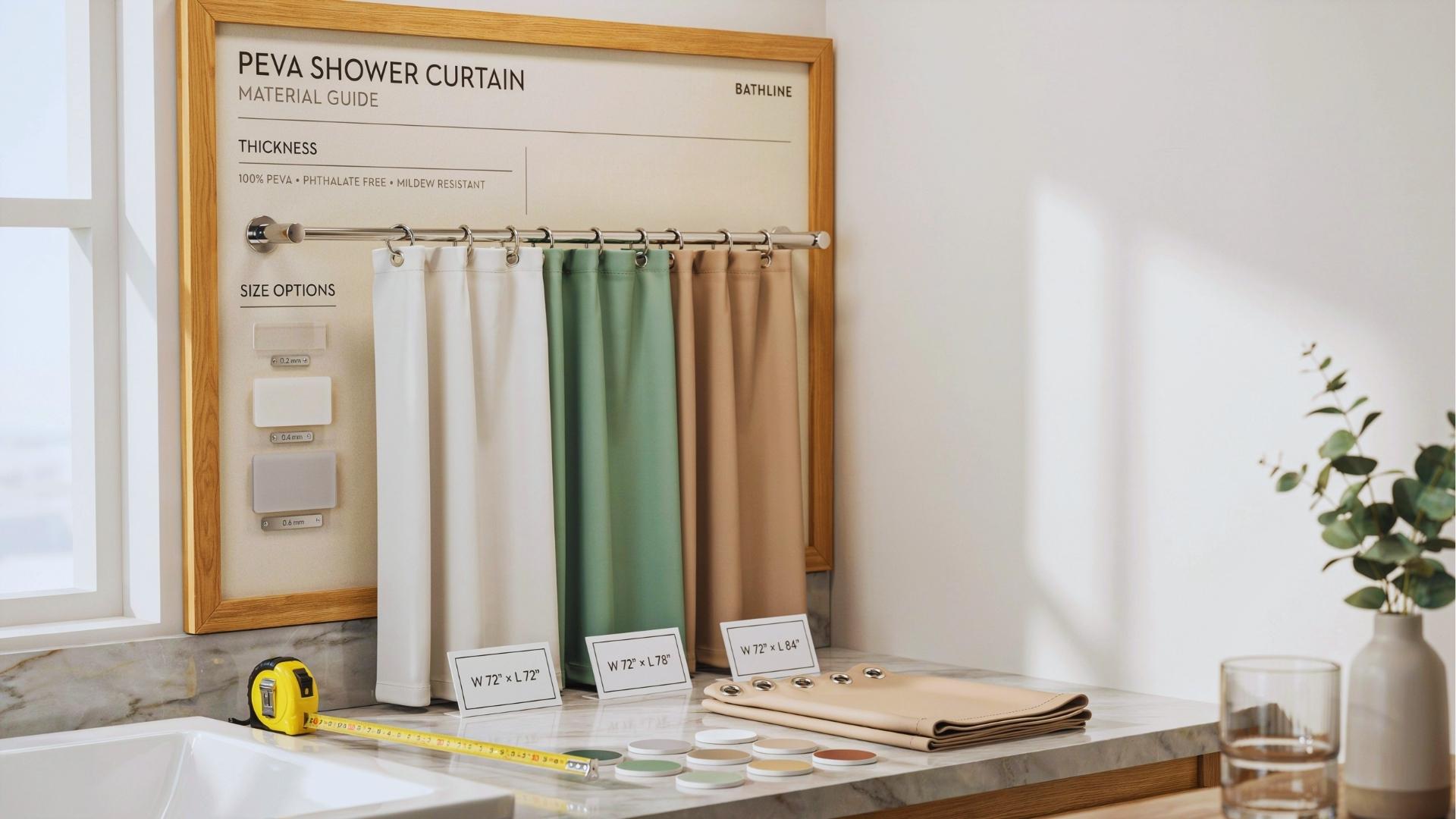
With so many options out there, here's how to pick one that actually works for your bathroom.
Thickness and Quality Checks
Thicker PEVA curtains last longer and do a better job of blocking water. Look for curtains that are at least 0.15mm thick. Anything thinner may tear or wear out quickly.
Size and Bathroom Fitting Considerations
Standard shower curtains are 72 x 72 inches. Measure your shower or tub before buying. If you have a walk-in shower or extra-tall ceilings, you may need a larger size.
Style, Transparency, and Design Options
PEVA curtains come in
- Clear or frosted styles
- Solid colors
- Printed patterns
Pick one that matches your bathroom's color and layout. Frosted options give privacy while still letting light through.
Safety Labels and Material Verification
Always check the label. Look for certifications like OEKO-TEX or labels that say "PVC-free" or "chlorine-free." These confirm the curtain meets basic safety standards.
General Tips for Using PEVA Shower Curtains
Small habits can make your PEVA shower curtain last much longer and work much better.
- Hang the curtain so it overlaps the tub edge by a few inches and space all hooks evenly to keep it straight and block water from reaching the floor.
- After every shower, spread the curtain out fully instead of leaving it bunched, since trapped moisture is the main reason mold starts to grow.
- Wipe it down weekly with a water and white vinegar mix, and give it a proper deep clean once a month to keep it fresh.
- Skip the bleach and rough scrubbing pads, and always let it air dry completely after washing to help it last much longer.
- Measure your space before buying, check for mold spots early before they spread, and always confirm the label says PEVA and not just "plastic”.
Conclusion
I hope this guide made the PEVA shower curtain topic simple and clear. From my own experience, switching to PEVA was one of those small changes that made mornings feel easier.
No chemical smell, no mold stress, just a clean and simple bathroom setup. If you're still using a PVC curtain, it's worth making the switch. PEVA is affordable, safe, and low maintenance.
Found this helpful? Drop a comment below and share your thoughts. Pass this along to someone who's updating their bathroom!
Frequently Asked Questions
Is a PEVA shower curtain safe to use?
Yes, PEVA is considered safe for home use. It contains no chlorine or harmful chemicals like phthalates, making it a better option than PVC.
How long does a PEVA shower curtain last?
With regular care, a good-quality PEVA curtain can last one to two years. Thickness and cleaning habits play a big role in how long it holds up.
Can I wash a PEVA shower curtain in a washing machine?
Yes, most PEVA curtains can be washed on a gentle, cold-water cycle. Always check the product label first and let it air dry afterward.
Does a PEVA shower curtain smell bad when new?
PEVA curtains have little to no odor, even when brand new. This is one key reason people prefer them over PVC, which can have a strong chemical smell.
What thickness of PEVA shower curtain should I buy?
Look for at least 0.15mm thickness for daily use. Thicker options around 0.20mm offer better durability and water resistance for busy bathrooms.