
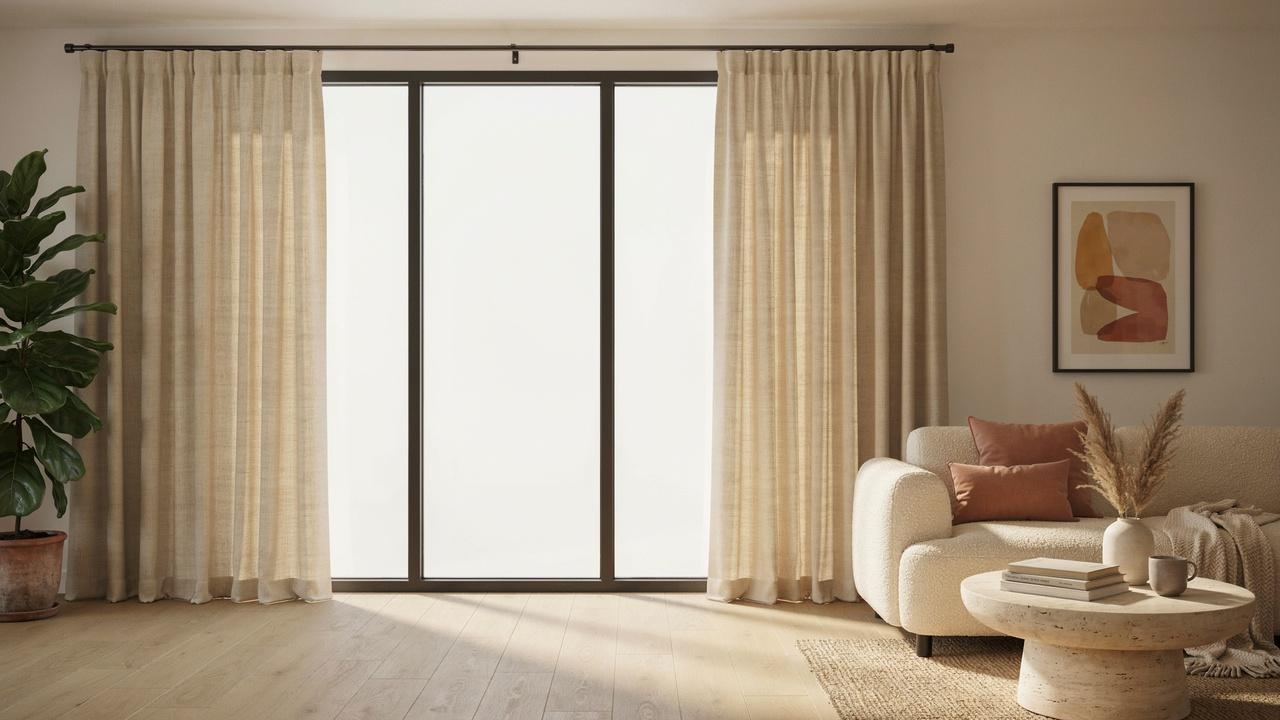
Picking the right curtain length sounds simple until you are standing in the store holding a tape measure and second-guessing every number.
Too short and the curtains look awkward. Too long and they drag across the floor collecting dust and looking sloppy.
I have helped style dozens of rooms over the years, and curtain length is one of the most common things people get wrong on the first try.
The good news is that once you know the rules, it gets a lot easier.
This curtain length guide covers every room, window type, and decorating style so you can measure once, buy right, and get the look you actually want.
How Do You Choose the Right Curtain Length?
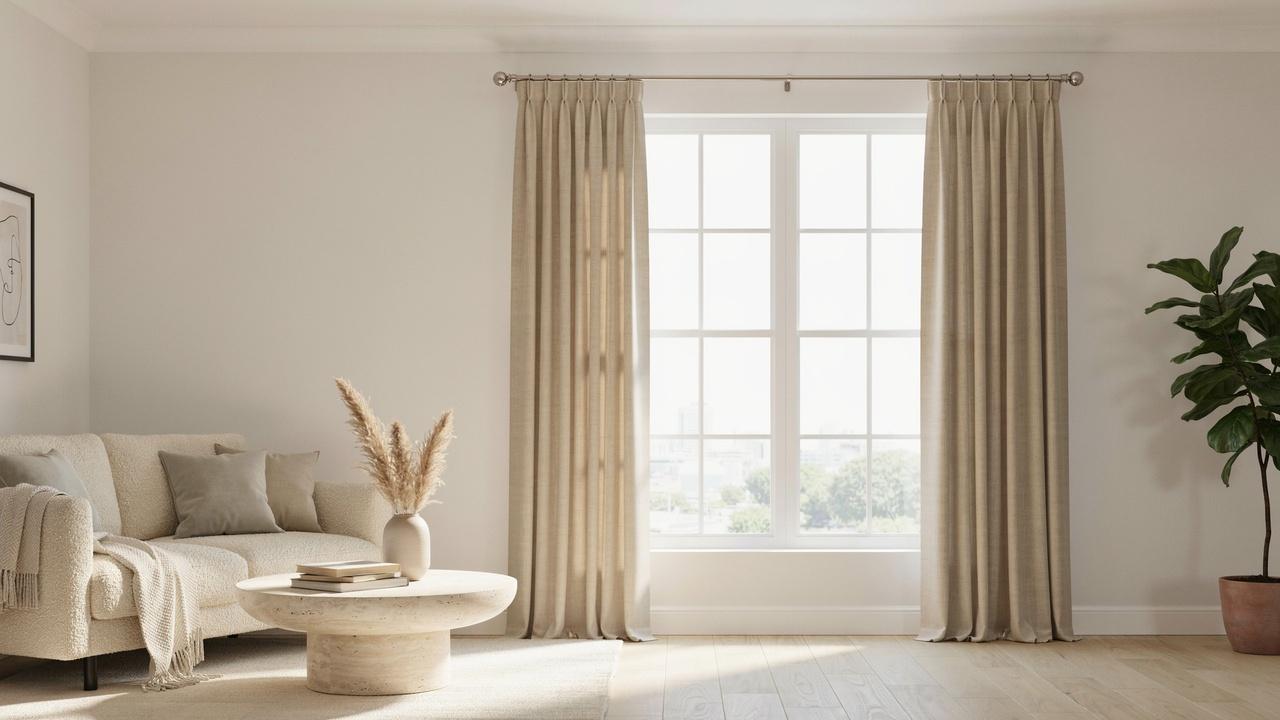
Choosing the right curtain length involves more than just measuring the window. Rod height, ceiling height, room use, furniture, and the way the fabric falls all play a role.
Start by thinking about your window size and what you want the curtains to do, since a small bathroom window calls for a shorter panel while a large living room window suits floor-length panels.
Ceiling height matters too, with 84-inch panels working for standard eight-foot ceilings and 96 or 108-inch panels fitting taller rooms better.
If a sofa, radiator, desk, or countertop sits below the window, apron-length or sill-length curtains are the smarter pick.
Also consider how often the room is used and what fabric you are working with, since heavier fabrics like velvet pool more at the bottom while sheer curtains hang lighter and can carry a little extra length without looking overdone.
What Is the Best Curtain Length for Each Room?
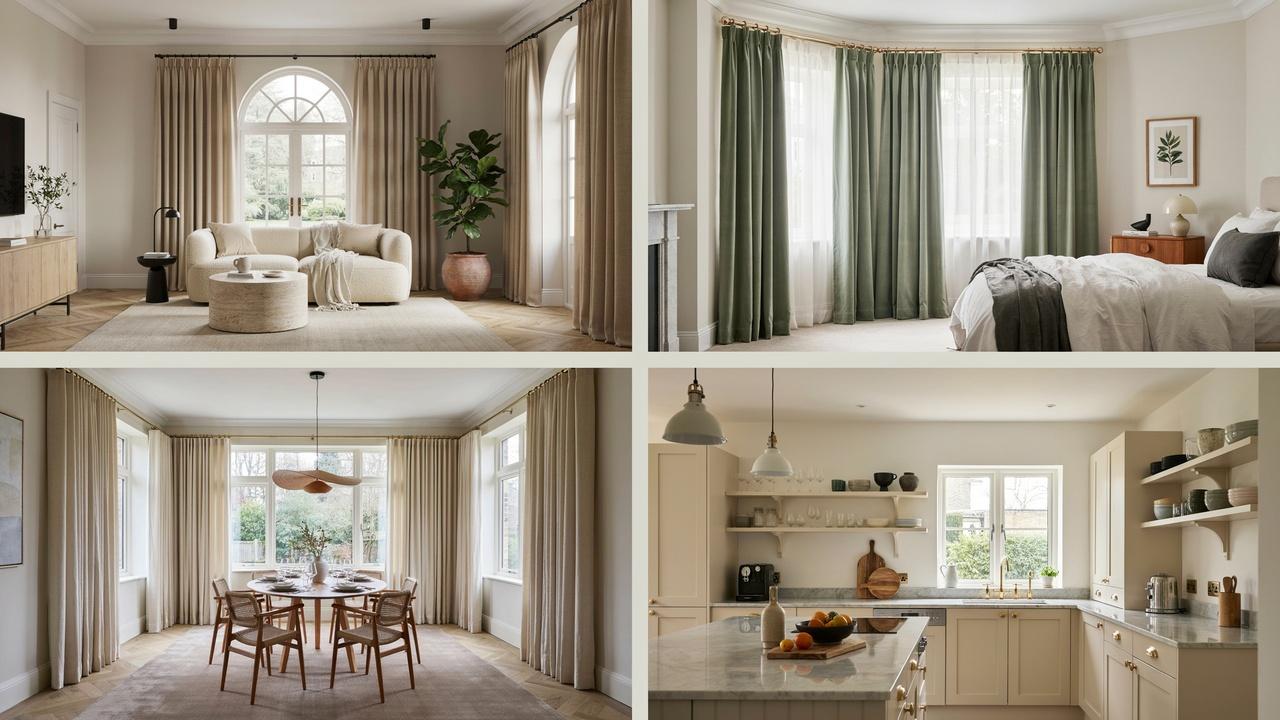
The right curtain length depends on the room, the window, and how you want the space to feel.
Living Room Curtain Length
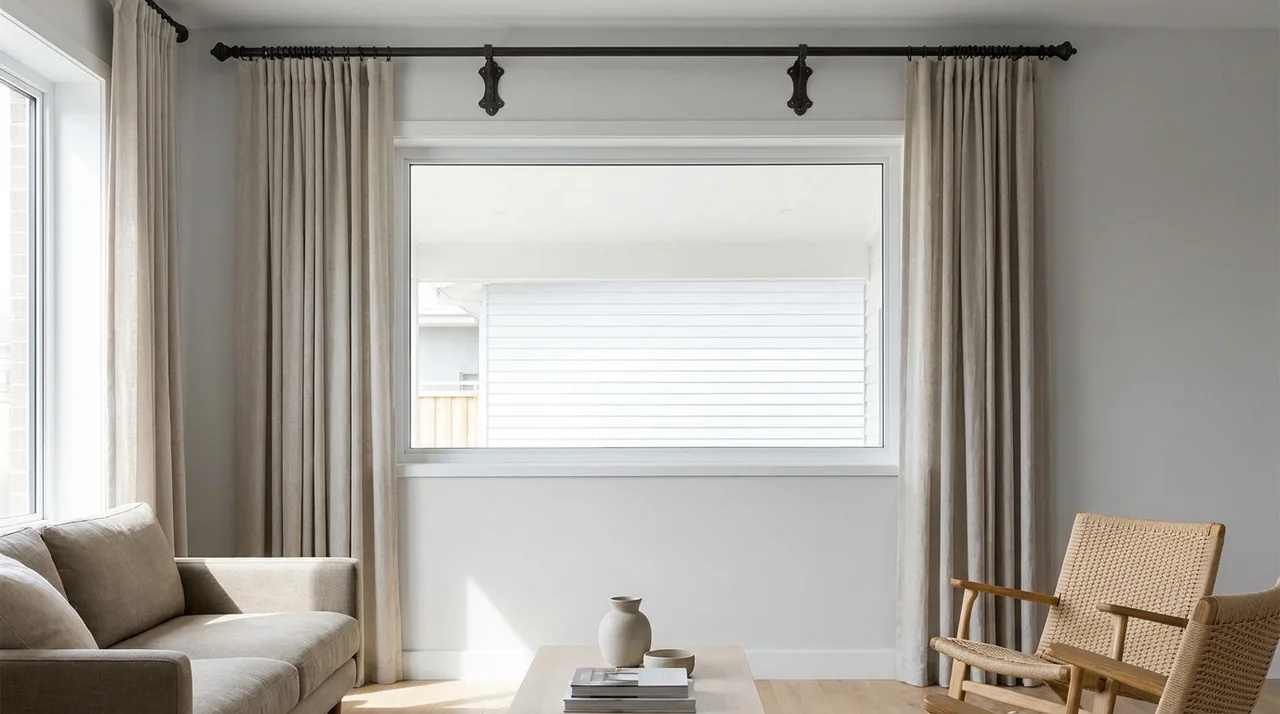
Floor-length curtains work best in living rooms. They make the space feel finished and pulled together.
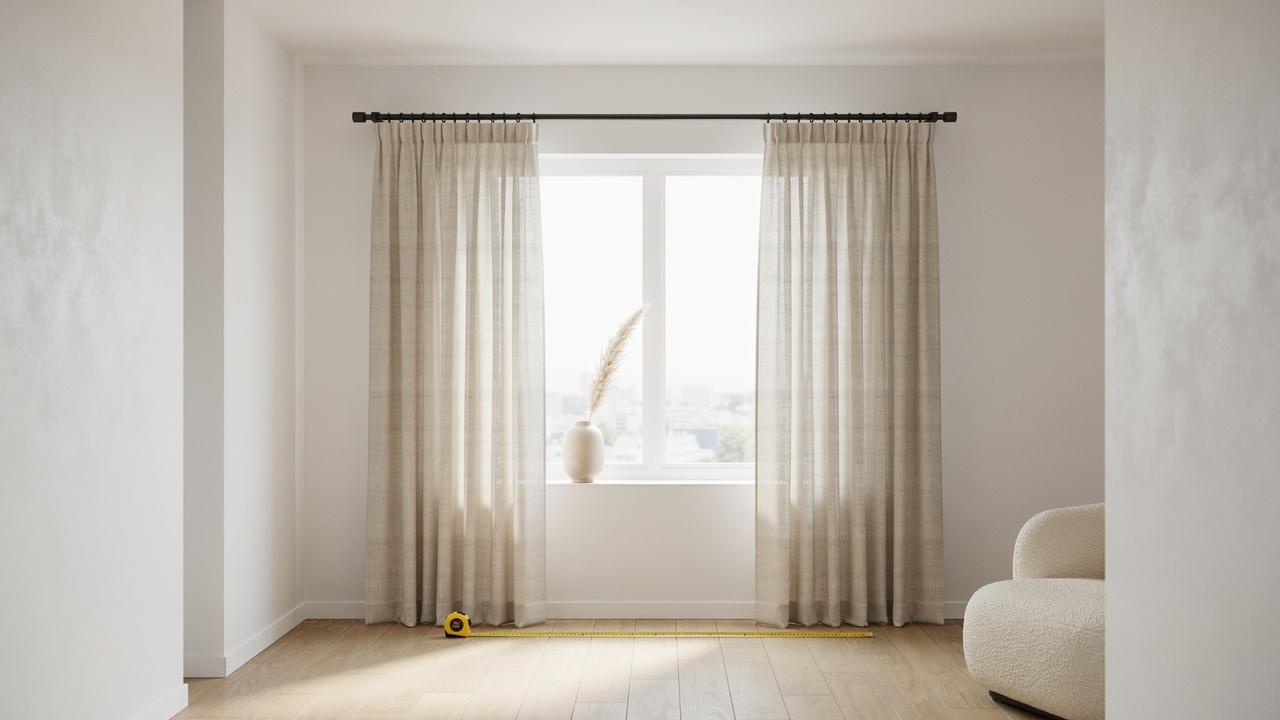
Most designers recommend panels that either just touch the floor or hang about half an inch above it. This length works well whether you have a single window or a large window wall.
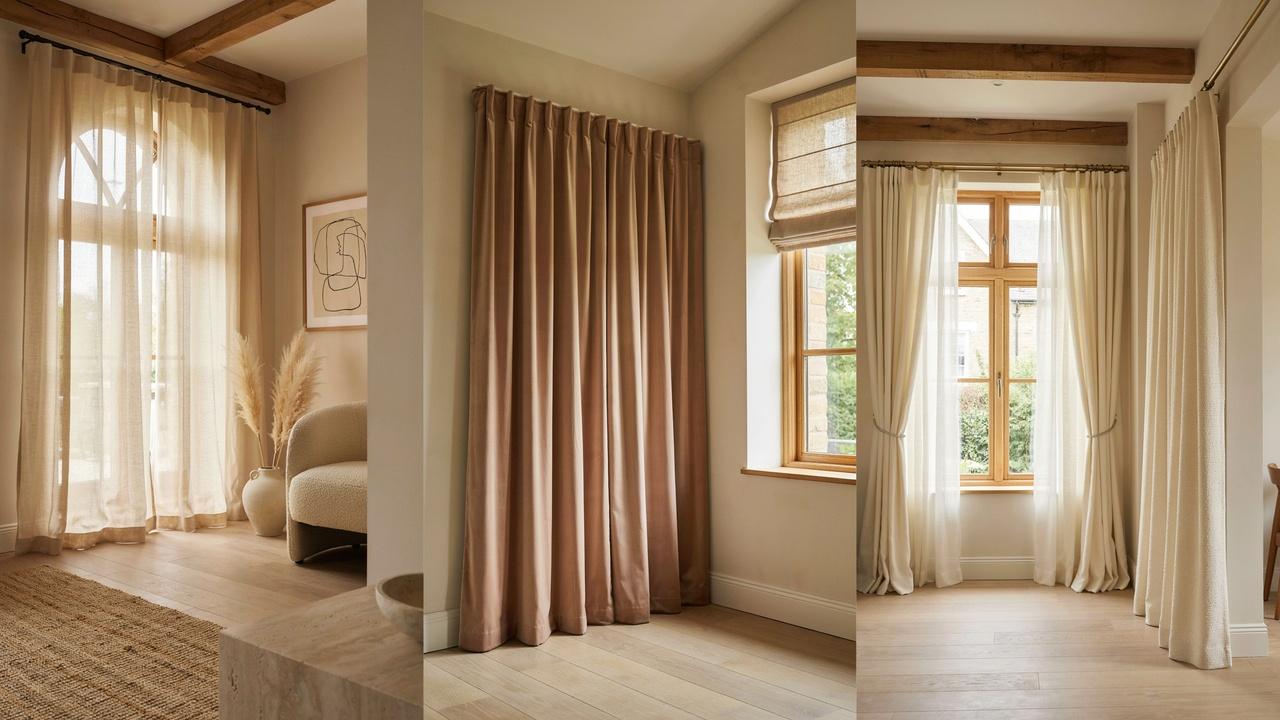
If you want a more dramatic look, puddle-length curtains that pool slightly on the floor are also a popular choice for living rooms with high ceilings.
Bedroom Curtain Length
Bedrooms work well with floor-length panels. They block more light, add warmth, and give the room a calm, restful feel. For a cozy look, let the curtains sit right at the floor or hover just above it.
If your bedroom has a low windowsill or furniture sitting directly under the window, sill-length or apron-length curtains can work too, especially in a smaller room.
Dining Room Curtain Length
Floor-length curtains are the standard choice for dining rooms. They create a formal, put-together look that fits well around a dining table and chairs.
Panels that graze the floor or hang half an inch above it are easiest to manage.
Avoid puddle-length curtains in the dining room. Extra fabric on the floor is hard to keep clean in a space where food is involved.
Kitchen Curtain Length
Kitchens need shorter curtains. Sill-length or apron-length panels are practical here because they stay clear of the countertop and sink. They also let in more light, which most kitchens need.
Cafe curtains that cover only the lower half of the window are another popular kitchen option. They offer privacy without blocking natural light from the top of the window.
Bathroom Curtain Length
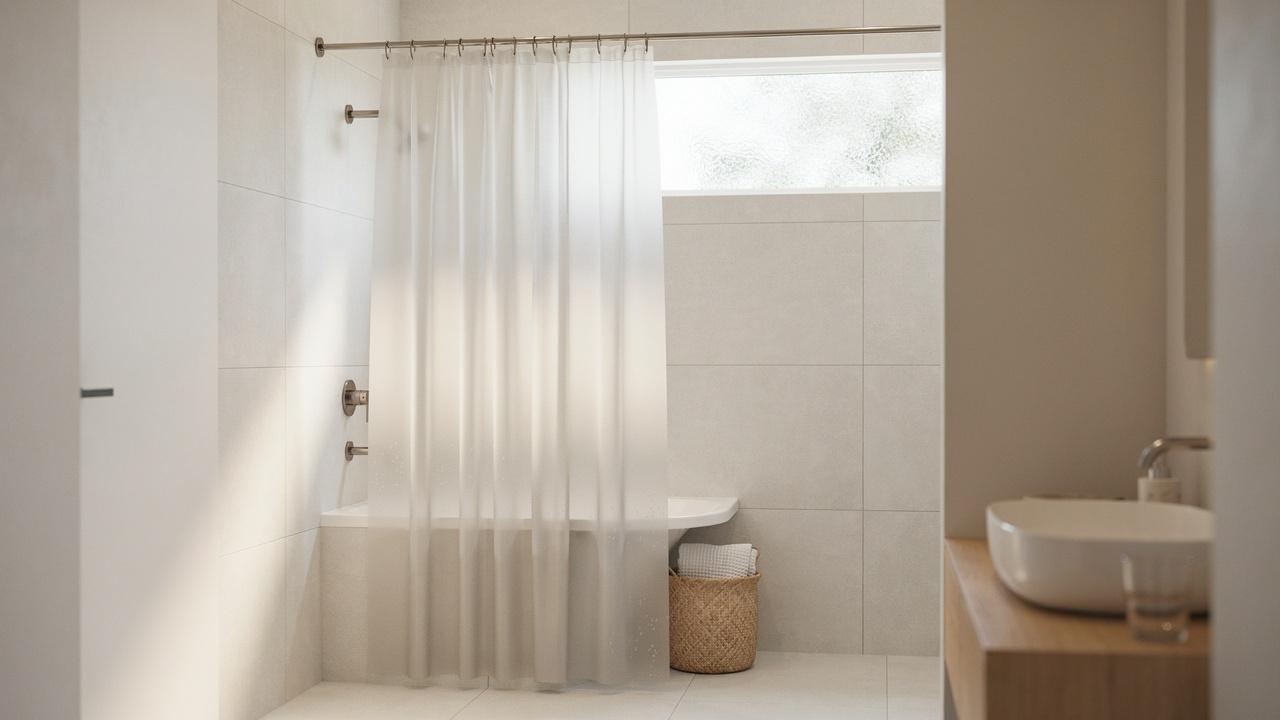
Sill-length curtains are the most practical choice for bathrooms. They stay away from wet floors and humid air.
Apron-length panels that fall a few inches below the sill also work if you want a bit more coverage.
Avoid floor-length curtains in the bathroom. The moisture and splashing that happen in that space will wear down fabric quickly and create hygiene problems.
Home Office Curtain Length
For a home office, sill-length or floor-length curtains both work depending on your layout. If you have furniture or shelves sitting below the window, sill-length is the cleaner option.
If you have open wall space and want to make the room feel larger and more professional, floor-length panels are a good choice.
What Are the Standard Curtain Lengths?
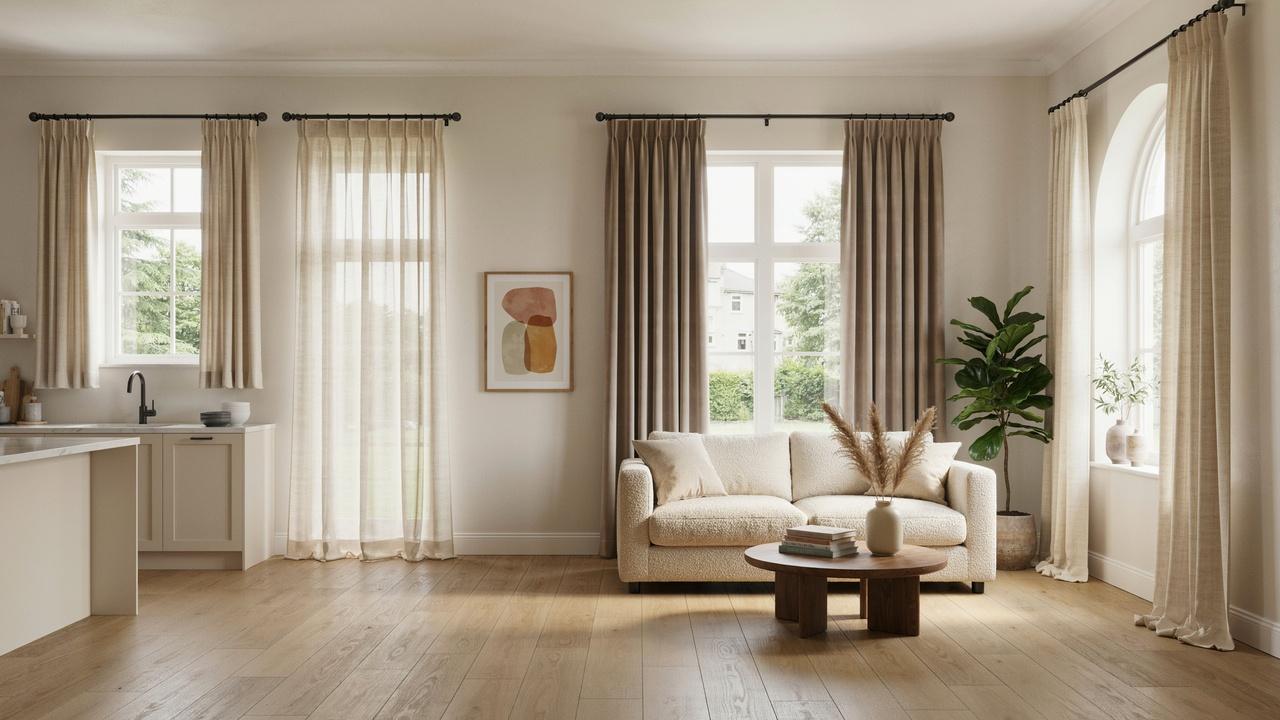
Knowing the standard curtain lengths helps you shop smarter and avoid buying panels that are too short or too long.
Sill-Length Curtains
Sill-length curtains end right at the bottom of the window frame. They are a practical choice for kitchens, bathrooms, and small rooms where you want to keep things simple and functional.
Apron-Length Curtains
Apron-length curtains fall about four to six inches below the window sill.
They give a slightly more finished look than sill-length without reaching all the way to the floor. These work well in rooms where furniture sits just below the window.
Floor-Length Curtains
Floor-length curtains either graze the floor or hang about half an inch above it.
This is the most widely used length for living rooms, bedrooms, and dining rooms. They create a clean, finished line at the bottom.
Puddle-Length Curtains
Puddle-length curtains extend several inches beyond the floor, creating a soft pool of fabric at the bottom.
This look works in formal rooms and spaces with high ceilings where you want drama and visual impact. It is not the most practical option for everyday rooms.
Common Ready-Made Curtain Lengths: 63, 84, 96, and 108 Inches
Most store-bought curtain panels come in four standard lengths.
Current guides commonly discuss sill, apron, floor, and puddle styles, while ready-made panels are often sold in sizes such as 63, 84, 96, and 108 inches.
63 inches is often used for sill or apron-length looks. 84 inches is the most common floor-length option for standard ceilings.
96 inches works well for rooms with higher ceilings, and 108 inches suits tall ceilings or rooms where you want the rod mounted very high.
How Long Should Curtains Be From the Floor?
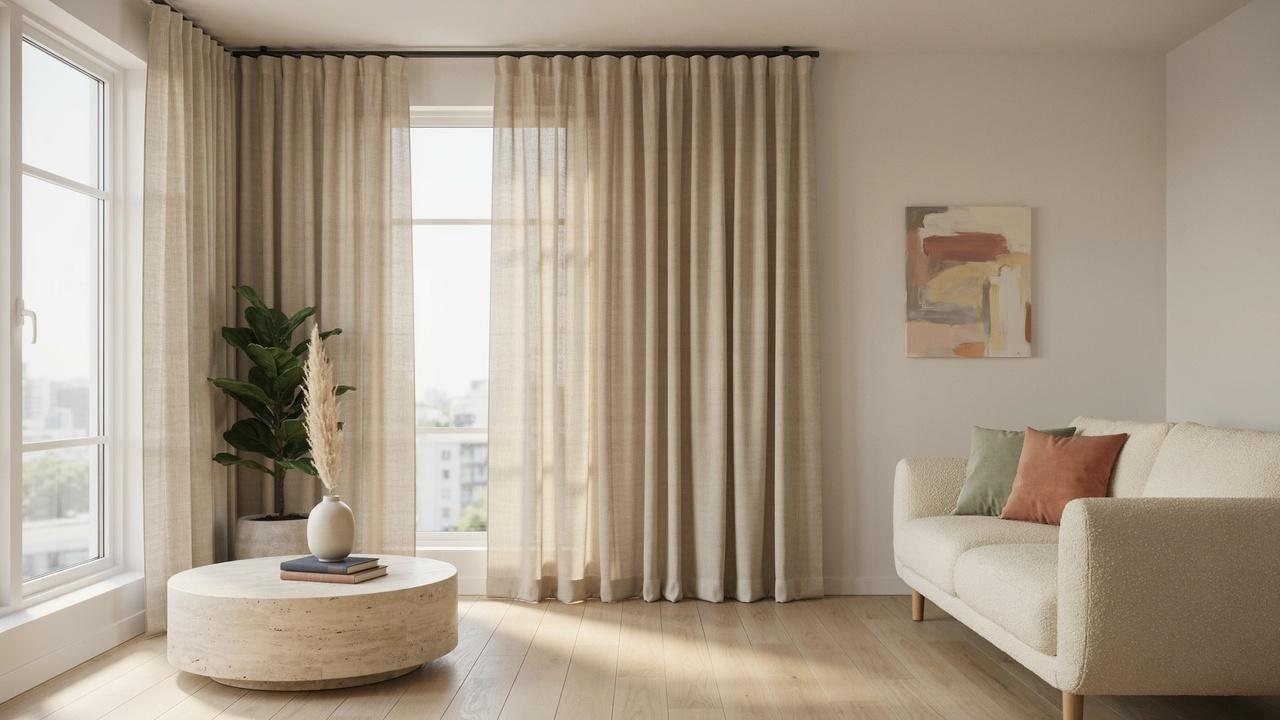
The answer depends on the style you are going for, but here are the most common guidelines.
For a clean and modern look, curtains should hover about a quarter to half an inch above the floor. This keeps them off the ground while still looking intentional.
For a relaxed, casual look, curtains can just graze the floor, sitting no more than one inch below the rod-to-floor measurement.
For a formal or dramatic look, puddle curtains trail two to four inches on the floor. This style requires more fabric and regular straightening to look its best.
Curtains that hang more than an inch above the floor without a deliberate sill-length intention tend to look too short, which is one of the most common curtain mistakes homeowners make.
What Curtain Length Is Best for Different Window Types?
Different window shapes and placements need different curtain lengths to look right.
Standard Windows
Standard windows with empty wall space below them work well with floor-length curtains in most rooms.
This length creates a clean, balanced look and makes the window feel larger than it actually is.
Short Windows
Short windows can look out of proportion with very long curtains, but that is actually a useful trick.
Hanging floor-length panels on a short window and mounting the rod higher than the window frame makes the window appear taller.
This is one of the most effective ways to make a small window feel bigger.
Tall Windows
Tall windows are made for floor-length or puddle-length curtains.
These windows already have a presence, so the curtains need to match that scale. Short curtains on a tall window will look mismatched.
Bay Windows
Bay windows need curtains that follow the shape of the window alcove. Floor-length panels along each section of the bay work well.
You can use a track that follows the curve or angle, or hang individual rods on each section of the bay.
Windows Above Furniture
When a window sits directly above a sofa, headboard, or desk, floor-length curtains are not an option unless the furniture is narrow enough to clear the fabric.
The better choice here is sill-length or apron-length curtains that end before the furniture starts.
Sliding Glass Doors and French Doors
Sliding glass doors and French doors need curtains that clear the opening fully when drawn back.
Floor-length panels that just graze the floor are the standard choice here. Avoid puddle-length styles because the extra fabric can get caught in the door and be difficult to manage.
How Do You Measure for Curtain Length?
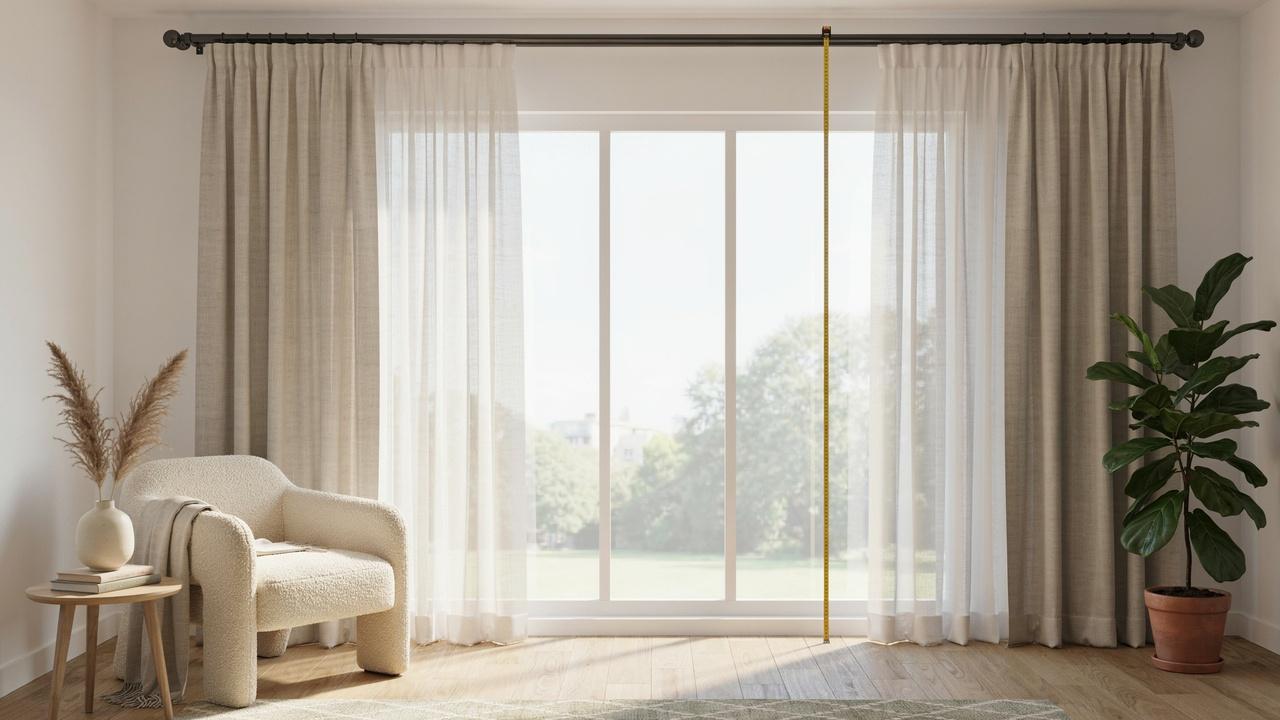
Measuring from the rod or track to the intended endpoint, rather than simply measuring the window itself, is a key point covered by most curtain guides.
Where to Start Measuring
Always measure from the curtain rod, not from the top of the window frame.
If you have not hung the rod yet, decide where it will sit first and measure from that point. The rod position changes everything about what length you need.
How to Measure From the Curtain Rod to the Floor
Use a metal tape measure for accuracy. Hold one end at the bottom of the rod and extend it straight down to the floor.
Write that number down. Then decide how much clearance you want from the floor and subtract that amount.
For a floor-grazing look, subtract half an inch. For curtains that just touch the floor, subtract nothing.
How to Measure Sill-Length and Apron-Length Curtains
For sill-length curtains, measure from the rod to the bottom of the window sill.
For apron-length curtains, measure from the rod to a point four to six inches below the sill. These measurements give you the finished length you need to shop for.
How to Measure for Puddle-Length Curtains
For puddle curtains, measure from the rod to the floor, then add the amount you want to puddle. A two-inch puddle adds a soft, subtle trail.
A four-inch puddle creates a more dramatic effect. Most puddle styles fall somewhere in that range.
How to Account for Curtain Rings, Hooks, or Grommets
The way a curtain attaches to the rod affects the drop. Curtain rings add extra length between the rod and the top of the panel.
Grommets sit higher on the rod and reduce the drop slightly. Before buying, check how the curtain hangs from the header and factor that into your measurement.
Most ring sets add about one to two inches to the total drop.
Should Curtains Touch the Floor?
This is one of the most searched curtain questions, and the answer depends on the room and the look you want.
In living rooms and bedrooms, most designers say yes. Curtains that touch or nearly touch the floor look intentional and finished.
Panels that stop several inches above the floor in these rooms tend to look like a mistake.
In kitchens and bathrooms, no. Curtains in those spaces should stay well above the floor for cleanliness and practicality.
In rooms where furniture sits below the window, the question is moot because floor-length panels are not an option anyway.
The key is to be intentional. Either let the curtains clearly graze or touch the floor, or choose a length that clearly stops at the sill or apron. Lengths that fall somewhere in between tend to look unplanned.
Short Curtains vs. Floor-Length Curtains: Which Is Better?
Neither is better across the board. Each has situations where it works and situations where it does not.
When Short Curtains Make More Sense
Short curtains can be more practical around counters, furniture, radiators, and other obstructions, while floor-length panels are widely recommended for living rooms and bedrooms.
Use short curtains when furniture or fixtures sit below the window, when the room needs more light and airflow, in bathrooms and kitchens where floor contact is a hygiene concern, and in rooms where children or pets might tug on longer panels.
When Floor-Length Curtains Are the Better Choice
Floor-length curtains work best in rooms where you want a formal, finished look and there is nothing in the way. Living rooms, bedrooms, and dining rooms are the natural fits.
They also work well when you want to make a room feel taller and more spacious. Hanging long panels close to the ceiling draws the eye upward and creates the impression of height.
Best Length for Windows Above Radiators
Radiators sit directly below windows in many older homes. Long curtains that hang over a radiator are a fire risk and also trap heat.
The best option is apron-length curtains that end just above the radiator, allowing heat to flow freely while still covering the window.
Best Length for Windows Above Desks, Sofas, or Counters
When furniture sits directly below a window, apron-length or sill-length curtains are the right choice.
They end before they reach the furniture, which keeps the layout functional and avoids the curtain getting caught behind or under something.
How High Should You Hang the Curtain Rod?
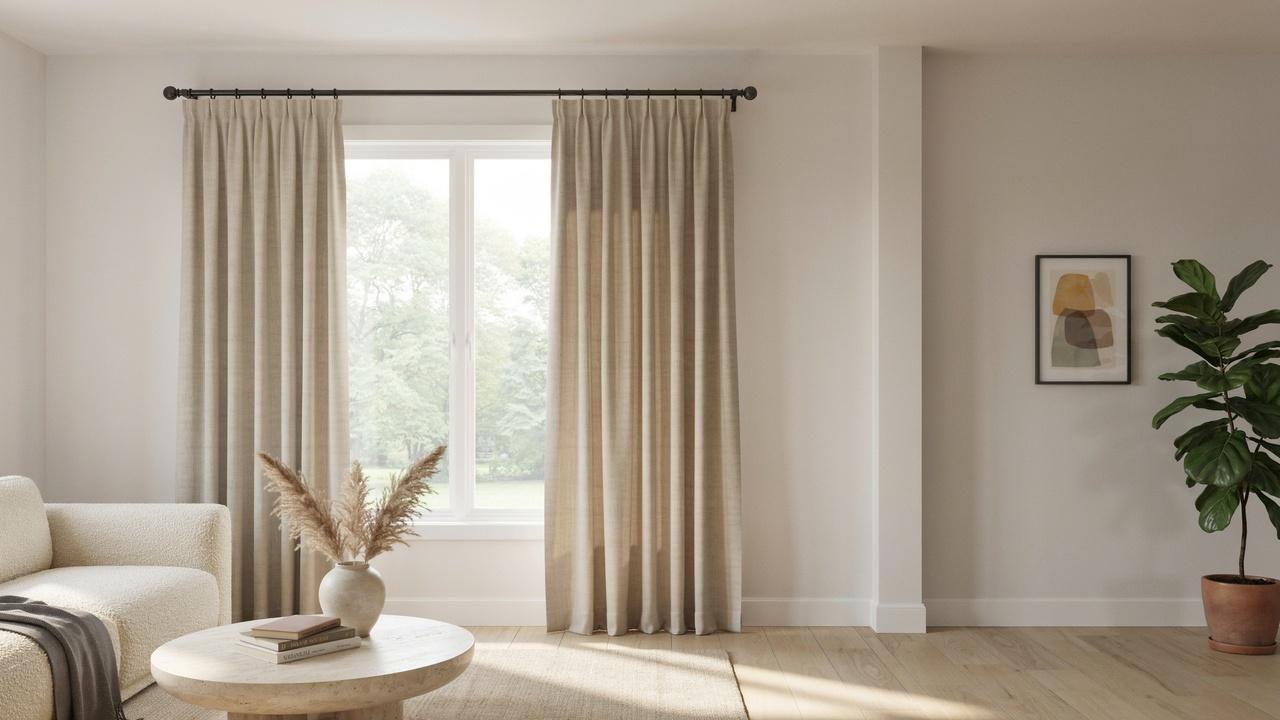
Rod placement deserves its own section because changing the rod height changes the curtain drop you need.
How Far Above the Window Should the Rod Go?
A rod mounted four to six inches above the window frame is a practical standard for most rooms.
In rooms where you want to create the illusion of height, move the rod even higher, anywhere from eight inches above the frame to just a few inches below the ceiling.
The higher the rod, the longer the curtain panel you will need.
How Far Should the Rod Extend Past the Window?
The rod should extend three to six inches past the window frame on each side.
This allows the curtain to stack fully off the glass when open, which keeps the window clear and lets in maximum light.
A rod that barely extends past the frame means the curtains will partially cover the window even when open.
How Rod Height Changes the Required Curtain Length
If you mount your rod eight inches above the window instead of four inches above it, you add four inches to the curtain drop.
That means you may need a longer panel than you first thought. Always measure from the final rod position to the floor before buying, not from the window frame.
What Are the Most Common Curtain Length Mistakes?
Getting curtain length wrong is easier than it sounds. Here are the mistakes that come up most often.
- Curtains that stop several inches above the floor in a living room or bedroom look like they shrank in the wash, so always measure from the rod, not the window, before buying.
- Panels that drag heavily across the floor collect dust fast, so keep any puddle length to two to four inches at most.
- Measuring the window frame gives you the wrong number every time, always measuring from the rod to the floor and accounting for ring or grommet drop.
- Long curtains hanging over a radiator block heat and create a fire risk, and curtains bunching against furniture below a window never look right.
- Always check the actual finished drop of a panel before buying because the label size does not always account for the header or rod pocket.
Conclusion
Getting curtain length right makes a bigger difference than most people expect. The right length frames a window, makes a room feel more complete, and pulls the whole space together.
This curtain length guide gives you everything you need to measure correctly, choose the right style for each room, and avoid the most common mistakes.
Take your measurements before you shop, think about the room and what sits below the window, and do not be afraid to go longer than feels obvious.
If this guide helped you, share it with someone who is decorating or drop a comment below with your curtain question.
Frequently Asked Questions
Can I use the same curtain length in a room with mixed window sizes?
Use the same rod height and panel length throughout for a consistent look, even if individual windows vary slightly in size.
Do curtain length rules change for rental apartments?
Yes. In rentals, avoid puddle lengths that drag on floors you cannot clean freely. Sill or floor-grazing lengths are easier to manage.
What curtain length works best with blackout lining?
Floor-length panels with blackout lining block the most light. Make sure the panel is wide enough to overlap the window frame on both sides too.
How do curtain length choices affect energy efficiency?
Longer, heavier curtains that reach the floor create a better thermal seal and help reduce heat loss near windows during colder months.
Should café curtains in a kitchen match the length of curtains in adjacent rooms?
No. Café curtains serve a different purpose and have their own standard length. They do not need to match panels in other rooms.