
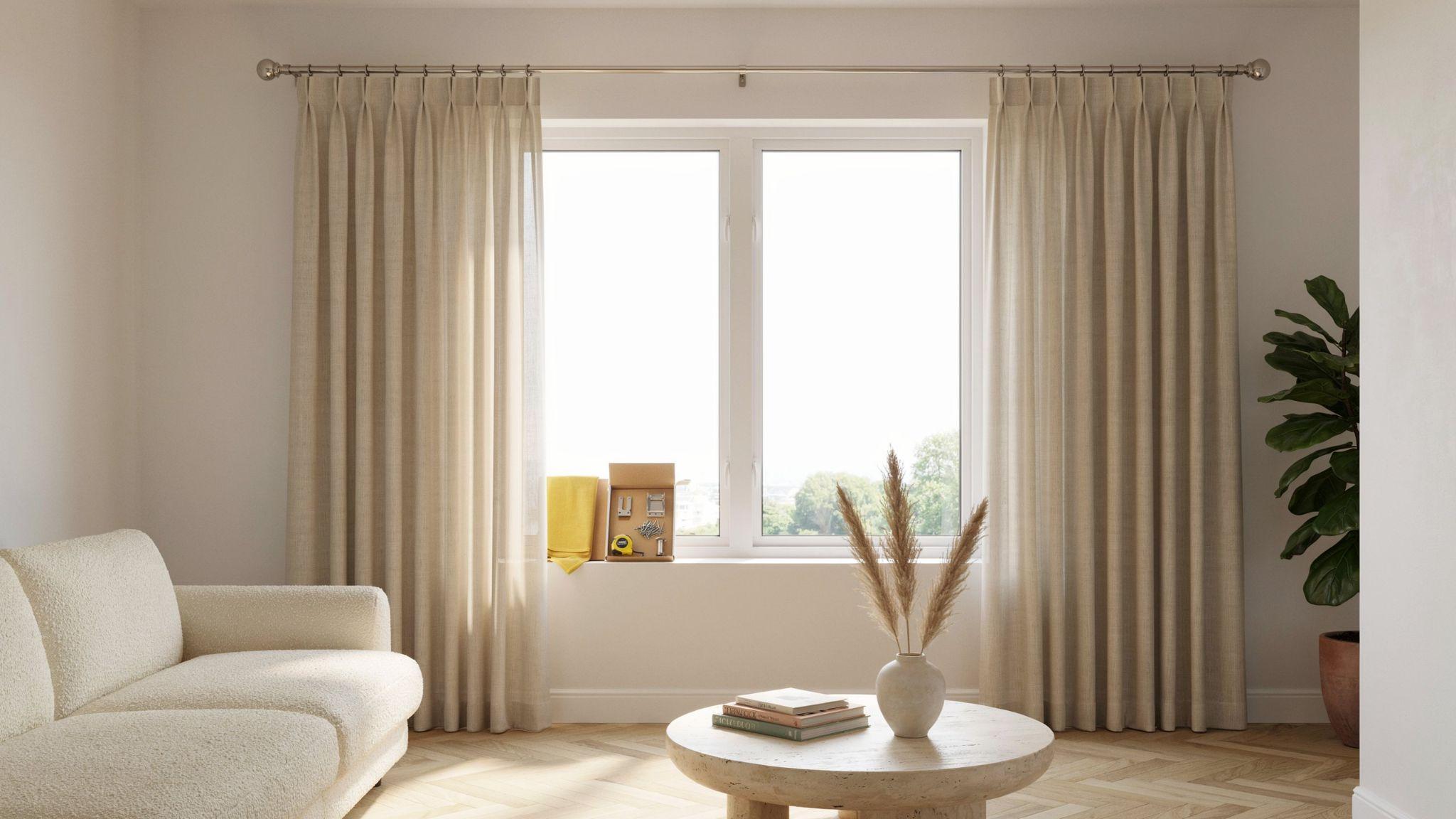
Have you ever hung new curtains, stepped back, and felt like something was off? I have been there more times than I can count. The fabric was right. The color matched the room. But the window still looked wrong.
Turns out, the problem usually has nothing to do with the curtains themselves. It comes down to rod width. Too narrow, and your panels block the light or bunch up oddly. Too wide, and the whole setup feels unbalanced.
I learned this the hard way, through trial and error in my own home. So let's fix this for you right now.
By the end of this guide, you will know exactly how wide your curtain rod should be, no guesswork needed.
How Wide Should Curtain Rods Be? (Quick Answer)
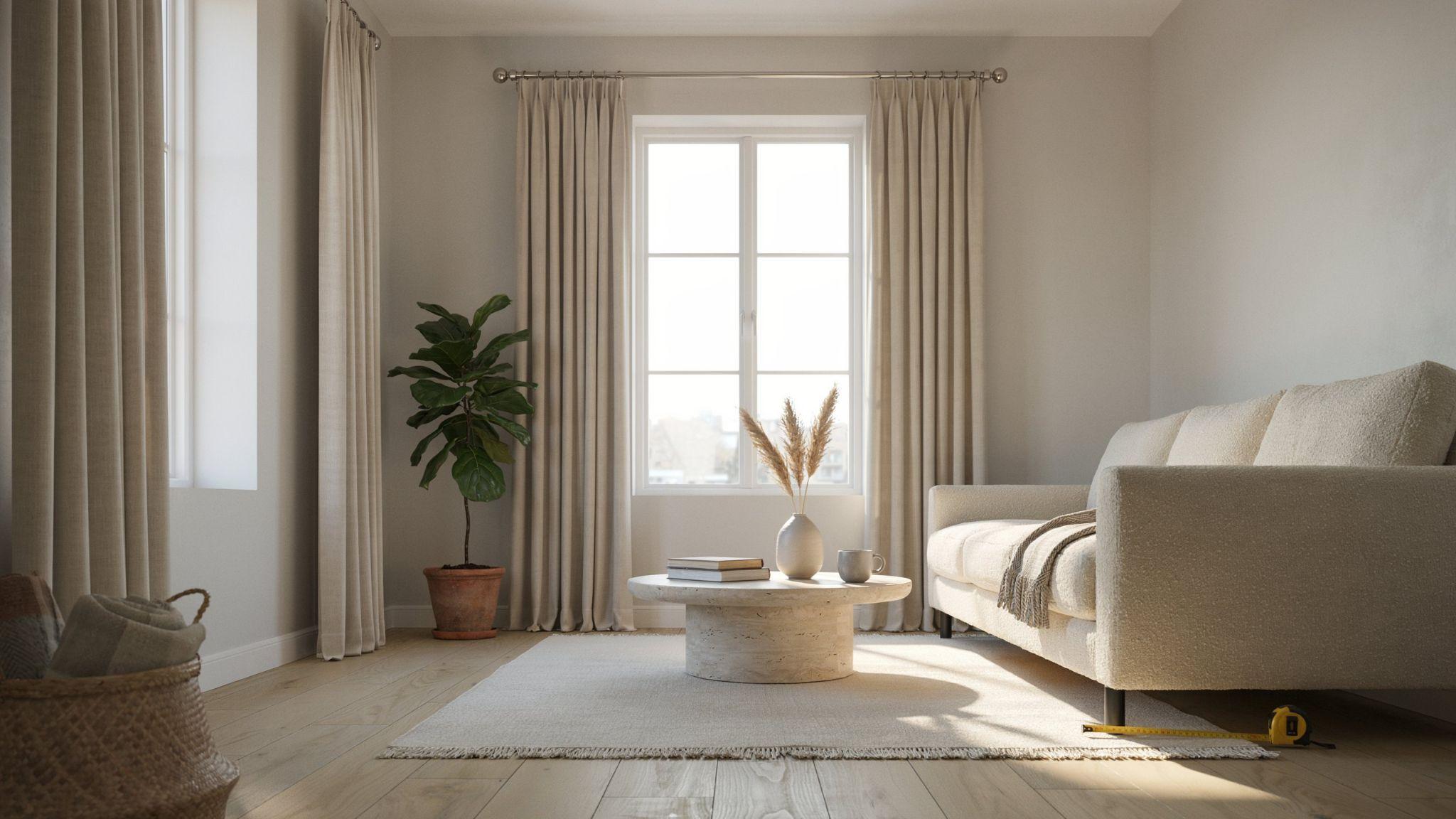
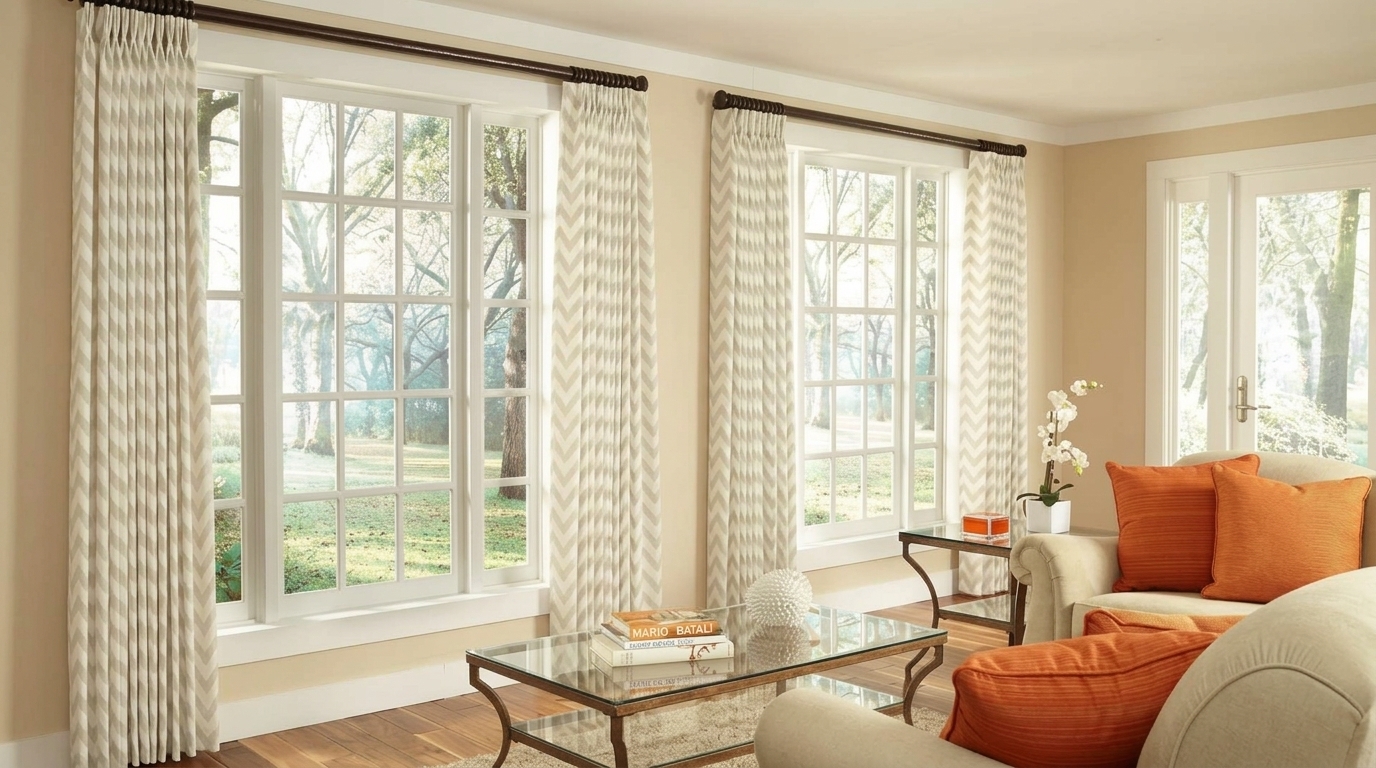
Most curtain rods should extend 4 to 6 inches past each side of the window frame. This means adding 8 to 12 inches to the total window width.
For a standard window that's 36 inches wide, your rod should measure about 44 to 48 inches.
This extra width lets curtains stack neatly to the sides when open. It also lets in more light. Wider windows may need 6 to 10 inches of extension on each side for the best look.
Why Curtain Rod Width Matters

The right curtain rod width changes how your whole room feels.
A wider rod lets you push curtains fully to the sides. This clears the glass and lets in more light. Your room feels brighter right away.
It also makes your windows look bigger than they are. When curtains hang past the frame, your eyes read the window as wider.
Wider rods help curtains work better too. Panels stack on the sides instead of blocking the window. You get smooth opening and closing without bunching.
Good width ties the whole room together and makes it feel balanced.
How to Measure Curtain Rod Width Correctly
Measuring your curtain rod width is simple once you know the steps. Follow this order to get it right the first time.
Step 1: Measure the Window Width
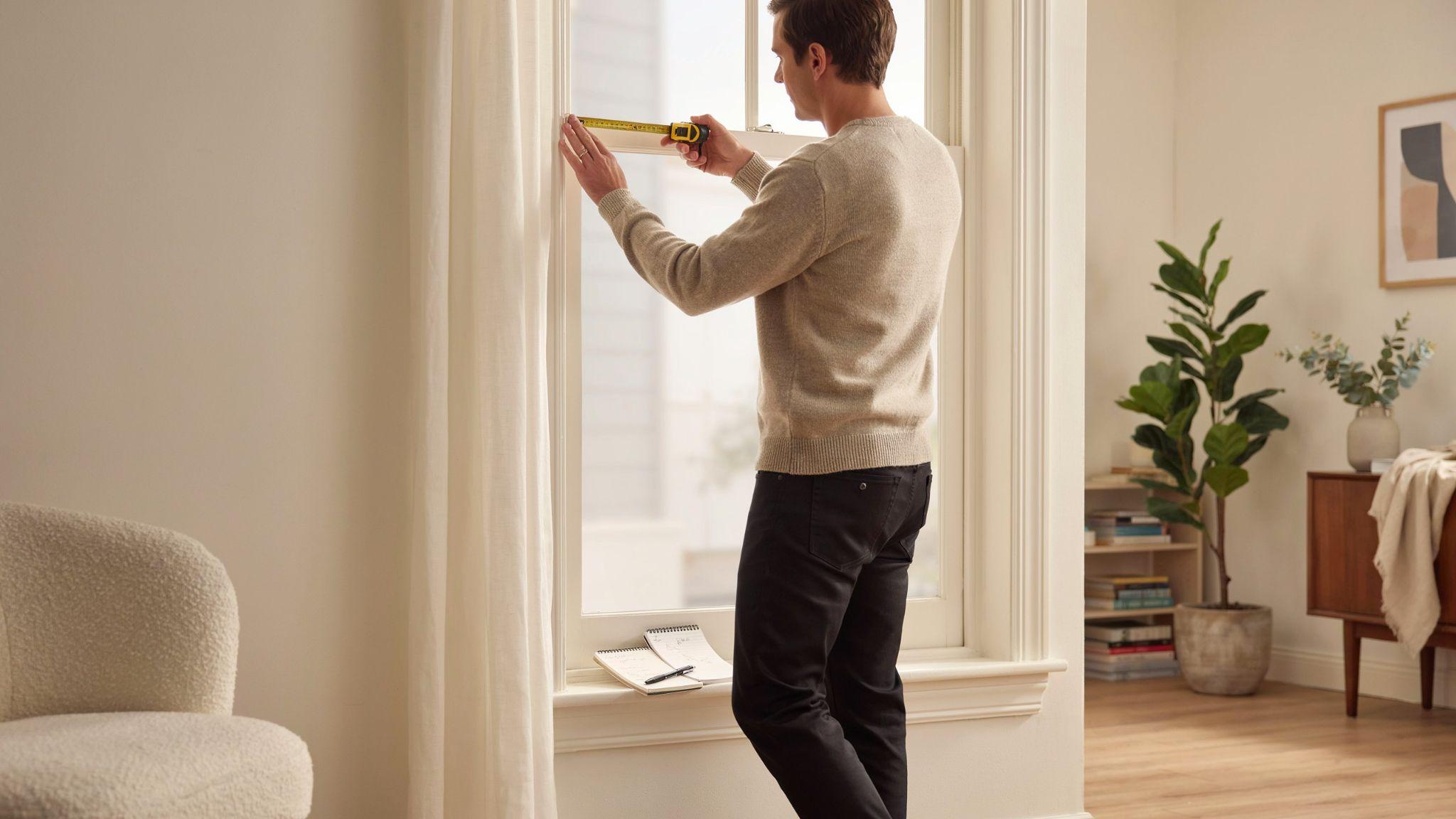
Use a tape measure to get the exact width of your window frame, from outer edge to outer edge.
Measure at the top, middle, and bottom since walls aren't always perfectly straight. Write down the largest number before moving to the next step.
Step 2: Add Extra Width on Both Sides
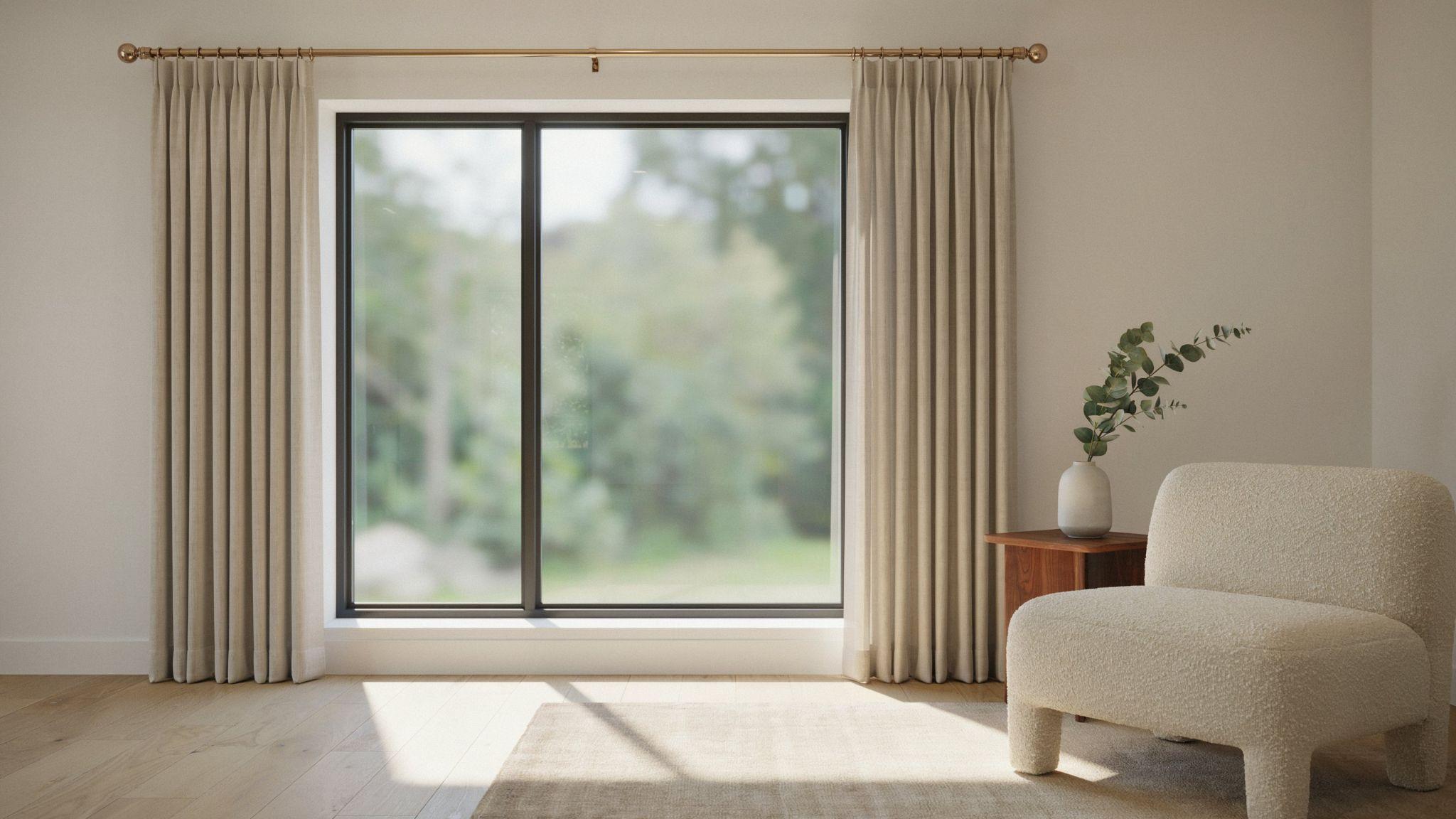
Add 4 to 6 inches to each side of your window measurement. This gives curtains room to stack neatly when fully open, without blocking any part of the glass.
Larger windows may need up to 10 inches on each side for the best look.
Step 3: Choose the Correct Curtain Rod Length
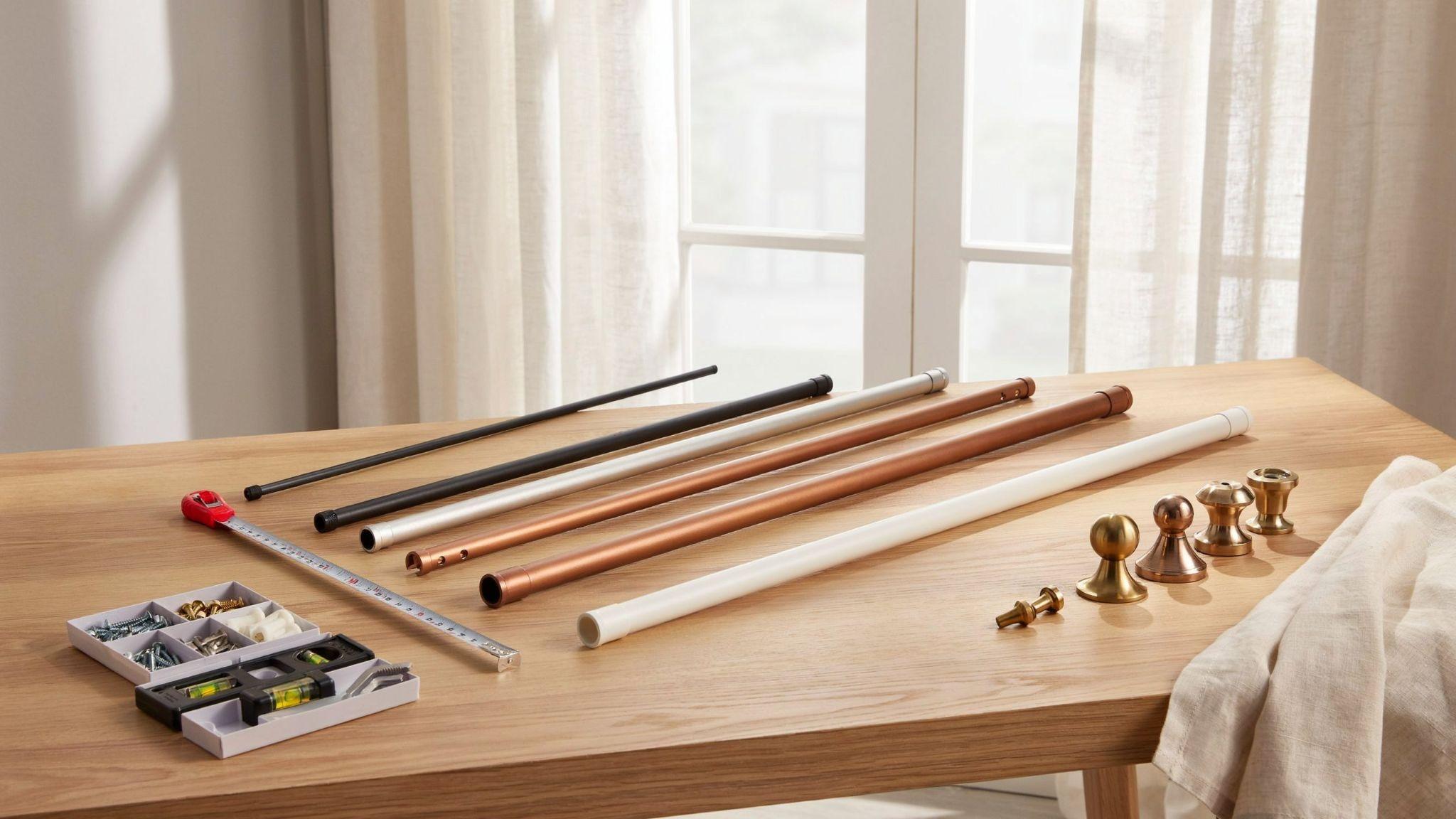
Match your total measurement to the closest standard rod size. Most rods come in fixed lengths or adjustable ranges, so pick one that covers your number without falling short.
Adjustable rods give you more flexibility if your measurement falls between standard sizes.
Step 4: Account for Finials and Brackets

Finials and brackets add extra length on both ends. Check these measurements before buying, since they can change your final fit by an inch or more.
Decorative finials can be larger than basic ones, so always measure the full rod, not just the pole.
How Far Should Curtain Rods Extend Past the Window?
The minimum extension for any curtain rod is 4 inches per side. This keeps curtains from blocking the window glass when fully open.
Most rooms look best with 6 to 10 inches of extension on each side. This range lets curtains stack neatly while still framing the window well.
Some windows call for 12 inches or more. This works best for wide windows, sliding doors, or rooms where you want to make the window look larger than it actually is.
Curtain Rod Width by Window Type
Different window types need different rod approaches. Here's how to size each one correctly so your curtains look balanced and work the way they should.
1. Single Windows

Add 4 to 6 inches on each side of the window frame. Measure the full width and choose a rod that covers this number without falling short on either end.
This keeps the curtains looking proportional to the window size.
2. Double Windows

Treat both windows as one wide unit if they sit close together. Add extra width on the outer edges only, letting curtains stack outside both windows instead of between them.
This avoids a gap of fabric sitting awkwardly between the two frames.
3. Three Windows in a Row

Use one long rod across all three windows when they're close together. This creates a clean look and lets you open curtains fully without gaps between each section.
Skip separate rods for each window, since this often looks cluttered and uneven.
4. Bay Windows
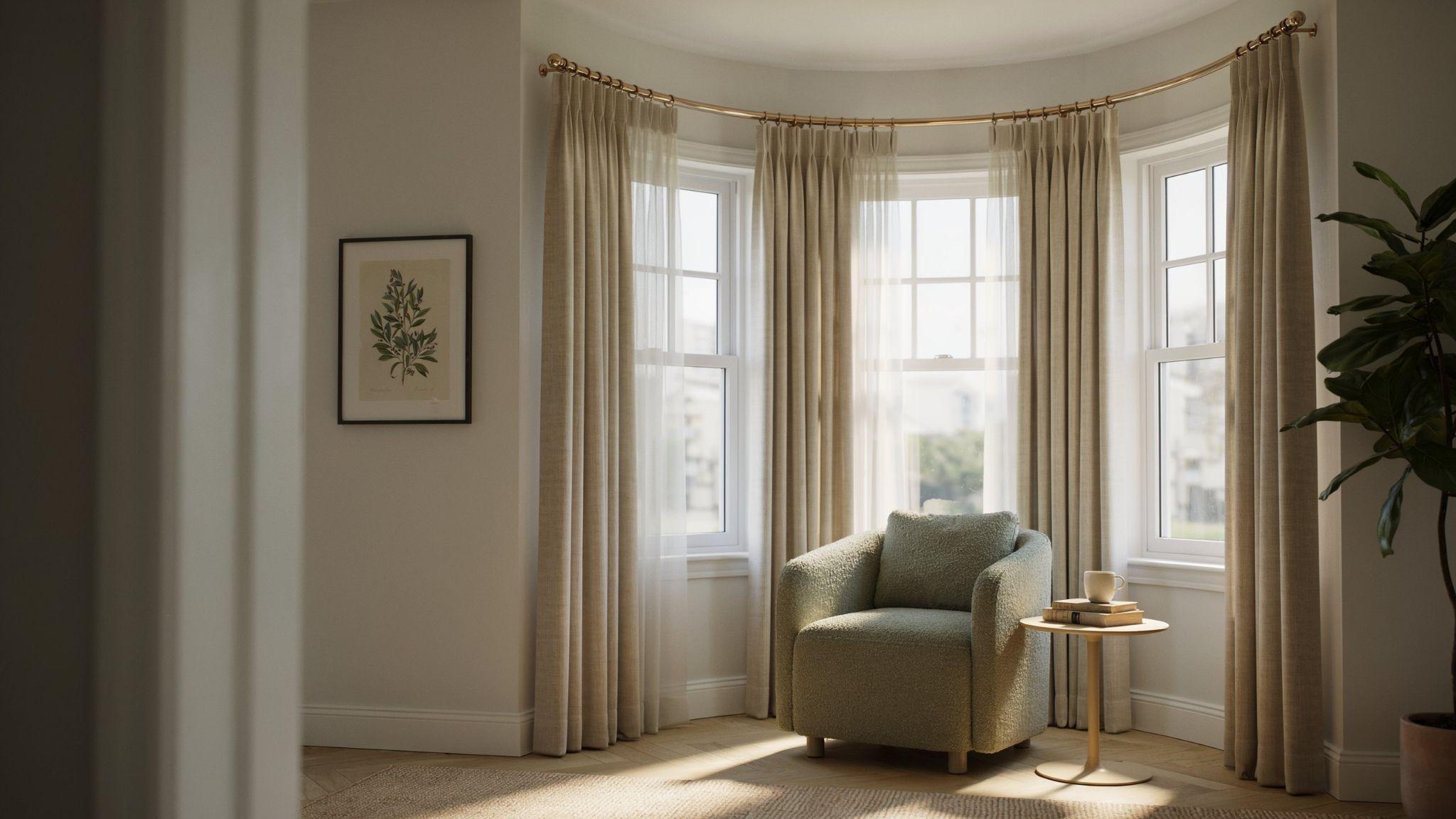
Bay windows need a curved or custom-bent rod that follows the angle of the wall. Measure each section separately, then add the numbers together for your total length.
Many hardware stores offer adjustable bay rods made for this exact setup.
5. Sliding Glass Doors
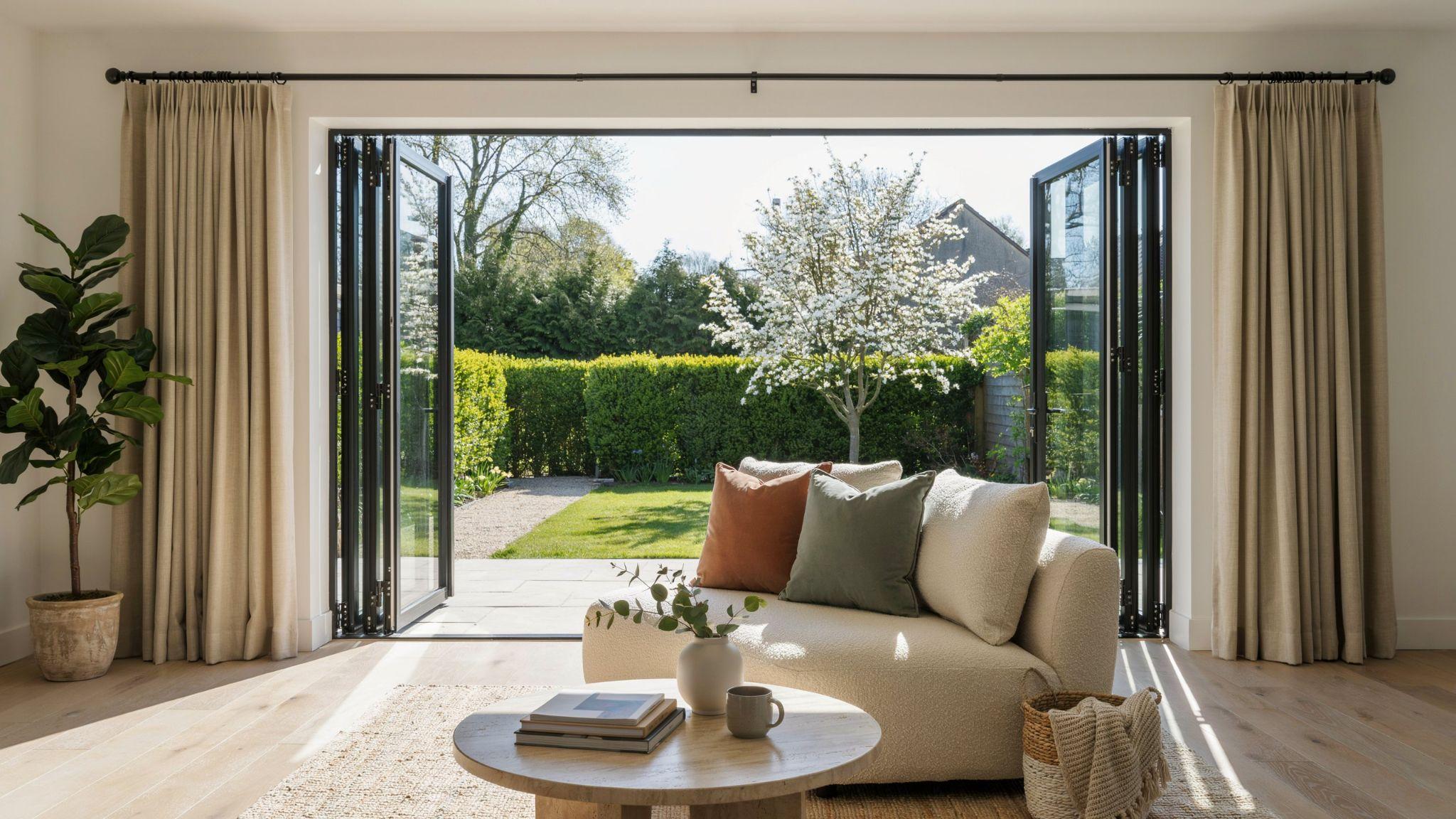
Extend the rod well past the door frame, often 10 to 12 inches on each side. This lets curtains stack fully open without blocking the door when you walk through.
Choose a sturdy rod since these curtains tend to be heavier and wider.
Choosing the Right Curtain Rod Diameter

Rod diameter matters as much as width. Thin rods work fine for light fabrics like sheers, but they can bend or sag under heavier panels.
A ¾-inch rod suits lightweight curtains and small windows. A 1-inch rod handles medium-weight fabrics and fits most standard windows well.
For heavy drapes, go with a 1¼-inch rod or thicker. This adds support and prevents sagging over time. Larger windows also look better with a thicker rod, since it balances the visual weight of the wider span.
Curtain Rod Width Tips for Different Rooms
Room type changes how you should size your curtain rod. Here are quick tips for getting it right in each space.
- Living rooms often have large windows, so extend the rod 6 to 10 inches per side for a fuller, open look.
- Bedrooms work well with a snug fit, around 4 to 6 inches per side, especially if you want better light control or privacy.
- Dining rooms look best with wider extensions, since this style usually pairs with formal or layered curtain panels.
- Home offices benefit from shorter extensions to save wall space, especially in smaller rooms with limited furniture room.
- Small spaces in general do well with lighter fabrics and slimmer rods, since bulky setups can make the room feel cramped.
How Curtain Width Affects Curtain Panel Size
Rod width also decides how full your curtains look once they're hung. Skimpy panels make windows look bare, even with the right rod size.
For good fullness, your total curtain width should be 1.5 to 2 times the width of your window. This creates soft folds instead of flat, stretched fabric.
If your curtains look thin or stretched tight across the rod, they're likely too narrow. Adding more fabric width fixes this and gives your windows a fuller, more finished look.
Conclusion
I have hung enough curtains to know that rod width makes or breaks the final look. Get it wrong and your windows feel off, even with great fabric.
The fix is simple. Measure your window, add the right extension, and match your rod to your curtain weight. That's it.
Ready to fix your windows? Grab a tape measure today, jot down your numbers, and pick a rod that fits your space. Your room will look better by tonight.
Frequently Asked Questions
How wide should a curtain rod be for a standard window?
Add 4 to 6 inches to each side of your window frame. For a 36 inch window, your rod should land between 44 and 48 inches.
Can a curtain rod be too wide for a window?
Yes, if it extends too far past the frame, it can look unbalanced and make the room feel off. Stick to 6 to 10 inches per side for most rooms.
Do bay windows need a different rod width approach?
Yes, bay windows need a curved or bent rod that follows the wall angle. Measure each section on its own, then add the numbers together.
How much extra width do sliding glass doors need?
Sliding doors usually need 10 to 12 inches of extension on each side. This keeps curtains from blocking the door when it's open.
What rod diameter works best for heavy curtains?
Go with a 1¼ inch rod or thicker for heavy drapes. This keeps the rod from sagging and gives better support over time.