
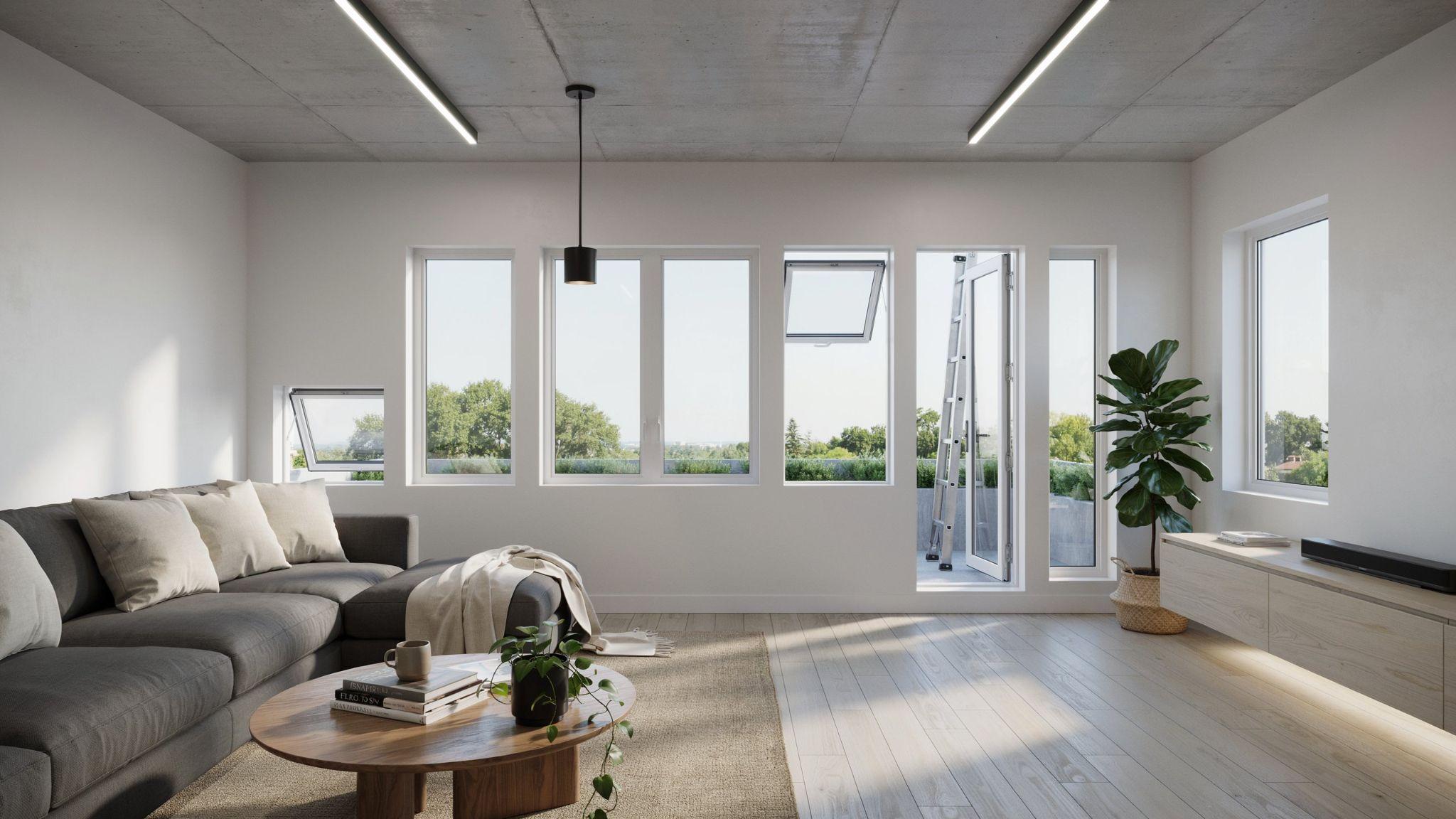
Have you ever stood in your basement and wondered why it feels dark, damp, or just plain stuffy? I've been there too. After years of working on basement projects, I can tell you the window choice often gets overlooked, yet it makes a huge difference.
So let's think about this together. Do you want more light, better air flow, or extra safety for a basement bedroom? Maybe privacy is your main concern, or you're trying to cut energy costs. Whatever your goal, there's a window style built for it.
In this guide, I'll walk you through 11 basement window types, compare materials, and share size tips based on real experience. By the end, you'll know exactly what fits your space.
Understanding Basement Window Types
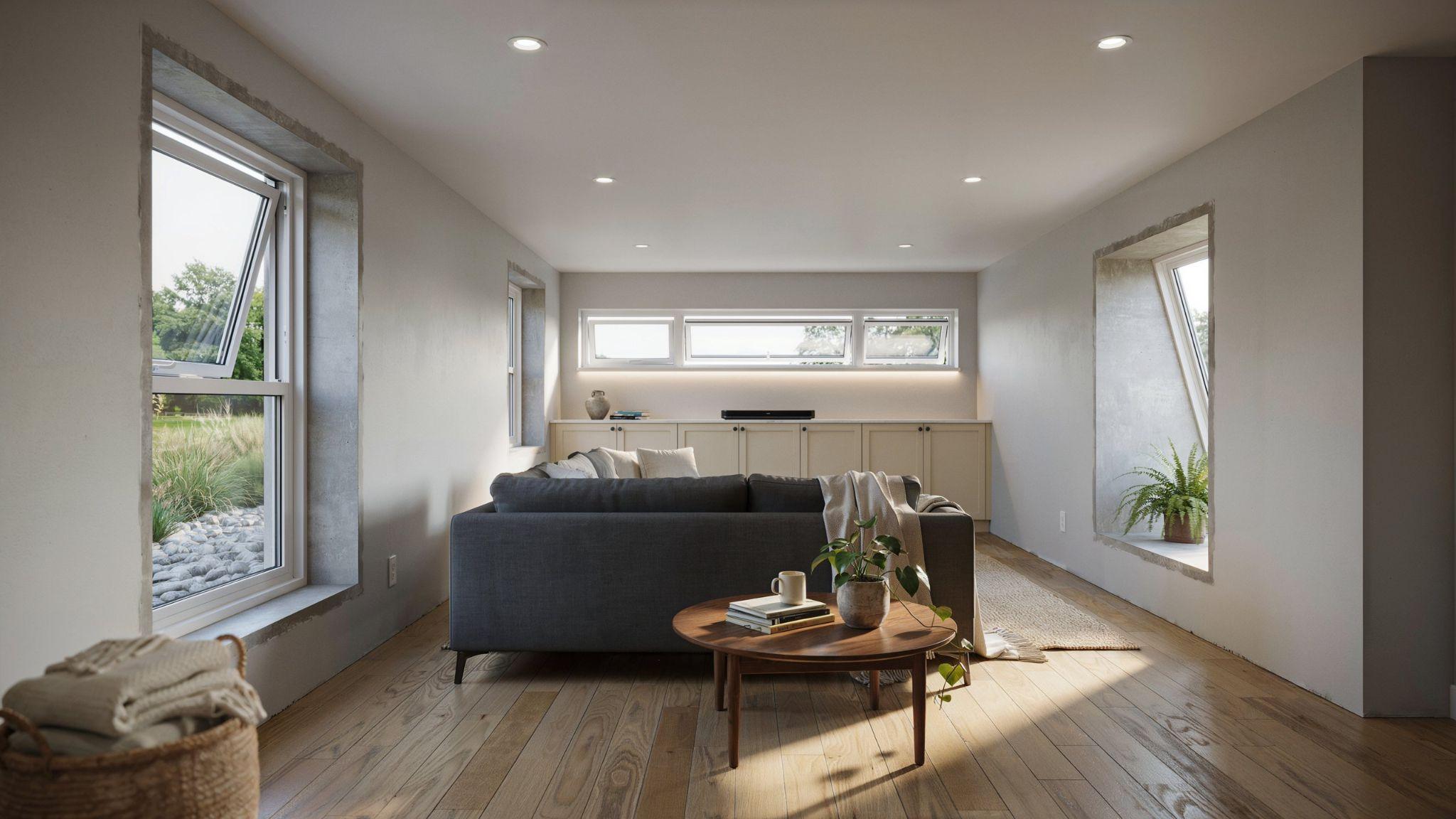
Picking the right basement window comes down to a few things. Think about how much natural light you want and whether you need fresh air flowing through.
Safety matters too, especially if the window doubles as an emergency exit. If your basement faces a street or neighbor's yard, privacy might be a concern.
Energy efficiency keeps your bills in check year round. And don't forget your basement's layout. Small spaces need different windows than open, finished basements.
List of 11 Popular Basement Window Types Explained
Basements come with all kinds of needs, and the right window can solve most of them. Here's a look at 11 styles, what they do best, and where they fit in your home.
1. Egress Windows
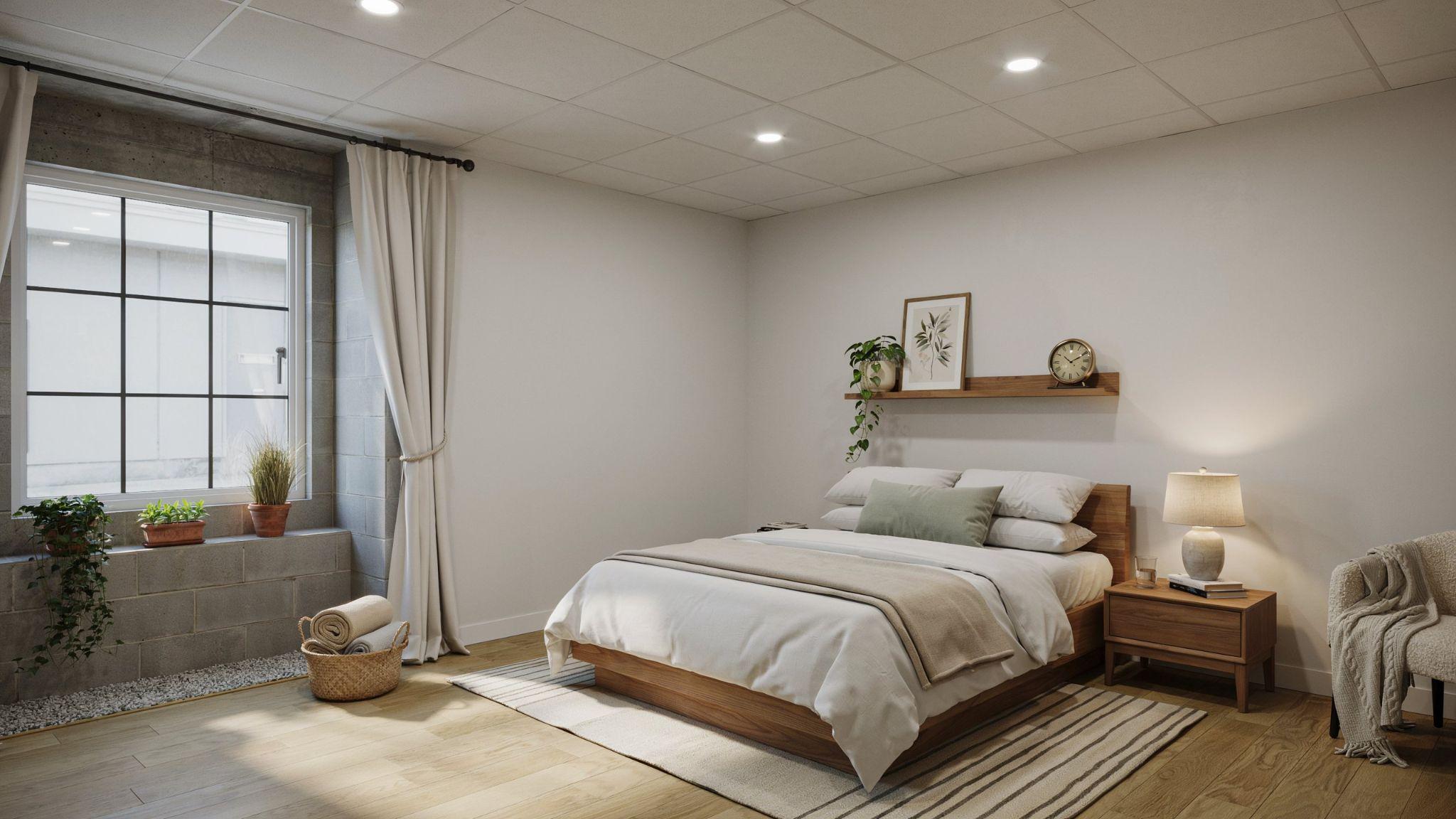
Egress windows work best in basement bedrooms and living spaces. They meet emergency escape rules, so you stay safe if something goes wrong.
Beyond safety, they also add real value to your home. If you're finishing your basement for daily use, this window type is often required by code.
2. Sliding Basement Windows

Sliding windows operate side to side instead of up and down. They suit wider basement walls where height is limited.
You just push the sash horizontally to open it. Maintenance stays simple since there are fewer moving parts.
3. Single Hung Basement Windows
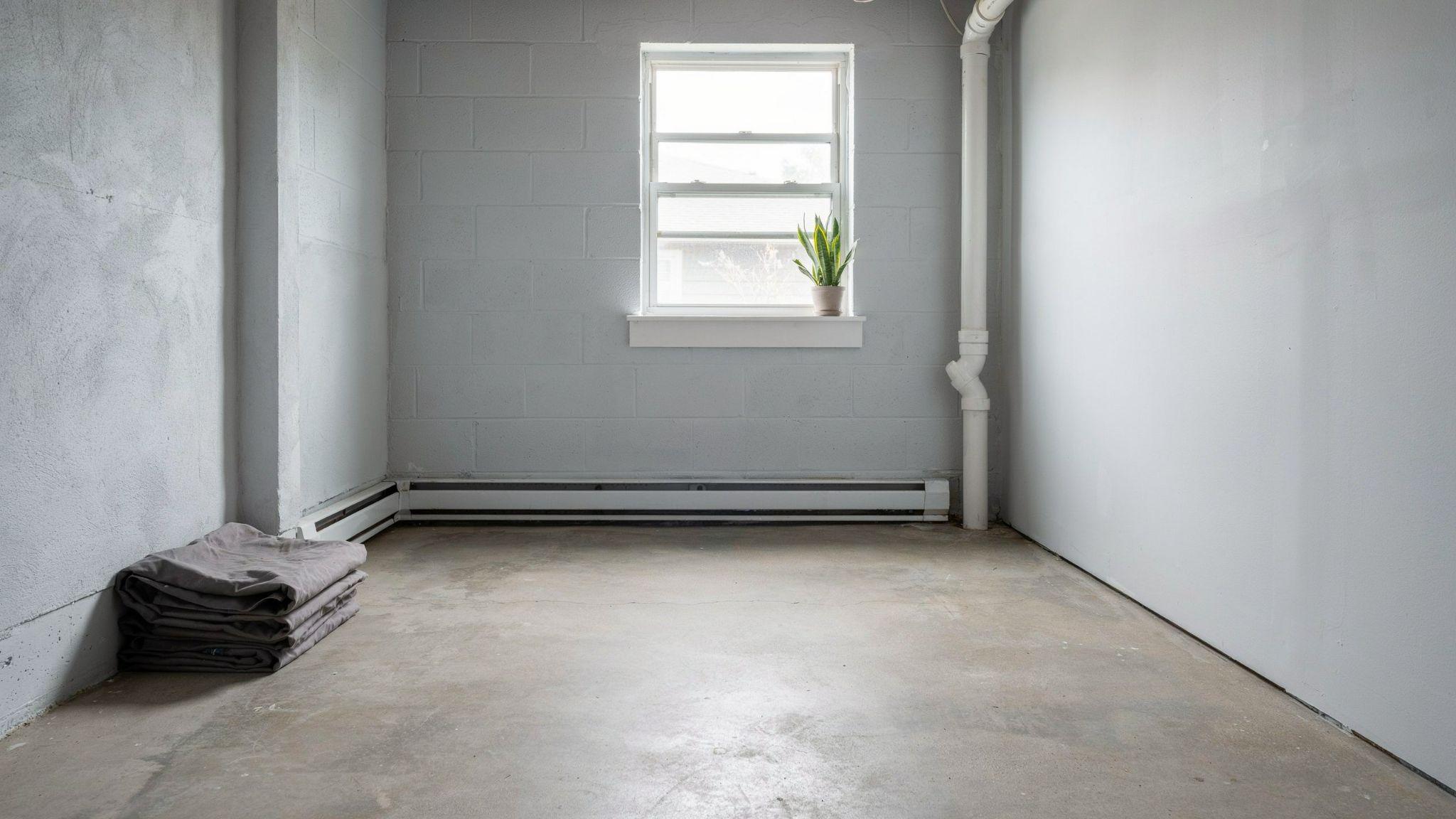
With single hung windows, only the bottom sash moves, sliding up to let air in. They're a traditional choice and easy on your budget.
You'll often find them in utility basements where looks matter less than function. They get the job done without adding extra cost to your project.
4. Double Hung Basement Windows
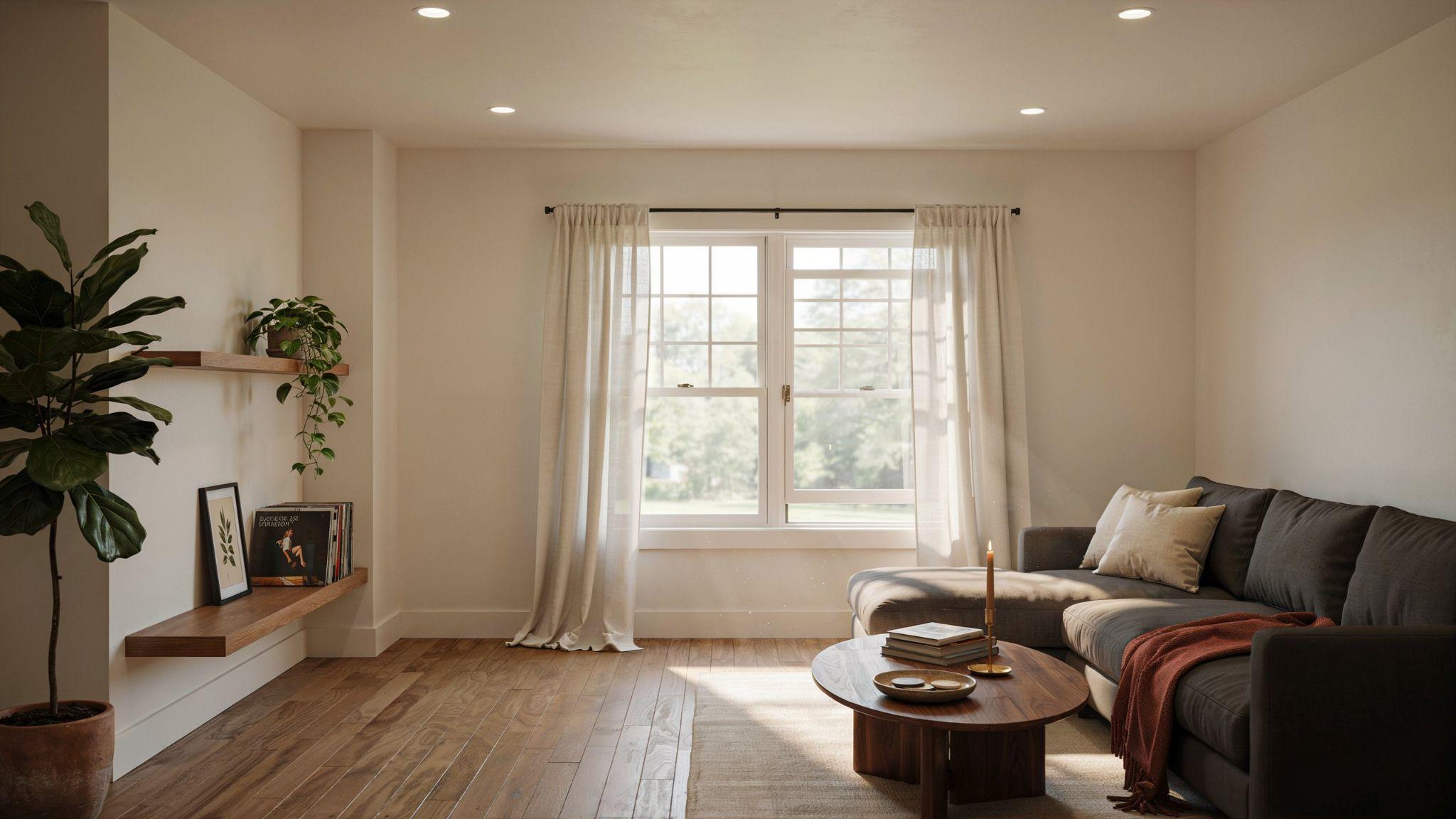
Double hung windows let both sashes move, giving you more control over airflow. You can open the top, the bottom, or both at once.
They carry a classic look that suits many home styles. If you want flexibility in how fresh air enters your basement, this option works well.
5. Casement Basement Windows

Casement windows hinge on the side and swing outward when opened. They let in plenty of air and natural light.
Many homeowners pick this style for egress needs since the full opening helps during emergencies. They're a solid middle ground between function and a clean, simple appearance.
6. In-Swing Casement Windows
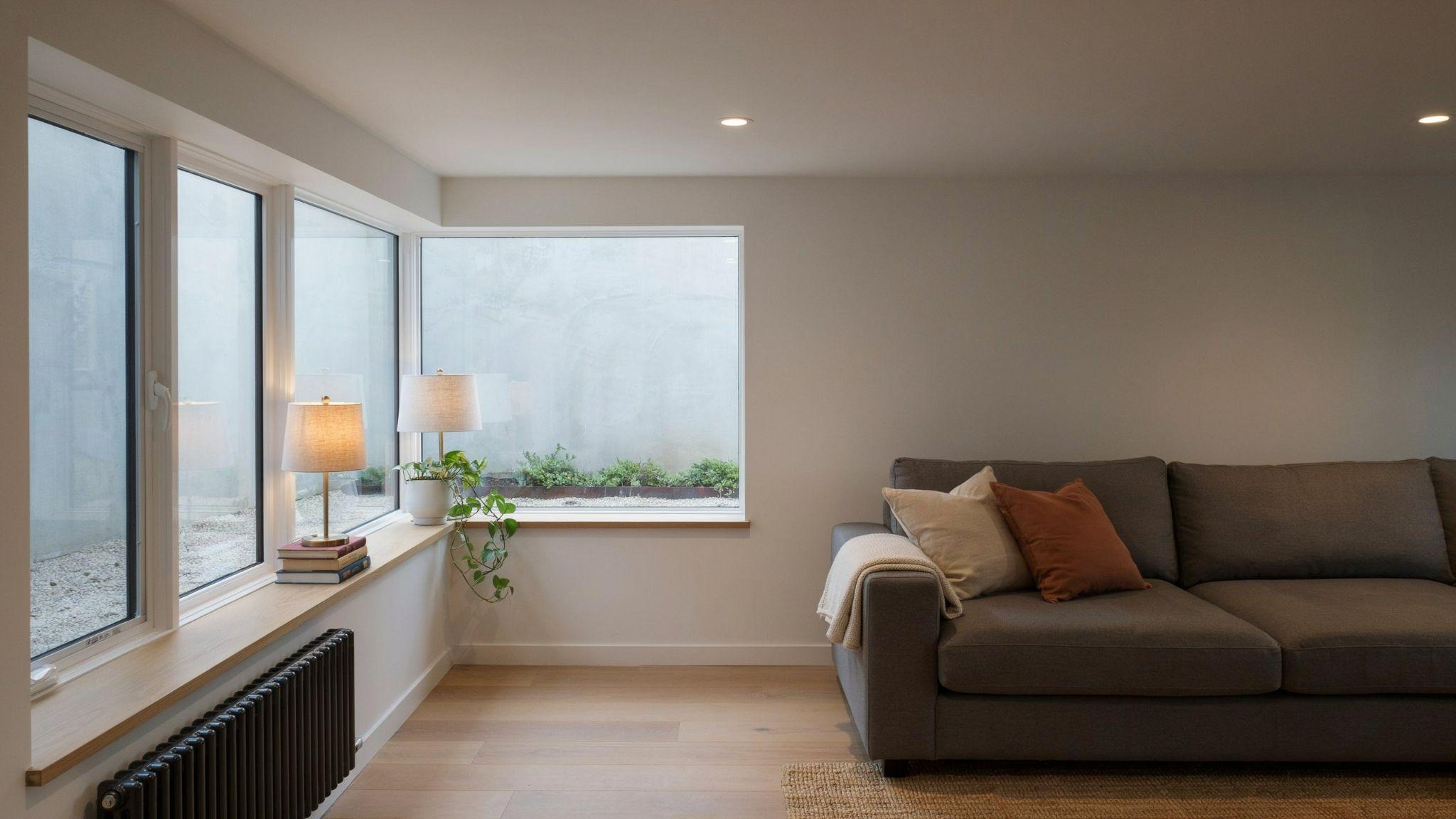
In-swing casement windows open inward instead of pushing outward. This makes them a smart pick for basements with shallow window wells.
Since they don't need outdoor clearance, they free up more space for emergency exits. They work well where the outside room is tight but safety still matters.
7. Awning Basement Windows

Awning windows hinge at the top and tilt outward from the bottom. This design lets you keep them open during light rain without water getting inside.
They fit well in compact basement spaces. If you want airflow without worrying about sudden weather changes, this style handles it nicely.
8. Reverse Hopper Windows
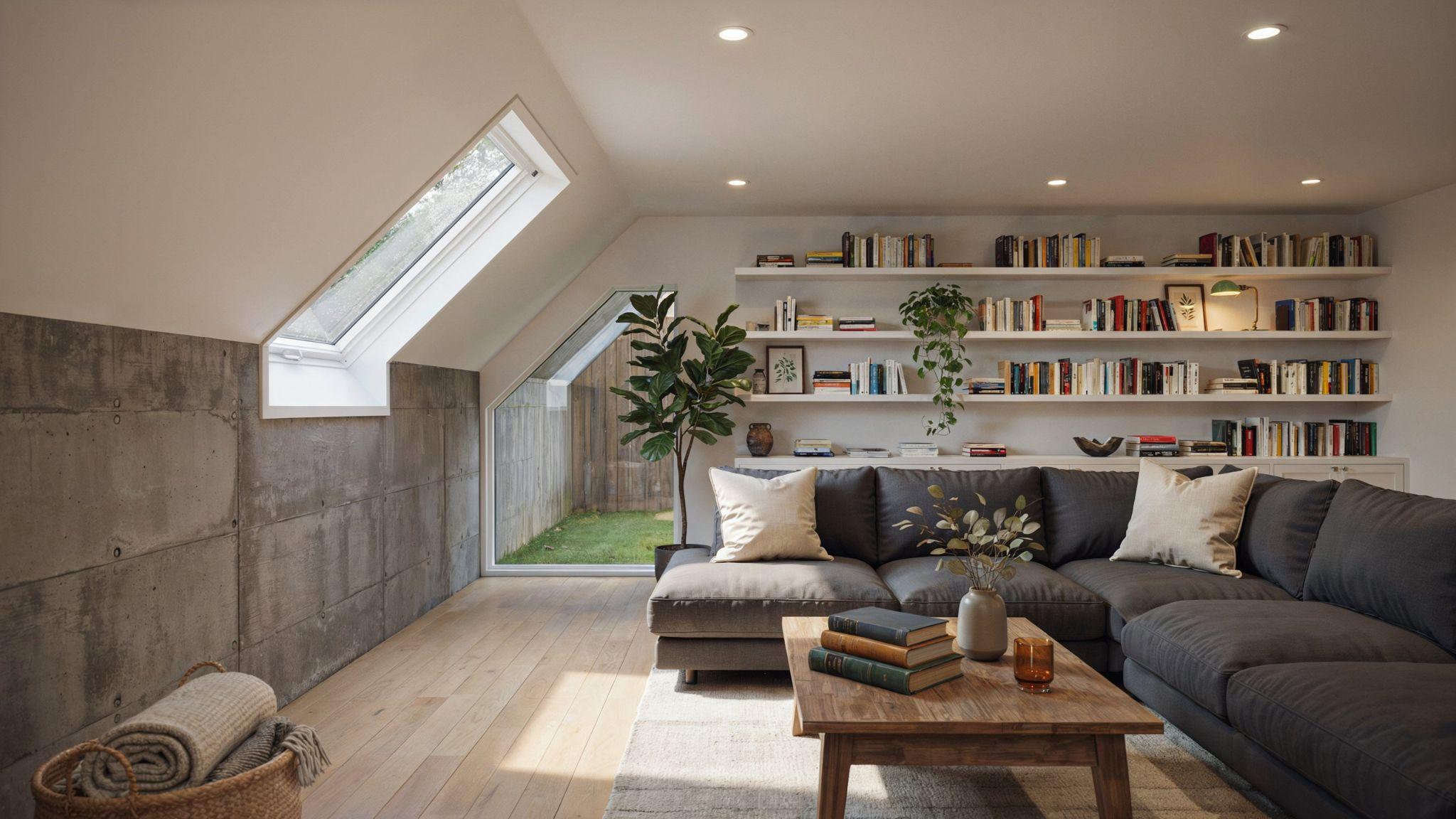
Reverse hopper windows open inward from the top, tilting down into the room. They're a common pick for finished basements.
Compared to their frame size, they offer a fairly large opening. This makes them useful when you want more airflow without making major changes to the wall structure.
9. Tilt-and-Turn Windows
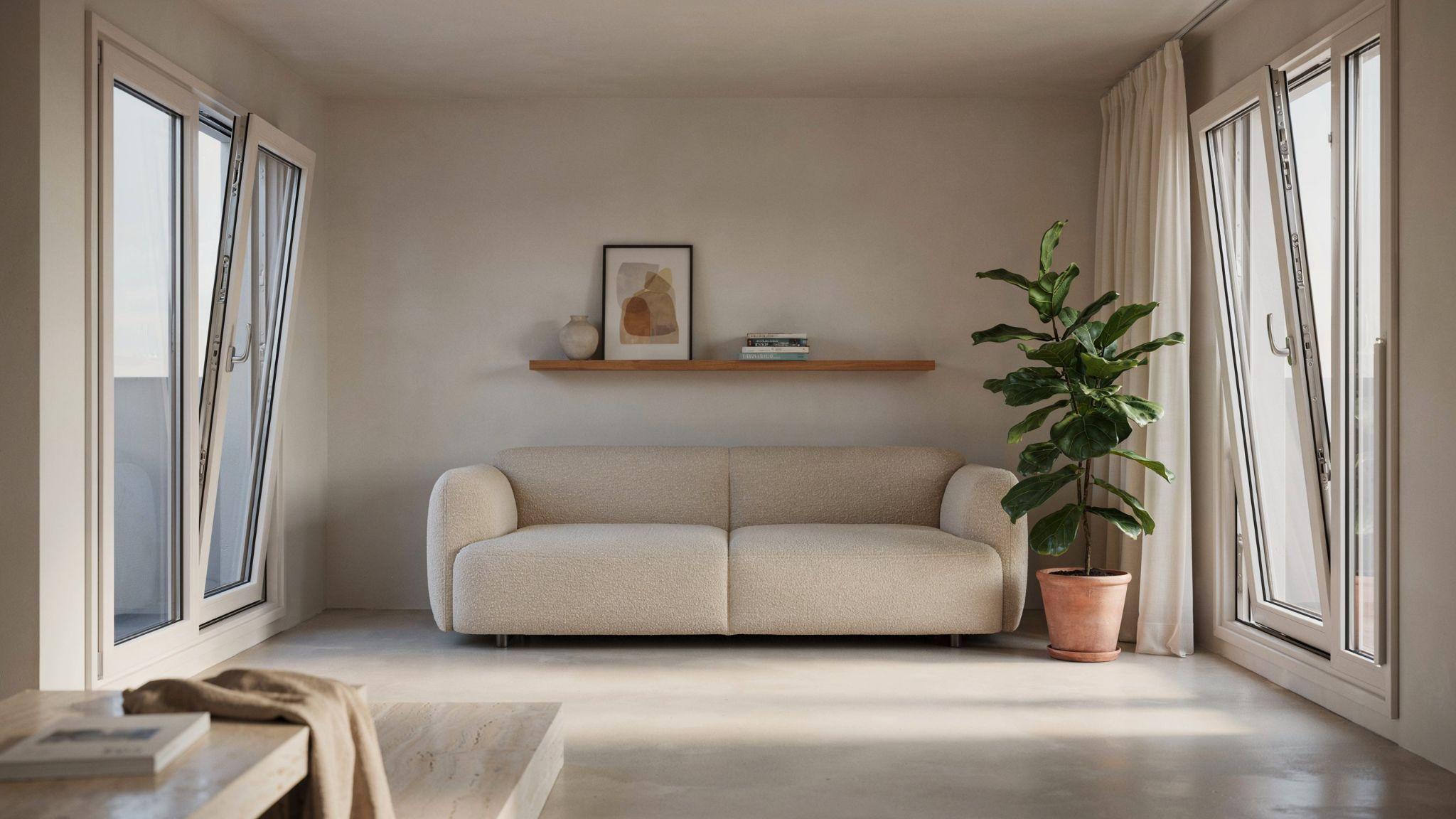
Tilt-and-turn windows give you two ways to open them, either tilted for ventilation or fully swung open. This European-style design has become more popular recently.
They seal tightly when closed, which helps with energy efficiency. If lowering energy bills matters to you, this window type delivers real results.
10. Daylight Windows
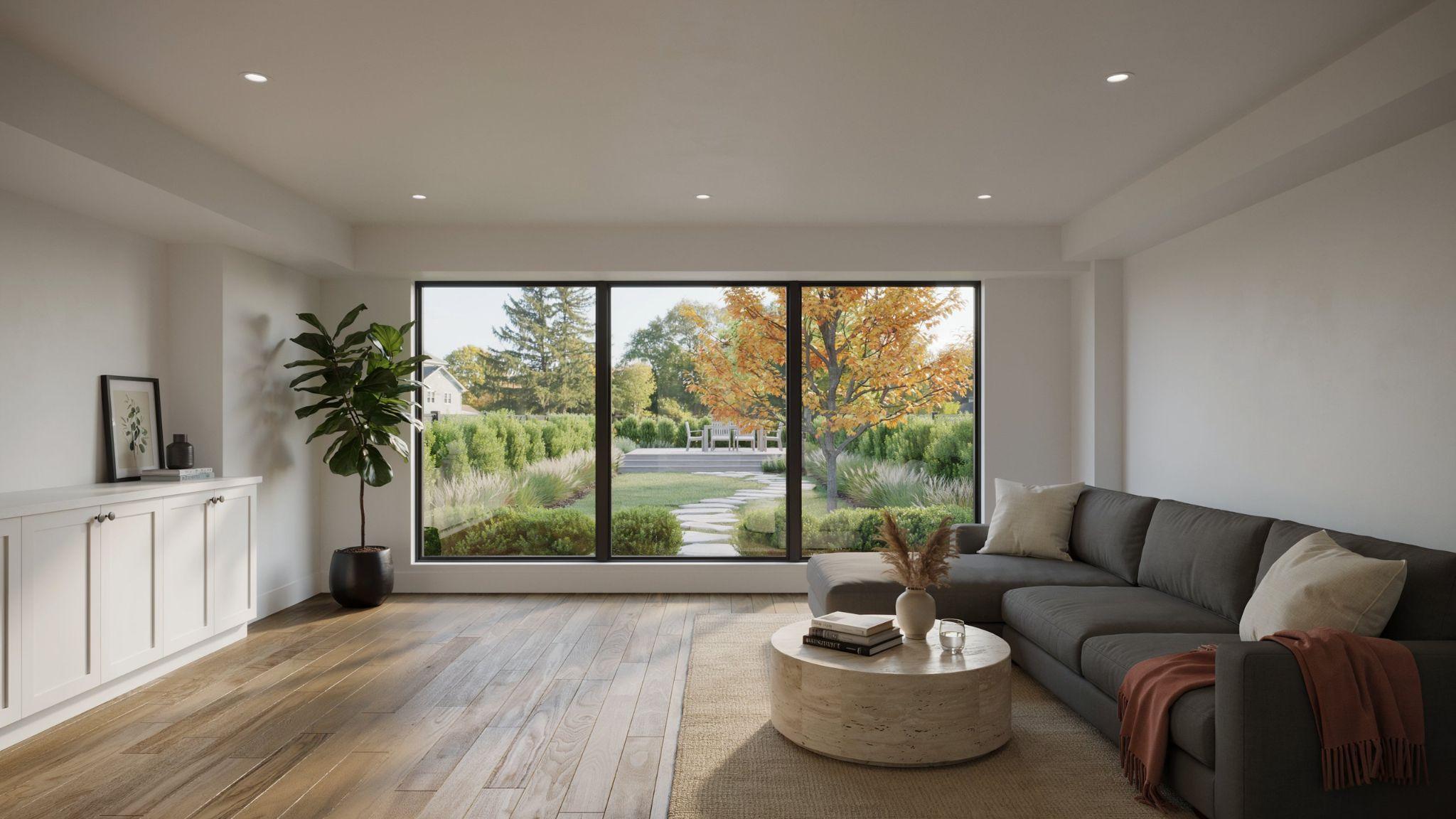
Daylight windows sit at or above ground level, so they bring in plenty of natural light. They suit basements that are partially above grade rather than fully underground.
If your basement already has some height above the yard, this window style takes advantage of that and brightens the space.
11. Glass Block Windows
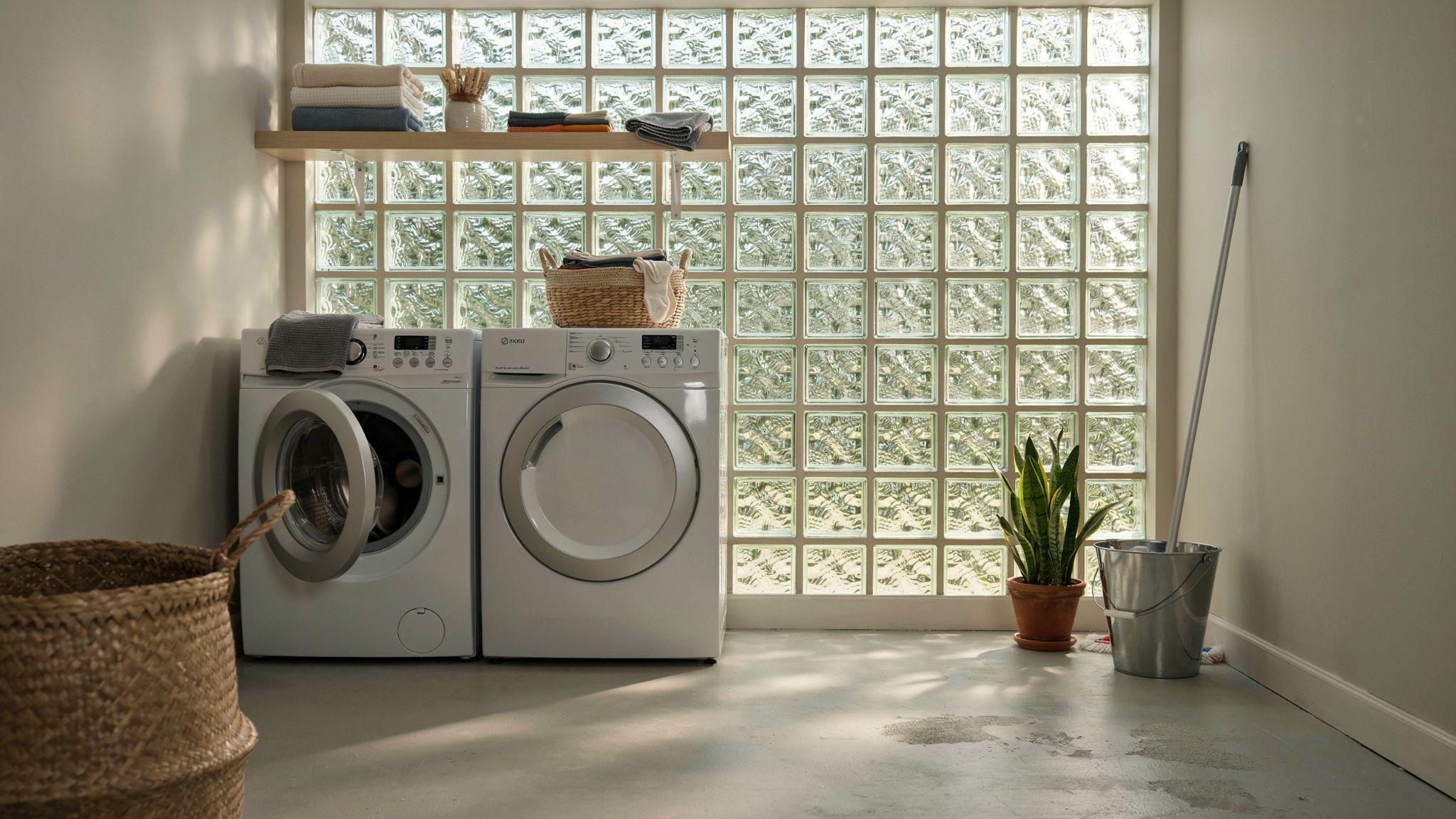
Glass block windows offer privacy along with added security since they're hard to break through. Light still passes through, just in a filtered, soft way.
You'll often spot them in older homes or utility rooms. They suit spaces where you want light but don't need a clear view outside.
Basement Window Materials Compared
Picking the right material matters as much as picking the right style. Here's how vinyl, fiberglass, wood, and aluminum stack up against each other.
| Material | Pros | Things to Note |
| Vinyl | Affordable and low upkeep | Good insulation, but fewer style options |
| Fiberglass | Strong and energy efficient | Holds up well against moisture and temperature shifts |
| Wood | Classic, traditional look | Insulates well but needs regular upkeep |
| Aluminum | Durable and lightweight | Works best with modern home designs |
Choosing the Best Basement Window Type for Your Needs
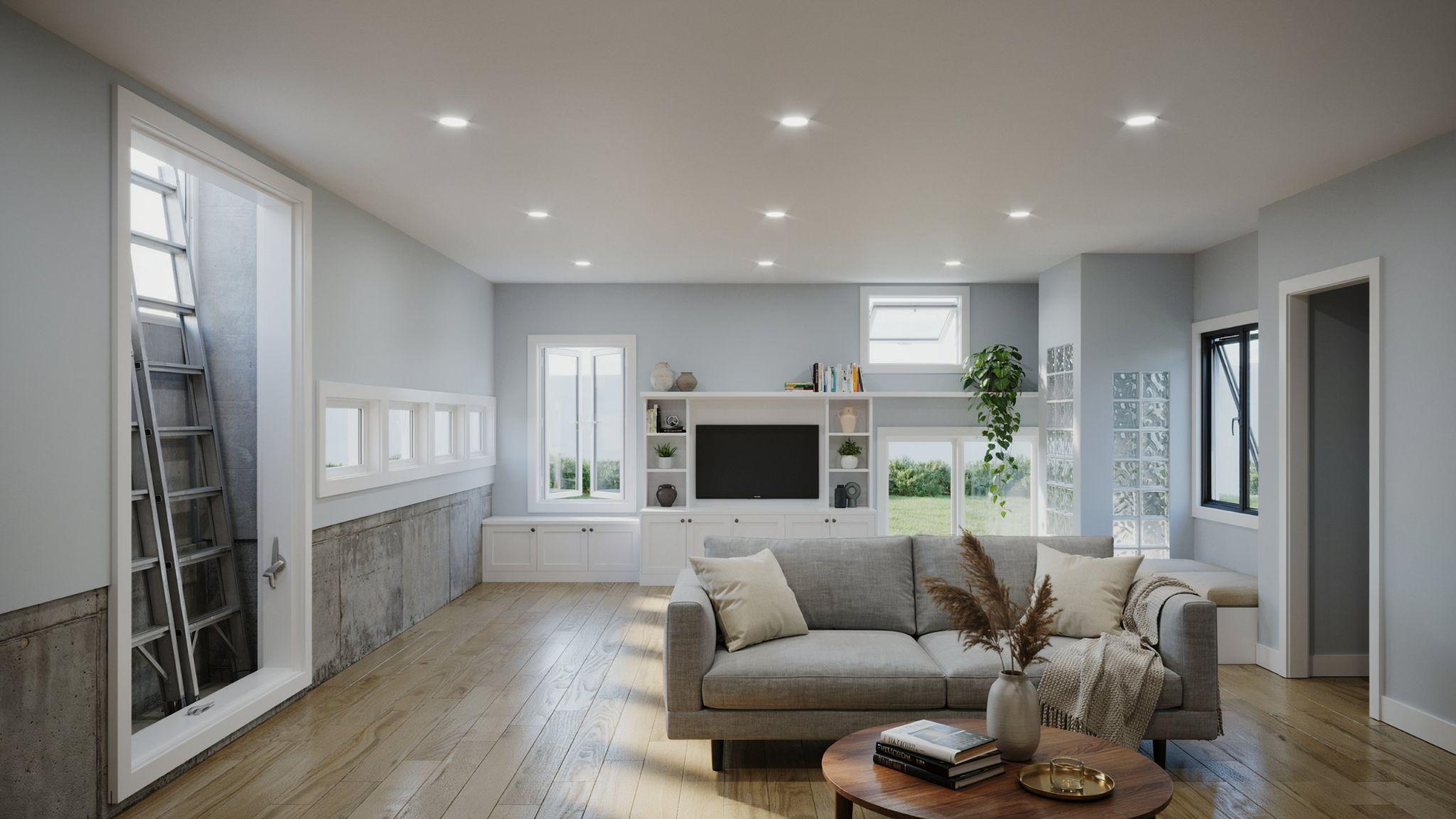
Your basement's main need should guide your pick. If you want more light, go with daylight windows or casement styles that open wide.
For airflow, sliding or awning windows work well without taking up much space. Need privacy? Glass block windows let light in while keeping views out.
If safety is the priority, egress windows are often required by code for bedrooms. And for lower energy bills, tilt-and-turn or fiberglass frames offer better insulation overall.
Basement Window Sizes and Placement Tips
Size and placement can make or break how well your basement window performs. Here are some quick tips to help you choose right.
- Standard basement windows usually range from 24×18 inches to 36×24 inches. Sizes can vary based on your home's age and wall space.
- Egress windows need a clear opening of at least 5.7 square feet. Window wells must also be deep enough for a safe exit.
- Higher placement on the wall brings in more natural light. It also helps with better airflow when the window opens.
- South-facing windows usually get more sunlight than north-facing ones. Nearby trees or window wells can block both light and air.
Conclusion
After working on basements for years, I've learned the window choice can change everything. The right type brings in light, keeps air moving, and meets safety codes without much hassle.
Think about what your space needs most, then match it with a style and material that fits your budget. A small change here can make your basement feel like a real part of your home.
Ready to pick yours? Browse our window guides or reach out for personal advice today.
Frequently Asked Questions
What is the most common type of basement window?
Sliding and single hung windows are among the most common choices for basements. They're simple to operate and work well for most home layouts.
Do all basement bedrooms need egress windows?
Yes, most building codes require egress windows in basement bedrooms. They give you a safe way out during emergencies.
Which basement window type lets in the most light?
Daylight windows and casement windows tend to bring in the most natural light. Both styles work well if your basement has decent wall height above ground.
Can I add privacy to my basement windows without blocking light?
Glass block windows are a good option for this. They let light through while keeping outside views blocked.
How do I know what size basement window I need?
It depends on your basement's layout and whether the window needs to meet egress rules. Standard sizes work for most basements, but bedrooms usually need larger openings for safety.