
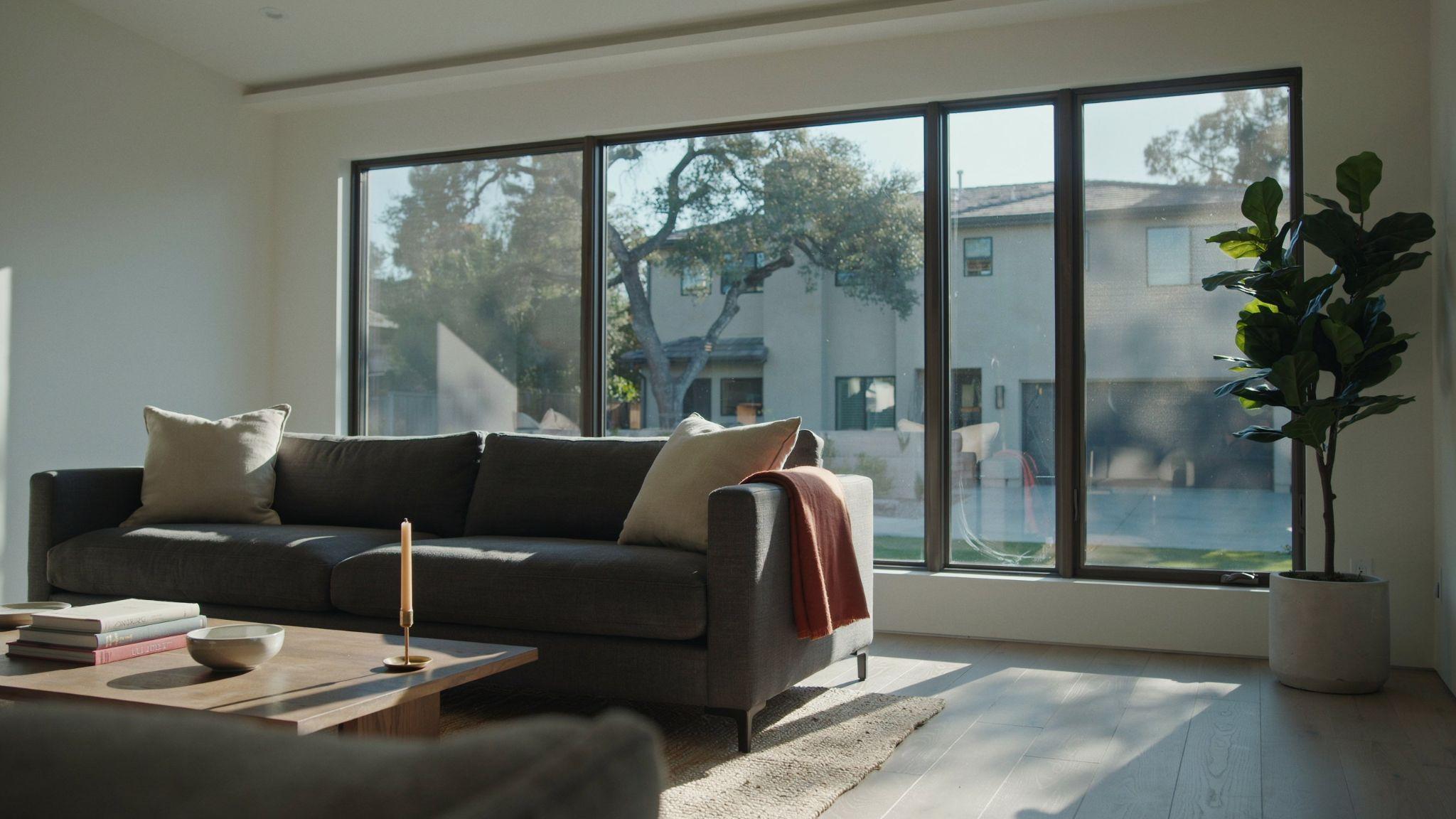
Thinking about tinting your home windows? I get why. Less heat, lower bills, and more privacy all sound great on paper.
But here's what most people don't tell you. Window tinting comes with a few catches too. I've seen homeowners deal with peeling film, voided warranties, and rooms that turned out darker than they wanted.
Before you spend your money, it helps to know both sides. In this post, I'll walk you through 11 real disadvantages of home window tinting. You'll also learn the benefits, so you can weigh things out for yourself.
So grab a coffee, and let's get into it. By the end, you'll know exactly if window tinting fits your home.
What Is Home Window Tinting?
Home window tinting means adding a thin film to your glass. This film blocks some sunlight and UV rays from coming inside. It works by reflecting or absorbing light before it hits your room.
You'll find a few common types, like dyed film, metalized film, and ceramic film. Each one offers different levels of heat and glare control.
Homeowners pick window tinting to cut down on heat, protect furniture from fading, and add some privacy without giving up natural light.
Is Home Window Tinting Worth It?
Home window tinting can be worth it for many homeowners, but it depends on your goals. Most people expect lower energy bills, less glare, and better privacy from their tint.
Knowing the drawbacks matters just as much. Some films can peel, change how your home looks, or cause issues with certain window types over time.
Results also depend on the film quality, your climate, and how well the tint gets installed on your windows.
11 Disadvantages of Home Window Tinting
Window tinting brings clear perks, but it also comes with some real tradeoffs. Here are 11 disadvantages you should know before making your decision.
1. High Upfront Installation Costs

Quality window film isn't cheap. Add professional installation fees, and the total cost can climb fast.
Many homeowners feel sticker shock once they get quotes for their whole house. The price often depends on film type, window size, and how many rooms you want covered.
2. Some Window Films Can Void Manufacturer Warranties

Window manufacturers sometimes have strict rules about altering their glass. Adding tint film without checking your warranty terms first could void coverage completely.
If your windows develop issues later, you might end up paying out of pocket for repairs that warranty would've normally covered.
3. Reduced Visibility at Night

Darker tints can make it harder to see outside once the sun goes down. Some films create a mirror-like effect indoors at night.
This can feel a bit unsettling for some homeowners, especially in rooms where you want a clear view after dark.
4. Not All Films Are Compatible With Every Window Type
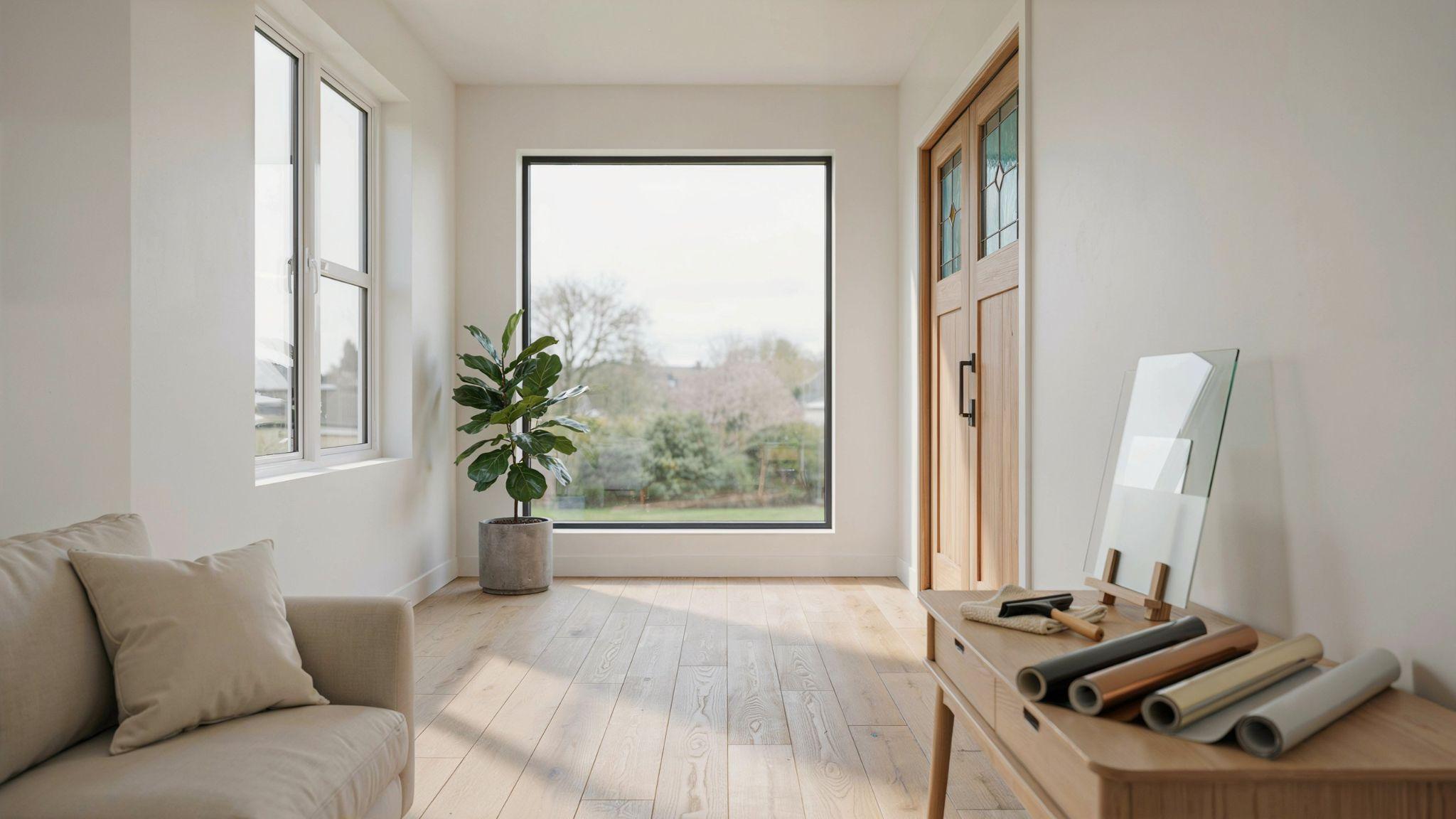
Certain window types, like double pane or low E glass, don't always pair well with every film. Using the wrong film can lead to performance issues or damage.
It's worth checking compatibility with a professional before choosing a tint for your specific windows.
5. Risk of Thermal Stress Cracks on Certain Windows
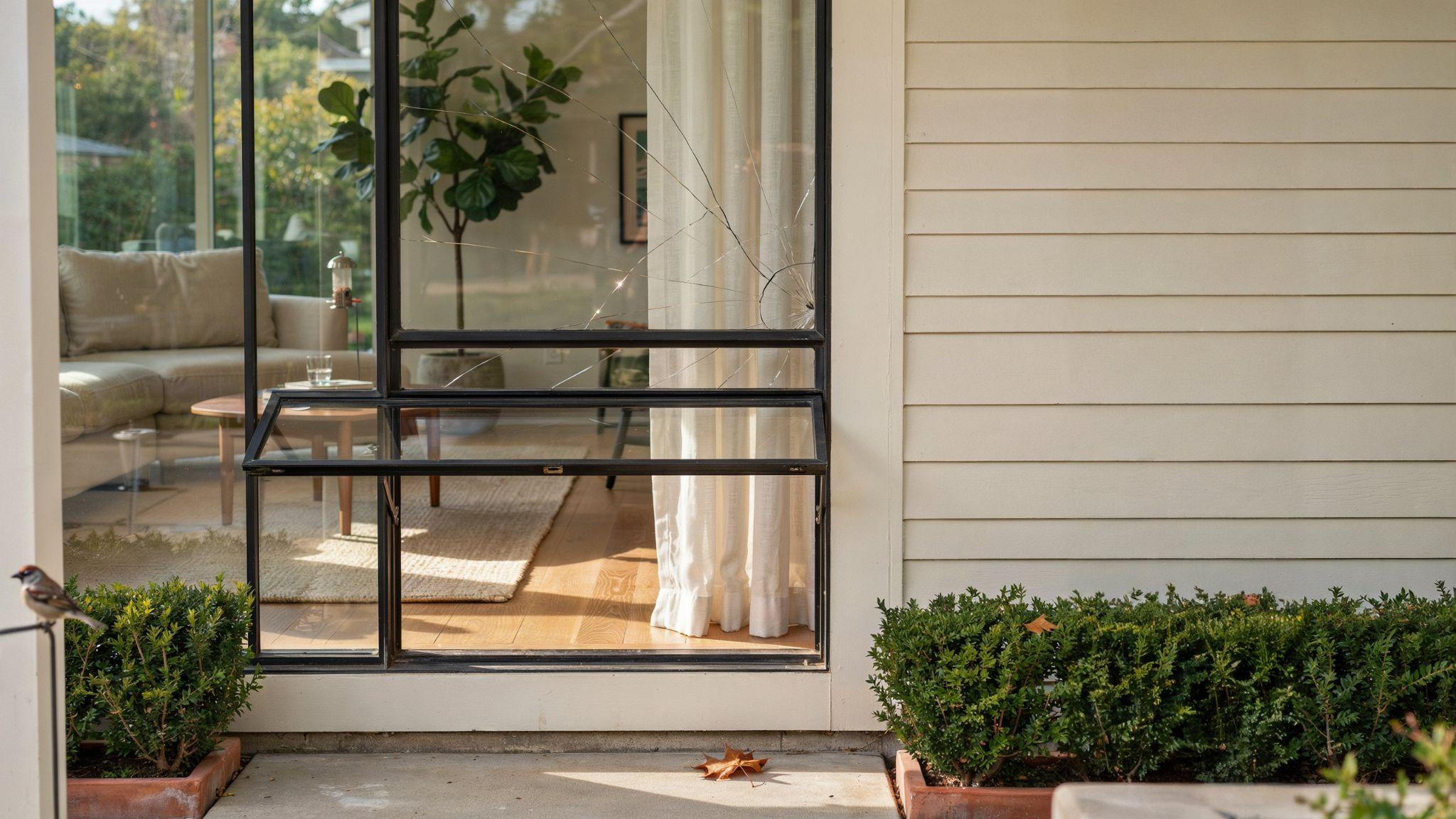
Window film absorbs heat, and that added heat can sometimes stress your glass. Older windows or certain glass types are more prone to cracking under this thermal pressure.
This risk is something to weigh carefully, especially with older homes or vintage windows.
6. Bubbling, Peeling, and Discoloration Over Time
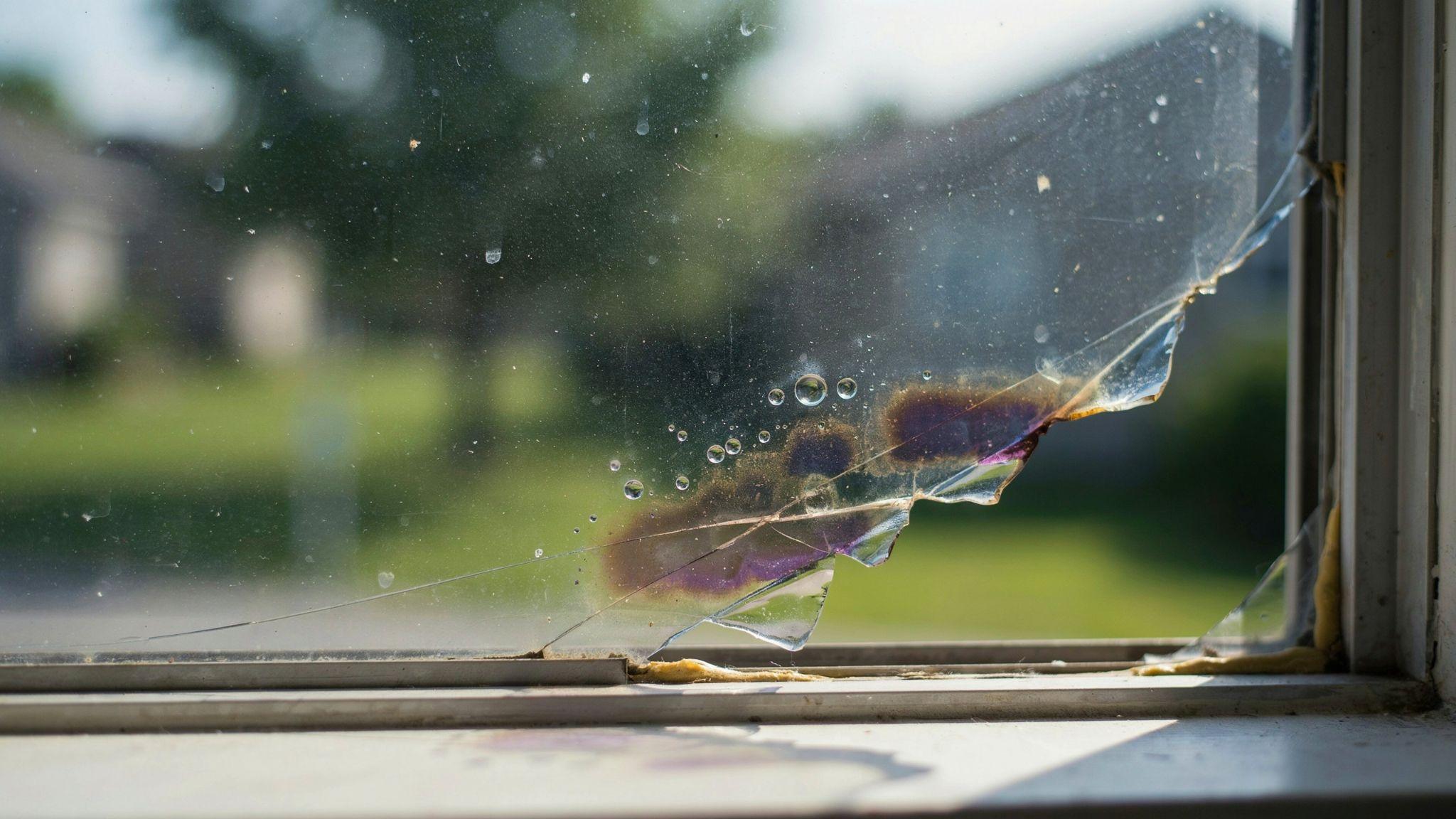
Lower quality films often don't hold up well over the years. You might notice bubbles forming, edges peeling up, or the film turning a different color from sun exposure.
This not only looks bad but also means you'll likely need replacement sooner than expected.
7. Professional Installation Is Usually Required
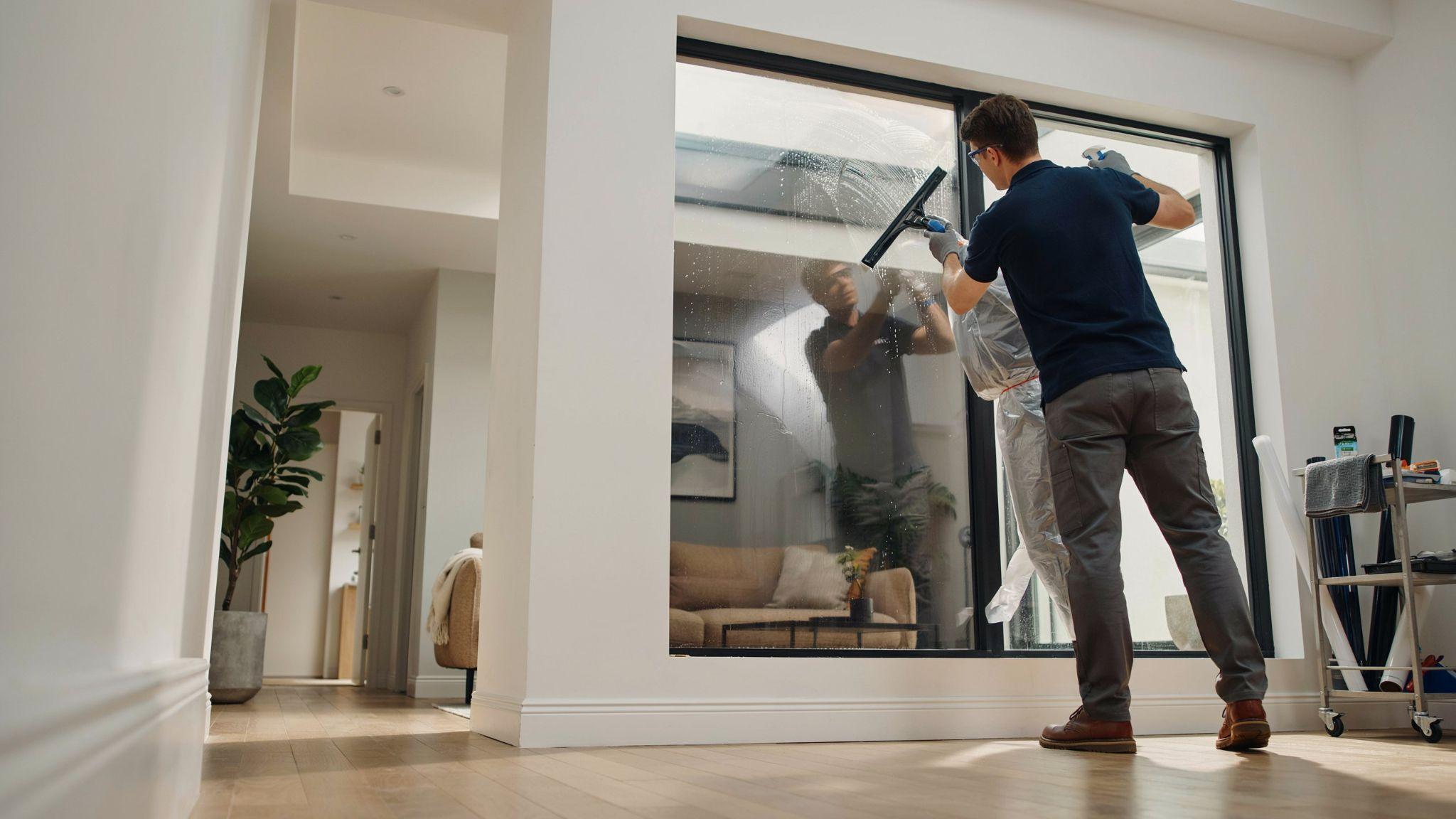
DIY window tinting kits exist, but getting a smooth, bubble free finish takes real skill. Most homeowners end up hiring a professional anyway.
This adds to your overall cost and means you can't just tackle this project on a random weekend.
8. Some Tints Can Make Rooms Appear Darker

While blocking heat and glare sounds great, some films cut down on natural light more than expected. Rooms can feel dimmer than before, especially on cloudy days.
If you love bright, sunlit spaces, this is something to think about first.
9. Limited Privacy Benefits After Dark

Tint films work great for daytime privacy when it's brighter outside than inside. But once the sun sets and your lights are on, the privacy effect basically reverses.
People outside can often see in more clearly than you'd expect at night.
10. Film Replacement May Be Needed After Years of Use

Window film doesn't last forever. Depending on the quality and your local climate, you may need to replace it every several years.
This means tinting isn't always a one time cost, but more of an ongoing expense to plan for.
11. Lower-Quality Films May Deliver Poor Performance
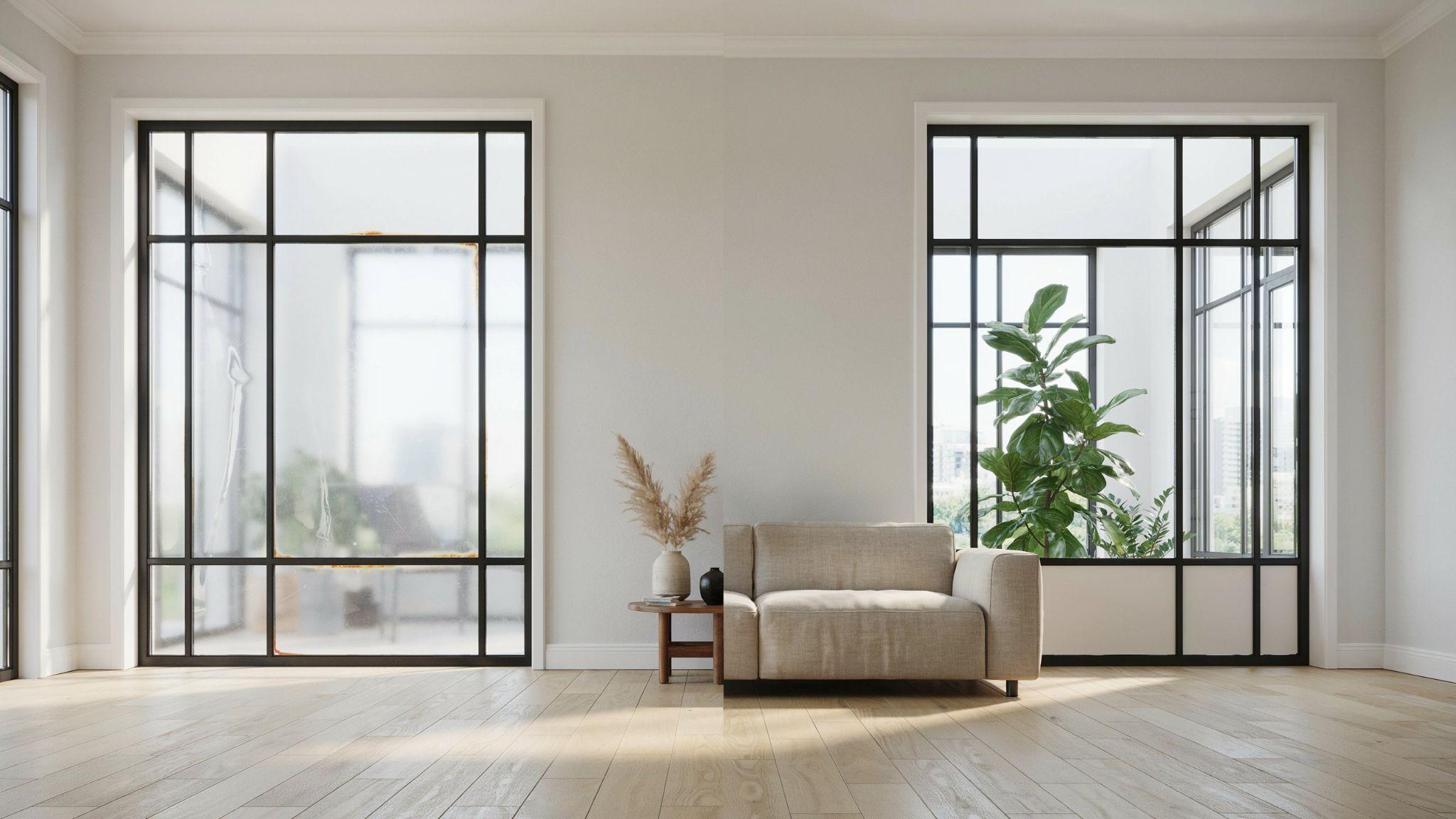
Cheaper films might save money upfront, but they often fail to deliver on heat reduction or UV protection.
You could end up paying for tinting that barely makes a difference. Spending a bit more for proven, quality film usually pays off long term.
The Benefits of Home Window Tinting
Window tinting isn't just about looks. It comes with real, practical perks for your home and daily life.
1. Reduced Energy Costs

Tinted windows block a good chunk of heat from coming inside. This means your AC doesn't have to work as hard during summer.
Over time, this can lower your monthly energy bills. It's a small change that adds up nicely over the years.
2. UV Protection for Furniture and Flooring
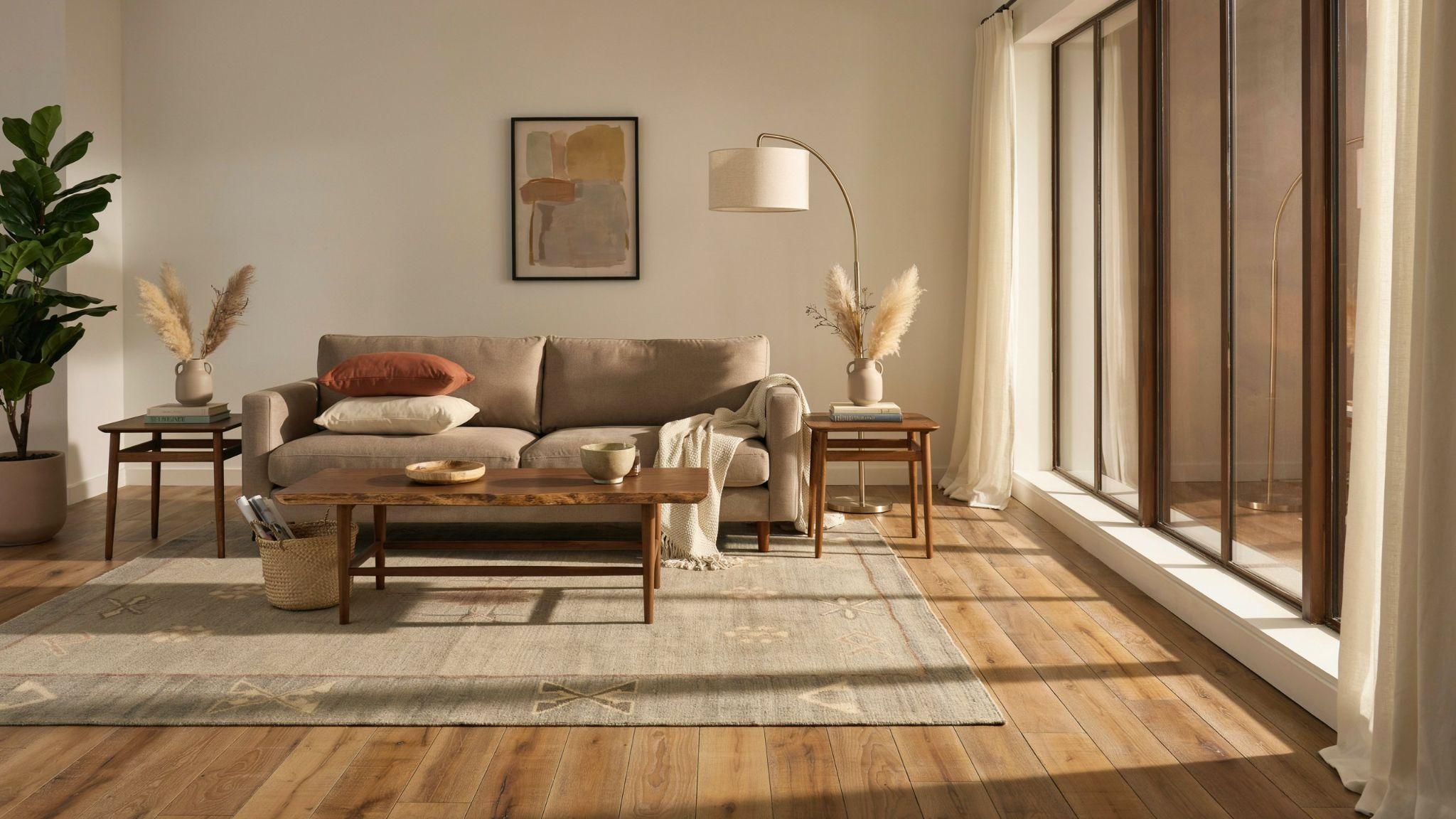
Sunlight can fade your furniture, rugs, and flooring faster than you'd think. Window film blocks most UV rays before they enter your room.
This helps your interior pieces last longer and keep their original color. It's a simple way to protect things you've spent good money on.
3. Improved Indoor Comfort

Hot spots near windows can make rooms uncomfortable, especially in peak summer months. Tint film helps even out the temperature throughout your space.
You'll likely notice less heat buildup near your windows. This makes rooms feel more comfortable to sit in all day.
4. Reduced Glare on Screens
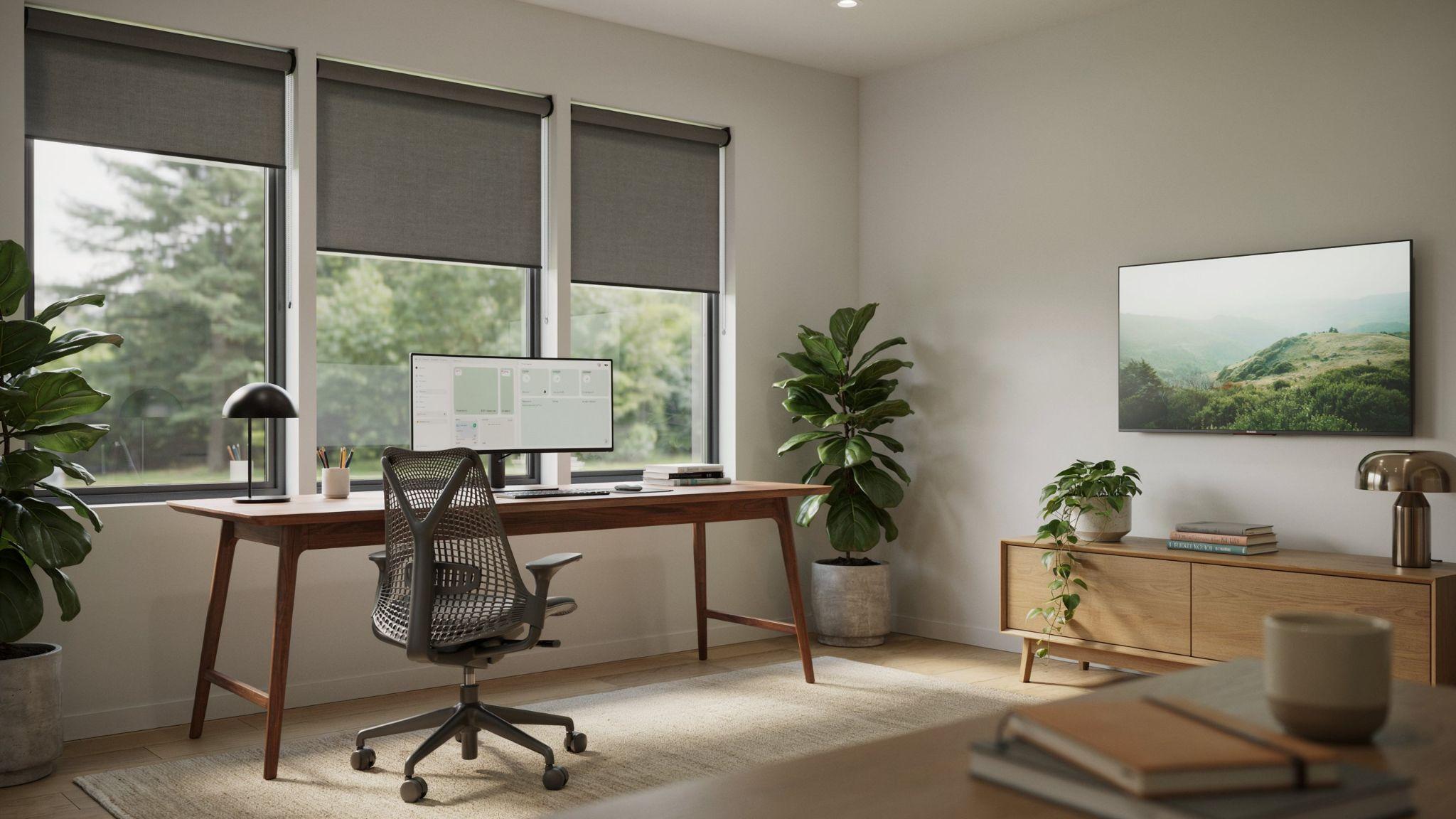
Bright sunlight can make it hard to see your TV, laptop, or phone screen clearly. Window tint cuts down on this glare significantly.
This is especially helpful in home offices or living rooms with big windows. You won't have to constantly adjust blinds just to see your screen.
5. Enhanced Daytime Privacy

During the day, tinted windows make it harder for people outside to see in. This gives you more privacy without needing to keep curtains closed all the time.
You still get natural light coming through your windows. It's a nice balance between privacy and brightness.
How to Minimize the Disadvantages of Home Window Tinting
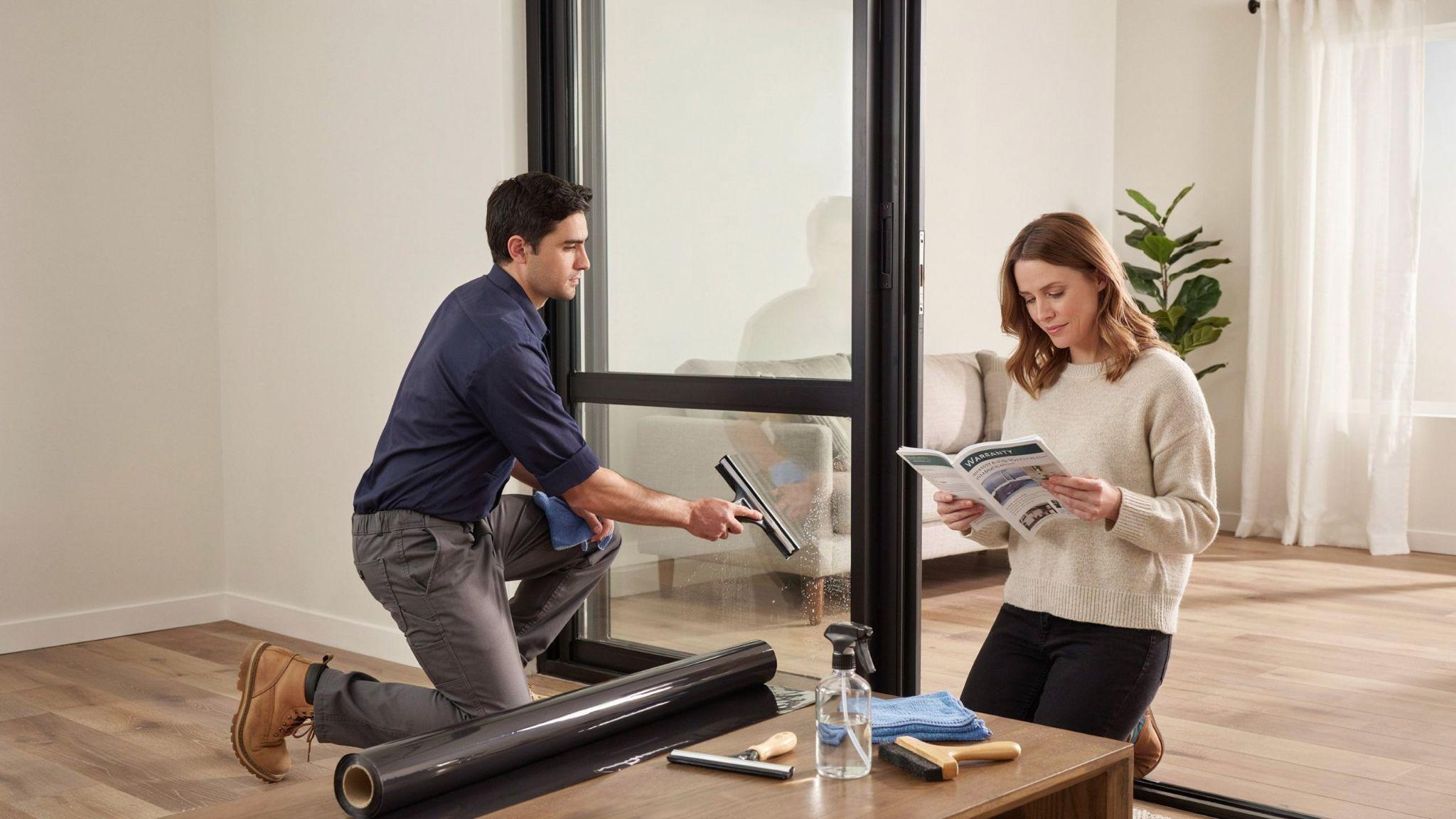
You can avoid most window tinting problems with a few smart choices. Start by picking high quality film instead of going for the cheapest option you find.
Hire a certified professional for installation. This lowers the risk of bubbling, peeling, or an uneven finish.
Always check if your window type works well with your chosen film before moving forward. Lastly, read your warranty terms carefully so you know what stays covered and what might not after installation.
Who Should and Shouldn’t Install Home Window Tint?

Home window tint isn't the right call for everyone. It helps to know where you stand before spending money.
Homes with lots of sun exposure, large windows, or high cooling bills benefit most. If rooms heat up fast or furniture fades quickly, tint helps a lot.
Tinting may not be needed if you already have energy efficient windows or shaded areas blocking direct sun.
Before investing, ask about film warranty, window compatibility, and expected lifespan. Past customer reviews help too.
Conclusion
Home window tinting comes with real perks and real downsides.
I'd say it pays off most when you pick quality film and hire someone who knows what they're doing. Skip the cheap stuff and check your warranty first.
Still on the fence? Talk to a trusted installer near you and get a free quote today. Got questions about your windows? Drop them in the comments below, I'd love to help.
Frequently Asked Questions
Does home window tinting really lower energy bills?
Yes, it can. Tinted windows block a good amount of heat, so your AC doesn't have to work as hard.
Can window tint damage my windows over time?
It's possible with certain glass types. Heat absorbed by the film can sometimes cause thermal stress cracks on older windows.
How long does window film usually last?
Most films last several years, depending on quality and climate. Lower quality films tend to wear out faster.
Will window tinting affect my view at night?
Yes, darker tints can reduce visibility after dark. Some films even create a mirror like effect indoors at night.
Is professional installation really necessary for window tint?
In most cases, yes. Getting a smooth, bubble free finish takes skill that DIY kits usually can't match.