
I remember standing in a fabric store, staring at bolts of fabric, completely stuck on which pleat style to pick for my windows.
If you are searching for curtain pleat types, you are probably feeling that same confusion right now.
This guide walks you through every major curtain pleat type, how they differ, and which one fits your room best.
I have hung curtains in more homes than I can count, and I know how much the right pleat changes a space.
By the end of this post, you will know exactly which curtain pleat type suits your style, fabric, and budget.
Understanding Curtain Pleat Types and Why They Matter

The pleat style you pick shapes how your curtains hang, move, and frame your window.
A curtain pleat is simply the fold sewn into the top of a curtain panel, and it controls how the fabric gathers and falls, giving the panel its shape and structure.
More folds mean more fabric bunched together, which creates a fuller look, while fewer folds give a flatter, simpler drape that suits casual rooms.
Before settling on a style, think about your window size, your fabric weight, and how often you plan to open and close the curtains, since these small details make a real difference in the final look.
Different Curtain Pleat Types Explained
Here is a closer look at the most common pleat styles used in homes today.
Pencil Pleat Curtains
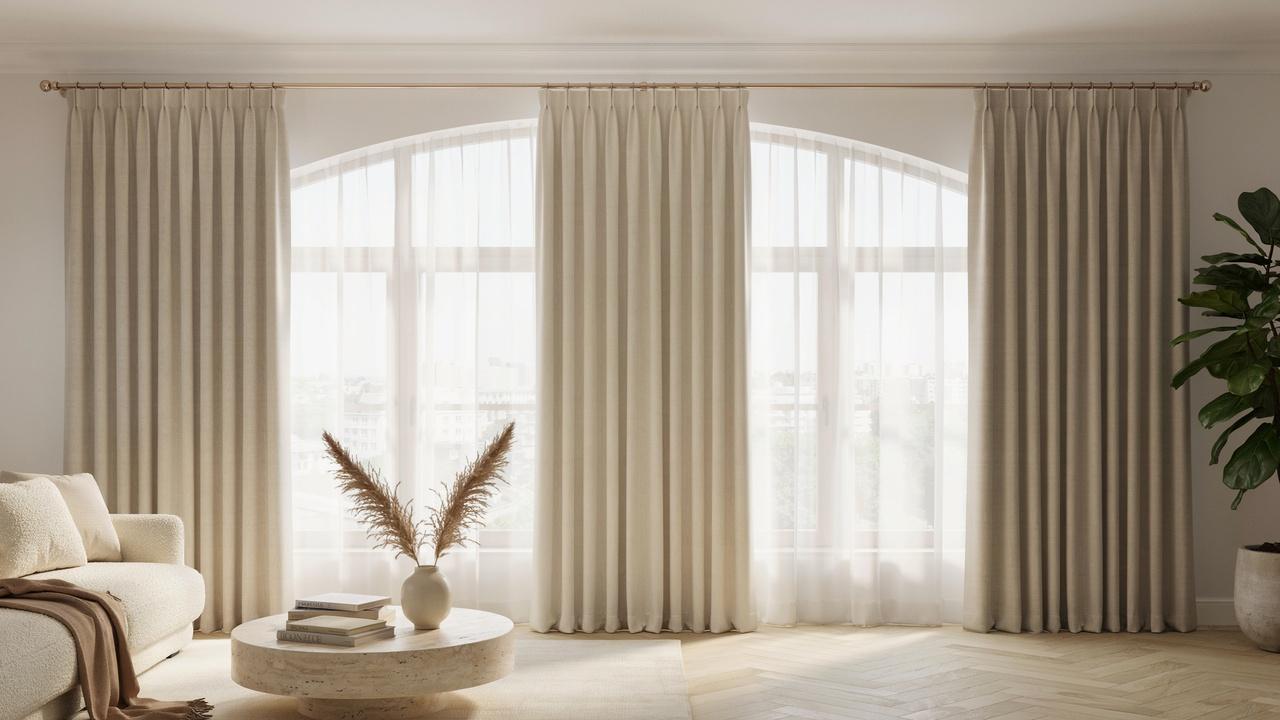
These curtains have narrow, tightly packed folds that look like a row of pencils. They work well with lighter fabrics and casual spaces.
The gathered top also makes them easy to adjust for different levels of fullness.
Pinch Pleat Curtains (Single, Double, and Triple)
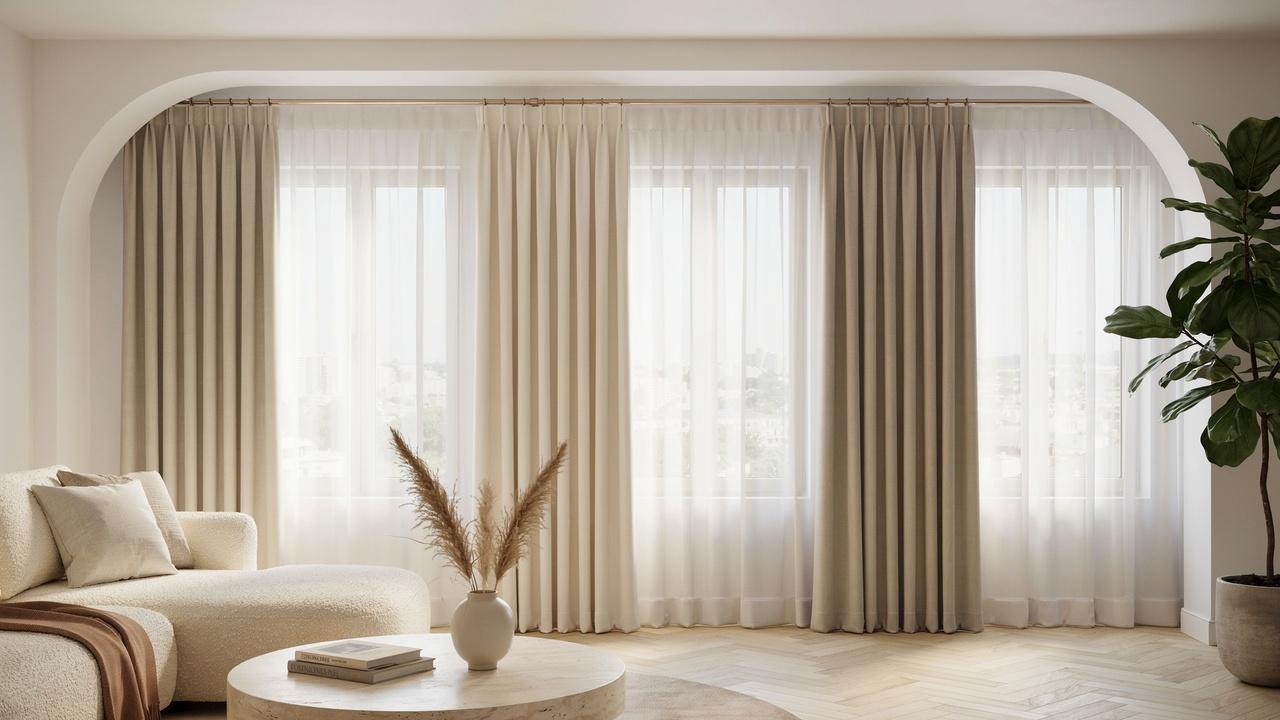
Pinch pleats gather fabric into small clusters stitched together at the base.
Triple pinch pleats give the fullest, most formal look. Single and double versions offer a slightly softer, more relaxed finish.
Euro (Parisian) Pleat Curtains
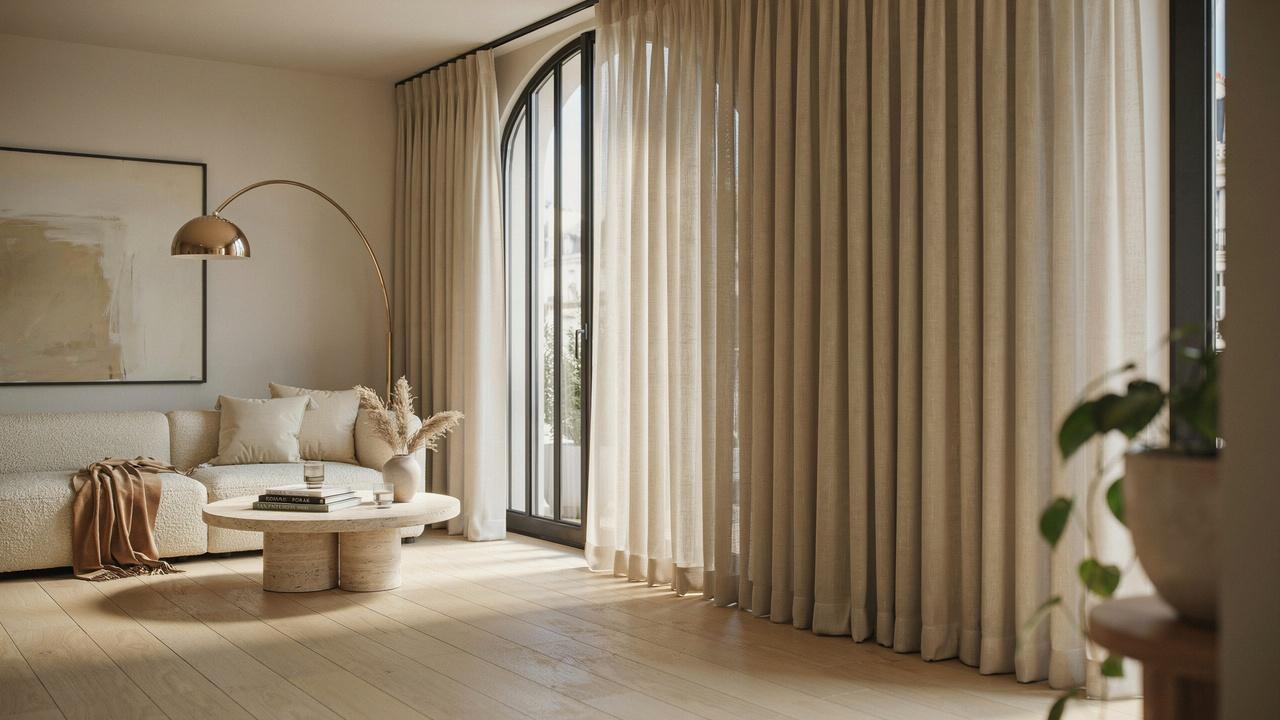
This style creates soft, rounded folds that stay pinched only at the very top, giving a relaxed yet polished shape.
The fabric falls smoothly below the pinch point without added bulk. It works well for rooms that want a refined but easy feel.
Box and Inverted (Manhattan) Pleat Curtains
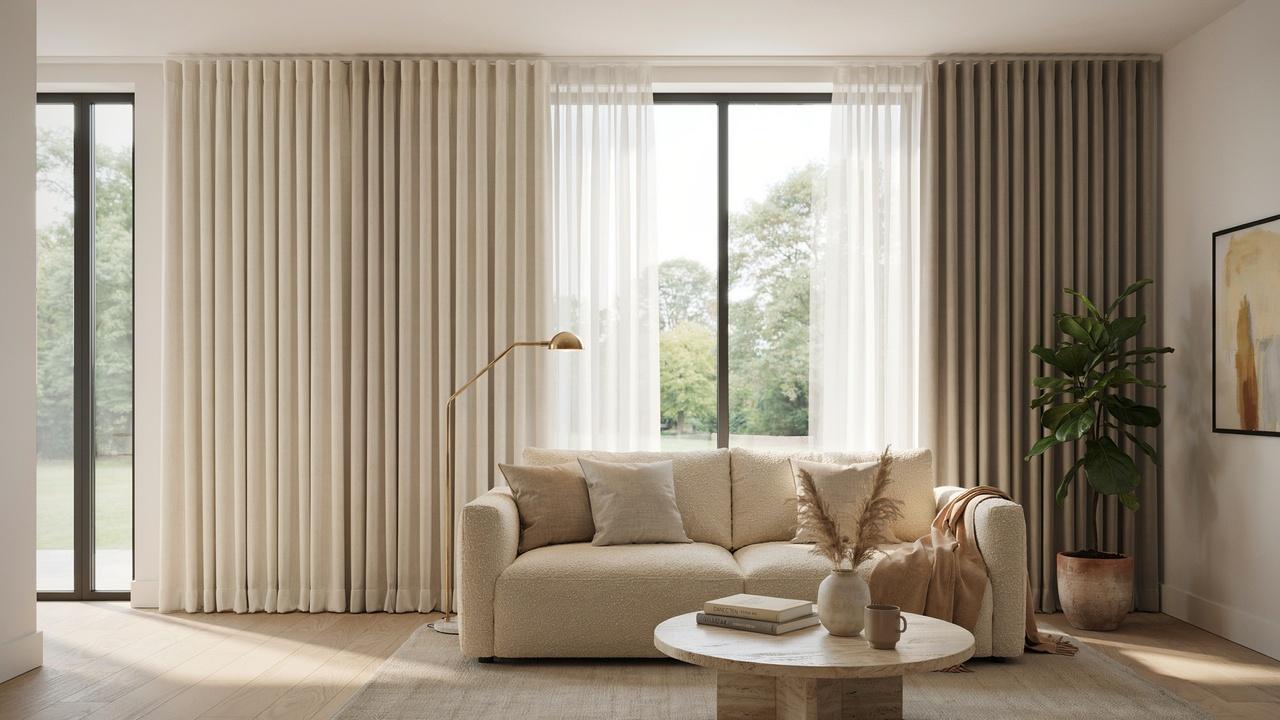
Box pleats fold fabric into crisp squares that face outward. Inverted pleats flip that fold inward for a cleaner, flatter front.
Both styles hold their shape well and suit tailored, structured window treatments.
Goblet Pleat Curtains
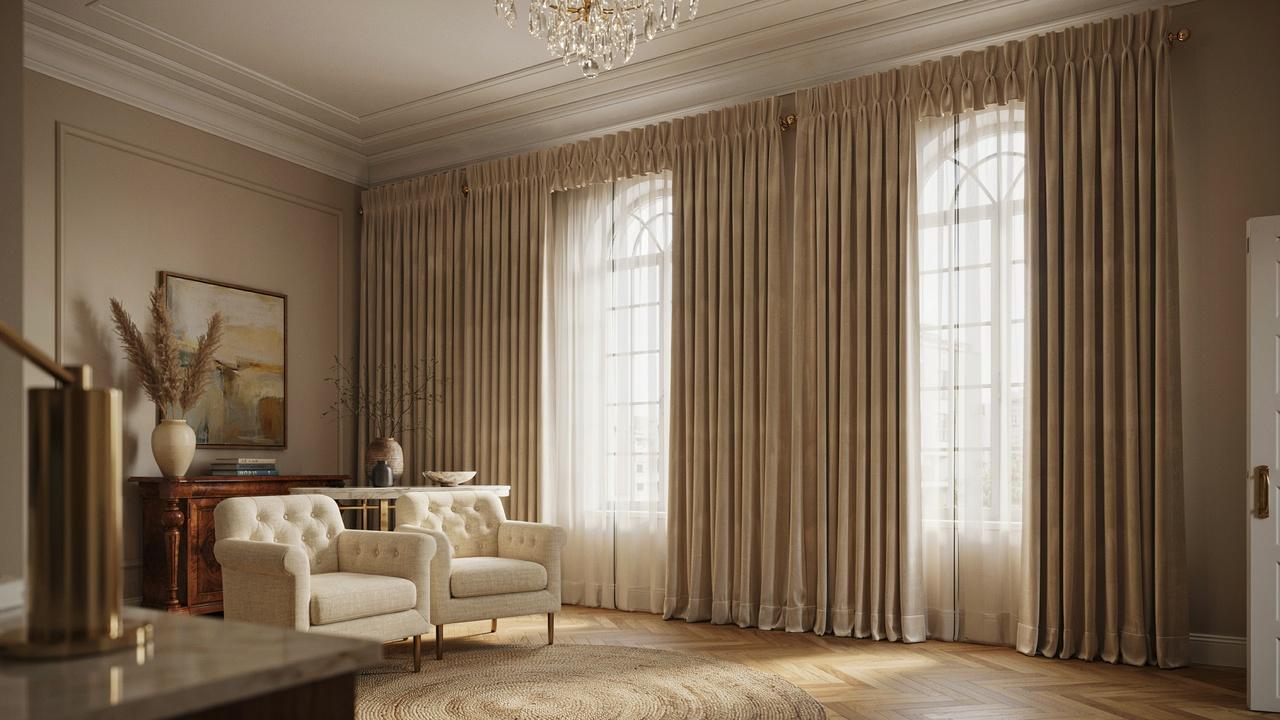
Shaped like a wine goblet, this pleat is stuffed at the top to hold its rounded form. It suits formal dining rooms and living spaces.
The rounded shape adds height and draws the eye upward toward the window.
Wave (Ripple Fold) Pleat Curtains
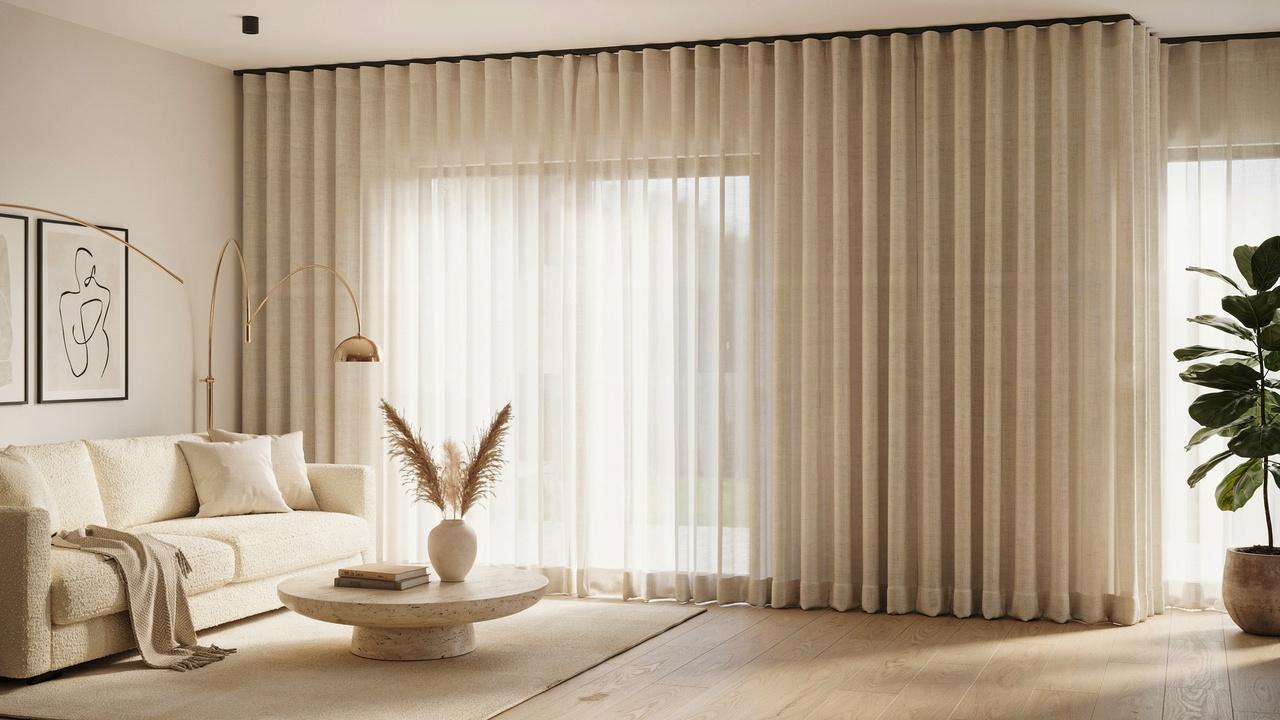
Wave pleats create smooth, continuous curves along the curtain track.
This style fits modern homes with large windows. The even folds give a clean, uniform look from one end of the panel to the other.
Eyelet (Grommet) Curtains
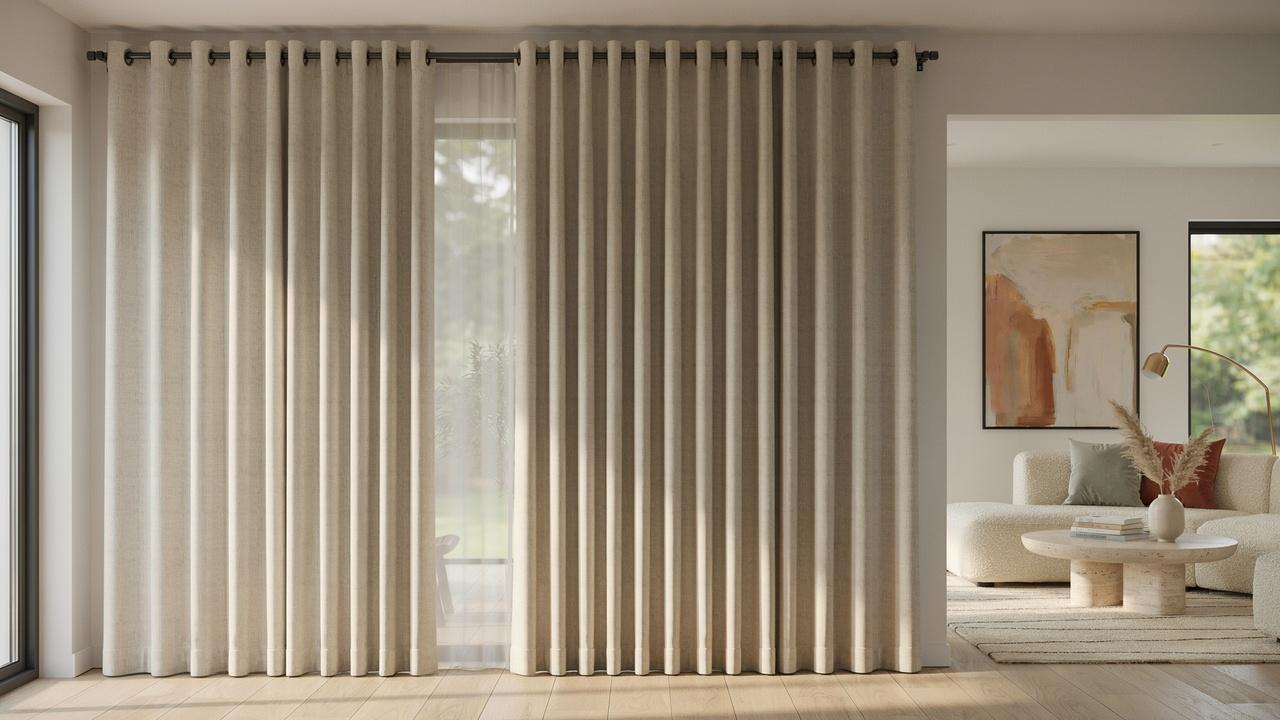
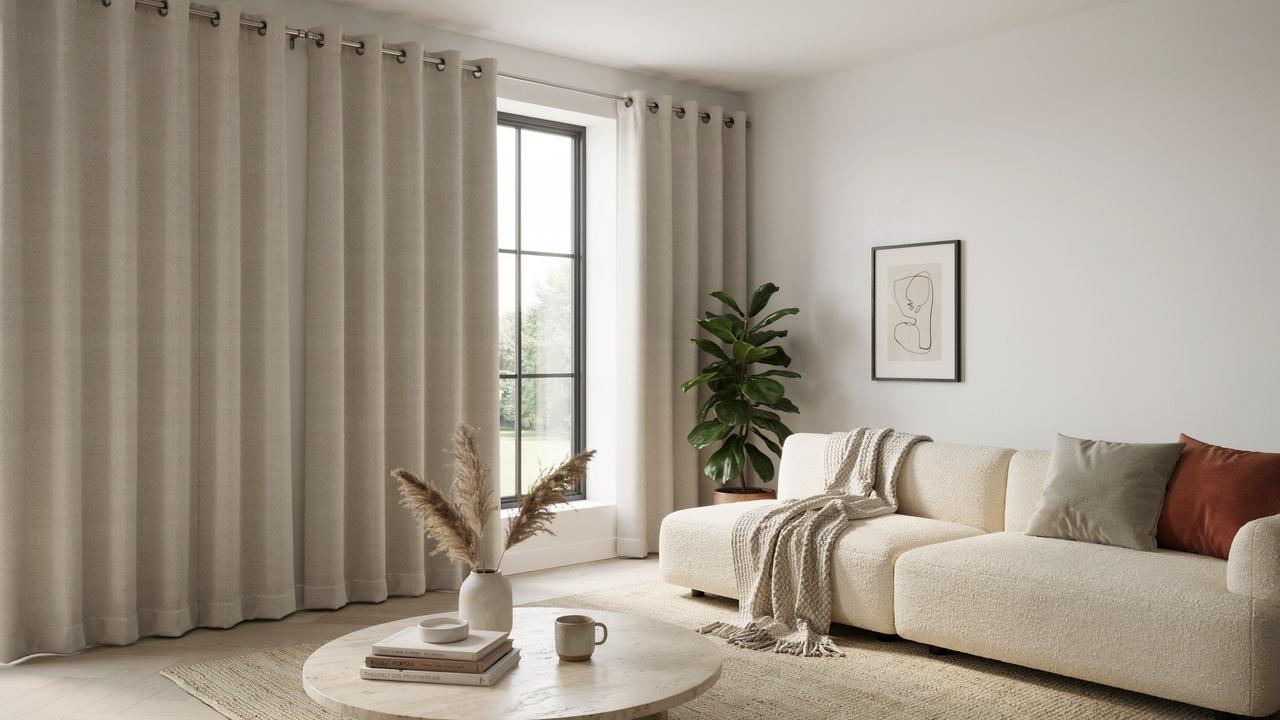
Metal rings punched into the fabric let the curtain slide directly on the rod, forming soft loose waves without extra hardware.
This design makes them quick to hang and simple to remove. The rings also add a slightly industrial, modern touch.
Rod Pocket, Tab Top, and Back Tab Curtains
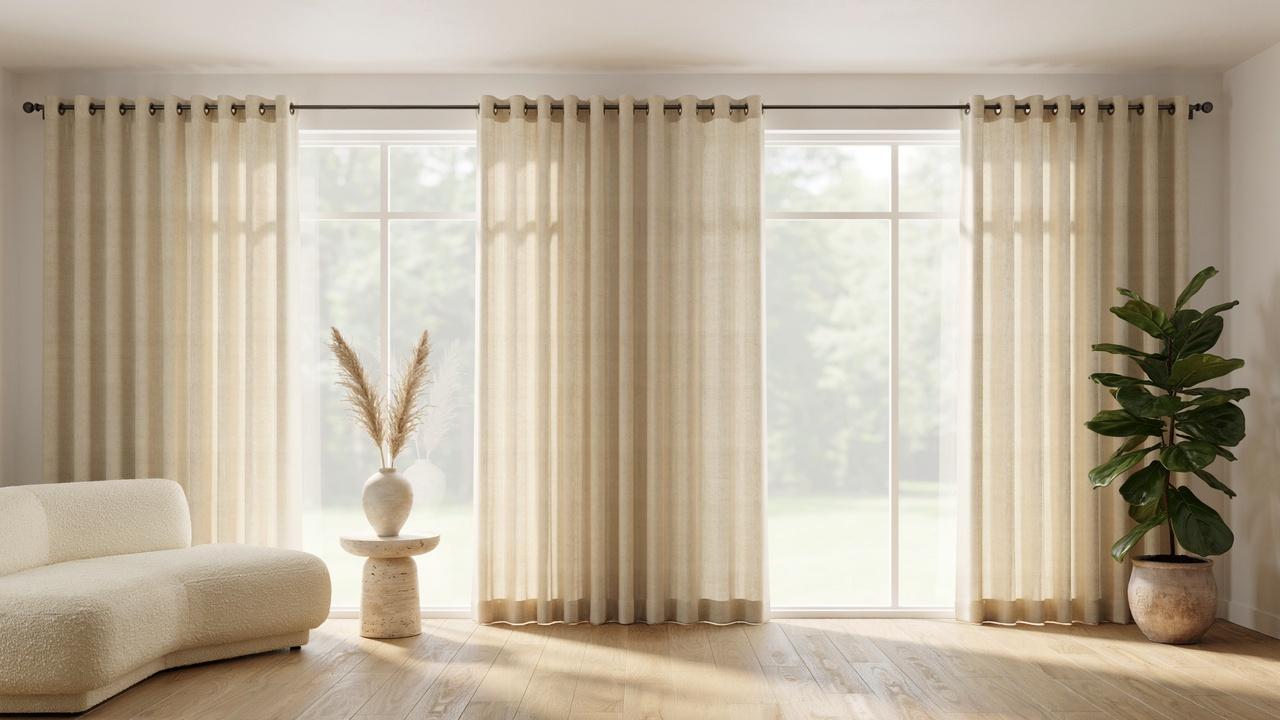
These simpler styles skip formal pleats altogether. Rod pockets slide onto the rod, tab tops loop over it, and back tabs hide the hardware from view.
Each option works best for casual rooms where a relaxed look fits the space.
Curtain Pleat Types Comparison: What's the Difference?
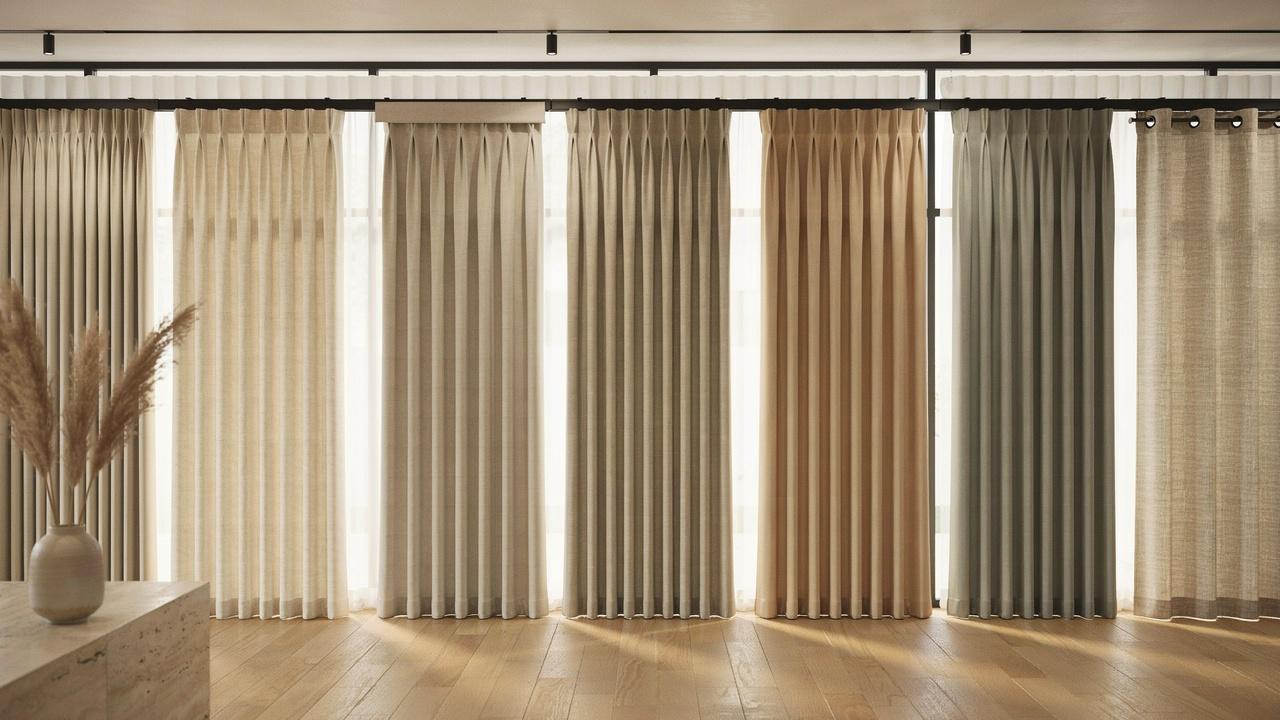
Each pleat style differs in look, fabric use, and how easily it opens and closes.
Appearance and Fullness
Pinch and goblet pleats create the fullest, most structured look, while pencil and rod pocket styles sit flatter and simpler.
The amount of fabric used directly changes how full the panel appears. Choosing the right fullness depends on the mood you want in the room.
Fabric Requirements
Fuller pleats like triple pinch or goblet need more fabric per panel.
Simpler styles like eyelet or tab top use less. This difference in fabric use also affects the overall cost of each style.
Best Pleats for Traditional vs. Modern Homes
Goblet and pinch pleats suit traditional rooms, while wave and eyelet pleats fit modern, minimal spaces.
The structured folds of traditional styles add formality. Modern styles lean toward clean lines and simple movement.
Ease of Opening and Closing
Wave pleats glide the smoothest along a track. Rod pocket curtains are the hardest to slide since fabric bunches on the rod itself.
Choosing a pleat that matches how often you open and close curtains saves daily hassle.
Maintenance and Cleaning
Simple styles like eyelet and tab top are easier to take down and wash. Structured pleats often need steaming to hold their shape.
Keeping this in mind ahead of time can save time on upkeep later.
How to Choose the Right Curtain Pleat Type
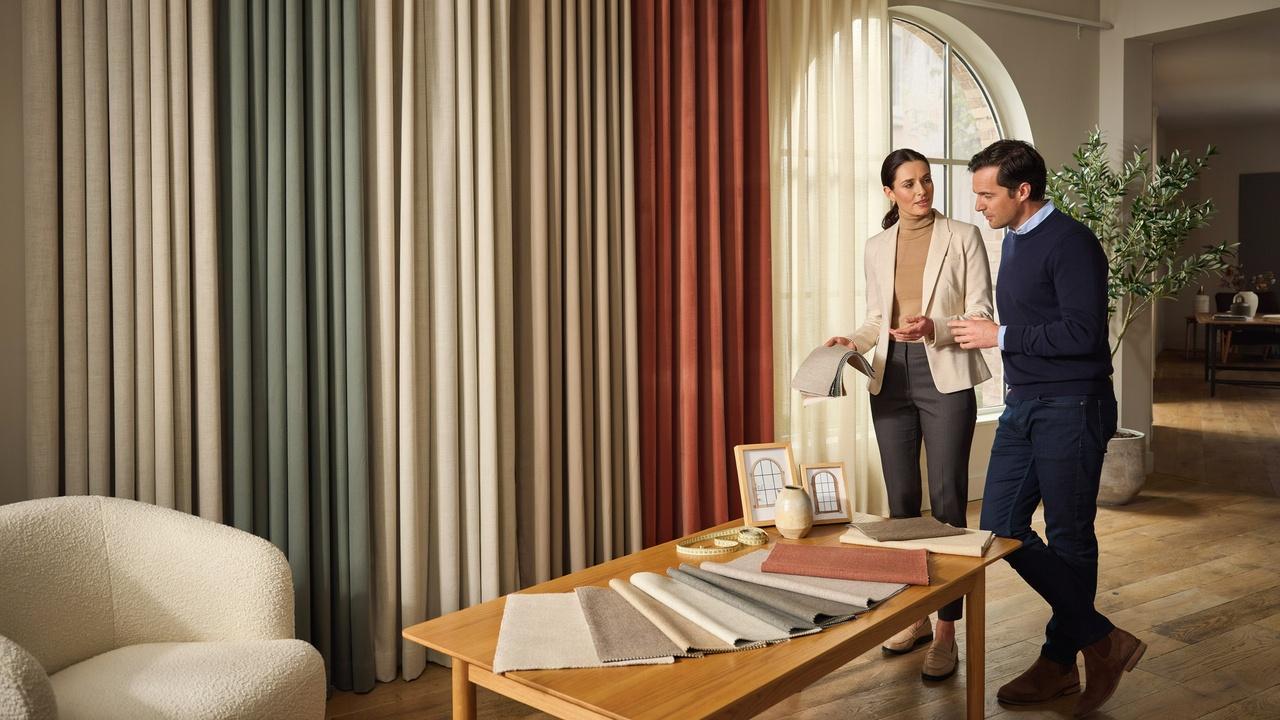
A few simple checks will help you match the pleat to your space.
Choose Based on Your Interior Design Style
Formal homes lean toward goblet or pinch pleats.
Casual or modern spaces do better with wave or eyelet styles. Matching the pleat to your existing decor keeps the room feeling cohesive.
Choose Based on Curtain Fabric
Heavy fabrics hold structured pleats well, while light fabrics suit looser folds like pencil or rod pocket.
The weight of your fabric often decides which pleat style will actually hold its shape. Testing a small sample before committing can help.
Choose Based on Window Size and Hardware
Wide windows benefit from wave pleats, while smaller windows work fine with simpler tab top or rod pocket styles.
Your existing rod or track also plays a role in which pleat style will work. Checking hardware compatibility early saves a return trip to the store.
Choose Based on Functionality and Privacy
If you open and close curtains often, pick a style that slides easily, like a wave or eyelet.
Styles that bunch or stick can become frustrating over time. Privacy needs should also guide how full or sheer the fabric should be.
Choose Based on Budget
Simpler pleats use less fabric and labor, making them a more affordable choice than structured styles like goblet or triple pinch.
If you are working with a tighter budget, rod pocket or tab top styles are worth considering. Spending a bit more on structured pleats can still be worthwhile for a formal room.
Curtain Pleat Types at a Glance (Quick Comparison Table)
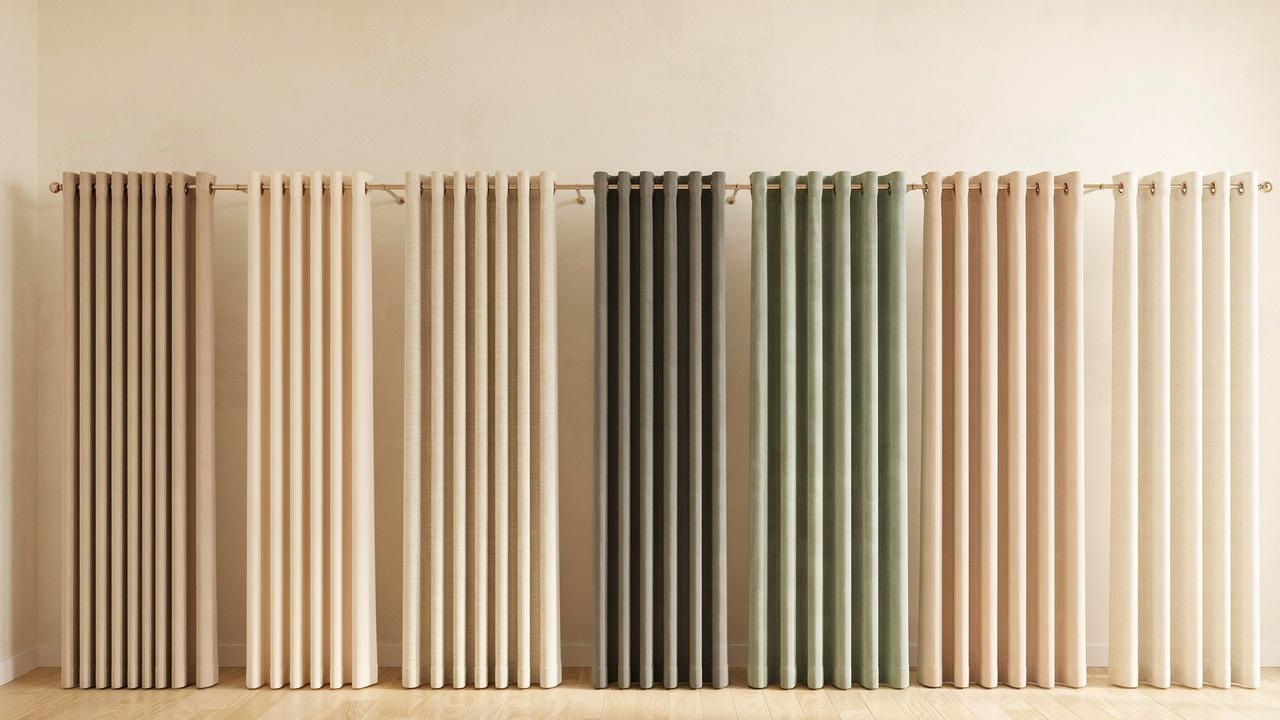
A quick snapshot to help you compare styles side by side.
| Category | Best Pleat Type | Why |
| Most Luxurious Curtain Pleat | Goblet pleats | Sculpted, formal shape |
| Most Budget-Friendly Pleat | Rod pocket curtains | Use less fabric and no extra hardware |
| Best Pleat for Modern Interiors | Wave fold curtains | Clean, continuous lines |
| Best Pleat for Formal Spaces | Triple pinch pleats | Rich, full drape |
| Best Pleat for Easy Maintenance | Eyelet curtains | Simple to remove and wash |
Expert Tips for Choosing the Perfect Curtain Pleat
Small choices in pleat style make a big difference in how your curtains look and perform every day.
- Match the pleat style to your home's architecture
- Consider how often you'll open and close the curtains
- Choose a pleat that complements your fabric
- Make sure your curtain rod or track supports the pleat style
- Invest in the right fullness for a well-finished look
Conclusion
Choosing the right curtain pleat type comes down to your room, your fabric, and how you actually use your curtains every day.
I have tested several of these styles in my own home, and the difference in look and function surprised me every time.
Think about your space, pick a pleat that fits your daily routine, and let your curtains do the rest. Which curtain pleat type are you leaning toward?
Drop a comment below and let me know, or share this post with someone planning a window refresh of their own.
Frequently Asked Questions
Which curtain pleat type is the most popular?
Pinch pleats remain the most popular choice. They offer a classic, structured look that suits most home styles.
What is the difference between pinch pleats and Euro pleats?
Pinch pleats are stitched at the base into clusters. Euro pleats are pinched only at the top, giving a softer, rounder fold.
Which curtain pleat type uses the most fabric?
Triple pinch and goblet pleats use the most fabric since they need extra material to form their full, structured folds.
What is the best curtain pleat type for modern homes?
Wave fold curtains suit modern homes best, thanks to their smooth, continuous lines and clean look.
Which curtain pleat type is easiest to maintain?
Eyelet curtains are the easiest to maintain since they slide off the rod quickly for washing.
Are wave fold curtains better than eyelet curtains?
It depends on the look you want. Wave folds offer a smoother, more formal glide, while eyelet curtains give a relaxed, casual feel.