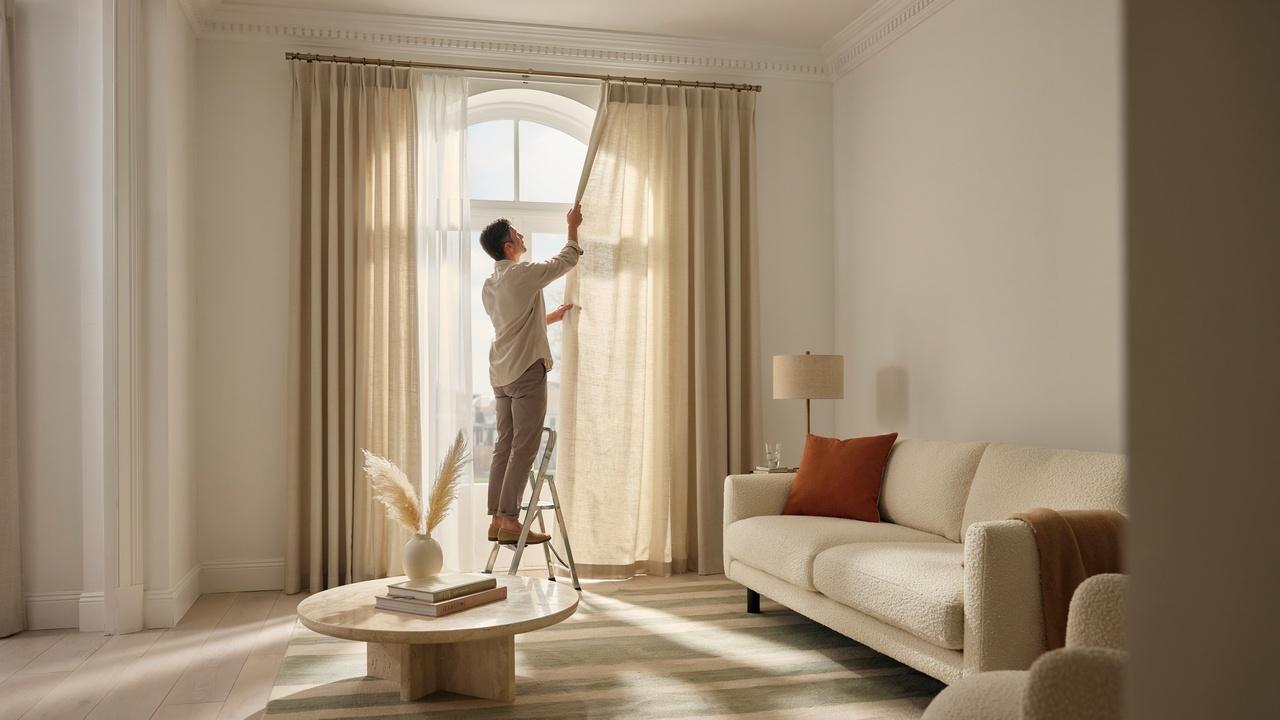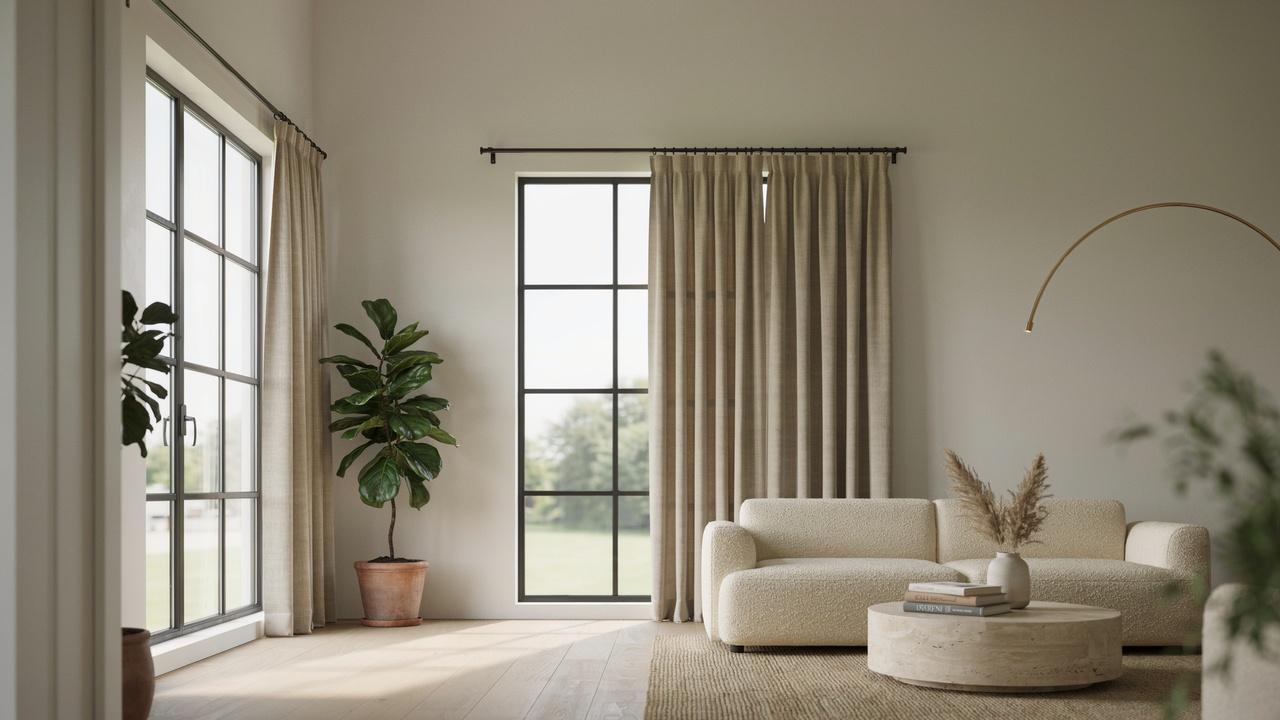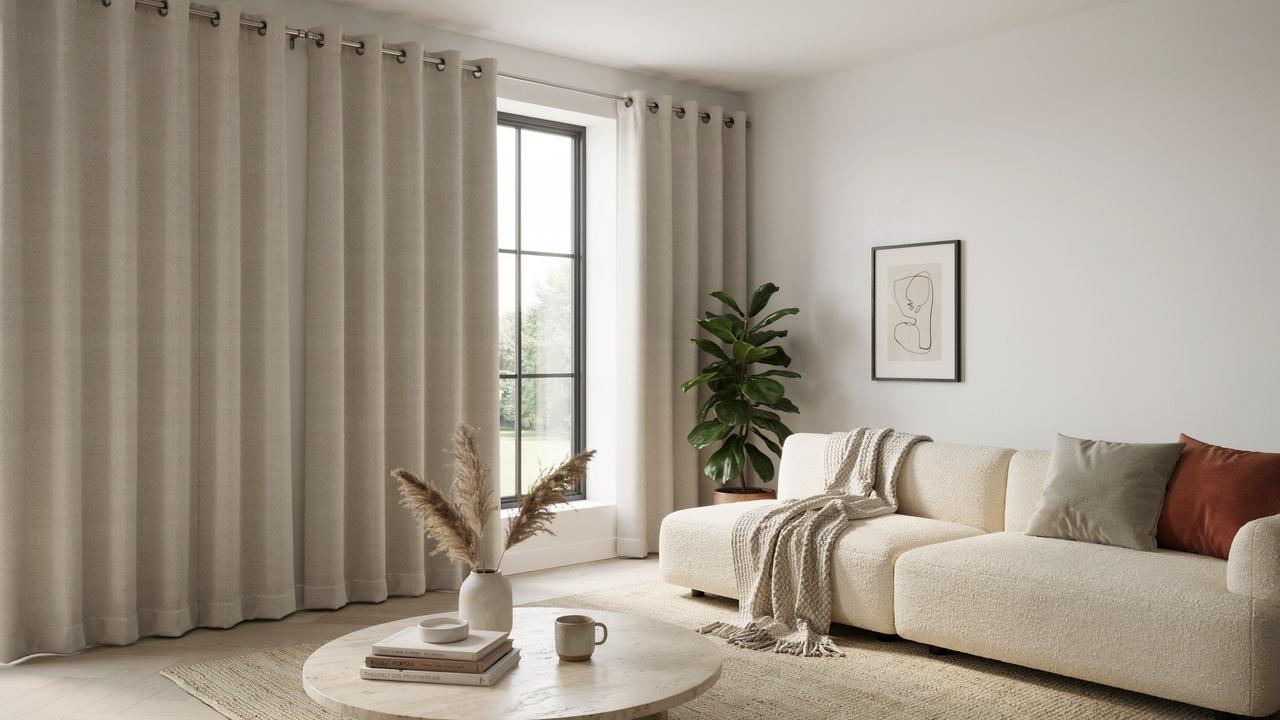

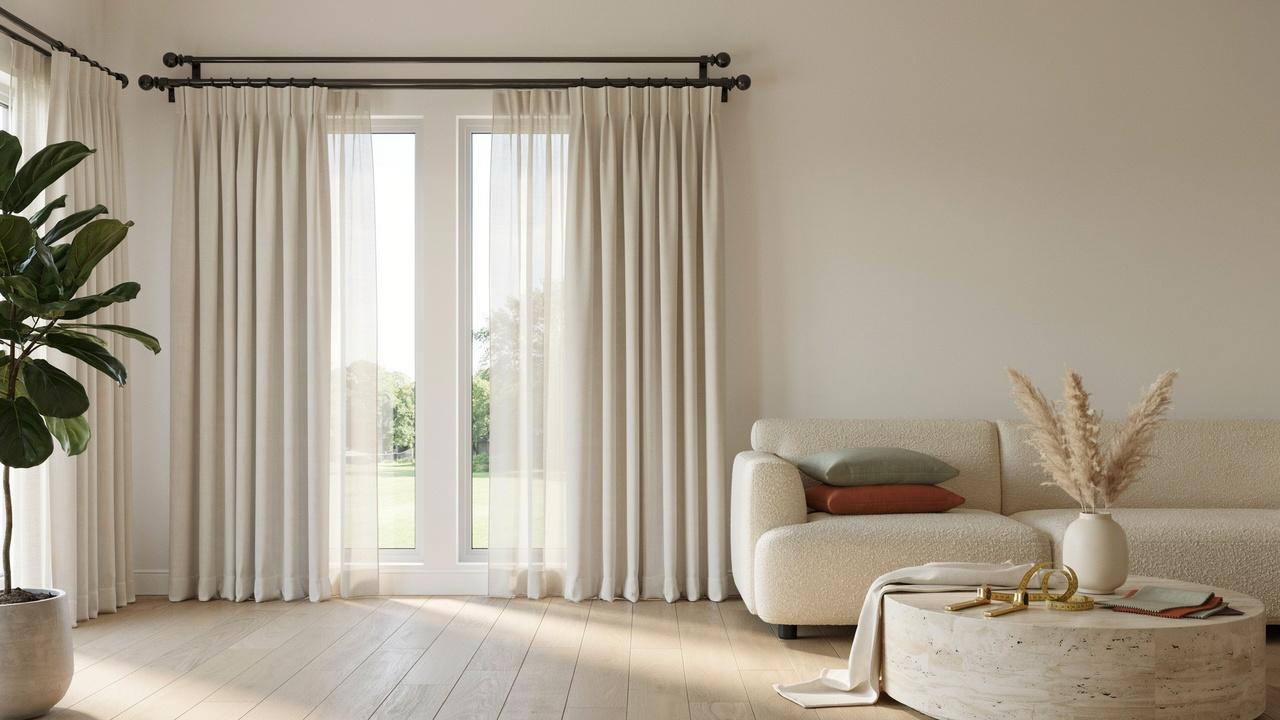
Hanging curtains sounds simple until you get the rod placement wrong and the whole window looks off.
I learned this the hard way in my own living room, where a rod hung too low made my ceilings feel shorter.
This curtain rod placement guide walks you through the right height, the right width, and the small mistakes that throw off your whole room.
By the end, you will know exactly where to mount your rods for a clean, put-together look.
I have tested these placements in my own home, so you are getting advice that actually works, not just theory.
Quick Answer: Where Should Curtain Rods Be Placed?
Here is the short version before we get into the details.
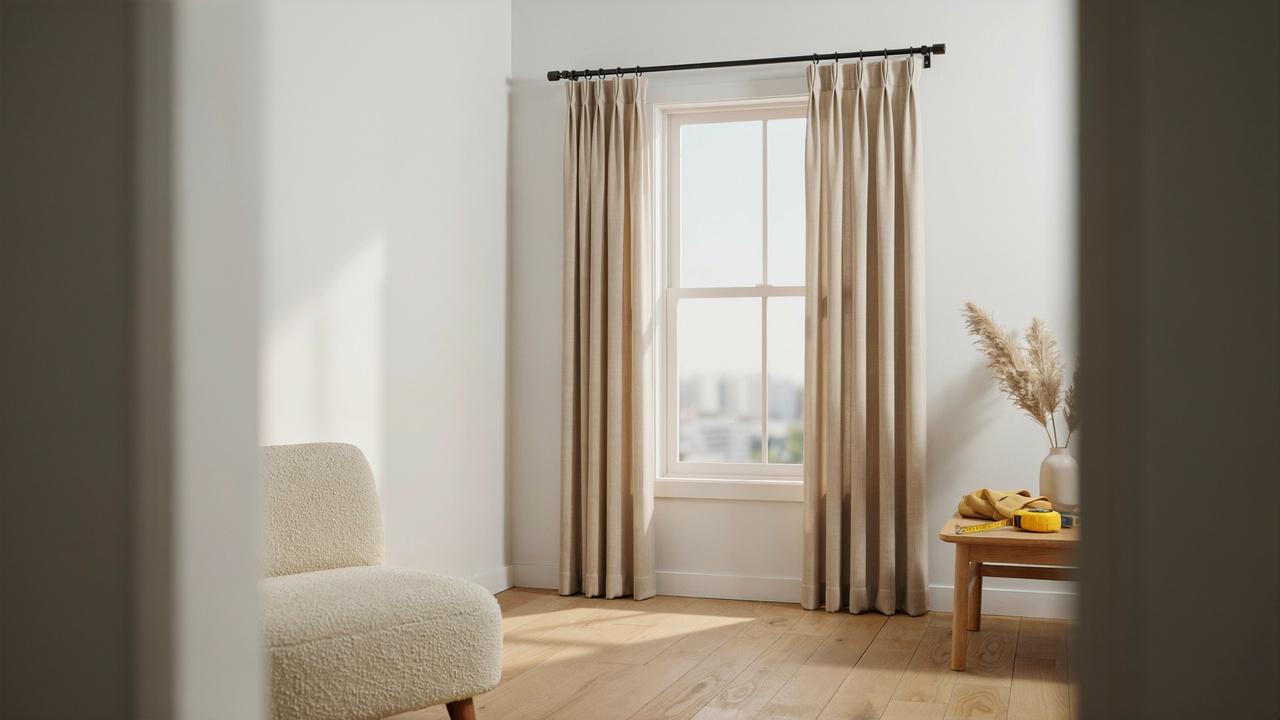
For most windows, mount the rod four to six inches above the frame. This small gap draws the eye upward and makes the window feel taller than it really is.
Then extend the rod four to ten inches past each side of the frame. This lets curtains clear the glass and lets in more light when open.
When in doubt, go higher and wider. Rooms almost always look better with a bit of extra height and width than with a tight, cramped frame around the window.
How High Should You Hang Curtain Rods?
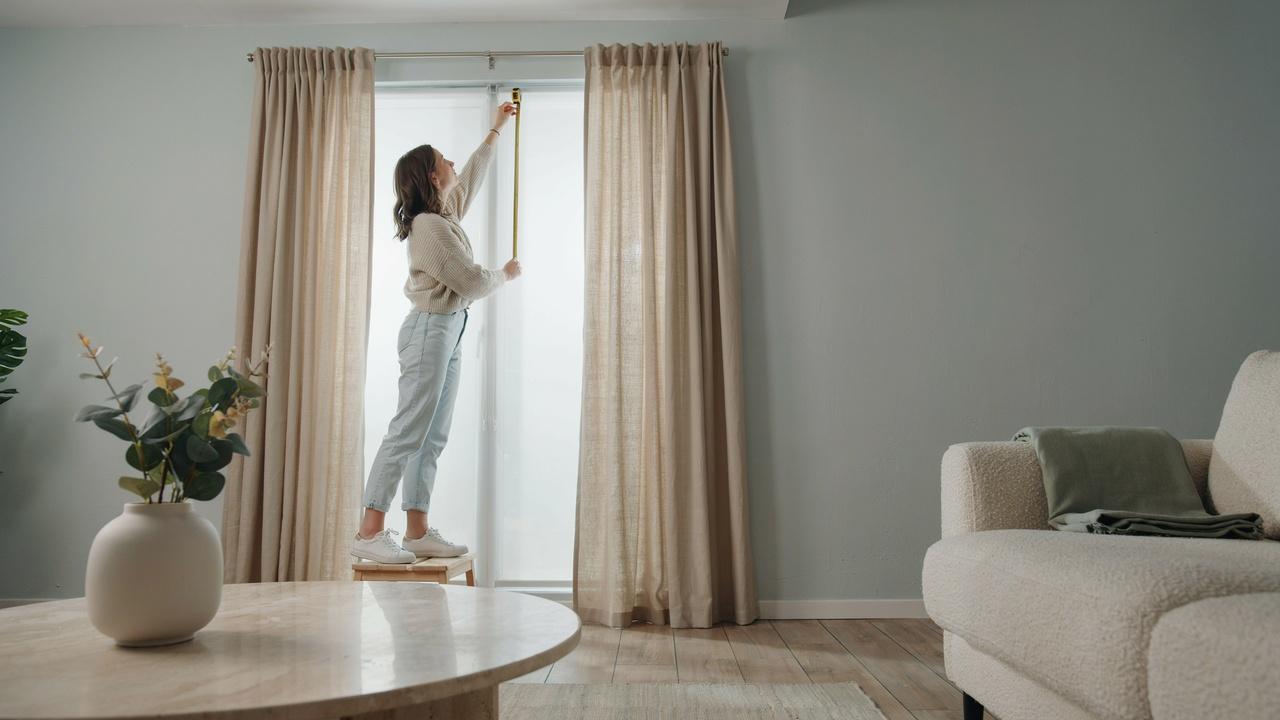
Height changes everything about how a window reads in a room.
Standard Curtain Rod Height for Most Homes
For an eight foot ceiling, four to six inches above the frame works well. This spacing keeps the proportions balanced without making the wall look stretched.
It also gives you enough room to hang the curtains fully open without blocking the glass.
Curtain Rod Placement for Low Ceilings
With low ceilings, mount the rod as close to the ceiling as you can.
This trick adds visual height exactly where the room needs it most. It also helps the space feel less boxed in and more open overall.
Curtain Rod Placement for High Ceilings
Tall ceilings give you more freedom with where you place the rod.
You can hang it higher for a dramatic effect, or keep it closer to the frame for a calmer, more grounded look.
Either choice works, so it comes down to the mood you want in the room.
Should Curtain Rods Be Mounted Close to the Ceiling?
Yes, especially in smaller rooms where every inch of height matters. Placing the rod near the ceiling line stretches the wall visually and makes the space feel bigger.
It is a simple change that costs nothing extra but the placement itself.
How Wide Should Curtain Rods Be?

Width decides how much light and wall space your curtains use.
Standard Curtain Rod Width Guidelines
A good rule is three to six inches of extension on each side for standard windows.
This keeps curtains from blocking the glass when they are open. It also gives the window a cleaner, more finished edge.
How Far Should Curtain Rods Extend Past the Window?
For a fuller look, go up to ten inches on each side of the frame. Wider rods let curtains stack neatly to the sides instead of covering part of the window.
This small adjustment makes a noticeable difference in how much light comes through.
Why Wider Curtain Rods Make Windows Look Bigger
When curtains hang beside the frame instead of on top of it, the eye reads the whole width as window space.
This makes the glass appear larger than it actually is. It is one of the easiest tricks for making any window feel more generous.
Curtain Rod Width for Large Windows and Sliding Doors
Large windows and sliding doors need extra support to hold the weight of the curtains.
Use a rod rated for the full width of the opening and add a center bracket to prevent sagging. This keeps the rod steady even with heavier fabric.
Curtain Rod Placement for Different Window Types
Not every window needs the same setup.
Small Windows: Create the Illusion of Bigger Windows
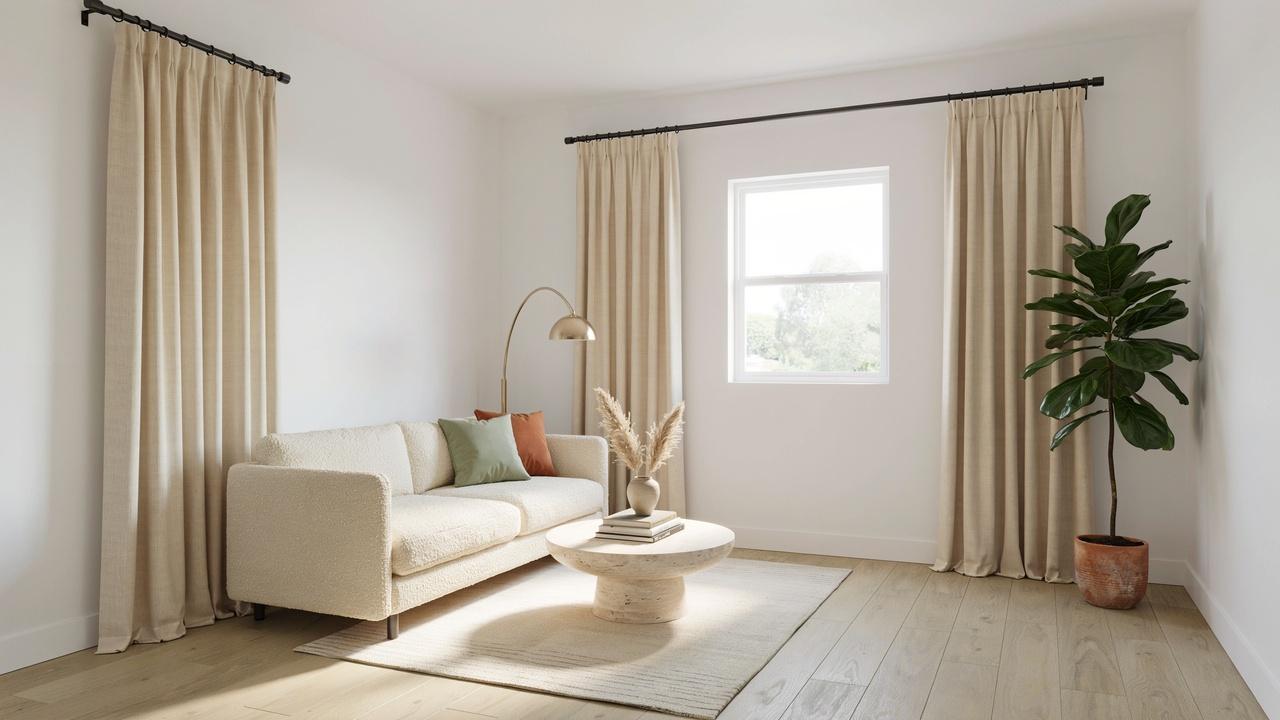
Go wider and higher than you think you need for a small window. This is the single best trick for making it feel generous rather than cramped.
Even a few extra inches on each side can change how the whole wall looks.
Large Picture Windows: Achieve Better Balance
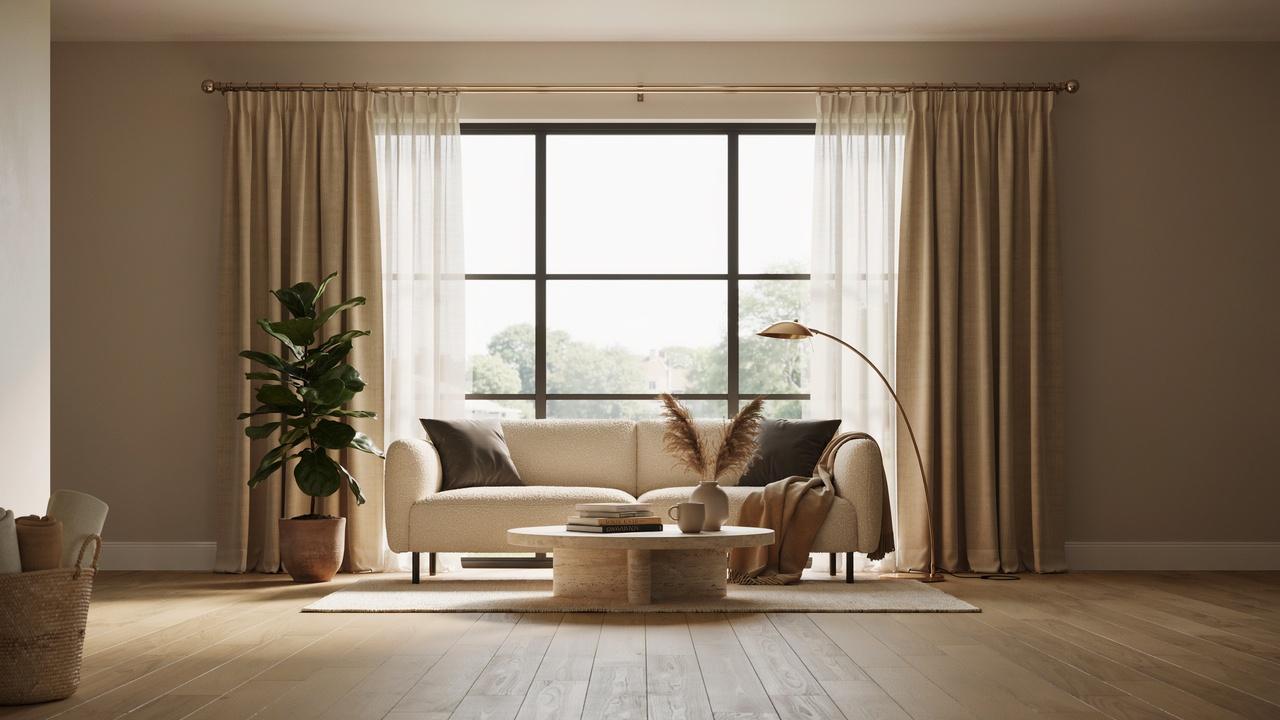
Center the rod on the frame and keep the extension even on both sides. This lets the curtains frame the view without overwhelming it.
Balanced spacing also keeps the focus on the window itself rather than the hardware.
Floor-to-Ceiling Windows and French Doors
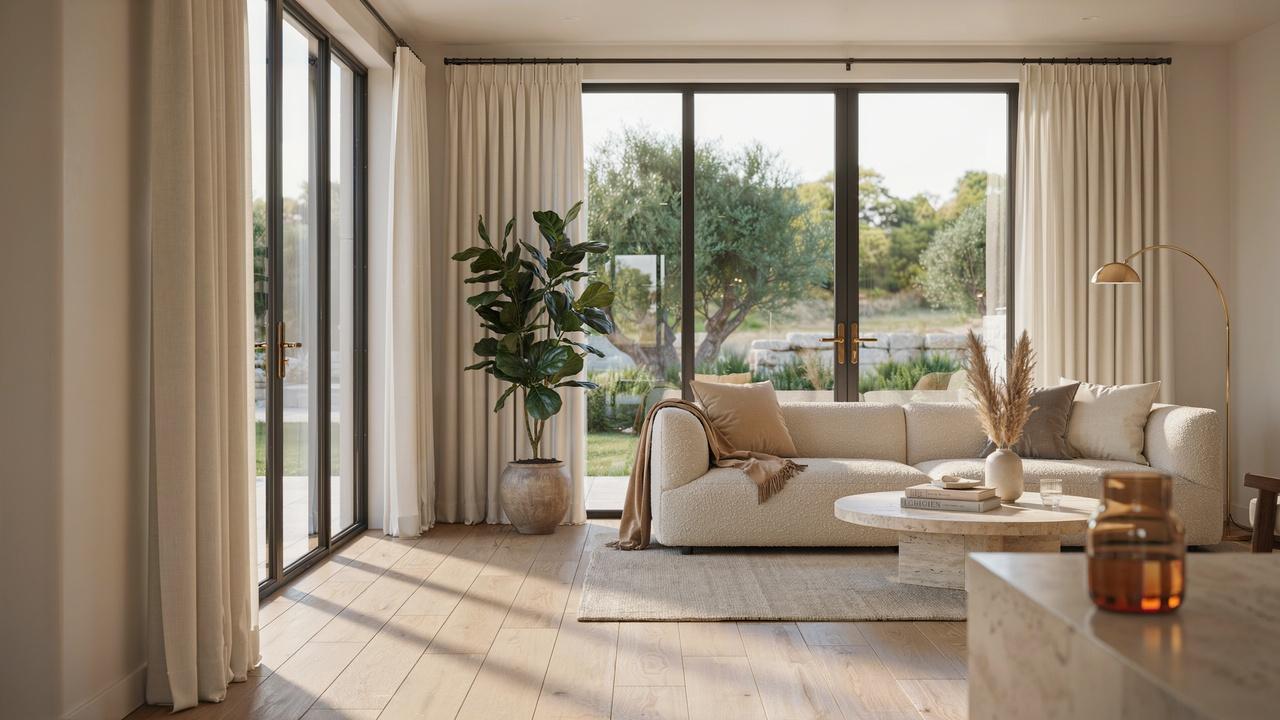
Mount the rod near the ceiling and let the curtains fall fully to the floor.
This keeps the tall, clean lines of the window intact. It also gives the room a more open and airy feel.
Bay Windows and Corner Windows Placement Tips

Use a bendable or custom rod that follows the angle of the bay. Keep the height consistent across all panels for a clean, unified line.
This prevents the curtains from looking uneven from one section to the next.
Common Curtain Rod Placement Mistakes to Avoid
These small errors are the ones I see most often.
- Hanging curtain rods too low, right on the frame
- Installing curtain rods too narrow, so they cover the glass
- Choosing curtains that are too short for the rod height
- Ignoring fullness and stack space, leaving panels looking skimpy
- Using the wrong rod size for the window width
Why Proper Curtain Rod Placement Matters for Window Styling
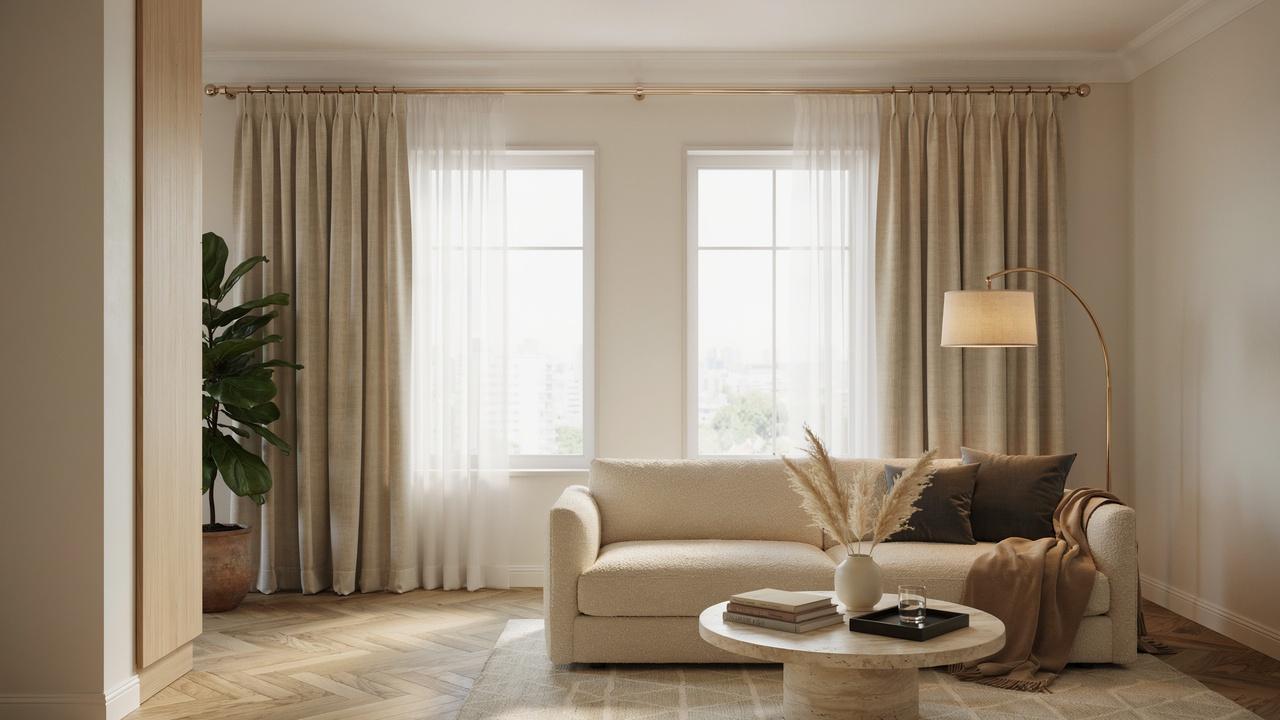
Good placement changes how the whole room feels.
Makes Ceilings Look Taller
A higher rod pulls the eye upward, adding perceived height to any room. This works especially well in spaces with standard or low ceilings.
It is a small change that makes a noticeable visual difference.
Makes Windows Appear Larger
Wider rods let curtains sit beside the glass instead of on top of it. This expands the visual size of the window without any construction.
The room ends up feeling brighter and more open as a result.
Maximizes Natural Light
When curtains clear the frame, more daylight comes through, even with the panels open. This is especially helpful in rooms that do not get much sun.
Proper spacing means you get the light without sacrificing the look of the window.
Creates a Designer-Looking Space
Proper spacing gives rooms a finished, intentional look without any extra cost. It is one of the simplest upgrades that makes a space feel professionally done.
Guests often notice the difference even if they cannot say exactly why.
Improves the Overall Balance of the Room
Correct height and width keep proportions even, so nothing feels cramped or off center.
This balance carries through the rest of the room's furniture and decor. It is a small detail that ties the whole space together.
Expert Tips for Perfect Curtain Placement and Styling
A few extra steps make a real difference.
- Always measure twice before drilling any holes
- Use floor-length curtains for a fuller, richer look
- Match curtain length to rod height so panels do not pool oddly
- Choose sturdy hardware that fits the weight of your fabric
- Layer sheers under heavier curtains for a finished, high-end feel
Conclusion
Getting curtain rod placement right is one of those small changes that makes a room feel put together, and it is easier to fix than most people think.
I still remember how different my own living room looked once I raised my rods just a few inches past the frame.
The window suddenly felt bigger, and the whole space felt brighter. Try it in your space and see the difference for yourself, even if it just means moving your rod up a little higher.
If this guide helped, drop a comment and let me know how your windows turned out, or share it with a friend who is redoing their space too.
Frequently Asked Questions
How high should curtain rods be above a window?
Most windows look best with the rod four to six inches above the frame. Adjust higher if your ceiling allows.
How far should curtain rods extend past the window?
Aim for four to ten inches on each side. This helps curtains clear the glass and let in light.
Should curtain rods be close to the ceiling?
Yes, especially in rooms with low ceilings. It adds height and makes the space feel larger.
Do wider curtain rods make windows look bigger?
Absolutely. Extra width lets curtains frame the window instead of covering it, which reads as more glass.
Can curtain rods be too high or too wide?
Yes, if they look disconnected from the window. Keep proportions in check with the room's ceiling height.
Should curtains touch the floor?
For most rooms, yes. A slight break at the floor gives a soft, finished look without dragging.