
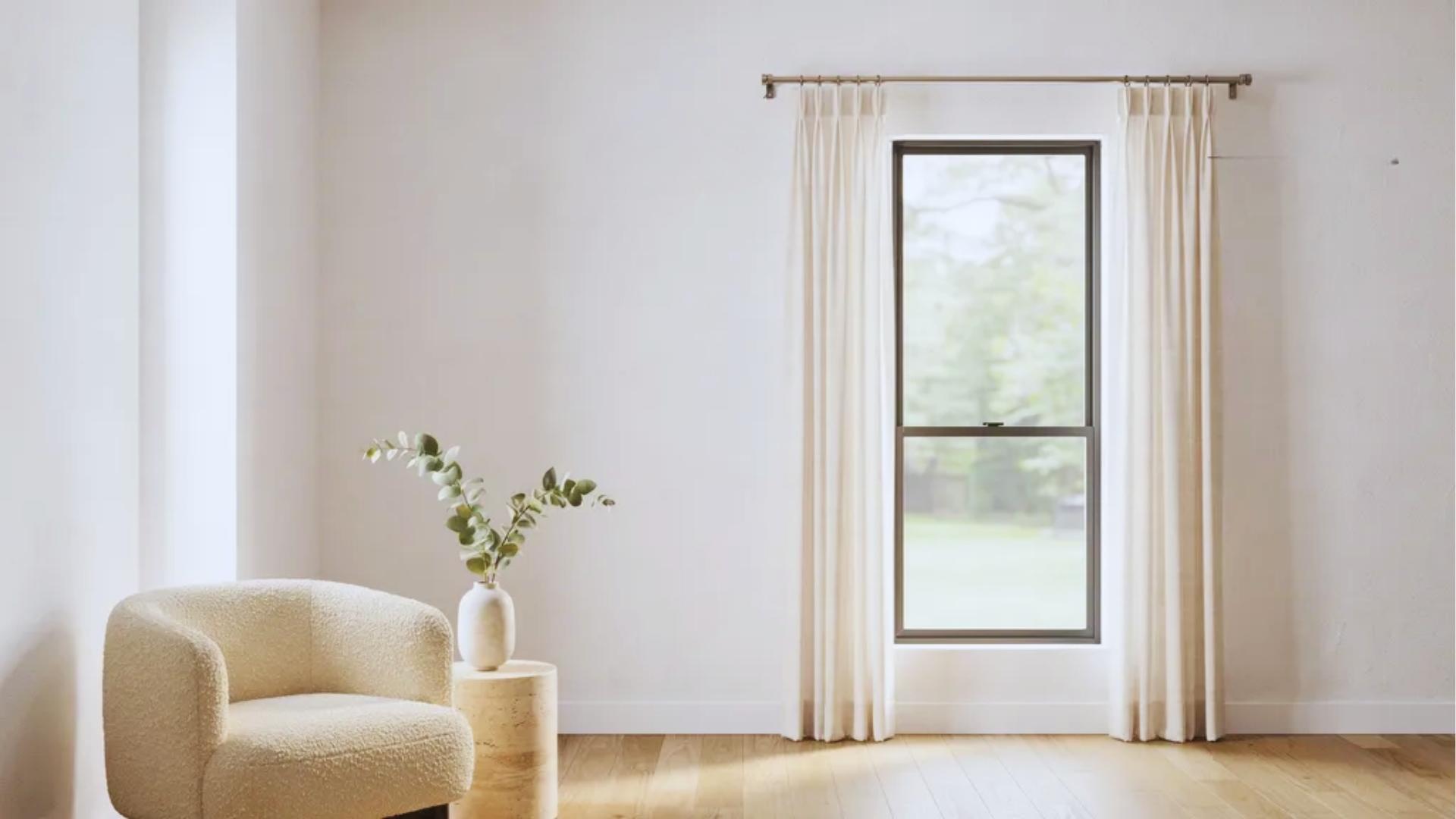
I've hung enough curtain rods to know one thing placement makes or breaks the whole look.
This guide covers exactly where curtain rod brackets should be placed so your curtains hang right, look good, and actually work.
I'll walk you through height rules, side spacing, window types, installation steps, and common mistakes to skip.
With 10+ years of home improvement experience, I've made every mistake so you don't have to.
You'll learn how high to mount brackets, how far to go from the window edge, tips by window type, and how to stop rods from sagging.
By the end, you'll know exactly what to do before drilling a single hole.
Where Should Curtain Rod Brackets Be Placed Guide
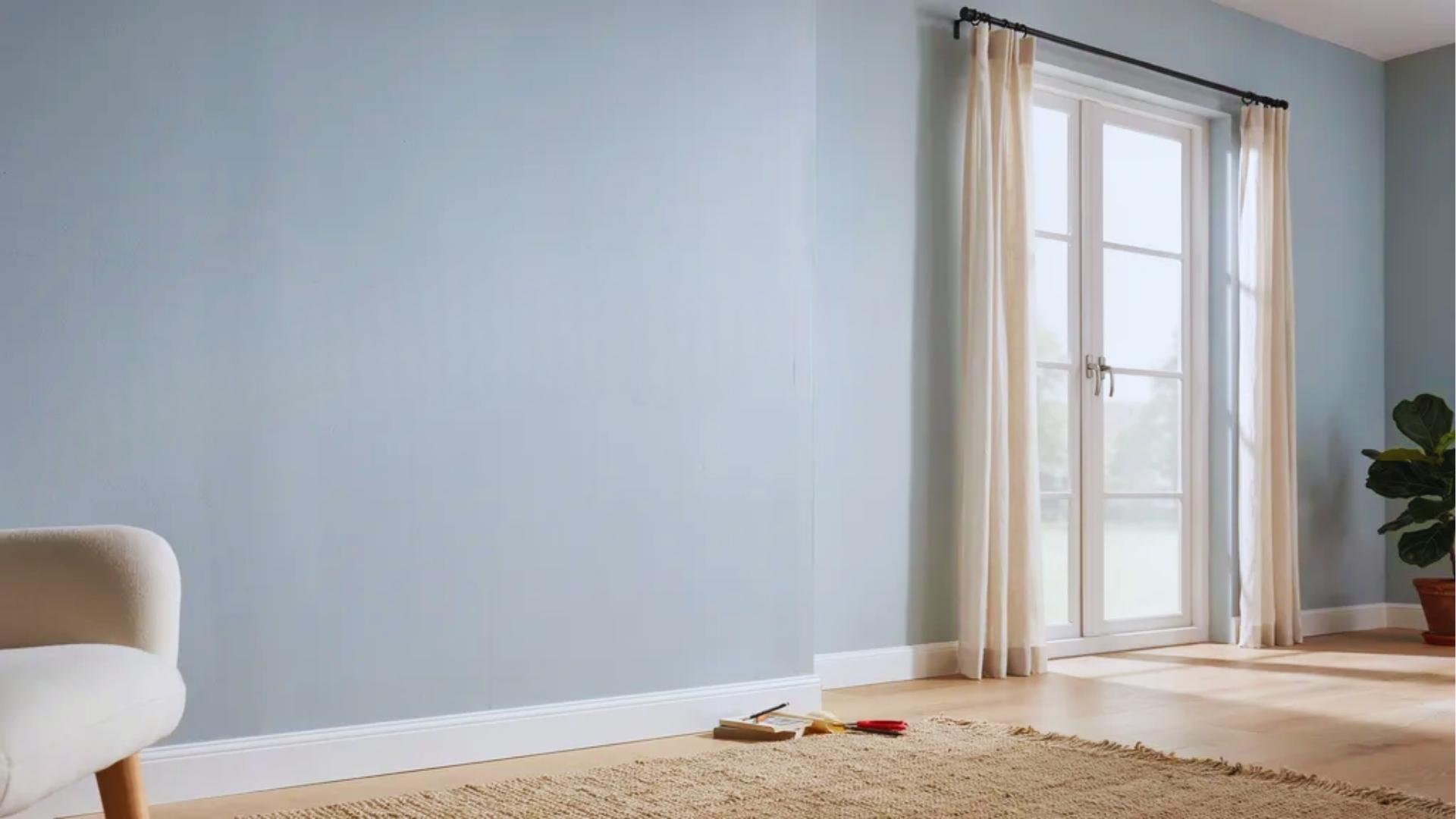
Knowing the basics of bracket placement saves time and prevents wall damage from costly do-overs.
Mount brackets 4 to 6 inches above the window frame and 3 to 6 inches out from each side. This gives curtains enough room to stack neatly without blocking light when open.
Use these numbers as your starting point, place the height at 4 to 6 inches above the frame, or go higher if you want more visual impact.
Extend each side 3 to 6 inches from the window edge. Your rod length should equal the window width plus 6 to 12 inches total.
These three measurements cover most standard windows and give you a solid foundation before you drill anything.
How High Should Curtain Rod Brackets Be Placed?
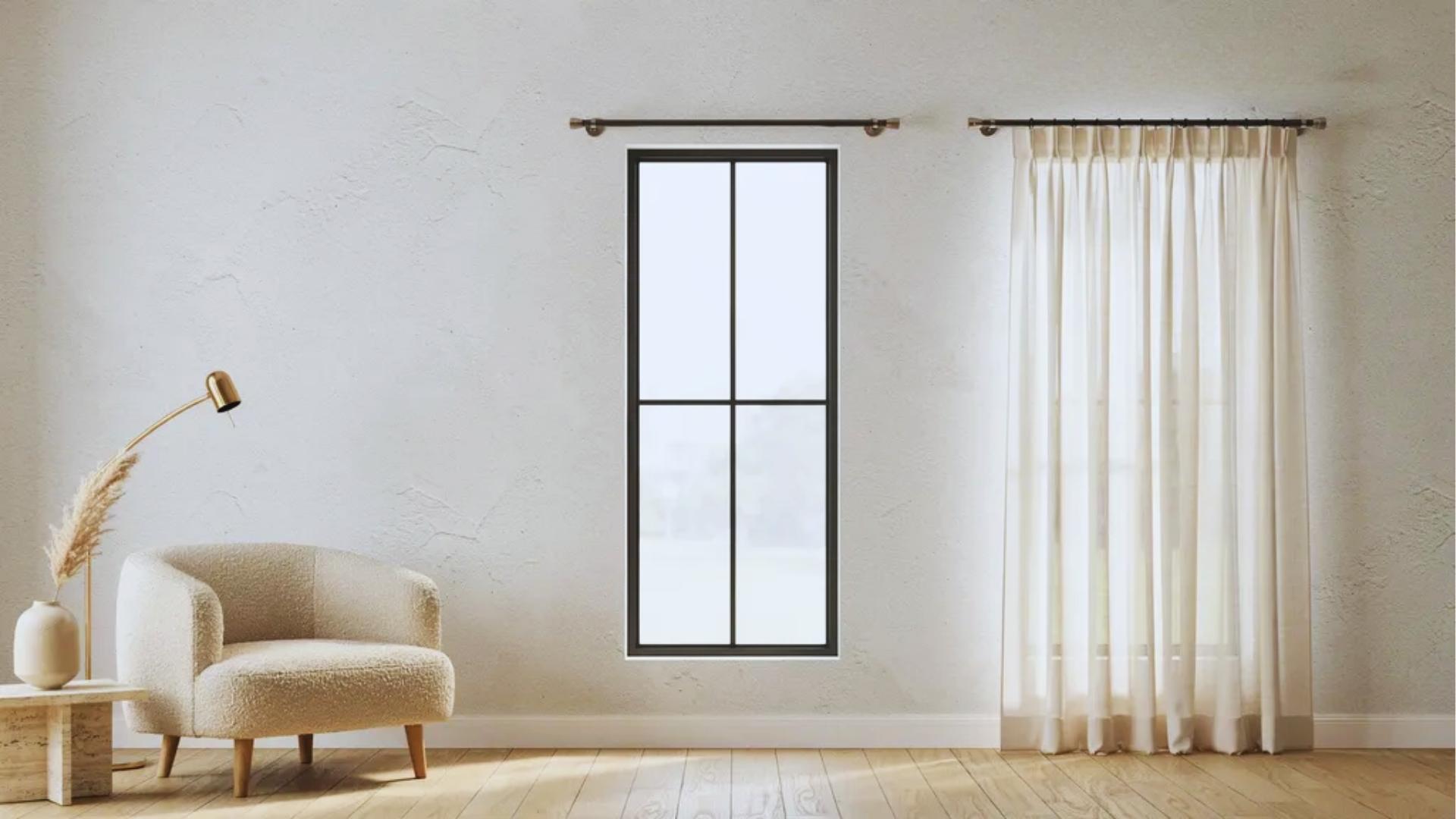
The height of your brackets changes how tall and open a room feels.
Standard 4-6 Inches Above Window Frame
The most common rule is to mount brackets 4 to 6 inches above the top of the window frame. This creates a clean, balanced look in most rooms.
When to Mount Higher for Better Visual Impact
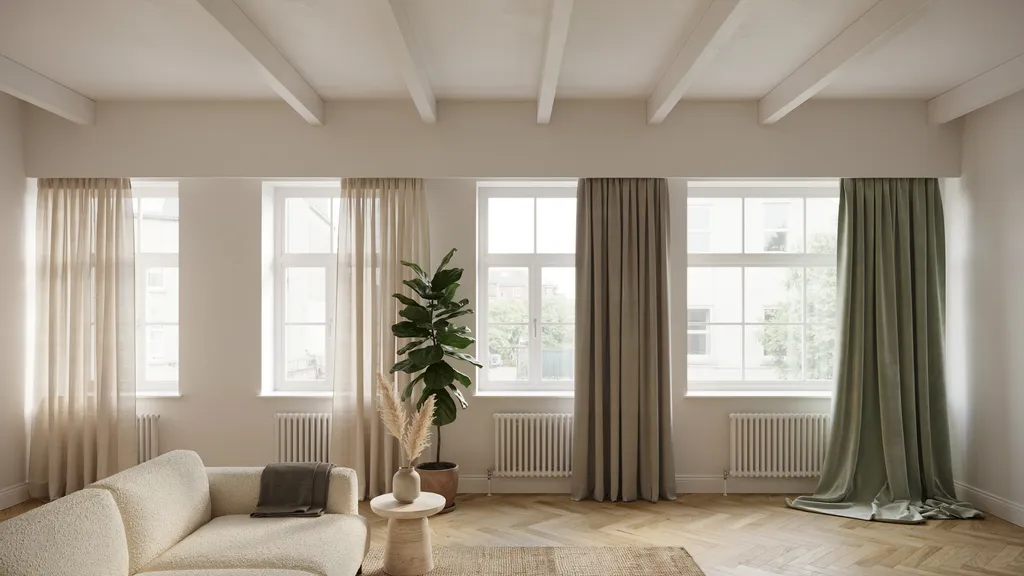
Want the room to feel taller? Mount the rod closer to the ceiling. Even 8 to 12 inches above the frame works well. It draws the eye upward and makes windows look larger.
Placement Tips for Low Ceilings
In rooms with low ceilings, mount brackets as high as possible without touching the crown molding. Keep at least 2 inches of clearance. This tricks the eye into seeing more height.
How Far Should Curtain Rod Brackets Be from the Window?
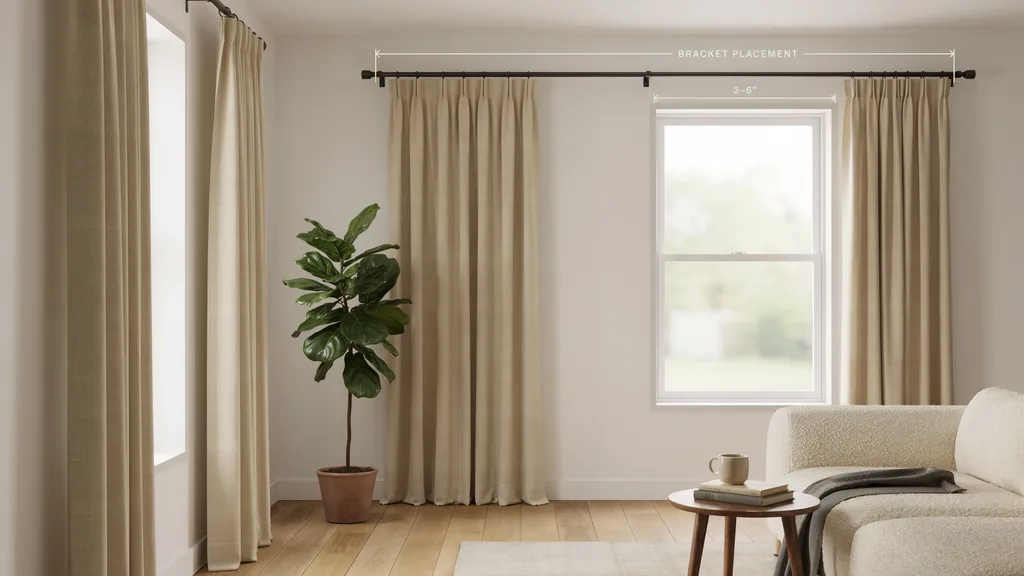
Side spacing controls how much light comes in and how wide the window appears.
Ideal Side Spacing (3-6 Inches Rule)
Place each bracket 3 to 6 inches out from the window frame on both sides. This lets curtains hang outside the glass when open, so they don't block natural light.
Maximizing Light and Window Width Appearance
The farther out you place the brackets, the wider the window looks. For small windows, go 6 inches or more out on each side. It gives the window a broader, more open feel.
Adjustments for Heavy Curtains
Heavy curtains need more stacking space. Move brackets out by an extra inch or two so the fabric doesn't crowd the glass when the curtains are pulled back.
Bracket Placement Based on Window Types
Different windows call for different bracket setups to get the right look and function.
Standard Windows
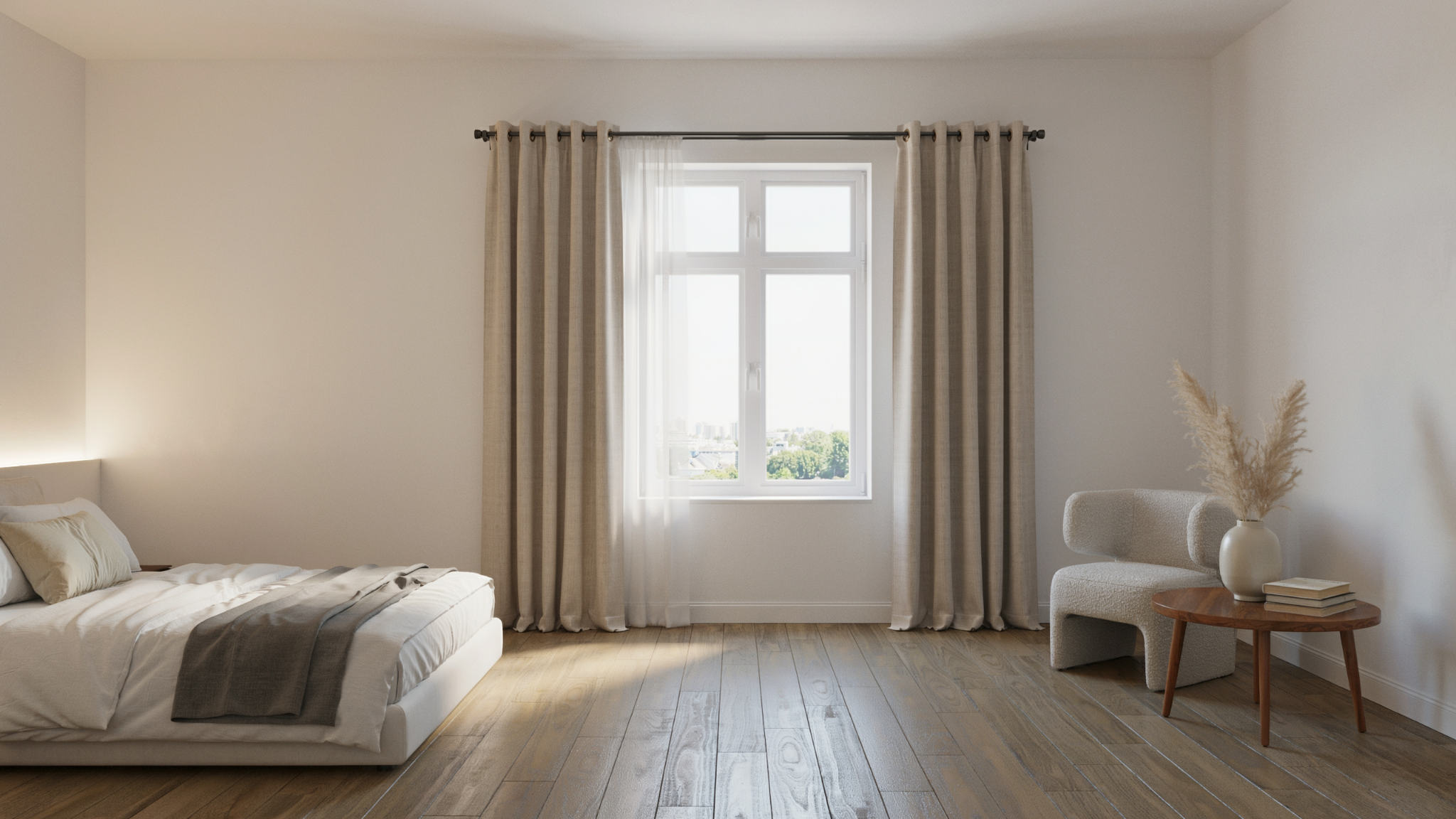
Follow the 4-6 inch height rule and 3-6 inch side rule. These are your go-to numbers for most bedrooms and living rooms.
Bay Windows
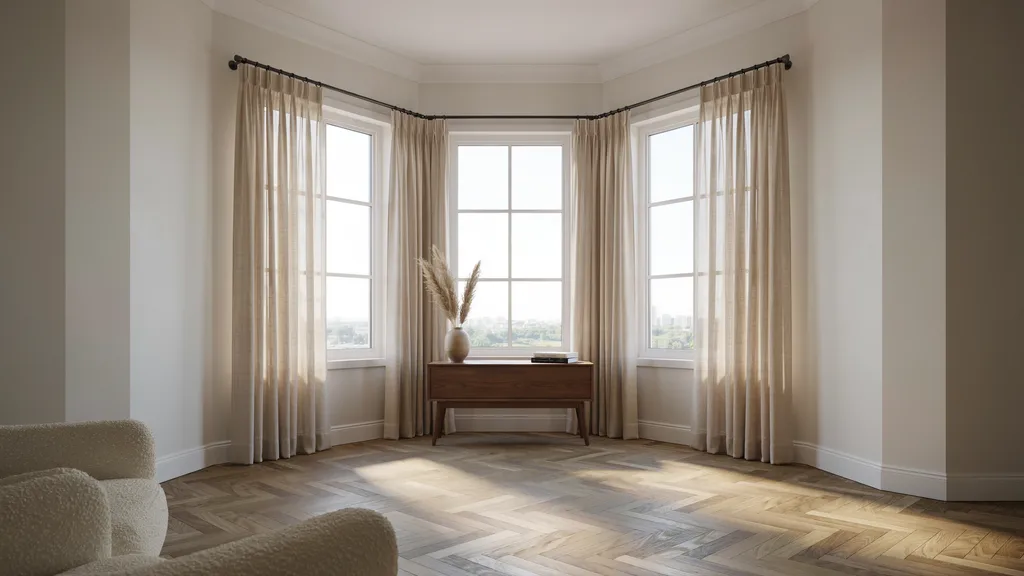
Bay windows have three panels at angles. Use inside-mount brackets on each panel or install a curved rod with brackets at each corner. Keep all rods at the same height for a clean line.
Floor-to-Ceiling Windows
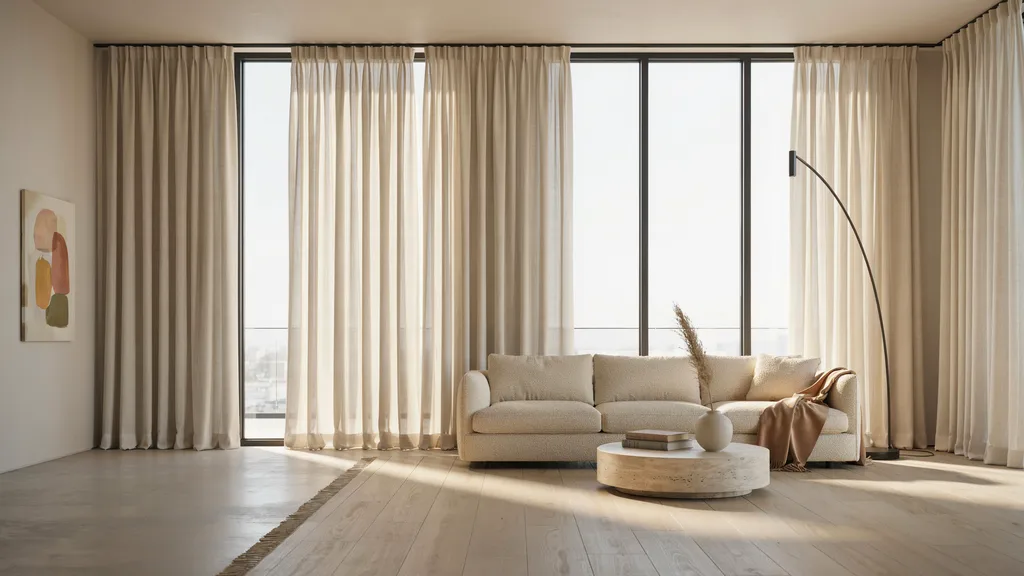
Mount brackets just below the ceiling or use a ceiling-mounted rod. Let curtains fall to the floor. This setup works best with simple, flowing fabric.
Small or Narrow Windows
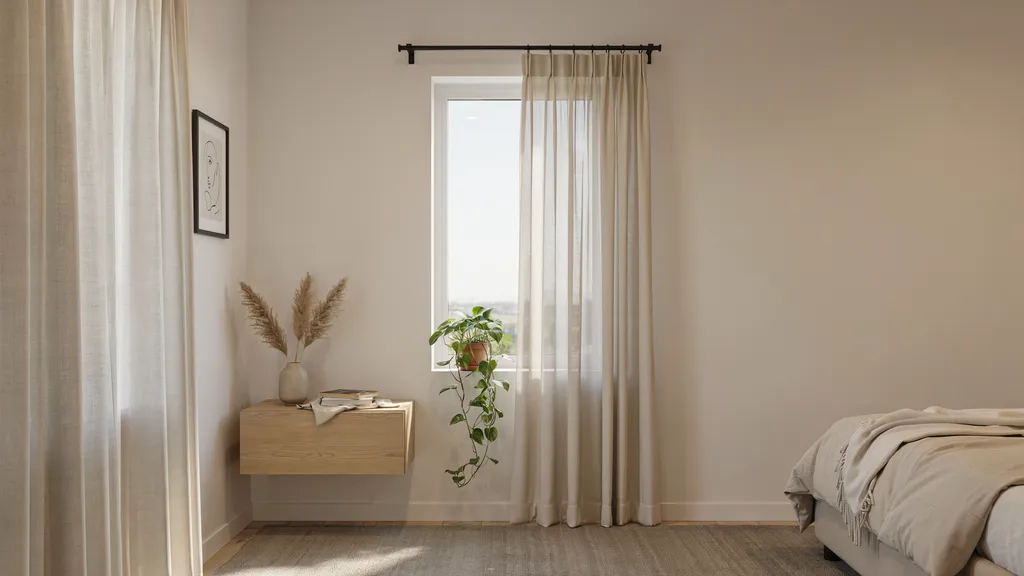
Go wider and higher with your placement. Mount brackets 6 inches above the frame and 6 inches out from each side. This makes a small window look much bigger.
How to Installing Curtain Rod Brackets
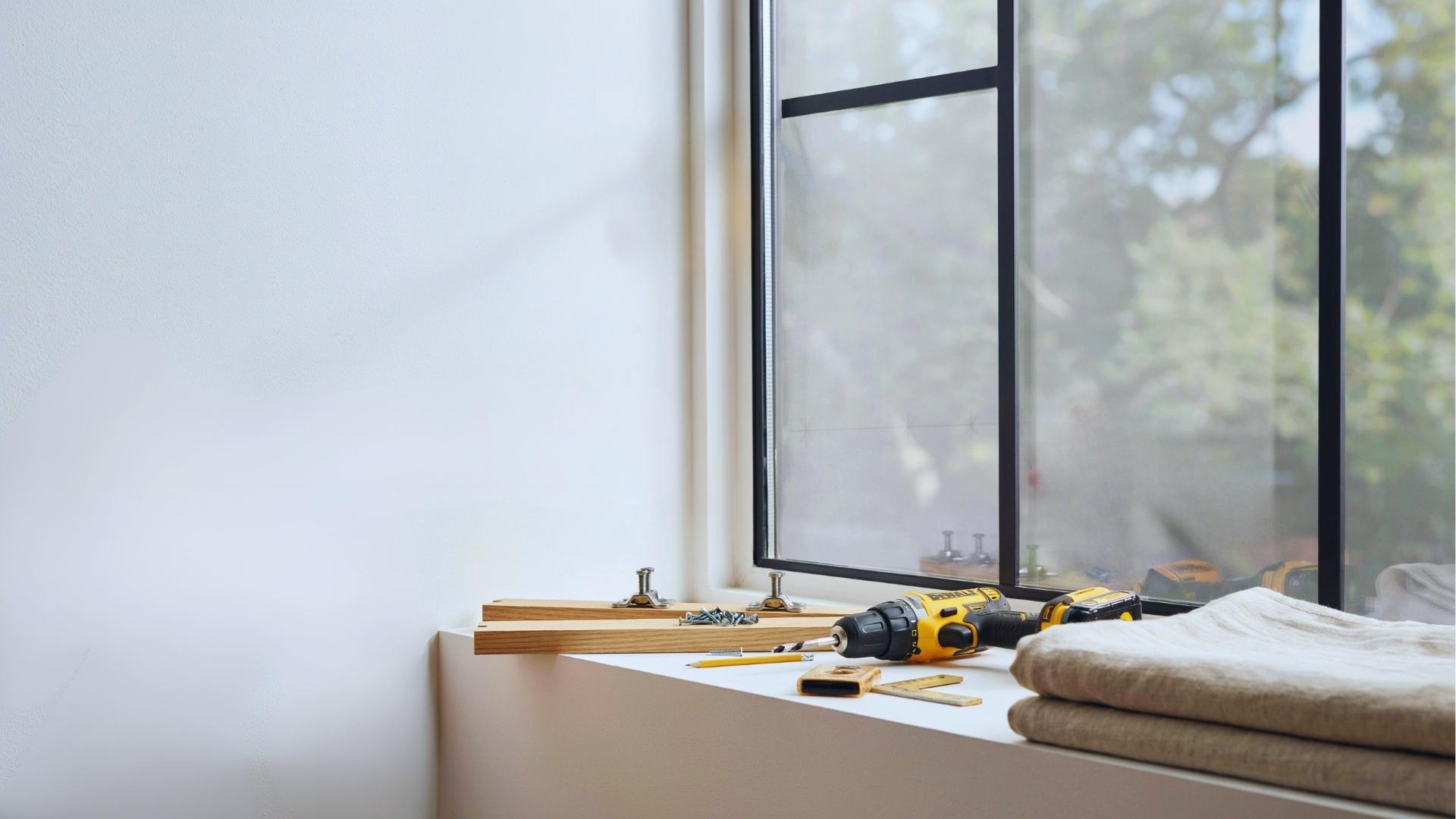
Follow these steps in order to get a straight, secure, and clean installation.
Measure and Mark Placement Accurately
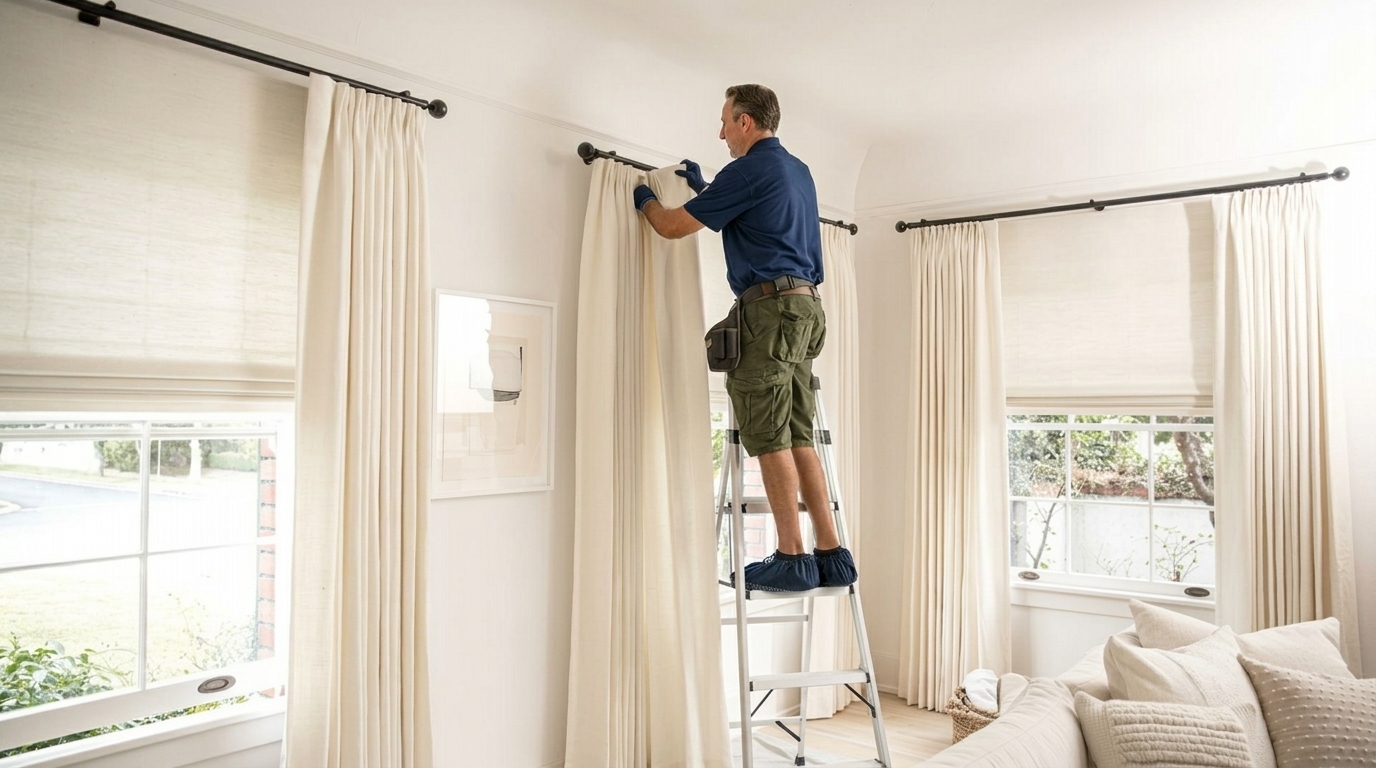
Use a tape measure and pencil to mark where each bracket goes. Measure from the floor for height consistency. Use a level to confirm both marks are even before drilling.
Drill and Secure Brackets Safely
Drill pilot holes at your marks. If you're not hitting a stud, use wall anchors rated for your curtain weight. Screw brackets firmly so they don't shift over time.
Install Rod and Adjust Curtains for Even Folds
Slide the rod through the curtain panels, then rest it on the brackets. Spread the curtain folds evenly across the rod. Step back and check that both sides hang at the same length.
How to Support Curtain Rods Properly
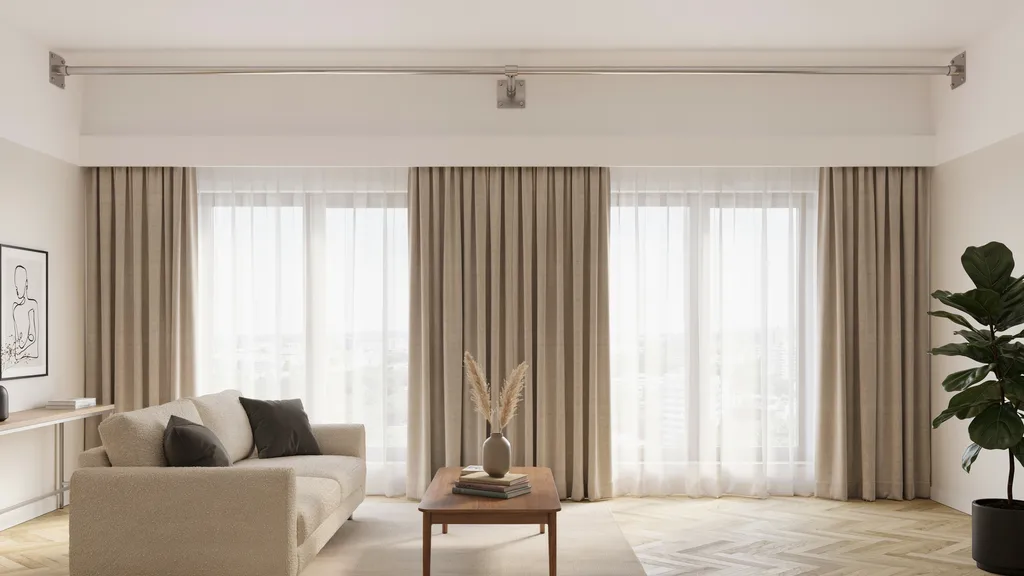
Good support keeps long rods from bowing and heavy curtains from pulling brackets loose.
When to Use Center Support Brackets
For rods longer than 48 inches, add a center support bracket. This keeps the middle from dipping. Most people skip this step and regret it later.
Preventing Sagging in Long Curtain Rods
Choose a rod rated for the span you need. Thicker rods sag less. Always check the weight limit on the package before buying.
Tips for Heavy Drapery Setups
Use heavy-duty brackets with at least two screws each. Go into wall studs when possible. For very heavy drapes, add a second center bracket for extra hold.
Common Curtain Rod Bracket Placement Mistakes to Avoid
These small errors cause big problems, from crooked rods to walls that need patching.
Placing Brackets Too Low or Too Close
Mounting brackets right at the window frame makes ceilings feel low and windows look small. Always go at least 4 inches above the frame.
Ignoring Proper Width Extension
Brackets placed too close to the window edge force curtains to cover the glass even when open. This blocks light and makes the window look narrow.
Skipping Support Brackets
A center bracket is not optional for long rods. Without it, the rod bends in the middle and the curtains look uneven.
Using Incorrect Wall Anchors
Drywall alone can't hold heavy curtains. Always use the right anchors for your wall type. Check the weight rating before you install anything.
Tips for Perfect Curtain Rod Bracket Placement
Small habits like double-checking measurements lead to results that look professionally done.
- Use a bubble level or a free level app on your phone to check both brackets before drilling. Even a slight tilt shows once the curtains are up.
- Measure from the floor to each bracket mark independently. Never assume the ceiling is level, as both sides can differ more than you expect.
- Match your bracket finish to existing hardware in the room. Matte black, brushed nickel, brass, and white are all popular choices that blend well with most interiors.
- Measure twice before you drill anything. Fixing extra holes in drywall takes more time and effort than getting it right the first time.
- Keep spacing equal on both sides of the window. Symmetry is what separates a rushed install from one that looks clean and intentional.
Conclusion
Mount brackets 4 to 6 inches above the frame and 3 to 6 inches out from each side. Add a center bracket for long rods and always use a level.
I still think about my first attempt at hanging curtains. I eyeballed everything and ended up with crooked rods and patched walls.
Now I measure twice every single time. It saves hours of frustration. Try these tips in your own space and see the difference.
If this helped you, drop a comment below or share it with a friend who is redecorating!
Frequently Asked Questions
How many brackets do I need for a curtain rod?
You need at least two brackets, one on each side. For rods over 48 inches, add a center support bracket to stop the rod from bowing in the middle.
Can I mount curtain rod brackets without studs?
Yes, but use wall anchors rated for your curtain weight. Drywall alone won't hold over time, especially with heavier curtains or thick fabric panels.
Should curtains touch the floor or hang above it?
Most curtains look best when they just graze the floor or hang about half an inch above it. For a relaxed style, let them puddle slightly on the floor.
How do I keep both brackets at the same height?
Measure from the floor to each bracket mark instead of measuring down from the ceiling. Ceilings are often uneven, so measuring up from the floor gives a more accurate result.
What is the standard distance between two curtain rod brackets?
The brackets should sit at the two ends of the rod, which is typically 6 to 12 inches wider than the window. For most windows, that puts them 3 to 6 inches past the window frame on each side.