
Picking the right curtains feels harder than it should. There are so many curtain types, fabrics, and styles that most people end up guessing.
You might choose something that looks great in a store but feels wrong at home.
This guide covers 23 curtain types and explains exactly what each one does, how it looks, and where it works best.
You will also find tips on fabric, sizing, hardware, and common mistakes to avoid.
Whether you are decorating a new room or replacing old curtains, this article gives you a clear path forward.
Our team has worked through hundreds of window styling questions to build this resource for you.
Understanding Curtain Styles Before You Choose
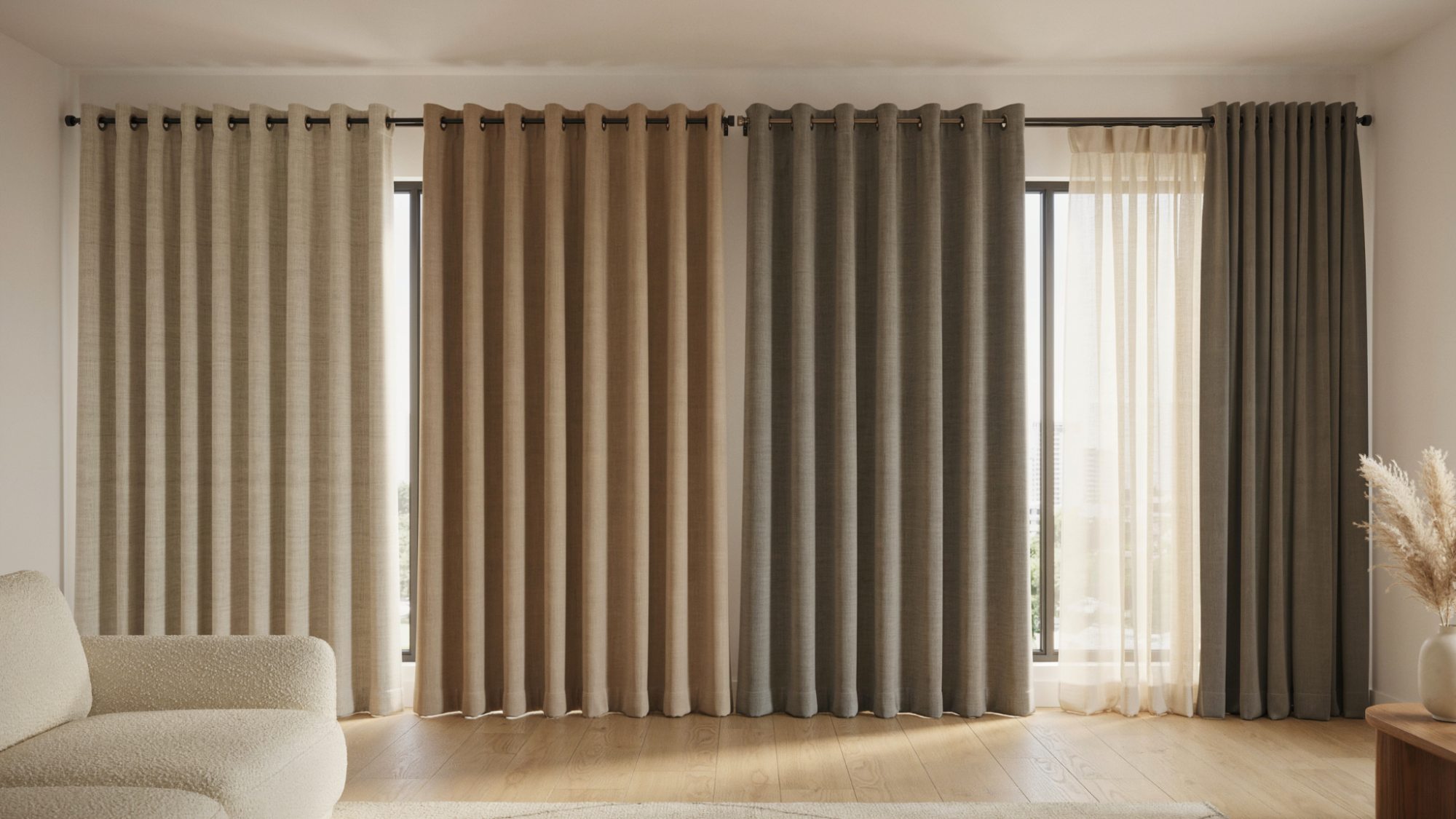
Not all curtains work the same way. The biggest difference usually comes down to the heading style, which is how the curtain connects to the rod.
This single detail shapes how a curtain hangs, moves, and falls more than anything else.
Rod pocket curtains slide onto the rod, grommet curtains use metal rings, and pinch pleat curtains have sewn folds at the top. Each method changes how the curtain looks when open and closed.
Beyond the header, curtain types also differ by fabric weight, lining, and purpose. A sheer lets in light, a blackout curtain blocks it, and a thermal curtain helps with insulation.
There is also a middle category worth knowing: light filtering. Light filtering curtains allow ambient light to enter while still providing full daytime privacy.
They sit between sheer and blackout on the opacity scale and work well in most living spaces.
Design also shapes how a room feels. Heavy pleated styles feel formal, while light sheers feel open and airy. Function matters just as much as looks.
The wrong fabric in a humid bathroom causes mildew, a curtain hung too low can block a vent, and an unlined panel near a sunny window fades faster.
23 Curtain Types Explained by Style and Function
Here is a full breakdown of every major curtain type, covering how each one works, what it looks like, and where it fits best.
1. Rod Pocket Curtains
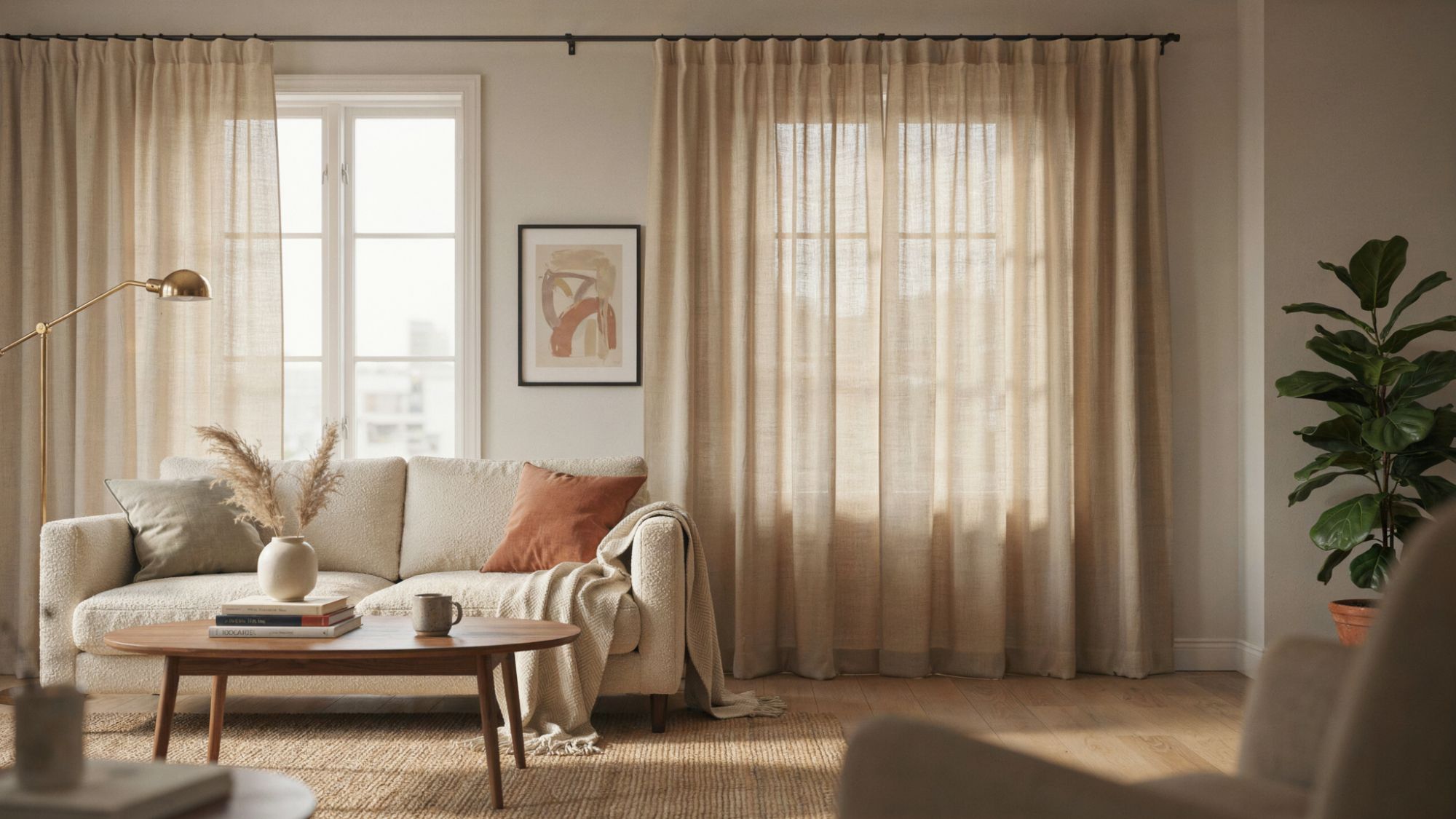
Rod pocket curtains have a sewn channel at the top. The curtain rod slides directly through this pocket, hiding it completely.
The look is clean and simple. These curtains gather slightly when hung, which creates a soft, casual wave across the top.
They work well in living rooms, bedrooms, and dining areas where a relaxed style fits. The downside is that they are harder to slide open and closed because the fabric grips the rod.
If you leave them in one position most of the time, rod pocket curtains are a solid choice.
2. Grommet Curtains
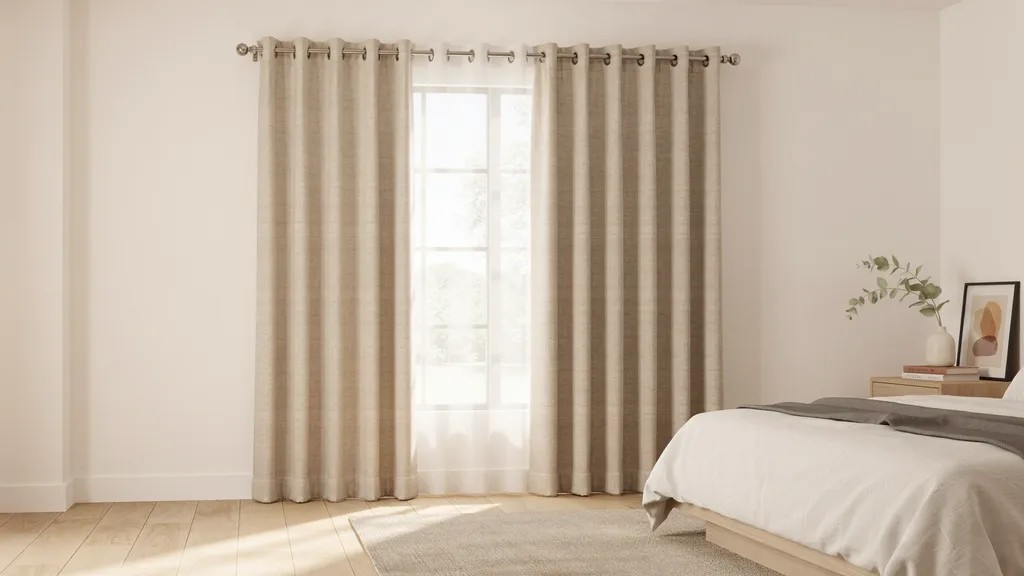
Grommet curtains have large metal rings punched through the top of the fabric. The rod slides through these rings, which makes the curtain very easy to open and close.
The rings create even, rounded folds that hang in a consistent pattern.
These curtains have a modern look. They suit contemporary, minimalist, and industrial style rooms well. Grommets come in several finishes including silver, gold, bronze, and black.
Choose a finish that matches your curtain rod for a cleaner look. The ring size also matters. Larger grommets create wider, more relaxed folds.
3. Tab Top Curtains
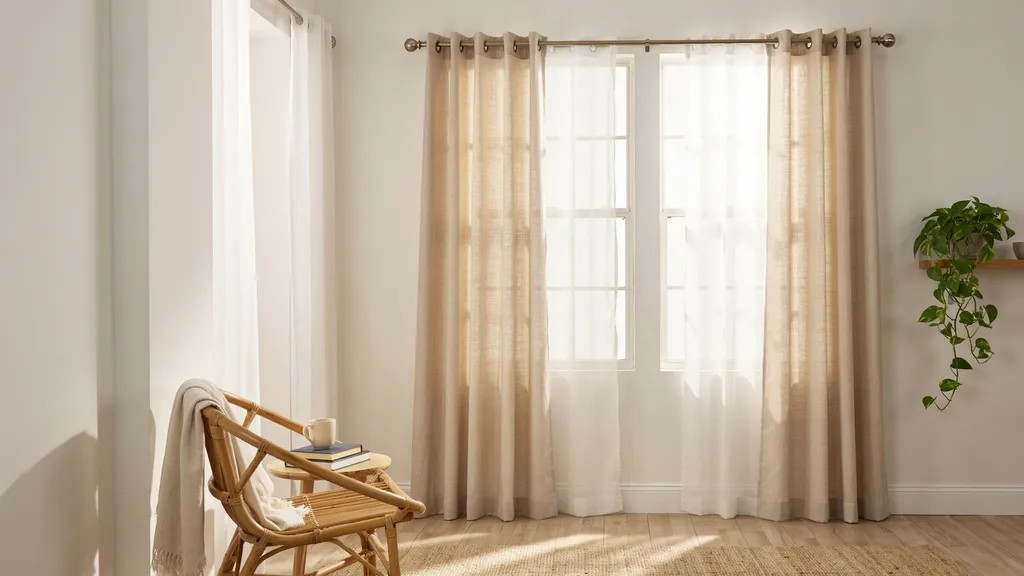
Tab top curtains use fabric loops sewn across the top. These loops go over the curtain rod and hang down on either side.
The look is casual and relaxed. The tabs are usually the same fabric as the curtain, though decorative contrast tabs are also available.
Tab top curtains work well in informal spaces like sunrooms, kids' rooms, and casual living areas.
They are not ideal for windows you open and close often because the tabs can cause friction and slow movement.
They also tend to let some light peek through the gaps between tabs, so privacy may be limited at the very top.
4. Back Tab Curtains
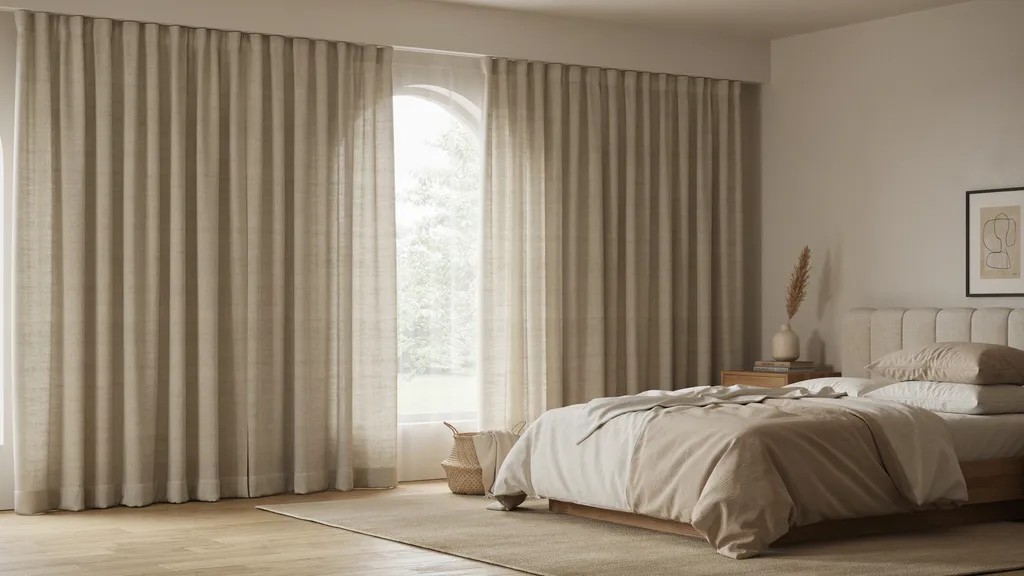
Back tab curtains look similar to rod pocket curtains from the front, but they have hidden loops behind the fabric.
The rod goes through these loops, keeping it completely out of sight. The front of the curtain appears flat and smooth, which gives a polished, tailored look.
These curtains work well in formal rooms, home offices, and bedrooms where a clean appearance matters.
They also slide reasonably well along the rod, making them more practical than rod pocket styles for windows you open often. The hidden tab system keeps the focus on the fabric itself.
5. Pinch Pleat Curtains
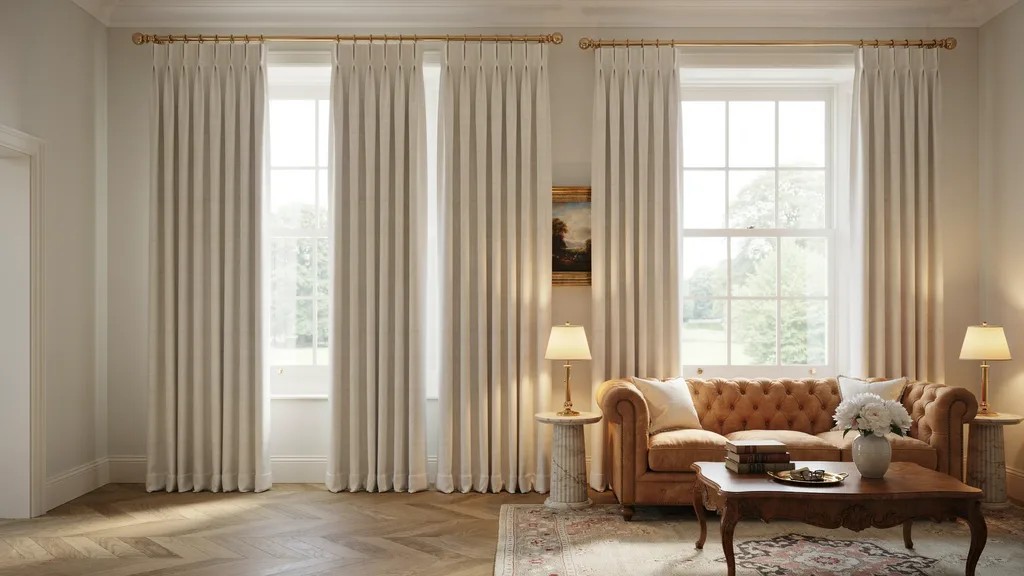
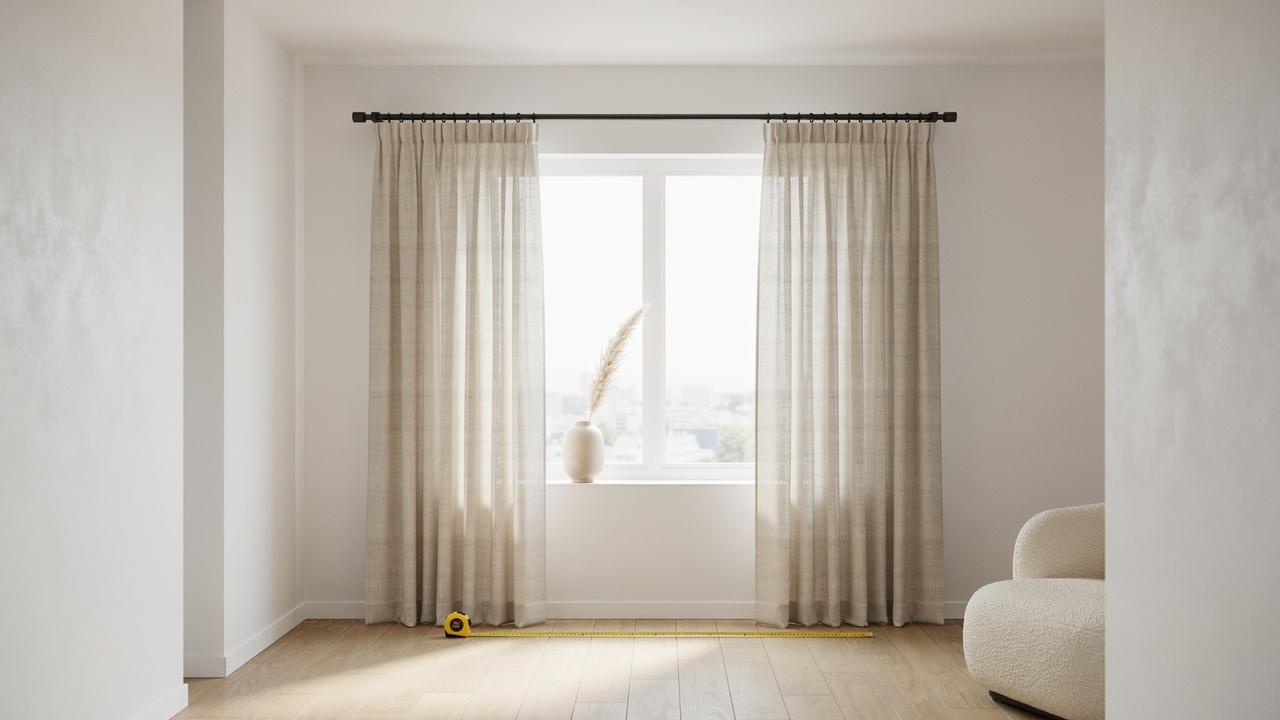
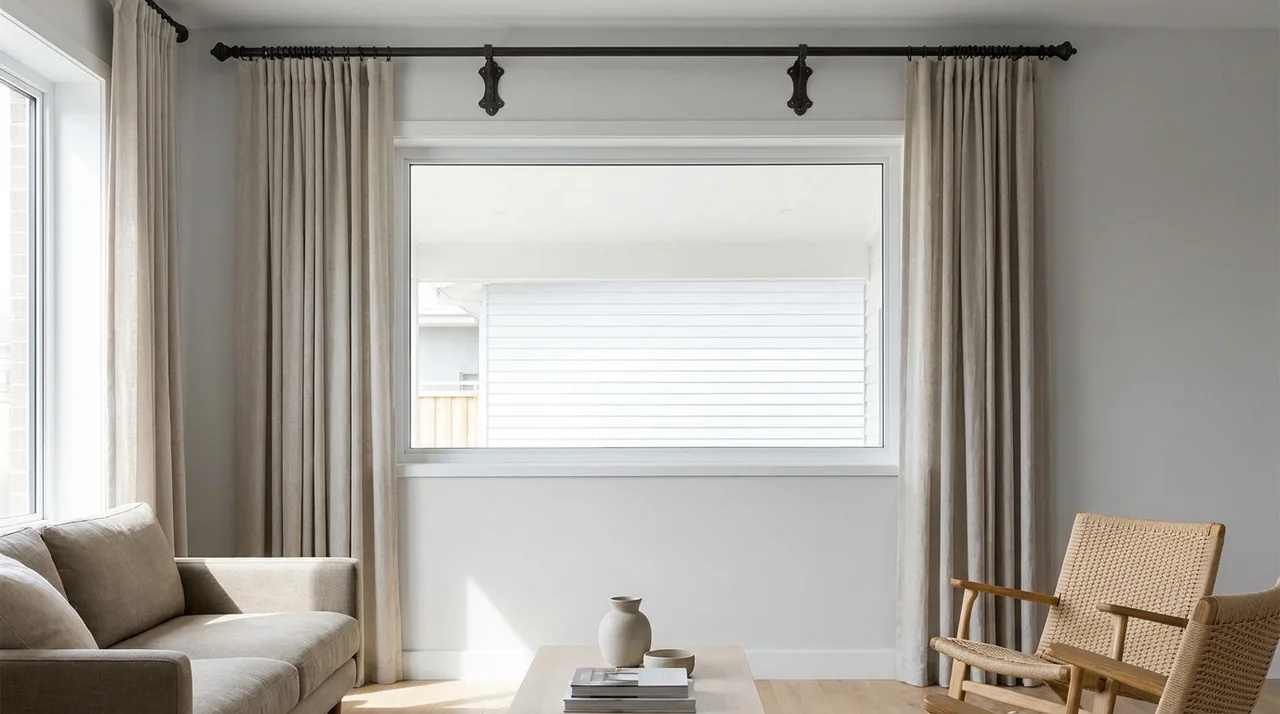
Pinch pleat curtains are sewn with groups of fabric pinched together at regular intervals across the top. These pinches, or pleats, fan out below and create a classic, full look.
The most common version uses three-finger pleats, though two-finger pleats also exist.
This style is considered traditional and formal. It suits dining rooms, formal living rooms, and bedrooms with a classic design.
Pinch pleat curtains usually require hooks and a traverse rod or rings to hang properly. They also need extra fabric width to look full, so budget accordingly when ordering.
As a general rule, aim for a 2.5 to 3 times fullness ratio for pinch pleat styles to get the volume they need.
6. Pencil Pleat Curtains
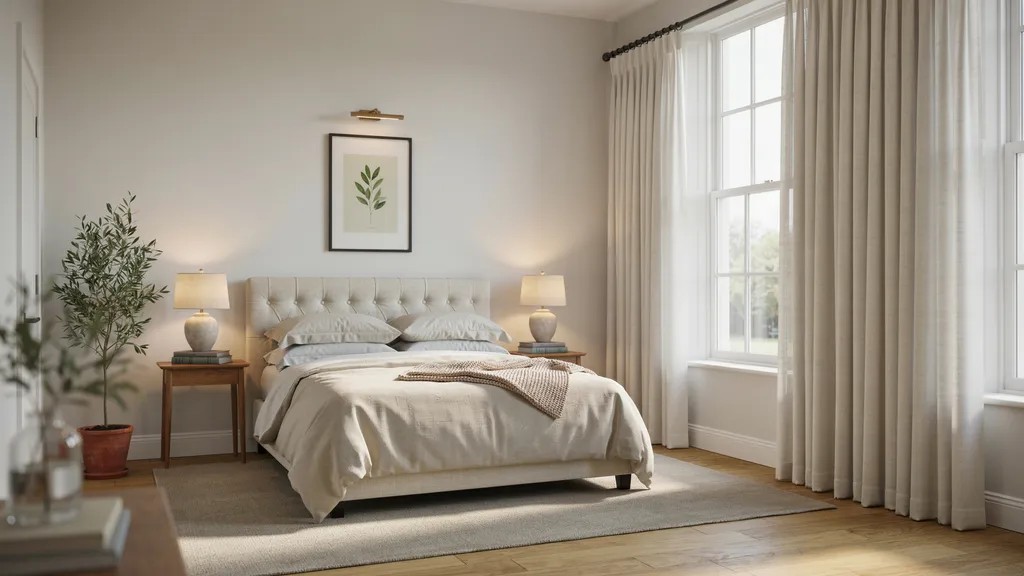
Pencil pleat curtains have tightly gathered fabric across the top that resembles a row of pencils standing upright.
The pleats are uniform and create a consistent, slightly formal look. A drawstring usually runs through the heading tape to help adjust the gather.
These curtains are very versatile. They work in both formal and casual settings depending on the fabric chosen. Velvet pencil pleat curtains feel rich and traditional.
Linen pencil pleat curtains feel lighter and more relaxed. They can hang from rings, hooks, or directly on certain rod systems, making them one of the more flexible curtain types available.
7. Goblet Pleat Curtains
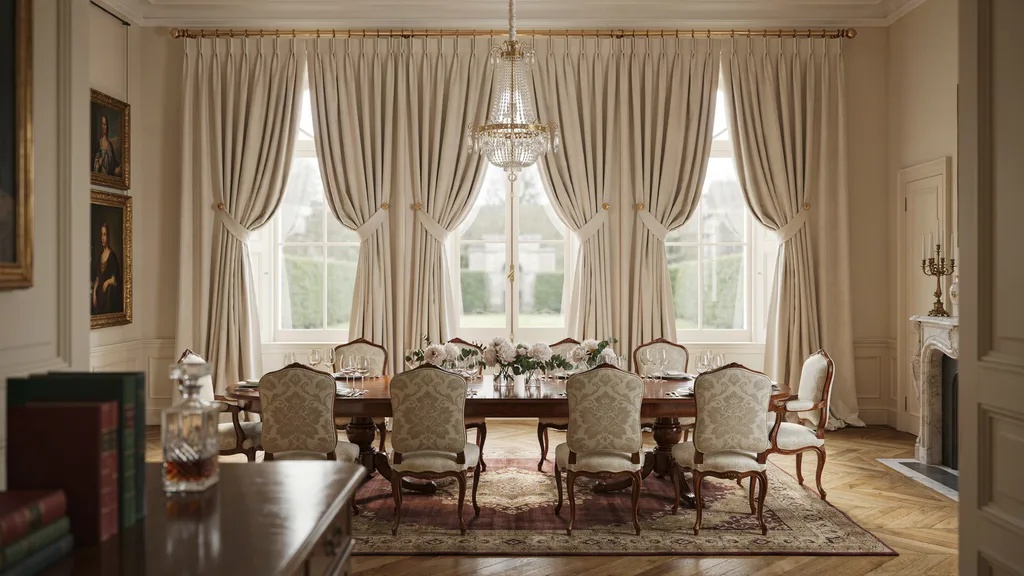
Goblet pleat curtains have pleats shaped like wine glasses or goblets at the top. Each pleat is hollow and rounded, which creates a distinctive, structured silhouette.
The inside of each goblet is often stuffed with tissue or batting to keep the round shape over time.
This style is formal and decorative. It works best in grand spaces like large living rooms, formal dining rooms, or hotel-style bedrooms.
Goblet pleat curtains are usually custom made and cost more than standard styles. They are not meant to be opened and closed regularly. Think of them more as a fixed decorative panel.
8. Box Pleat Curtains
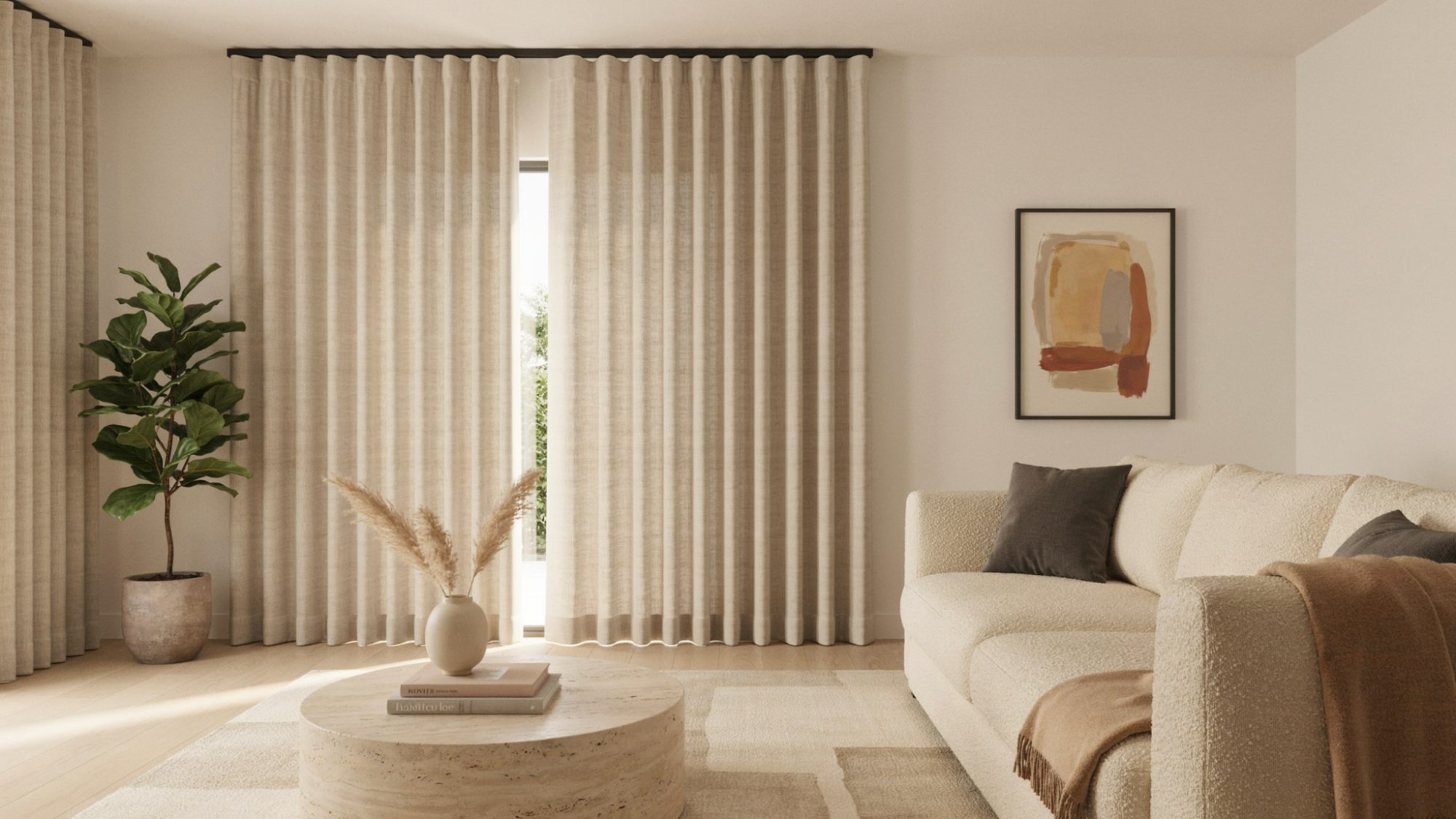
Box pleat curtains have flat, structured folds sewn at regular intervals across the top. Each pleat folds inward on both sides, creating a flat front surface.
This gives the curtain a clean, angular look that is more tailored than gathered styles.
Box pleats suit modern and transitional interiors well. They work nicely in living rooms and bedrooms where a neat, structured look is preferred.
Because the pleats lay flat, these curtains also work well as valances or as part of a layered window treatment. The flat fold makes ironing and steaming easier compared to rounded pleat styles.
9. Inverted Pleat Curtains
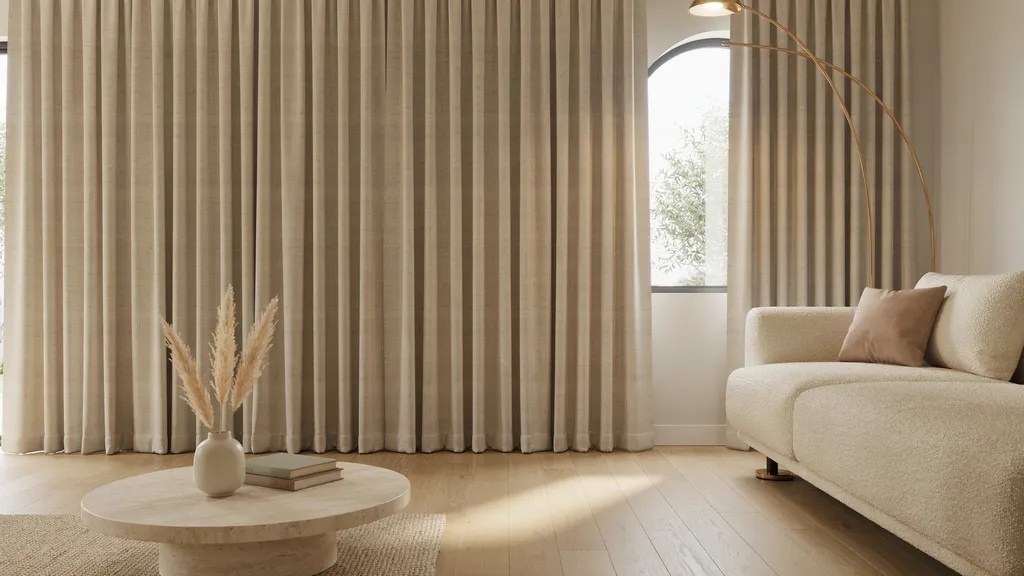
Inverted pleat curtains are similar to box pleats, but the fold faces backward instead of forward. From the front, they look completely flat with only a subtle line where the pleat sits.
The structure is hidden behind the fabric, giving a very clean and contemporary appearance.
These curtains suit modern, minimalist, and Scandinavian style rooms. They hang neatly and move well along the rod.
Because the front is so flat, the fabric pattern or texture becomes the main visual element. Solid colors and subtle textures tend to look best with this style.
10. Ripple Fold Curtains
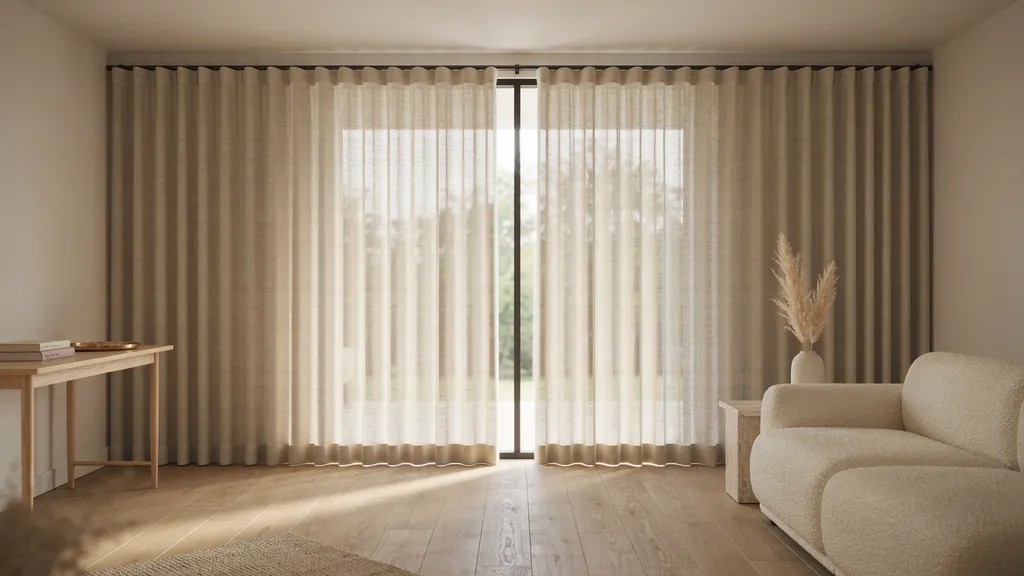
Ripple fold curtains use a specialized header tape with evenly spaced carriers. These carriers clip onto a track system, creating a consistent wave or ripple across the fabric as it hangs.
The folds are uniform from top to bottom, giving a very modern and controlled look.
This style is popular in contemporary homes, apartments, and commercial spaces. Ripple fold curtains require a specific track rather than a standard rod, so you may need to invest in compatible hardware.
One practical benefit is the minimal stack back when the curtain is open, which means more of the glass stays exposed.
The smooth, even folds make them ideal for floor-to-ceiling windows and open-plan spaces where a sleek finish is important.
11. Sheer Curtains
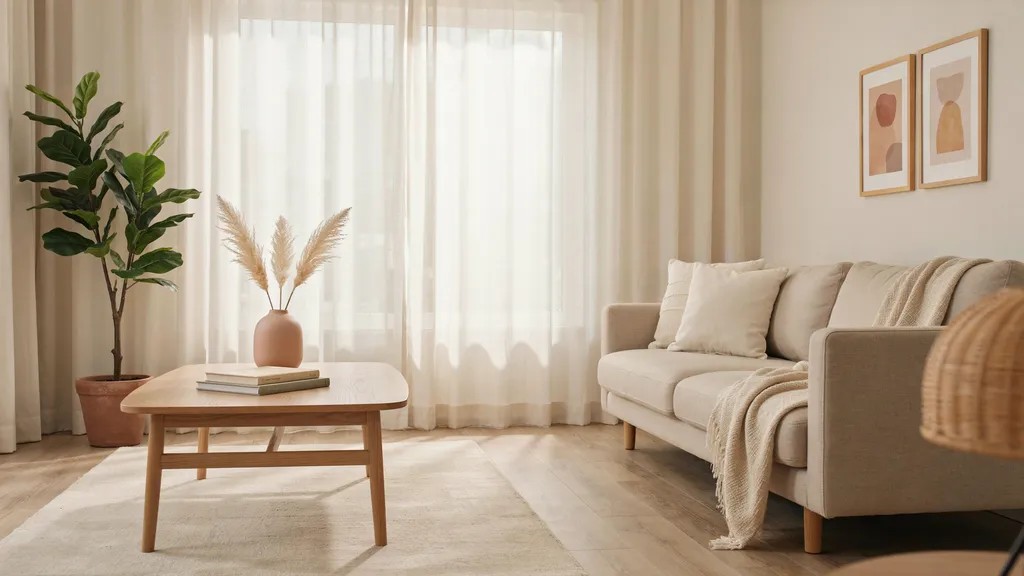
Sheer curtains are made from lightweight, semi-transparent fabric. They let natural light pass through while softening harsh sunlight and providing a basic level of daytime privacy.
Common fabrics include voile, chiffon, and fine linen blends. Voile is one of the most popular choices because it drapes softly and holds its shape well over time.
Sheers work in almost every room. They are popular in living rooms, bedrooms, and dining areas.
Many people layer sheer curtains behind heavier drapes to get both light control and privacy options in one window setup.
Sheers also make smaller rooms feel more open because they do not block the window visually.
12. Blackout Curtains
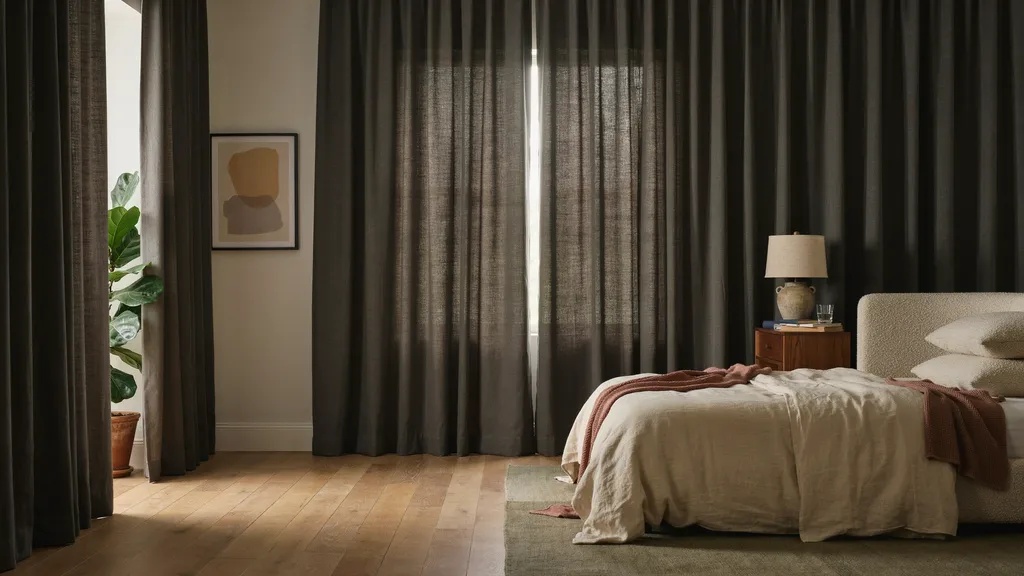
Blackout curtains are made with a thick lining or woven tightly enough to block nearly all incoming light.
They are the best option for bedrooms where sleeping during daylight hours is needed, nurseries, home theaters, and any room where light control matters.
Beyond blocking light, blackout curtains also reduce outside noise and help with temperature regulation.
The dense fabric acts as a barrier against both heat and cold, which can contribute to lower energy costs over time.
When shopping, check that the curtain is labeled as true blackout and not just "room darkening," as the two are very different in how much light they actually block.
13. Thermal Curtains
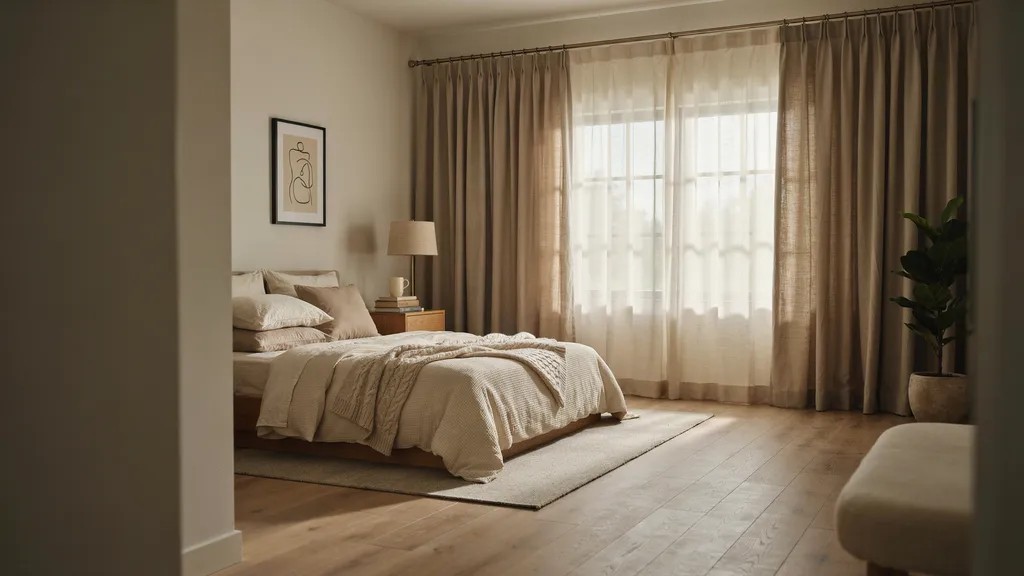
Thermal curtains have an insulating lining, often made from foam or a thick interlining. This lining helps keep warm air inside during winter and blocks heat from coming in during summer.
They can reduce energy use by improving window insulation.
These curtains suit rooms with large windows, older windows with drafts, or homes in climates with extreme temperatures.
They tend to be heavier than standard curtains, so make sure your curtain rod and brackets can handle the extra weight.
Many thermal curtains also have blackout properties, making them a practical two-in-one option.
14. Cafe Curtains
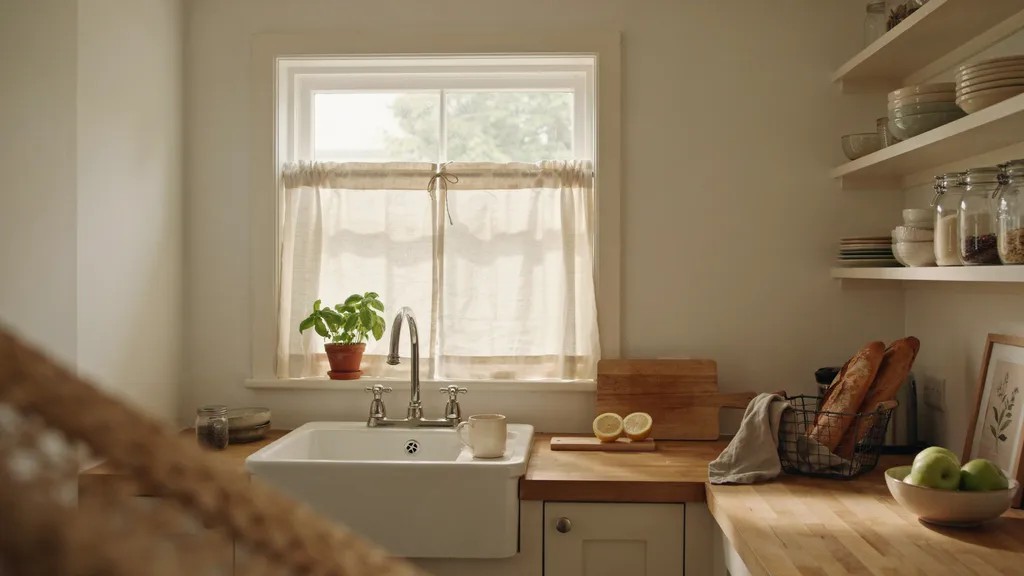
Cafe curtains cover only the bottom half of a window. They sit on a small rod mounted in the middle of the window frame.
The top half of the window stays open, allowing natural light to enter from above while the lower half provides privacy from outside.
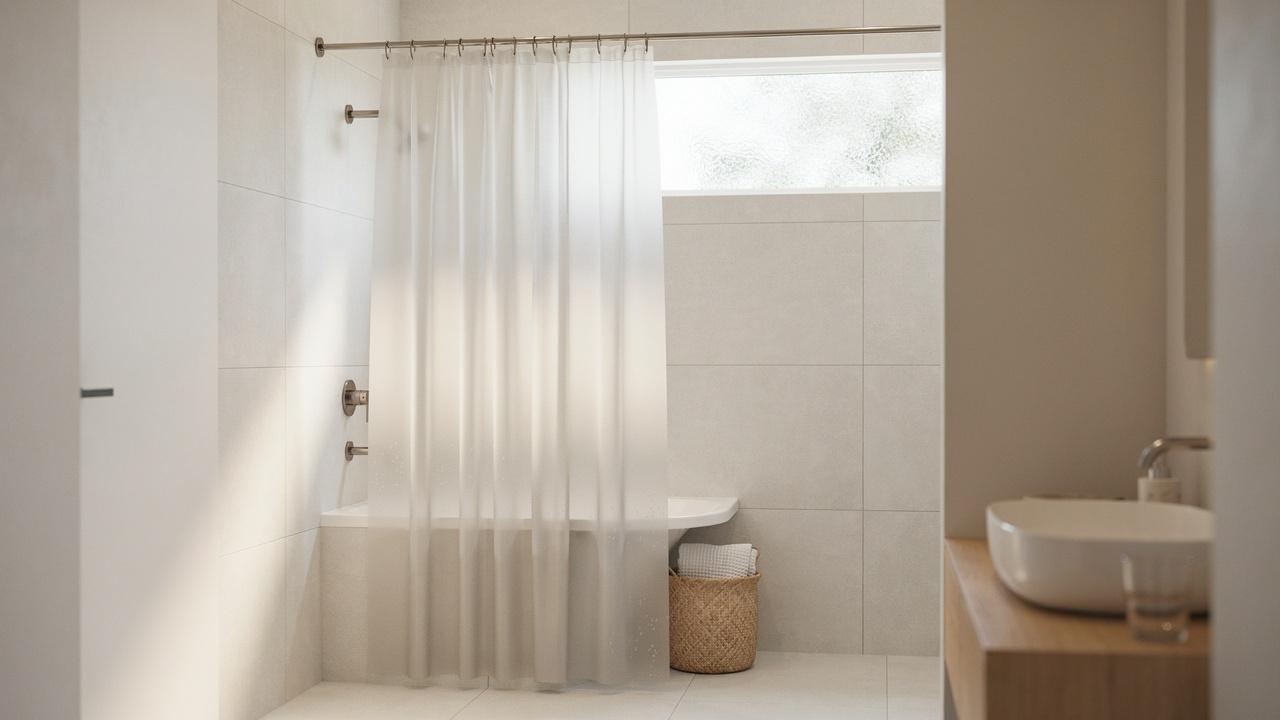
This style is most associated with kitchens, especially over a sink. It also works well in bathrooms where you want privacy without losing light.
The name comes from the European cafe tradition of using this style to let light in while blocking street-level views. They are easy to install and very low cost.
15. Tier Curtains
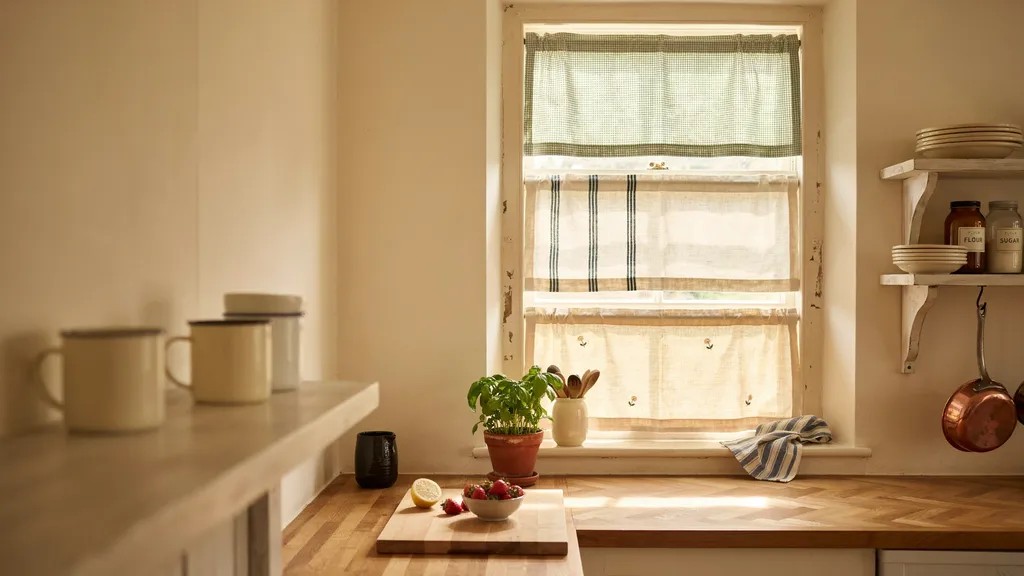
Tier curtains come in sets of two or three panels that each cover a different horizontal section of the window. A two-tier set typically covers the bottom half and the middle section.
A three-tier set can cover the entire window in layers.
This style is common in kitchens, breakfast nooks, and bathrooms. Tier curtains are usually short and informal.
They let you customize how much of the window you cover and how much light you allow in from different sections.
They are often sold as matching sets and can be combined with a valance at the top for a complete window treatment.
16. Valance Curtains
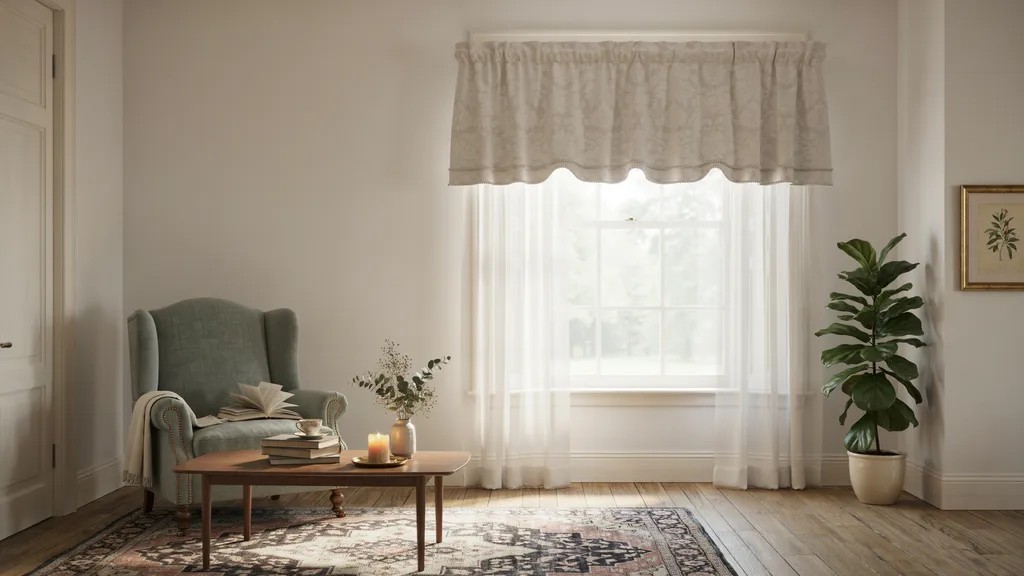
A valance is a short curtain that covers only the very top of the window. It is used primarily for decoration and to hide the curtain rod or hardware beneath.
Valances do not provide privacy or light control on their own.
They are usually paired with longer panels, blinds, or shades below. Valance styles include tailored valances with straight hems, balloon valances with gathered poufs, and scalloped valances with curved edges.
They work in kitchens, bathrooms, and living rooms where a finished look at the top of the window is needed without heavy coverage.
17. Panel Curtains
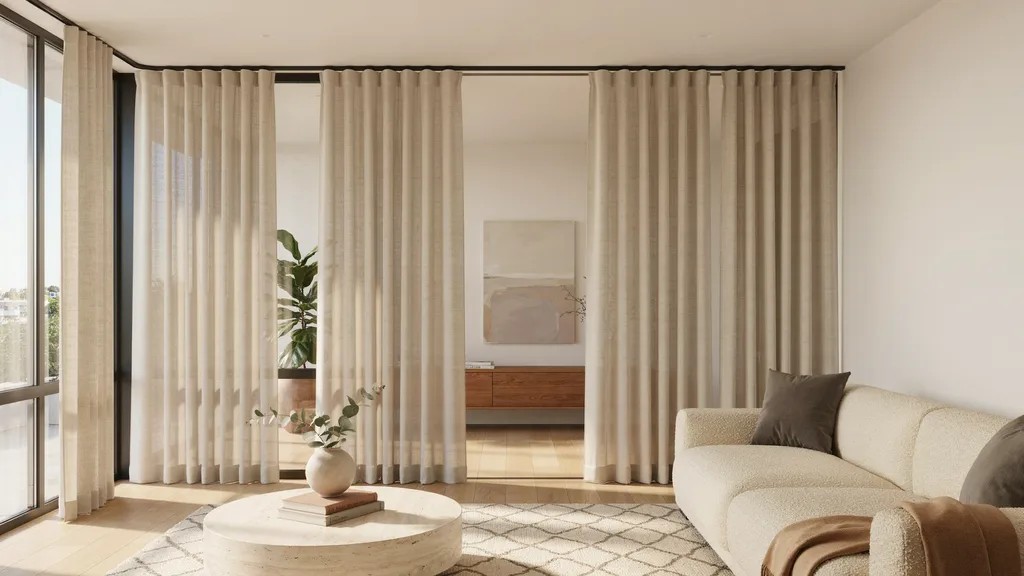
Panel curtains are single flat pieces of fabric that hang straight from the rod to the floor or sill. They have minimal or no gathering, which gives a clean, modern look.
Panel curtains are often used as room dividers, closet covers, or in pairs to frame a window.
They work well in spaces that need a light, flexible window covering. Sliding glass doors, large windows, and open-plan rooms all suit panel curtains well.
They are available in a wide range of fabrics and are generally easy to find and replace. Simple to hang and maintain, they are one of the most practical curtain types.
18. Eyelet Curtains
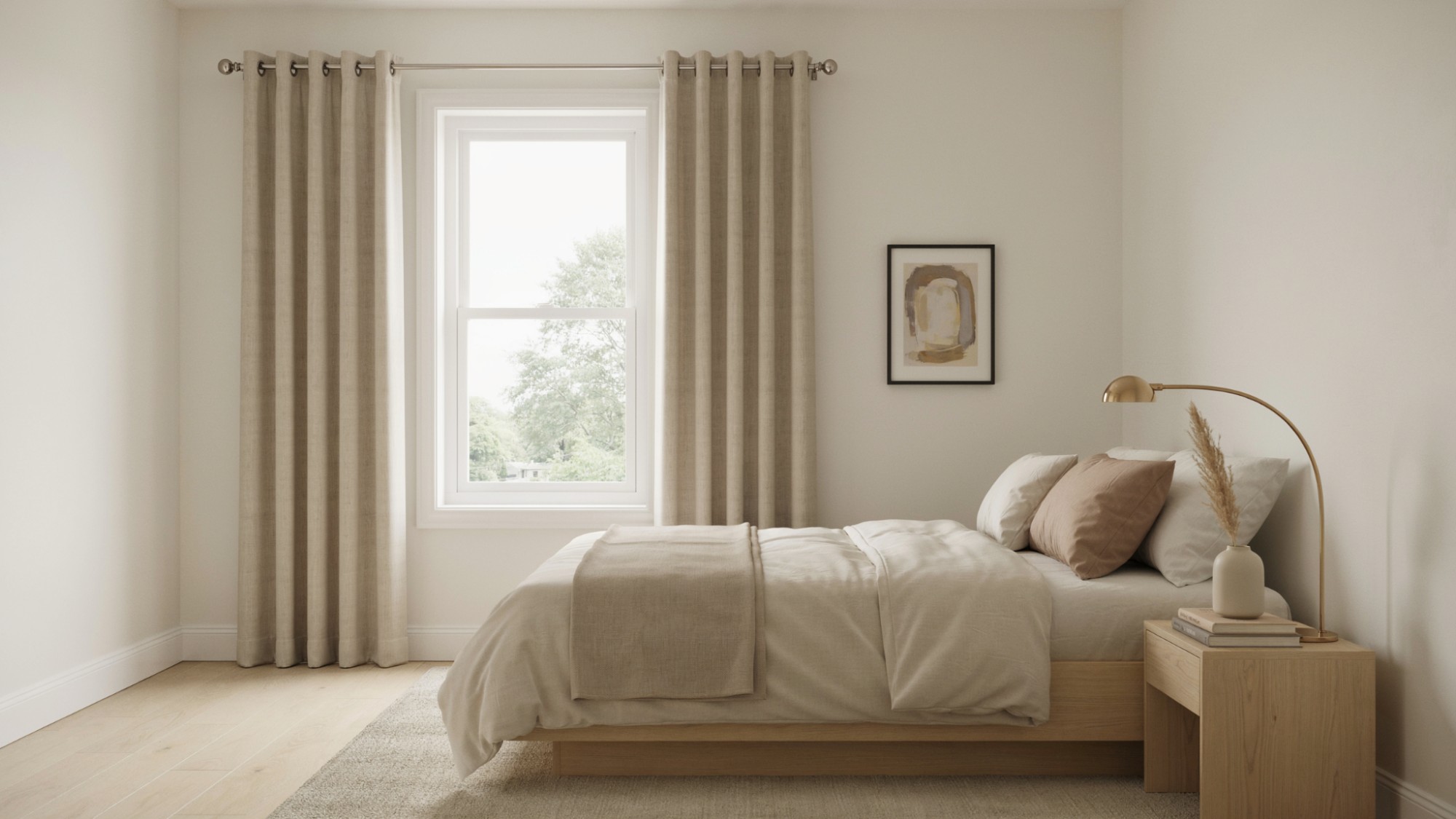
Eyelet curtains are essentially the same as grommet curtains. The terms are often used interchangeably, especially in the UK and Australia where "eyelet" is the more common word.
Both feature metal rings at the top through which the rod passes.
The key difference, where one exists, is that eyelets tend to be slightly smaller in diameter than grommets. This can create tighter, more defined folds.
The function, however, is the same. Easy to open, easy to close, and a neat, contemporary look. If you are shopping and see both terms, check the ring size and finish to compare properly.
19. Lace Curtains
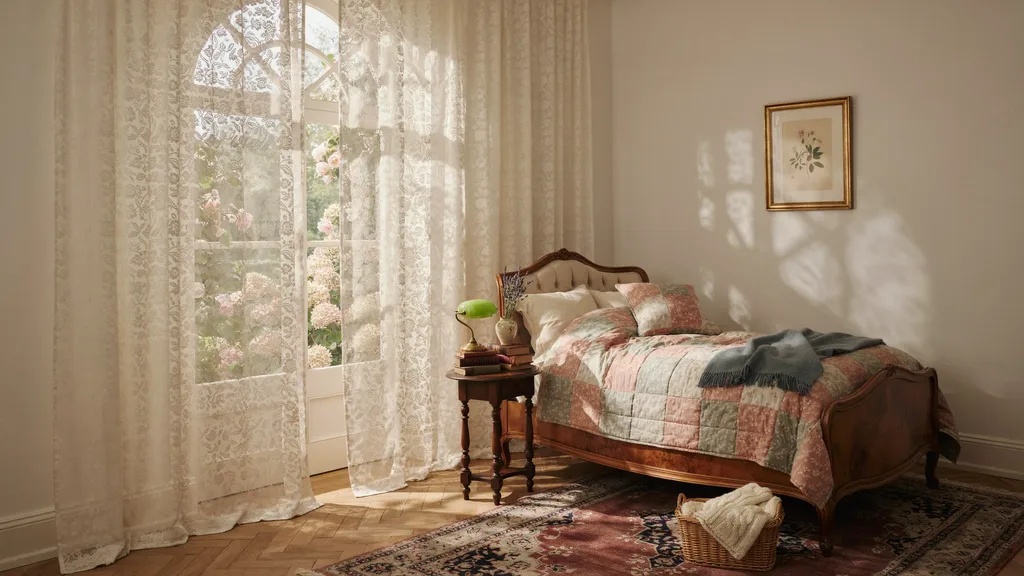
Lace curtains are made from woven fabric with an open, decorative pattern. They are lighter than standard sheers and have a more ornate, traditional appearance.
Lace lets in light while providing partial privacy, similar to a sheer but with more visual texture.
These curtains work best in traditional, cottage, or vintage-inspired rooms. They are commonly used in bedrooms, living rooms, and formal dining rooms with older or more classic furniture.
Lace curtains require gentle washing and careful drying to maintain their shape. They can also be hung inside a window frame as a simple cafe-style panel without any rod system.
20. French Door Curtains
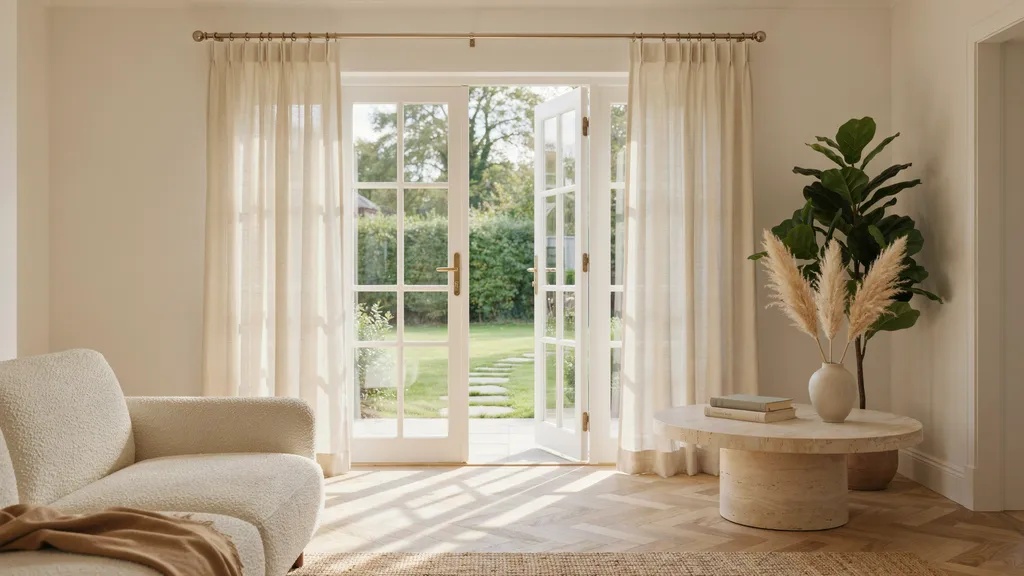
French door curtains are designed specifically for doors with glass panels. They attach at both the top and bottom of the glass using small rods threaded through the curtain.
This keeps the fabric from swinging when the door opens.
Because the curtain moves with the door, it needs to be fitted carefully. Fabric that is too long or too full will bunch at the bottom or catch on the frame.
A light, crisp fabric like cotton voile or a tight linen blend works well for this style. French door curtains provide privacy on glass panels without blocking the use of the door itself.
21. Doorway Curtains
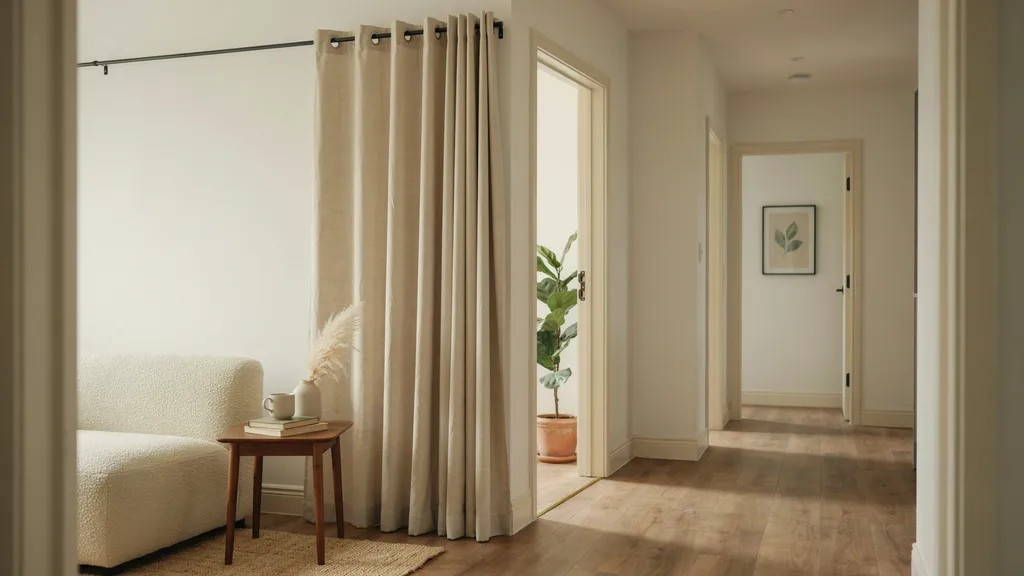
Doorway curtains hang across a doorway rather than a window. They are used to separate two areas of a room, block drafts, or create a visual divide without installing a door.
They are common in older homes, rental properties, and open-plan apartments.
A doorway curtain needs to be full enough to hang well and heavy enough to stay in place when not being moved. Velvet, thick cotton, and interlined fabrics work best.
The rod should be mounted above the door frame. Make sure the curtain is long enough to reach the floor for a clean finish and effective draft blocking.
22. Outdoor Curtains

Outdoor curtains are made from weather-resistant fabric that can handle moisture, sun exposure, and temperature changes.
Common materials include solution-dyed acrylic, polyester, and treated canvas.
Solution-dyed acrylic is worth noting here because the color is bonded deep into the fiber, making it far more resistant to fading than fabrics dyed on the surface.
They are used on covered patios, pergolas, and outdoor entertaining areas. Outdoor curtains provide shade, wind protection, and privacy without the need for permanent walls or screens.
Hardware must also be weather-resistant. Use stainless steel or coated rods and brackets to prevent rust. When not in use, folding or storing them helps extend their life significantly.
23. Layered Curtains
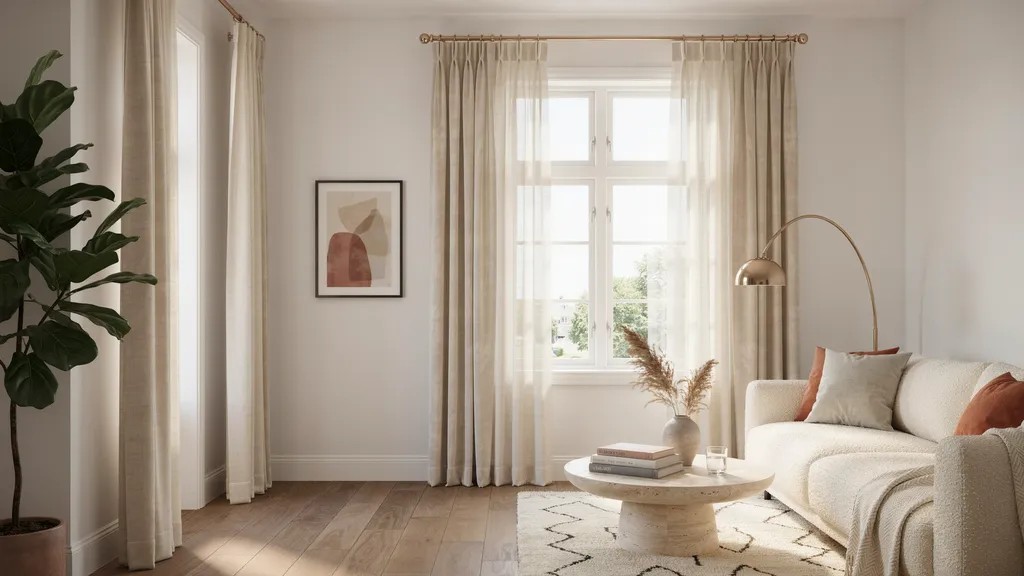
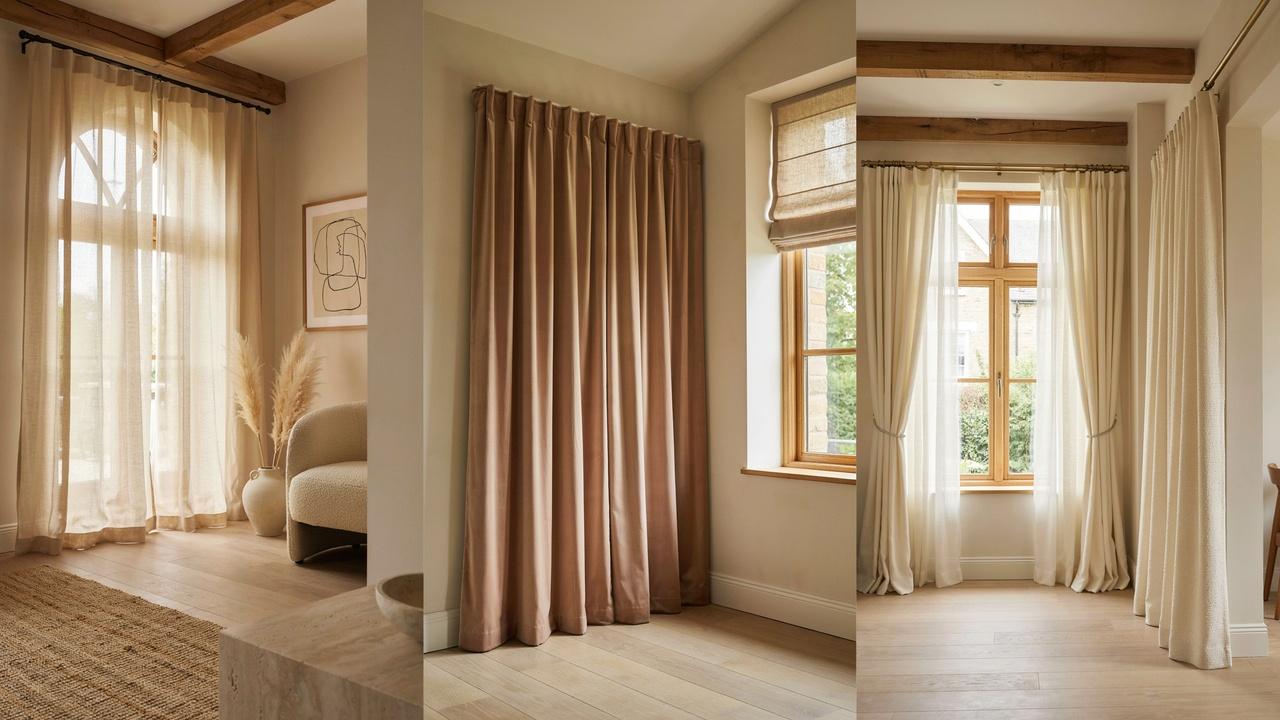
Layered curtains combine two or more curtain types on the same window. The most common combination is a sheer panel behind a heavier drape.
This setup gives you several options. Open both for full light. Close the sheer for soft, filtered light. Close the drape for full privacy or darkness.
Layering works in bedrooms, living rooms, and any space where light needs to change throughout the day.
Use a double rod or a rod with inner and outer brackets to hold both layers separately. Choose fabrics that work together in weight and color.
A heavy outer drape paired with a light linen or voile inner panel is a reliable and practical combination. Adding a lining to the outer drape also improves insulation and helps the fabric hang with more body.
How to Choose the Right Curtain Type
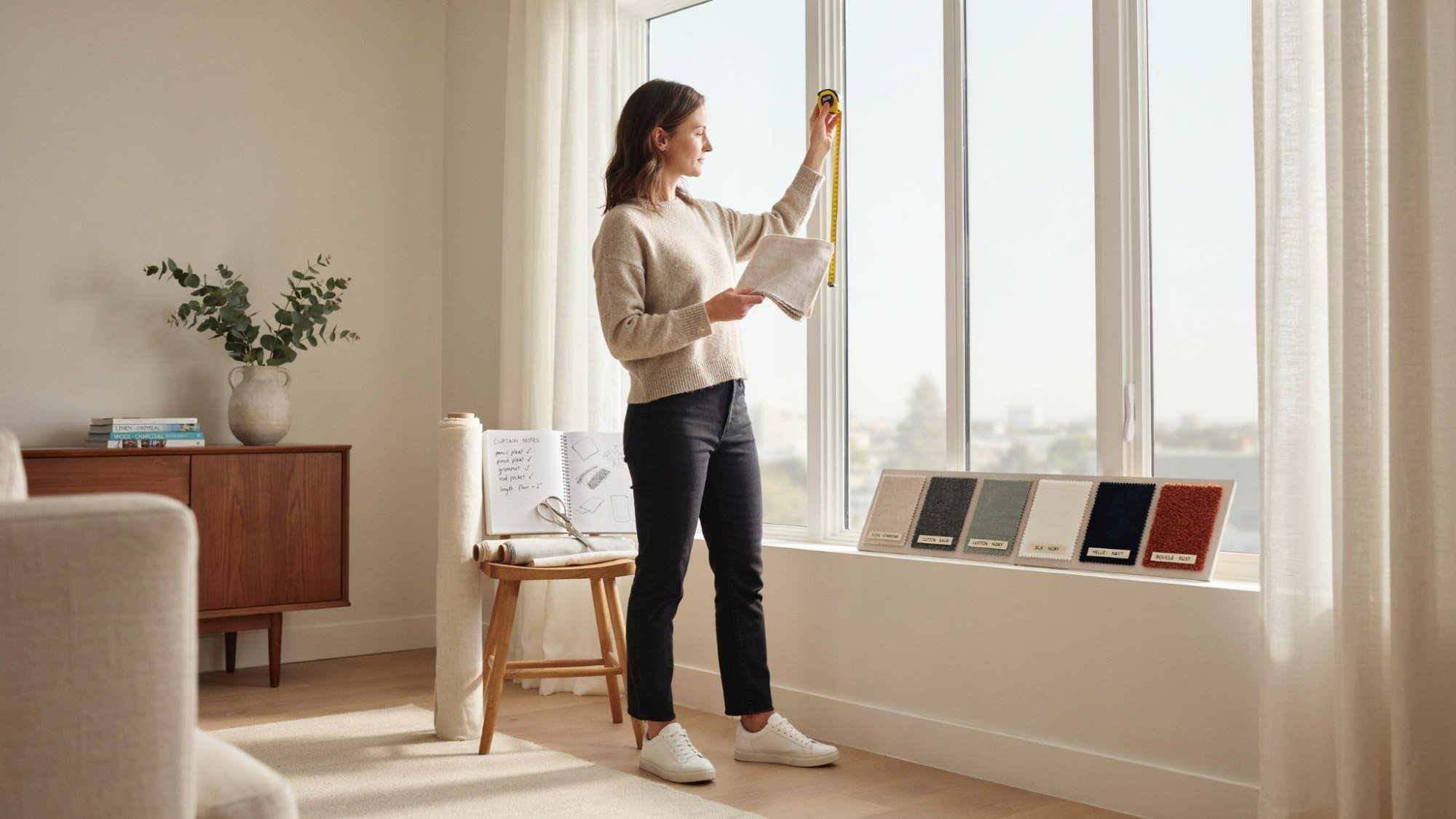
Choosing curtains is not just about what looks good in a photo. The right type depends on your room, your light needs, your privacy requirements, and your budget. Here is how to think through each factor.
Match the Curtain Style to Your Decor
Start with the overall feel of your room. Formal rooms suit pinch pleat, goblet pleat, or pencil pleat curtains. Casual rooms work well with tab top, rod pocket, or panel curtains.
Modern rooms pair nicely with grommet, ripple fold, or inverted pleat styles.
Also consider scale. Large windows in tall rooms need long, full curtains to look proportional. Small windows in compact rooms can be overwhelmed by heavy or overly gathered styles.
When in doubt, choose a simpler heading style and let the fabric do the work.
Choose Fabric Based on Room Conditions
Every room has different conditions that affect which fabric works best. Kitchens and bathrooms need moisture-resistant fabrics that are easy to wash.
Cotton, polyester blends, and synthetic fabrics handle humidity better than silk or velvet.
Bedrooms can handle heavier fabrics like velvet, thick linen, or blackout blends since they do not need to be washed as often.
Linen is also worth considering for bedrooms in warmer climates because it is breathable and regulates temperature well without feeling heavy.
Living rooms are flexible. You can use almost any fabric, but consider how much direct sun hits the window. Fabrics in direct sunlight fade faster, so look for solution-dyed or fade-resistant options.
Consider Light, Privacy, and Insulation Needs
Ask yourself three questions before buying. How much light do you want? How much privacy do you need? How much insulation does the room require?
If you want to sleep in darkness, choose blackout curtains. If you want soft morning light without sacrificing privacy, a light filtering curtain is a better fit than a sheer.
If you need full privacy in a street-facing room, choose an opaque fabric with a close-fitting width. For insulation, thermal curtains with foam or interlining backing will perform best in rooms that get very cold or very hot.
Select the Right Length and Width
Length and width directly affect how the curtain looks and functions. For length, floor-length curtains that just touch the floor look neat and intentional.
A slight puddle of one to three inches adds a formal feel. Curtains that stop above the floor look awkward unless they are a purposeful sill or apron length style.
For width, most curtains need to be one and a half to three times the width of the window to hang with proper fullness.
Flat panel curtains need less. Gathered and pleated styles need more. Measure your window carefully before ordering and account for the overlap at the center if using two panels.
Choose the Right Curtain Hardware
Hardware is often the last thing people think about, but it affects both function and appearance significantly. Make sure the rod diameter is compatible with the curtain heading.
Grommet and eyelet curtains need rods that fit through the ring. Rod pocket curtains need rods that fit the pocket width.
Rod material and finish also matter. Choose a finish that coordinates with other metals in the room, such as door handles, light fixtures, or cabinet hardware.
For heavy curtains, use rods rated for extra weight and installed into wall studs, not just drywall.
If you are using a traverse rod for pleated styles, make sure the cord mechanism is in good working order before hanging your panels.
Common Mistakes When Choosing Curtains
Many people make the same avoidable errors when buying curtains. Knowing what to watch for can save you money and frustration.
Choosing the Wrong Curtain Size
This is one of the most common problems. Curtains that are too short look like they shrank. Curtains that are too narrow look flat and thin, even when closed.
Always measure both the height from the rod to the floor and the full width of the window before ordering.
When in doubt, go longer rather than shorter. A curtain that is slightly too long can be hemmed. A curtain that is too short cannot be fixed without buying new ones.
Picking Fabric That Does Not Suit the Room
Heavy velvet in a small bathroom. Sheer voile in a bedroom facing a busy street. These mismatches happen often.
Match your fabric to the practical needs of the room first. Appearance should be the second consideration, not the first.
Also consider maintenance. If you cannot hand wash or dry clean, do not buy a fabric that requires it.
Curtains in kitchens especially need to be machine washable since they absorb cooking smells and grease over time.
Cotton is one of the best choices for kitchens because it is durable, washes easily, and holds up to regular laundering.
Ignoring Light and Privacy Requirements
Buying curtains based only on color or pattern without checking light control is a common mistake. A cream linen panel might look beautiful but provide almost no privacy after dark when lights are on inside.
Test your window before buying. Note how much sunlight enters and at what time of day.
Note whether the window faces a street, a neighbor, or an open yard. Use this information to choose the right opacity and fabric weight.
Hanging Curtains at the Wrong Height
Many people hang curtains right above the window frame. This makes ceilings feel lower and windows look smaller.
The better approach is to mount the rod six to twelve inches above the window frame and as close to the ceiling as possible. This makes the room feel taller and the window appear larger.
Also make sure the rod extends beyond the window frame on each side by at least four to six inches. This allows the curtains to stack off the window when open, keeping the full glass area exposed and maximizing light.
The less wall space the stack back takes up, the more glass you can see.
Prioritizing Appearance Over Function
It is easy to fall for a curtain that looks perfect in a showroom or in an online photo. But function should always be part of the decision.
A beautiful curtain that lets in too much light, fades quickly, or is impossible to clean will become a problem faster than you expect.
Buy the curtain that does the job the room needs, then find the most visually appealing version of that functional type.
Expert Tips for Choosing and Hanging Curtains
These are the practical details that make the difference between curtains that look professionally installed and ones that look like an afterthought.
- Measure height and width in two places and base measurements on rod placement, not the window glass. Note rod height, width with extensions, and desired length before shopping.
- Check the care label before buying. Choose machine washable fabrics for homes with pets or kids, and order slightly longer if using natural fabrics like cotton or linen that may shrink after washing.
- Lining adds body, improves drape, and protects fabric from sun damage. A lined curtain also holds its shape better over time and can improve energy efficiency in rooms with drafty windows. Aim for a 2 to 1 fullness ratio, or up to 3 to 1 for heavily pleated styles.
- Curtains should work with your decor, not match it exactly. Use solids in busy rooms and add color or pattern in plainer spaces.
- Layer a sheer inner panel with a heavier outer drape for flexible light and privacy control. A double curtain rod keeps both layers easy to manage.
Conclusion
Choosing from so many curtain types can feel overwhelming, but it gets easier once you focus on your room's needs first. Think about light, privacy, fabric, and fit before worrying about style.
The right curtains will work well and look great without much effort. Start by measuring your windows accurately, then pick the curtain type that matches your function needs.
Style follows from there. If this guide helped you, share it with someone who is redecorating or drop a comment with any questions.
Find our other room-by-room decorating guides for more practical advice.
Frequently Asked Questions
Can curtains be used to make a small room look bigger?
Yes. Hang rods close to the ceiling and choose light-colored or sheer fabrics. This draws the eye upward and makes the space feel taller and wider.
How often should curtains be washed or cleaned?
Most curtains should be cleaned every three to six months. Rooms with cooking smells, pets, or heavy dust may need more frequent washing.
What is the difference between drapes and curtains?
Drapes are typically lined, floor-length, and more formal. Curtains are lighter, often unlined, and used in a wider range of rooms and styles.
Do curtains need to match the color of the walls?
No. Curtains can contrast with walls for visual interest or blend in for a quieter look. Both approaches work depending on the room's overall style.
What rod type works best for heavy curtains?
A heavy-duty rod with center support brackets works best. Install it into wall studs for maximum support and avoid tension rods for anything heavier than sheers.