
Have you ever stood in the shower aisle, staring at curtains and liners, wondering if you really need both? I asked myself the same thing years ago, right before my bathroom floor turned into a science experiment.
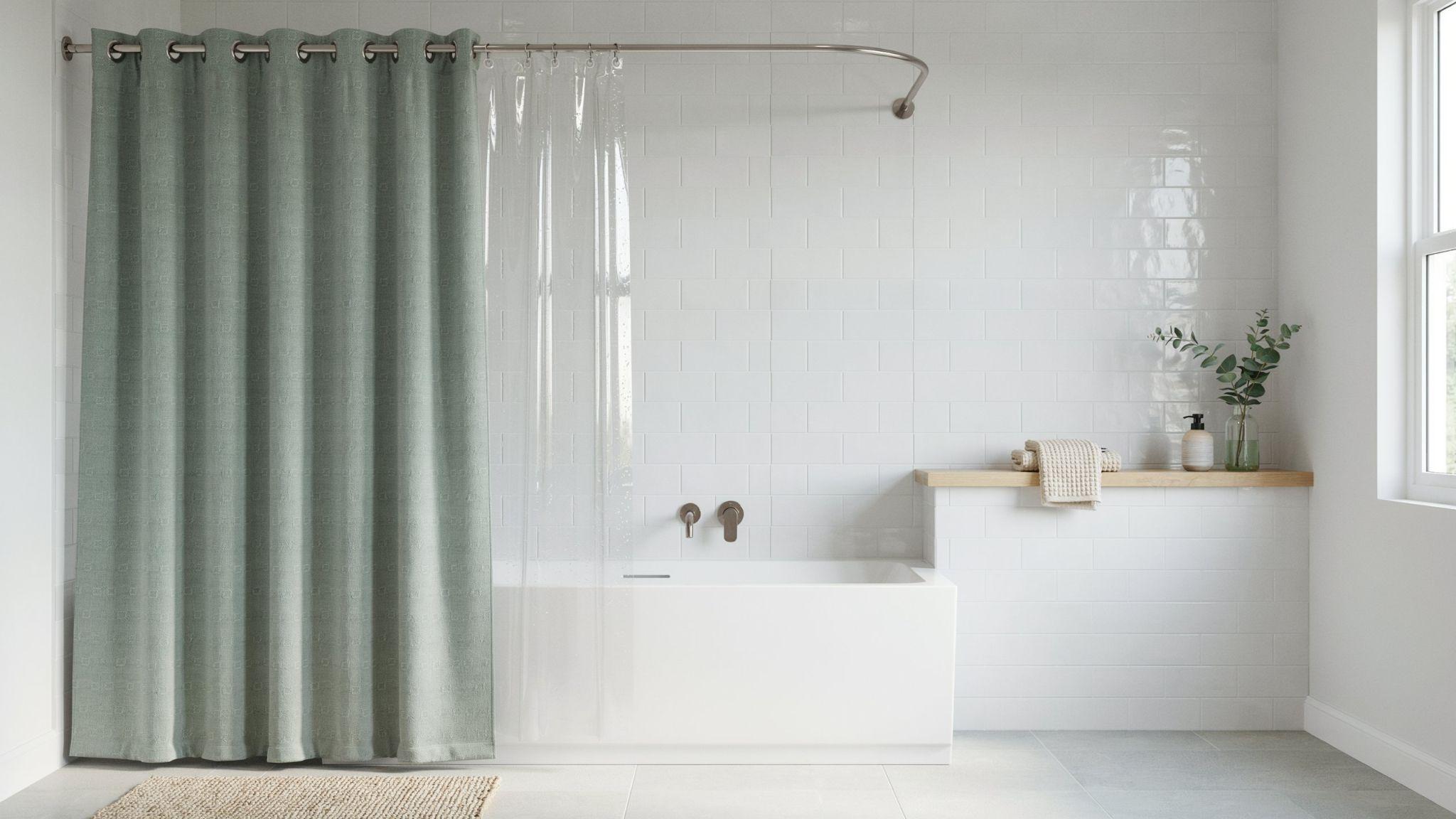
Here is what I found out. A shower curtain and a liner are not the same thing, even though stores often sell them side by side.
One handles the look. The other handles the water. Skip either one, and you end up dealing with mold, water stains, or a soggy mess on your floor.
In this post, I will walk you through what each one does, how they differ, and which materials actually hold up. By the end, you will know exactly what your bathroom needs.
What Is a Shower Curtain?
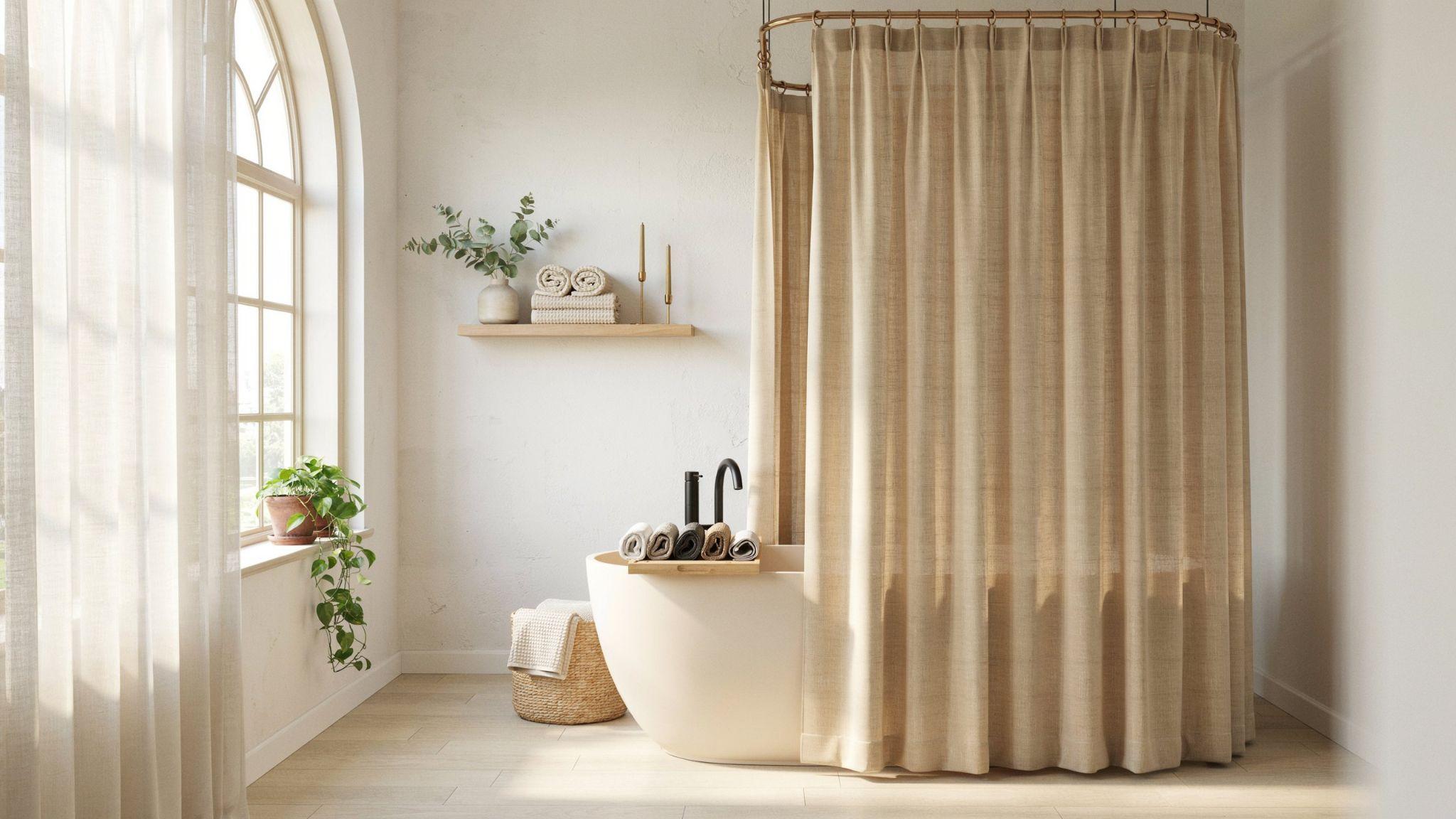
A shower curtain hangs outside your tub or shower area. It sets the look and feel of your bathroom.
You get options in cotton, polyester, linen, or vinyl, each with a different style and price point. It adds color and pattern to a plain space and comes in many designs.
The downside is that most curtains are not fully waterproof. They can soak up water and grow mold if you skip a liner. Some fabrics also need extra care during washing.
What Is a Shower Curtain Liner?
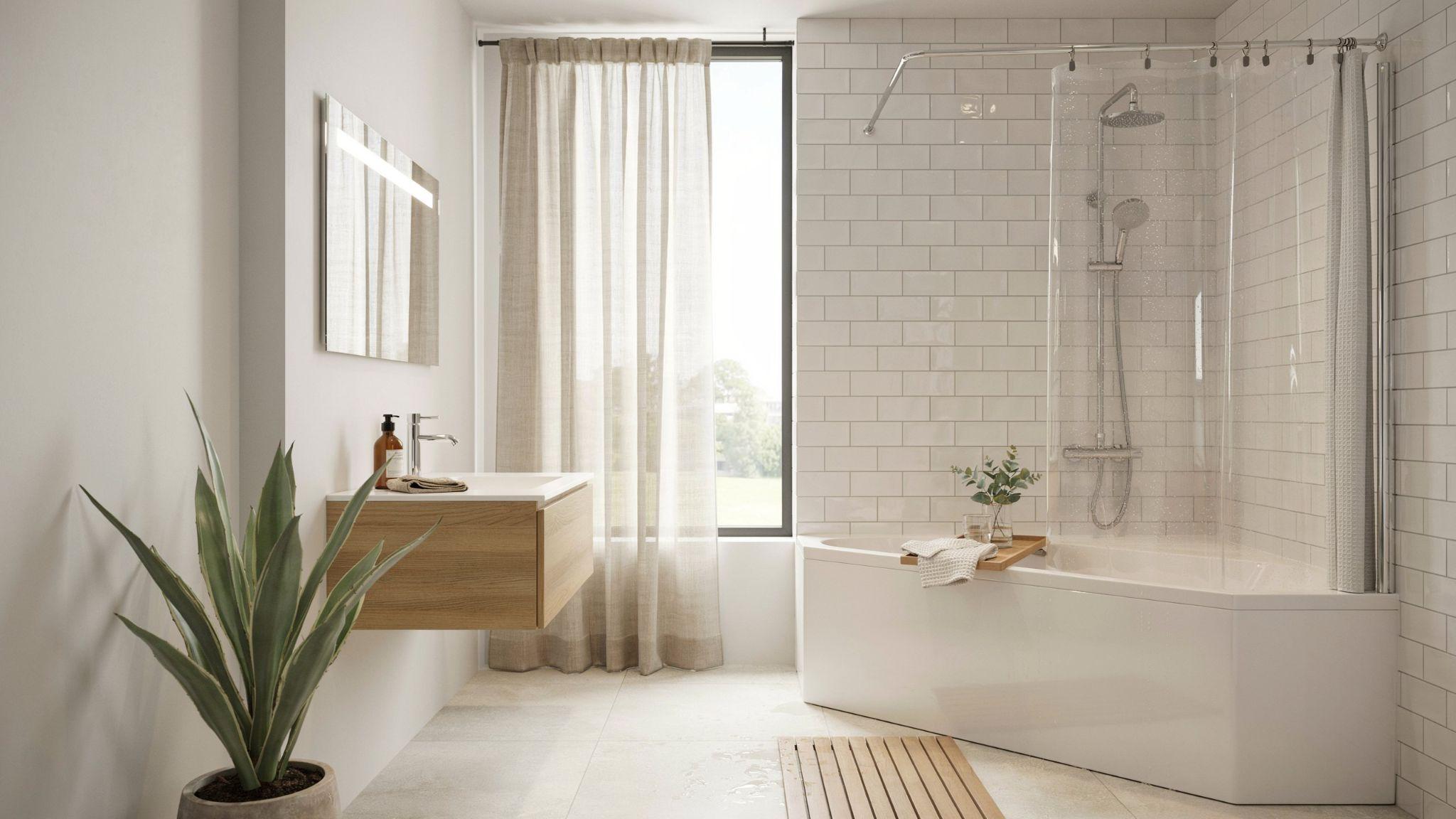
A shower curtain liner hangs inside the tub, closer to the water. Its job is to keep water inside the shower area.
It stops splashes from reaching your floor and walls, which protects your flooring and paint. Liners are usually made from vinyl, PEVA, or EVA, and they resist water well.
They are cheap and easy to swap out when worn. The downside is that plain liners do not look great alone. They can also trap mildew if you do not clean them often.
Difference Between a Shower Curtain and Liner at a Glance
Here is a quick side by side look before we get into the details below.
Quick Comparison Table
| Feature | Shower Curtain | Shower Liner |
| Main purpose | Style and look | Water protection |
| Position | Outside the tub | Inside the tub |
| Waterproof | Mostly no | Yes |
| Common material | Cotton, polyester, linen | Vinyl, PEVA, EVA |
| Cleaning | Machine or hand wash | Quick wipe or rinse |
| Lifespan | One to a few years | Six months to a year |
| Cost | Low to high | Mostly low |
Why Understanding the Difference Matters
Knowing the difference saves you from buying the wrong thing. A lot of people buy a nice curtain and skip the liner, then wonder why their floor stays wet.
Once you understand what each piece does, your whole bathroom setup works better and lasts longer.
Difference Between Shower Curtain and Liner
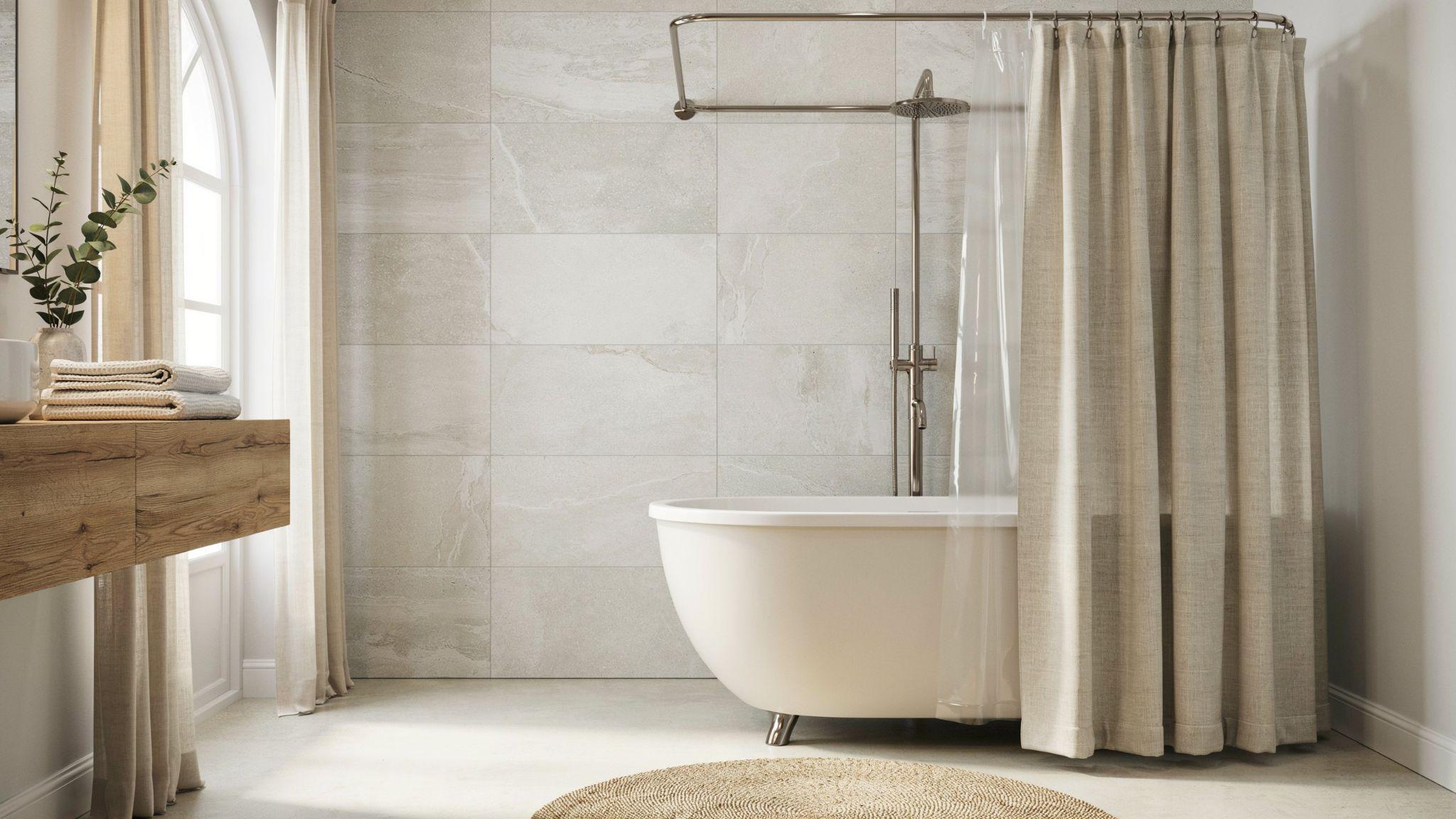
A shower curtain and a liner look similar but do different jobs. Knowing how they differ helps you pick the right setup for your bathroom.
Function and Purpose
A shower curtain is mainly for looks. It adds style and covers the shower area. A liner does the real work of keeping water inside the tub.
You need both for a bathroom that looks good and stays dry.
Water Resistance and Waterproofing
Liners are built to block water. They are made to handle constant splashing without soaking through. Curtains are not waterproof on their own.
Most fabric curtains let water pass through over time.
Material Differences
Curtains come in cotton, polyester, linen, or fabric blends. Liners are made from vinyl, PEVA, or EVA. These plastic materials handle moisture better than fabric.
That is why the two are never made from the same stuff.
Appearance and Design
Curtains come in many colors, prints, and patterns. They are the part of your shower setup that people actually notice. Liners are usually clear or plain white.
They sit behind the curtain and stay out of sight.
Cleaning and Maintenance
Curtains need regular washing based on the fabric type. Some go in the machine, others need hand care. Liners need quick wipes and rinses since they collect soap scum and mildew fast.
You should clean a liner more often than a curtain.
Durability and Lifespan
Fabric curtains can last for years if you wash them with care. Liners wear out faster since they take on direct water contact daily. Most liners need a swap every six months to a year.
Cost Comparison
Curtains can range from cheap to pricey based on fabric and design. Liners are almost always low cost since they use simple plastic material.
Replacing a liner costs far less than replacing a curtain.
Types of Shower Curtain Liners
Liners come in different materials, each with its own feel and price. Picking the right one depends on what you want from durability, looks, and water protection.
1. PEVA Shower Curtain Liners

PEVA liners are light and free of harsh chemicals. They resist water well and do not smell bad like vinyl. The good side is easy care and a safer build. The downside is they can feel thin and tear faster than vinyl.
2. EVA Shower Curtain Liners
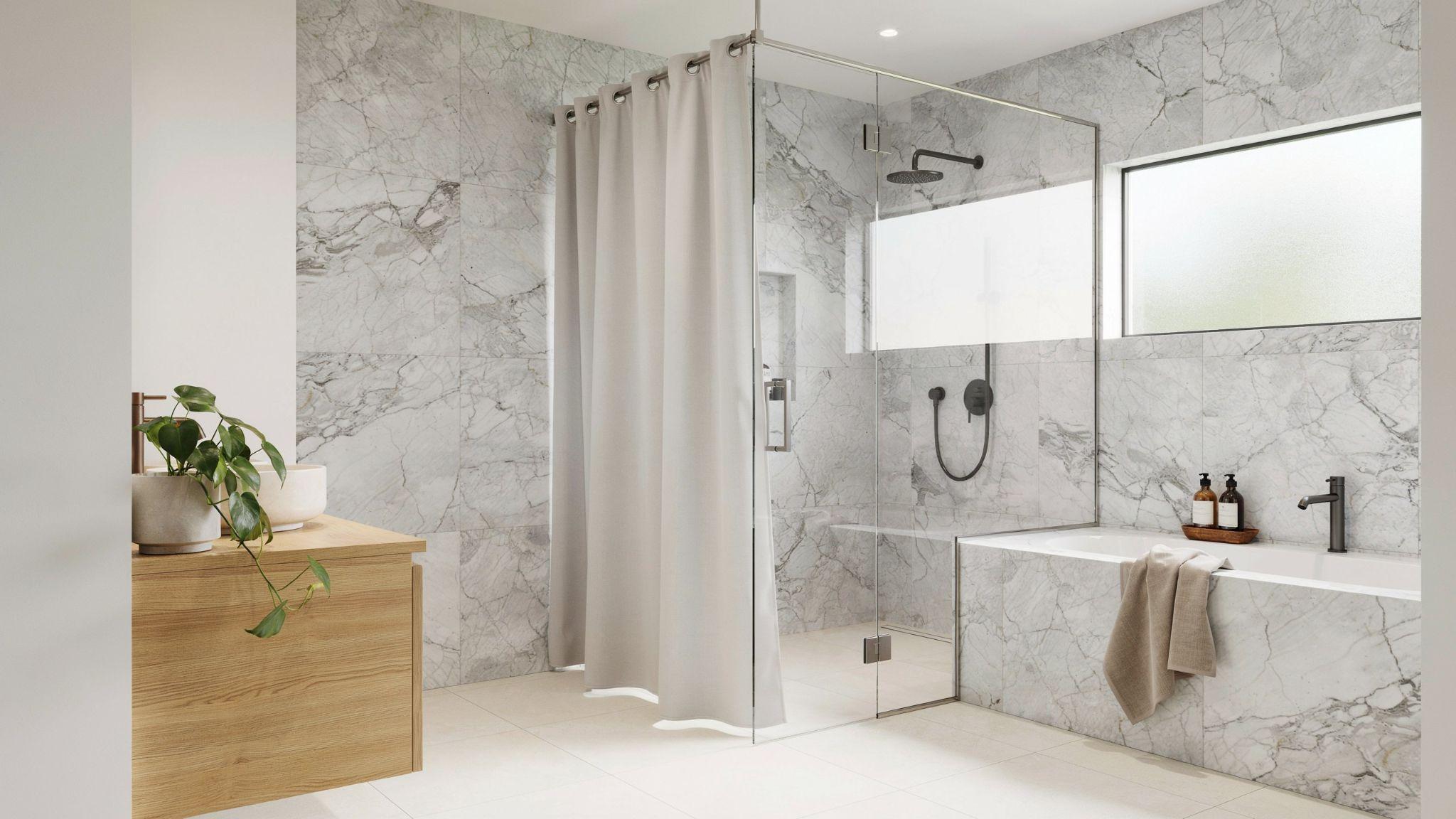
EVA liners are thick, sturdy, and eco friendly. They last longer than PEVA and resist mold well. The plus side is strength and safety. The downside is a higher price tag compared to basic plastic liners.
3. PVC Shower Curtain Liners

PVC liners are the most common and cheapest option. They block water well and last a long time. The plus side is low cost and easy access. The downside is a strong plastic smell and chemical content some people avoid.
4. Polyester Shower Curtain Liners

Polyester liners feel more like fabric and look better alone. They resist wrinkles and dry fast. The plus side is a nicer look and machine washable design. The downside is weaker water resistance than plastic options.
5. Fabric Shower Curtain Liners

Fabric liners use cotton or linen blends for a soft feel. They look better than plastic and add texture. The plus side is style and comfort. The downside is poor water resistance and frequent washing needs.
Shower Curtain Liner Materials Compared

Each liner material handles water, mold, and wear in its own way. Here is how they stack up against each other on the things that matter most.
Waterproof Performance
PVC and PEVA block water the best among all liner types. EVA comes close behind them.
Polyester and fabric liners let some water through over time, so they need a backup layer for full protection.
Mold and Mildew Resistance
EVA and microfiber resist mold better than basic plastic liners. PVC can trap moisture in folds, which leads to mildew spots.
Fabric liners are the most likely to grow mold if you do not dry them fast.
Ease of Cleaning
PVC and PEVA liners wipe clean in seconds with a damp cloth. Polyester and microfiber can go in the washing machine.
Fabric liners need more care and often require gentle hand washing to avoid damage.
Eco-Friendliness
EVA is the most eco-friendly choice since it skips harsh chemicals. PEVA also avoids the toxins found in PVC.
PVC is the least green option due to its chemical makeup and slow breakdown over time.
Durability and Longevity
EVA and PVC tend to last the longest with proper care. Microfiber holds up well too. PEVA and fabric liners wear out faster since they are thinner and more prone to tearing with daily use.
Best Value for Money
PVC gives you the most protection for the lowest price. PEVA offers a decent middle ground between cost and safety.
Fabric and microfiber cost more upfront but can last if you maintain them well.
How to Choose the Best Shower Curtain Liner

Check your bathroom's humidity first, since damp rooms need stronger mold resistant liners like EVA or microfiber. Pick a material based on your main goal, water protection or a softer look.
Check the thickness and weight, since heavier liners hang better and last longer. Magnetic or weighted hems keep the liner in place.
Last, measure your shower rod and tub before buying so the liner fits without gaps.
Common Shower Curtain and Liner Mistakes to Avoid
Small mistakes with your shower setup can lead to mold, leaks, or wasted money. Here are the ones to watch out for.
- Picking a curtain just for looks while skipping a proper liner often leads to water damage.
- Buying the wrong size leaves gaps that let water spill onto your floor.
- Skipping regular cleaning lets mold and mildew build up fast on liners.
- Washing only the curtain while ignoring the liner means mold keeps coming back.
- Using a liner past its lifespan reduces water protection and adds odor to your bathroom.
Conclusion
I learned this the hard way after dealing with a moldy bathroom floor. A shower curtain alone never protects your space. You need a good liner behind it for real water control.
Pick a material that matches your bathroom's humidity and your cleaning habits. Check the size before you buy, and replace your liner once it wears out.
Got a shower setup question? Drop it below. And if this helped you, share it with someone who needs it too.
Frequently Asked Questions
Do I need both a shower curtain and a liner?
Yes, you need both for the best result. The curtain adds style while the liner keeps water inside the tub.
Can I use a shower curtain without a liner?
You can, but the curtain will soak up water over time. This leads to mold growth and a shorter lifespan for the fabric.
How often should I replace my shower curtain liner?
Most liners need a swap every six months to a year. Replace it sooner if you notice mold spots or tears.
Which liner material is the most waterproof?
PVC and PEVA block water the best among all liner types. EVA comes in close behind them for strong protection.
Can I wash my shower curtain liner in the washing machine?
Polyester and microfiber liners can go in the machine on a gentle cycle. PVC and PEVA liners do better with a quick wipe instead.