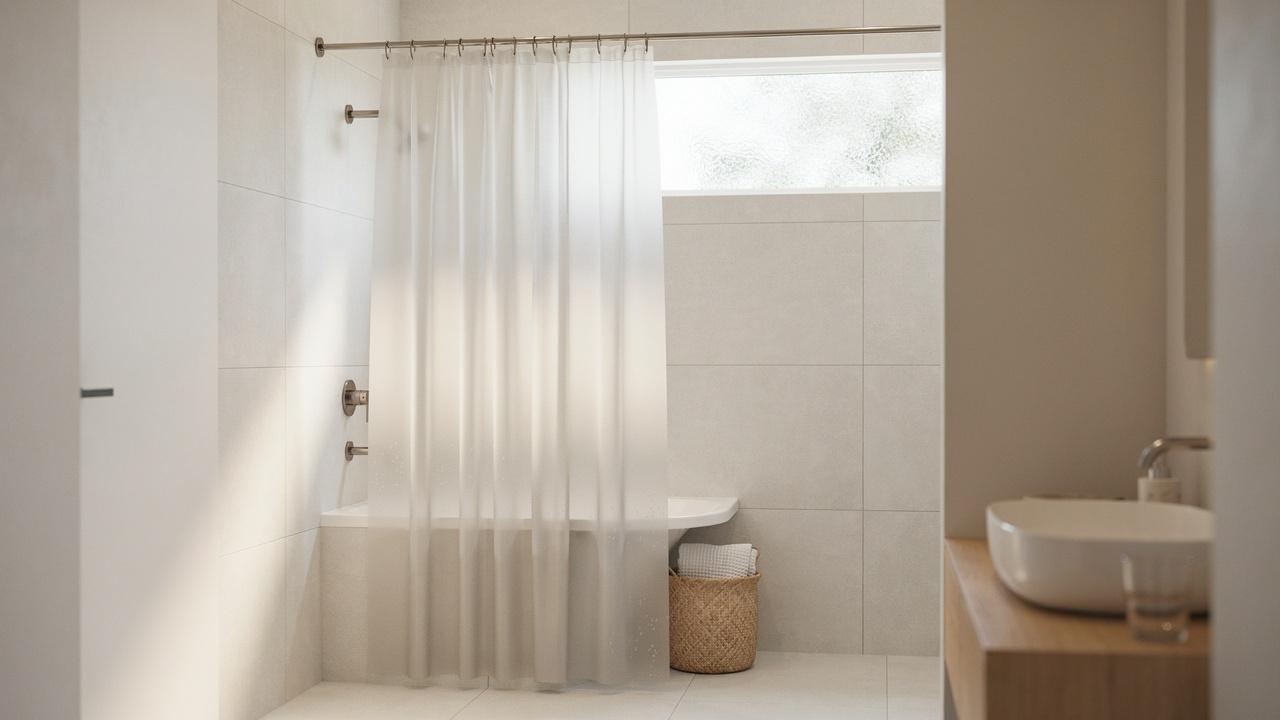

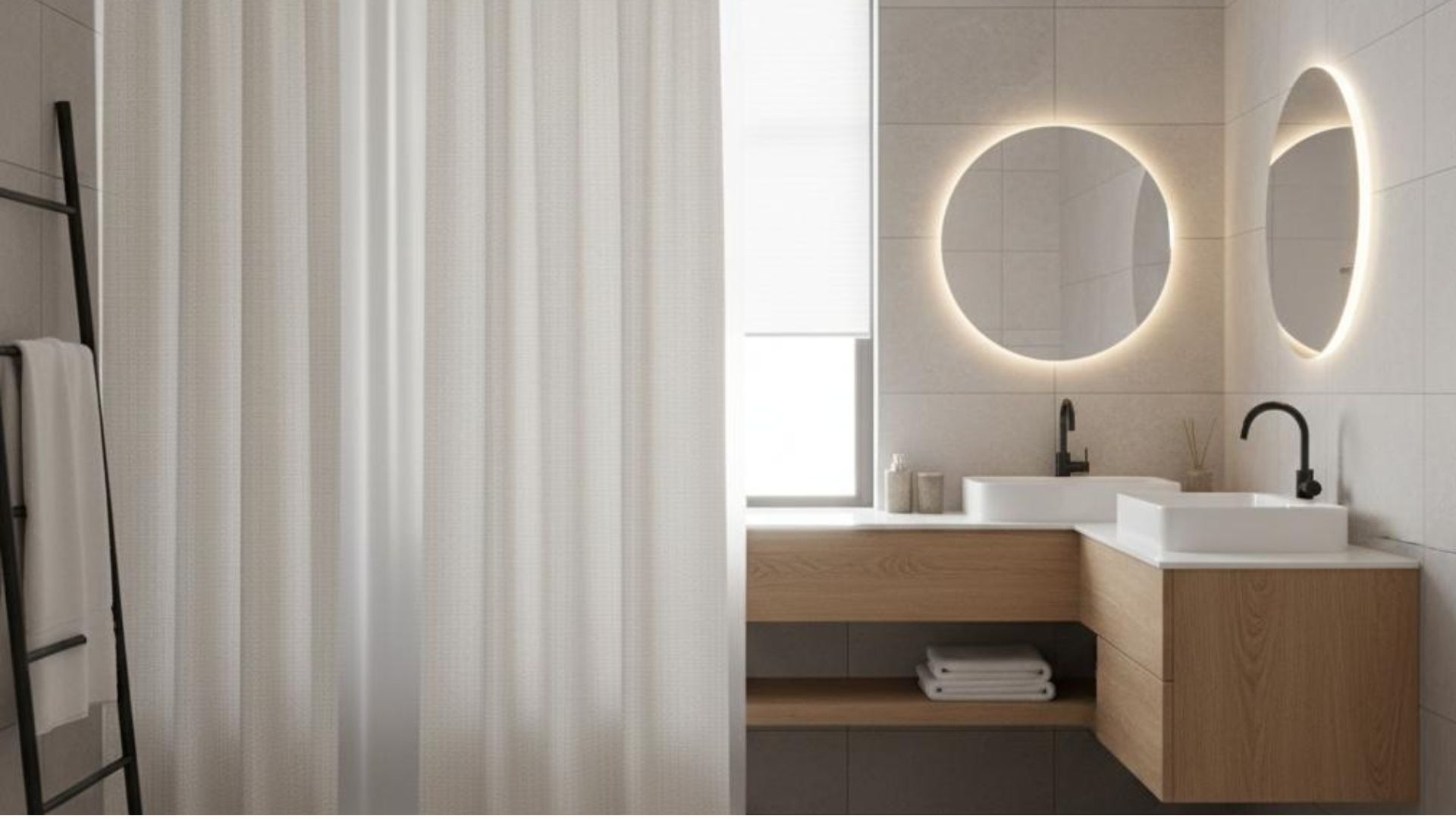
Standing in front of a shower curtain aisle can feel confusing. You see plain curtains, clear liners, and combo sets, and you are not sure what you actually need.
This guide breaks down the difference between shower curtain and liner so you can shop with confidence.
We will cover what each item does, the materials they come in, and how to pick the right liner for your bathroom. You will also learn common mistakes people make and how to avoid them.
After working with dozens of bathroom setups, I have seen how the right liner choice saves both money and headaches. By the end, you will know exactly what your shower needs.
What Is the Difference Between Shower Curtain and Liner?
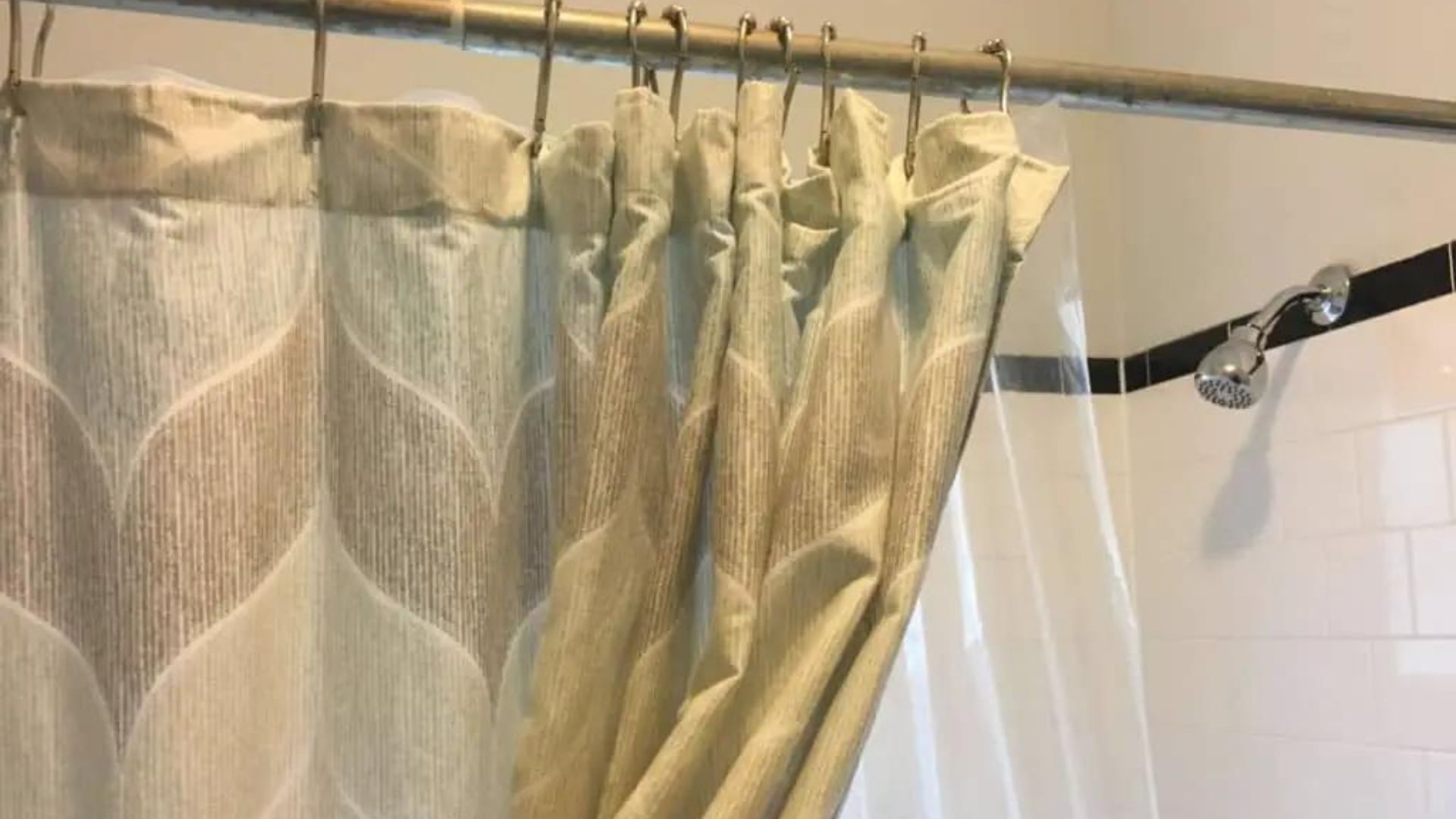
A shower curtain and a liner look similar but do very different jobs. Knowing what sets them apart helps you buy the right pieces the first time.
What Is a Shower Curtain?
A shower curtain is the outer layer you see. It hangs on the outside of your tub or shower and adds color, pattern, and style to your bathroom.
Most shower curtains are made from fabric like cotton, polyester, or linen blends. Both the curtain and its liner usually hang from the same shower curtain rod, held up by rings or hooks.
Shower curtains are not built to block water on their own. Fabric soaks up moisture instead of repelling it. That is why they usually need a partner behind them.
What Is a Shower Curtain Liner?
A liner is the inner layer that hangs closest to the water. It is made from waterproof or water-resistant material such as vinyl, PEVA, or EVA. Its main job is to keep water inside the tub or shower area.
Liners are plain and simple by design. They are not meant to be the star of your bathroom. They are meant to work quietly in the background.
Why Do You Need Both?
Using both pieces together gives you the best of both worlds. The liner keeps water contained, and the curtain adds personality to the room.
If you skip the liner, your fabric curtain will get soaked and heavy every time you shower. Over time, this leads to mold, mildew, and a shorter lifespan for your curtain. Pairing the two keeps your bathroom drier and your decor looking fresh longer.
Shower Curtain vs Liner Comparison
| Feature | Shower Curtain | Shower Curtain Liner |
| Purpose and Function | Decorative. Acts as the finishing touch and sets the mood of the room. | Functional. Works as the protective layer, keeping your floor and bath mat dry from splashes. |
| Material | Usually fabric, such as cotton, polyester, or linen. | Plastic-based materials like PEVA, EVA, or vinyl. Fabric liners with waterproof backing are also available. |
| Appearance and Design | Comes in countless colors, patterns, and textures. | Typically plain, clear, white, or frosted. Some brands offer light prints. |
| Water Resistance and Durability | Absorbs water if left unprotected, which can weaken fibers and cause fading over time. | Built to handle daily water exposure. Resists soaking and dries quickly. |
| Cost and Replacement Frequency | Lasts several years when protected by a liner. | Usually cheaper, but takes the most water damage. Needs replacing every six months to a year. |
Types of Shower Curtain Liners
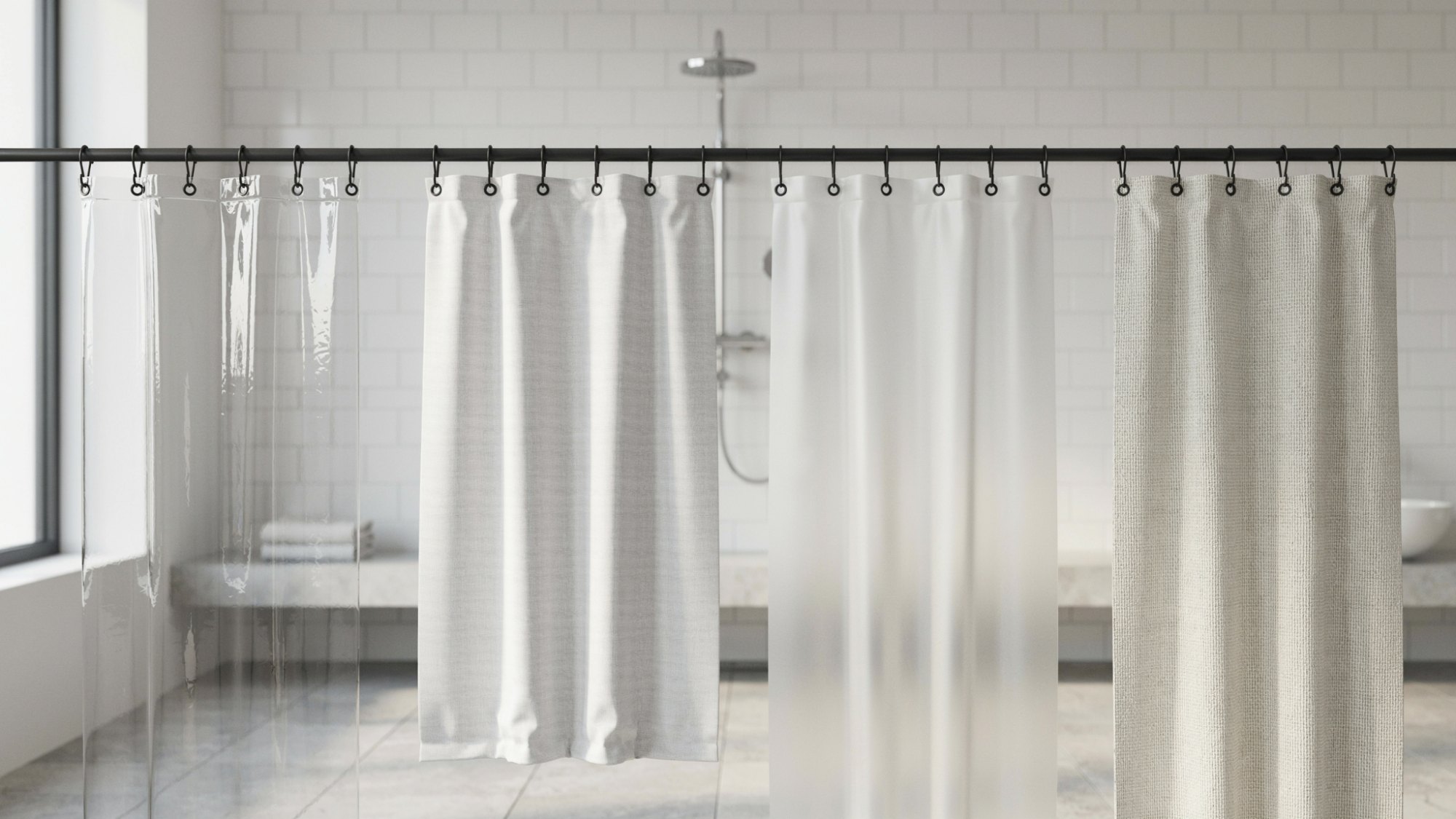
Not all liners are the same. Picking the right type depends on your budget, bathroom style, and how much upkeep you want to deal with.
| Aspect | PEVA/EVA | Vinyl (PVC) | Fabric |
| Waterproofing | Good resists water well, clear or frosted | Excellent thicker material, strong water resistance | Good relies on a waterproof/water-repellent coating |
| Durability | Moderate lightweight, can tear more easily over time | High thicker and holds up well to daily use | Moderate to high coating can wear down and need reapplying |
| Cleaning | Easy wipes clean, machine washable in most cases | Easy wipeable, machine washable | Moderate usually machine washable, but coating care matters more |
| Odor | Minimal to none (PVC-free) | Noticeable "new plastic" smell at first, fades after airing out | Minimal to none |
| Best for | Budget-friendly, everyday households wanting a PVC-free option | Households wanting maximum durability and don't mind the initial smell | Bathrooms where a softer, more polished look matters |
Best Shower Curtain Liner by Material
If you just want the short answer, here's the quickest way to match a material to your priority:
| Priority | Best Material | Why |
| Lowest cost | PEVA/EVA | Cheapest option that still resists water well and skips PVC |
| Longest-lasting | Vinyl (PVC) | Thicker construction handles daily use and resists tearing |
| Best look | Fabric | Softer texture and appearance, closer to a curtain than a liner |
| Easiest care | PEVA/EVA or Vinyl | Both wipe clean and are typically machine washable |
| Least odor | PEVA/EVA or Fabric | Neither has the "new plastic" smell vinyl can have out of the package |
How to Choose the Best Shower Curtain Liner
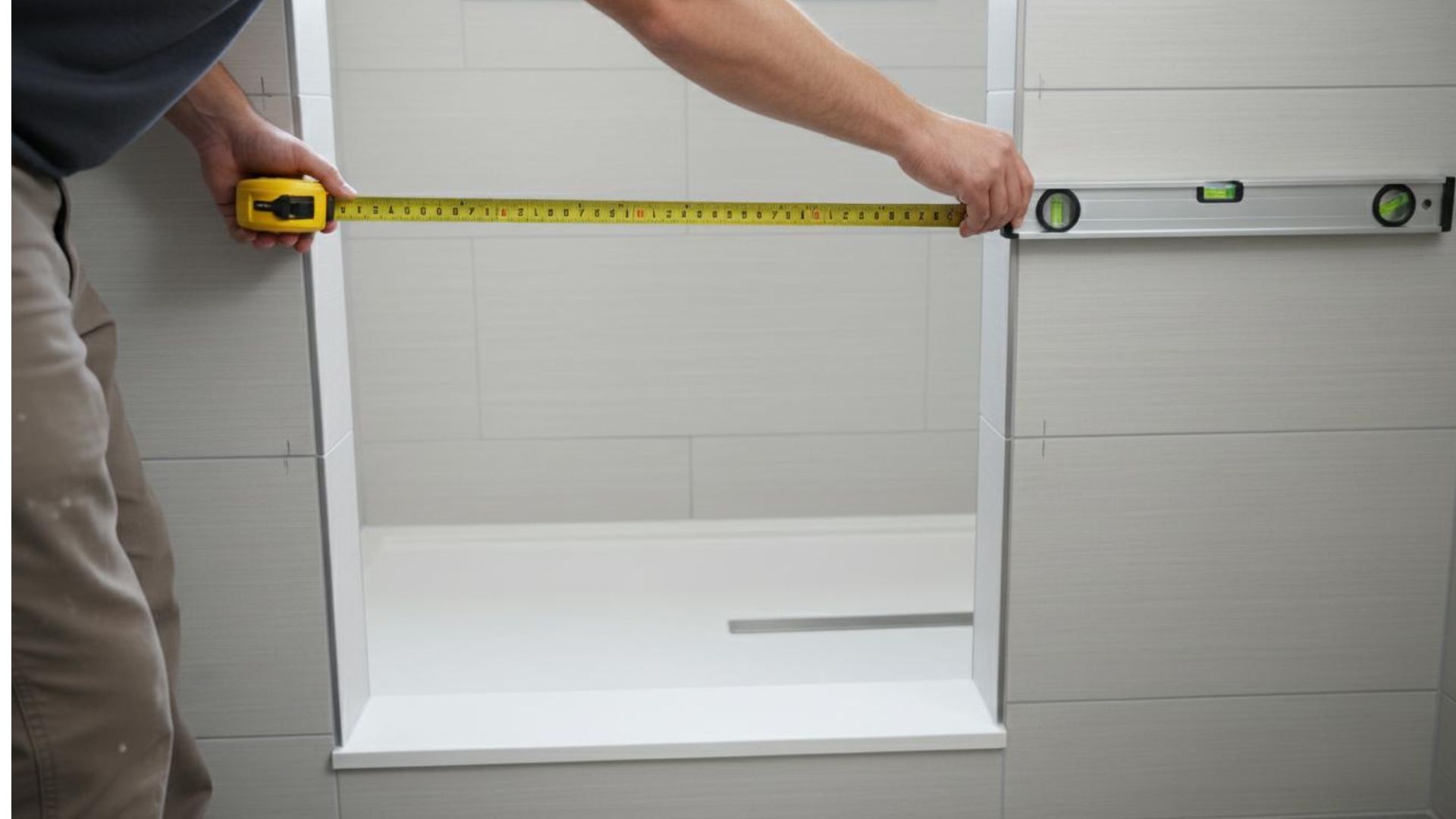
Choosing a liner is not just about grabbing the first one you see. A few simple checks can save you from buying the wrong fit.
Pick the Right Material for Your Bathroom
If you want low cost and easy care, go with PEVA or EVA. If you shower daily and need something sturdy, vinyl holds up better. For a spa-like feel, a fabric liner is worth the extra cost.
Choose the Correct Size and Length
Standard liners fit a 70 by 72 inch shower, but tubs and stalls vary. Measure your shower rod width and the drop length before buying. A liner that is too short will let water leak onto the floor.
Consider Mold and Mildew Resistance
Look for liners labeled mold and mildew resistant. These often have a treated coating that slows fungal growth. This small feature can add months to your liner's usable life and cut down on scrubbing.
Decide Between Clear and Opaque Liners
Clear liners let more light through and make small bathrooms feel bigger. Opaque or frosted liners give more privacy. Your choice here comes down to personal taste and how much natural light your bathroom gets.
Do You Need a Shower Curtain Liner?
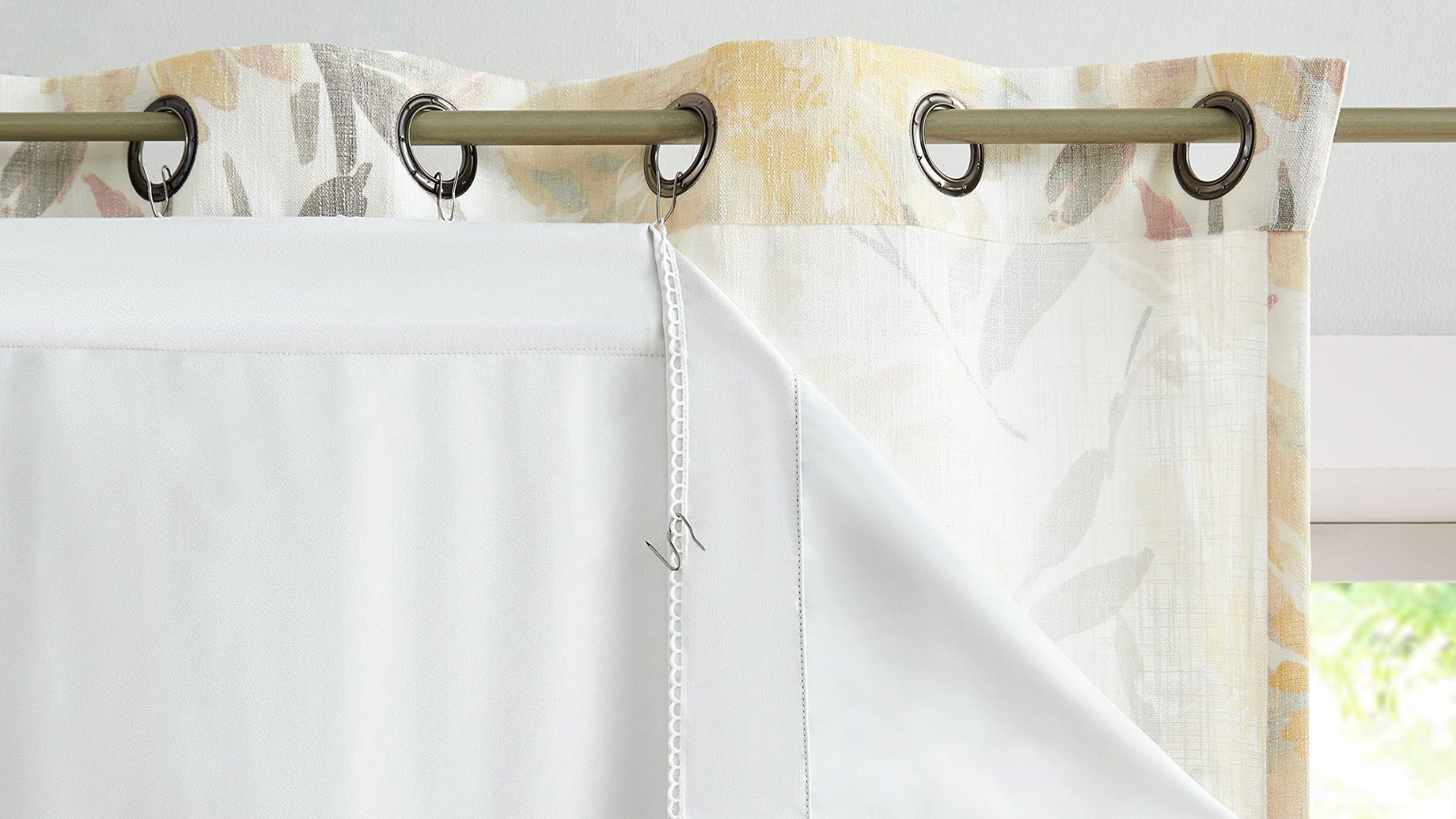
Some people wonder if a liner is really necessary, and the answer depends on your setup and the type of curtain you own.
If your curtain is made from fabric, a liner is a must, since fabric on its own will soak through and let water spill onto your bathroom floor, and a liner also protects the curtain from soap scum and water spots.
Some fabric curtains come with a built-in waterproof coating, letting them skip the separate liner, but you should check the product label before assuming this is the case, since not all fabric curtains offer this feature.
If you want one less thing to buy and wash, look for a combo set that pairs a curtain with a matching liner already attached.
Bathtubs with curtains almost always need a liner because water pressure and splashing are higher, while walk-in showers with glass doors may not need a curtain or liner at all, though those using a curtain setup still benefit from one.
Common Mistakes to Avoid
Even a simple liner setup can go wrong if you overlook a few basic details. Here are the mistakes people make most often.
Using the Wrong Liner Size: A liner that is too small leaves gaps for water to escape. One that is too long drags on the floor and collects grime. Always double check measurements before you buy.
Hanging the Liner Outside the Tub: The liner should always hang inside the tub or shower basin, not outside it. Hanging it wrong sends water straight onto your floor, which defeats the entire purpose of having one.
Ignoring Ventilation and Cleaning: Poor bathroom ventilation traps moisture and speeds up mold growth on your liner. Run your exhaust fan during and after showers, and wipe down your liner weekly to keep it fresh.
Which Liner Is Best for Which Situation
With so many options, the easiest way to choose is to start with your own situation rather than the liner itself. Here's a quick guide to match your needs with the right type.
If you're on a budget and want something fuss-freeGo with a PEVA or EVA liner. They're affordable, PVC-free, and easy to wipe down, making them a low-maintenance option for most households that just need reliable water protection without extra cost.
If you want maximum durability Choose a vinyl (PVC) liner. It's thicker and holds up better to daily wear and tear than PEVA options. Just plan to air it out for a few days after unpackaging to let the initial plastic smell fade.
If you care about bathroom aesthetics A fabric liner is the better fit. Its waterproof or water-repellent coating gives you protection while looking more like a curtain than a liner, which suits bathrooms styled to feel polished or spa-like.
If billowing or clinging is your main complaintLook for a liner with weights, magnets, or suction cups along the hem. These features aren't tied to one material type, so you can add this functionality to a PEVA, vinyl, or fabric liner depending on which of the above fits your priorities.
If you're avoiding PVC for health or environmental reasonsStick with PEVA, EVA, or fabric liners. Vinyl liners are made from PVC, so if that's a dealbreaker, the other two categories give you PVC-free alternatives without giving up water resistance.
If you want something you can machine wash regularlyPEVA, EVA, and vinyl liners are typically easy to wipe clean or toss in the wash. Fabric liners can usually be washed too, but the coating requires a bit more care to maintain its water resistance over time.
Expert Tips to Make Your Shower Curtain Last Longer
A few small habits can add real years to your shower curtain and liner setup.
Wash and Maintain Fabric Liners: Most fabric liners can go in the washing machine on a gentle cycle with mild detergent. Skip the dryer and let them air dry instead, since heat can damage waterproof coatings. Many plastic and PEVA liners are machine-washable too, so check the label before you toss one out.
Prevent Mold and Soap Scum Buildup: Wipe your liner down after each shower with a quick swipe of a towel. Once a week, spray it with a mix of water and white vinegar to cut down on soap scum and mildew spots.
Replace a Worn-Out Liner at the Right Time: Watch for signs like discoloration, a strong odor, or tears near the grommets. Once you notice these, it is time to swap in a new liner rather than trying to stretch its life further.
Conclusion
Knowing the difference between shower curtain and liner makes bathroom shopping simple. The curtain brings style, while the liner does the real work of keeping water where it belongs.
Pick a liner material that fits your habits, check the size before buying, and clean it regularly to avoid mold.
Try applying these tips the next time you shop for bathroom supplies. Have a favorite liner brand or a cleaning trick that works for you?
Share it in the comments, and pass this guide along to anyone setting up a new bathroom.
Frequently Asked Questions
Can you use two liners instead of a liner and curtain?
Yes, but it is not common. Two liners work fine for water resistance, though you lose the decorative look a fabric curtain adds to your bathroom.
How often should you clean a shower curtain liner?
Wipe it down after each use and give it a deeper clean once a week. Regular care prevents soap scum, mildew, and odors from building up.
Can shower curtain liners go in the dryer?
Avoid the dryer for plastic liners like PEVA, EVA, or vinyl. Heat can warp or crack the material. Fabric liners should also air dry to protect coatings.
Do shorter shower curtains need a different liner size?
Yes. Measure your curtain's length and width first. A mismatched liner size leaves gaps or excess fabric, which can cause water leaks or bunching.
Is it safe to use a shower curtain liner without grommets?
Grommet-free liners can work with curtain hooks, but check the material strength first. Weak spots may tear faster without reinforced holes for support.