

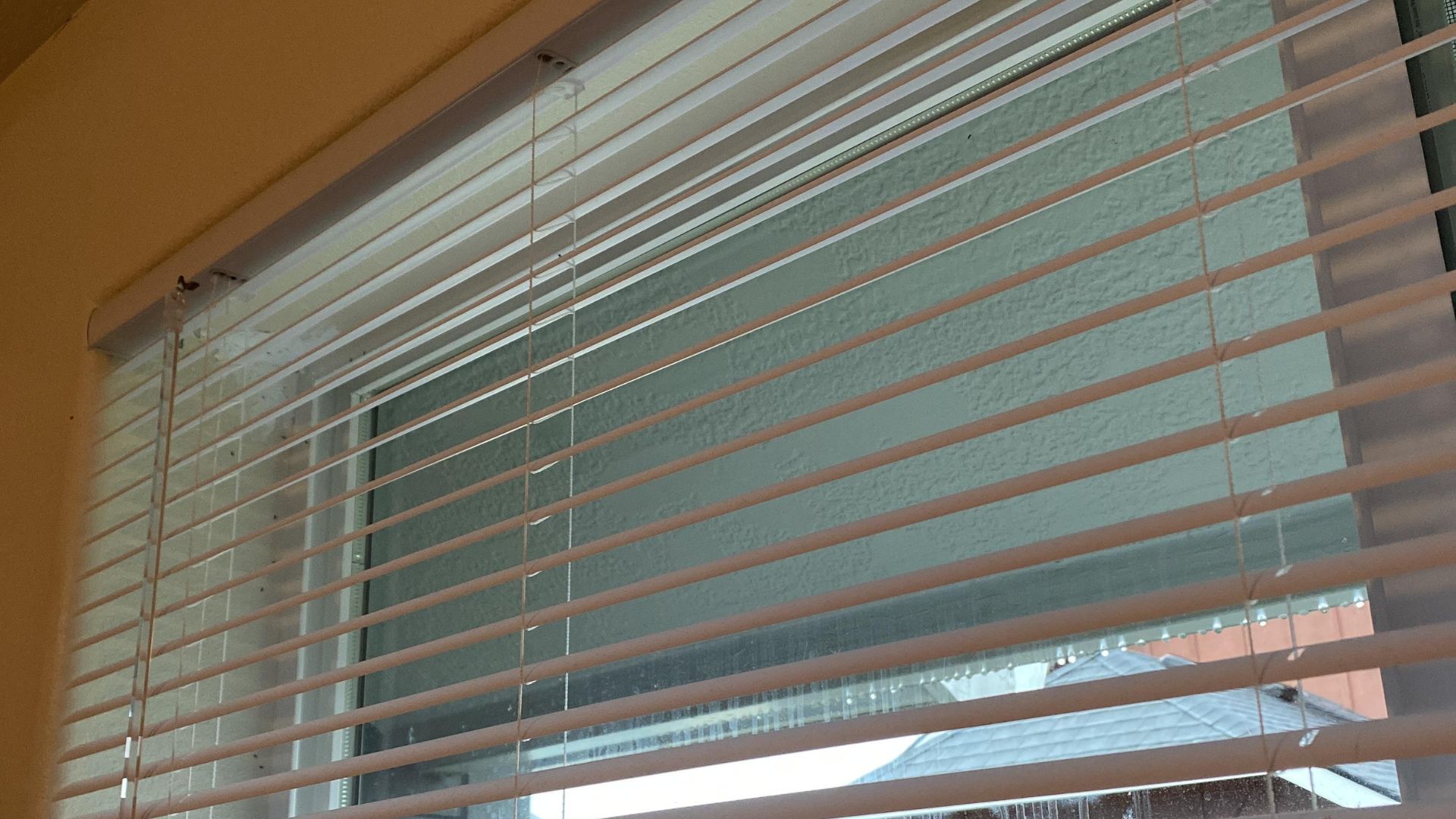
Cordless blinds won’t go up, and now you’re stuck staring at a window that won’t let in any light. Most cordless blinds stop raising because the internal lift mechanism loses tension or becomes slightly misaligned, and many of these issues can be fixed in just a few minutes.
This article will walk you through why cordless blinds stop working, quick fixes you can try right away, and a full step-by-step repair guide.
You’ll also learn how to tell the difference between a tension problem and a damaged part, plus mistakes to avoid so you don’t make things worse.
After helping many homeowners troubleshoot window treatments, we’ve seen that most fixes take less than ten minutes once you know what to check.
Cordless blinds have grown popular because they skip the dangling cords entirely, which makes them a safer pick for homes with small kids and pets.
That same cord-free design is also what makes the fix a little different from a corded blind.
Why Your Cordless Blinds Won’t Go Up

Cordless blinds rely on a spring or clutch system hidden inside the headrail. When that system stops working the way it should, the blinds get stuck instead of gliding up smoothly.
This applies whether you have cellular shades, roller shades, or faux wood blinds, since they all lean on some version of the same internal mechanism.
The Most Common Causes Of Stuck Cordless Blinds
The most frequent reason cordless blinds won’t go up is lost spring tension. Over time, the spring inside the headrail can loosen, especially if the blinds are pulled down quickly or with too much force.
Other common causes include tangled lift cords or internal ribbons inside the headrail, dust buildup that blocks the moving parts, or a bottom rail that has shifted out of alignment.
Sometimes the fix is as simple as clearing out debris. Other times, the internal mechanism needs a reset.
How The Cordless Lift Mechanism Works
Cordless blinds use a spring-loaded or clutch-based system instead of a pull cord. When you push the bottom rail up, the spring inside the headrail winds and creates tension that holds the blinds in place.
When you pull down, that same tension releases slowly, letting the blinds descend at a controlled speed.
This system depends on balanced tension. If the spring loses power or the cords inside become uneven, the blinds may not respond correctly when you try to raise them.
Quick Fixes to Try First
Before taking anything apart, try these simple steps. Many people solve the problem without needing tools or a full repair.
- Pull the blinds all the way down, then let go of the bottom rail completely, wait a few seconds, then gently push the rail up about six inches and let go again.
- Repeat this two or three times, since this action helps re-engage the spring and often restores enough tension for the blinds to lift properly.
- For cellular shades, try pulling the blind toward you at a slight angle while tugging, which helps the spring catch.
- Open the headrail cover if your blinds have one, or look closely at the sides where the cords enter, and gently straighten any cords or ribbons that look twisted or shorter on one side.
- Use a small brush or a can of compressed air to clear dust and debris from the headrail, since this simple step often solves lifting problems in blinds that are a few years old.
How to Fix Cordless Blinds That Won’t Go Up
If the quick fixes didn’t work, follow these steps in order. Each one builds on the last, so don’t skip ahead.
Step 1: Fully Lower The Blinds
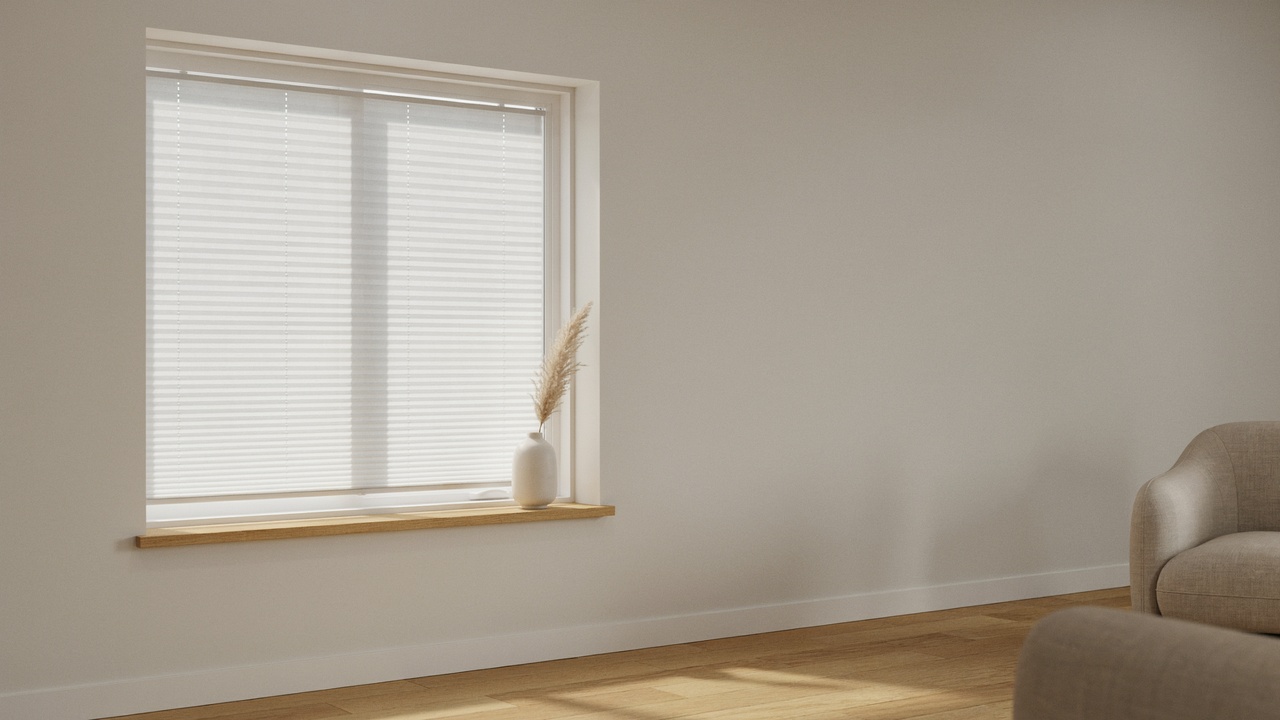
Start by pulling the bottom rail all the way down until the blinds are fully extended. This releases built-up tension and gives you a clean starting point for the reset process.
Step 2: Check Whether The Spring Has Re-engaged
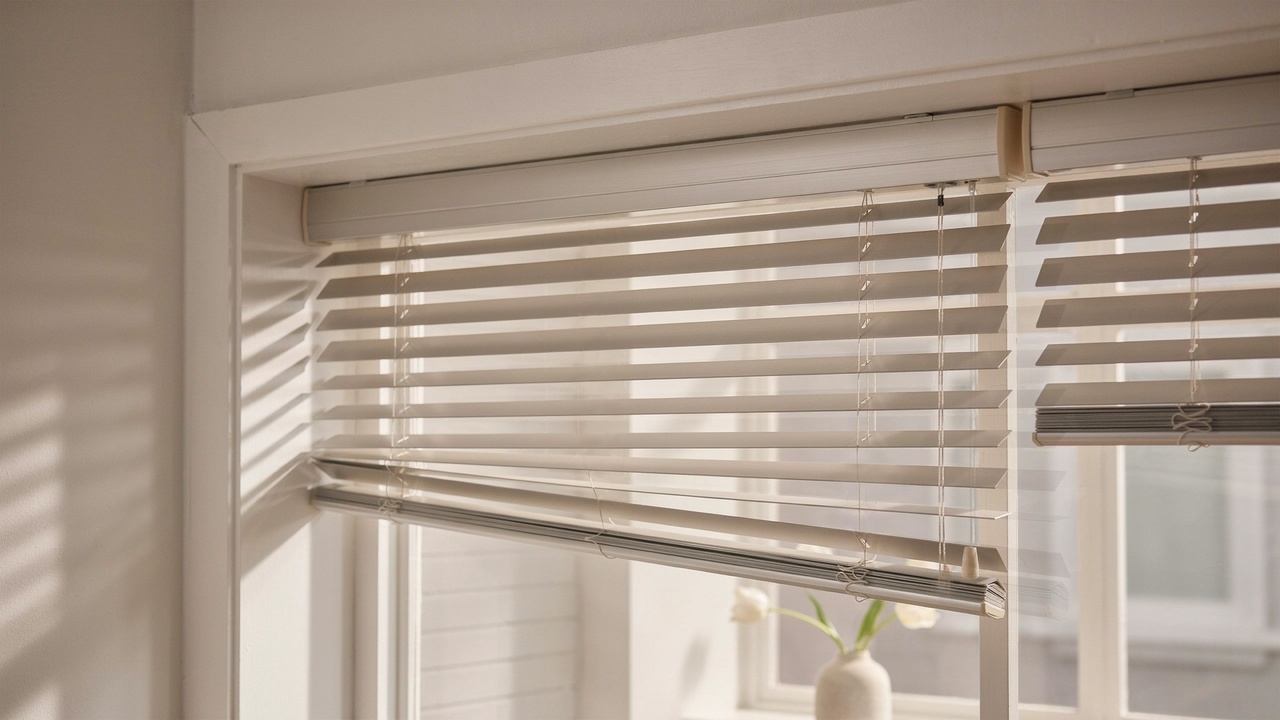
Slowly lift the bottom rail about one-third of the way and release it. The blinds should glide smoothly and stay in position without slipping back down.
If they still stop midway or refuse to lift, repeat the spring reset from the Quick Fix section once while keeping the blinds level.
This confirms whether the internal mechanism has re-engaged before moving on.
Step 3: Realign The Bottom Rail

Check that the bottom rail is level and sitting straight. If it looks tilted, gently press down on the higher side while holding the lower side steady.
A misaligned rail puts uneven pressure on the lift cords, which can stop the blinds from rising smoothly.
Step 4: Test The Lifting Mechanism

Slowly push the bottom rail upward and see how it responds. It should move smoothly and hold its position once you let go.
If it still won’t go up, or it moves partway and stops, the internal spring may need more resets, or the mechanism could be damaged.
Fixes for Different Types of Cordless Blinds

Cordless Cellular Shades
These use a lightweight spring system since the honeycomb fabric weighs less than other materials.
If they won’t go up, check for fabric that has bunched up unevenly inside the folds, and gently smooth out the pleats by hand before trying the tension reset steps.
Cordless Roller Shades
These often use a spring clutch instead of a coil spring. If the shade won’t roll up, the clutch may need a firmer pull to engage.
Grab the bottom bar and give it one quick, steady tug downward, then release, since this can reset the clutch mechanism inside the roller tube.
If that doesn’t work, some roller shades let you pull one end out of the bracket and spin the tube by hand to add tension before setting it back in place.
Cordless Faux Wood or Mini Blinds
These blinds are heavier, so their spring systems need more tension to work properly. If the slats won’t lift, check that the bottom rail isn’t caught on the window frame or sill.
General Tip for Heavier Blinds
Since heavier blinds tend to lose tension faster, you may need to repeat the reset process more than once to get a lasting fix.
It also helps to check the mounting brackets periodically, since loose brackets can throw off the tension balance even after a successful reset.
If you’ve reset the mechanism a few times and the blind still won’t hold, the spring may simply be worn out from age and could need professional servicing or replacement.
Cleaning dust and debris from the lift mechanism now and then can also help it move more freely and hold tension longer.
Common Mistakes That Make the Problem Worse
A few habits can turn a small issue into a bigger repair job. Avoid these while troubleshooting.
- Pulling the blinds at an angle: Always pull the bottom rail straight down and push it straight up, since pulling at an angle puts uneven stress on the cords and spring.
- Forcing the bottom rail upward: If the blinds resist movement, don’t force them, as this can strip the internal gears or snap the spring completely.
- Ignoring uneven blind alignment: A crooked bottom rail is not just a cosmetic issue, since it adds pressure to one side of the lift system.
- Skipping regular checks: Leaving small issues unchecked lets them wear down the cords or spring faster than normal use.
- Rushing the reset process: Trying to force a fix quickly, instead of repeating the tension steps patiently, often makes the problem harder to solve.
When Should You Repair or Replace Cordless Blinds?
Not every problem needs a brand new set of blinds. Here’s how to decide what makes sense. Loose tension, minor cord tangles, and dust buildup are all worth fixing yourself, and
replacement headrail mechanisms are also available for many blind brands, so you can swap them in without replacing the entire blind.
On the other hand, if the fabric or slats are damaged, the headrail is cracked, or the spring has snapped and repair parts aren’t available for your model, replacement is usually the better choice.
Blinds older than ten years may also cost more to repair than to replace, which makes a new set the more practical option.
Expert Tips to Keep Cordless Blinds Working Smoothly
A little regular care goes a long way in keeping your cordless blinds lifting smoothly for years.
- Clean the headrail every few months to prevent dust buildup, since this is one of the easiest ways to avoid lifting problems.
- Avoid slamming the bottom rail down quickly, as sudden drops put extra strain on the spring.
- Operate the blinds gently and at a steady pace, letting the mechanism do the work instead of forcing it.
- Pay extra attention with wider windows, since the mechanism carries more weight and wears out faster.
- If you have pets or kids near the blinds, check the cords and rail every so often for signs of wear, since frequent handling speeds up strain on the system.
Conclusion
Cordless blinds won’t go up for a few common reasons, and most fixes are simple once you know where to look.
Start with the quick tension reset, check for tangled cords or dust, and work through the full repair steps if needed.
Knowing your blind type also helps you apply the right approach. Give these steps a try the next time your blinds get stuck, and you’ll likely have them working again in minutes.
If this guide helped you out, share it with someone who might need it, or leave a comment about what worked for your blinds.
Frequently Asked Questions
Why do cordless blinds feel harder to lift than corded ones?
Cordless systems rely on internal springs instead of manual pulling, so tension changes affect lifting more. Corded blinds use direct pull force, which feels more consistent over time.
Can I add lubricant to fix a stuck cordless mechanism?
A small amount of silicone spray on visible moving parts can help, but avoid oil-based products. Never spray directly into the headrail, since it can damage the spring.
How long do cordless blind mechanisms usually last?
Most cordless mechanisms last five to seven years with normal use. Frequent operation, heavier materials, or exposure to humidity can shorten that lifespan considerably.
Is it safe to try fixing cordless blinds myself?
Yes, basic troubleshooting like resetting tension or clearing debris is safe for most homeowners. Avoid opening sealed headrail components, since this can void manufacturer warranties.
Do cordless blinds need professional installation to work properly?
No, most cordless blinds are designed for simple DIY installation. Proper mounting and level brackets matter more than professional help for smooth, reliable operation.