
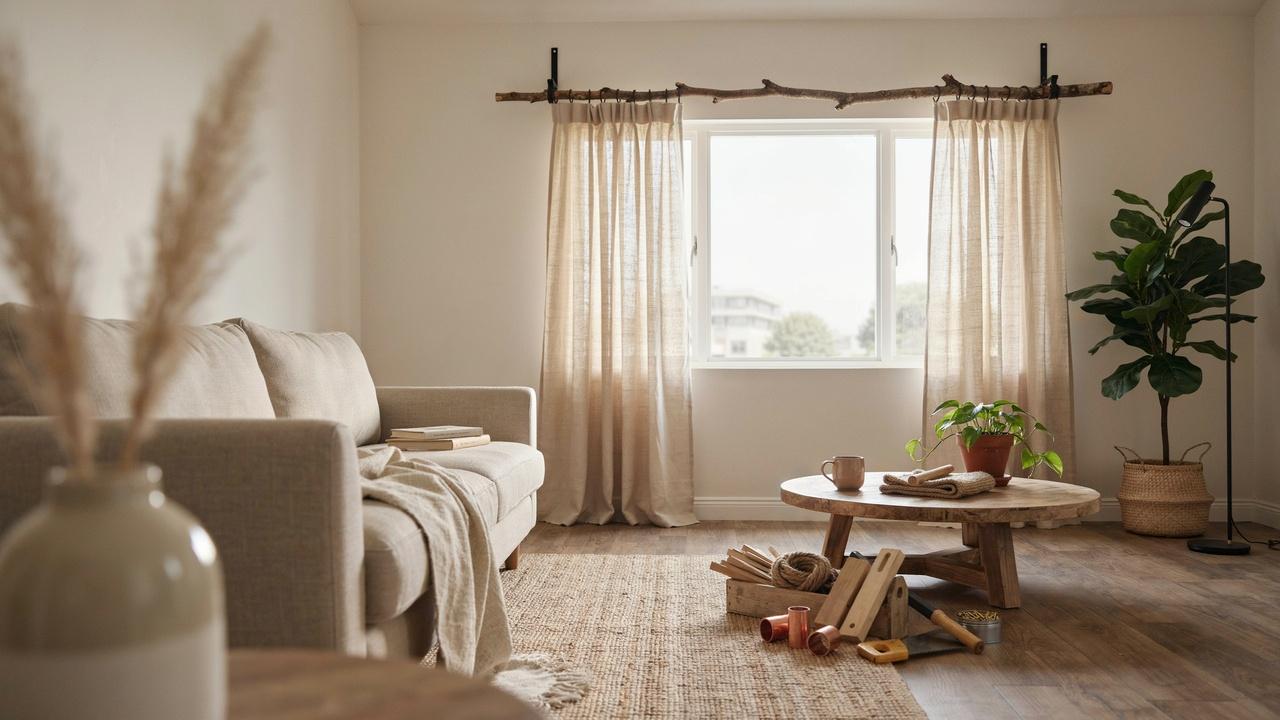
Buying curtain rods from the store sounds simple until you see the price tags or realize nothing fits your window size.
I have been there, standing in the hardware aisle, frustrated by limited options and overpriced hardware.
That is what pushed me to start making my own, and honestly, it was one of the best home decisions I made.
DIY curtain rods let you control the size, style, and cost.
This guide covers 25 creative and affordable DIY curtain rods, the best materials to use, how to install them right, and how to fix common problems so your rods stay sturdy and look great.
What Are DIY Curtain Rods?
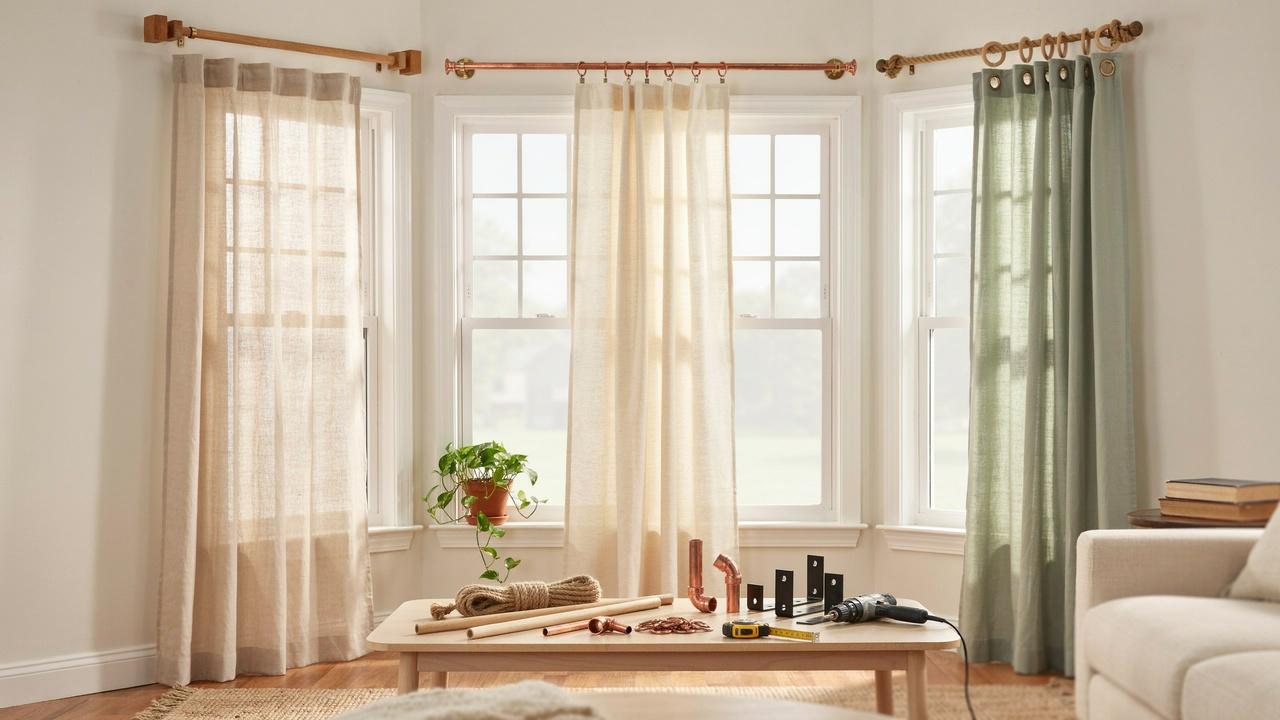
DIY curtain rods are homemade alternatives to store-bought rods, built using materials like wood, pipe, PVC, rope, or even tree branches.
Instead of buying a rod from a home goods store, you build one yourself using hardware store materials or items you already own.
The result is a rod that fits your exact window size, matches your decor, and costs a fraction of what you would spend on a retail product.
People make DIY curtain rods for many reasons. Some want a custom length for wide or bay windows.
Others want a specific look, like rustic wood or industrial pipe, that is hard to find in stores. And many simply want to save money without sacrificing style.
DIY rods work just as well as store-bought ones when built correctly. The key is choosing the right material for your curtain weight and using proper brackets and hardware.
Which Material Is Best for DIY Curtain Rods?
The right material depends on your curtain weight, window size, and the look you want. Wood is warm, natural, and easy to paint or stain. PVC is lightweight, cheap, and great for renters.
Copper and metal pipes like black iron or steel handle heavier curtains and add an industrial feel.
Electrical conduit is one of the most affordable metal options and works well for medium to heavy curtains.
Rope, twine, and leather straps suit sheer or lightweight panels and work best for shorter spans.
25 Creative Ways to Make Your Own Curtain Rods
There are so many ways to build a curtain rod at home, from simple dowels to industrial pipe setups.
1. Wooden Dowel Curtain Rod
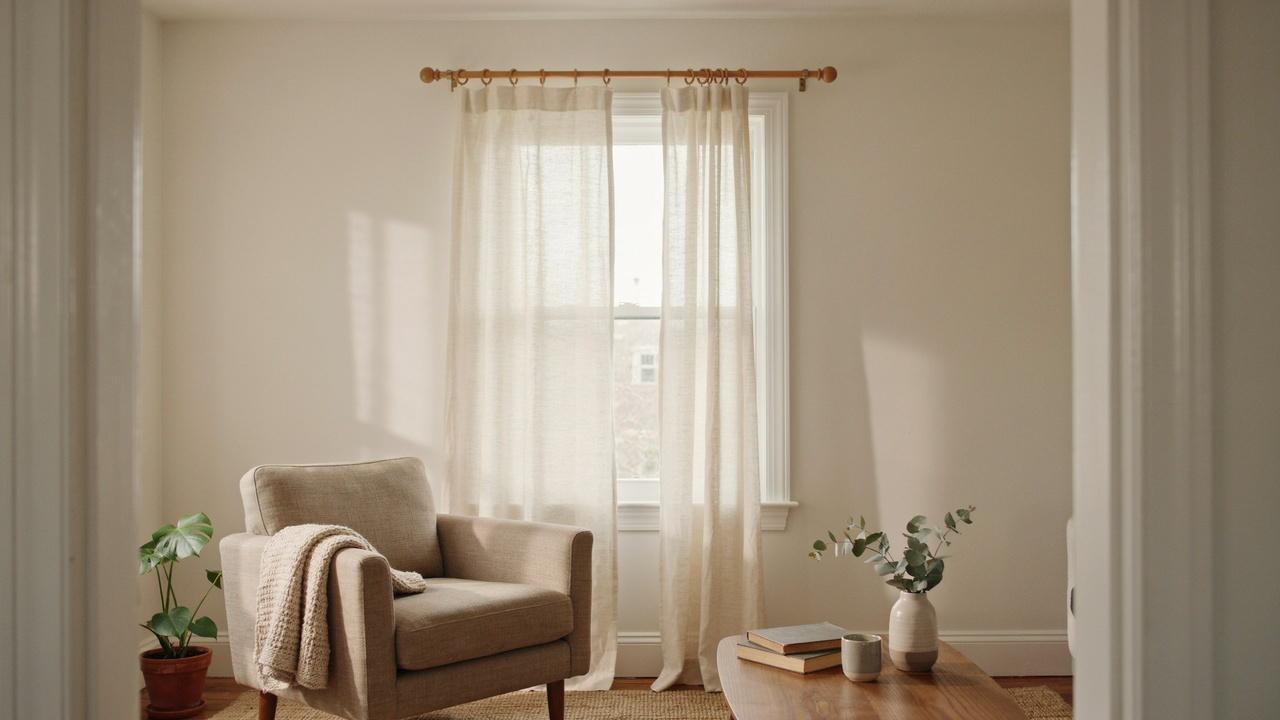
A wooden dowel is the simplest DIY rod you can make at home without spending much at all.
Pick one up from any hardware or craft store, cut it to your window length, and rest it on brackets or hooks.
Sand it smooth, paint it, or stain it to match your trim and wall color. For wider windows, always use a 1-inch or thicker dowel to prevent sagging over time.
2. Copper Pipe Curtain Rod
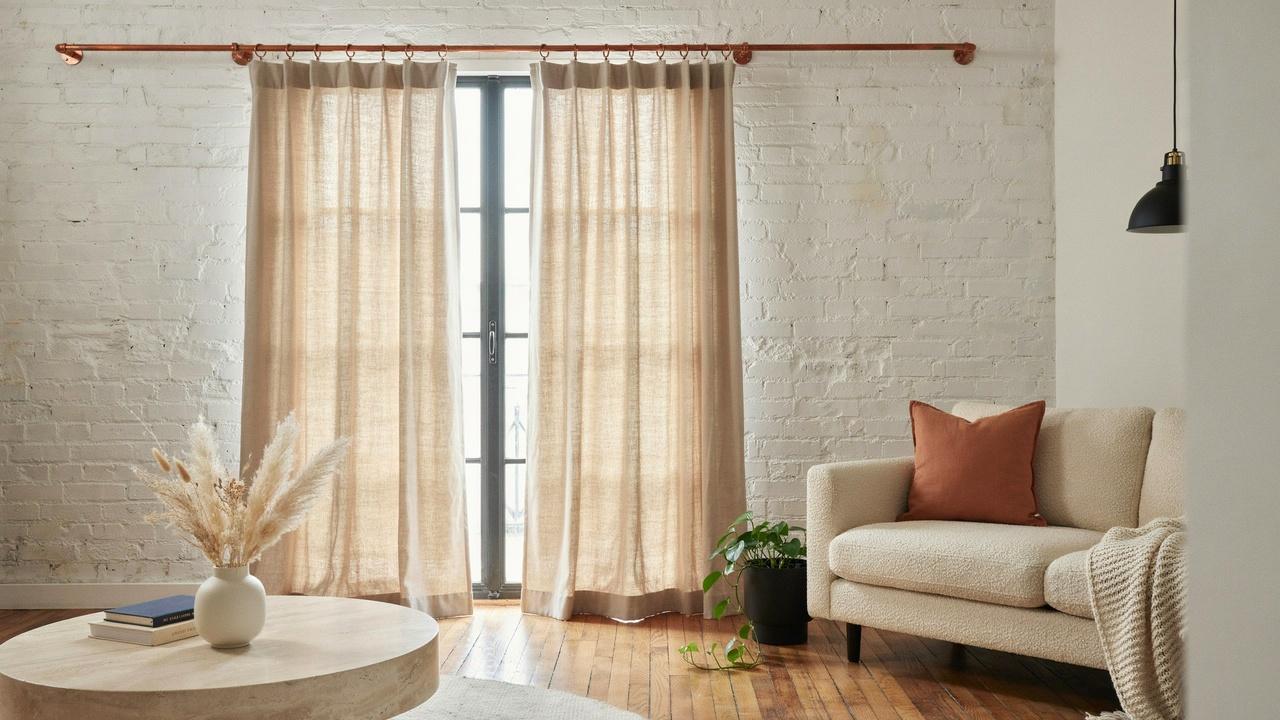
Copper pipe gives any room a warm, modern-industrial look that is hard to replicate with other materials at a low cost.
Cut it to your desired length using a pipe cutter, then use copper flanges or pipe straps as wall brackets to hold it in place.
Leave the finish natural for a rich, warm tone, or seal it with a clear coat to prevent tarnishing and keep it looking sharp longer.
3. PVC Pipe Curtain Rod
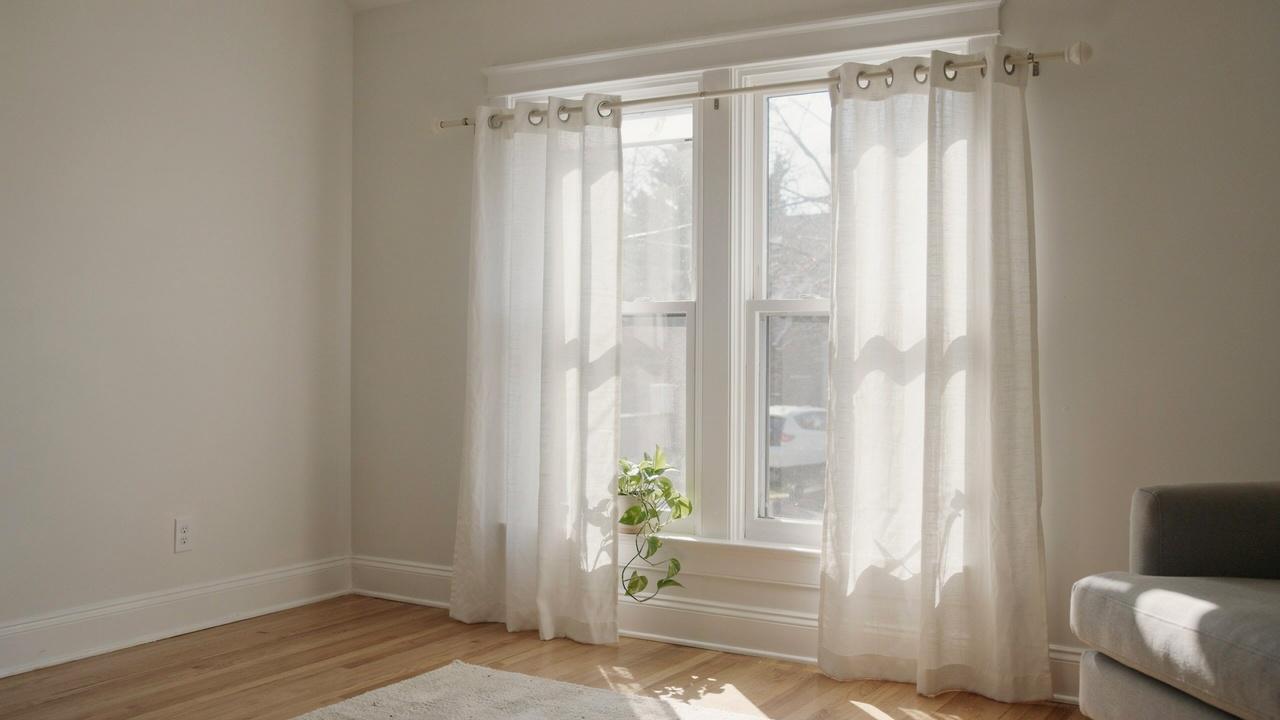
PVC pipe is extremely affordable and comes in multiple diameters to suit different curtain styles and window sizes.
Cut it to your exact size, spray paint it in any color you like, and mount it using plastic or metal pipe brackets from the hardware store.
It is one of the easiest rods to build at home and a very practical, low-cost choice for renters who need a removable option.
4. Electrical Conduit Curtain Rod
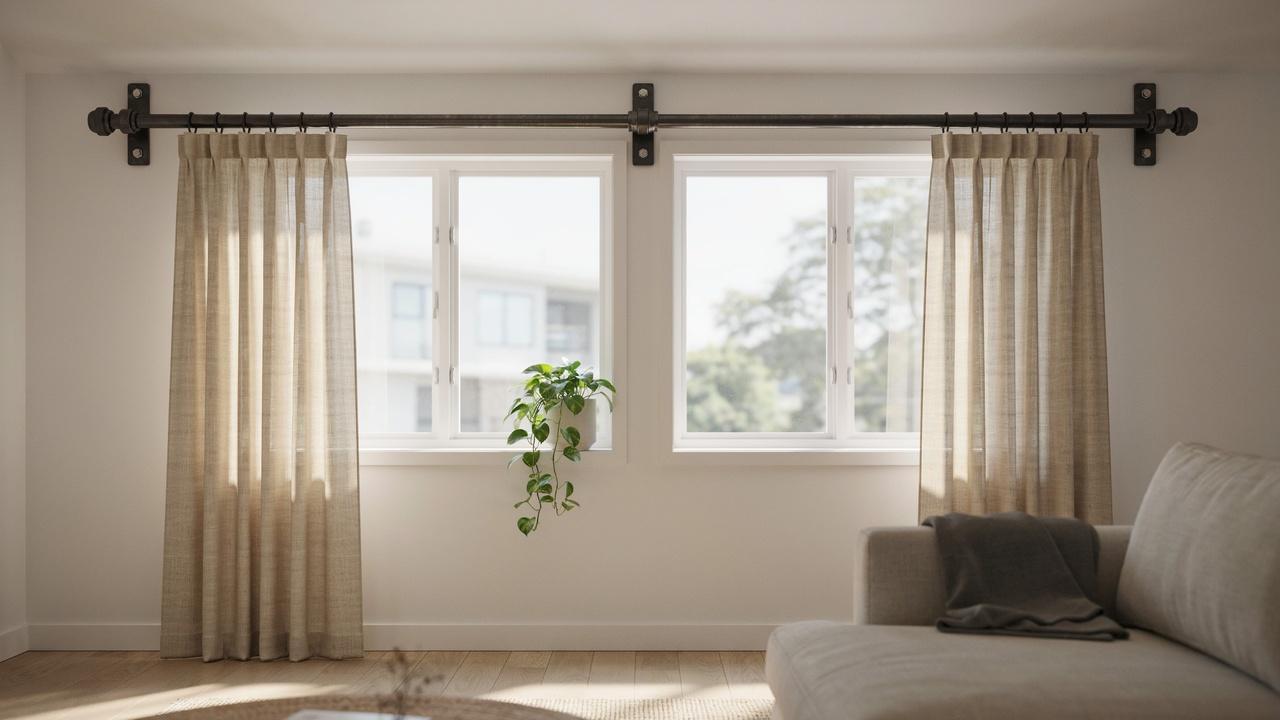
Electrical conduit is stronger than PVC and costs just as little, making it a great budget-friendly metal option.
Buy a 10-foot length for just a few dollars and cut it down with a hacksaw or pipe cutter to fit your window.
Use conduit straps or heavy-duty pipe clamps as wall brackets to keep it secure. Spray it matte black for a clean, sleek industrial finish that suits modern interiors very well.
5. Black Pipe Curtain Rod
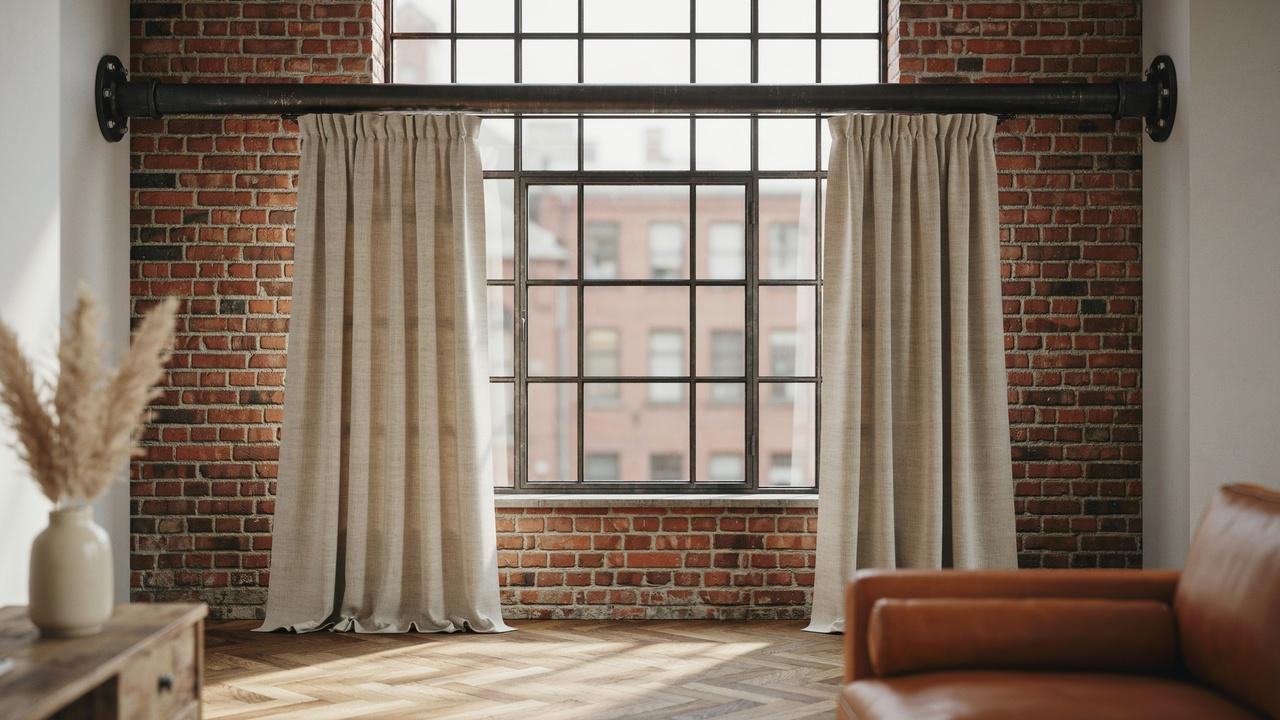
Black iron or steel pipe has a raw, industrial look that suits loft-style or modern spaces particularly well.
Use pipe flanges screwed directly into the wall studs as brackets, and add pipe end caps to each end as simple finials for a finished appearance.
This rod is very strong and handles heavy drapes and blackout curtains without any bowing or shifting, even across wider window spans.
6. Galvanized Pipe and Rope Curtain Rod
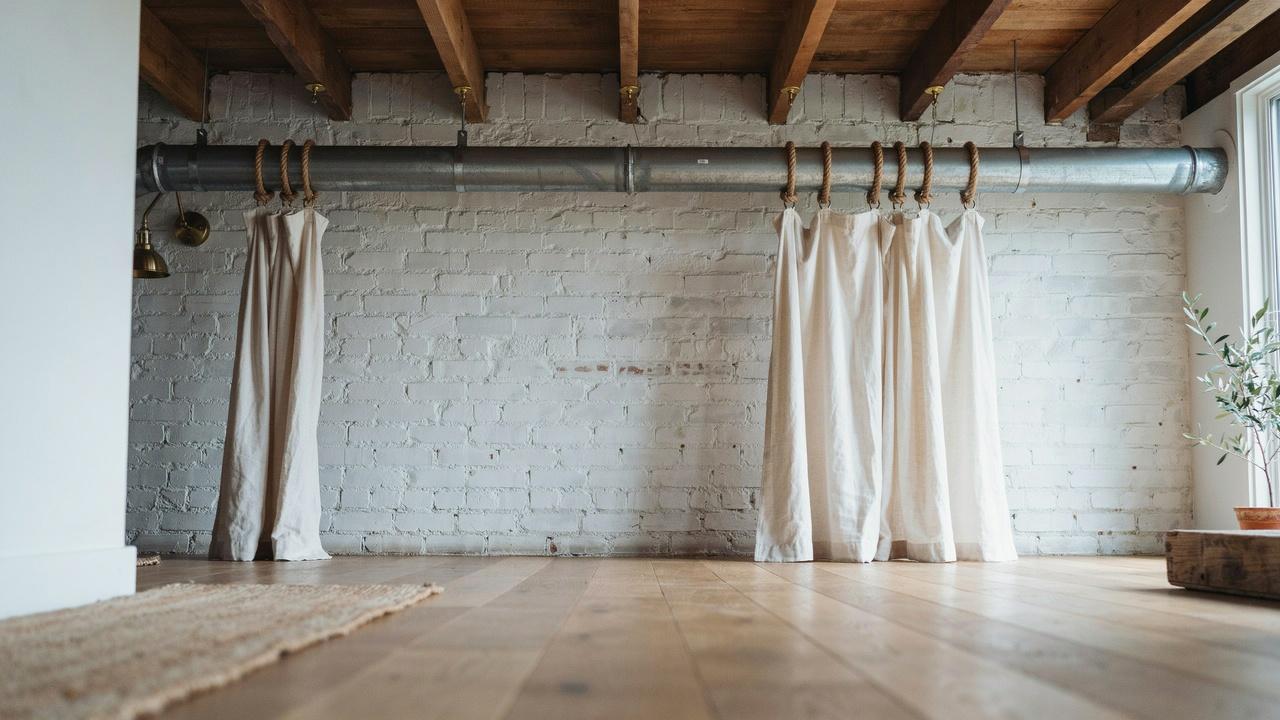
Combine galvanized pipe with rope hangers for a nautical or industrial-rustic look that stands out in any room.
Thread the pipe through the curtain rod pocket, then hang it from rope looped over ceiling hooks or wall brackets at an even height.
This setup works best with lightweight to medium-weight curtains and adds a lot of visual character and texture to living rooms, bedrooms, or entryways.
7. Wooden Branch Curtain Rod
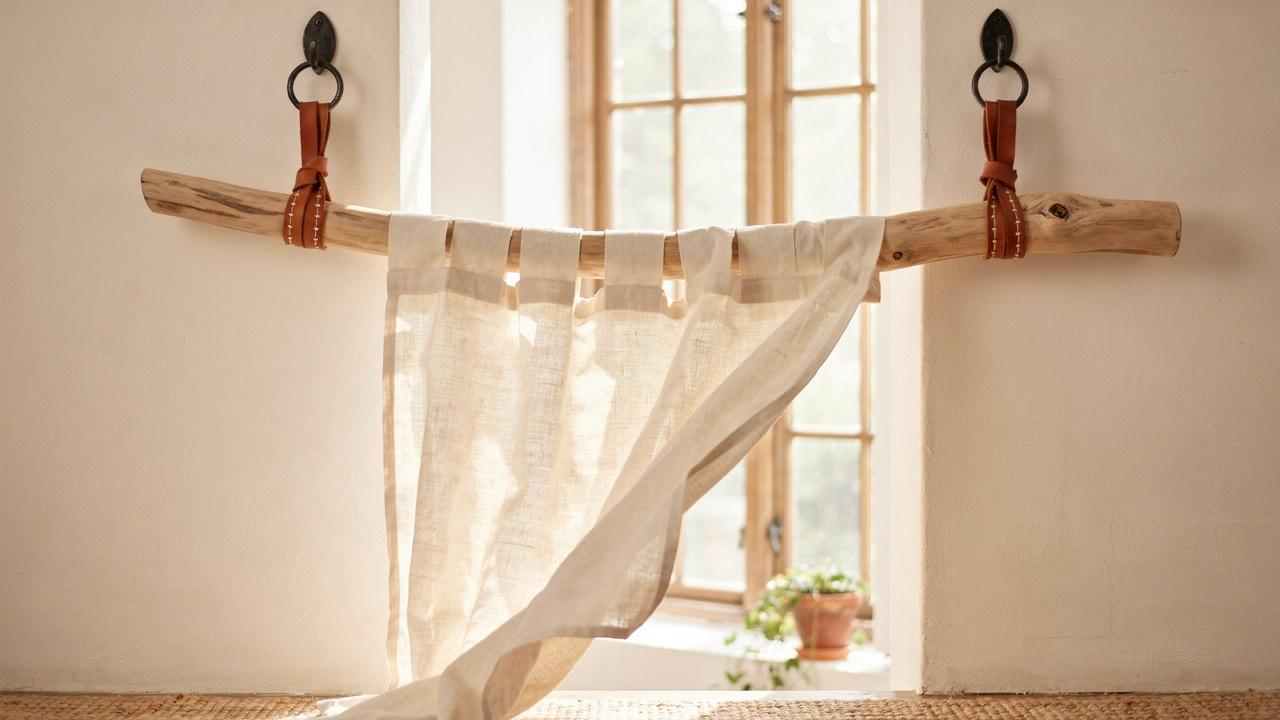
A straight branch from your yard or a nearby wooded area makes a beautiful, completely free rustic rod.
Strip the bark carefully, let the branch dry out fully, and sand it lightly before hanging. Use leather straps or rope tied to wall hooks as brackets to support the rod on both ends.
This option looks especially great in nature-inspired, farmhouse, or bohemian-style rooms that favor organic materials.
8. Bamboo Curtain Rod
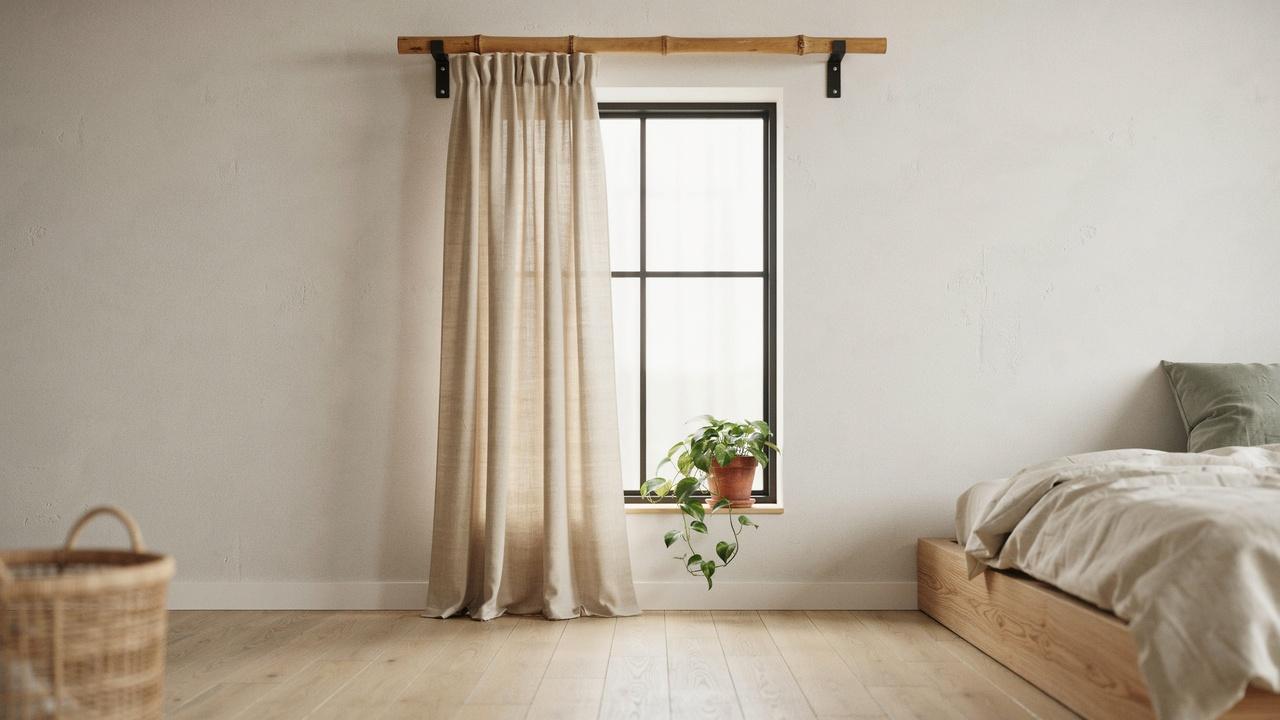
Bamboo is lightweight, naturally strong, and works well in tropical, boho, or minimalist spaces that favor natural materials.
Cut a thick bamboo pole to your window length and mount it securely using bamboo or metal brackets attached to the wall.
You can leave it natural for a clean, organic look or stain it a darker shade to better match your existing furniture, flooring, and overall room decor.
9. Leather Strap and Wood Curtain Rod

Mount a wooden dowel using leather straps looped over ceiling screws or hooks to create a warm, artisan-style window treatment.
This look works well in modern farmhouse or bohemian spaces where texture and natural materials play a big role in the overall design.
Keep the curtains lightweight since leather straps are primarily decorative and may not hold up well under heavier fabric over an extended period of time.
10. Wooden Rod With Drawer Knob Finials
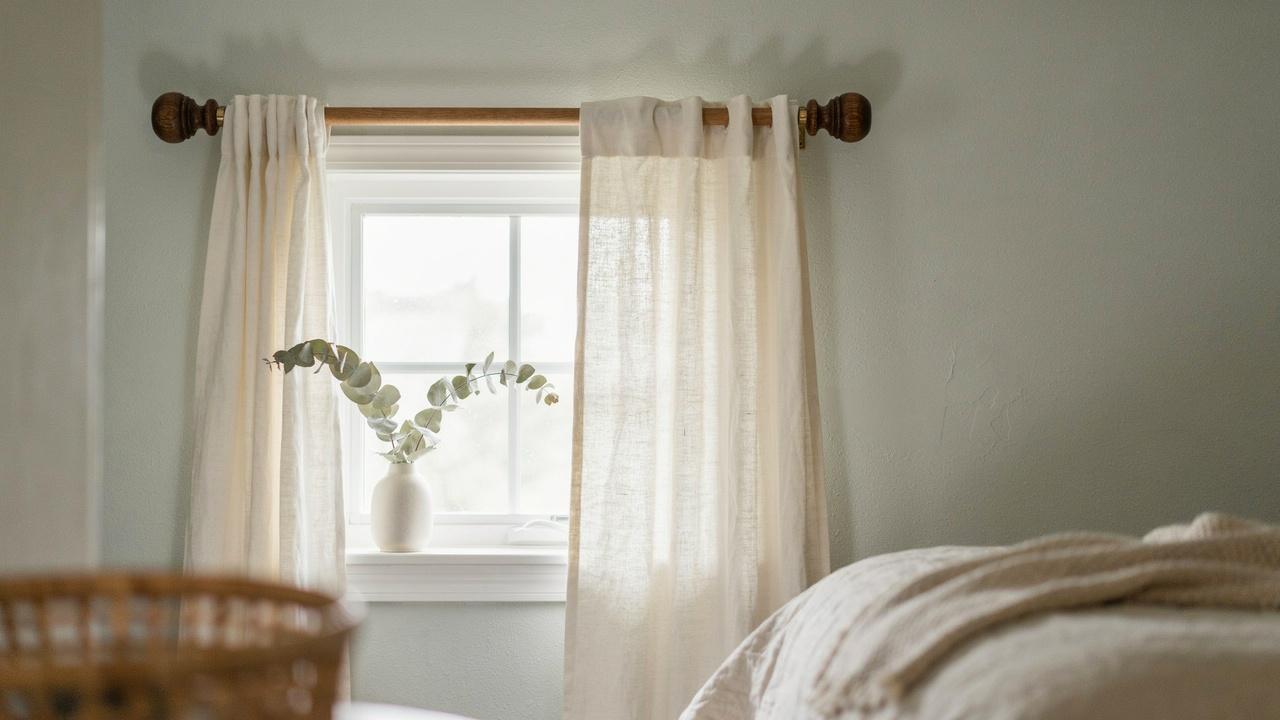
Take a basic wooden dowel and screw decorative drawer knobs onto each end to create your own custom finials without spending much.
This is one of the simplest ways to add personality and style to a plain rod that would otherwise look very basic.
Mix and match knob styles, sizes, or finishes, or paint them a contrasting color to get a look that feels intentional, polished, and put together.
11. Yardstick Curtain Rod
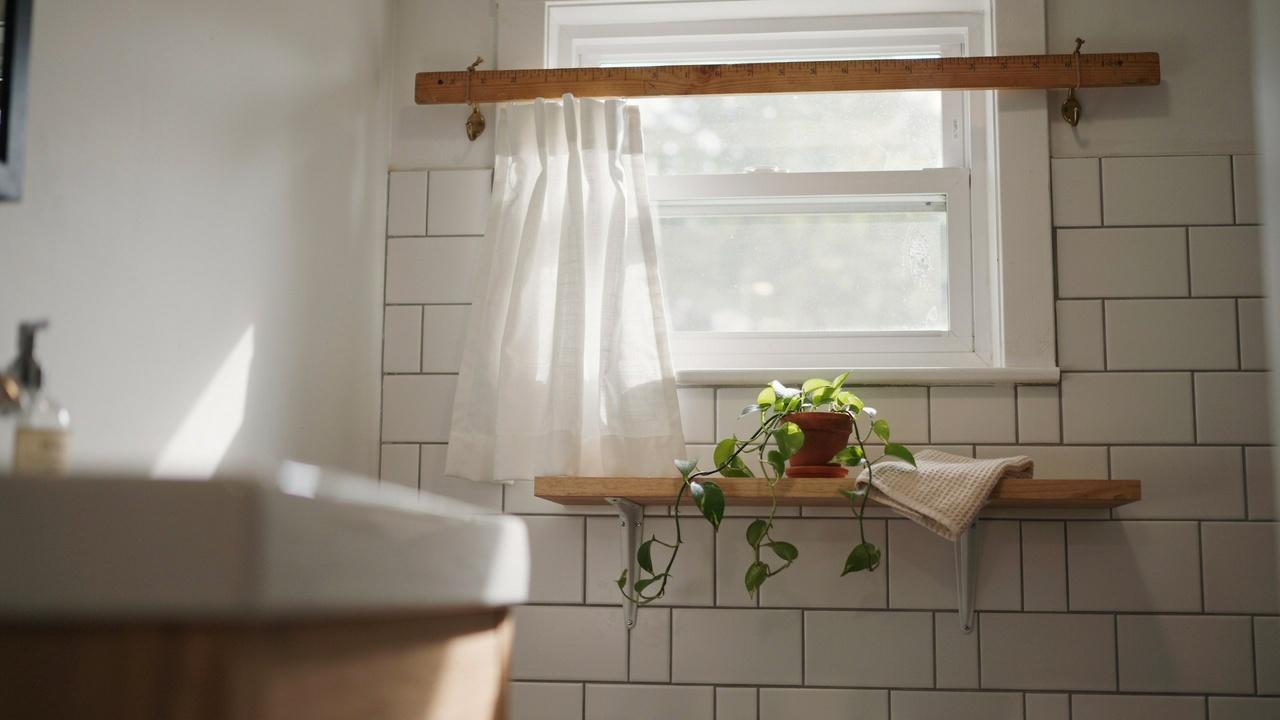
A wooden yardstick works surprisingly well as a curtain rod for small windows in bathrooms, kitchens, or laundry rooms.
Hang it using string, small cup hooks, or adhesive strips rated for light loads and easy removal.
It is a quirky, low-cost solution that works best with very lightweight curtain panels.
This idea adds a fun, creative, and slightly unexpected touch to small spaces that need a simple window covering.
12. Reclaimed Wood Curtain Rod
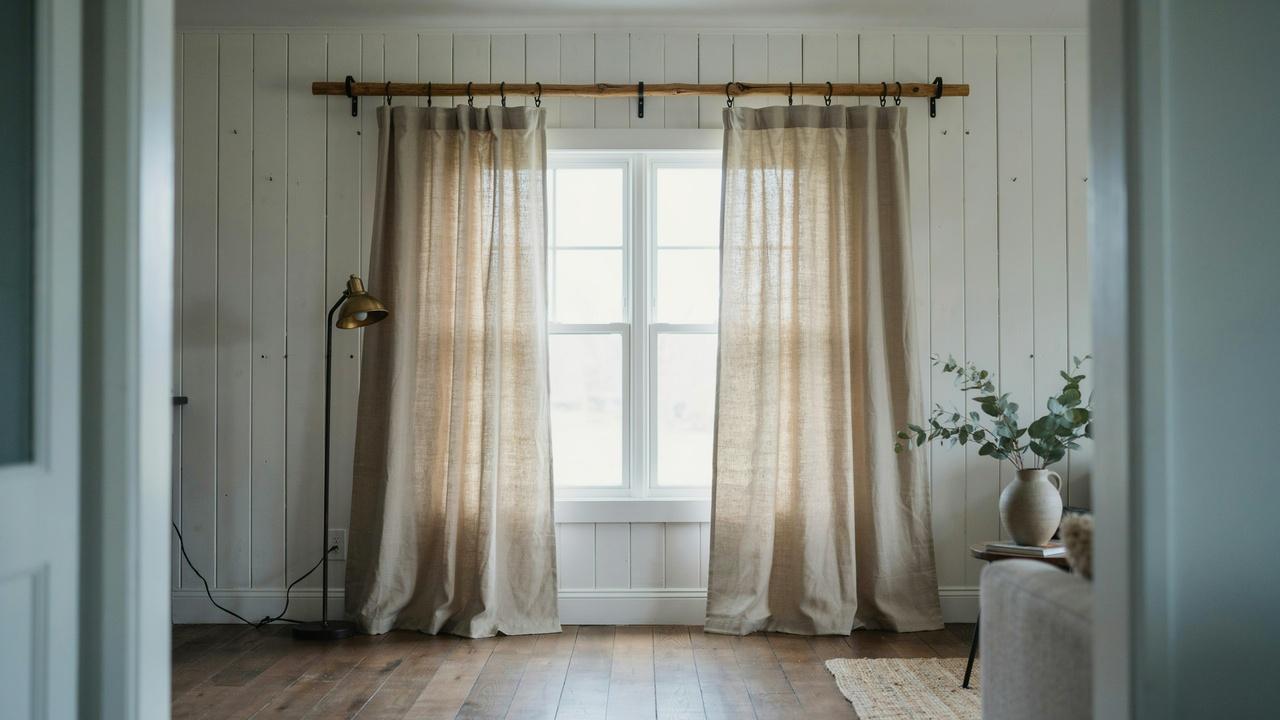
A piece of reclaimed wood cut into a rod shape adds texture, history, and character that brand new wood simply cannot replicate on its own.
Sand it smooth to remove any rough edges, seal it to protect the surface from moisture and dust, and mount it on standard wall brackets.
Reclaimed wood rods are a great fit for farmhouse, industrial, and vintage-style interiors that value originality and natural imperfection.
13. Wooden Closet Rod Curtain Rod
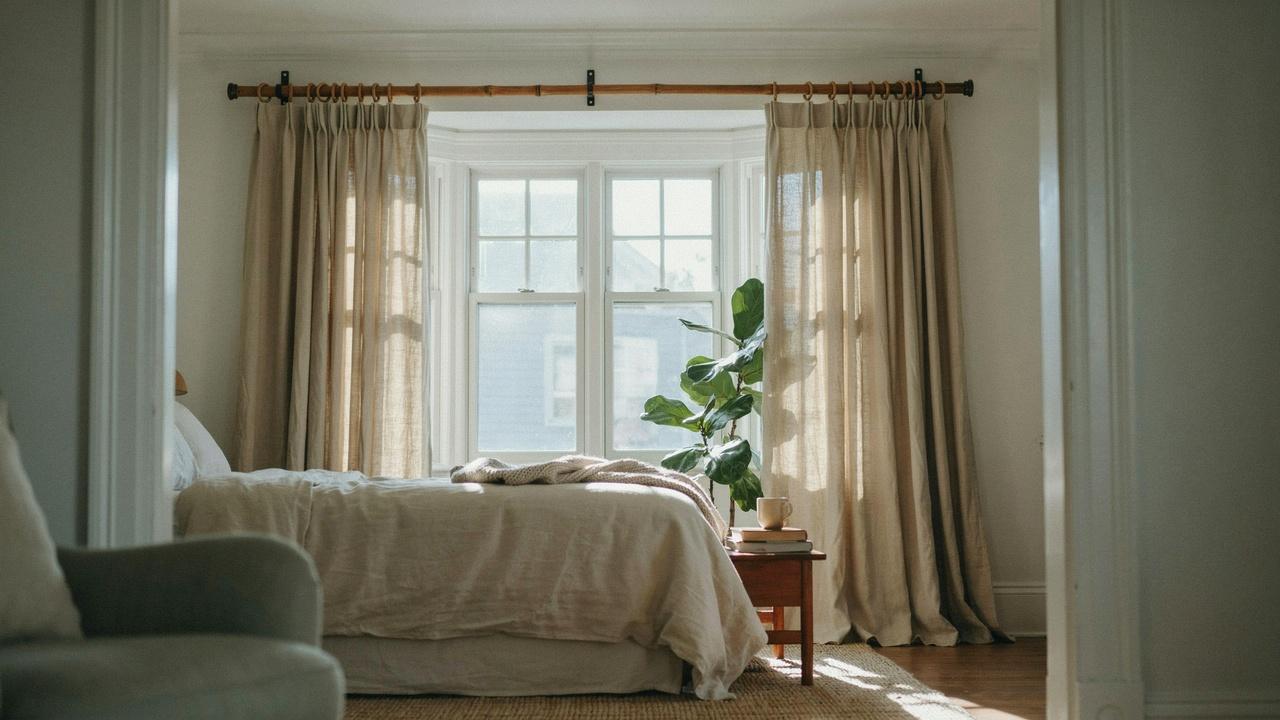
Wooden closet rods are built specifically to hold weight, which makes them a very smart choice when repurposing materials as curtain rods.
They come in standard lengths and are easy to cut down to fit any window size you are working with. Mount them using closet rod brackets or pipe straps for a secure hold.
These rods are strong enough to support even heavy curtains comfortably over long spans.
14. Metal Conduit and DIY Bracket Rod
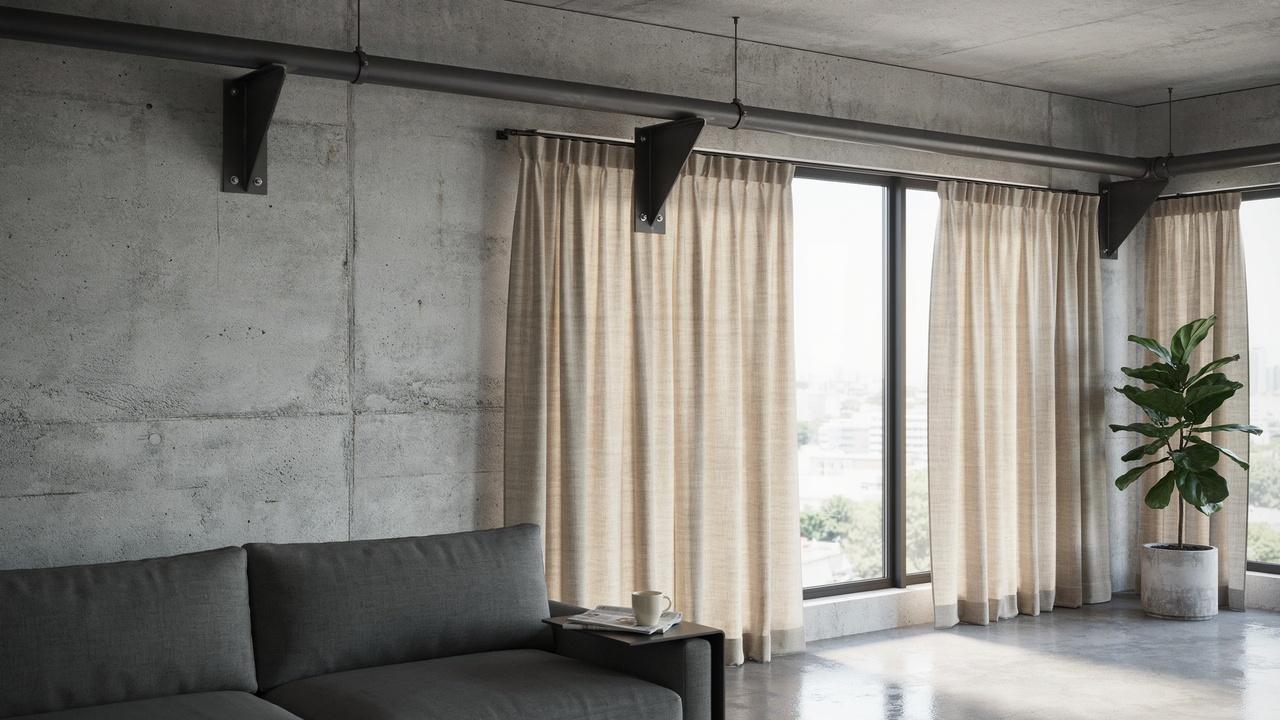
Cut metal conduit to your needed length and build your own custom brackets from flat metal bar stock bent into an L-shape and drilled for screws.
This approach gives you complete control over the bracket size, depth, and placement on the wall.
It works especially well for wide windows where standard store-bought brackets simply do not extend far enough from the wall to allow curtains to open and stack properly.
15. Painted PVC Curtain Rod
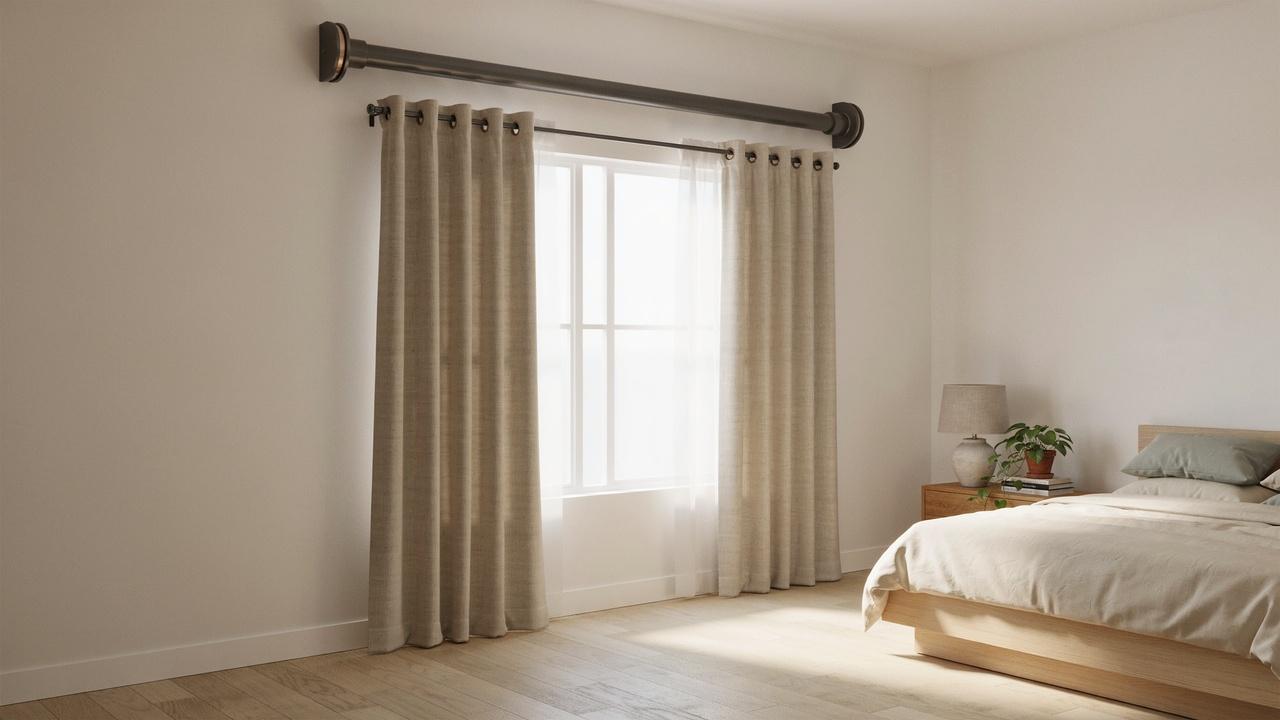
A standard PVC pipe with a quality spray paint finish in gold, black, white, or any color you choose can look almost identical to a store-bought rod once finished properly.
Apply two even coats for full coverage, let it dry completely, then seal it for long-term durability.
Add decorative end caps on both sides to finish the look and give the rod a more polished, intentional appearance overall.
16. Rope Curtain Rod
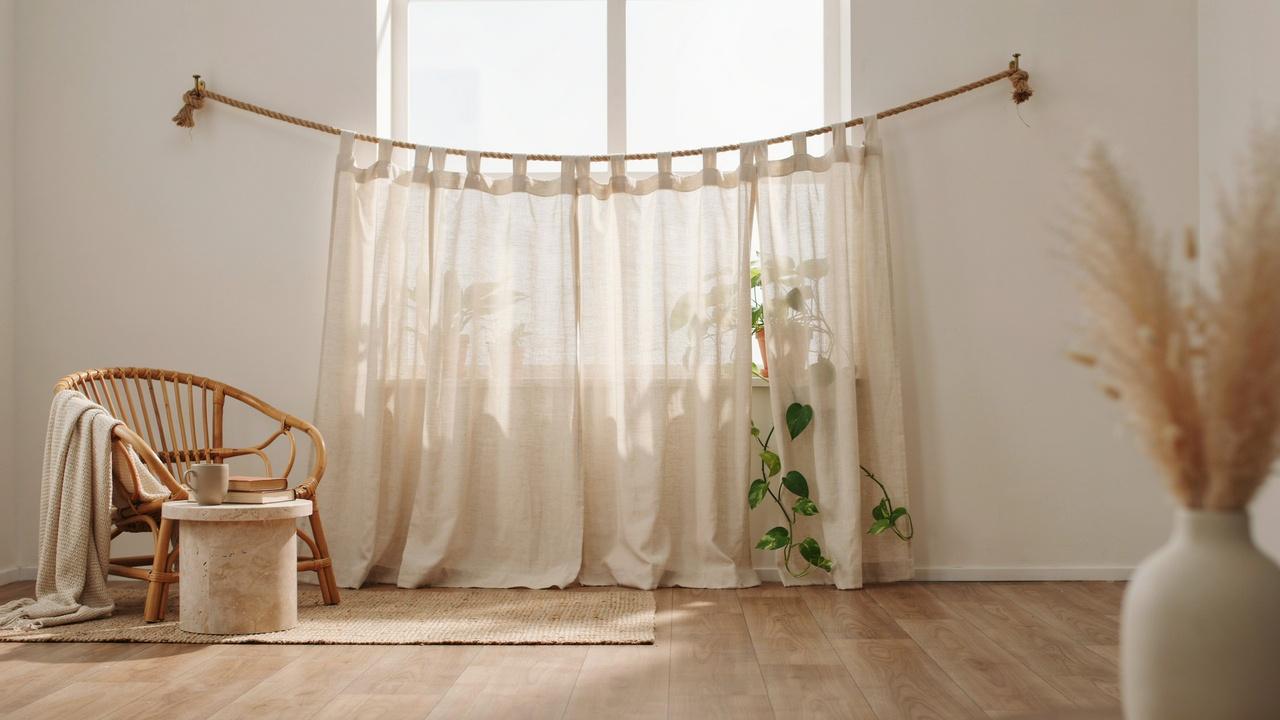
Thick jute or cotton rope looped between two wall hooks works perfectly as a simple curtain rod for sheer or lightweight fabric panels.
Thread the curtain onto the rope before tying it up and securing both ends firmly to the hooks on the wall.
This is one of the least expensive rod options available and suits casual, boho, or relaxed living spaces where a soft, textured look is the goal.
17. Pipe and Flange Curtain Rod
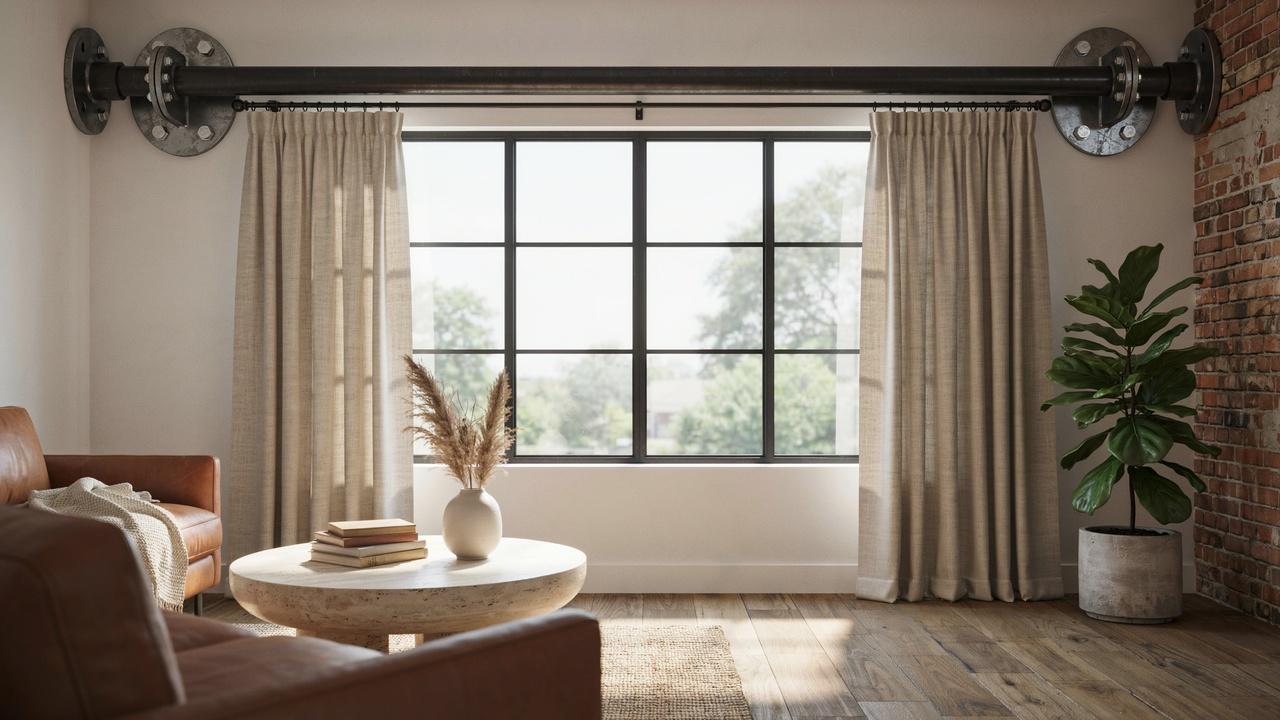
Use black or galvanized pipe with floor flanges screwed directly into the wall as sturdy, attractive brackets that double as part of the overall design.
The flanges create a very solid base, and the pipe rests right through them for a secure, stable hold across the full width of your window.
This method works well in industrial, modern, and rustic spaces and handles heavy curtains without any noticeable sagging or movement.
18. Rustic Branch and Rope Curtain Rod
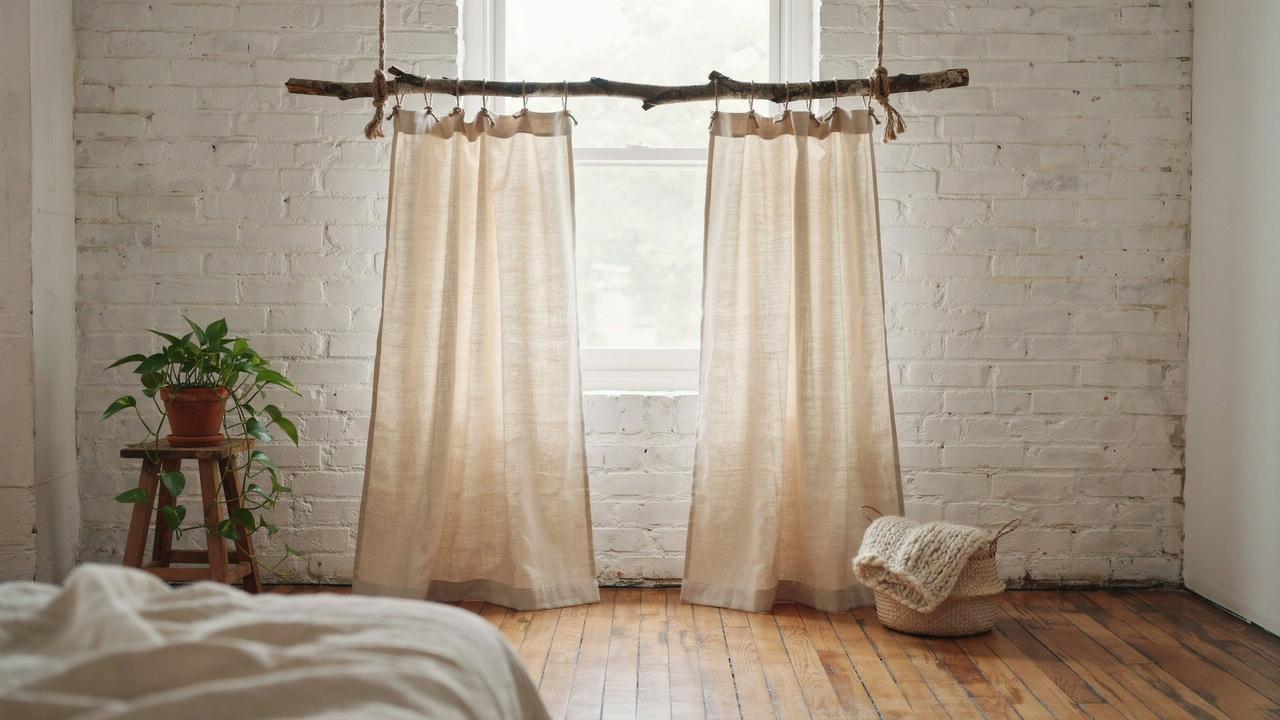
Hang a natural branch between two lengths of rope attached to ceiling hooks for a nature-inspired curtain rod that looks completely intentional.
The combination of raw wood and rope adds a creative, handmade quality to any room without requiring much skill or money to pull off.
Keep the curtains light and make sure the rope is secured firmly to ceiling anchors to safely support the full weight of the panels.
19. Minimalist Wooden Curtain Rod

For a clean, simple look that does not compete with your curtain fabric, use a thin square wooden dowel or flat board painted to blend with your wall color.
Mount it with small, understated brackets and skip decorative finials entirely to keep the look as simple as possible.
This approach works especially well in Scandinavian, modern, or minimalist-style interiors where less is always more and clean lines matter most.
20. DIY Curtain Rod With Decorative Finials
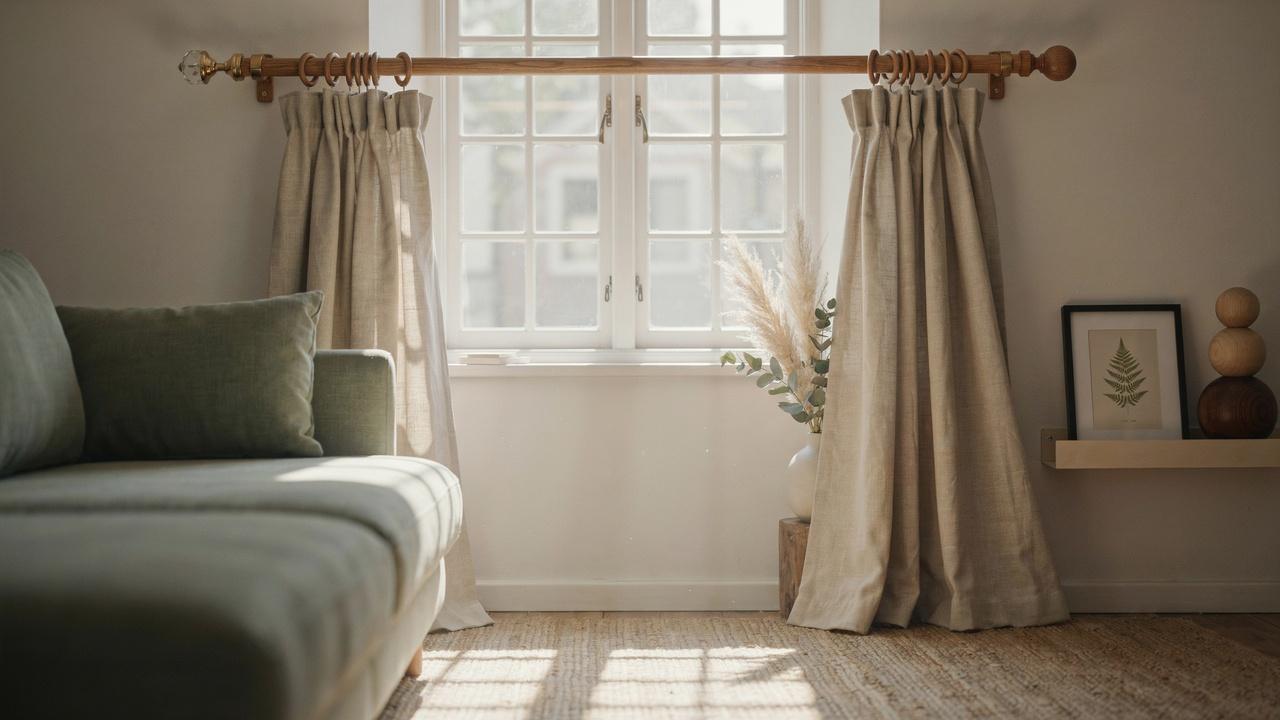
Any basic rod instantly becomes more interesting and personalized with the right finials attached firmly to each end.
Try decorative furniture legs, wooden balls, vintage drawer knobs, or even wine corks screwed onto the ends of a wooden dowel for a fun, creative touch.
Paint or stain the finials to either match or contrast the rod color for a finished, custom look that feels thoughtful rather than random or improvised.
21. DIY Double Curtain Rod
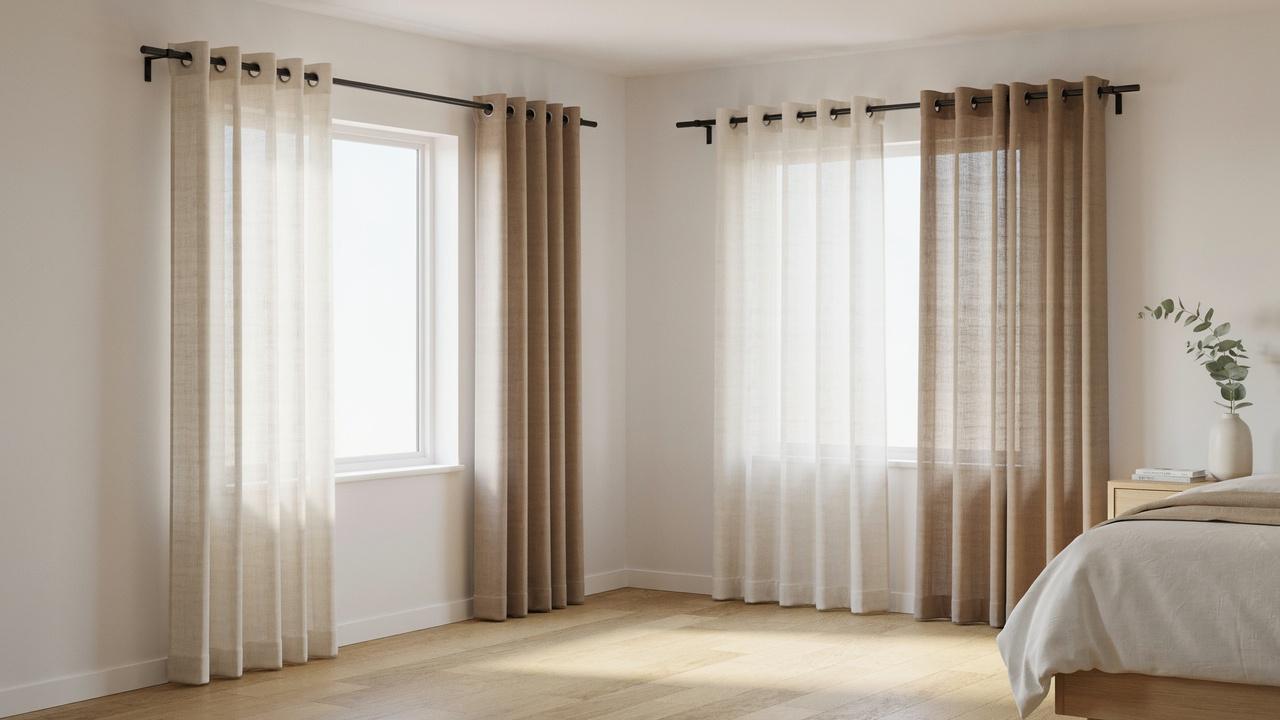
A double rod setup lets you layer a sheer panel and a blackout curtain on the same window for both light control and privacy.
Build it by mounting two separate rods on brackets positioned at different depths from the wall so both panels hang cleanly without touching.
Use pipe brackets at different offsets, or build a simple wooden bracket that holds both rods at once for a neater, more compact installation overall.
22. DIY Corner Curtain Rod
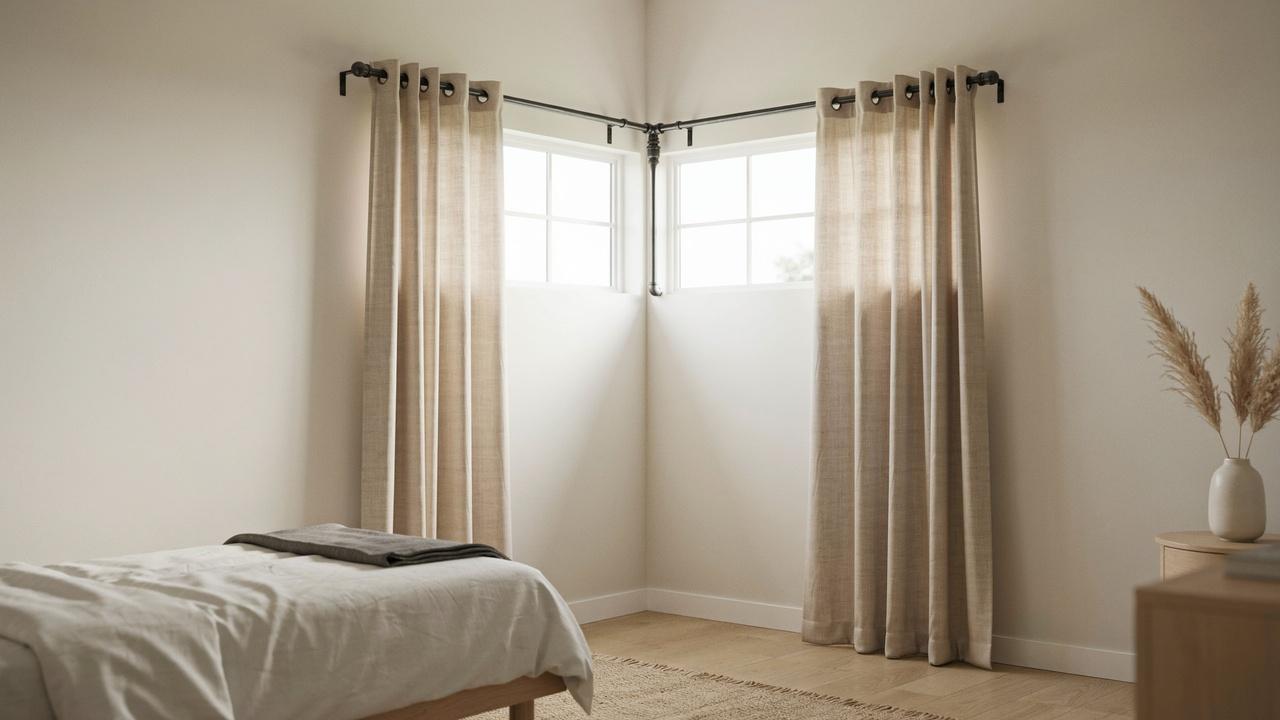
Corner rods are difficult to find in stores but surprisingly straightforward to build at home with basic hardware.
Join two lengths of pipe or wooden dowel using a corner elbow fitting to create the exact angle your window or corner requires.
For wood, miter-cut two pieces at 45-degree angles and join them securely with wood glue and screws. This setup works well for bay windows, corner showers, and angled wall installations.
23. DIY Curtain Rod for Wide Windows
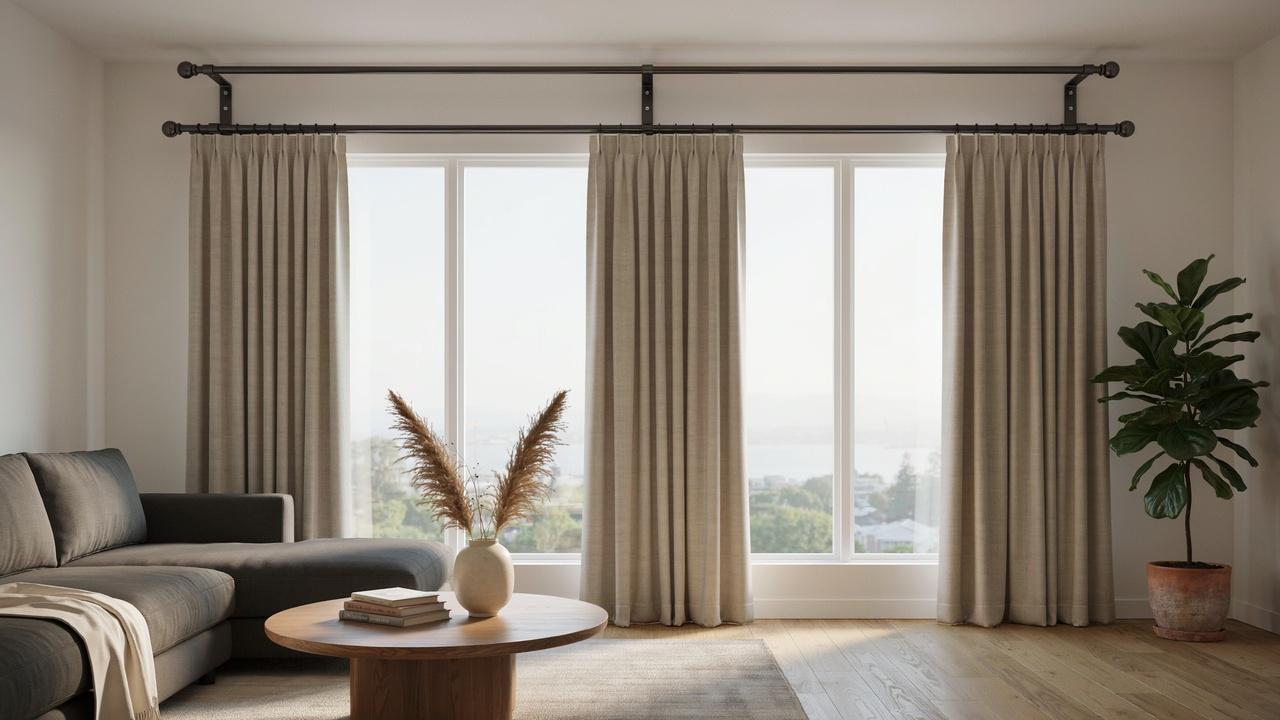
Very wide windows need extra support built into the rod setup to prevent sagging or bowing in the middle over time.
Use a thicker rod like a 1.5-inch dowel or steel conduit, and add at least one center support bracket between the two end brackets.
For spans over 6 feet, place two center support brackets at evenly spaced intervals to keep the rod perfectly level under the full weight of your curtains.
24. No-Drill DIY Curtain Rod
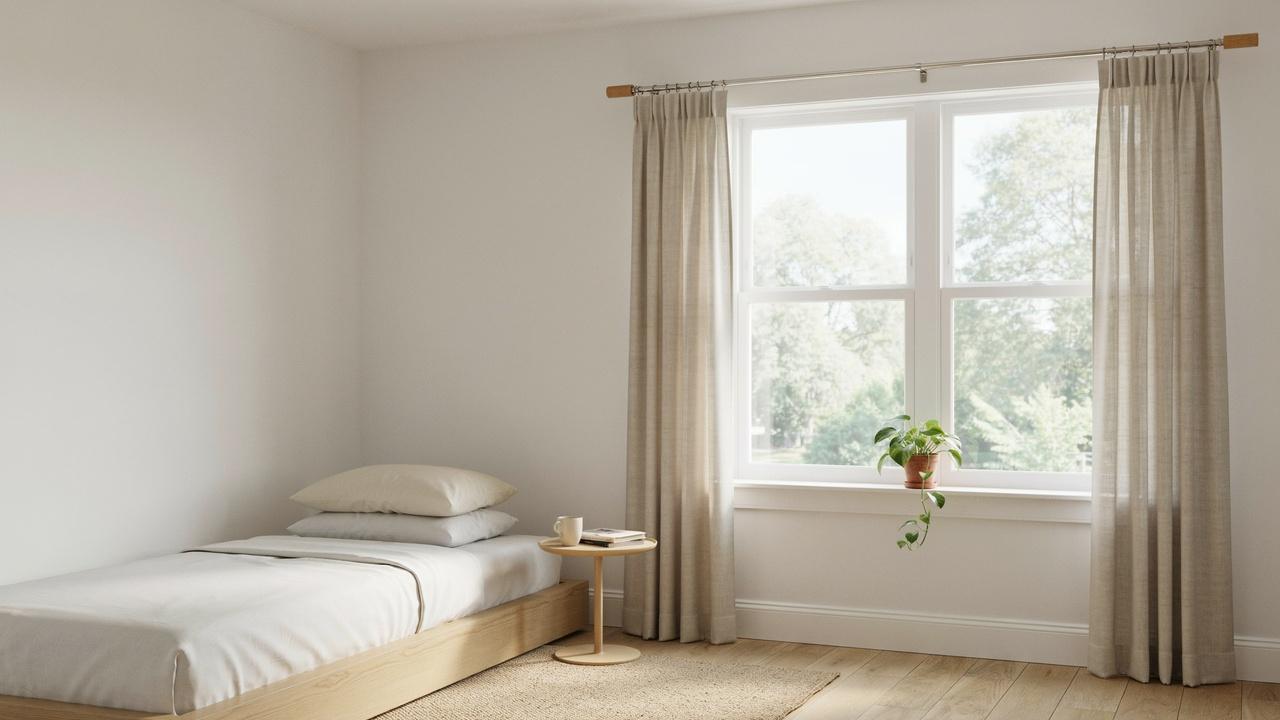
Renters and anyone trying to avoid wall damage can mount a curtain rod using strong adhesive hooks rated for the weight of their curtains, or use a tension rod as the main support base.
Pair a tension rod with a lightweight wooden or PVC sleeve slipped over it for a more finished, polished appearance.
This setup holds lightweight to medium-weight curtains reliably well without making a single hole in the wall.
25. Ceiling-Mounted DIY Curtain Rod
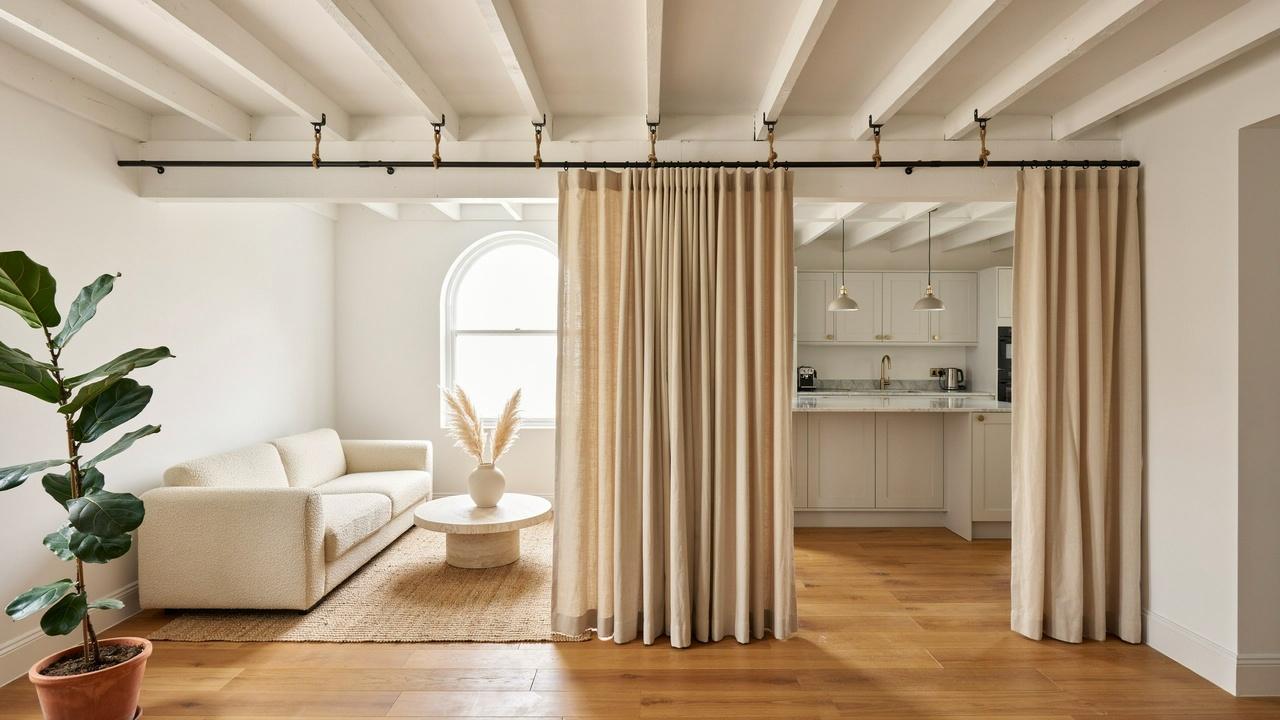
Mounting a curtain rod from the ceiling works well for floor-to-ceiling curtain panels, open-plan room dividers, or canopy bed setups that need overhead support.
Use ceiling hooks or eye bolts and hang the rod from rope, decorative chain, or metal conduit hangers cut to your preferred drop length.
Always anchor directly into ceiling joists rather than just drywall to make sure the entire setup holds safely and stays secure over time.
What Can You Use Instead of a Traditional Curtain Rod?
Many everyday materials can replace a store-bought rod and look just as good in your space.
Wooden Dowels and Poles
Wooden dowels are the most common curtain rod replacement. They are available in a range of diameters and lengths, easy to cut, and simple to paint or stain.
Closet rods and wooden broom handles also work well and are often stronger than standard dowels.
PVC Pipe and Electrical Conduit
Both PVC and electrical conduit are lightweight, inexpensive, and easy to work with. PVC can be painted, and conduit has a natural industrial look.
Both are available at any hardware store and can be cut to any length.
Plumbing Pipe and Metal Rods
Black iron pipe, galvanized pipe, and copper pipe all make strong, attractive curtain rods.
They require flanges or pipe clamps as brackets but are very durable and can support heavy curtains without bowing.
Rope, Wire, and Leather Straps
Thick rope, coated wire, and leather straps work as curtain rods for lightweight panels.
These options look great in boho, rustic, or minimalist rooms. Hang them between wall hooks or ceiling anchors for a simple, low-cost setup.
Branches and Reclaimed Materials
Straight tree branches, bamboo poles, and pieces of reclaimed wood can all function as curtain rods.
These materials add a natural or vintage feel and are often free or very cheap. Sand and seal them before use to prevent splinters or warping.
DIY Curtain Rods vs. Store-Bought Rods: Which Is Better?
The answer depends on your priorities, but DIY rods often win on cost, customization, and fit.
Store-bought rods are convenient. You pick one up, put it together, and hang your curtains.
They come with matching brackets and are designed to work together. However, they have limits.
Standard sizes may not fit wide windows, heavy curtains may bow cheaper rods, and the style options can be very limited.
DIY rods solve all of those problems. You cut the rod to the exact length you need, choose the material that handles your curtain weight, and pick a finish that actually matches your room.
The cost is almost always lower, especially for wide windows where long store-bought rods get expensive.
The trade-off is time and effort. Building a DIY rod takes more work than buying one. But for most people, the extra hour or two is worth the money saved and the custom result.
How Much Does It Cost to Make DIY Curtain Rods?
Most DIY curtain rods cost between five and thirty dollars depending on the material and window size.
A wooden dowel rod for a standard window typically costs under ten dollars. PVC pipe costs even less. Electrical conduit is usually three to six dollars for a 10-foot length.
Copper pipe and black iron pipe cost a bit more, typically fifteen to thirty dollars depending on the length and diameter. But both last much longer than cheaper options and look far more polished.
Compare that to store-bought rods, which can run anywhere from fifteen to eighty dollars or more for wide or double rod setups.
DIY nearly always comes out ahead, especially when you factor in that you can use leftover materials for other windows.
How Do You Choose the Right DIY Curtain Rod?
The right rod depends on your curtain type, window size, and how you plan to mount it. For sheer or lightweight panels, rope, thin wooden dowels, PVC pipe, and bamboo all work well since they handle lighter loads without any trouble.
Heavy or blackout curtains need stronger options like black iron pipe, thick wooden closet rods, or electrical conduit anchored into wall studs with heavy-duty brackets.
For windows wider than 5 feet, use a thick rod like electrical conduit or black pipe and add at least one center bracket to prevent bowing.
Bay and corner windows need two rod sections joined with elbow fittings or a flexible curtain wire system.
Renters should use tension rods or adhesive hooks paired with a lightweight PVC or wooden dowel to avoid wall damage completely.
How Do You Install DIY Curtain Rods Securely?
Good installation is what makes the difference between a rod that stays up for years and one that falls in the night.
How High Should You Hang a Curtain Rod?
Mount the rod 4 to 6 inches above the window frame for a standard look. For a taller appearance, go up to 10 to 12 inches above the frame or just below the ceiling.
Higher placement makes the room feel larger and draws the eye upward.
How Far Should a Curtain Rod Extend Past the Window?
The rod should extend 3 to 6 inches past the window frame on each side.
This lets you stack the curtain panels off the glass when they are open, which allows more light in and makes the window appear wider.
How Many Brackets Does a DIY Curtain Rod Need?
For rods up to 48 inches, two end brackets are usually enough. For rods between 48 and 96 inches, add one center support bracket.
For anything longer, add center brackets every 36 to 48 inches to prevent sagging.
When Should You Add a Center Support?
Add a center support any time your rod spans more than 4 feet, or if you are using heavy curtains or a thinner rod that is prone to bowing.
A center bracket is cheap insurance against a sagging or falling rod.
Which Wall Anchors Should You Use?
If you can anchor into a wall stud, use wood screws for maximum strength.
When studs are not available, use toggle bolts or expansion anchors rated for the weight of your curtains. Plastic wall anchors work for lightweight setups, but avoid them for heavy curtains.
What Problems Can Happen With DIY Curtain Rods?
Even well-made rods can develop issues over time, but most problems are easy to fix.
- A sagging rod means you need more support brackets or a thicker rod. Add a center bracket to lift the middle or swap the rod for a stronger material.
- Rods that slide through brackets can be fixed by wrapping rubber bands around the rod at each bracket point, adding grip tape, or switching to set screw brackets that lock in place.
- Loose brackets usually mean stripped screw holes. Fill the holes with wall anchor plugs or wood glue and toothpicks, let it dry fully, then re-drive the screws for a firm hold.
- Long rods need extra center brackets spaced evenly along the span. Switching to steel conduit or black iron pipe also helps since both resist bowing far better than wood or PVC.
- For heavy curtains, use a rod at least 1 inch in diameter made from black pipe, closet rod, or electrical conduit. Mount all brackets into wall studs and add center support for any span over 4 feet.
Conclusion
DIY curtain rods are one of the simplest ways to get a custom window treatment without spending a lot.
You now know which materials work best, how to build rods for different curtain types and window sizes, how to install them properly, and how to fix common issues when they come up.
Pick the style that suits your room, grab the materials, and give it a try. You will be surprised how good a handmade rod can look.
If you found this guide helpful, share it with someone who is updating their space, and leave a comment telling us which DIY curtain rod idea you are trying first.
Frequently Asked Questions
Can I use a wooden broom handle as a curtain rod?
Yes, a broom handle works well as a curtain rod. Sand it lightly and paint or stain it, then mount it on standard rod brackets.
How long do DIY curtain rods typically last?
With proper materials and installation, DIY rods can last five to ten years or more, depending on the material used and curtain weight.
Can I make a DIY curtain rod for a shower?
Yes, but use moisture-resistant materials like PVC, copper, or stainless steel pipe to prevent rust and warping in a humid bathroom environment.
Do DIY curtain rods work with ring-top curtains?
Yes, most DIY rods, especially dowels and pipes, work perfectly with curtain rings and ring clips, giving you a smooth, easy glide.
What diameter rod do I need for grommet curtains?
Grommet curtains typically fit rods between 1 inch and 1.5 inches in diameter. Check the grommet size before cutting your rod to length.