
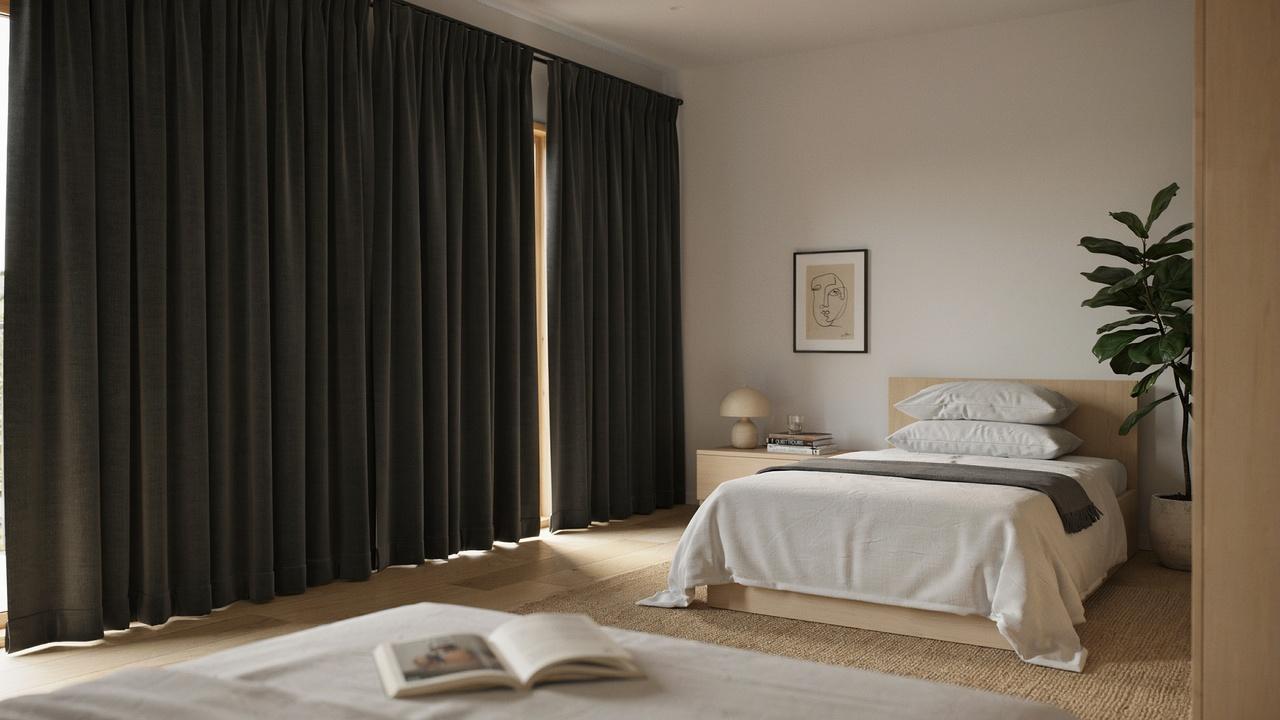
Do black curtains make a room hotter? I asked myself this same question before I bought a pair for my own bedroom.
Sunlight was heating up my room every afternoon, and I wanted an answer before spending money.
In this article, I will cover how curtains affect room temperature, and if color really matters, and the real difference between black curtains and blackout curtains.
I will also share the best ways to keep your room cooler. Many people assume dark curtains trap more heat, but the truth is a bit more layered than that.
I have tested different curtain types myself, so you can trust what you read here.
Understanding How Curtains Affect Room Temperature
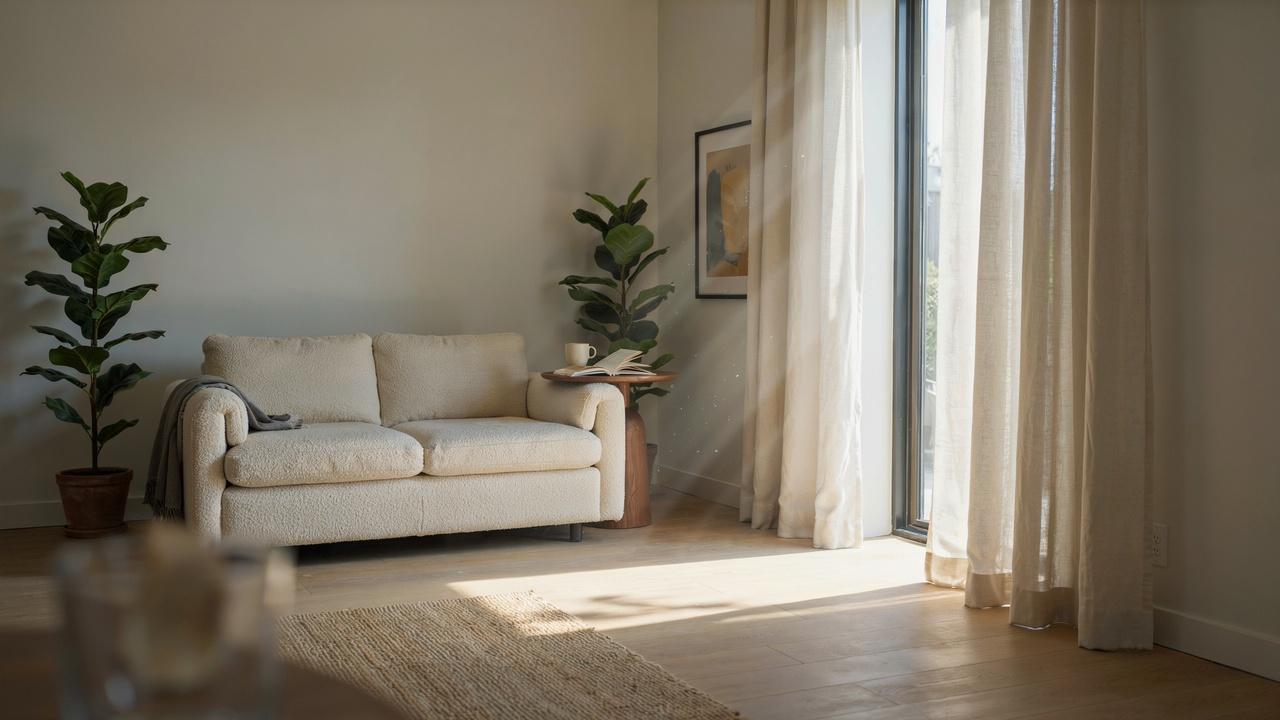
Sunlight passing through a window turns into heat once it hits a surface, and curtains sit right in that path, so what they are made of and how thick they are changes how much heat gets trapped inside your room.
Color plays a small role in this. Dark colors absorb more light, while light colors reflect more light, but this effect on your room's temperature is often minor compared to other things.
The type of fabric matters a lot more. Thick, tightly woven fabric blocks more heat than thin fabric, no matter the color.
How you hang your curtains also matters, since loose gaps let heat sneak in around the edges and reduce their overall effect.
Do Black Curtains Make a Room Hotter?
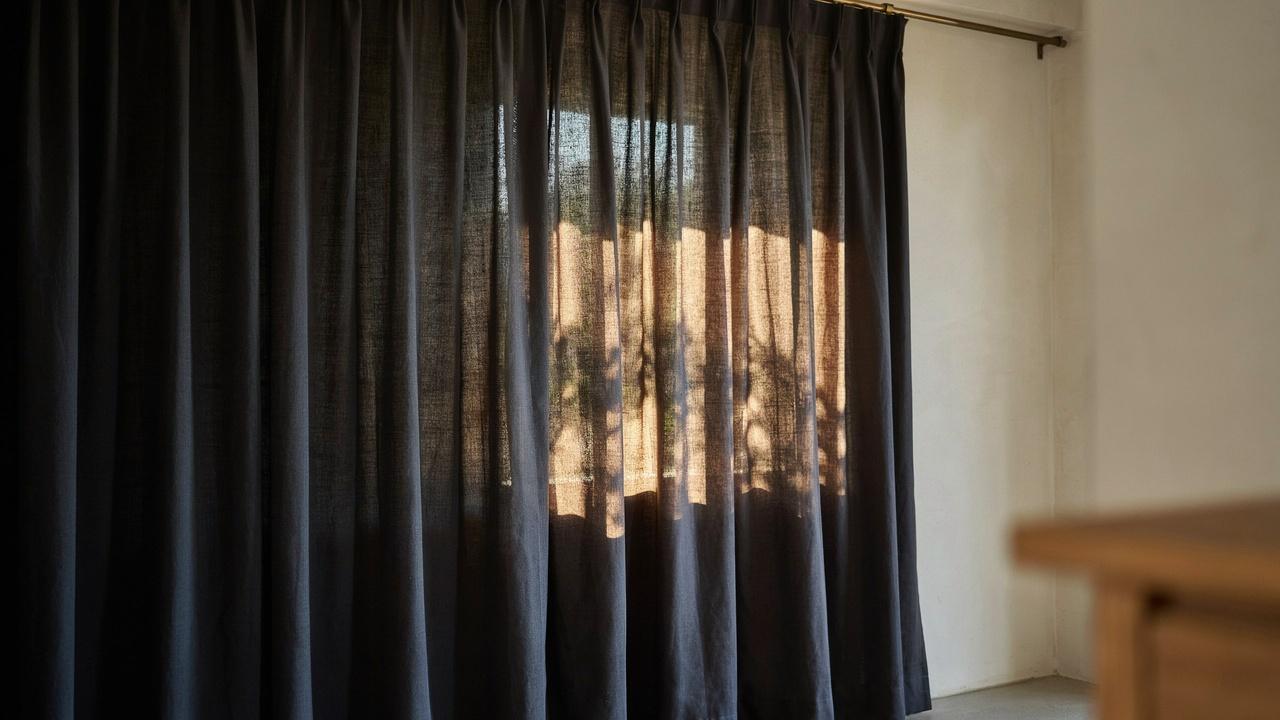
Here is what really happens when sunlight touches black fabric and how it affects your room.
What Happens When Sunlight Hits Black Curtains
Black fabric absorbs more sunlight than lighter colors, so it heats up faster than a lighter shade would. But that heat mostly stays on the surface facing the window.
It does not spread through the whole room the way people often assume.
Can Black Curtains Raise Indoor Temperature?
Black curtains can make the fabric near the window warmer to the touch. However, if they are thick and cover the window fully, they still block a good amount of heat.
The warmth on the surface does not always mean your room gets hotter overall.
When Black Curtains Can Actually Help Reduce Heat
If your black curtains have a thick lining or a reflective backing, they can block sunlight quite well. In this case, they may keep your room cooler than thin, light-colored curtains with no lining.
Lining does more work here than color ever could.
Black Curtains vs. Blackout Curtains What's the Difference?
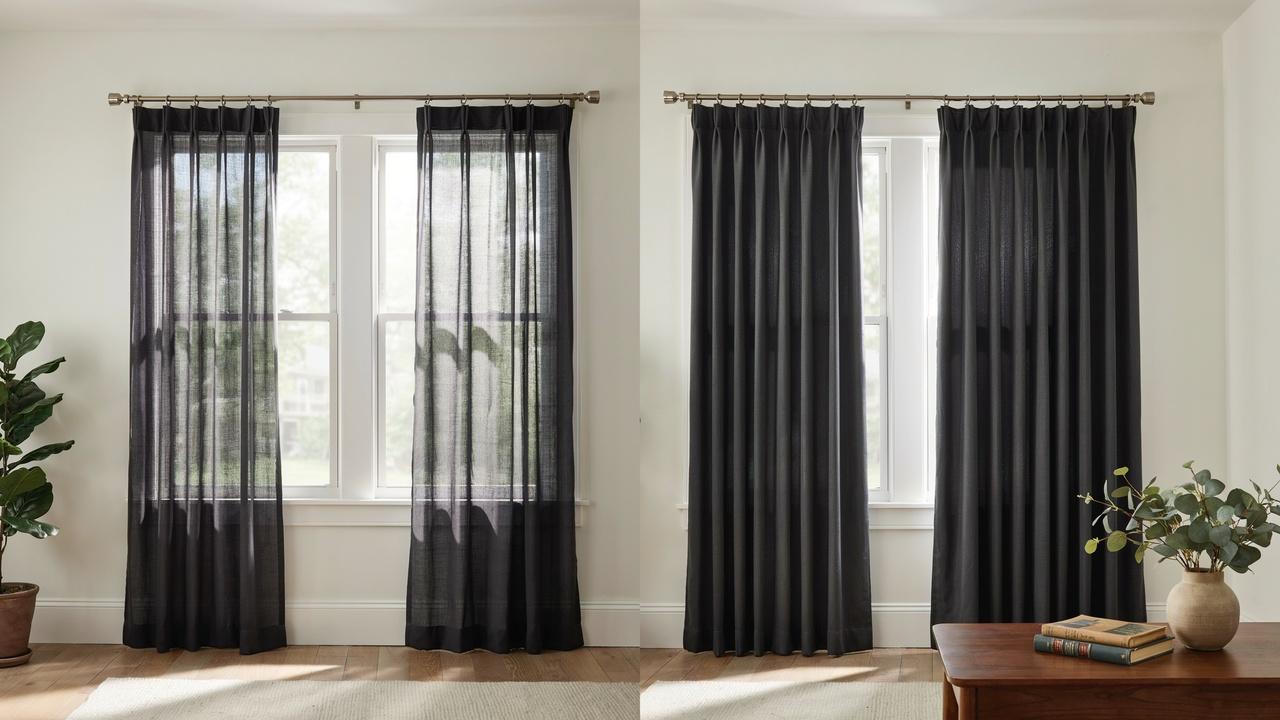
Learn how black curtains and blackout curtains differ, and which one truly blocks more heat.
| Feature | Black Curtains | Blackout Curtains |
| What They Are | Regular curtains in a black color that may vary in thickness and light control. | Curtains designed with multiple layers or a special lining to block nearly all light. |
| Light Blocking | May allow some light to pass through, depending on the fabric. | Blocks nearly 100% of incoming light, regardless of the curtain's color. |
| Heat Control | Dark fabric absorbs heat and may provide limited insulation if unlined. | Thermal lining helps reduce heat transfer and keeps rooms cooler. |
| Insulation | Depends on the fabric type and thickness. | Built with insulating layers that improve energy efficiency. |
| Best Choice for Hot Rooms | Suitable for décor but not ideal for maximum heat reduction. | Better option for reducing heat, improving comfort, and blocking sunlight. |
Factors That Have the Biggest Impact on Heat Control
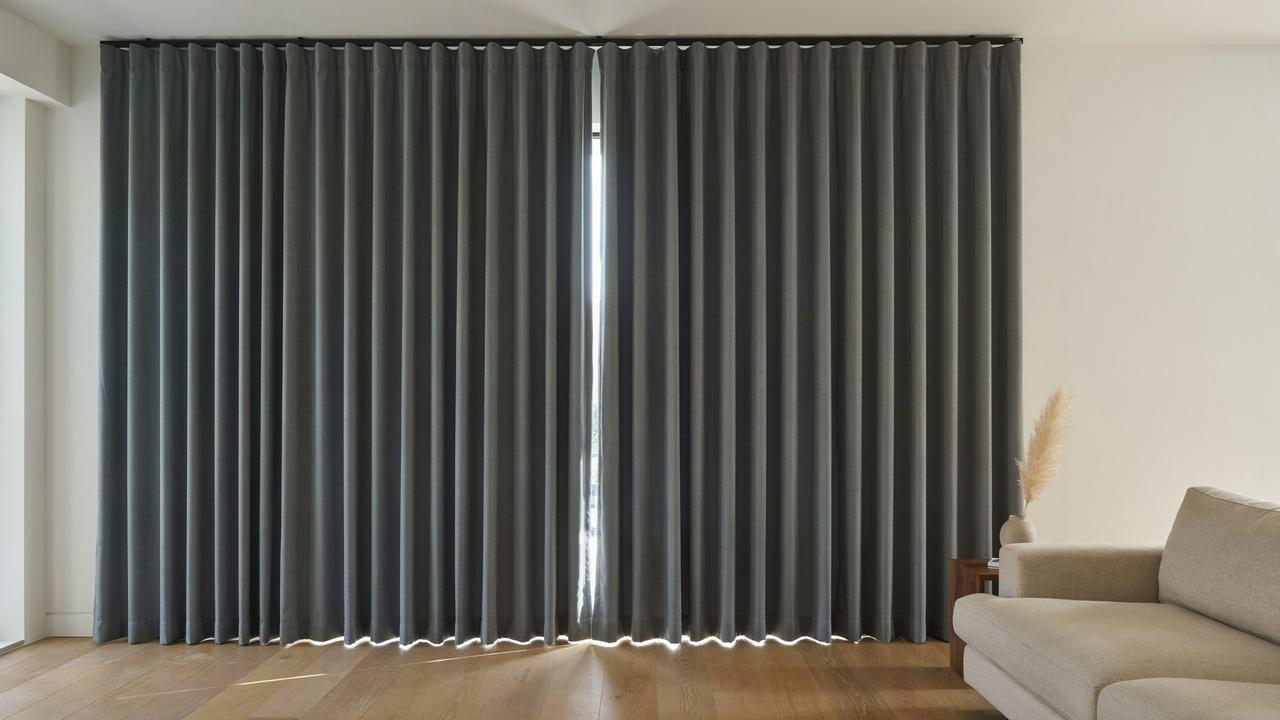
These three factors matter more for heat control than the actual curtain color.
The Importance of Thermal Lining
Thermal lining is a fabric layer added to curtains to block heat, and it works no matter what color sits on the outside.
This lining is one of the biggest factors in keeping a room cool. It often matters far more than the curtain's shade.
Why a Light-Colored Backing Improves Heat Reflection
A light-colored backing facing the window reflects sunlight back outside instead of letting it soak into the fabric.
This can lower the amount of heat that enters your room, even if the front side of the curtain is black. Small detail, real difference.
How Proper Curtain Installation Prevents Heat Buildup
Curtains that fit tightly against the wall and cover the full window keep more heat out. Gaps at the top, sides, or bottom let sunlight and warm air slip through easily.
Even a well-made curtain loses effectiveness if it is hung poorly.
Best Ways to Keep Your Room Cooler With Curtains
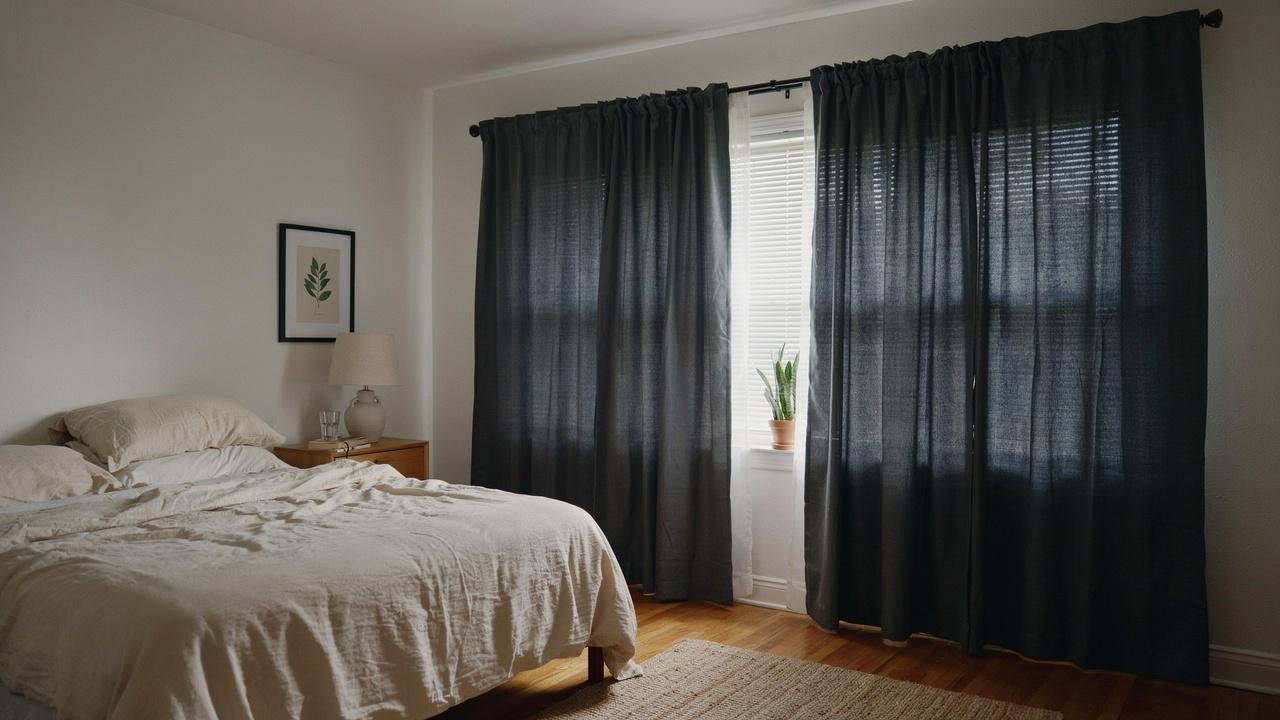
Try these simple steps to get the most cooling benefit from your curtains.
Choose Thermal or Insulated Curtains
Thermal curtains are built to block heat, not just light, so they do more work than a regular curtain.
They work well in any color, including black, and are a smart pick for hot rooms. The lining is what earns them their keep.
Cover the Entire Window for Better Insulation
Make sure your curtains extend past the window frame on all sides, with extra width and height where possible.
Full coverage stops sunlight and hot air from sneaking around the edges. A curtain that is too small leaves easy gaps for heat.
Pair Curtains With Blinds or Shades for Maximum Efficiency
Adding blinds or shades behind your curtains creates an extra barrier between your room and the sun.
This combination blocks more heat than curtains alone, especially during peak sun hours. It is a simple upgrade with a real payoff.
Tips for Choosing Curtains That Help Reduce Heat
Keep these simple tips in mind before you pick your next set of curtains.
- Look for thick fabric with a thermal or blackout lining, since this matters more than color.
- Choose darker shades for stronger light control or lighter shades for better heat reflection outdoors.
- Measure your window carefully so curtains cover it fully, with extra width and length on both sides.
- Mount rods slightly above the frame so panels overlap the edges and block more heat.
- Check your room's sun exposure first, since south and west facing windows need stronger protection.
Conclusion
So, do black curtains make a room hotter? Not really, not on their own. What matters most is the lining, the backing, and how well the curtains cover your window.
When I switched to a thermally lined pair, my room felt noticeably cooler, even in black. Try checking your own curtains for lining and coverage before assuming color is the problem.
If this helped you, drop a comment below and let me know how it worked for your room. Feel free to share this with anyone dealing with a hot, sunny window too.
Frequently Asked Questions
Do black curtains block more heat than white curtains?
Not always. Blocking heat depends more on fabric thickness and lining. A thin black curtain can let in more heat than a thick white one.
Are blackout curtains always black in color?
No. Blackout curtains come in many colors. The name refers to their ability to block light, not their color.
Can I make my black curtains block more heat?
Yes. Add a thermal lining or a light-colored backing. This helps reflect sunlight and reduces heat entering your room.
Do curtain colors affect energy bills?
Curtain color has a small effect. Lining and window coverage have a much bigger impact on cooling costs.
What is the best curtain color for hot rooms?
There is no single best color. A thick, lined curtain in any color will control heat better than a thin curtain in a lighter shade.