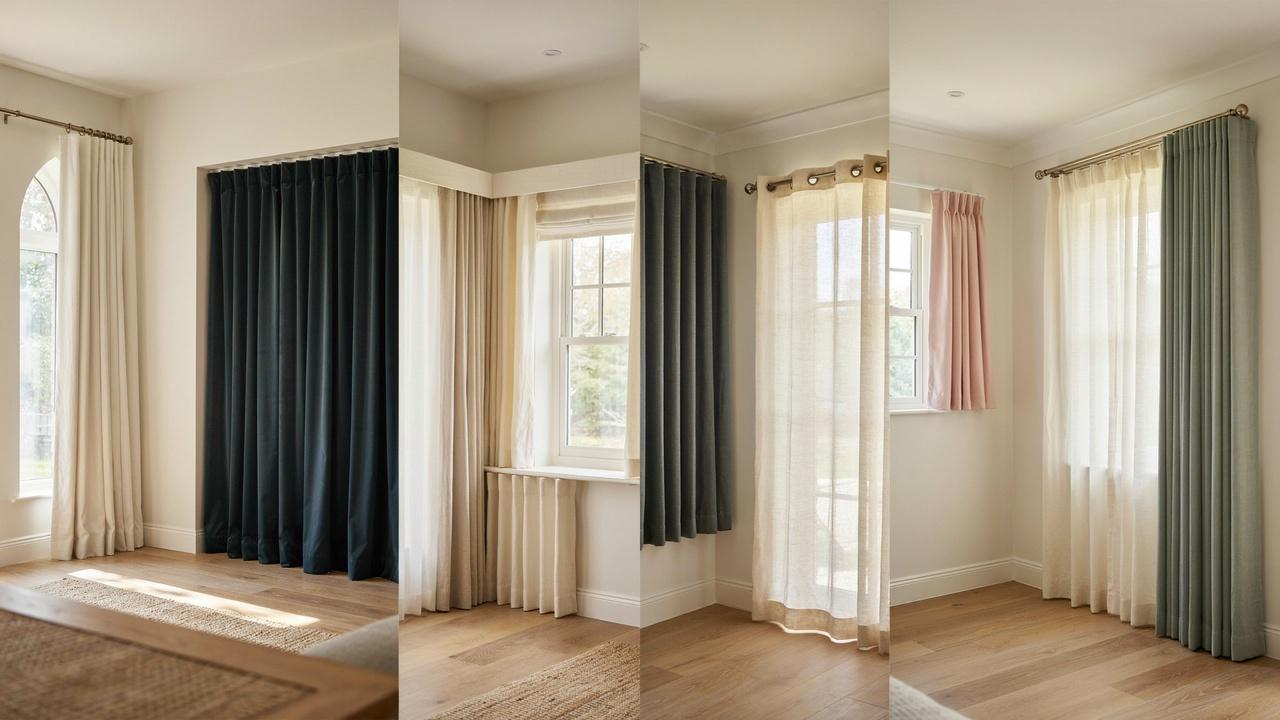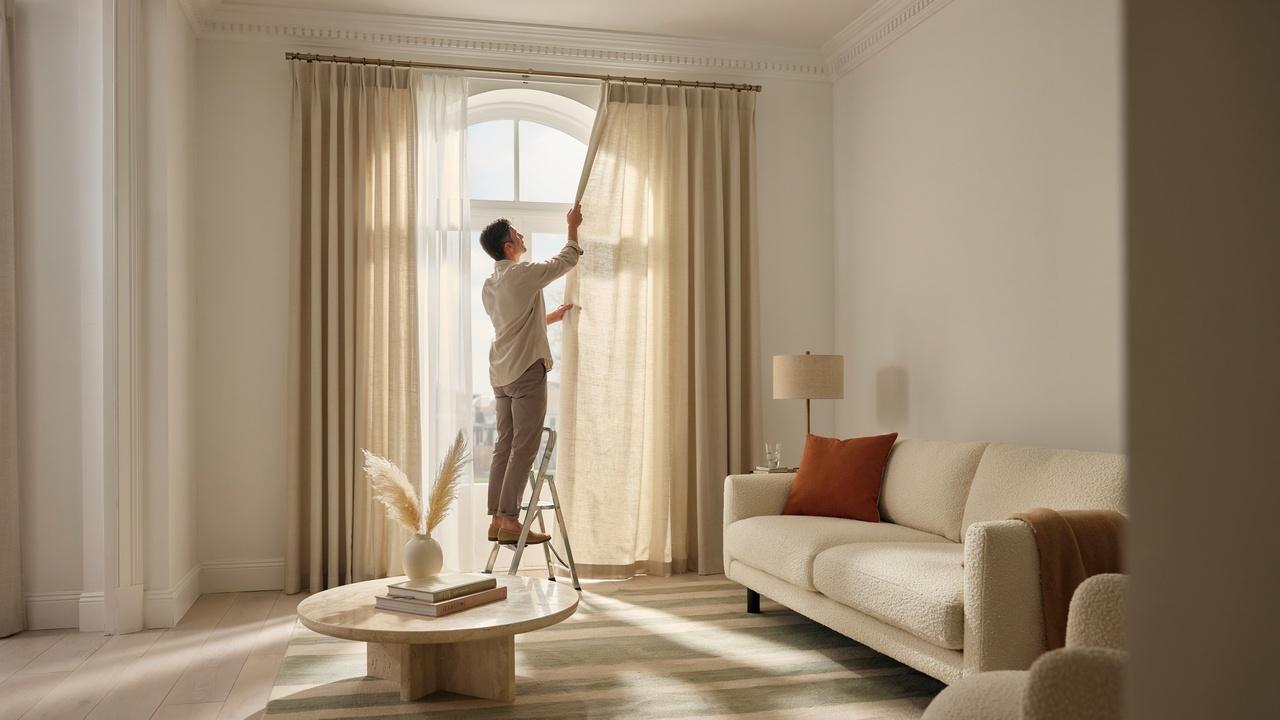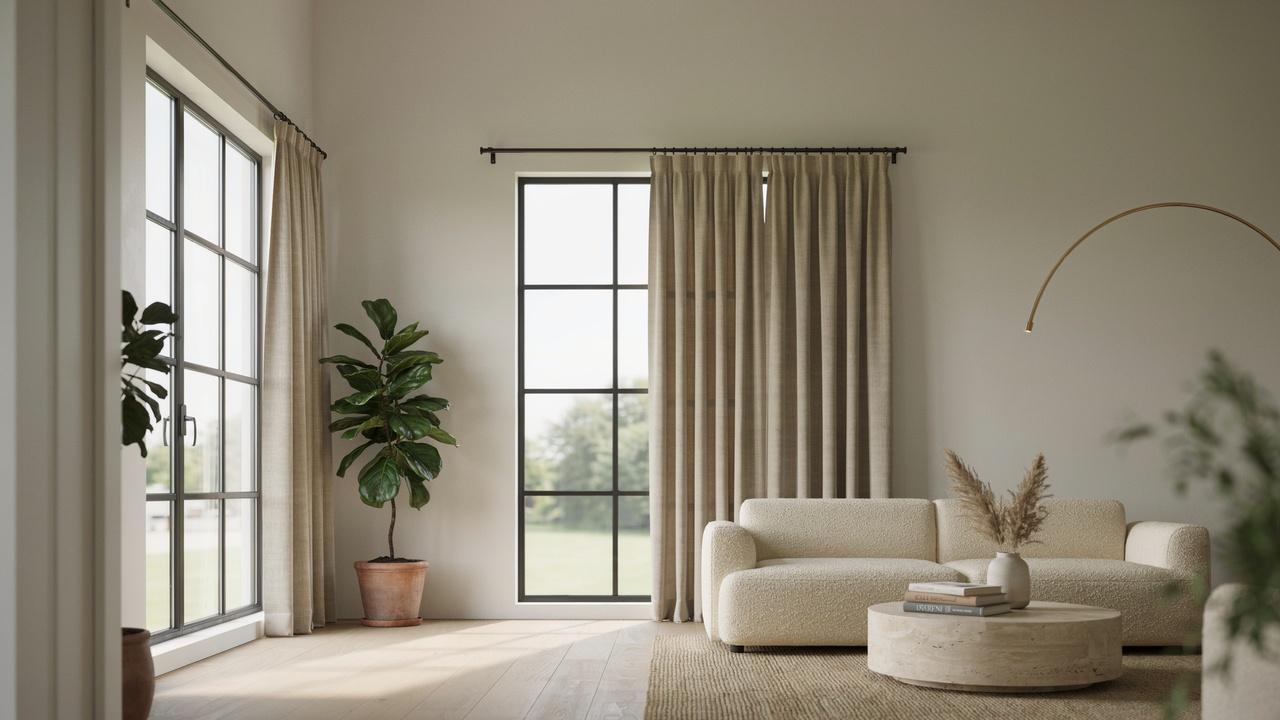

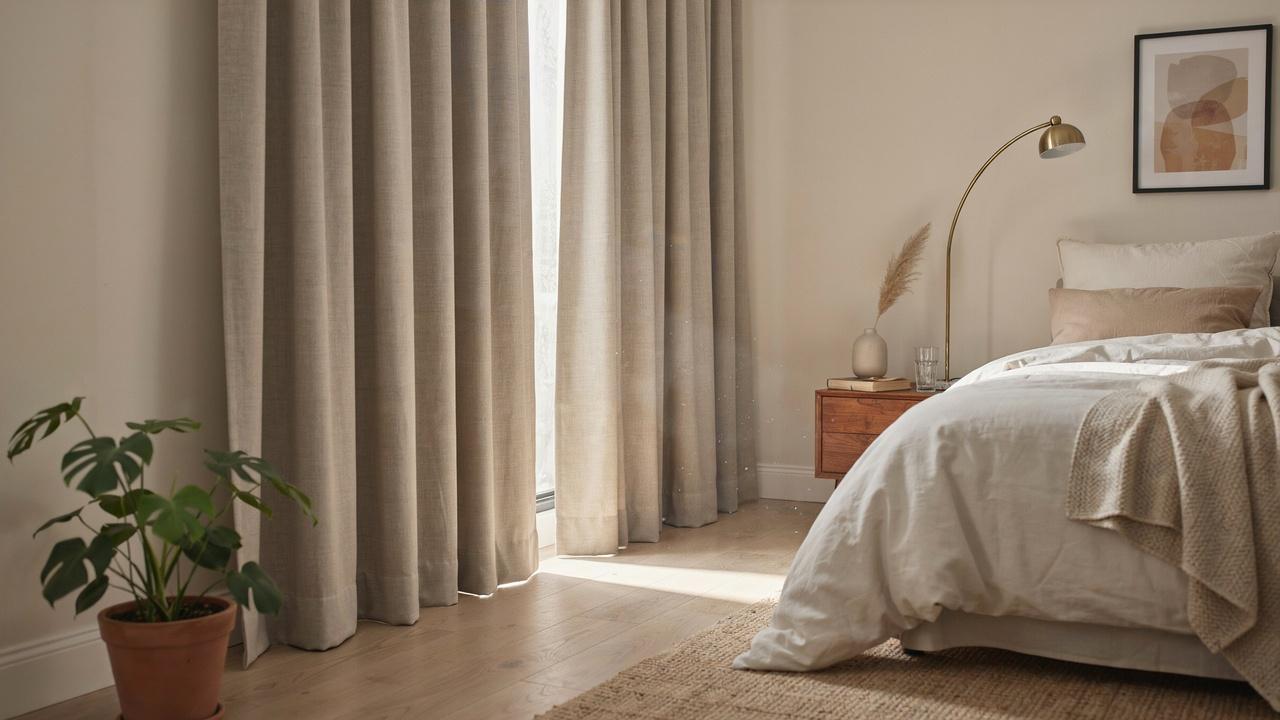
If your room feels like an oven every afternoon, you are not alone. Many people turn to blackout curtains hoping they will block the heat coming through the windows.
But do blackout curtains keep heat out, or do they just darken the room? That is a fair question, and the answer is more layered than a simple yes or no.
In this guide, you will learn how blackout curtains reduce solar heat, which types work best, how to use them correctly, and where they fall short.
Having helped readers with practical home comfort tips, this guide keeps things clear, honest, and useful.
Understanding Do Blackout Curtains Keep Heat Out?
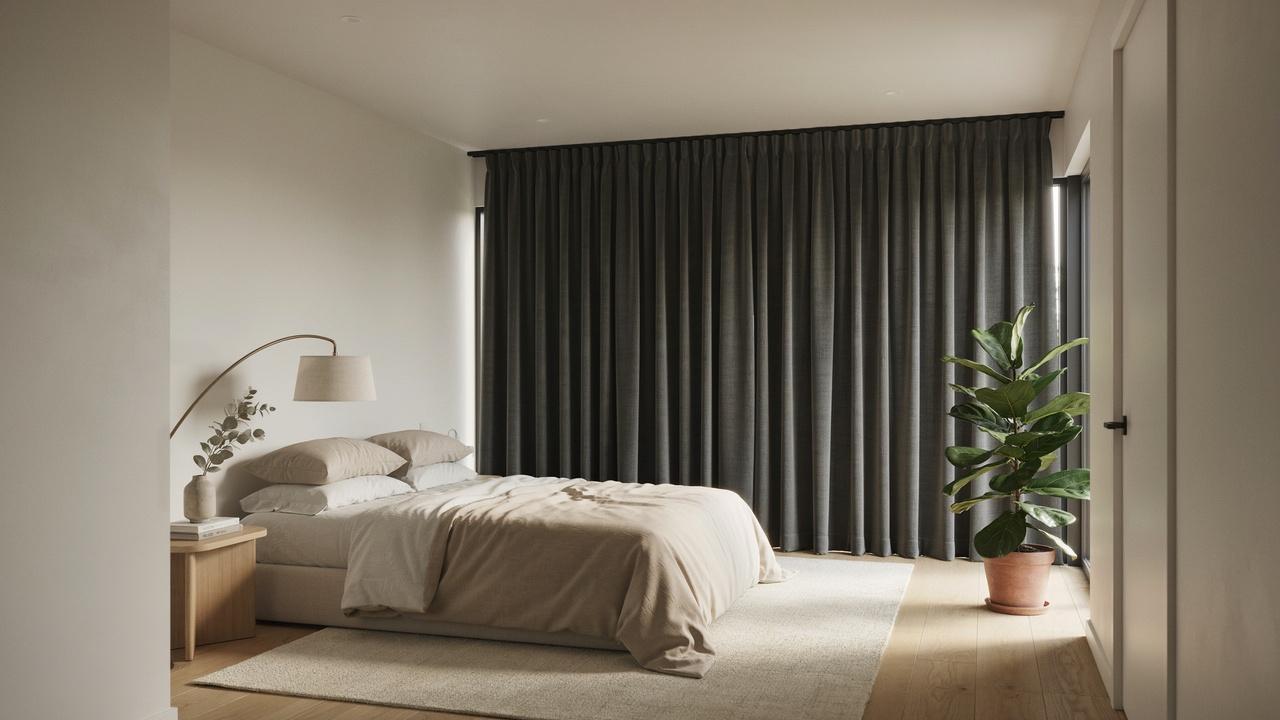
Blackout curtains can reduce the amount of heat entering your room, but they do not eliminate it completely.
When sunlight passes through a window, it carries solar heat energy.
Blackout curtains are designed to block light, and because they block sunlight, they also reduce a significant portion of the solar heat that would otherwise enter the room.
However, how well they perform depends on several factors. The construction of the curtain matters a great deal.
A thick, tightly woven curtain with a thermal backing will perform much better than a thin, loosely made one.
Window exposure also plays a role. A south-facing or west-facing window receives much more direct sunlight than a north-facing one, so the same curtain will have a bigger impact in a sunnier room.
Proper installation is another factor. Curtains that are too small or have large gaps around the edges allow heat to creep in regardless of the fabric quality.
So yes, blackout curtains do help keep heat out, but results will vary based on what you buy and how you use them.
How Do Blackout Curtains Help Keep a Room Cool?
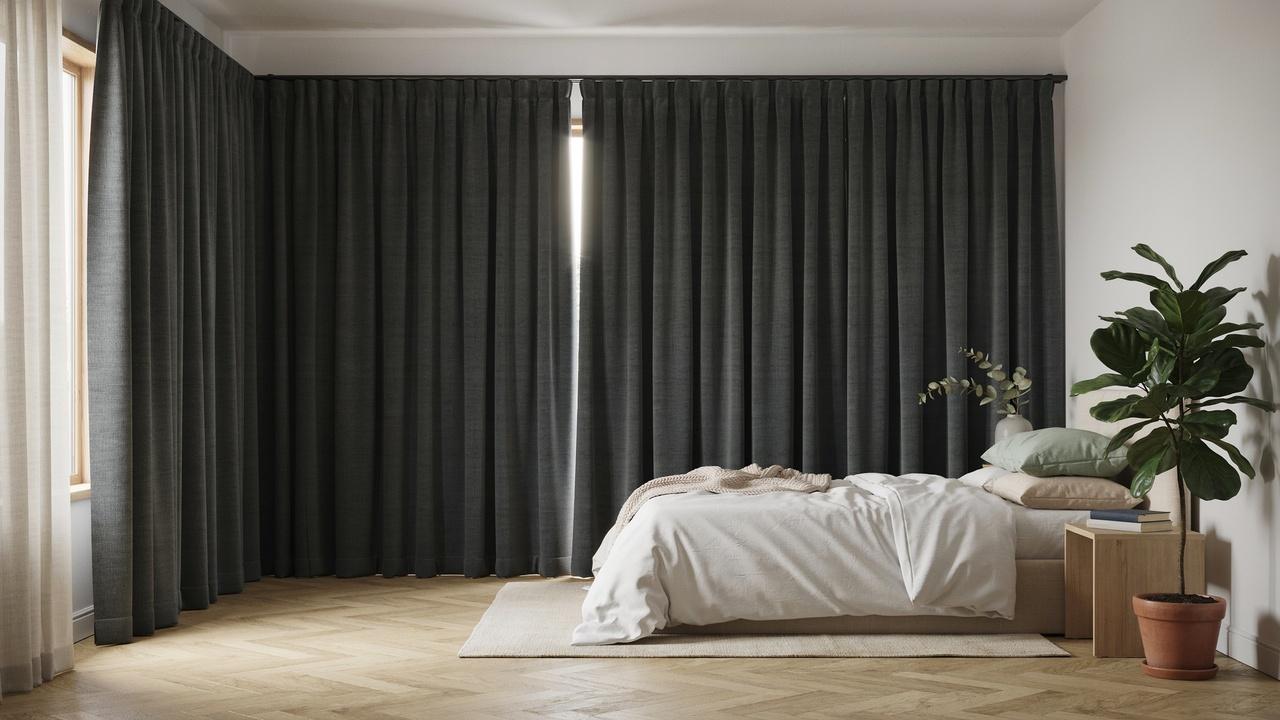
Blackout curtains reduce room temperature in three main ways.
First, they block sunlight directly, stopping radiant heat from warming your walls, floors, and furniture through what is often called the indoor greenhouse effect.
Research suggests that blocking sunlight alone can cut solar heat gain by a meaningful amount, especially during peak afternoon hours.
Second, they add a physical layer between the glass and your room, slowing the conduction of outside heat through the window.
Thicker, multi-layer curtains resist this heat transfer even better.
Third, many blackout curtains include a foam or rubberized thermal backing that strengthens both light blocking and insulation, reducing heat gain in summer and heat loss in winter, making them more effective than standard curtains year-round.
How Much Heat Do Blackout Curtains Block?
Blackout curtains can make a noticeable difference, but they are not a complete heat barrier.
Research and testing suggest that blackout curtains can reduce solar heat gain through windows by roughly 24 to 33 percent under the right conditions.
That number is meaningful, especially on a very hot day when every degree counts. However, several factors influence this figure.
The quality of the curtain fabric and backing, the size of the curtain relative to the window, the direction the window faces, and how tightly the curtain is installed all affect performance.
A curtain with large side gaps or one that sits far from the glass will lose much of its heat-blocking ability. Heat will simply flow around the curtain rather than being stopped by it.
It is also important to know that blackout curtains do not actively cool the room. They reduce incoming heat, but they cannot remove the heat that is already inside.
If the room is already hot when you close the curtains, they will help slow further warming, not bring the temperature down quickly.
What Type of Blackout Curtains Are Best for Blocking Heat?
Not all blackout curtains are built the same, and the type you choose will directly affect how well they control heat.
Thermal Blackout Curtains
Thermal blackout curtains are designed with temperature control in mind. They typically combine multiple fabric layers with an insulating backing.
These curtains block light and also provide meaningful resistance to heat transfer.
If your goal is to keep a room cooler in summer and warmer in winter, thermal blackout curtains are the best starting point.
Insulated and Multi-Layer Curtains
Some curtains are made with two, three, or even more fabric layers. More layers mean more insulation.
Multi-layer curtains trap air between the layers, which slows down heat transfer in both directions.
These are worth considering for rooms with single-pane windows or older glass that lets in a lot of heat.
Thick Fabric and Thermal Lining
Curtains made from dense, tightly woven fabrics like velvet, suede microfiber, or triple-weave polyester block more light and heat than thin fabrics.
Adding a separate thermal lining to an existing curtain is another option.
Thermal linings are available as clip-on or sewn-in panels and can improve the performance of curtains you already own.
Light-Colored Curtains for Sunny Windows
Color matters more than most people expect. Light-colored or white curtains reflect sunlight rather than absorbing it.
A dark curtain absorbs solar energy and can actually radiate some of that heat back into the room.
For windows that receive strong, direct sun, a light-colored blackout curtain will keep the room cooler than a dark one, even if both have the same fabric and backing.
How Should You Use Blackout Curtains to Keep Heat Out?
Buying the right curtains is only half the work. How you use them matters just as much.
Close Curtains Before Direct Sunlight Hits the Window
This is the most important tip. Once sunlight has been warming a room for an hour or two, the heat is already inside.
Closing the curtains at that point slows additional heat gain but does not reverse what has already happened.
Check which direction your windows face and close the curtains before the sun swings into that exposure.
Cover the Entire Window and Frame
Your curtains should cover the full width and height of the window, and ideally extend slightly beyond the frame on all sides.
A curtain that leaves the top or sides of the window exposed creates a path for heat to enter around the edges.
Many people undersize their curtains and then wonder why they are not working as expected.
Minimize Gaps Around the Curtain Edges
Gaps are the biggest enemy of curtain performance. Hot air moves through small openings easily.
Use curtain rods that extend well beyond the window frame so the fabric wraps slightly around the sides.
Magnetic curtain weights or adhesive tape can help keep the bottom edges flat against the wall if airflow is an issue.
Keep Curtains Closed During Peak Heat
Peak heat typically arrives between noon and 4 PM depending on your window direction and local climate.
Keeping curtains closed during this window is far more effective than opening and closing them throughout the day.
If you need natural light, consider opening curtains in the early morning or evening when the sun is low and less intense.
Do Blackout Curtains Work Better on Certain Windows?
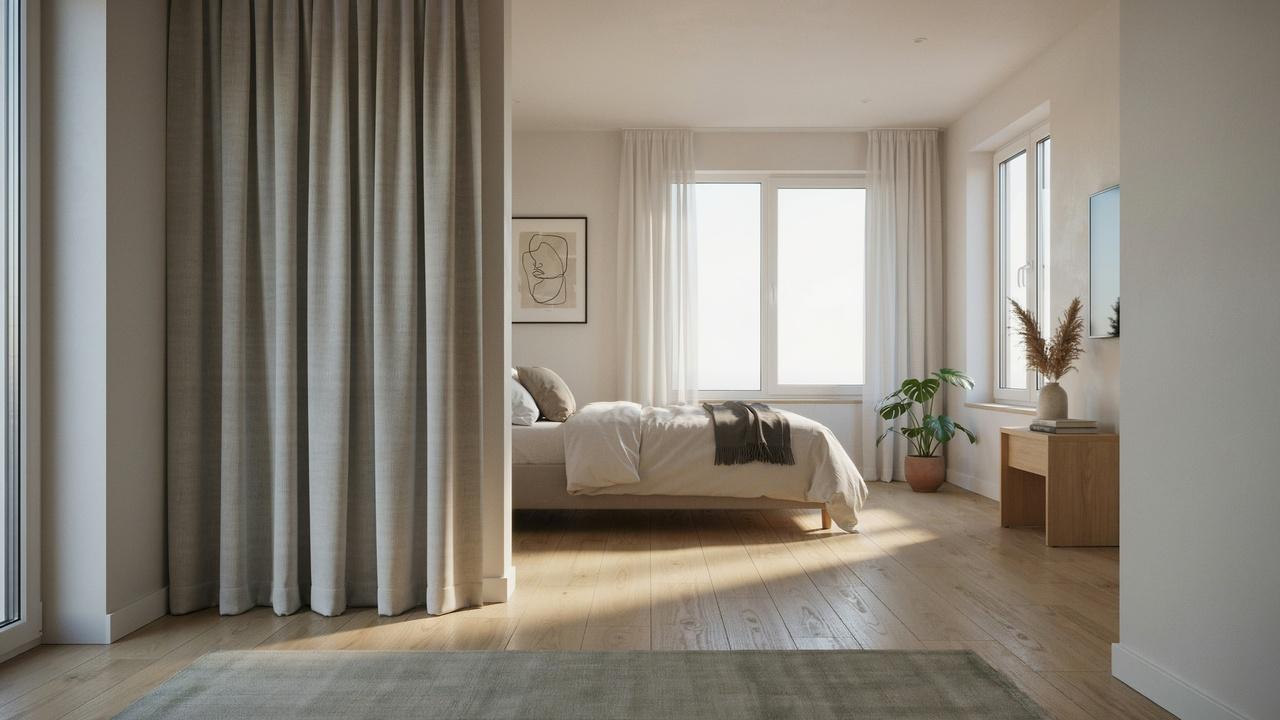
Yes. The window's direction, size, and glass type all affect how much work blackout curtains need to do.
South-Facing Windows
South-facing windows in the northern hemisphere receive sunlight for most of the day.
The sun angle is usually lower, which means it can shine directly through the glass and deep into the room.
Blackout curtains on south-facing windows provide a consistent benefit throughout daylight hours.
West-Facing Windows
West-facing windows are often the most problematic in summer. The afternoon and evening sun hits them at a low angle with high intensity.
This is when rooms heat up most sharply. Blackout curtains on west-facing windows tend to have the most noticeable impact on room comfort during the hottest part of the day.
Large and Floor-to-Ceiling Windows
Larger windows allow more heat to enter simply because there is more glass surface area exposed to sunlight.
Blackout curtains on large or floor-to-ceiling windows need to be properly sized to cover the entire opening.
If you leave even a small uncovered section on a large window, the uncovered area can let in a disproportionate amount of heat.
Are Thermal Curtains Better Than Blackout Curtains for Heat?
These two types of curtains have different primary purposes, and understanding that difference helps you choose the right one.
Blackout curtains are designed first and foremost to block light. Their heat-blocking ability is a secondary benefit that comes from the thickness and backing used to achieve total darkness.
Thermal curtains, on the other hand, are designed specifically to insulate windows and reduce heat transfer.
They prioritize temperature control over light blocking, though many also provide decent room darkening.
If your main concern is keeping a room cool in summer, a thermal curtain will generally outperform a standard blackout curtain.
If you need complete darkness for sleep and also want some heat reduction, a thermal blackout curtain that combines both functions is likely your best option.
Blackout Curtains vs. Other Window Treatments for Heat
There are several ways to manage window heat, and it helps to know how blackout curtains compare to other options.
| Feature | Blackout Curtains | Blinds | Window Film | Exterior Shades |
| Heat Blocking | Good | Low | Very Good | Excellent |
| Light Blocking | Excellent | Moderate | Partial | Good |
| Privacy | Excellent | Moderate | Low | Good |
| Airflow Control | No | Yes | No | Partial |
| Installation | Easy | Easy | Professional Needed | Requires Outdoor Setup |
| Cost | Affordable | Affordable | Moderate | Higher |
| Works Before Heat Hits Glass | No | No | Yes | Yes |
| Best For | All-round daily use | Flexible light control | Daylight with heat control | Maximum heat reduction |
What Mistakes Reduce the Heat-Blocking Effect of Blackout Curtains?
Some common errors significantly reduce how well blackout curtains perform.
- Choosing curtains that are too small leaves the top, sides, and sometimes the bottom of the window exposed, creating easy paths for heat to enter.
- Leaving gaps around the window allows warm air to circulate between the glass and the curtain, limiting the insulating effect.
- Installing curtains too far from the window creates a large pocket of air between the glass and the fabric. That air heats up and convects into the room more easily.
- Opening curtains during peak afternoon heat, even briefly, lets in a surge of hot air that takes time for your cooling system to address.
Do Blackout Curtains Keep Heat Out in Winter?
Yes, insulated blackout curtains also help during colder months, just in the opposite direction.
In winter, heat escapes from inside the room through the cold glass of windows. A blackout curtain with thermal backing adds an insulating layer that slows this heat loss.
This keeps the room warmer for longer without increasing heating costs. The same properties that slow solar heat from entering in summer also slow indoor heat from escaping in winter.
For year-round temperature control, insulated or thermal blackout curtains offer real value in both seasons.
They reduce heat gain in summer and reduce heat loss in winter, which makes them a practical investment for almost any climate.
Conclusion
So, do blackout curtains keep heat out? Yes, they do, but within limits. They block sunlight and reduce solar heat gain, making a real difference in rooms with strong direct sun.
The right curtains, properly sized and correctly installed, can lower peak room temperatures and make your cooling system work less.
Start by closing curtains before the sun hits your windows, cover the full frame, and layer them with blinds if you can.
If this guide helped you, share it with someone dealing with the same problem, leave a comment below with your experience, or read our next article on window insulation tips for summer.
Frequently Asked Questions
Can I use blackout curtains in a room with no air conditioning?
Yes. Blackout curtains reduce solar heat gain and can make a room more bearable without air conditioning, especially when combined with fans and good ventilation.
Do blackout curtains block heat from radiators or heaters?
No. Blackout curtains block solar heat through windows but do not insulate against heat sources inside the room like radiators or electric heaters.
How long do blackout curtains last before losing their heat-blocking ability?
Most quality blackout curtains maintain their performance for five to seven years with regular care and proper washing as recommended by the manufacturer.
Can blackout curtains cause mold on windows?
Yes, in humid climates, trapping air between the curtain and glass can cause condensation on the window, which may lead to mold over time if not managed.
Do white blackout curtains block heat better than patterned ones?
White or light-colored blackout curtains reflect more sunlight than dark or patterned ones, making them slightly more effective for heat reduction on sun-facing windows.