
Getting curtain measurements wrong is more common than you think.
I've been there, ordering curtains that were too short, too narrow, or just off. It's frustrating and wastes money.
This guide on how to measure a window for curtains walks you through every step, from rod placement to length, break styles, and hardware types.
I cover tricky window shapes too. By the end, you'll know exactly what to measure and why it matters.
I've hung enough curtains to know what works and what doesn't, and I'm sharing all of it here so you get it right the first time.
Why Accurate Window Measurements Matter for Curtains

Small measurement mistakes lead to big curtain problems. Getting this right from the start saves you time, money, and a lot of frustration.
Wrong measurements cost you money. Curtains that don't fit look bad and waste fabric.
When the numbers are off, curtains hang too high or too low. The width looks skimpy and doesn't cover the window properly.
The length either drags too much or floats awkwardly above the floor. And then you're stuck returning panels and starting the whole process over again.
I always say, measure twice, order once. A few extra minutes upfront saves a lot of headaches later.
Tools You Need Before Measuring a Window for Curtains

Having the right tools before you start makes the whole process faster and more accurate. You don't need fancy equipment.
Here's what I use every time:
- A metal tape measure (fabric tape stretches and gives wrong numbers)
- A pencil and notepad
- A step stool or ladder for tall windows
- A level (helpful for marking rod placement)
Skip the guesswork. Write every number down as you go.
Steps to Measure a Window for Curtains
These five steps walk you through the whole process in order, so nothing gets missed and nothing gets guessed.
Step 1: Decide Where to Install the Curtain Rod

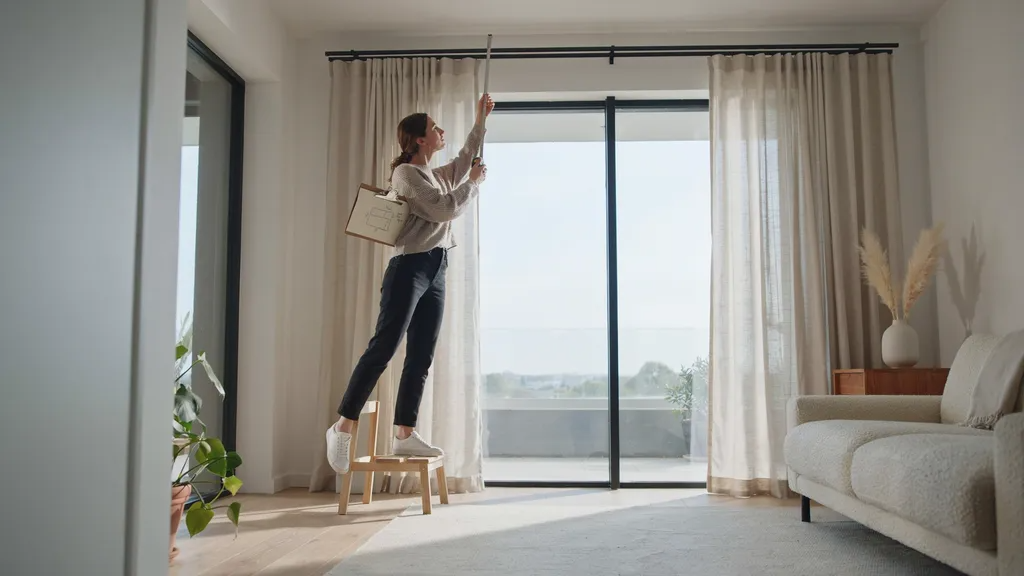
Before you measure anything, decide where the rod goes. This affects every other number.
You have two options: inside mount, where the rod fits within the window frame, or outside mount, where the rod goes above and beyond the frame.
I almost always go with an outside mount. It makes windows look larger and lets more light in when curtains are open.
Place the rod 4 to 6 inches above the window frame and 3 to 6 inches past each side.
Step 2: Measure the Window Width
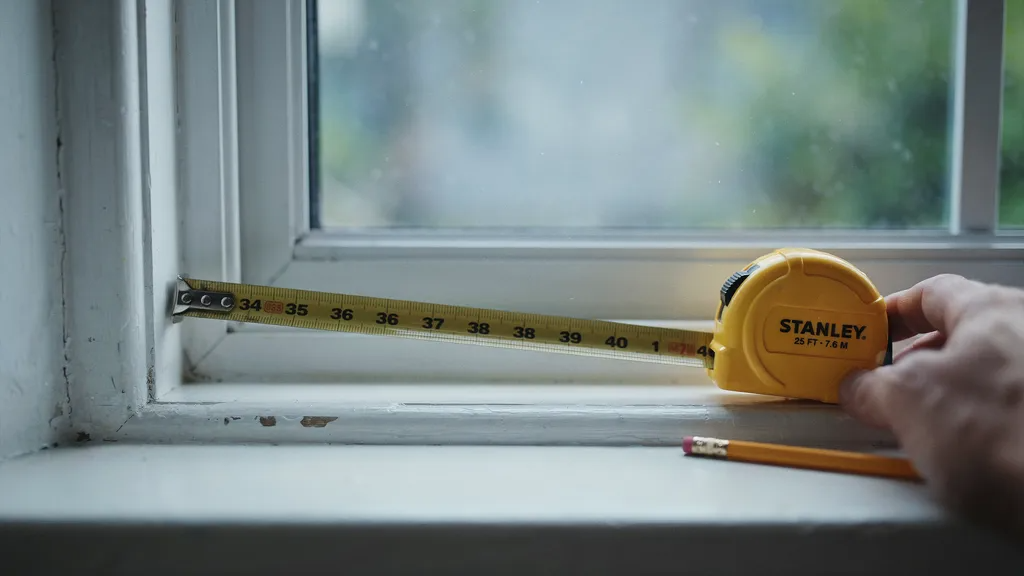
Measure the full width of the area you want the curtain to cover.
For the outside mount, measure from where the rod will start on one side to where it ends on the other, including those extra inches past the frame.
For the inside mount, measure the width inside the frame from left to right. Write this number down.
This is your base width.
Step 3: Calculate the Correct Curtain Width
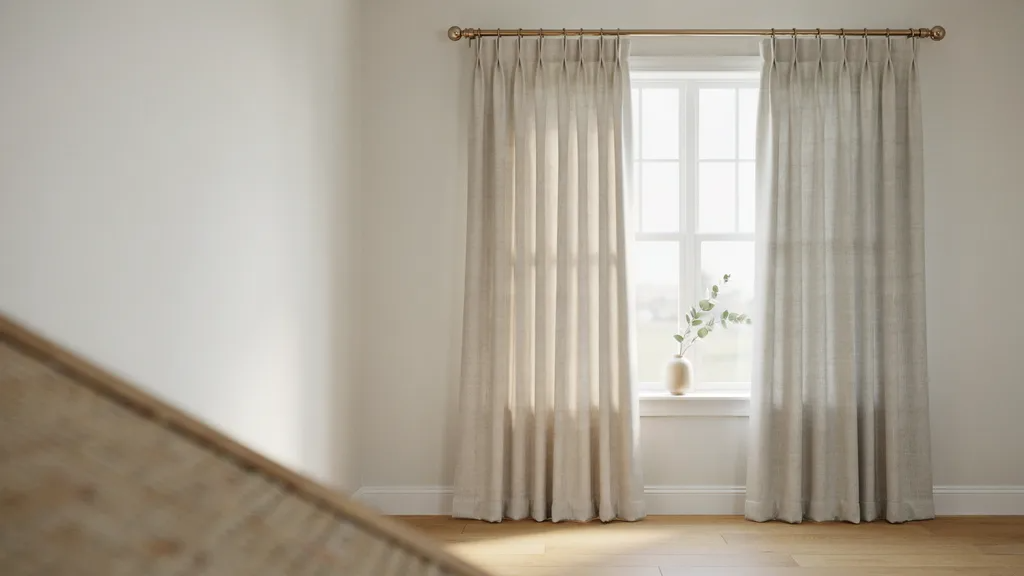
Curtains need extra fabric to look full when closed and even when open. A good rule is to multiply your base width by 1.5 to 2.5. This gives you the total curtain width you need across all panels.
So if your window is 60 inches wide, you need 90 to 150 inches of curtain fabric total, split across two panels.
Sheer curtains need even more fullness, so aim for 2.5 to 3 times the window width.
Step 4: Measure the Window Height for Curtains

For the outside mount, measure from where the rod will sit down to the floor or wherever you want the curtain to end.
For the inside mount, measure from the top of the frame to the sill or floor. Always measure from the rod hole, not the top of the rod itself.
That's where the curtain actually hangs from.
Step 5: Choose the Ideal Curtain Length
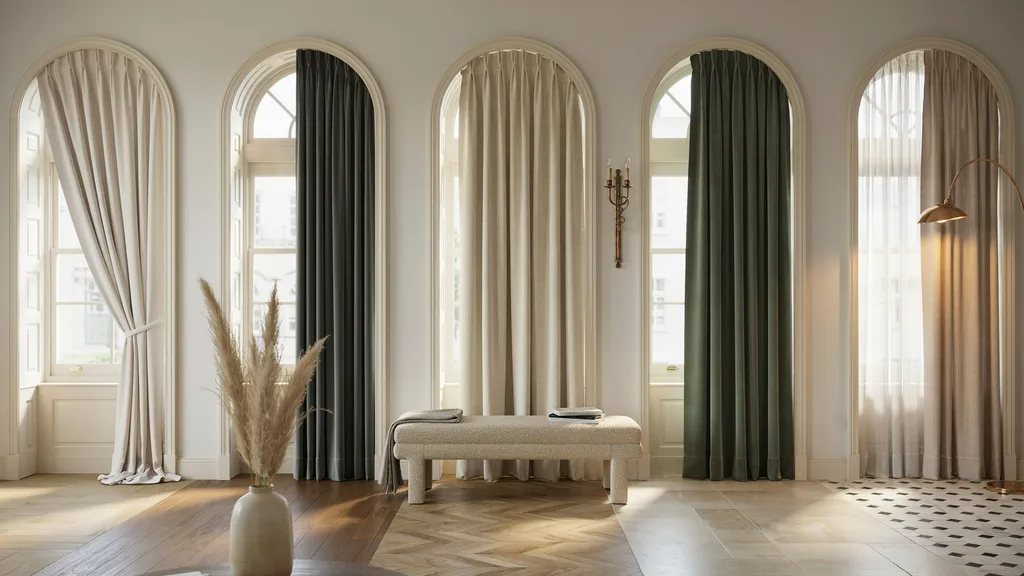
Once you have the height, decide how you want the curtain to fall.
Your length choice changes the whole look of the room, so think about the feel you're going for before you finalize the number.
Understanding Curtain Break Styles

It changes the entire mood of a room, so it's worth knowing your options before you finalize your length.
1.Apron Break
The curtain ends about half an inch above the floor. Clean, practical, and good for high-traffic rooms. I like this for kitchens and kids' rooms.
2.Hover Break
The curtain barely grazes the floor, about a quarter inch gap or right at floor level. This is the most common style. It looks neat and works in most rooms.
3.Trouser Break
The curtain has about 1 to 2 inches of extra length and falls slightly onto the floor, like dress pants. It adds a relaxed, lived-in feel without going over the top.
4.Puddle Break
The curtain pools onto the floor with 6 or more inches of extra fabric. Very dramatic. It works well in formal living rooms or bedrooms but is not great for everyday use.
Measuring for Different Curtain Hardware

The type of hardware you use changes where you measure from, and getting this wrong throws off your final length.
Here's a quick breakdown:
1.Measuring with Curtain Rings
With rings, the curtain hangs below the ring, not the rod. Measure from the bottom of the ring to the floor. Rings can add 1 to 2 inches, so don't skip this step.
2.Measuring for Rod Pocket Curtains
The rod slides through a sewn pocket at the top. Measure from the top of the rod to the floor. The curtain sits right at rod level, so there's no extra gap to account for.
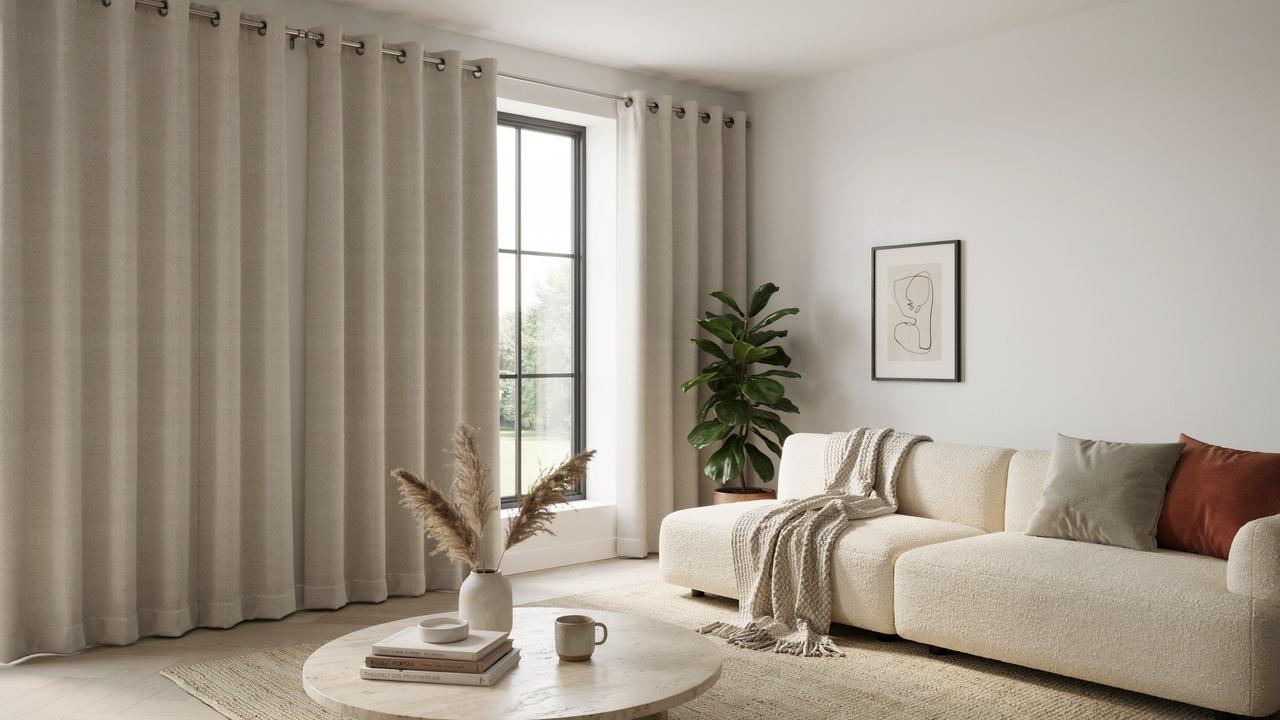
3.Measuring for Grommet Curtains
Grommets loop over the rod and the curtain top sits just below the rod. Measure from the rod down to the floor, then subtract about 1 inch to account for how the grommet sits.
4.Measuring for Tab Top Curtains
Fabric loops attach the curtain to the rod and the curtain top drops about 1 to 1.5 inches below the rod. Measure from the rod down and subtract that gap.
How to Measure Multiple Windows Accurately
Even windows that look the same size often aren't, and assuming they match is one of the most common mistakes I see.
Here's my process:
- Measure each window individually and never assume they're the same
- Label your measurements by window, like Window A and Window B
- If you want curtains to look uniform, use the largest measurement for all panels
- Keep all rods at the same height across the room for a clean, consistent look
Taking shortcuts here leads to mismatched curtains. Measure each one on its own.
Special Measuring Tips for Different Window Types
Not every window is a standard rectangle, and that's where most people get stuck. A few small adjustments based on window type can make a big difference in how the final result looks.
- Bay windows: Measure each section separately and treat each angle as its own window
- Corner windows: Use a double bracket at the corner so curtains meet without a gap
- Arched windows:Curtains usually go below the arch, so measure only the rectangular section
- Floor-to-ceiling windows: Use ceiling-mounted rods and measure from ceiling to floor
- Small or narrow windows: Mount the rod extra wide and high to make the window look bigger
- Skylights: These rarely use curtains, but if they do, use a tension rod inside the frame
Conclusion
Getting your curtain measurements right doesn't have to feel complicated. I've made all the mistakes so you don't have to.
Start by choosing your rod placement, then measure width, height, and length based on the hardware you're using.
Pick a break style that suits your room and lifestyle. If you have multiple windows, measure each one separately.
And if you're layering curtains, treat each layer as its own project. Every step here is something I've actually used.
Take your time, write everything down, and double-check before you order. The right measurements make a real difference in how a room looks and feels.
So, which window are you measuring first?
Frequently Asked Questions
How far above the window should I hang my curtain rod?
Place the rod 4 to 6 inches above the window frame for the outside mount. Going higher makes the window look taller and more open.
Should curtains touch the floor or hang above it?
It depends on the look you want. Hover or apron breaks work for most rooms, while puddle style suits more formal spaces.
How much wider should curtains be than the window?
Your total curtain width should be 1.5 to 2.5 times the window width so the panels look full and not flat.
Can I use the same measurements for all windows in a room?
Only if you have confirmed each window is the same size. Always measure individually even if they look identical.
Does curtain hardware type affect the final length?
Yes. Rings, grommets, rod pockets, and tab tops all hang differently and each one adds or removes a small amount from your rod-to-floor measurement.