


I have washed blackout curtains the wrong way before. The coating peeled. The fabric shrank. It was a mess I did not see coming.
If you want to keep your blackout curtains in good shape, you need to clean them the right way.
In this guide, I will walk you through how to wash blackout curtains step by step, whether you use a machine or wash by hand.
I will also cover drying, steam cleaning, stain removal, and common mistakes to skip.
I have worked through these methods firsthand, so you get advice that actually works.
Understanding Different Types of Blackout Curtains

Not all blackout curtains are the same. Knowing your curtain type helps you wash it without damage.
Foam-backed curtains have a thick coating on the back. This coating can crack if washed too aggressively.
Woven blackout fabric is denser but more washable. It holds up better in the machine.
Thermal blackout curtains have extra lining. These need gentle handling to keep the layers intact. Triple-weave curtains have no coating. They are usually the safest for machine washing.
Always check the label first. That one step can save you a lot of trouble.
Supplies You'll Need to Wash Blackout Curtains

Before you start, gather these items:
- Mild laundry detergent (fragrance-free works best)
- A large mesh laundry bag
- A front-load washing machine or a clean bathtub
- Clean, dry towels
- A shower rod or drying rack
- A garment steamer (optional)
Skip any detergent with bleach, enzymes, or optical brighteners. These can break down the blackout coating fast.
How to Prepare Blackout Curtains for Washing
Prep matters. Rushing into the wash without prep is how curtains get damaged.
- Remove curtains carefully from the rod. Avoid pulling on the fabric.
- Shake them out outside to remove loose dust and debris.
- Check for stains. Treat them before washing so they do not set further.
- Remove hooks, rings, and any metal clips. These can snag the fabric or damage the drum.
- Fold the curtain loosely. Do not bunch it tightly.
I always give the curtain a quick look for tears or weak spots before putting it in water. If the fabric is already stressed, washing can make it worse.
How to Wash Blackout Curtains in a Washing Machine
Machine washing works well when you follow the right steps from start to finish.
Step 1: Read the Manufacturer's Instructions

The label on your curtain is the first thing to read. Some blackout curtains are hand-wash only.
Others can go in the machine on a gentle cycle. Ignoring this step is the fastest way to ruin them.
Step 2: Place Curtains in a Mesh Laundry Bag

A mesh laundry bag protects the curtain from friction inside the drum.
It keeps the fabric from twisting and reduces stress on the coating. Use a large bag so the curtain sits loosely inside.
Step 3: Use Cold Water and a Gentle Cycle

Always use cold water. Hot water can shrink the fabric and break down the blackout backing.
Set your machine to the delicate or gentle cycle. The slower drum speed protects the material.
Step 4: Add a Mild Detergent
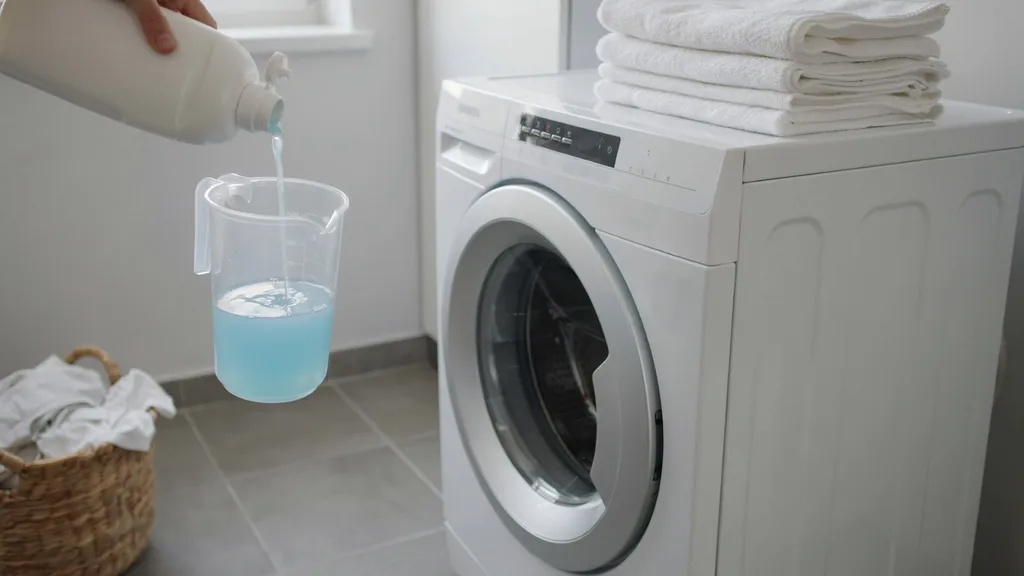
Use a small amount of mild detergent. More is not better here.
Too much detergent leaves residue and can dull the fabric. A tablespoon or two is usually enough for one curtain panel.
Step 5: Avoid Bleach and Harsh Chemicals
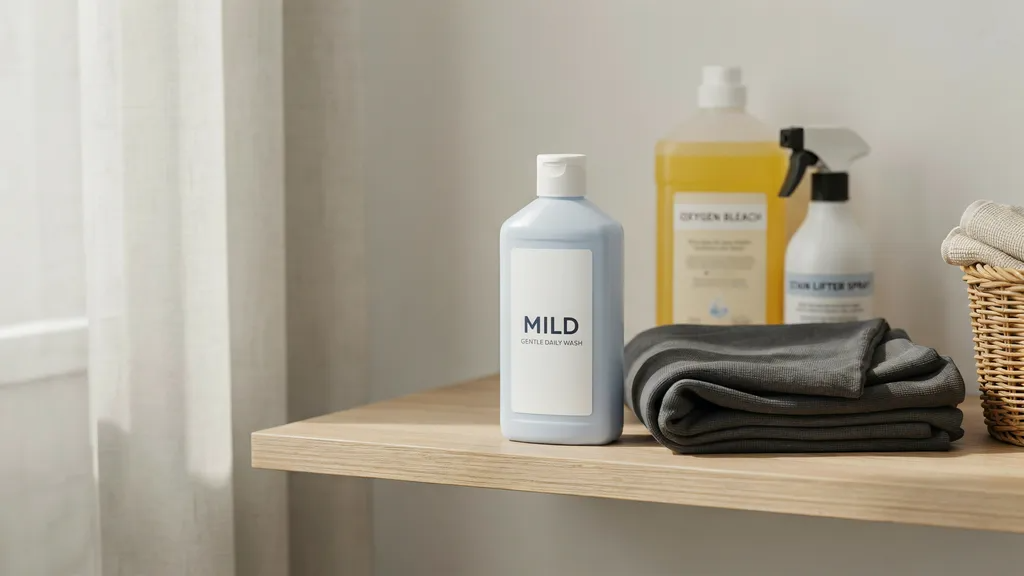
Bleach destroys blackout coatings.
Fabric softener leaves a film that reduces the light-blocking effect. Stick with plain, mild detergent only.
Step 6: Remove Curtains Promptly After Washing

Do not leave curtains sitting in the drum. Pull them out as soon as the cycle ends.
Leaving them damp causes mildew and wrinkles that are hard to remove later.
How to Hand Wash Blackout Curtains
Hand washing is the safest option for coated or foam-backed curtains.
Step 1: Fill a Tub With Cold Water

Fill your bathtub or a large basin with cold water. There should be enough water for the curtain to move freely.
Step : Add a Small Amount of Mild Detergent

Add one to two teaspoons of mild detergent. Swirl the water gently to mix it in before adding the curtain.
Step 3: Gently Agitate the Fabric

Submerge the curtain and move it slowly through the water. Use your hands to press and release the fabric. Do not scrub, twist, or rub hard. This protects the coating and the threads.
Step 4: Rinse Thoroughly With Clean Water

Drain the soapy water. Refill the tub with clean cold water and rinse the curtain until no soap remains. You may need to rinse two or three times. Soap left in the fabric attracts more dust over time.
Step 5: Remove Excess Water Without Wringing

Do not wring the curtain. It stresses the fibers and distorts the shape. Instead, gently press the water out against the side of the tub.
Then lay the curtain flat on dry towels and roll them up to absorb more moisture.
How to Dry Blackout Curtains Properly
Drying is where most mistakes happen.
- Do not put blackout curtains in the dryer. Heat damages the backing and can cause it to peel or flake.
- Hang them on a shower rod or a wide drying rack while still damp. Gravity helps remove wrinkles naturally.
- Keep them away from direct sunlight during drying. UV rays can fade and weaken the fabric.
- Let them air dry completely before rehanging. Damp curtains can grow mold against the wall.
I hang mine over the shower rod after every wash. It takes a full day, but they come out flat and undamaged.
How to Remove Stains From Blackout Curtains
Act fast when you spot a stain. Fresh stains are much easier to remove.
- Blot the stain with a clean cloth. Do not rub it in.
- Mix a small amount of mild dish soap with cold water.
- Apply the solution to the stain using a soft cloth or sponge.
- Work gently from the outside of the stain inward.
- Rinse the area with a clean, damp cloth.
- Let it air dry before rehanging.
For grease stains, a small amount of baking soda on the stain before applying the soap solution can help lift it. Do not use strong stain removers. They can bleach or damage the backing.
Tips to Keep Blackout Curtains Clean Between Washes
These small steps go a long way. My curtains stay clean for months between full washes because of regular spot care.
- Dust them weekly with a lint roller or a soft brush attachment on your vacuum.
- Shake them out on the balcony or outside monthly to remove loose particles.
- Spot clean spills immediately instead of waiting for wash day.
- Keep windows closed on dusty or windy days to reduce buildup.
- Use a fabric steamer monthly to freshen and deodorize the panels.
- Avoid touching them with dirty hands. Oils from skin collect on fabric over time.
Conclusion
Washing blackout curtains is not complicated once you know what to avoid. Cold water, a gentle cycle, mild detergent, and air drying are the basics that protect both the fabric and the coating.
I have followed these steps for years, and my curtains still block light just as well as the day I bought them.
Skip the dryer, skip the bleach, and always check the label first. Regular dusting and spot cleaning between washes will keep them looking good longer.
Take care of them and they will take care of your sleep.
What is the one step you have been skipping when washing your blackout curtains?
Frequently Asked Questions
How often should I wash blackout curtains?
Once or twice a year is enough for most homes. Vacuum or dust them between washes to reduce buildup.
Can I put blackout curtains in the dryer?
No. Dryer heat damages the blackout coating and can cause it to peel. Always air dry them instead.
Will washing shrink my blackout curtains?
Washing in hot water can cause shrinkage. Cold water on a gentle cycle reduces this risk significantly.
Can I iron blackout curtains to remove wrinkles?
Avoid direct ironing on the coated side. Use a steamer or iron only the face fabric on a low heat setting.
What detergent is safe for blackout curtains?
Use a mild, fragrance-free detergent with no bleach or enzymes. A small amount is all you need per panel.