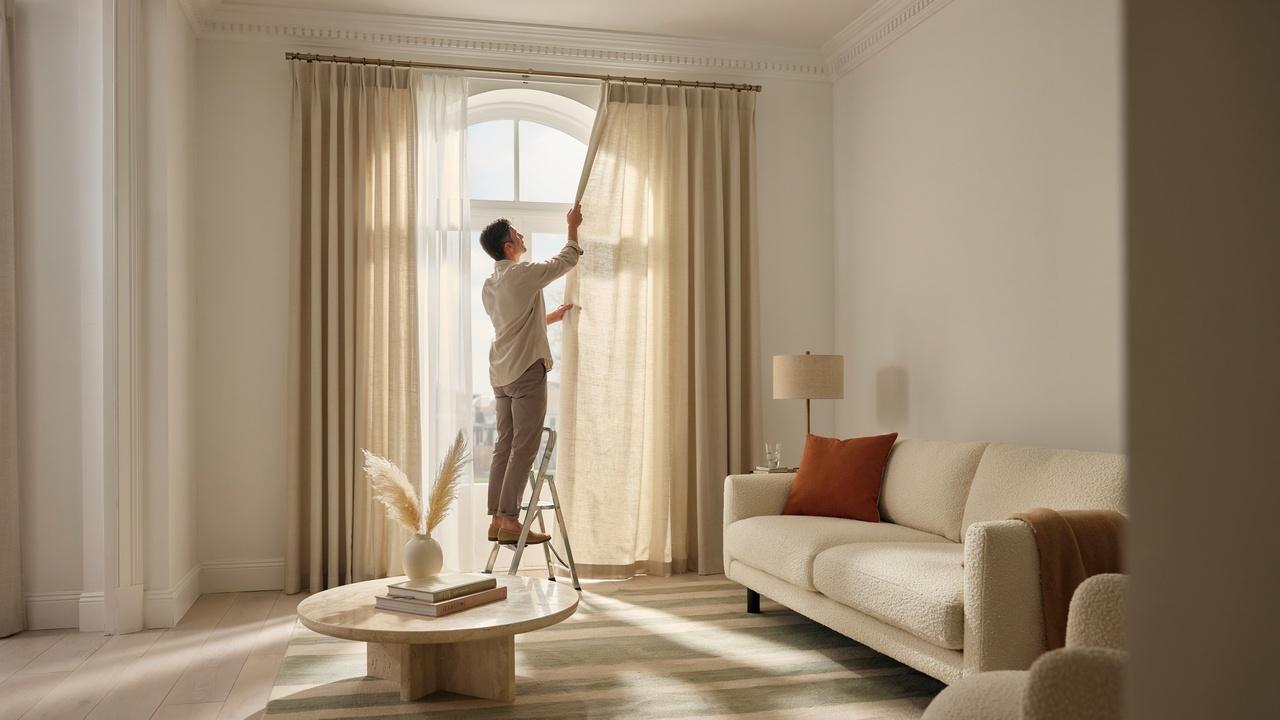

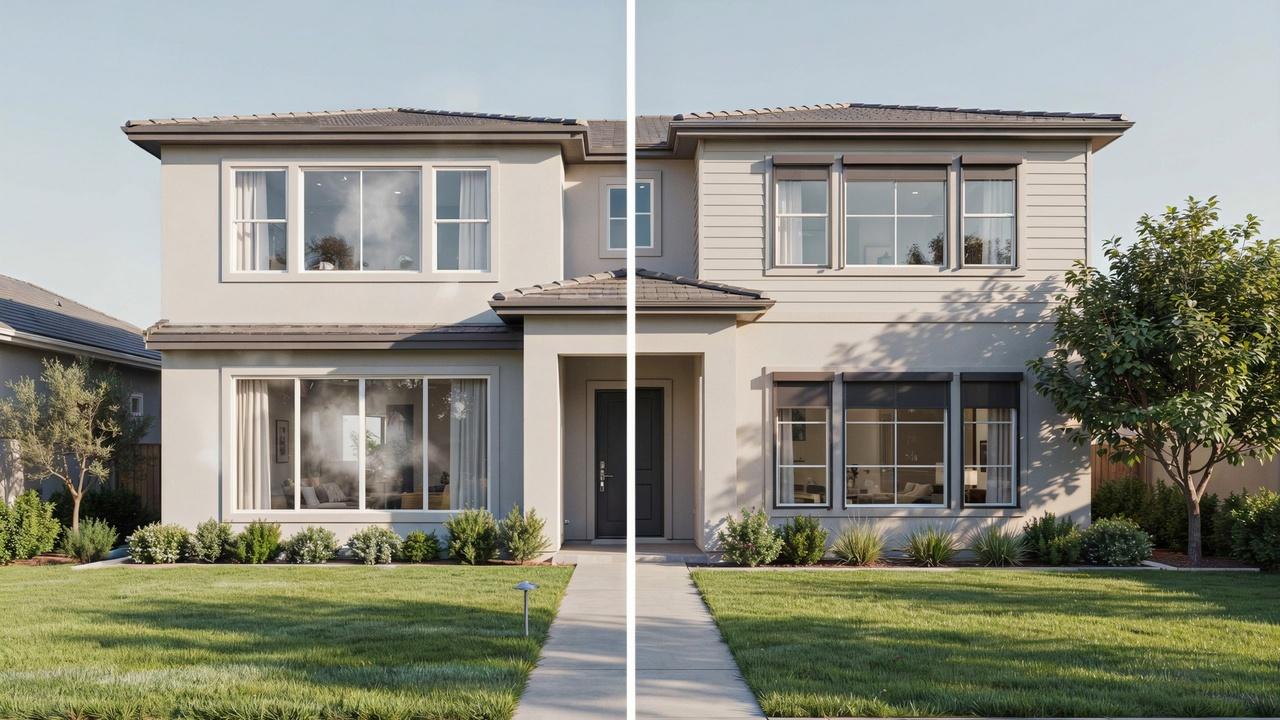
I remember standing in my living room on a July afternoon, sweating through a shirt while the AC ran nonstop and did nothing to fix it.
That afternoon pushed me to look into solar screens before and after results instead of trusting glossy product photos online.
Homeowners want proof, not promises, and I get that completely.
Sun-facing windows turn rooms into ovens, glare makes screens hard to watch, and bills keep climbing no matter what you try.
In this guide, I will walk you through real user experience, the visible changes people notice, and how solar screens actually perform once installed in real homes.
If you are tired of guessing, this breaks it all down simply and honestly.
Quick Reality Check: Solar Screens Before and After Results Explained
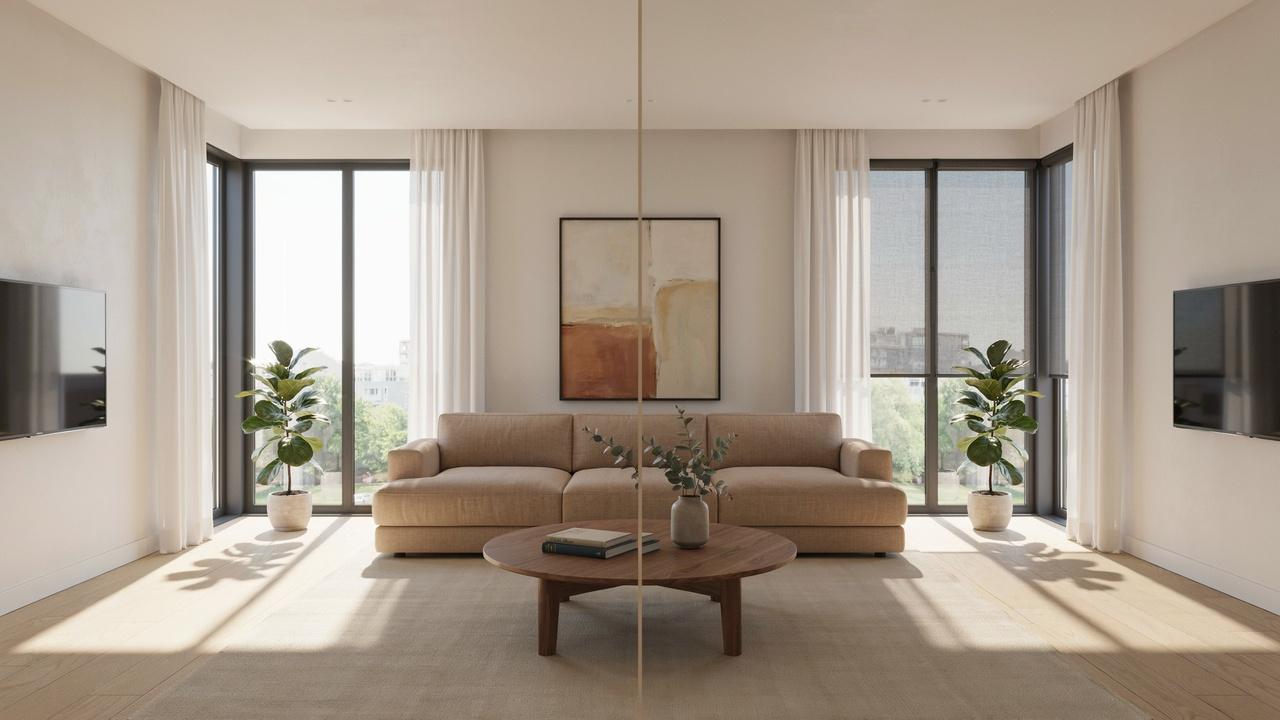
Most homes with west or south facing windows deal with the same issues before solar screens go up.
Rooms heat up fast once the sun hits the glass, glare bounces off TVs, floors, and desks, and the AC works overtime just to keep up while bills climb without much relief.
Once screens are installed, the difference shows up quickly.
Indoor temperatures drop noticeably during peak sun hours, glare fades while natural light still comes through softly, and rooms that were once avoided in the afternoon become usable again.
That shift alone makes the change worth noticing right away.
Real User Experience: What People Actually Notice After Solar Screens
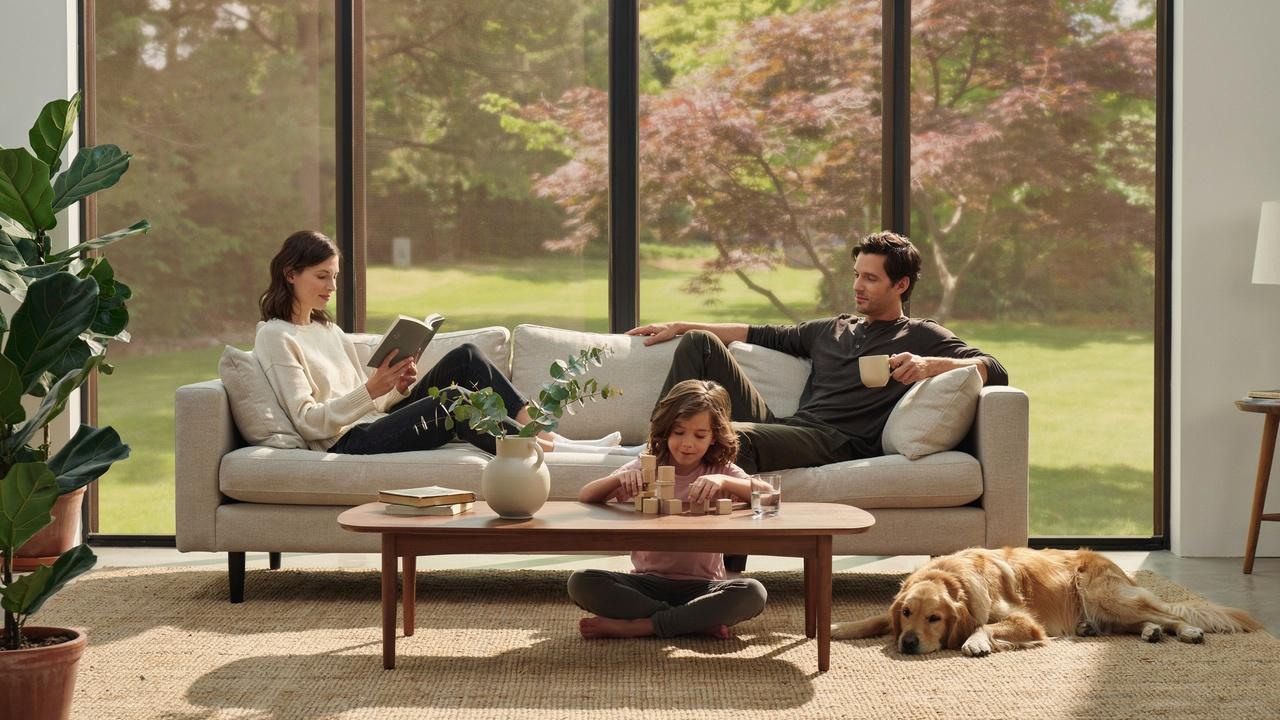
Everyday comfort shifts once solar screens are in place.
Immediate Comfort Improvement In Daily Use
Homeowners report cooler rooms within hours of installation, not days. West and south facing rooms show the biggest shift since they carry the most direct sun exposure.
The change feels noticeable even on the first hot afternoon. Many say they did not expect results this fast.
Better Visibility And Reduced Glare
Watching TV or working on a laptop gets easier once harsh glare softens. Light still fills the room, just without the sharp brightness that makes screens hard to see.
Reading and working near windows becomes far less straining on the eyes. Even bright afternoons feel manageable instead of blinding.
Lifestyle Impact Homeowners Report
People use their living rooms and sunrooms more often during hot afternoons. Many say they rely less on heavy curtains or constant AC to stay comfortable.
Spaces that once sat empty during peak sun hours get used again. Everyday routines shift back into rooms that used to feel off limits.
Exterior vs Interior Solar Screens: Real Before and After Difference
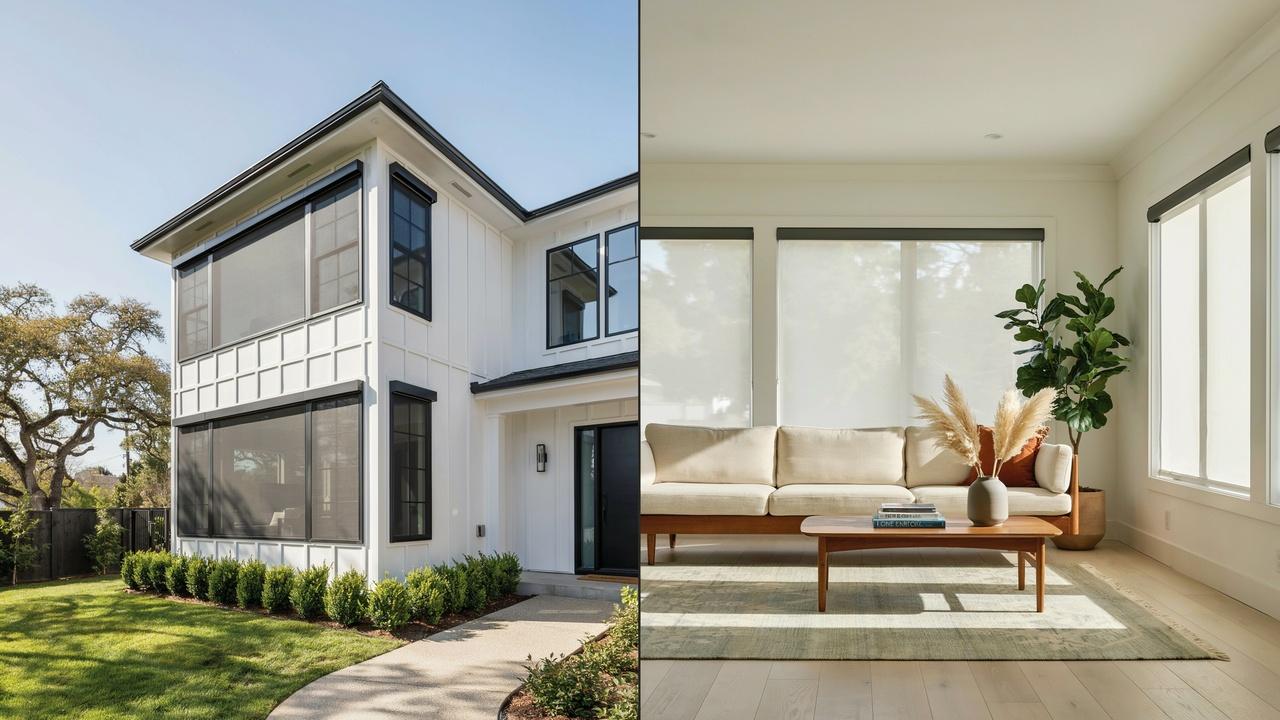
Where the screen sits changes how much heat actually gets blocked.
Exterior Solar Screens: Strongest Heat Blocking Results
Before installation, glass absorbs heat and warms the room quickly. After exterior screens go up, sunlight gets stopped before it ever reaches the glass.
This leads to the biggest cooling effect homeowners notice. Rooms stay noticeably cooler even during the hottest part of the day.
Interior Solar Shades: Comfort and Design Focused Results
Without shades, sunlight enters freely and warms indoor surfaces throughout the day. Interior shades cut glare well and offer moderate heat control.
The results are not as strong as exterior options, but comfort still improves. Many homeowners like the added style these shades bring indoors.
Key Takeaway From Real User Experience
Exterior screens give the strongest cooling results overall. Interior shades balance comfort with a cleaner look indoors.
Homeowners often choose based on how much heat control they truly need. Either option beats leaving windows unprotected during peak sun.
Room by Room Solar Screens Before and After Transformation
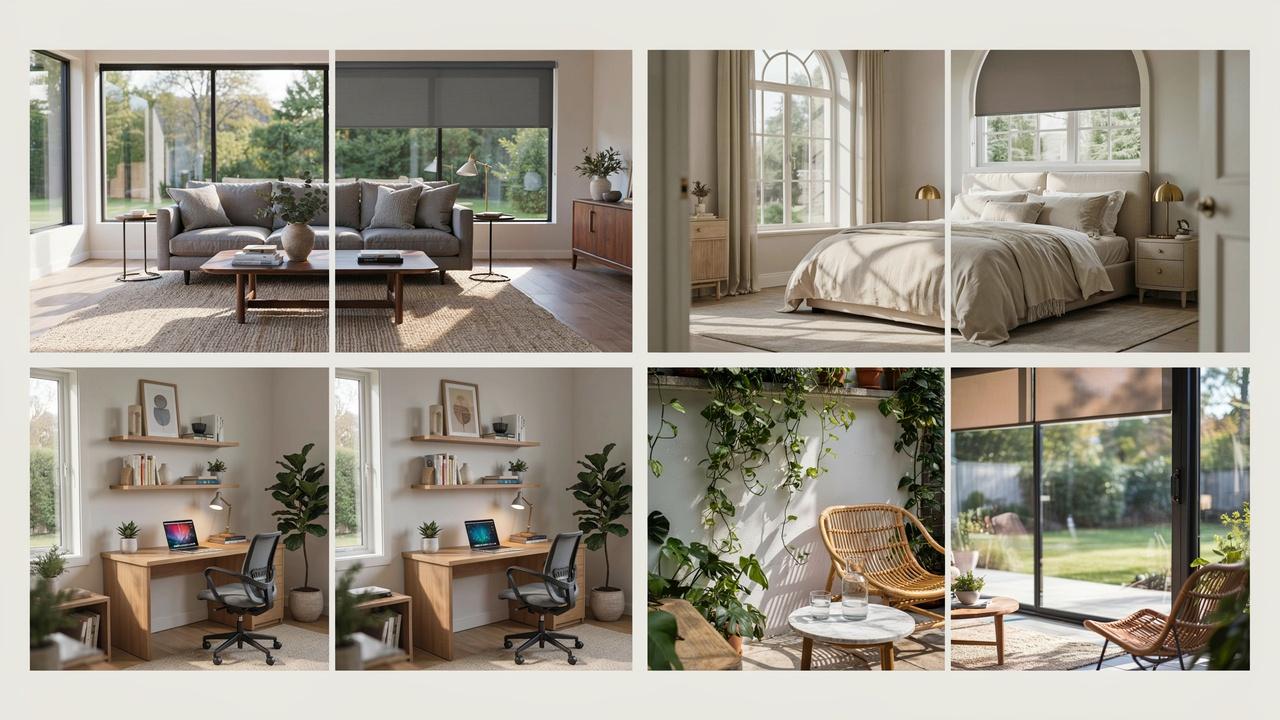
Different rooms show different results depending on sun exposure.
Living Room Results
Afternoon glare and hot seating areas were common complaints before screens went up.
Afterward, seating feels cooler and screens are easier to view without squinting. Family time in the living room no longer competes with harsh sunlight.
The room simply feels more comfortable to sit in.
Bedroom Results
Early morning heat and bright light used to disrupt sleep for many homeowners. Once screens are added, rooms stay darker and cooler, leading to better rest.
Waking up to harsh sunlight becomes far less of a problem. Sleep quality improves simply from a more controlled indoor temperature.
Sunrooms and Large Glass Spaces
These rooms were nearly unusable during peak sunlight before installation. Afterward, they become functional spaces people actually spend time in.
Heat buildup drops enough to make these rooms enjoyable again. What used to be wasted space turns into a room people choose to use.
Energy Savings and Cooling Impact After Installing Solar Screens
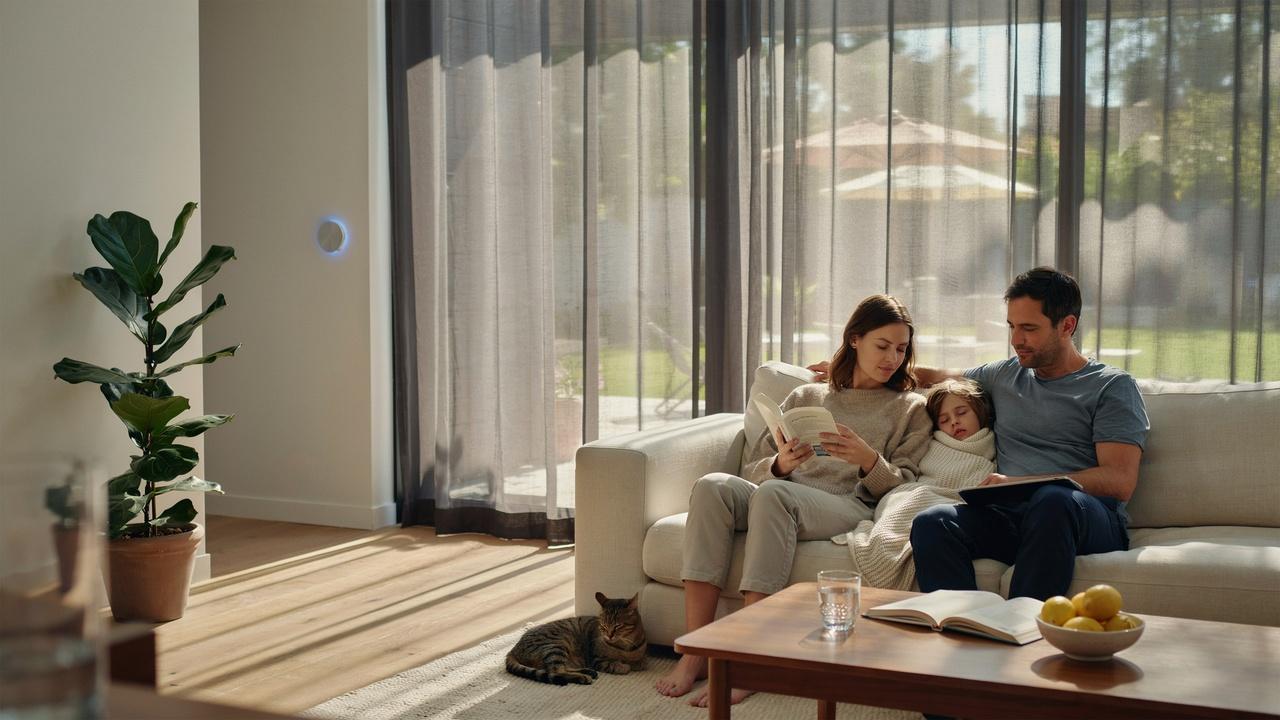
Less heat indoors often means less strain on your cooling system.
Reduced AC Usage In Real Conditions
Homeowners notice their AC cycles less during peak daytime hours after installation. Rooms also cool back down faster once the sun moves past.
This adds up to noticeably lower energy use over time. Many say their system finally gets a break during summer months.
Where Savings Are Most Noticeable
Hot climates and west facing windows see the biggest benefit from solar screens. Homes with large glass areas or open layouts also report stronger savings.
The more direct sun exposure a home gets, the bigger the difference. Savings become even more noticeable during long stretches of extreme heat.
Installation Experience and Maintenance: What Users Say
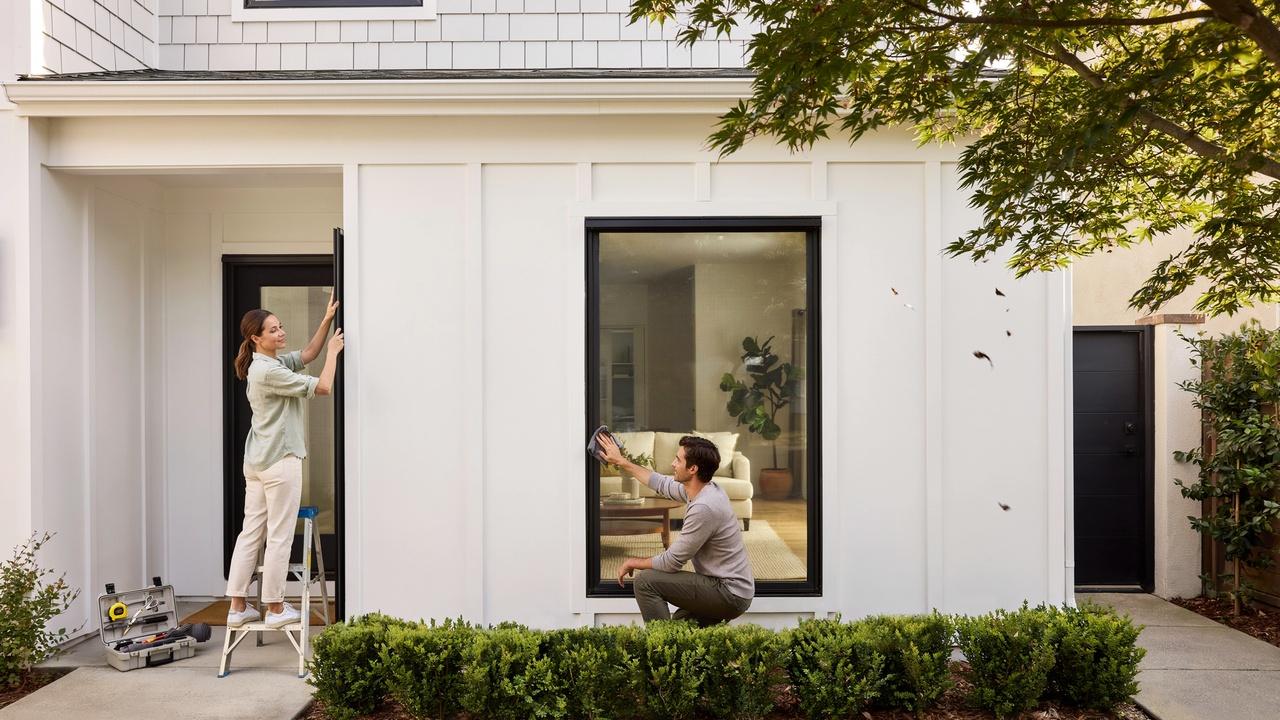
How screens go up depends on the type you choose.
Interior Solar Screens Installation
Setup is simple and often doable without professional help. There is no weather exposure to worry about since they sit inside the home.
Most homeowners finish installation within a short afternoon project. Maintenance stays minimal since the screens are protected indoors.
Exterior Solar Screens Installation
These usually need more effort and sometimes a professional or motorized setup. Ground floor or easily accessible windows work best for this option.
Higher or harder to reach windows may require extra planning. Professional installation often ensures a tighter, more weather ready fit.
Tips to Get the Best Before and After Results with Solar Screens
A few simple choices can make a big difference in how well your solar screens perform.
- Choose exterior screens for west or south facing windows with strong sun exposure
- Pick interior shades if your windows get moderate sunlight through the day
- Go with higher openness levels if you want more natural light indoors
- Choose lower openness levels for stronger heat blocking
- Combine interior and exterior screens for the best overall comfort and glare control
Conclusion
After going through this myself, I can say the difference is real, not marketing talk.
Real user experience shows clear cooling and comfort gains, especially with exterior screens. Interior shades still hold their own for balanced comfort and a cleaner look.
If your rooms turn into hotboxes every afternoon, matching the right screen to your window exposure could change that.
Give it a try, and see the shift for yourself. Drop a comment below with your own experience, share this with a friend who needs it, or check out our other home cooling guides.
Frequently Asked Questions
Do Solar Screens Really Lower Indoor Temperature?
Yes, homeowners consistently report cooler rooms after installation. The drop is most noticeable on west and south facing windows.
Are Exterior Solar Screens Better Than Interior Shades?
Exterior screens block more heat since they stop sunlight before it hits the glass. Interior shades still help with glare and offer a cleaner indoor look.
Can I Install Solar Screens Myself?
Interior screens are usually simple enough for a DIY setup. Exterior screens often need professional help, especially motorized versions.
Will Solar Screens Block Too Much Natural Light?
Not if you pick the right openness level. Higher openness keeps light flowing while still cutting glare.
Do Solar Screens Help Reduce Energy Bills?
Many homeowners notice less AC usage after installing them. Savings are strongest in hot climates or homes with large glass windows.