
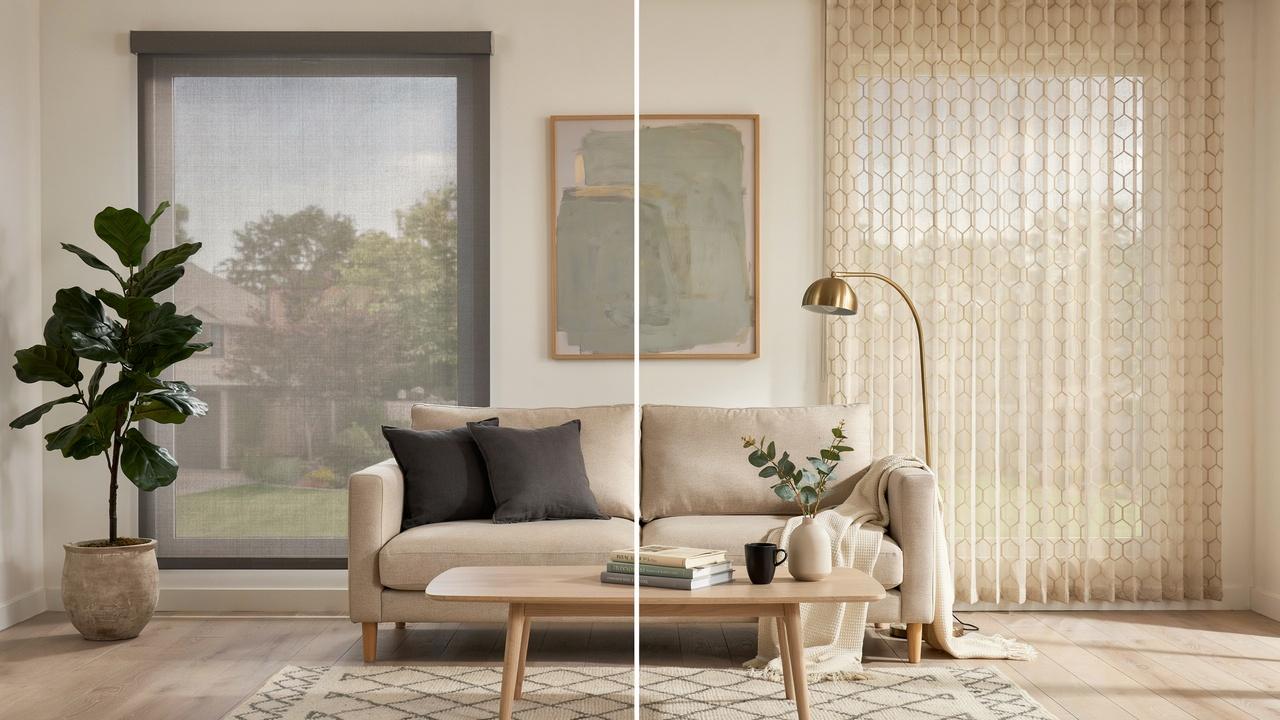
Choosing new window coverings feels harder than it should.
When I redid my own living room last year, I stood in the shade aisle completely stuck between solar and cellular options, unsure which one would actually solve my problem.
I get why homeowners compare solar shades vs cellular shades so often, since both look great but work in very different ways.
This guide walks you through how each type functions, which rooms they suit best, and how they perform on privacy, energy efficiency, and light control.
I will break down the real differences so you are not left guessing. By the end, you will know exactly which shade fits your space, your daily routine, and your budget.
What Are Solar Shades?
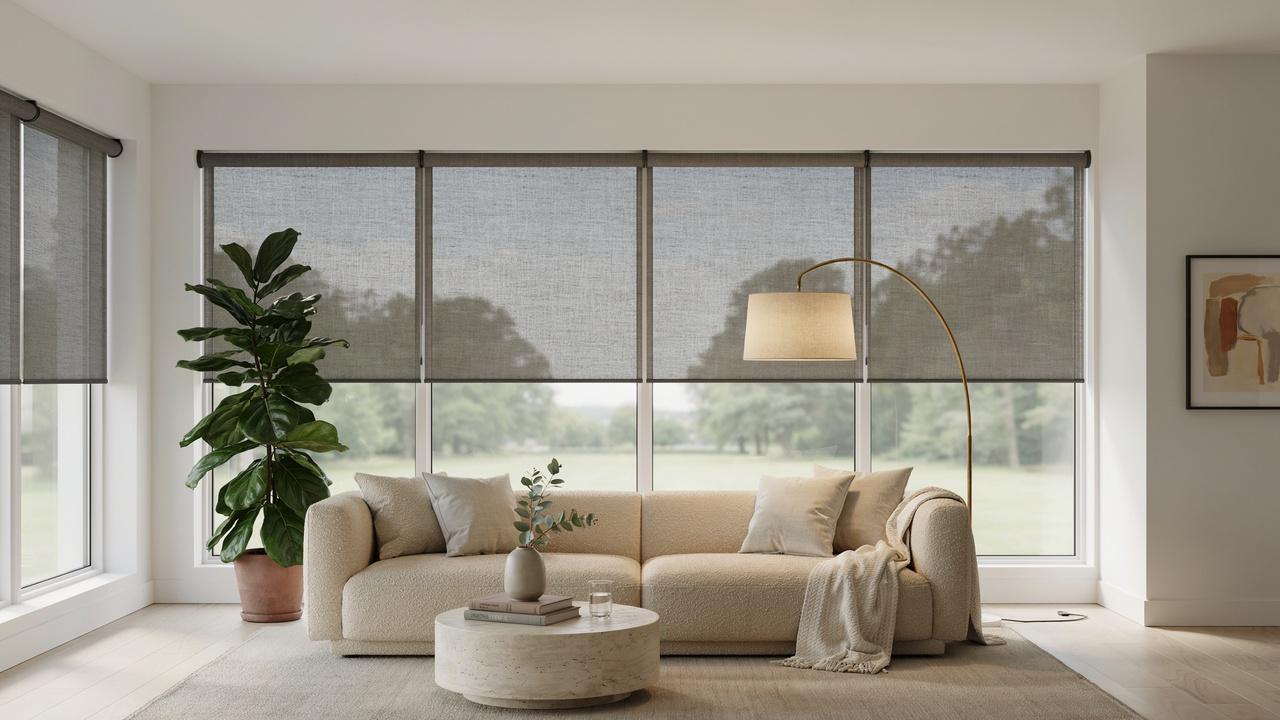
Solar shades use a tightly woven mesh fabric to filter light while keeping your outdoor view intact.
The weave has an openness factor that controls how much light passes through, so a tighter weave blocks more glare and UV rays while a looser weave lets in more natural light.
These shades cut down harsh sunlight and screen glare, block a good amount of heat, and help protect furniture and flooring from sun damage.
The look stays clean and modern, fitting contemporary homes well.
They work best in living rooms with a nice view, home offices dealing with screen glare, and sunrooms or south-facing spaces with strong daylight all day.
What Are Cellular Shades?
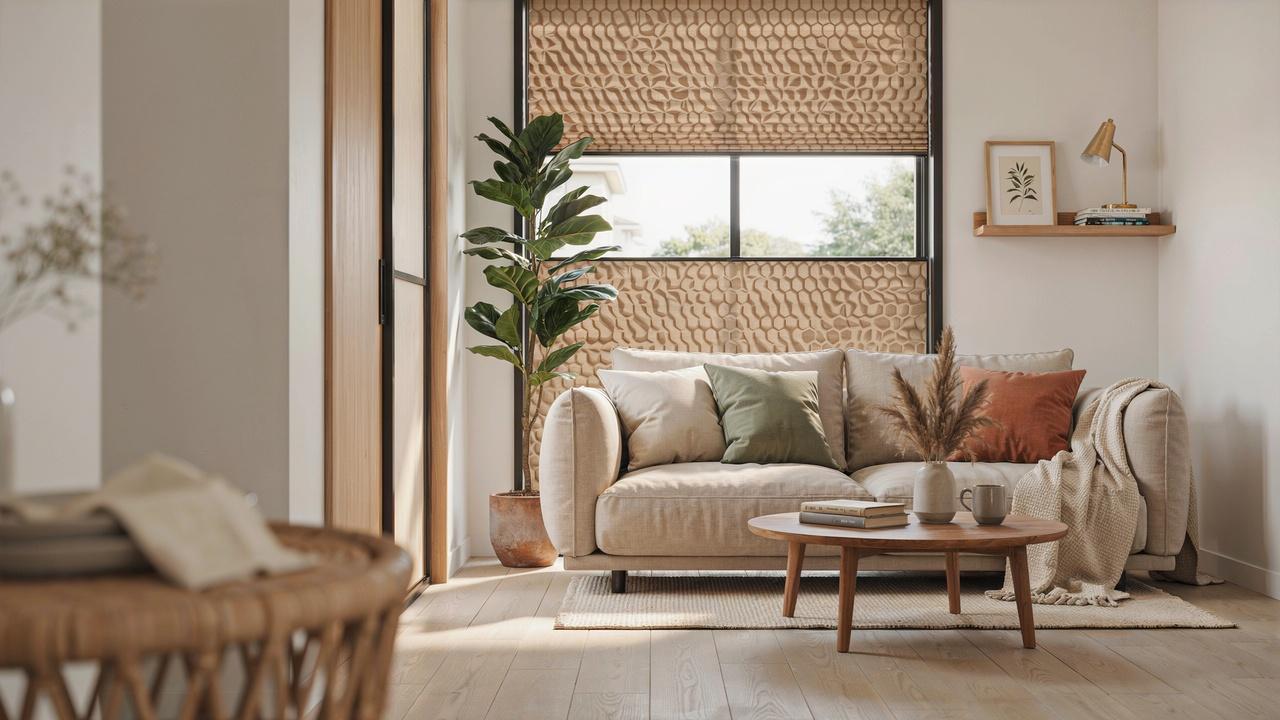
Cellular, or honeycomb, shades have a structure that traps air inside small pockets, creating a barrier against outside temperatures.
Single-cell shades offer one layer of insulation, while double-cell shades add a second layer for even better performance.
These shades are known for strong insulation, which lowers energy bills, and they give full privacy at any hour with blackout or light-filtering fabric options.
Many homeowners also notice a drop in outside noise once installed.
They work well in bedrooms and nurseries where privacy and sleep matter most, in bathrooms, and in homes facing harsh winters or hot summers.
Solar Shades vs Cellular Shades: Key Differences Explained
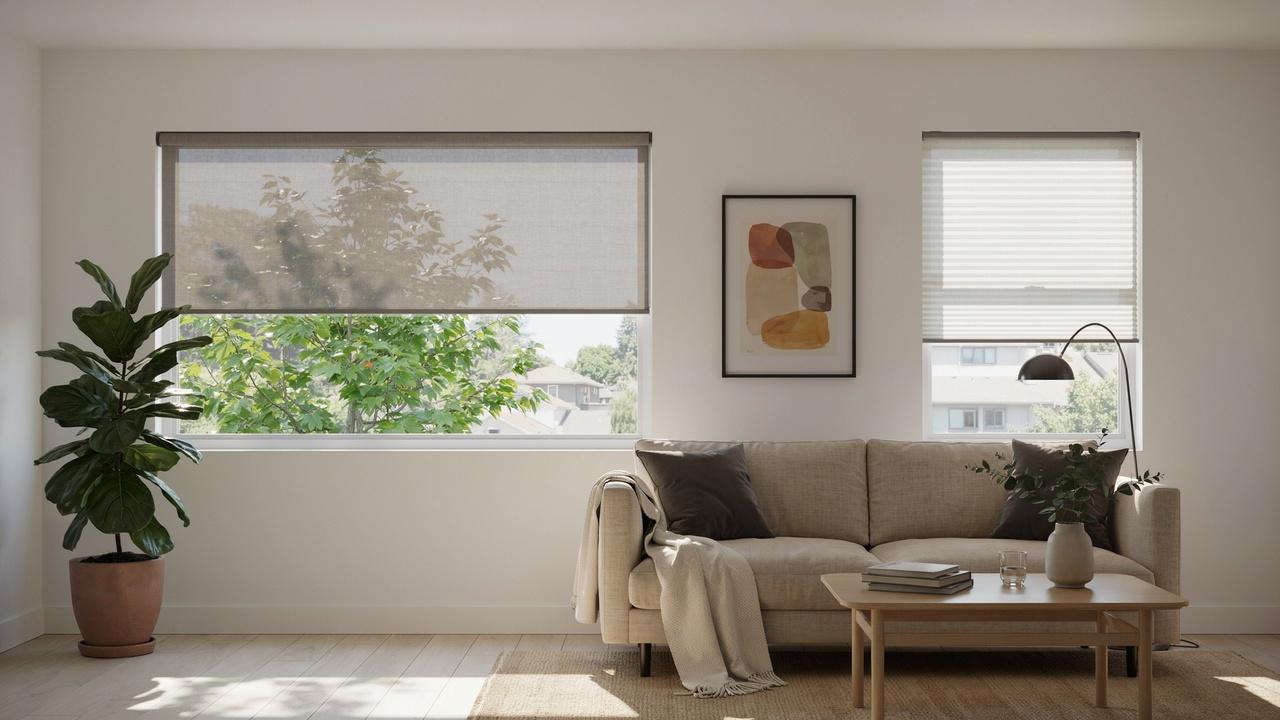
Here is how these two shade types compare across the features that matter most.
| Feature | Solar Shades | Cellular Shades |
| Light Control and Brightness | Soften light without fully blocking it, keeping rooms bright | Can fully block light with blackout fabric for more darkness control |
| Privacy:Day vs Night | Good daytime privacy, can become see-through at night with lights on | Steady privacy at any time of day |
| Energy Efficiency | Blocks heat gain from direct sun | Outperforms solar shades due to air-pocket insulation |
| Outdoor View vs Darkening | Keeps your outdoor view intact | Better for a fully dark room |
| Style and Design | Sleek, modern look | More textures and colors, fits modern and traditional interiors |
| Cleaning and Maintenance | Easy to wipe clean since dust sits on the surface | Needs more care since dust can settle in the folds |
Solar Shades vs Cellular Shades: Which Is Better for Energy Efficiency?
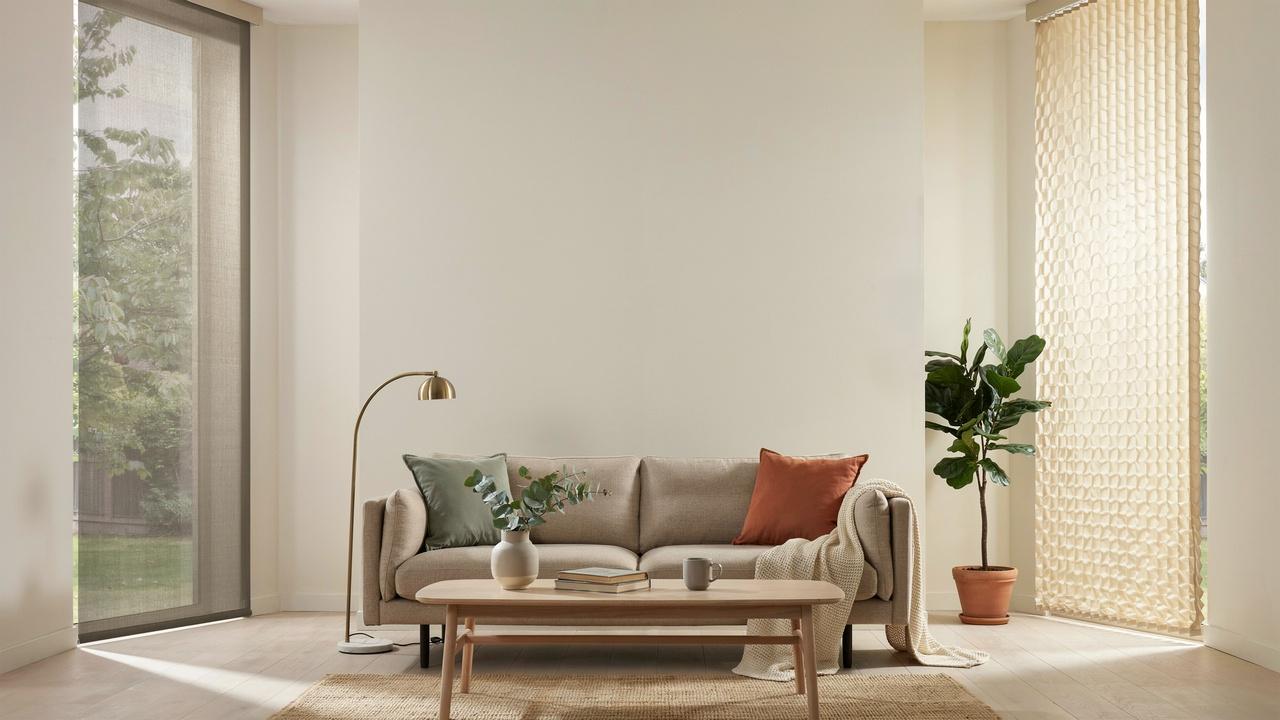
Energy savings depend on your climate and how each shade traps or blocks heat.
How Cellular Shades Reduce Heating and Cooling Costs
The trapped air inside cellular shades acts like insulation for your windows. It keeps warm air in during winter and out during summer.
This makes a real difference on monthly energy bills.
How Solar Shades Reduce Heat and Glare
Solar shades block direct heat from sunlight before it enters the room. This keeps spaces cooler without shutting out natural light completely.
You still get a bright room with less strain on your cooling system.
Which One Saves More Money Long Term
For extreme climates, cellular shades usually save more on energy bills. For milder climates, solar shades offer a good balance of comfort and light.
Your local weather plays a big role in the final savings.
Solar Shades vs Cellular Shades: Best Choice by Room
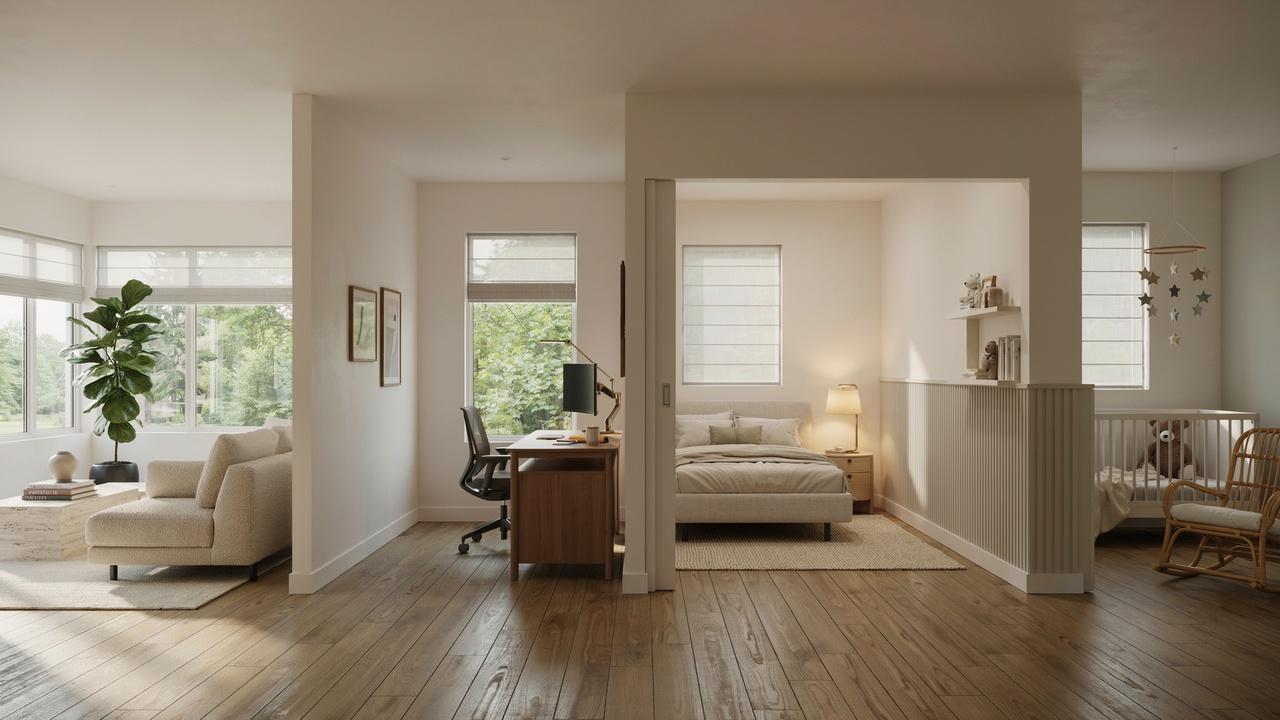
Room by room, one shade type usually fits better than the other.
Living Room
Solar shades work best here since they keep your view while cutting glare during the day. They pair well with large windows facing outdoor scenery.
The room stays bright without losing privacy during daytime hours.
Bedroom
Cellular shades are the stronger pick for bedrooms, offering full privacy and better sleep with blackout options.
They keep the room dark for naps or early bedtimes. Noise reduction is an added bonus for light sleepers.
Home Office
Solar shades reduce screen glare, making them ideal for a workspace with a computer setup.
They keep the room bright enough for video calls. You still get a clear view without eye strain from harsh sunlight.
Bathroom
Cellular shades give the privacy bathrooms need while still allowing some light through with light-filtering fabric.
They handle moisture well in most finishes. Full coverage keeps the space private day and night.
Kitchen and Sunrooms
Solar shades handle bright, sun-heavy spaces well by softening light without blocking the view outside.
They keep the room comfortable during peak sun hours. The view stays open, which works well for spaces used often.
Pros and Cons of Solar Shades vs Cellular Shades
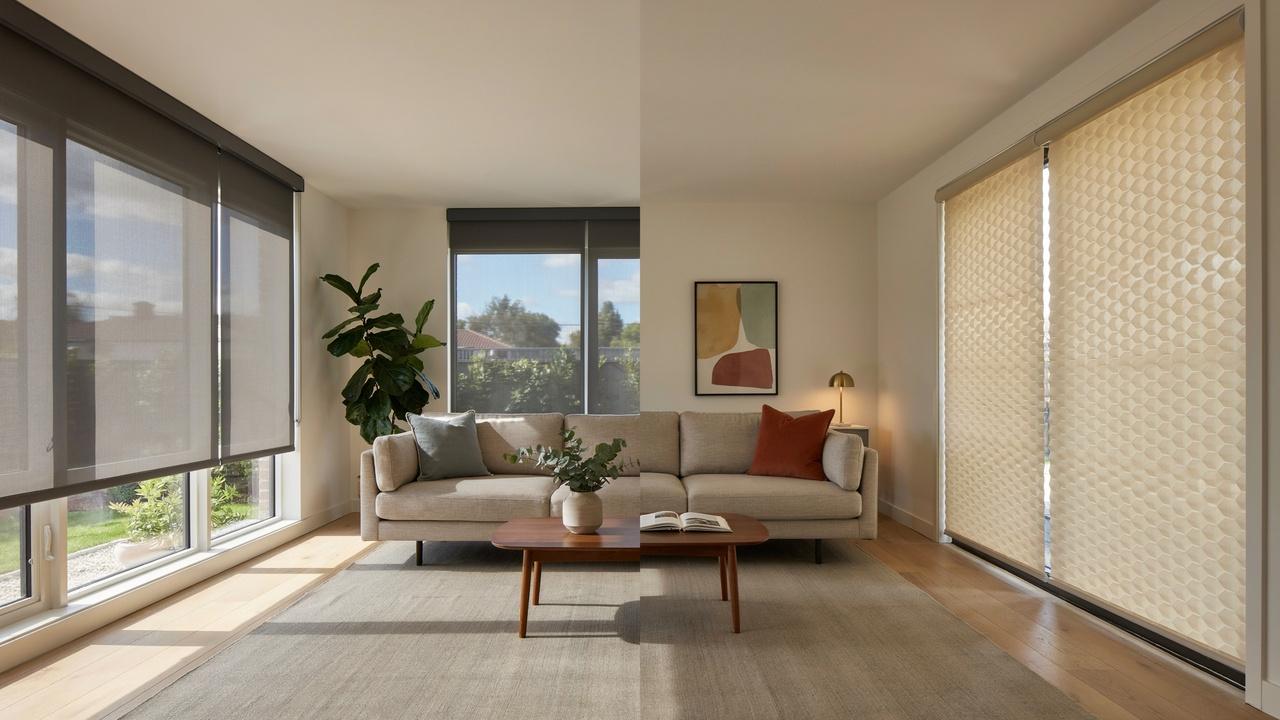
Both options come with strengths and trade-offs worth knowing before you buy.
Solar Shades: Advantages and Limitations
Solar shades keep your view, reduce glare, and offer a modern look.
On the downside, they do not provide full privacy at night and offer less insulation than cellular shades.
Cellular Shades: Advantages and Limitations
Cellular shades offer strong insulation, full privacy, and noise reduction.
The trade-off is they block your outdoor view and can cost more depending on the fabric and cell type.
How to Choose Between Solar Shades and Cellular Shades
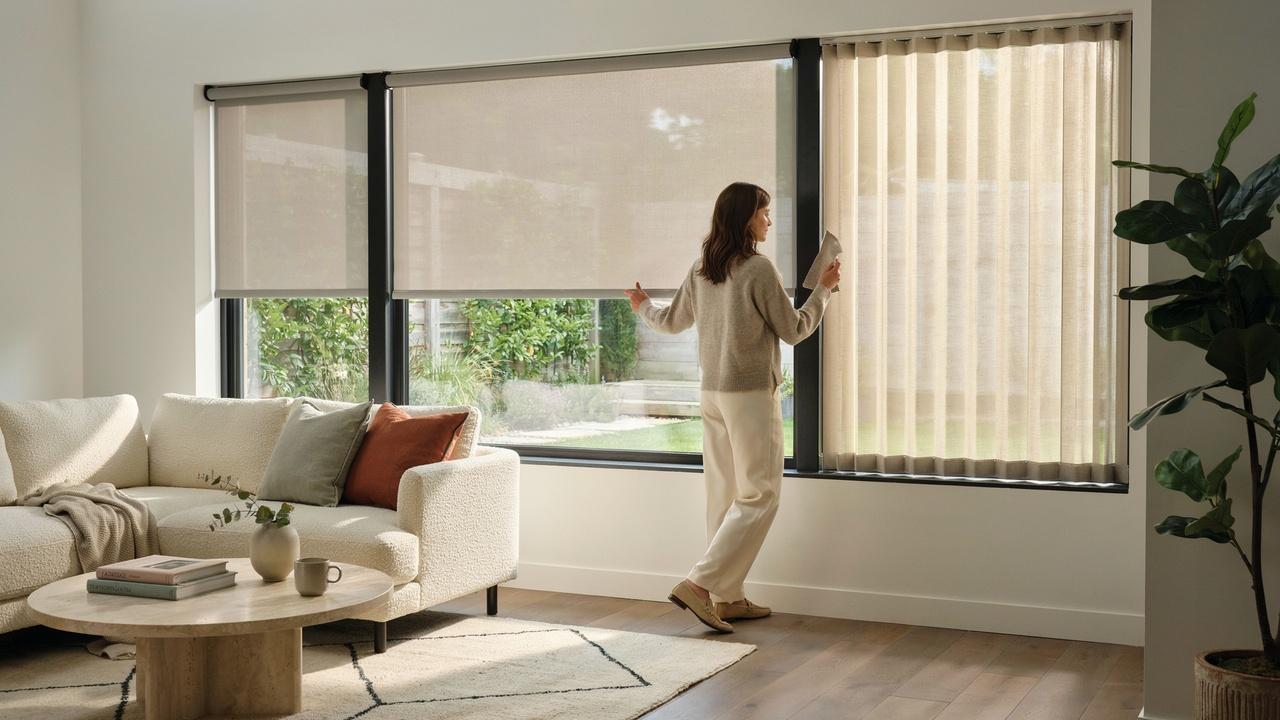
A few simple questions can point you toward the right shade for your home.
Consider Your Privacy Needs
If you need full privacy at night, cellular shades are the safer choice. If daytime privacy is enough, solar shades will work fine.
Think about how each room gets used after dark.
Think About Climate and Energy Savings
Homes in extreme climates benefit more from the insulation cellular shades provide. Milder climates can get by with solar shades.
Your energy bills will reflect this choice over time.
Decide If You Want a View or Full Coverage
Choose solar shades if keeping your outdoor view matters. Choose cellular shades if you prefer a fully covered, private space. This is often the deciding factor for most homeowners.
Budget and Long Term Value
Cellular shades often cost more upfront but can pay off through energy savings over time.
Solar shades tend to be more budget friendly initially. Weigh your upfront cost against long term returns.
Motorization and Smart Home Features
Both shade types now come in motorized versions, letting you control light and privacy with a remote or smart home app.
This adds convenience for hard to reach windows. It also fits well into a connected smart home setup.
Solar Shades vs Cellular Shades: Final Verdict
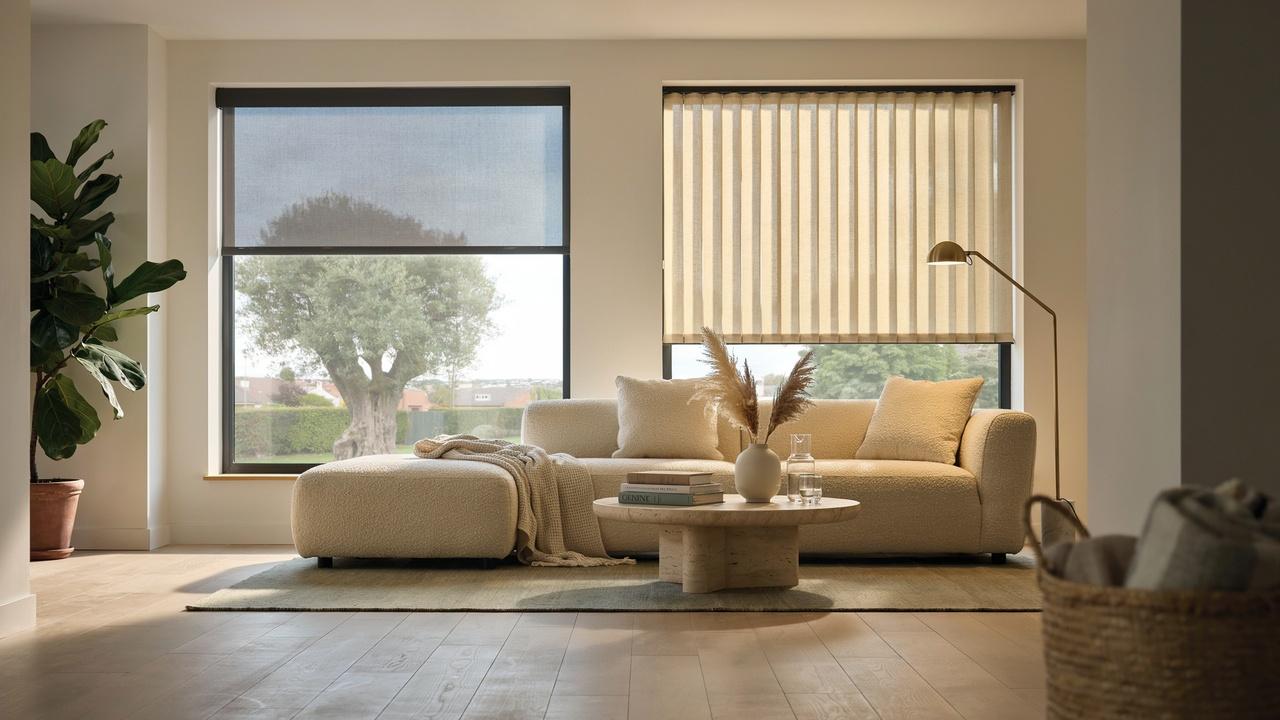
Here is a simple breakdown to help you make your final decision.
When Solar Shades Are the Better Choice
Pick solar shades if you want to keep your view, reduce glare, and add a modern touch. They work well when natural light matters most to you.
They fit spaces where privacy is less of a concern.
When Cellular Shades Are the Better Choice
Pick cellular shades if privacy, insulation, and noise reduction matter more to you than an outdoor view.
They suit rooms where comfort and quiet come first. Energy savings make them a smart long term pick too.
Best Strategy: Mixing Both for Maximum Comfort
Many homeowners use both types in different rooms. Solar shades work well in living areas and offices, while cellular shades suit bedrooms and bathrooms.
This combination gives the best of both worlds.
Tips for Choosing Between Solar Shades and Cellular Shades
A few quick tips to help you pick the right shade without the guesswork.
- Check how much privacy each room needs before deciding on a shade type
- Think about your local climate and how it affects energy costs
- Pick solar shades for rooms where you want to keep the outdoor view
- Choose cellular shades for spaces where full darkness and quiet matter most
- Consider motorized options if you have hard to reach or oddly shaped windows
Conclusion
When I finally chose shades for my own home, I mixed both types, and it made a real difference in comfort.
That is often the smartest move in the solar shades vs cellular shades decision. Think about how you use each room, then pick the shade that fits.
If this guide helped clear things up, drop a comment and let me know which one you are leaning toward.
Share this post with a friend who is shade shopping too, and check out our other window covering guides for more ideas.
Frequently Asked Questions
Are Solar Shades Good for Bedrooms
Solar shades are not the best fit for bedrooms since they do not block light fully. Cellular shades with blackout fabric work better for sleep.
Do Cellular Shades Block Out All Light
Yes, when you choose a blackout fabric option. Light-filtering versions still let some natural light through while keeping privacy.
Which Shade Type Saves More on Energy Bills
Cellular shades usually save more due to their insulating air pockets, especially in homes with extreme temperatures.
Can I Use Solar and Cellular Shades in the Same Home
Yes, mixing both is common. Many homeowners use solar shades in bright, view-facing rooms and cellular shades in private spaces.
Are Cellular Shades Harder to Clean Than Solar Shades
Cellular shades take a bit more effort since dust can gather in the folds, while solar shades wipe clean easily.