
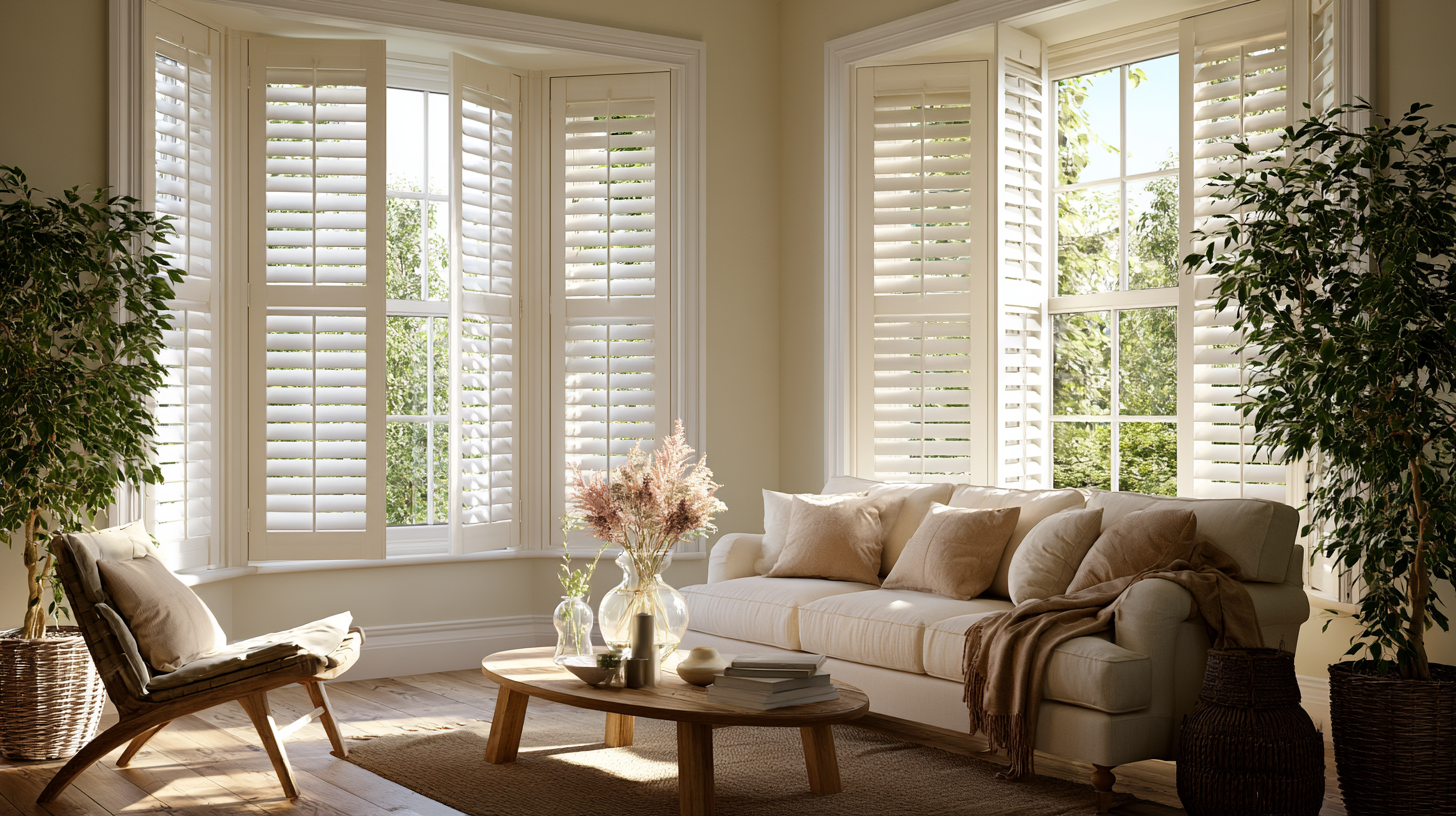
Shopping for shutters can feel confusing fast. Plantation, café, traditional, wood, vinyl, hybrid, the list goes on, and picking the wrong one can cost you time and money.
If you're not sure where to start, you're in the right place.
This blog breaks down every major type of shutter, by style and by material, so you can see exactly what fits your home and your budget.
We'll walk through which shutters suit bedrooms versus living rooms, which materials handle humid bathrooms best, and how shutters stack up against blinds and curtains.
By the end, you'll know exactly what to look for, what questions to ask, and which shutter is right for your space.
No guesswork, no confusion. Just clear answers to help you make a smart, confident choice for your home.
What Are Window Shutters and Why Homeowners Choose Them?

Window shutters are solid panels with slats, fixed right onto your window frame.
They offer more privacy and light control than most blinds or curtains, since you can tilt the slats to your liking.
Many homeowners pick shutters because they last longer, add value to a home, and keep rooms cooler in summer and warmer in winter.
They also need less upkeep than fabric treatments. With so many styles and materials out there, picking the right one starts with knowing what each type offers.
Types of Shutters by Style
Shutters come in several styles, each built for a different look and purpose.
Some suit large windows, while others work best in small spaces or busy rooms. Here are the main styles you will come across while shopping.
1. Plantation Shutters
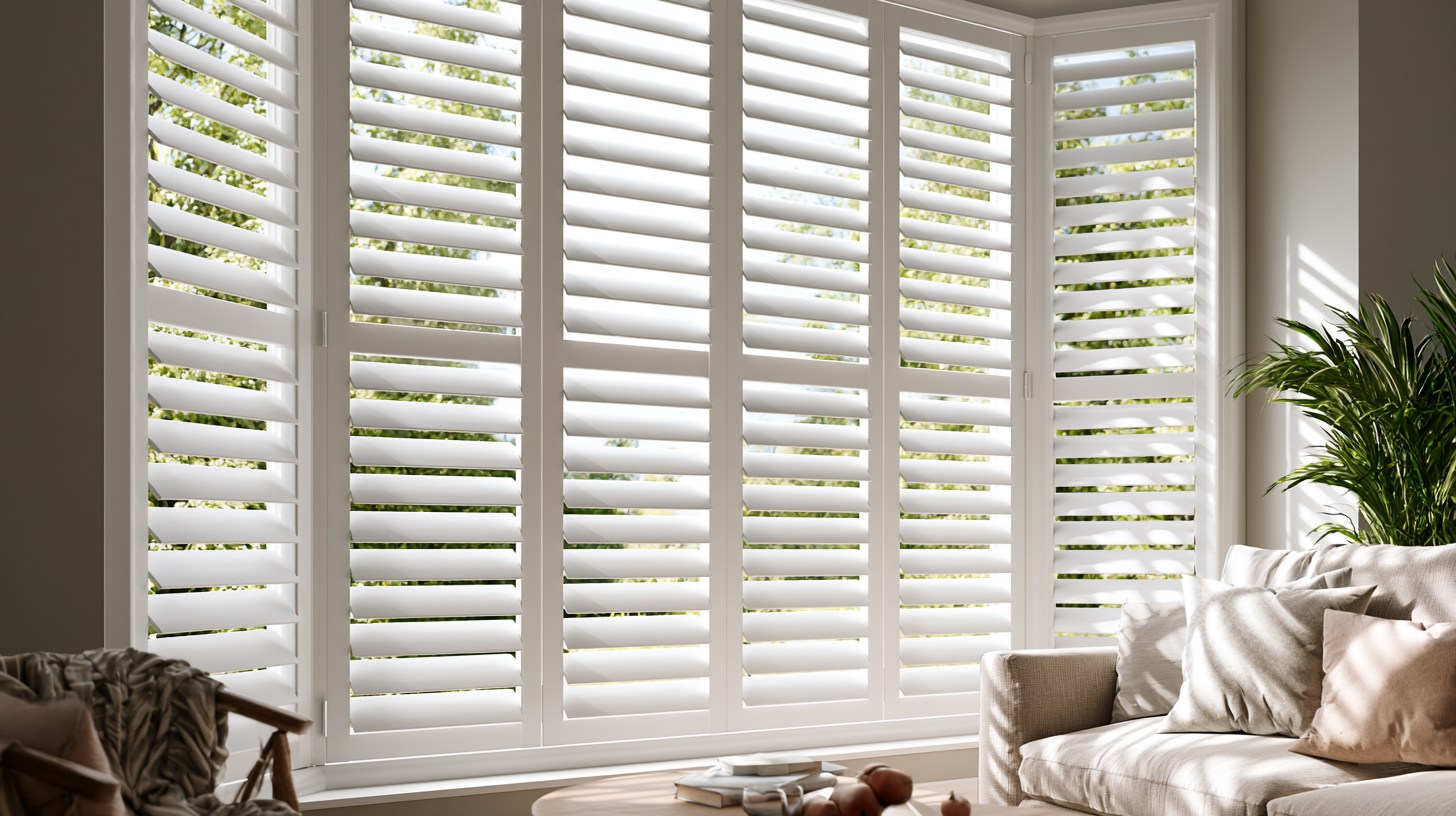
Plantation shutters have wide slats, usually between three and four inches.
They give you full control over light and airflow with a simple tilt. This style suits almost any home, from modern to classic.
Plantation shutters work well on large windows, sliding doors, and bay windows. Their clean look makes them the most popular pick for homeowners today.
2. Traditional Shutters
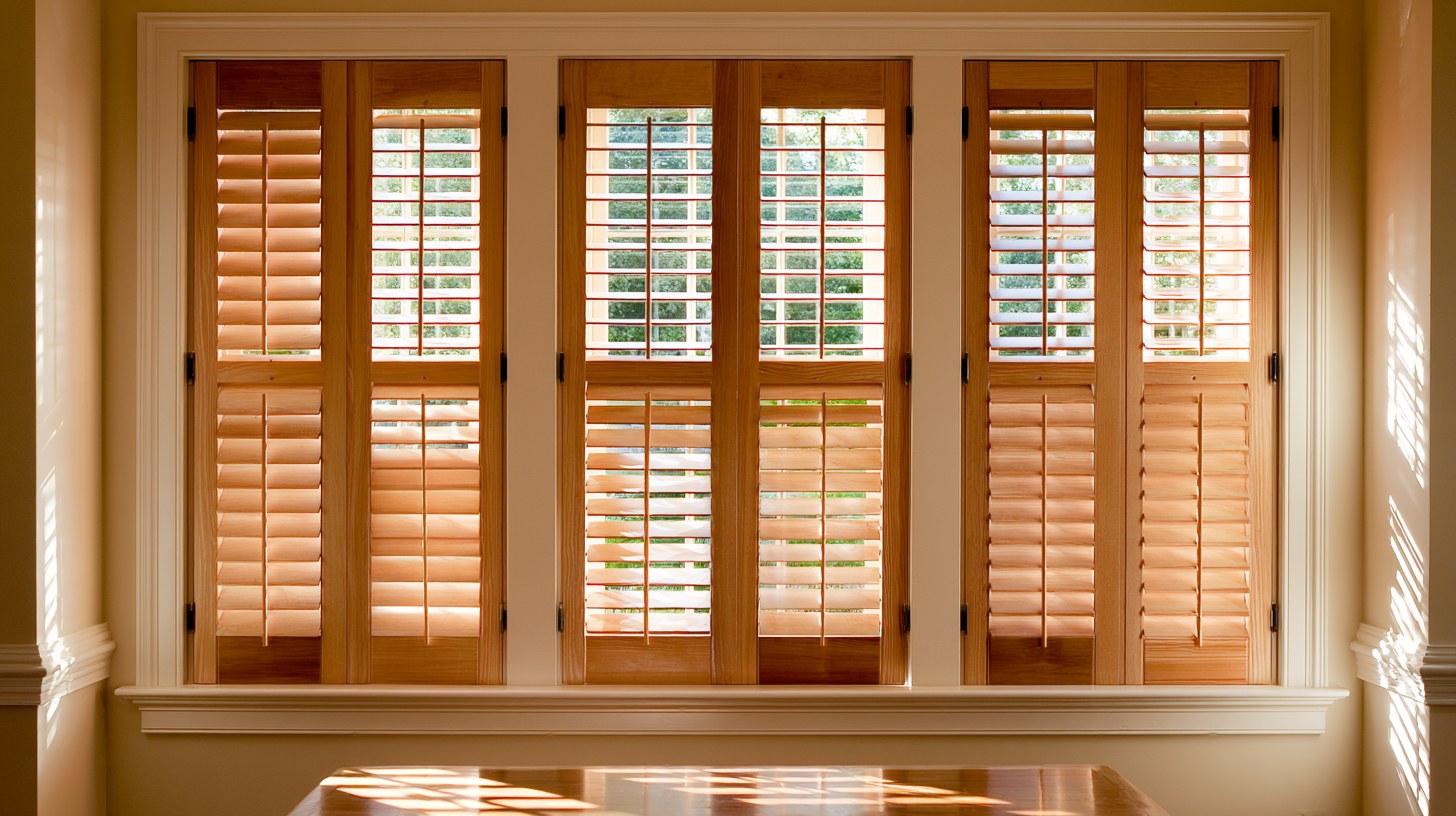
Traditional shutters have narrow slats, close to one inch wide.
They carry a historic charm, often seen in colonial and early American homes. Since the slats sit close together, they offer a more classic, textured look.
This style is best for homeowners who want a vintage feel rather than a modern finish. Traditional shutters are usually made from solid wood.
3. California Shutters
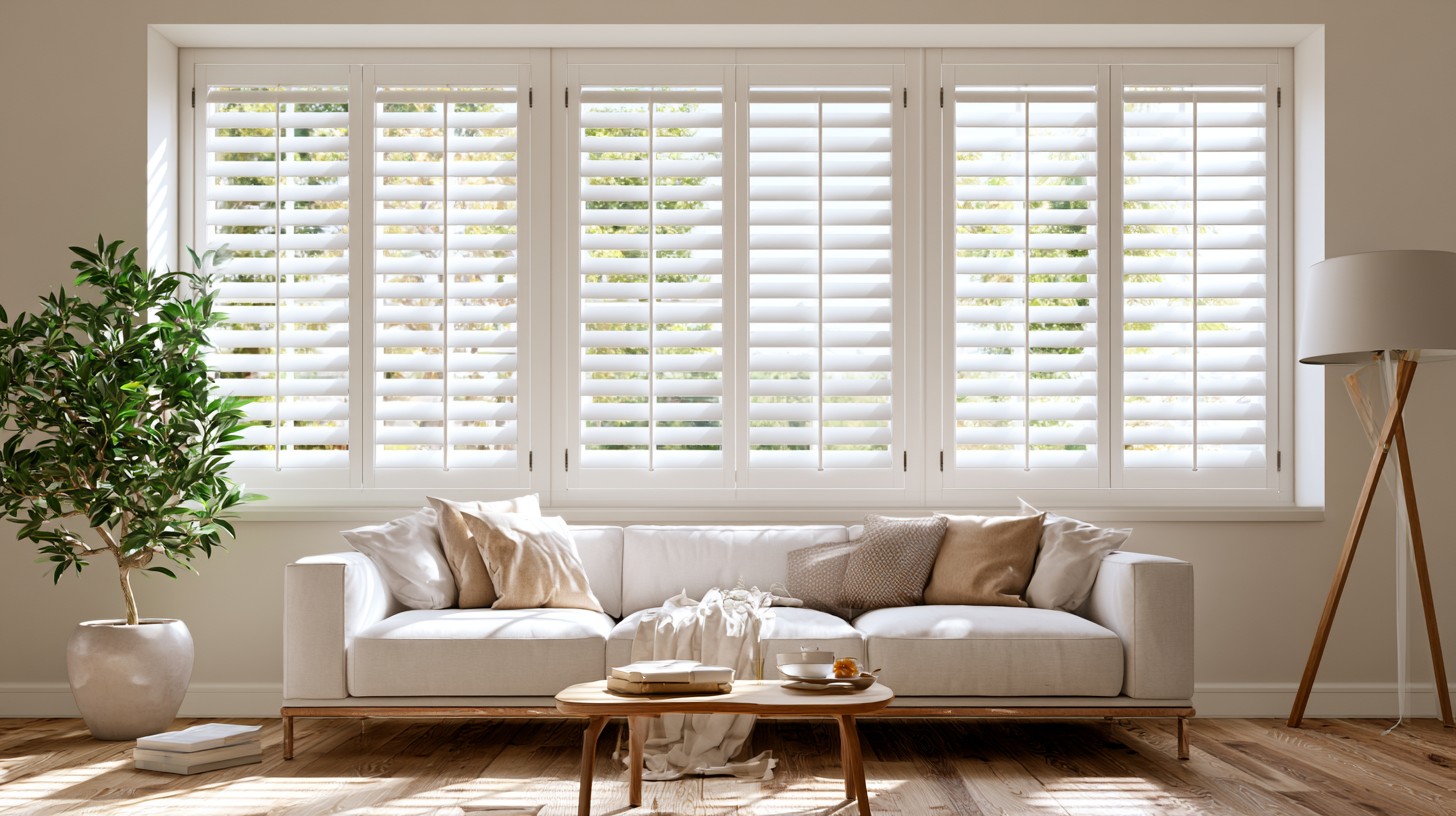
California shutters sit between plantation and traditional styles. Their slats measure around two and a half inches, giving a balanced look.
This style fits homes that want a bright, open feel without going too wide or too narrow. They come in various colors, though lighter shades are more common to keep rooms airy and welcoming.
4. Café Shutters
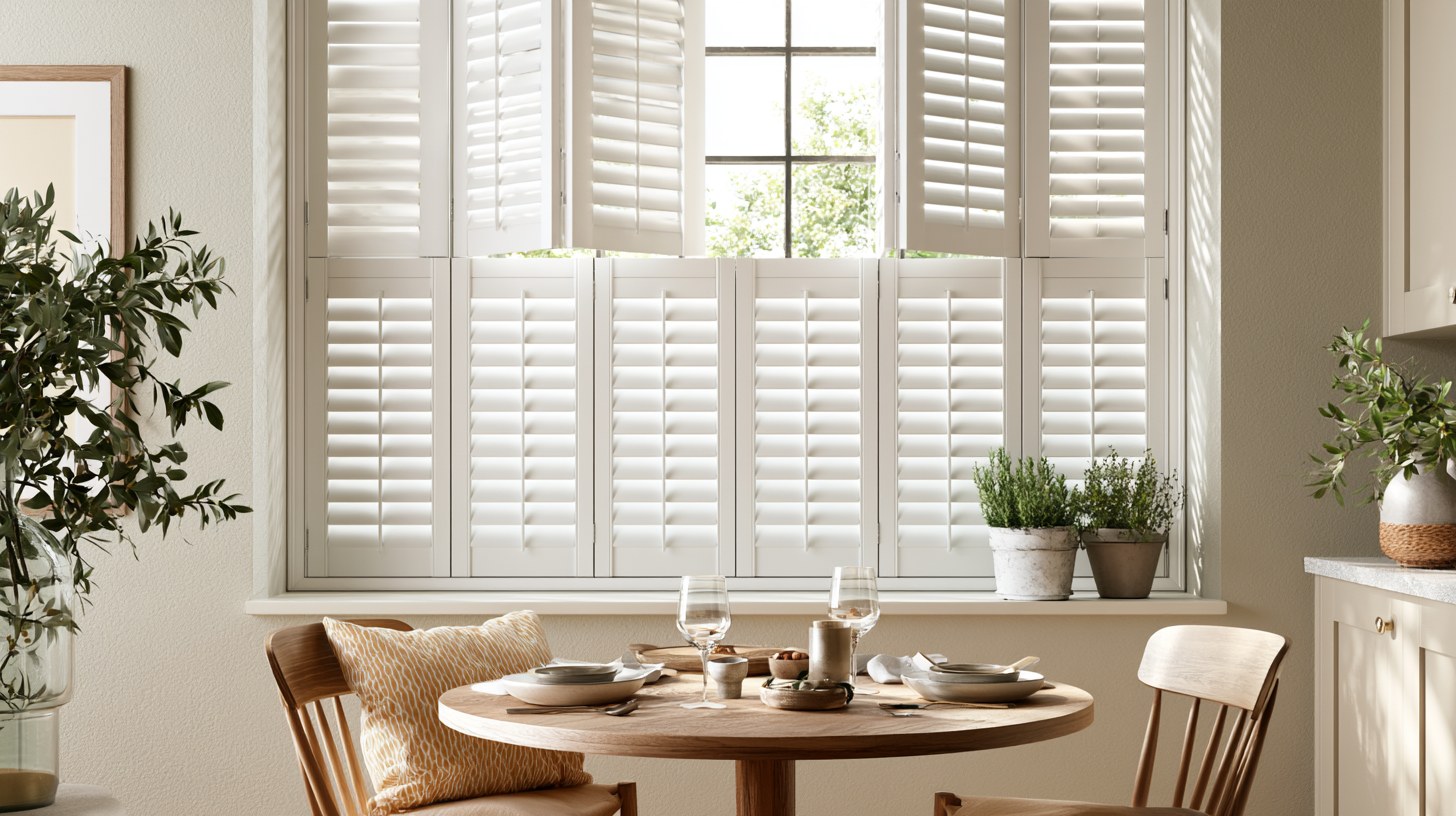
Café shutters cover only the lower half of a window. This leaves the top open for natural light while keeping the bottom private.
They work well for ground floor rooms or windows facing a street. Café shutters suit kitchens, home offices, and cozy breakfast nooks. You can pair them with curtains on top for added style.
5. Tier on Tier Shutters
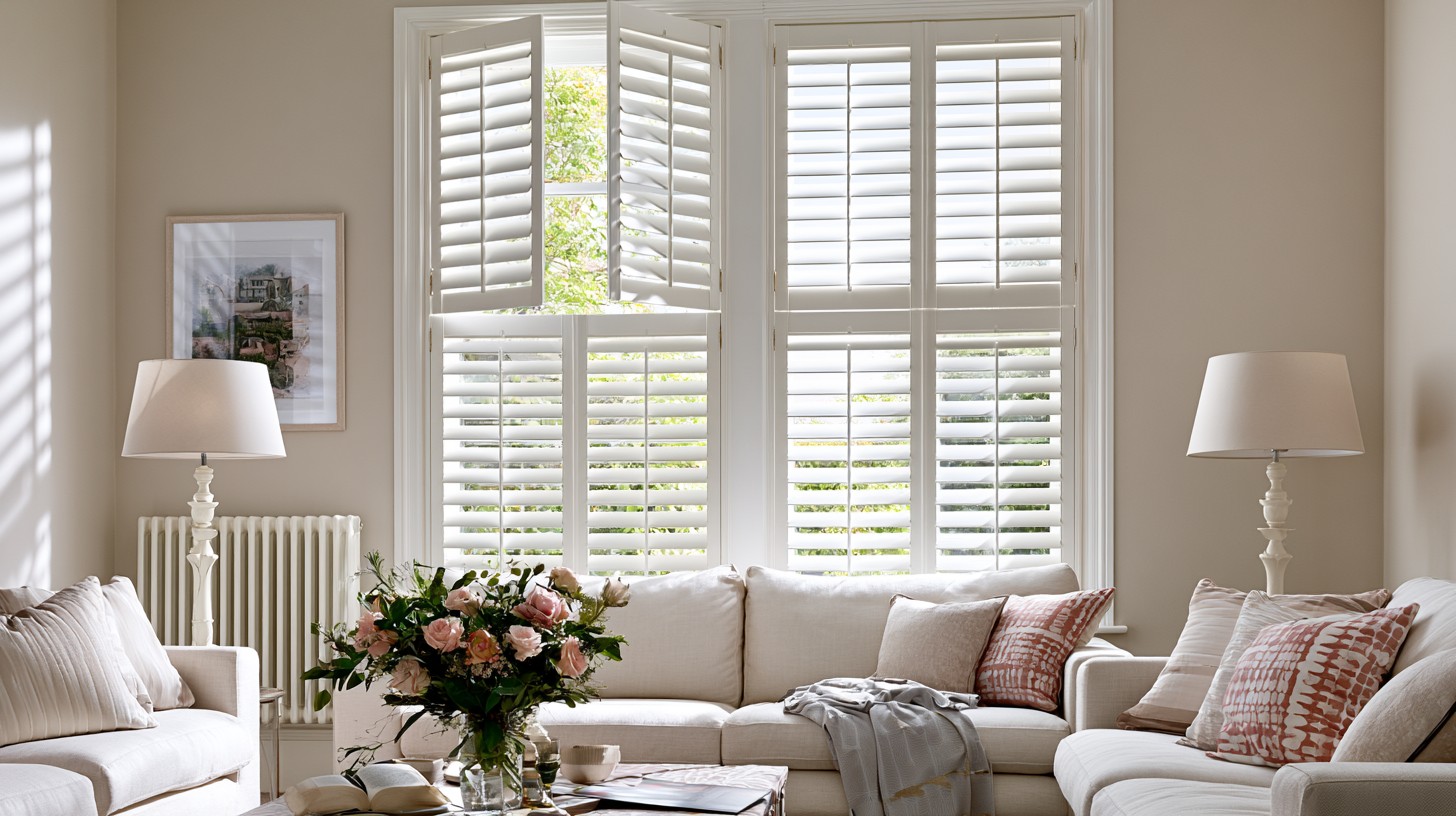
Tier on tier shutters have two separate panels stacked one above the other.
You can open or close each panel on its own. This gives you more control over light and privacy at different times of the day.
This style works great in living rooms, where you may want light on top and privacy below.
6. Full Height Shutters
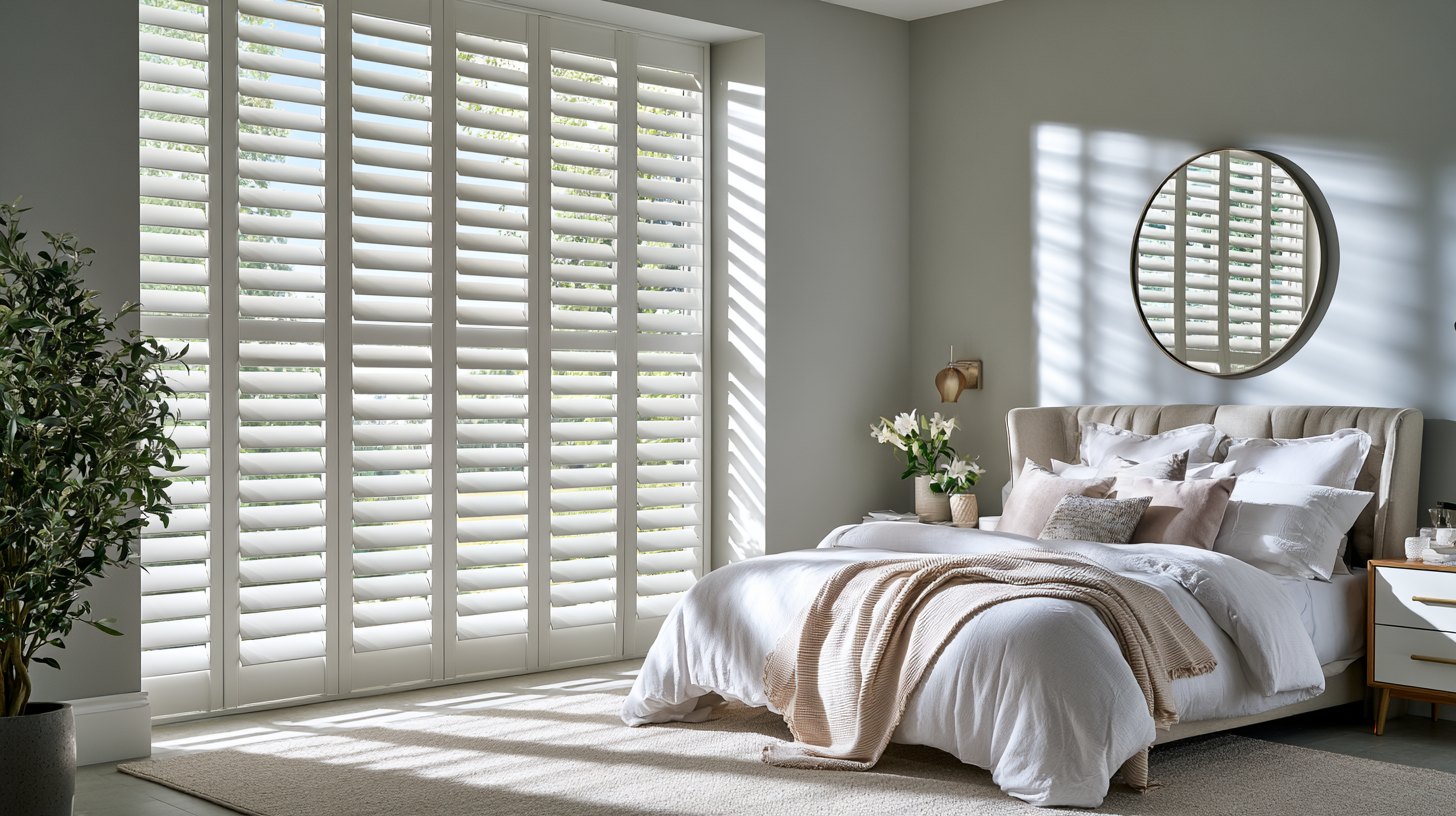
Full height shutters cover the entire window in one panel or a connected set. They offer the most coverage and the strongest sense of privacy.
This style suits bedrooms and bathrooms where full light control matters most. Full height shutters also give windows a neat, uniform look from outside.
7. Solid Panel Shutters
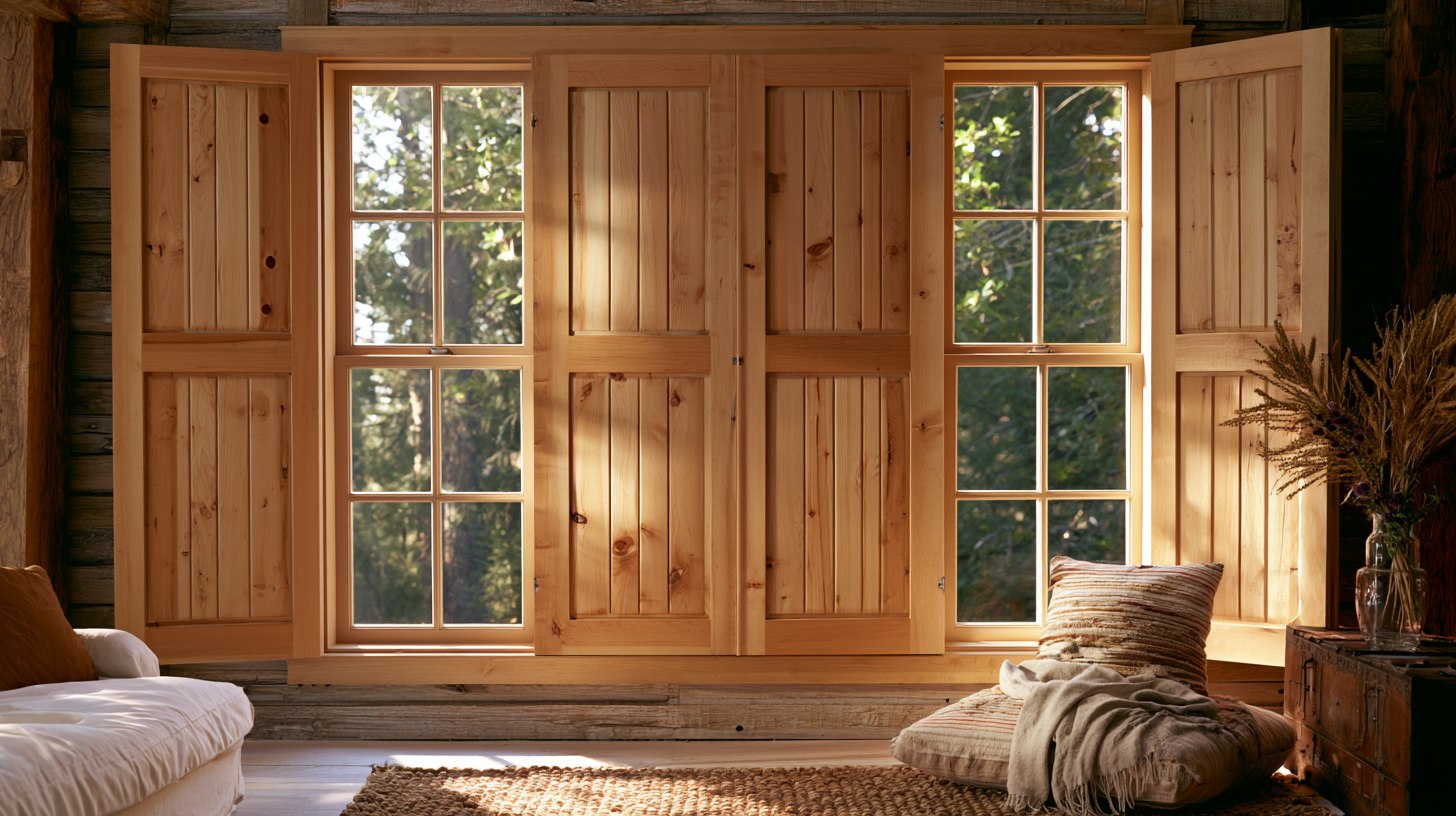
Solid panel shutters have no slats at all. Instead, they use a flat, closed panel that blocks out all light when shut.
This style suits homes with a rustic or historic feel. Solid panel shutters also work well as storm protection on the outside of a home.
Types of Shutters by Material
The material you pick affects how long your shutters last and how much care they need.
Some materials suit dry rooms, while others handle moisture better. Here is a quick look at the most common choices.
1. Wood Shutters
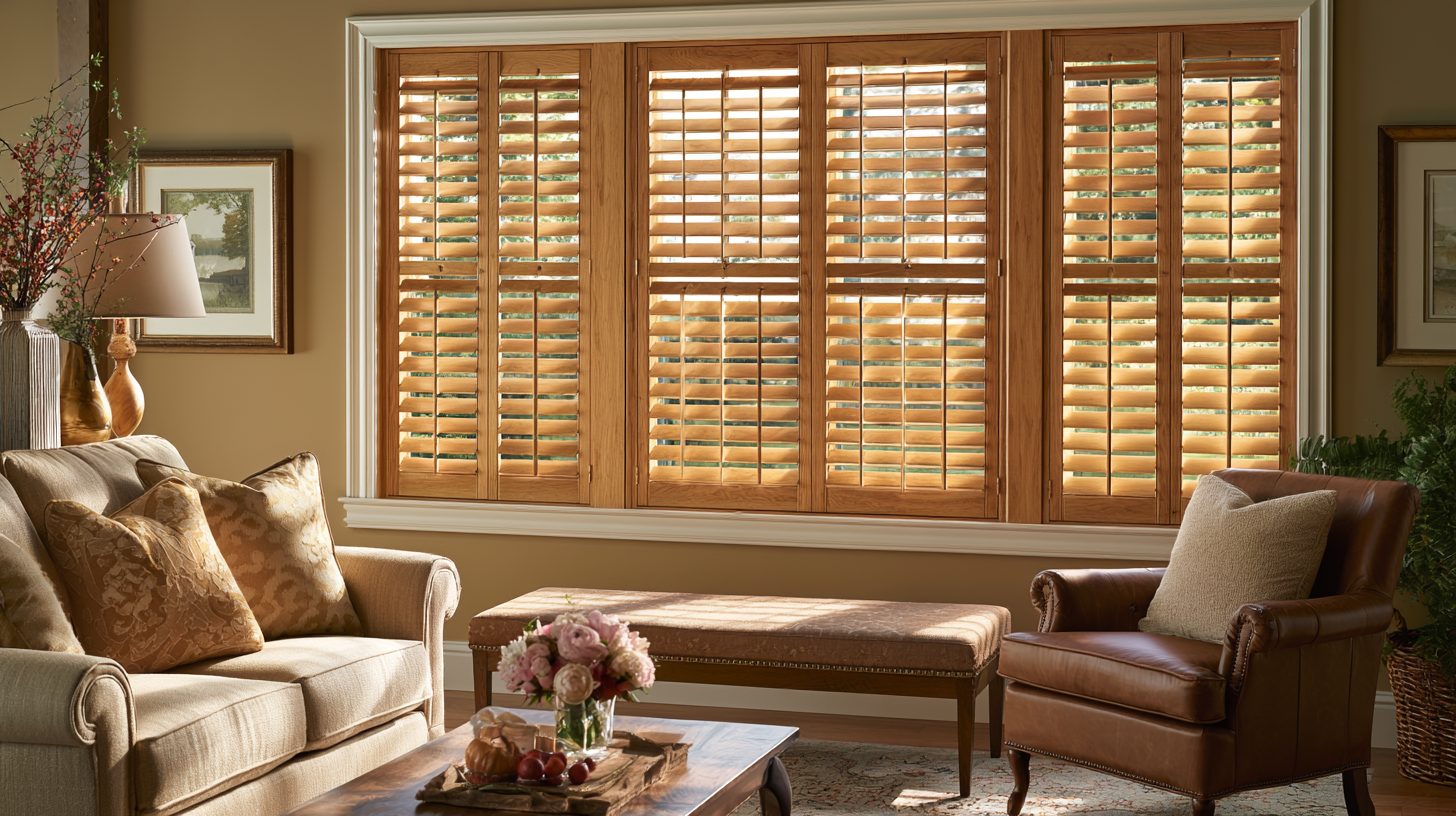
Wood shutters bring a natural, warm look that many homeowners love.
Basswood is a common choice since it is light yet strong. Wood holds paint and stain well, so you can match it to your home's decor.
This material works best in dry rooms, since moisture can cause warping over time.
2. Vinyl (Poly) Shutters
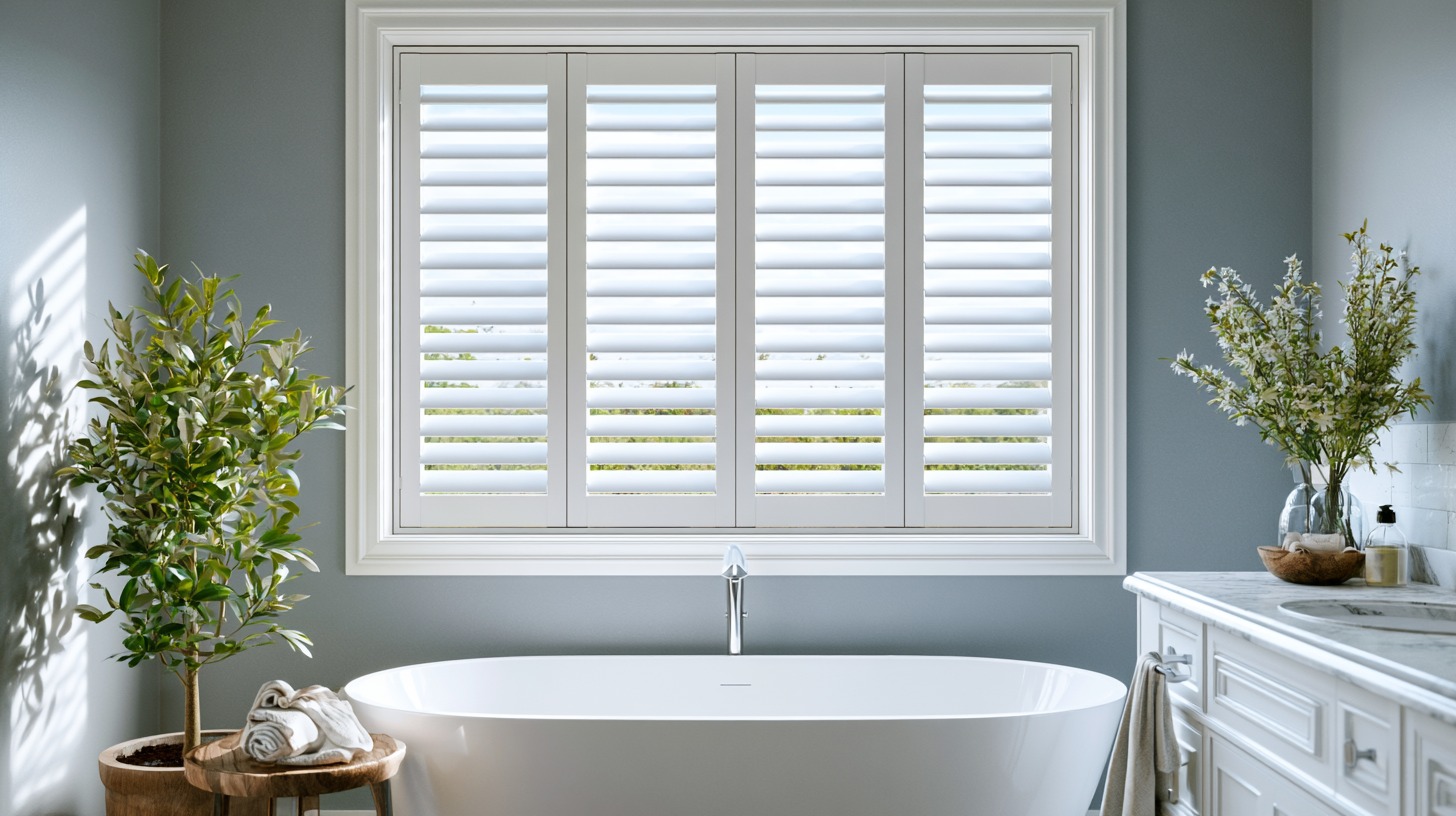
Vinyl shutters, also called poly shutters, are budget friendly and resist moisture well. They suit bathrooms, kitchens, and other damp spaces.
However, hollow vinyl can sag on large windows over time. Solid vinyl options hold up better and are worth the small extra cost for bigger windows.
3. Composite Shutters
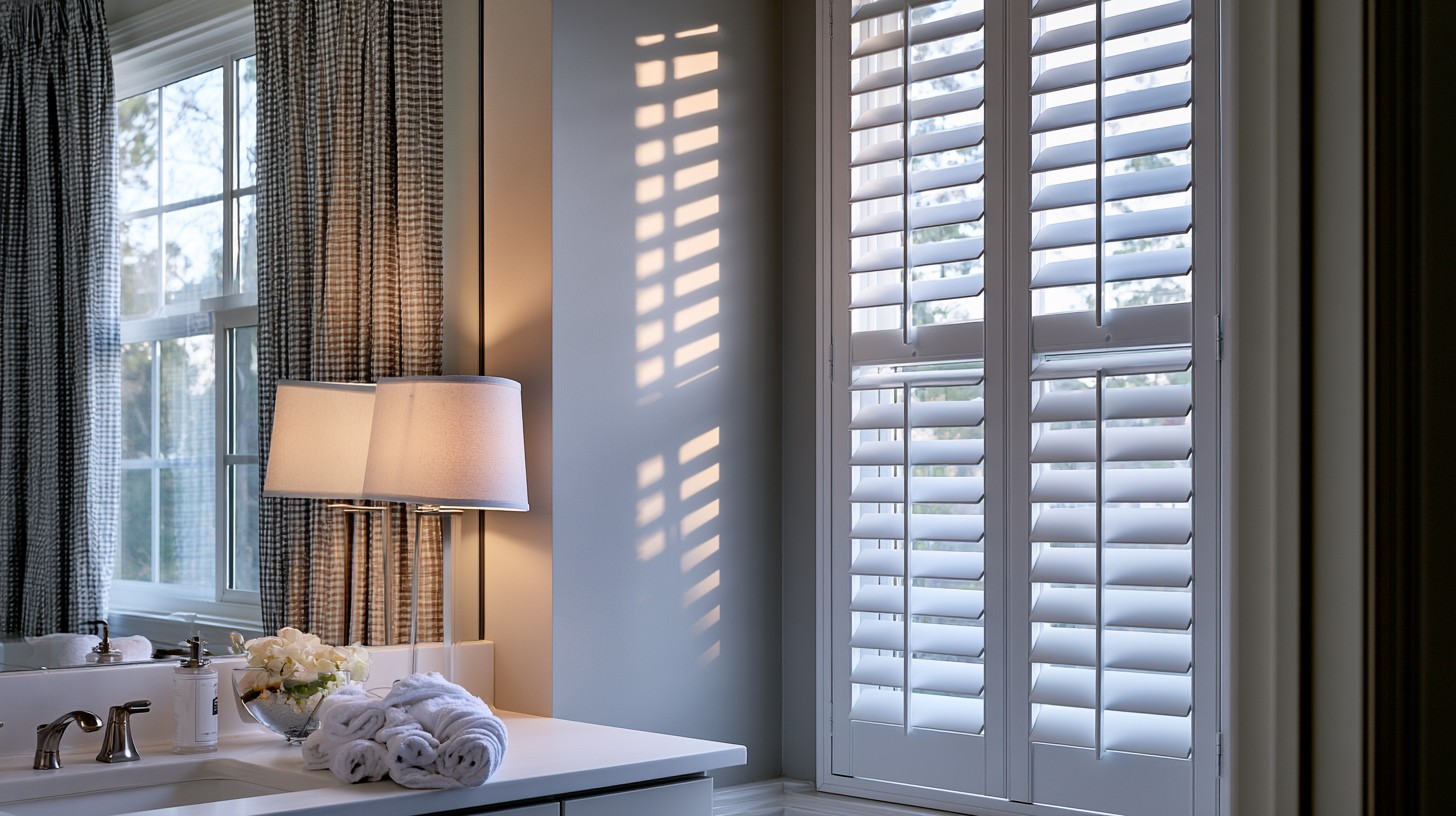
Composite shutters are made from engineered wood coated with a protective layer. They look like real wood but cost less and resist weather damage better.
This material suits homes with average sized windows. Composite shutters come pre-cut, so they offer less flexibility than solid wood options.
4. Hybrid Shutters
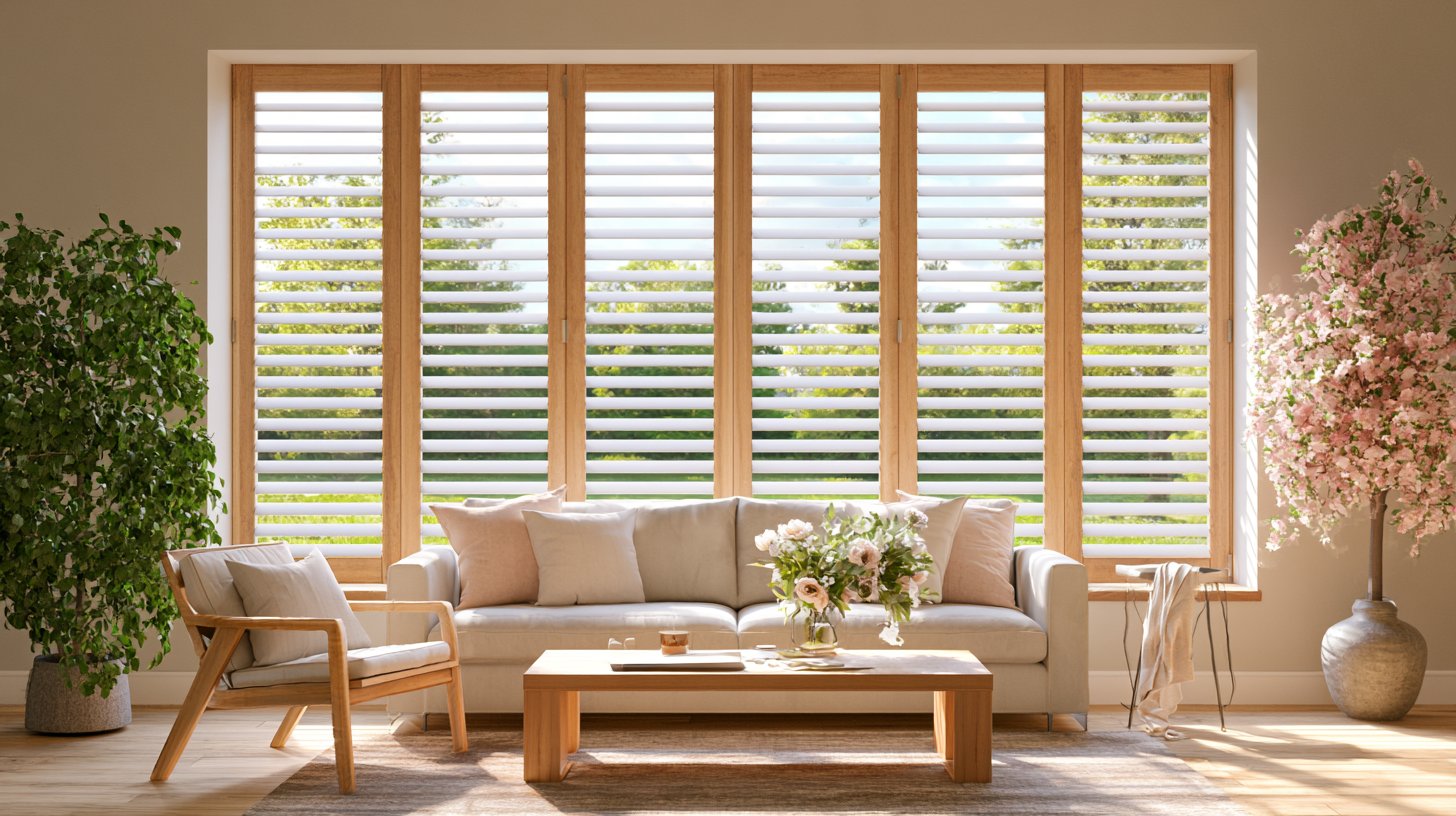
Hybrid shutters combine a wood frame with poly or composite louvers. This mix gives you the strength of synthetic material with the classic look of wood.
They work well in rooms that need durability without losing a natural appearance. Hybrid shutters often cost less than full wood options.
5. Aluminum Shutters
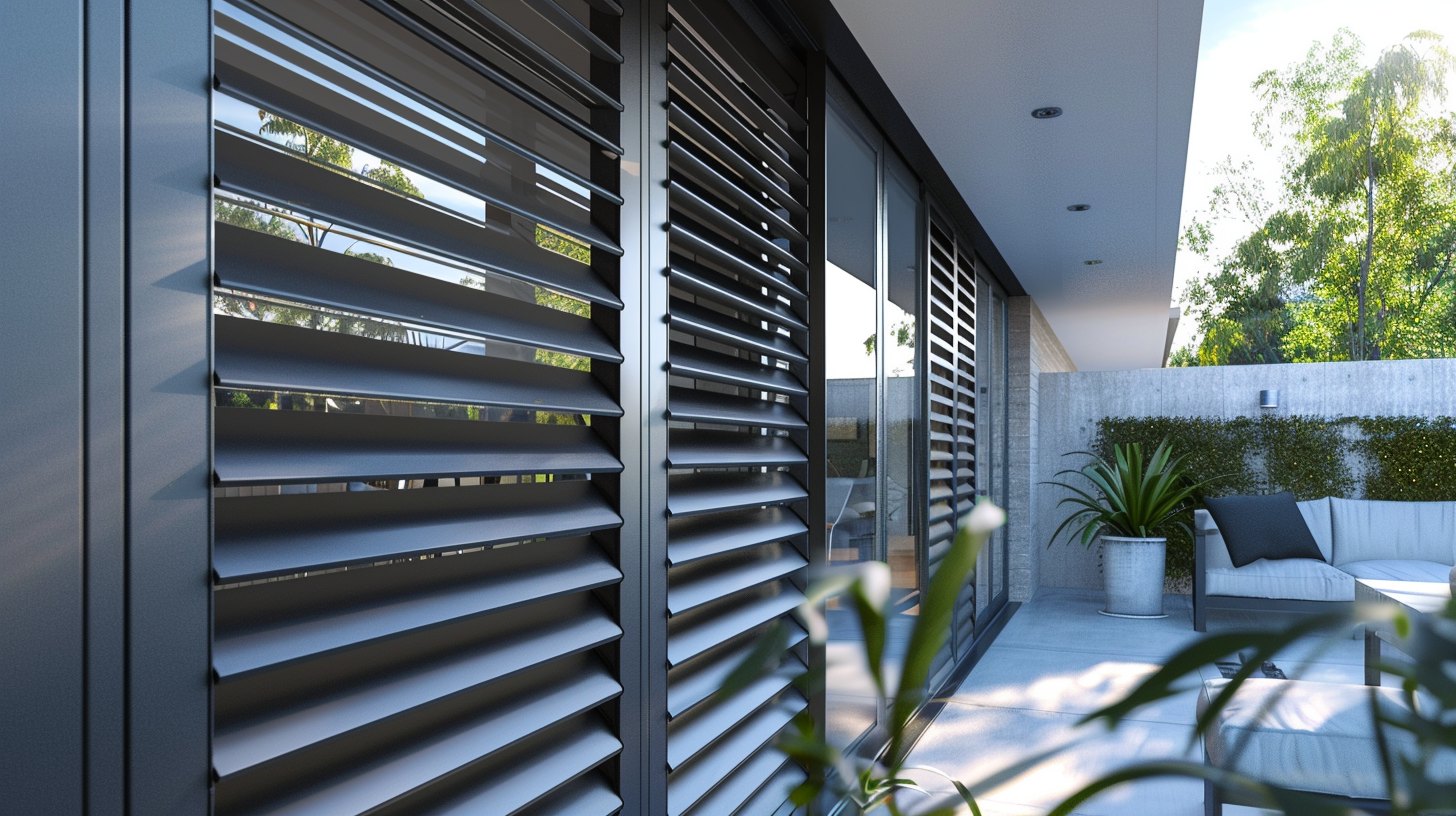
Aluminum shutters are strong, weather resistant, and built for outdoor use. They suit patios, balconies, and coastal homes where salt air and moisture are common.
This material needs little upkeep and holds up well against harsh weather. Aluminum shutters are becoming a popular pick for modern outdoor spaces.
Exterior Shutters vs Interior Shutters
Exterior and interior shutters serve different purposes, though both add style to a home.
Interior shutters focus on light control and privacy inside a room. Exterior shutters focus on protection from weather and can also boost curb appeal. Some exterior shutters are fully functional, while others are fixed in place purely for decoration.
1. Bahama vs Board and Batten Shutters
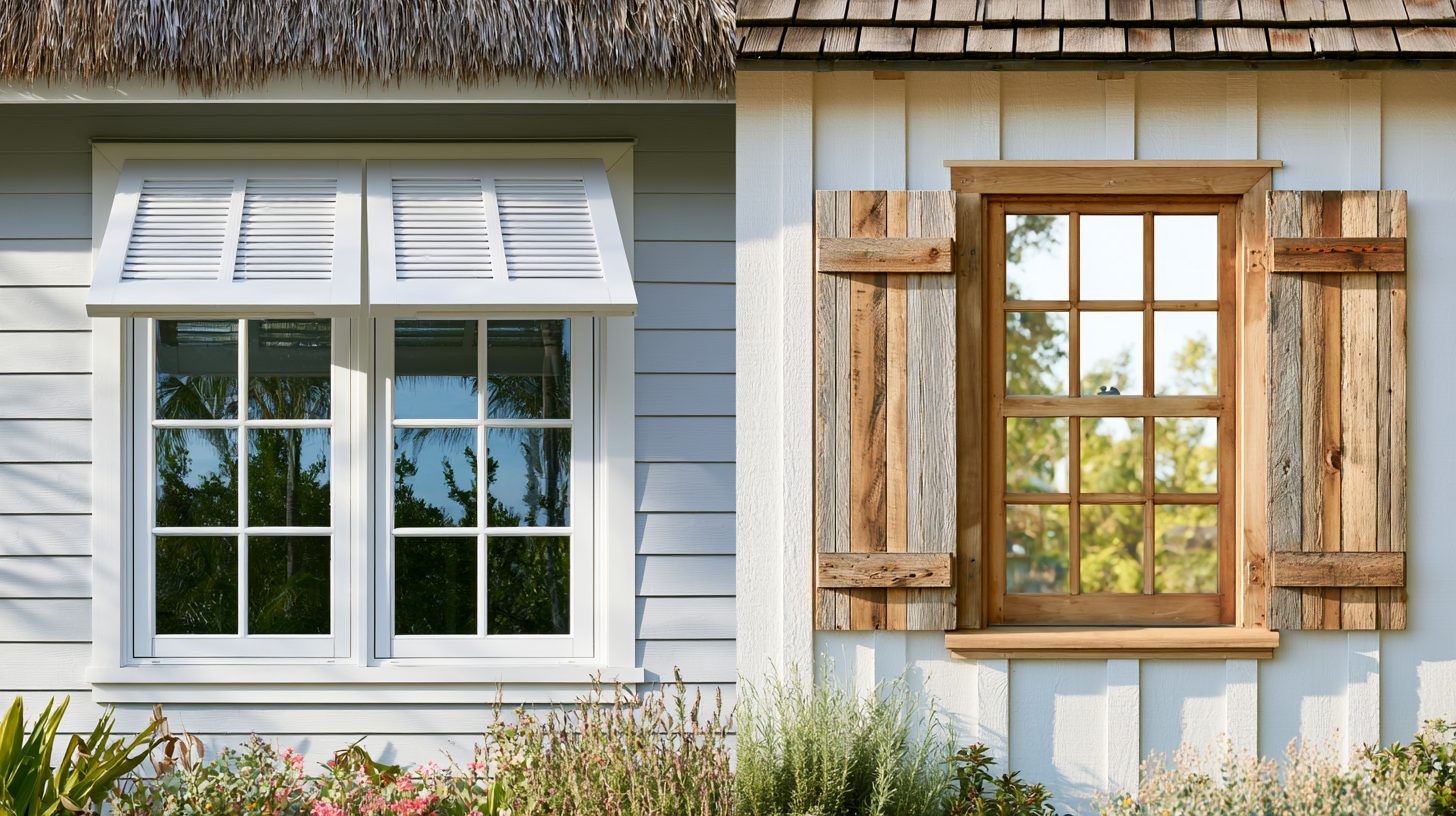
Board and batten shutters use vertical boards held together with cross pieces, giving a rustic, cottage style feel.
Both styles work well on the outside of coastal or country homes, adding character along with function.
2. Rolling Shutters
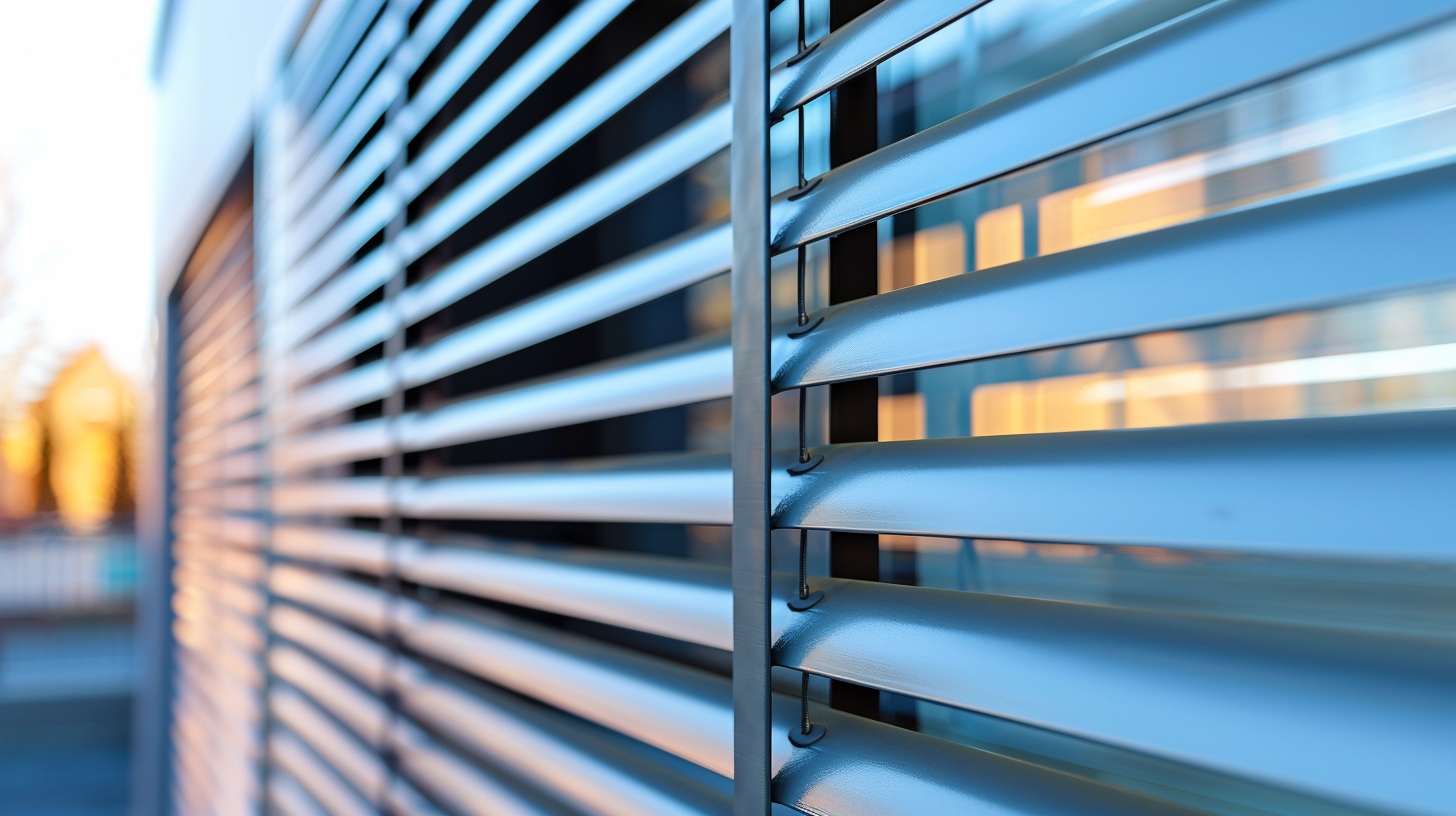
Rolling shutters roll up and down, usually operated by a crank or motor.
They offer strong protection against storms, break ins, and harsh sunlight. This style suits homes in areas with frequent extreme weather.
Rolling shutters also add an extra layer of security when you are away from home.
3. Decorative vs Functional Exterior Shutters
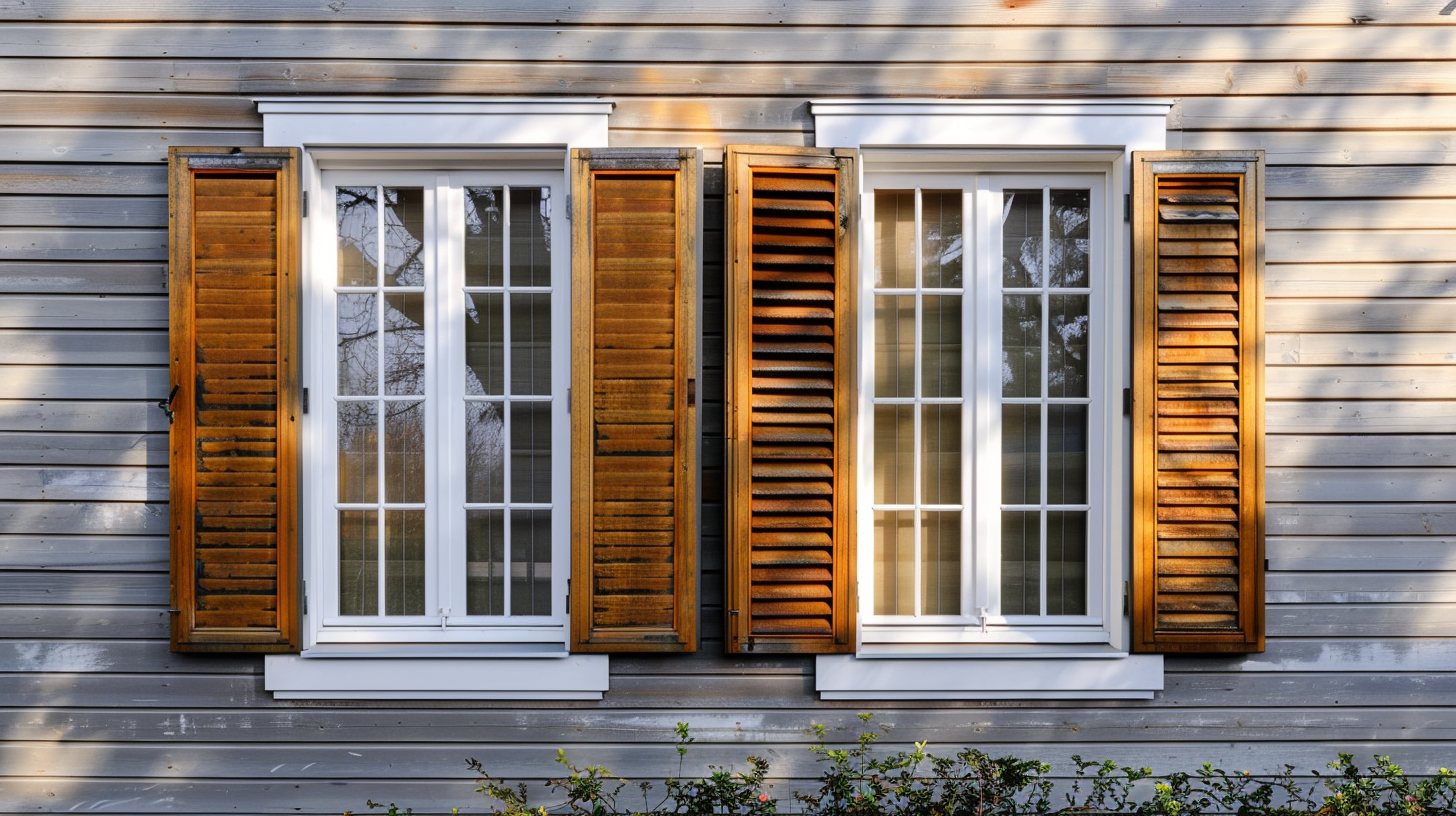
Decorative shutters stay fixed in place and exist purely for looks, often flanking a window frame.
Functional shutters can actually open and close, offering real protection when needed.
If storm protection matters to you, functional shutters are worth the higher cost over decorative ones.
How to Choose the Right Shutter for Your Home?
Picking the right shutter comes down to a few key factors. Where the shutter goes, how much you want to spend, and how much upkeep you're ready for all play a part.
Getting these right saves you money and hassle later.
1. Matching Shutters to Room Type
Different rooms need different shutter styles.
Bedrooms benefit from full height or solid panel shutters for complete privacy and darkness. Living rooms work well with tier on tier shutters, since you can control light on the top and bottom separately.
Kitchens and bathrooms need moisture resistant materials, since steam and splashes can damage wood over time.
2. Budget and Long Term Value
Shutter prices vary a lot based on style and material.
Vinyl and composite options cost less upfront but may need replacing sooner. Wood and hybrid shutters cost more but last longer and add resale value to your home.
Think about how long you plan to stay in your home before deciding where to spend more.
3. Climate and Maintenance Needs
Your local weather affects which material suits you best.
Humid areas call for poly, vinyl, or aluminum shutters, since these resist warping and mold. Dry climates work fine with wood, which needs occasional cleaning and the odd touch up coat of paint.
Coastal homes benefit most from aluminum, since it handles salt air without much wear.
Shutters vs Blinds vs Curtains: Who Wins for Your Space?
Shutters cost more upfront than blinds or curtains but last far longer and rarely need replacing.
Blinds are cheaper and easier to install, though they wear out faster with daily use.
Curtains offer the softest look and easiest style changes but give the least light control and privacy.
If you want a treatment that adds resale value and needs little upkeep, shutters win. For a quick, low cost update, blinds or curtains fit better.
Your final choice depends on how long you plan to keep the window treatment and how much control over light you need.
Conclusion
Choosing the right shutter comes down to one simple rule: match the style and material to how you actually live in that room.
A bathroom needs moisture resistant poly, while a bedroom calls for full coverage and calm privacy.
Get this right, and your shutters will serve you well for years.
Found this guide helpful? Share it with someone planning a window upgrade, and drop your thoughts in the comments below.
Frequently Asked Questions
How much do shutters cost per window?
Shutters usually cost between 20 and 45 dollars per square foot, before installation. A single standard window often runs around 400 to 800 dollars fully installed.
Do shutters increase home value?
Yes, shutters are treated as permanent fixtures, unlike blinds or curtains. This means they can boost resale value and often return around 70 to 75 percent of their cost.
Can I install shutters myself or do I need a professional?
DIY shutter kits exist and can save you money on labor. However, professional installation ensures a precise fit, especially for large or oddly shaped windows.
How long do shutters last compared to blinds?
Quality shutters can last 25 years or more with basic care. Blinds and other window treatments usually need replacing within 5 to 10 years.
How do I clean and maintain shutters?
A quick wipe with a soft cloth every two weeks keeps shutters looking fresh. For deeper cleaning, use a damp cloth followed by a dry one to avoid water marks.