
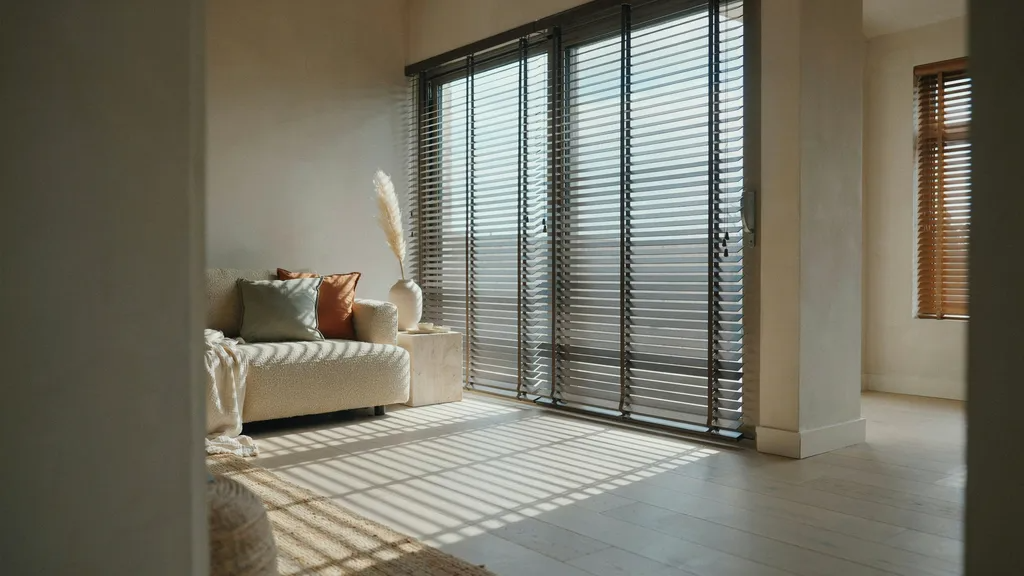
I walked into a friend's living room once and couldn't stop looking at the windows.
The blinds were different. Flat horizontal slats. Clean lines. You could tilt them just enough to let light in without losing privacy.
I had to ask, what are those? Venetian blinds. And I've been a fan ever since.
If you've been searching what are Venetian blinds and want a clear, honest answer, you're in the right place.
In this post, I'll cover what they are, how they work, the types available, and why they're still one of the most popular window coverings today.
Just everything you need to know, all in one place.
What Are Venetian Blinds?
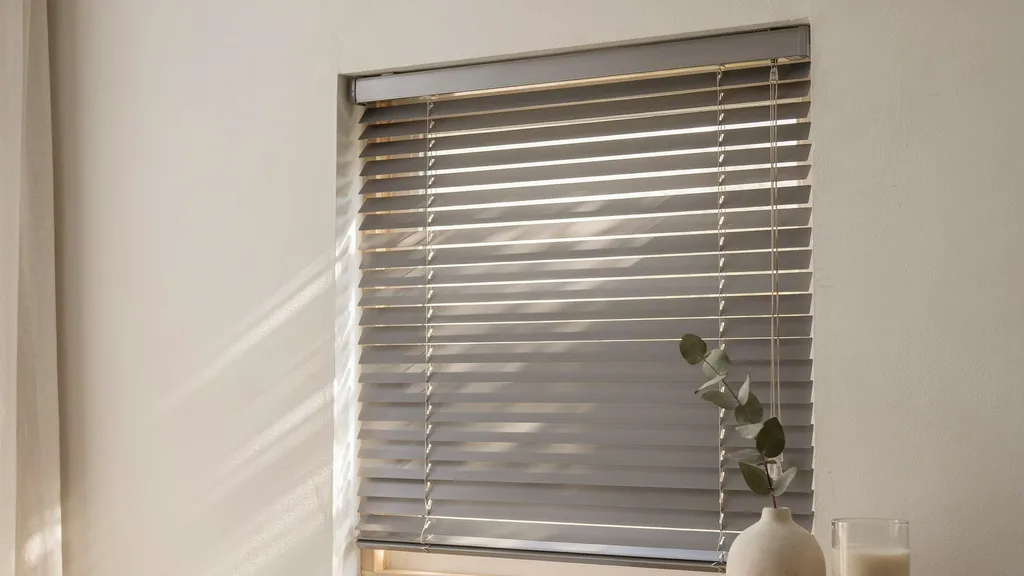
Venetian blinds are window coverings made of horizontal slats stacked on top of each other. Each slat is connected by a series of cords or tapes that hold them in place.
You can tilt the slats to control how much light enters the room, or raise them completely to clear the window.
They come in a wide range of materials including wood, faux wood, aluminum, and PVC.
This makes them a practical and flexible choice for almost any room in the home, from living rooms to kitchens to home offices.
The History of Venetian Blinds
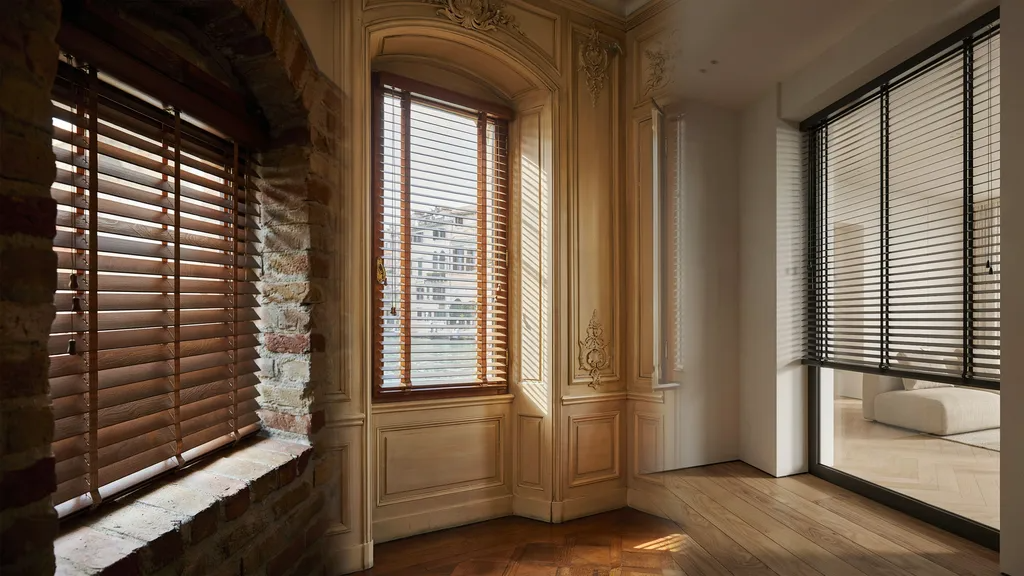
Venetian blinds have been around for centuries. Their exact origins are debated, but many historians trace them back to Persia before they made their way to Venice, Italy.
From Venice, traders brought them to the rest of Europe, and the name stuck. By the 18th century, they had reached France, England, and eventually North America.
Over time, the materials and mechanisms changed significantly.
What started as simple wooden slats tied with cloth has become a modern, refined window covering available in dozens of materials, colors, and sizes for today's homes.
Key Characteristics of Venetian Blinds
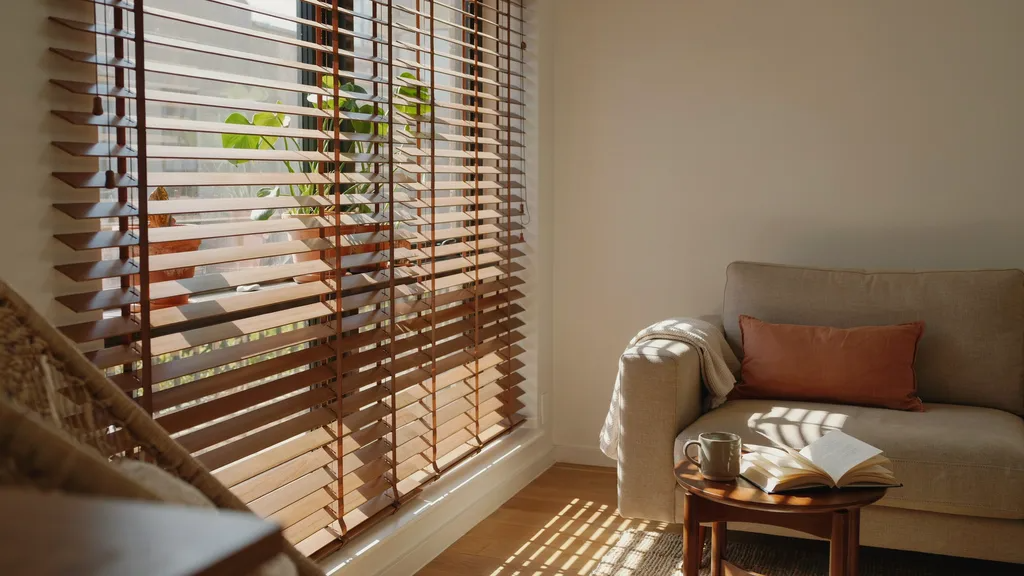
Venetian blinds stand out for good reasons, here's what makes them a reliable window covering choice for most homes.
Adjustable Light Control
Venetian blinds give you precise control over how much light enters a room. Tilt the slats slightly for soft, diffused light or close them fully to block it out.
This level of control is hard to get with curtains or roller blinds. You can adjust them multiple times throughout the day without getting up and changing anything else in the room.
Flexible Privacy Settings
With Venetian blinds, you can have light and privacy at the same time. Tilt the slats downward and you let in natural light while blocking the view from outside.
This is especially useful in street-facing rooms or ground-floor windows. You stay visible to light but not to people passing by. It's a simple adjustment that makes a real difference in everyday comfort.
Wide Range of Materials and Finishes
Venetian blinds come in wood, faux wood, aluminum, and PVC. Each material suits a different room, budget, and style preference. Wood looks warm and natural.
Aluminum is sleek and modern. Faux wood works well in humid spaces like bathrooms and kitchens.
PVC is affordable and easy to clean. Whatever your room needs, there's a Venetian blind material that fits without much compromise.
Durable and Long-Lasting Design
A good set of Venetian blinds can last for many years with basic care. The slat-and-cord design is simple, which means there's less to break or wear out over time.
Aluminum and PVC versions are especially hard-wearing. Wood blinds, when kept away from moisture, also hold up well.
Compared to fabric curtains that fade, fray, or need frequent washing, Venetian blinds are a low-maintenance investment for most rooms.
Easy Maintenance and Cleaning
Venetian blinds are straightforward to clean. A quick wipe with a damp cloth or a run of the duster across the slats is usually all they need.
For deeper cleaning, most slats can be wiped down individually without removing the whole blind. Aluminum and PVC slats are the easiest to clean.
Wood blinds need a dry cloth to avoid warping. Either way, upkeep takes minutes, not hours.
Types of Venetian Blinds
Not all Venetian blinds are the same, here's a quick look at the four most common types and where each one works best.
1. Wood Venetian Blinds
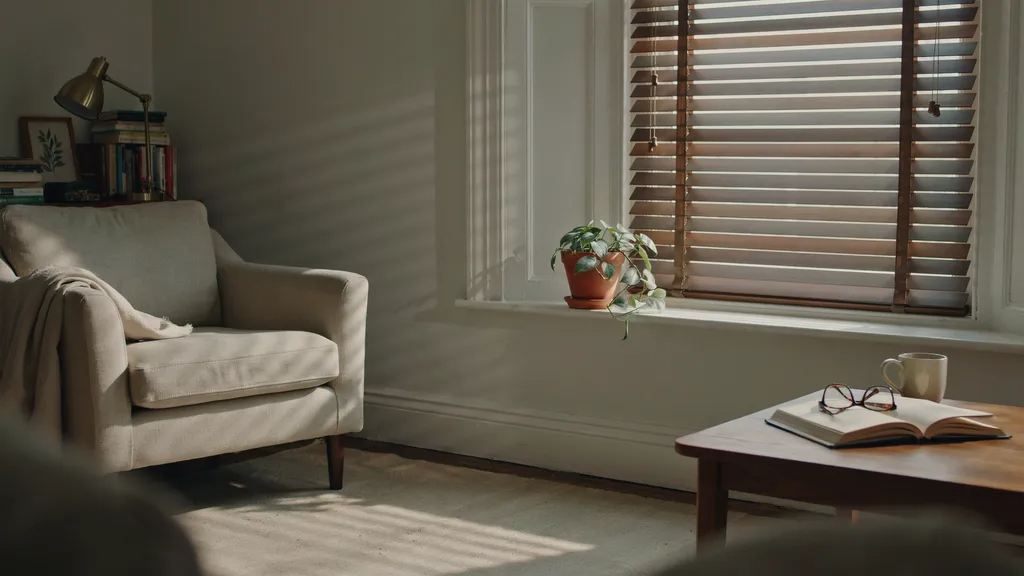
Wood Venetian blinds bring a warm, natural feel to any room. They work best in living rooms, bedrooms, and home offices where you want a classic, grounded look.
Real wood slats have a rich texture that no other material fully replicates.
They do require some care around moisture, so avoid using them in bathrooms or kitchens where humidity levels tend to stay high for long periods.
2. Faux Wood Venetian Blinds
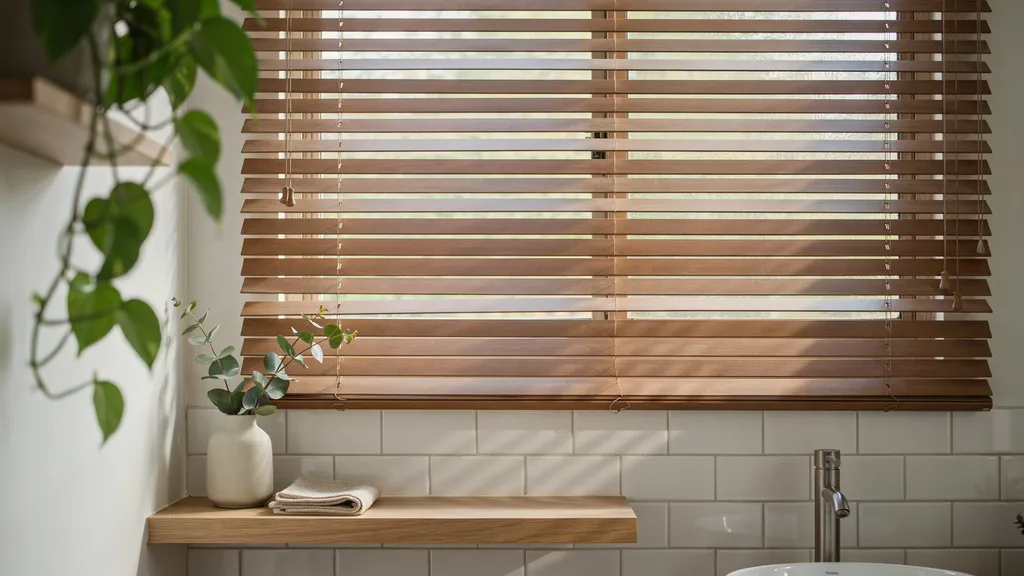
Faux wood blinds look almost identical to real wood but hold up much better in damp conditions. They're a practical choice for bathrooms, kitchens, and laundry rooms.
The material won't warp, crack, or fade the way real wood can when exposed to moisture and heat.
They're also more affordable than genuine wood blinds, which makes them a popular option for people who want the wood look without the higher price tag.
3. Aluminum Venetian Blinds
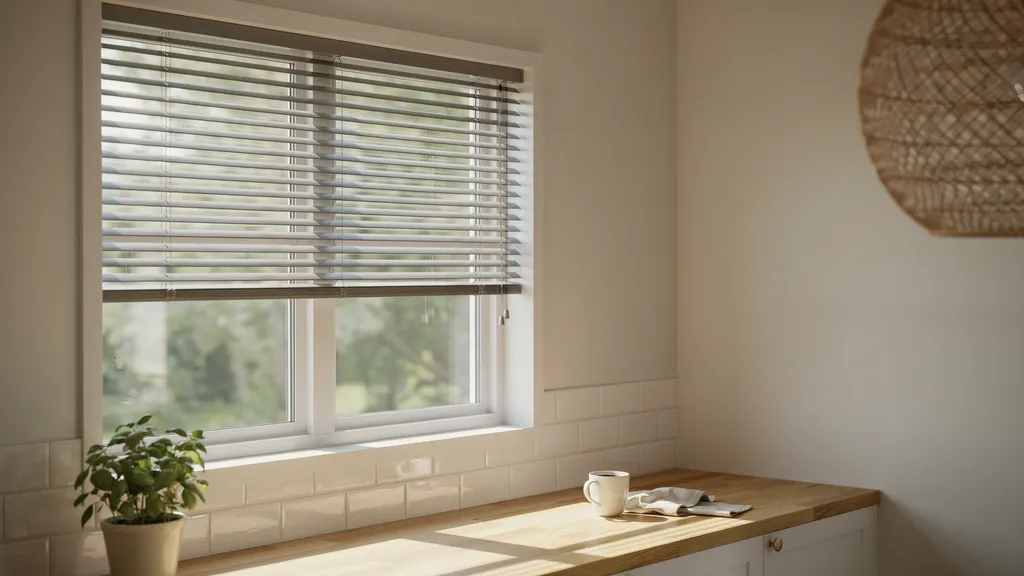
Aluminum Venetian blinds are slim, lightweight, and modern. They suit contemporary kitchens, offices, and any room with a clean, minimal style.
The slats are thin and stack up neatly when raised, which keeps the window looking open and uncluttered.
Aluminum blinds are also very affordable and come in a wide range of colors and finishes. They're one of the most practical everyday options available for standard windows.
4. PVC Venetian Blinds
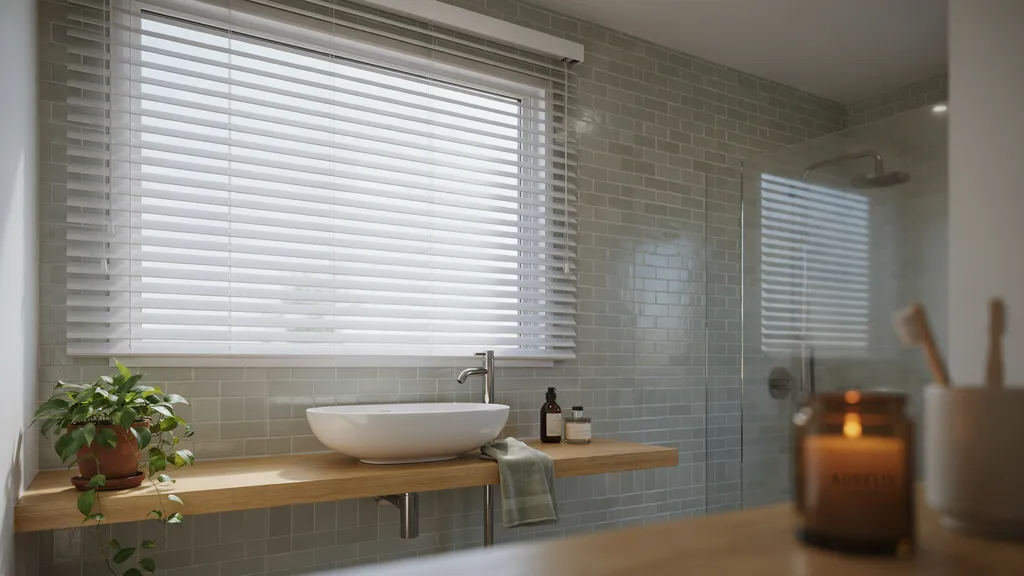
PVC Venetian blinds are the most budget-friendly option in the range. They're water-resistant, easy to wipe clean, and work well in high-humidity spaces.
PVC slats are thicker than aluminum but lighter than wood, making them a solid middle-ground choice.
They're widely available, come in many colors, and hold up well with regular use. If you need a simple, affordable blind for a practical space, PVC is a dependable pick.
Benefits of Venetian Blinds
Venetian blinds offer more than just a window covering, they give you real control, flexibility, and value in one simple product.
- Precise control over natural light:adjust slat angles throughout the day to get exactly the light level you want.
- Suitable for various room styles:works in modern, traditional, minimal, and casual interiors without looking out of place.
- Available for different budgets:from affordable PVC to premium real wood, there's an option at every price point.
- Custom sizing options: most Venetian blinds can be cut or ordered to fit non-standard window sizes with ease.
- Modern cordless and motorized features: newer versions come with child-safe cordless systems or remote-controlled motorized operation for added convenience.
Conclusion
Now you know exactly what are Venetian blinds and why they've stood the test of time. I've used them in my own home for years.
Easy to clean, simple to adjust, and they fit almost any room. You really can't go wrong. Pick one room, try a style, and see the difference yourself.
Drop a comment below and tell me which type you're going with. And if this helped, share it with someone who needs new window coverings too.
Frequently Asked Questions
What are Venetian blinds made of?
Venetian blinds are made from wood, faux wood, aluminum, or PVC depending on the style and budget you choose.
Are Venetian blinds good for bedrooms?
Yes, Venetian blinds work well in bedrooms because you can tilt the slats for privacy while still letting in some natural light.
How do I clean Venetian blinds easily?
Wipe each slat with a damp cloth or use a duster for quick everyday cleaning without removing the blind from the window.
Can Venetian blinds be used in bathrooms?
Yes, faux wood and PVC Venetian blinds are both water-resistant and work well in bathrooms without warping or fading.
What is the difference between Venetian blinds and roller blinds?
Venetian blinds have adjustable horizontal slats for light control, while roller blinds use a single piece of fabric that rolls up and down.