
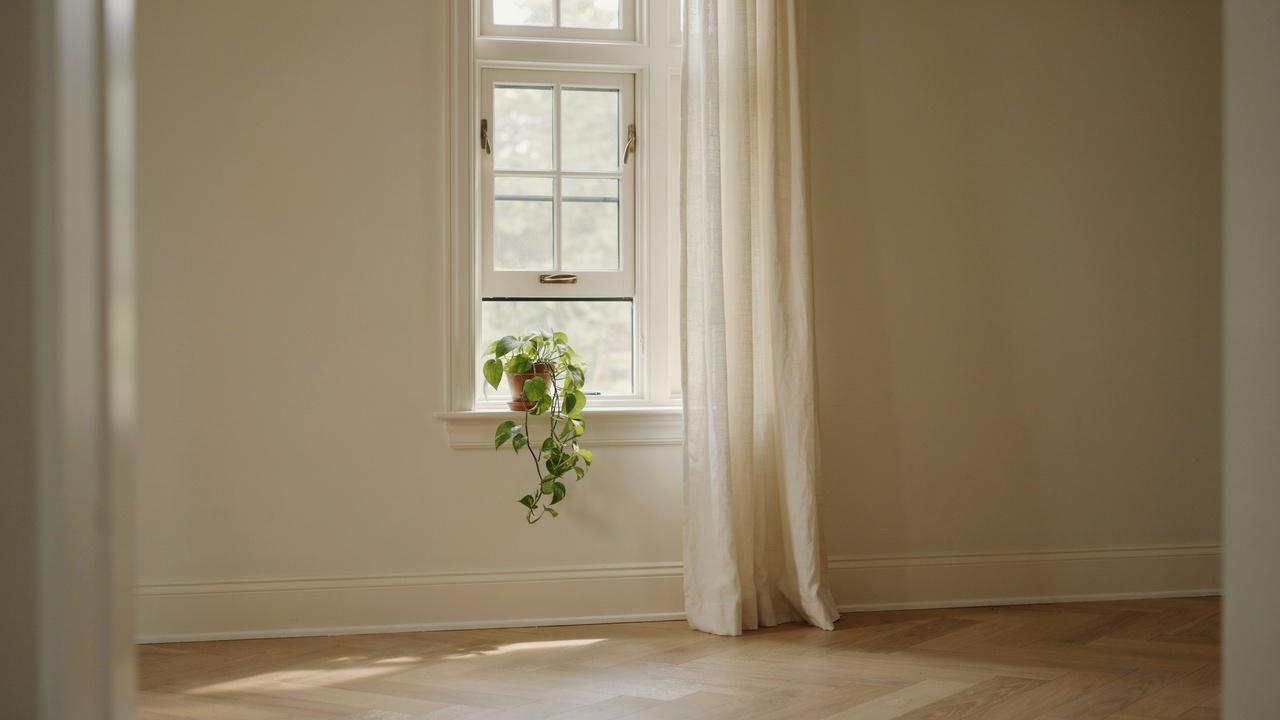
Most homeowners look right past the window sash without realizing it controls how well their windows open, seal, and insulate.
If your window sticks, drafts creep in, or the glass looks foggy, the sash is usually where the problem starts.
This guide covers what a window sash is, how it works, what its parts are called, and how to spot when something is wrong.
I have spent years helping readers sort through window problems, and one thing is always true:understanding the sash first saves you time and money before calling a pro.
Start here, and you will know exactly what to look for.
What Is a Window Sash?
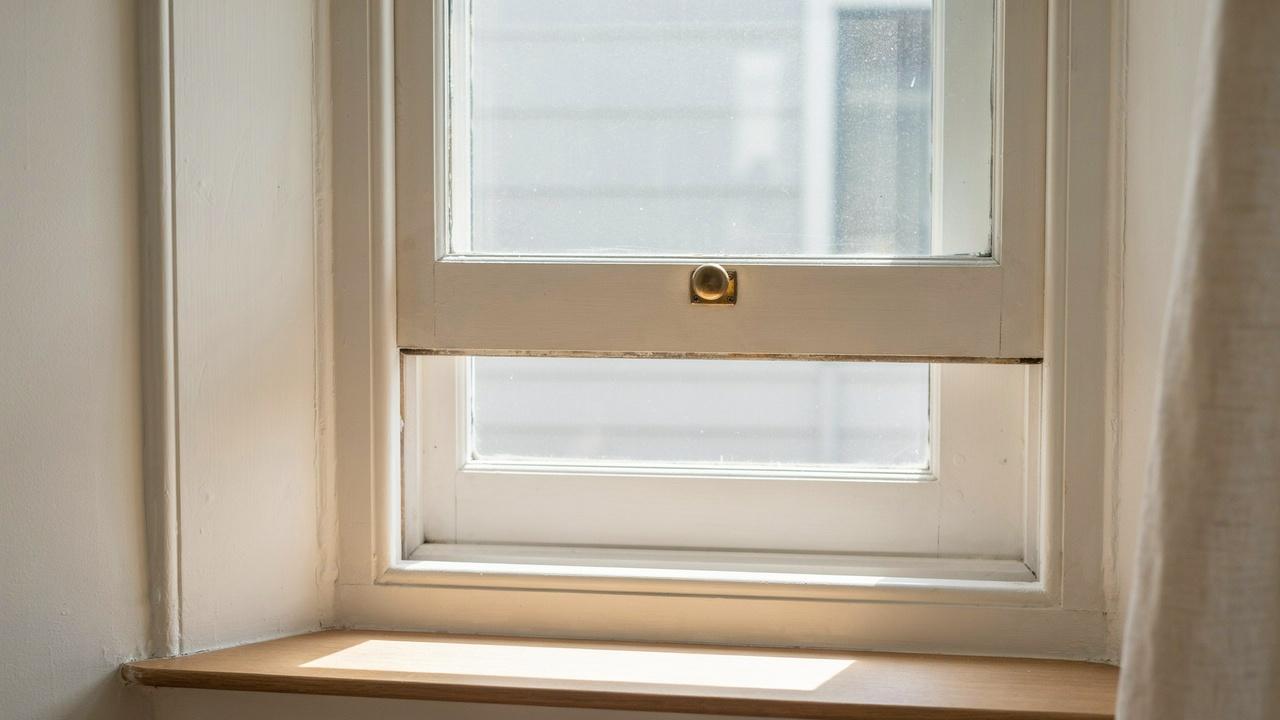
The sash is the part of the window that holds the glass.
A window sash is the framed panel inside your window that holds the glass pane in place.
It sits inside the window frame and can either stay fixed or move depending on the window style.
The sash is what you grab when you push a window open or slide it to the side. Without it, the glass would have nothing to hold it in position.
The sash is not the same as the frame. The frame is the outer structure attached to the wall. The sash fits inside that frame and does the job of carrying the glass.
What Does a Window Sash Do?
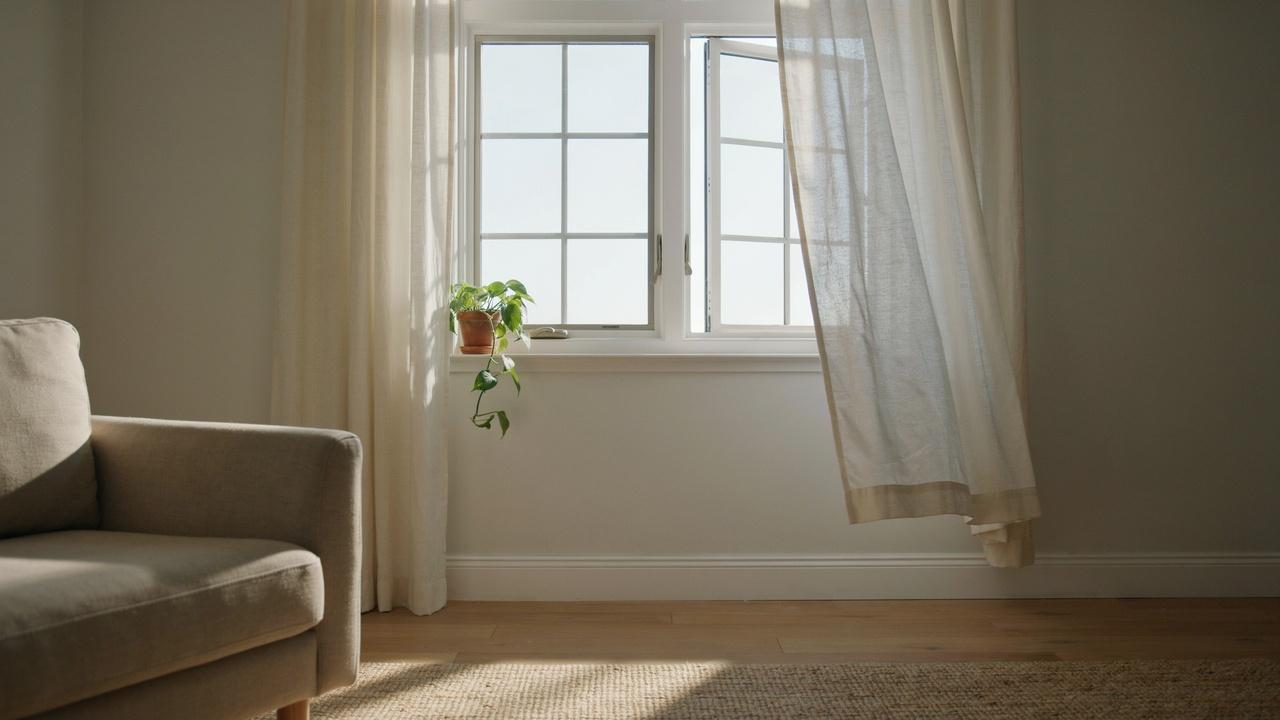
The sash does more than just hold glass in place.
The sash has a few important jobs. First, it holds the glass pane securely so it does not shift or fall.
Second, it allows the window to open and close, which lets in fresh air and controls ventilation.
Third, when the window is shut, the sash creates a seal against the frame that keeps out drafts, moisture, and outside noise.
A well-fitting sash also supports the window's energy efficiency by reducing air leakage. When the sash is damaged or worn, all of these functions start to break down.
What Are the Parts of a Window Sash?
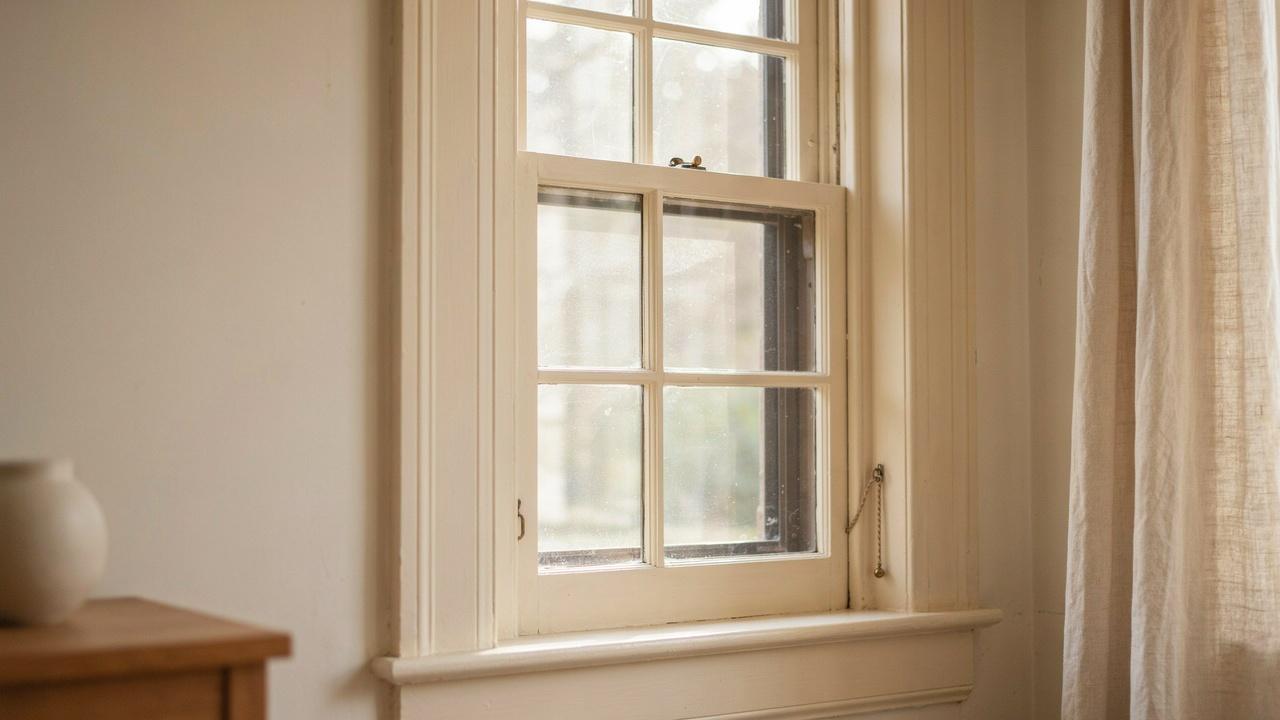
Knowing these terms helps when talking to a window contractor or shopping for parts.
Rails and Stiles
The sash is built like a rectangular frame within a frame. The rails are the horizontal pieces at the top and bottom of the sash.
The stiles are the vertical pieces running along each side. Together, they form the outer border of the sash assembly that holds everything else in place.
Glass and Glazing
The glass pane sits inside the sash frame. In modern windows, you will often find double-pane or triple-pane glass, which improves insulation.
Glazing refers to how the glass is set and sealed into the sash. The glazing compound or sealant keeps the glass tight and moisture-free.
Sash Locks and Lifts
Sash locks keep the sash secured when the window is closed. They also press the sash against the frame, which helps with sealing.
Sash lifts are small handles or pulls attached to the sash rail, giving you something to grip when raising or lowering the window.
Grilles, Muntins, and Glazing Beads
Muntins are the thin strips that divide a single glass pane into smaller sections. You see this most often in older or traditional-style windows.
Grilles are decorative versions of muntins that sit on top of the glass rather than between separate panes.
Glazing beads are the thin moldings that hold the glass in place within the sash frame.
Weatherstripping and Seals
Weatherstripping runs along the edges of the sash where it meets the frame or the other sash. It creates a tight seal that blocks air and water from getting through gaps.
Over time, weatherstripping can compress, crack, or fall away, which leads to drafts and moisture problems.
What Types of Windows Have Sashes?
The sash looks and moves differently depending on the window style.
Single-Hung Windows
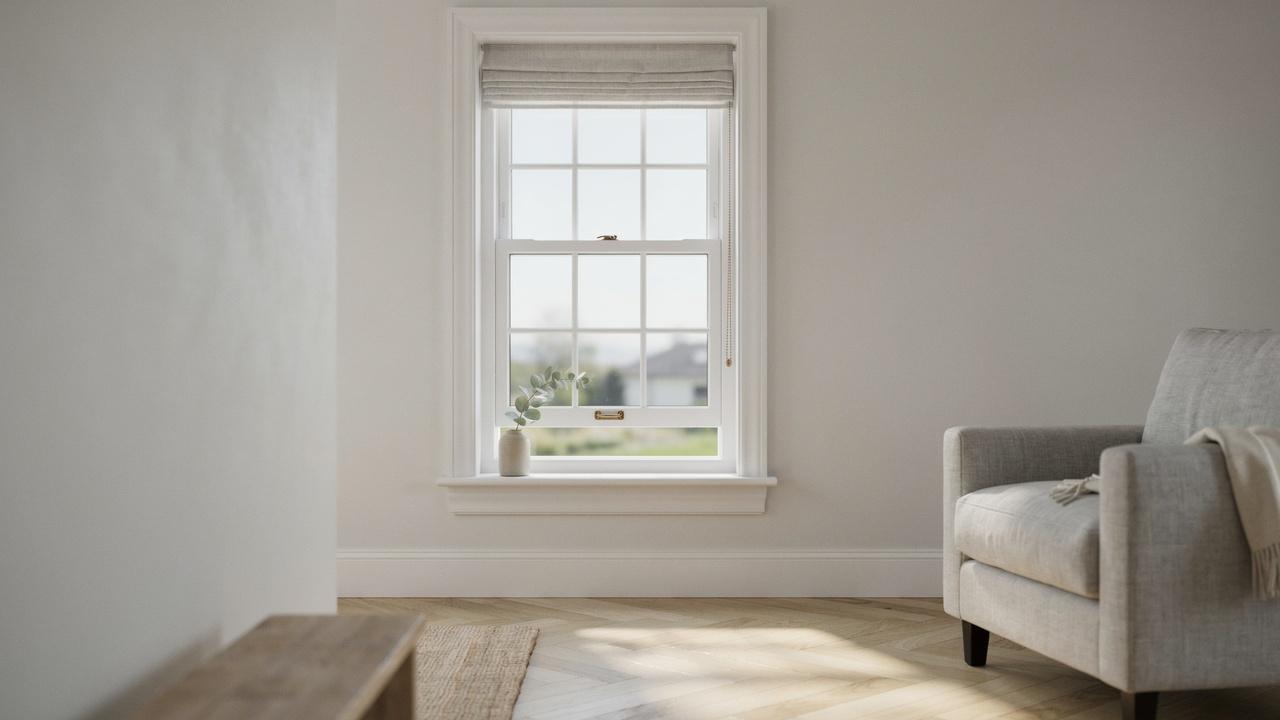
A single-hung window has two sashes, but only the bottom one moves. The top sash is fixed in place.
You raise the lower sash to open the window and lower it to close. This is one of the most common window styles in older homes.
Double-Hung Windows
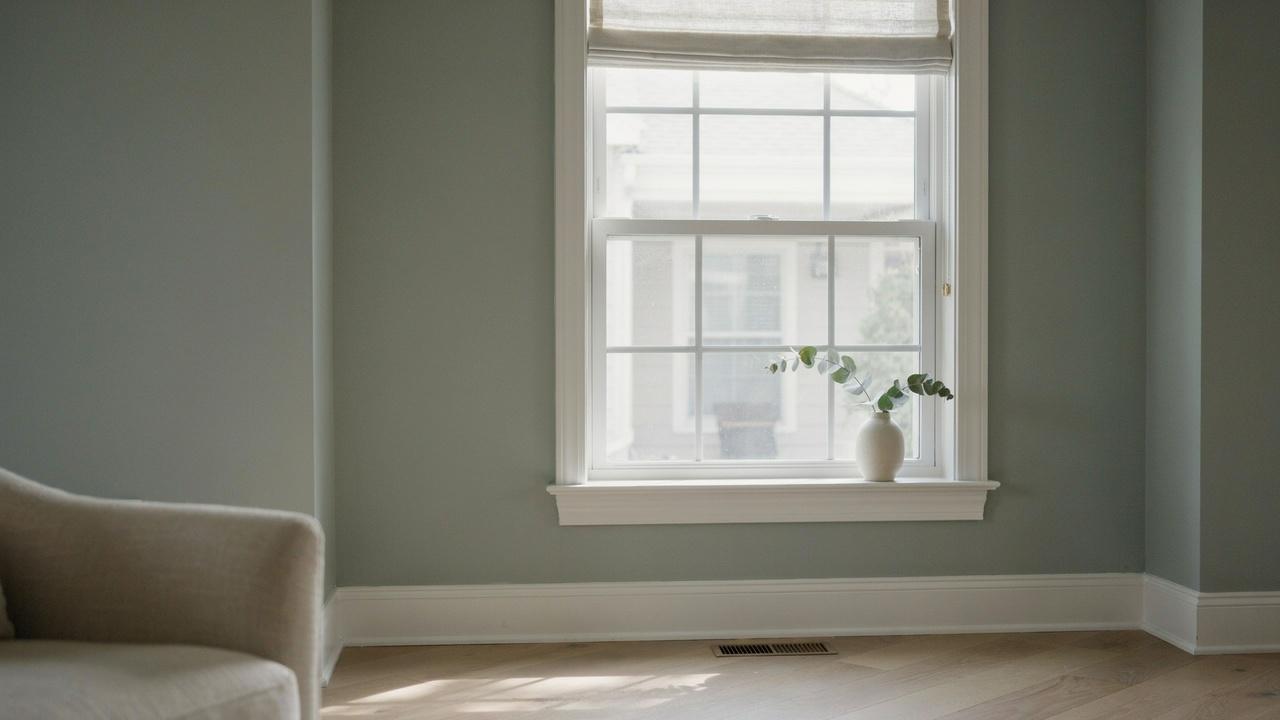
Both sashes in a double-hung window move. You can raise the bottom sash, lower the top sash, or do both at the same time.
This gives you more control over airflow and makes it easier to clean both sides of the glass from inside the home.
Sliding Windows
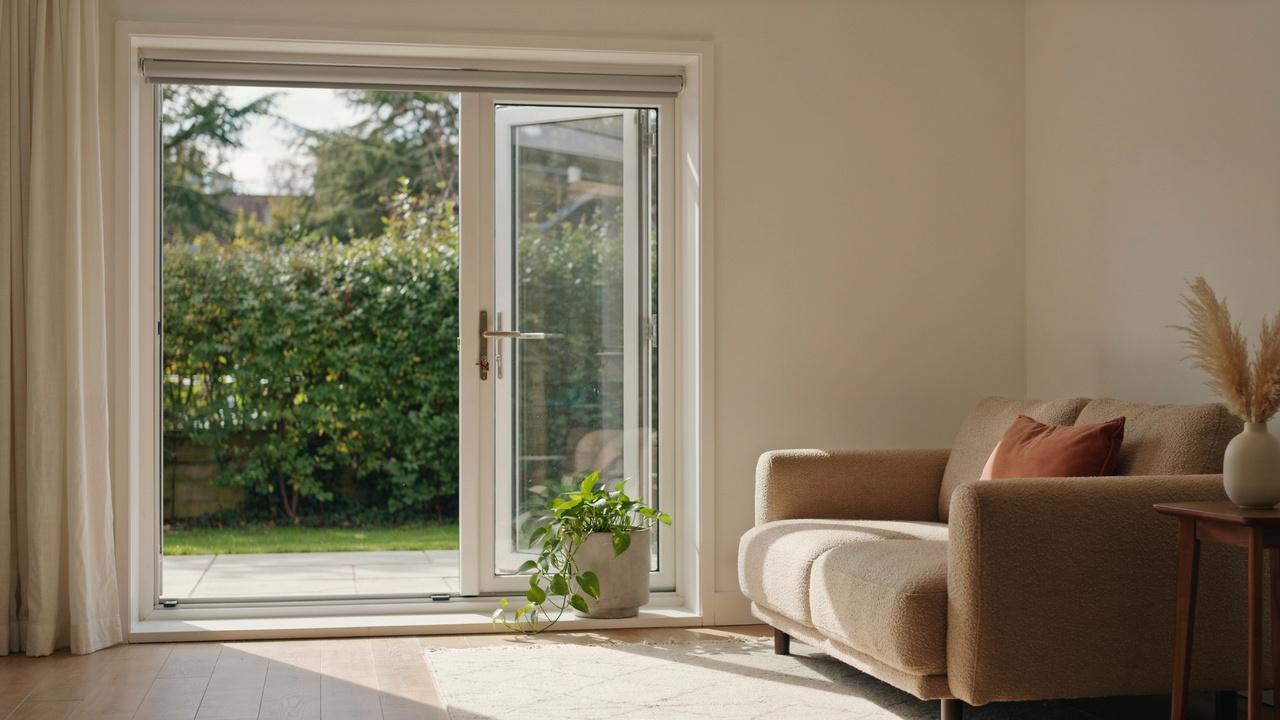
In a sliding window, the sash moves horizontally rather than vertically. One sash slides left or right along a track while the other stays fixed.
The sash in a sliding window is typically wider than in a hung window.
Casement Windows
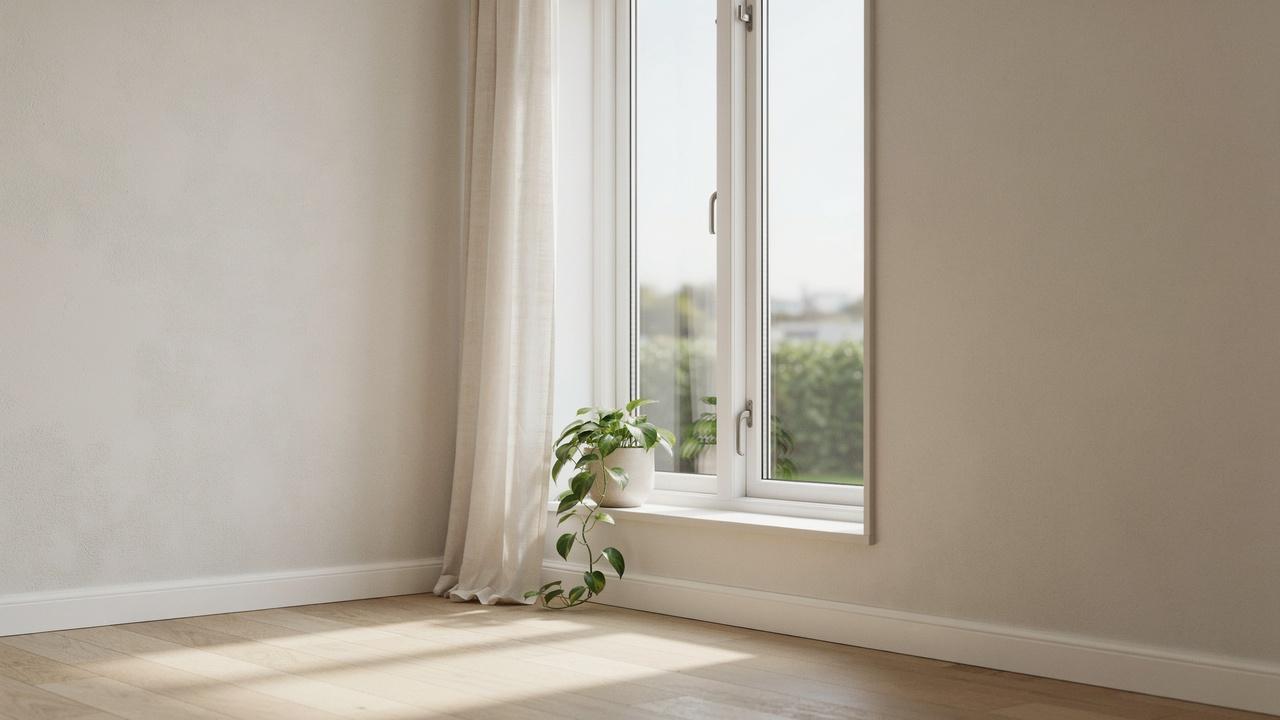
A casement window has a sash that is hinged on one side and swings outward, much like a door.
You operate it with a crank handle at the bottom of the frame. The sash seals tightly when closed because it presses against the frame from the outside.
Fixed Windows
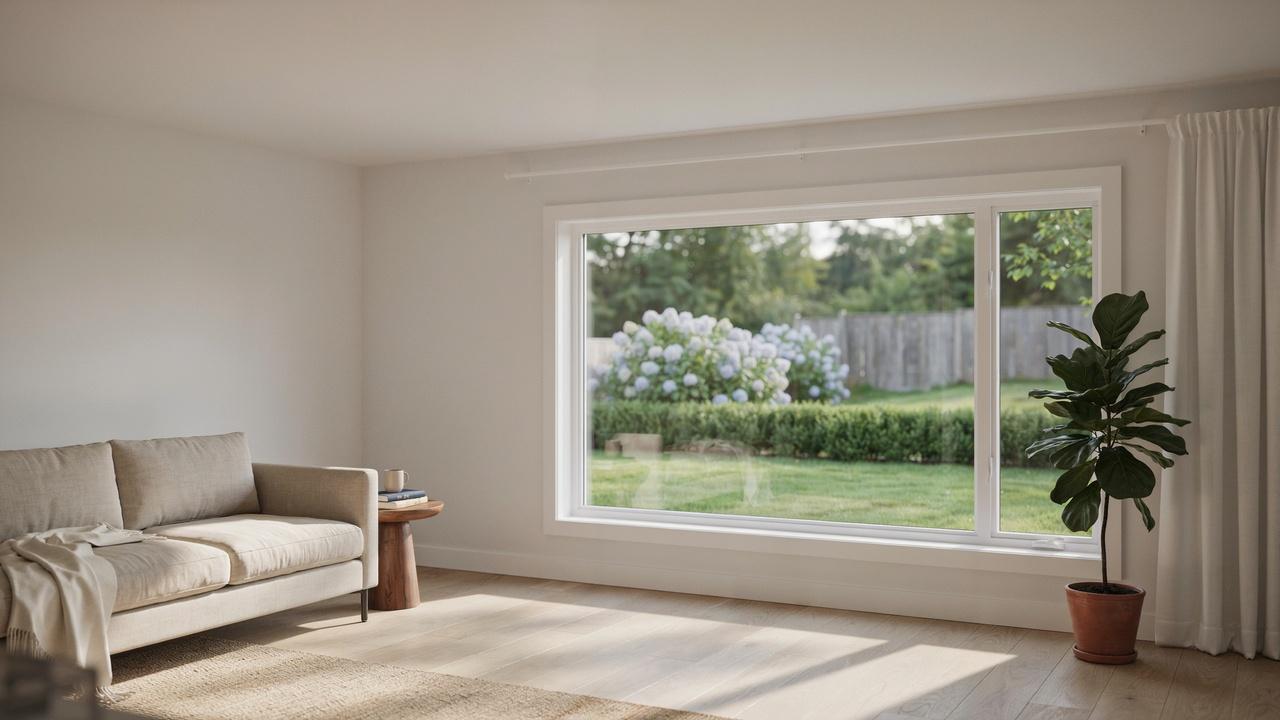
A fixed window has a sash that does not move at all. It is permanently secured in the frame and exists only to hold the glass.
You will find fixed sashes in picture windows and in decorative windows where ventilation is not needed.
How Does a Window Sash Work?
The sash relies on the right hardware and fit to move smoothly every time.
How Double-Hung Sashes Move
In a double-hung window, each sash slides up and down within channels on either side of the frame.
These channels, sometimes called jamb liners, guide the sash and keep it from swinging inward or outward.
The sash needs to fit snugly enough to stay in place but loosely enough to slide without sticking.
How Sliding Sashes Move
A sliding sash rides along a track at the top and bottom of the frame. Rollers or glides on the sash make the movement smoother.
Over time, dirt and debris can collect in the track and cause the sash to drag or stick.
How Casement Sashes Open
Turning the crank handle at the bottom of a casement window drives a mechanical arm called an operator.
The operator pushes the sash outward as you turn the handle. When you close the window, the sash swings back in and locks tightly against the frame.
How Sash Balances and Hardware Support Movement
In hung windows, sash balances do the heavy lifting. They are spring-loaded or counterweighted mechanisms hidden inside the frame channels.
Their job is to hold the sash in any open position without it slamming down. When a balance fails, the sash will not stay up on its own.
Window Sash vs. Window Frame: What Is the Difference?
This is one of the most common points of confusion for homeowners.
The frame is the fixed structure that surrounds the entire window opening. It is attached to the wall and does not move.
The sash is the inner panel that holds the glass. It sits inside the frame and, depending on the window type, either stays in place or moves to open and close the window.
Think of it this way. The frame is the house, and the sash is the door that moves inside it. Both are part of the window system, but they serve different roles.
When you are quoting a repair or replacement, knowing which part is damaged saves you from paying for more than you need.
What Materials Are Window Sashes Made Of?
The material affects how long the sash lasts and how much work it needs over time.
Wood sashes have a classic look and good insulating properties, but they require regular painting or sealing to prevent rot and warping.
Vinyl sashes are low-maintenance, resist moisture, and are widely used in modern construction.They do not need painting and hold up well in most climates.
Aluminum sashes are strong and slim, which allows for more glass area, but they transfer heat and cold more easily, which can reduce energy efficiency.
Fiberglass sashes offer durability and good insulation in a material that resists warping, rot, and temperature changes. They tend to cost more but hold up well over the long term.
Why Is a Window Sash Important?
A failing sash affects more than just how the window looks.
The sash is what makes a window functional. It supports the glass, enables ventilation, and creates the seal that keeps your home comfortable.
A damaged or poorly fitting sash lets in drafts, which drives up heating and cooling costs. It can also allow moisture to get inside the wall, leading to mold and structural damage over time.
From a security standpoint, a sash that does not lock properly is an easy entry point.
Paying attention to the condition of your sashes is one of the simplest ways to protect your home's comfort and energy performance.
What Are Common Window Sash Problems?
Most sash problems show up gradually and get worse if left alone.
- A sash that is hard to open or close usually means moisture swelling, paint sealing it shut, or a dirty track.
- If the sash drops when you let go, the balance mechanism is worn out and needs replacing.
- Drafts near the sash edge point to worn weatherstripping or a sash that no longer fits the frame tightly.
- Cracks, broken locks, or missing hardware are signs of wear, widespread damage means the sash needs replacement.
- Foggy glass between panes means the seal has failed and moisture has gotten inside the glass unit.
Can You Replace Just a Window Sash?
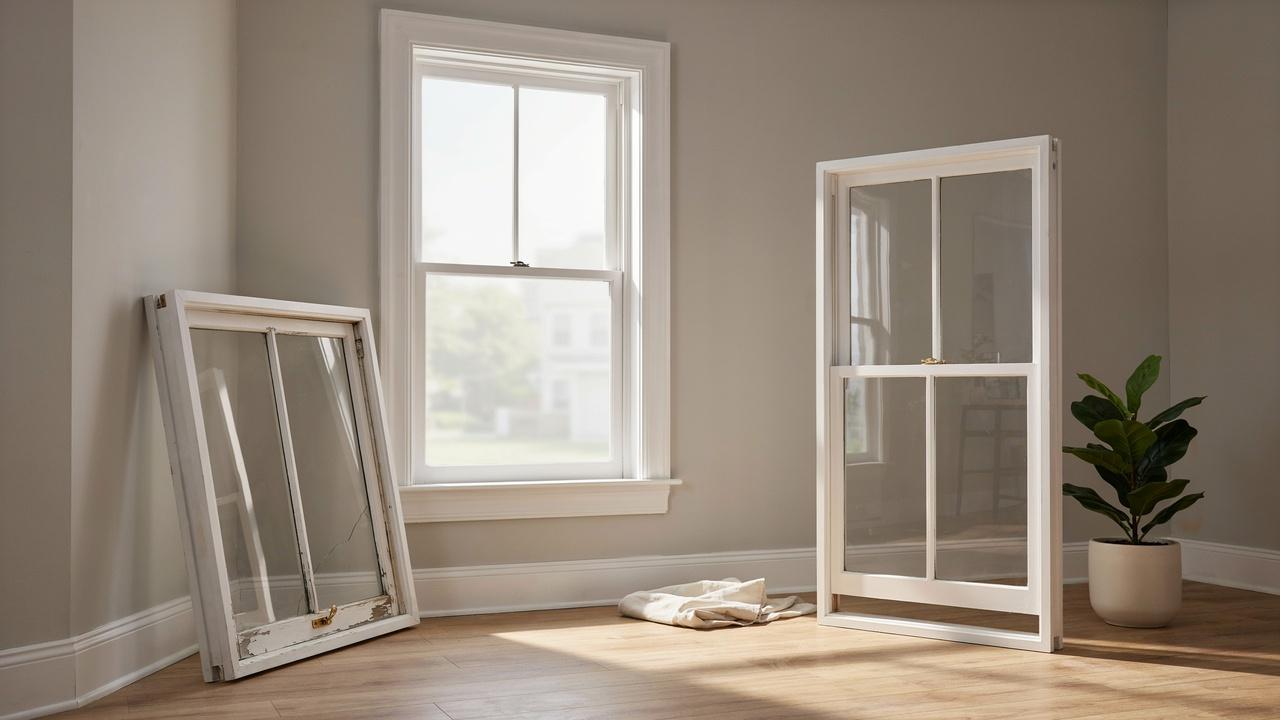
Yes, in many cases you can replace the sash without replacing the whole window.
If the frame is still solid but the sash is cracked, rotted, warped, or has a failed glass unit, sash replacement is the smarter and less expensive option.
For minor issues like worn weatherstripping, a broken lock, or a stuck track, repair is usually enough to get things working again.
Full window replacement makes more sense when the frame is also damaged, no longer square, or too old to support a new sash properly.
Match the solution to the actual problem and you will avoid overspending.
How Do You Maintain a Window Sash?
Regular maintenance keeps the sash working and prevents small problems from turning costly.
Clean the Sash and Glass
Wipe down the sash frame with a damp cloth a few times a year. For wood sashes, make sure to dry them afterward.
Clean the glass with a standard glass cleaner and check that the glazing or sealant around the glass edge is still intact.
Inspect Seals and Weatherstripping
Run your hand along the edge of a closed sash on a cold or windy day. If you feel air moving, the weatherstripping needs attention.
Press on it to see if it still has spring or if it has gone flat. Replace it if it no longer fills the gap.
Check the Sash Hardware
Test the lock to make sure it engages and releases cleanly. Check any sash lifts or handles to confirm they are still attached firmly.
Tighten any loose screws and replace hardware that is bent, broken, or corroded.
Look for Moisture, Rot, or Warping
Inspect the corners and bottom rail of the sash closely each year, especially on wood windows. These areas collect moisture and show the first signs of rot.
Press a fingernail or screwdriver tip gently into the wood. If it sinks in, the wood has softened and needs treatment or replacement.
Keep Moving Parts Working Properly
Lubricate the tracks, channels, and hardware once a year with a silicone-based lubricant. Avoid using oil-based products on vinyl or painted surfaces, as they attract dirt.
For casement windows, clean and lubricate the crank operator to keep it turning smoothly.
How Do You Know If a Window Sash Needs Replacement?
Here is what to look for when deciding if a repair is enough or if replacement is the right call.
- The sash frame is visibly cracked, broken, or structurally damaged
- Wood rot is widespread and cannot be treated with filler or hardener
- The sash is warped so badly that it no longer sits flat in the frame
- The glass seal has failed and the pane is fogged, regardless of cleaning
- The sash no longer locks securely or the hardware cannot be repaired
- The window is impossible to open or close even after cleaning and lubrication
- Drafts persist after you have replaced the weatherstripping
If you are checking off more than one item on that list, replacement is likely the more cost-effective path.
How Much Does Window Sash Replacement Cost?
Sash replacement costs vary based on several factors.
A basic sash replacement for a standard-size vinyl window typically runs between $150 and $400 per sash, including labor.
Wood sash replacements tend to cost more, ranging from $300 to $600 or higher, depending on the size and the quality of materials.
Custom-sized sashes cost more than standard sizes because they have to be made to order.
Glass type also affects the price. Standard double-pane glass costs less than low-e coatings, tempered glass, or triple-pane options.
If the existing frame requires any prep work before the new sash goes in, that adds to the labor cost.
Hardware such as locks, balances, and lifts may or may not be included in the quote, so it is worth asking upfront.
Getting two or three estimates from window contractors in your area is the best way to know what is fair for your specific situation.
Conclusion
Understanding the window sash helps you spot problems early and make smarter decisions about repairs and replacements.
Whether a sash is sticking, drafting, or showing signs of wear, knowing what you are looking at puts you in control.
A simple inspection once or twice a year goes a long way toward keeping your windows working well.
If this guide helped you get a clearer handle on window sashes, share it with someone who could use it, or drop a comment below with your question.
For more practical home guidance, check out our related window and home repair articles.
Frequently Asked Questions
Can a window sash be repainted without removing it?
Yes, you can repaint a sash while it is in the frame. Just avoid sealing it shut by painting the edges where it meets the track.
How long does a window sash typically last?
A well-maintained sash can last 20 to 30 years. Wood sashes may need attention sooner if moisture damage is not caught early.
Does a new sash come with glass already installed?
Most replacement sashes come with a pre-installed glass unit. Confirm this with the supplier before ordering, as some sell the frame separately.
Can I order a replacement sash for an older window?
Many manufacturers offer replacement sashes for discontinued models, but you may need to measure carefully or order a custom size.
Is it possible to add double-pane glass to an existing sash?
Not usually. Upgrading to double-pane glass requires a new sash built to hold the thicker unit. Retrofitting an old sash is generally not practical.