
I spent years walking past window sills without giving them a second thought. Just a ledge, right?
Then I started noticing cracks in walls, water stains, and warped frames in homes where the sills were damaged or poorly installed. That changed everything for me.
Understanding what is a window sill actually helped me make smarter decisions about my own home. And I think it will do the same for you.
It is more than just a finishing detail. It protects, supports, and even adds style to your space. Stick around because what you are about to read might surprise you.
What is a Window Sill? (Quick Overview)
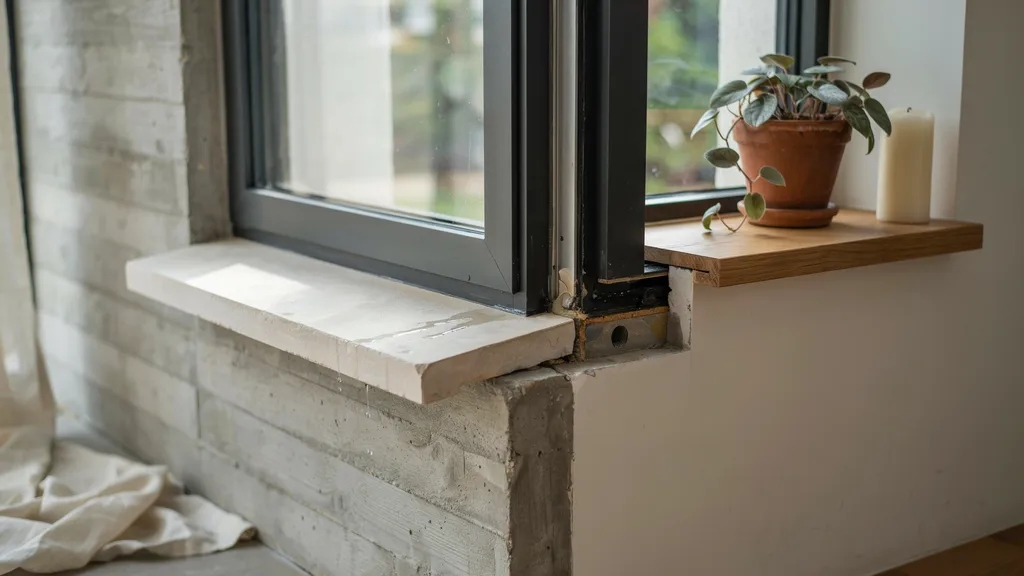
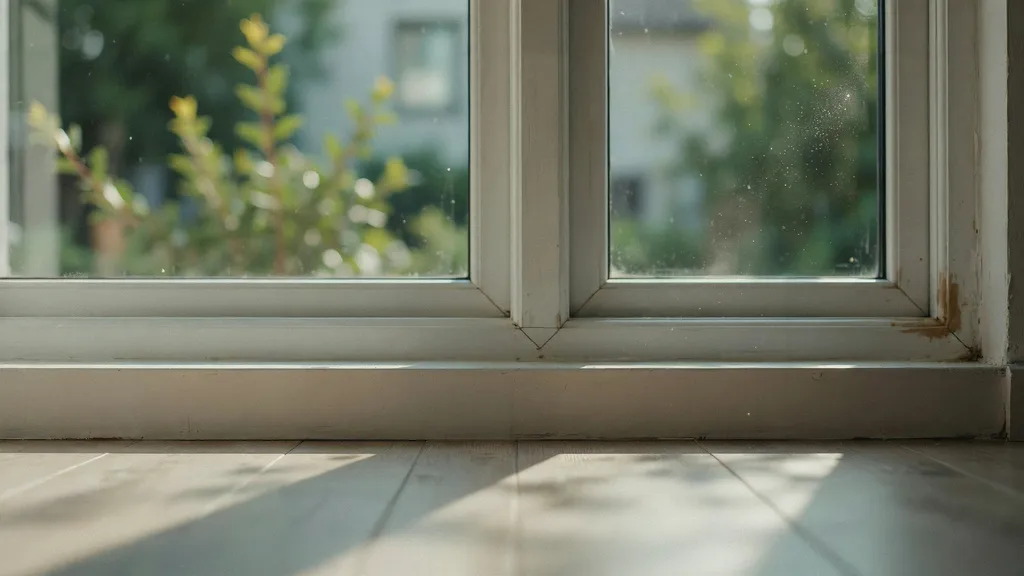
A window sill is the horizontal ledge sitting at the very bottom of a window frame. Think of it as the base that connects your window to the wall around it.
It plays a key role in keeping water out. On the outside, it pushes rainwater away from the wall so moisture doesn't seep in and cause damage.
On the inside, it works as a small shelf. You can use it for plants, books, candles, or just about anything you like.
It is one of those building features that works hard without drawing too much attention to itself.
Key Characteristics of a Window Sill
A window sill is built into the base of every window opening. It shows up in homes, offices, and commercial buildings alike.
Most people asking what is a window sill are referring to this lower horizontal section that sticks out slightly from the wall surface.
Here is what makes a window sill stand out:
- Sits at the bottom of the window frame
- Slightly sloped on the outside to push water away
- Made from different materials based on design and budget
- Acts as a connector between the window and the surrounding wall
It may look simple, but each of these features has a purpose. Whether it is keeping moisture out or adding a clean finish to the wall, the window sill is doing more than you might think.
Functions and Importance of a Window Sill
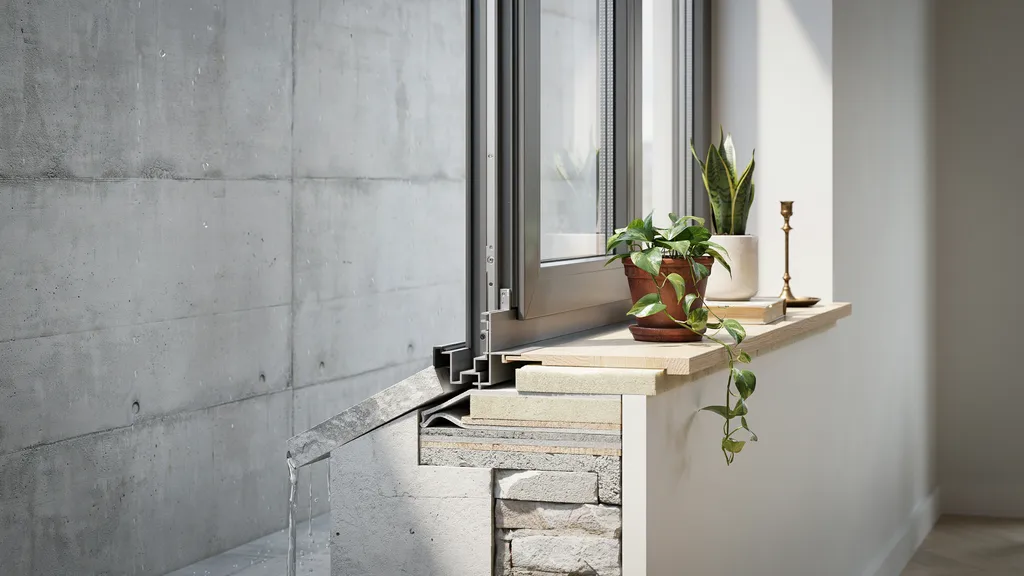
support, and interior ledge used for plants and decor"
Window sills are not just there to look good. They serve real, practical functions that protect your home and add value to the space inside.
Protection Against Water Damage
The outside window sill is built with a slight slope. That slope directs rainwater away from the wall instead of letting it pool and seep in.
Without this, water can get into the wall structure over time. This leads to mold, rot, and costly repairs.
A properly installed sill keeps all of that from happening. It is one of the simplest ways a building stays protected from the outside elements.
Even a small crack in the sill can let moisture in. That is why regular checks matter.
Structural Support
The window sill also helps hold the window frame in place. It gives the base of the frame something solid to rest on.
Over time, this prevents the frame from shifting or warping. That keeps your window opening and closing the way it should.
Buildings with poorly fitted sills often deal with alignment issues later. A good sill keeps everything stable from the start.
Interior Utility and Design Value
Inside your home, the window sill becomes a useful surface. You can place plants, small decor pieces, or even a book you are currently reading.
It adds depth to a window area and makes the space feel more lived in. It is a small detail that has a big visual impact.
Many people style their interior sills to match their room's look. It is an easy and affordable way to add character.
Types of Window Sills
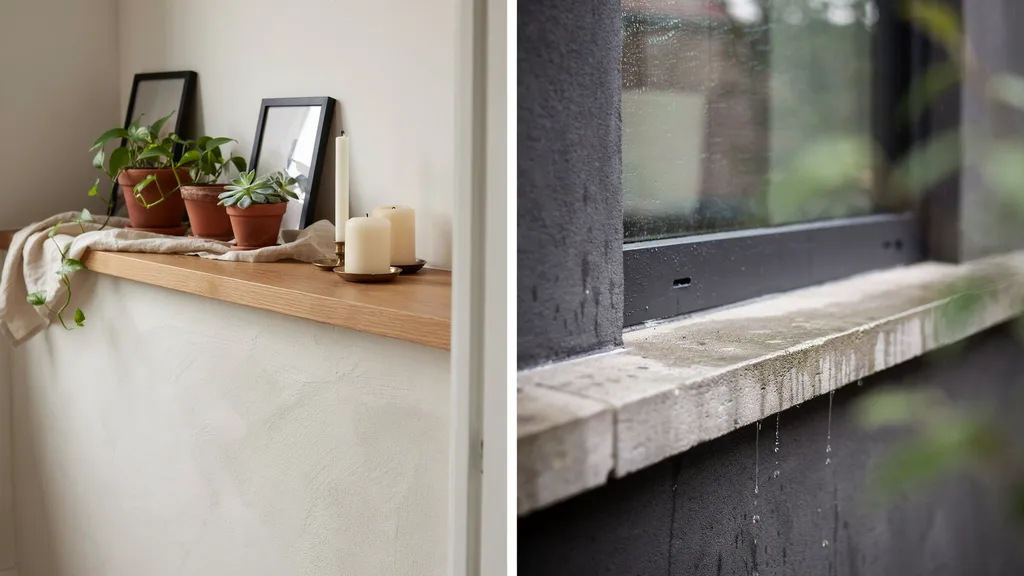
Not all window sills are built the same. The type you use depends on where it goes and what it needs to do.
Interior Window Sills
These sit inside your home at the base of the window. Their main job is to look good and be useful.
People use them for displaying plants, photo frames, candles, and small decorative items. They also add a clean, finished look to the window area.
Interior sills are usually made from wood, marble, or MDF. The material choice often depends on the room's overall look.
They are one of the easiest ways to add a personal touch to any room.
Exterior Window Sills
These are built to handle the outdoors. Rain, sun, and changing temperatures are all part of the deal.
They are made from tougher materials like stone, concrete, or treated wood. The slight outward slope is key so water runs off cleanly.
If an exterior sill is damaged or cracked, water can get into the wall fast. That is why durability matters so much here.
Regular sealing and inspection keep exterior sills doing their job for years.
Common Materials Used for Window Sills
The material of your window sill affects how long it lasts, how much upkeep it needs, and how it looks. Choosing the right one makes a big difference over time.
Here are the most common options:
- Wood: Warm, classic look but needs regular sealing and care
- Stone (Marble or Granite): Very durable and looks premium, but costs more
- Concrete: Strong and practical, widely used in modern builds
- PVC or Vinyl: Low maintenance, affordable, and weather-resistant
- Metal (Aluminum): Sleek and modern with strong durability
Each material has its own trade-offs. Your budget, local climate, and design style will guide the right pick.
A wood sill looks great in a cozy home. A concrete or PVC sill works well in high-moisture areas.
Window Sill Design and Interior Applications
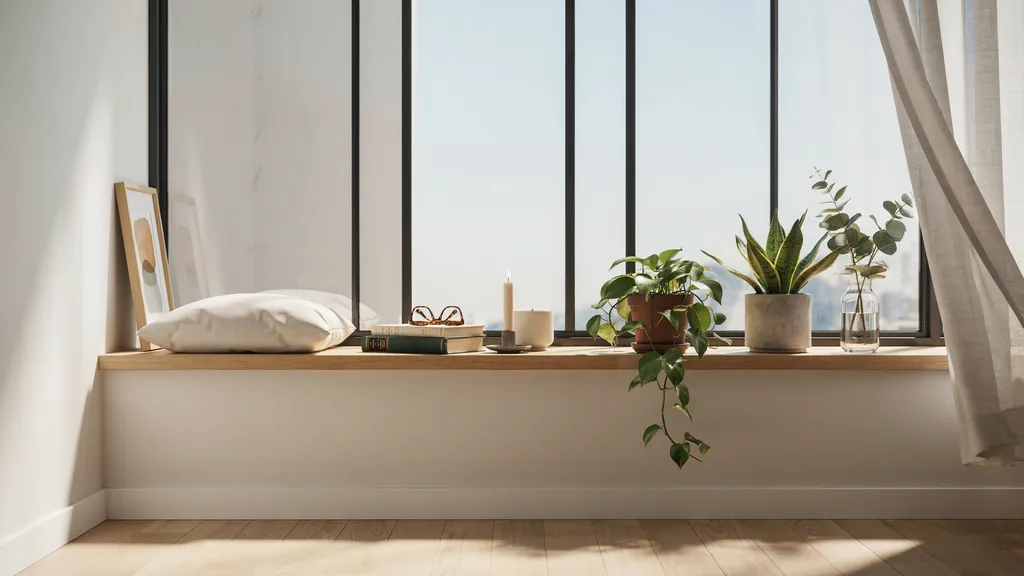
A window sill can do a lot for a room's overall feel. It adds a layer of detail that plain walls simply do not have.
Here are some popular ways people use their interior sills:
- Setting up a small reading nook by the window
- Lining up indoor plants to catch natural light
- Placing decor items like candles, small frames, or figurines
- Reflecting light deeper into the room for a brighter feel
A thoughtfully set-up sill turns a basic window into a focal point. It does not need to be expensive or complicated to look good.
Even a clean sill with a few well-placed plants can change how a room feels completely.
Basic Installation Overview of a Window Sill
Getting a window sill installed the right way takes some care and planning. A rushed job leads to gaps, poor drainage, and moisture problems later.
Here is a simple overview of how it is done:
- Measure the window opening carefully before anything else
- Prepare and level the base surface so the sill sits flat
- Fix the sill using adhesive or mortar depending on the material
- Make sure exterior sills have the right outward slope for drainage
- Seal all edges thoroughly to block moisture from getting in
Each step matters. Skipping even one can cause problems down the line. A properly installed sill will hold up for years without needing major repairs.
Maintenance Tips for Window Sills
A little regular care goes a long way when it comes to window sills. Ignoring them is how small issues turn into big ones.
Here is what I recommend keeping up with:
- Wipe them down regularly to stop dust and moisture from building up
- Check for cracks, chips, or signs of water damage every few months
- Re-seal the edges when you notice the sealant starting to wear
- Use the right cleaning product for the material you have
Staying on top of these basics keeps your sills looking good and working properly. It does not take much time, but it saves a lot of money and hassle in the long run.
Conclusion
Knowing what is a window sill is just the first step. The real difference comes from acting on it.
Check your sills this week. Are they cracked? Unsealed? Worn out? Catching it early saves you from expensive repairs later.
I have seen small neglected sills turn into big wall damage. You do not want that.
Pick the right material, get it installed properly, and give it a little regular care. That is really all it takes.
Have questions or something to add? Drop it in the comments. I read every single one.
Frequently Asked Questions
What is a Window Sill Used For?
A window sill supports the window frame and helps prevent water from seeping into the walls. On the inside, it also works as a small shelf for plants, decor, or storage.
Is a Window Sill Necessary in All Buildings?
Yes, most buildings include window sills because they play a key role in water drainage and structural protection. Skipping one can lead to moisture damage over time.
What Materials Are Best for Window Sills?
Stone, concrete, wood, and PVC are among the most commonly used materials for window sills. The best choice depends on your climate, budget, and design preference.
Can a Window Sill Be Used for Decoration?
Yes, interior window sills are a popular spot for plants, candles, photo frames, and small decor items. They are an easy way to add personality to any room.
What is the Difference Between Interior and Exterior Window Sills?
Interior sills focus on style and everyday use, while exterior sills are built to handle weather and direct water away from the wall. Both serve important but different roles.