
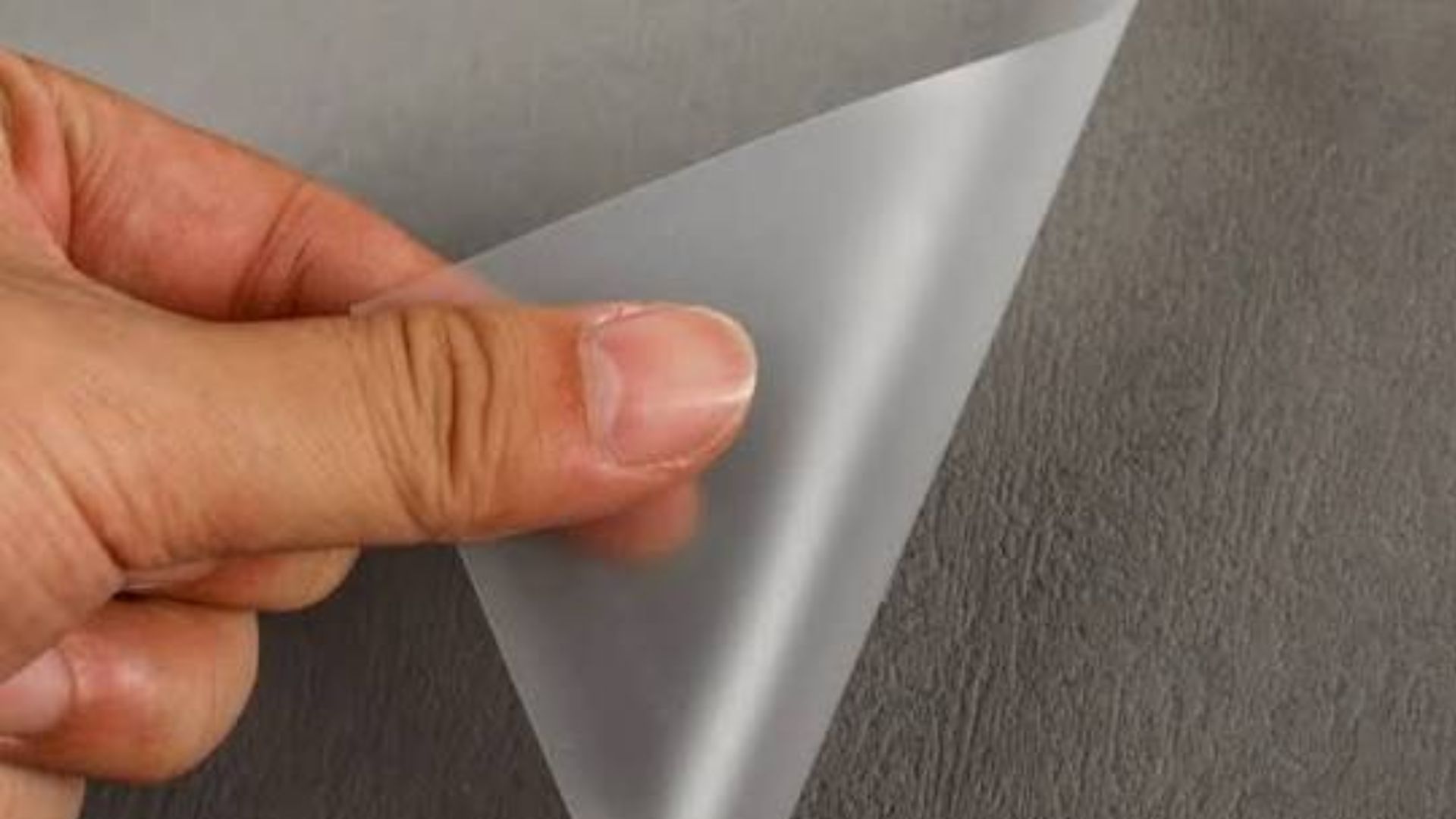
Shopping for a shower curtain or storage bag, you may have seen the label "PEVA material" and wondered what it means.
You are not alone. Many shoppers want products that are safe, waterproof, and free from harsh chemicals, but the labels can be confusing. This guide will explain what PEVA is, what it's made of, and whether it's safe for your home.
You'll also learn how it compares to PVC and EVA, plus tips for choosing the right products.
After researching dozens of product labels and manufacturer data sheets, this guide breaks down the facts in plain language. By the end, you'll know exactly what PEVA material is and if it fits your needs.
What Is PEVA Material?
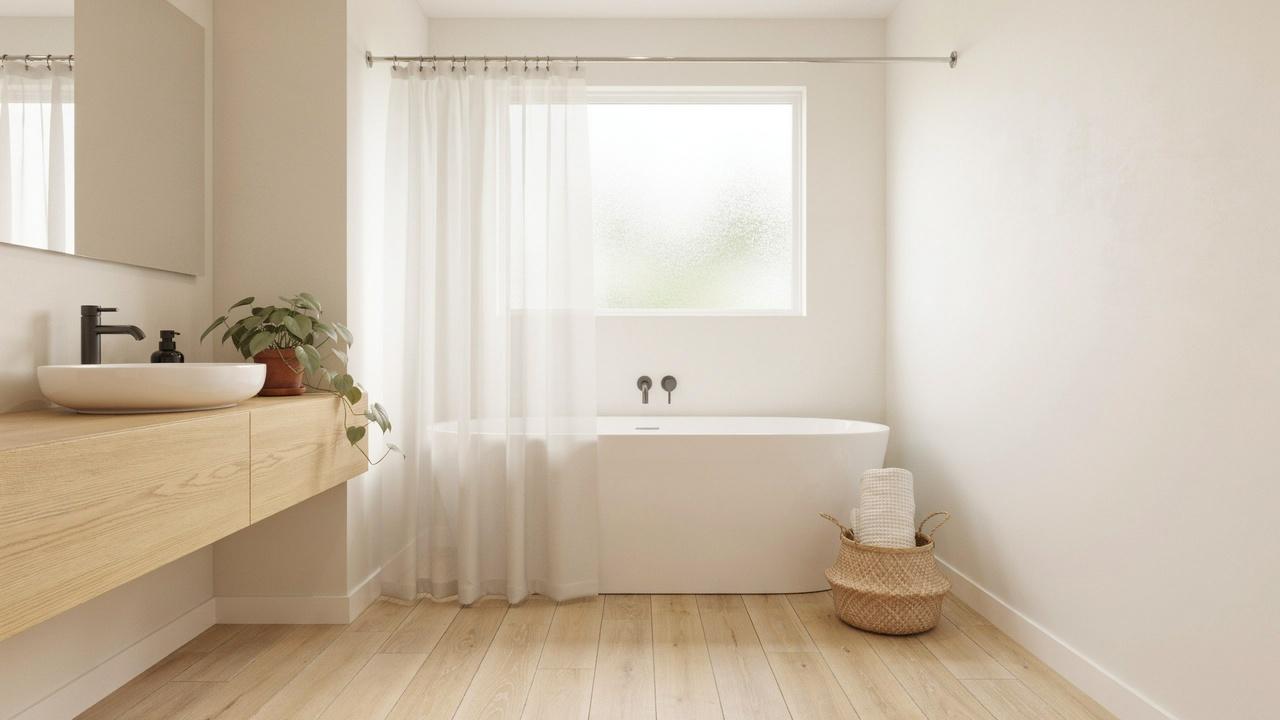
PEVA (Polyethylene Vinyl Acetate) is a copolymer made from ethylene and vinyl acetate units polymerized together into a single molecular chain not a blend of two separate plastics.
The proportion of vinyl acetate can vary, and that ratio determines flexibility: more vinyl acetate makes it softer and more rubber-like, less pushes it closer to stiffer polyethylene.
This structure is also why PEVA differs from PVC. PVC relies on chlorine-based chemistry and often needs added plasticizers to stay flexible, which contributes to its strong odor.
PEVA gets its flexibility from the copolymer itself, so it's naturally softer, lower-odor, and doesn't crack easily with repeated bending hence labels like "vinyl-free" or "PVC-free."
What Is PEVA Made Of?

PEVA is made by combining two main ingredients: polyethylene and vinyl acetate. These two materials are blended together to create a plastic that is both flexible and water-resistant.
Polyethylene is a common plastic used in bags and bottles. Vinyl acetate helps make the material softer and more pliable.
When combined, they form a sheet that can be shaped into curtains, liners, and covers.
How PEVA Differs From PVC

PVC, or polyvinyl chloride, contains chlorine. PEVA does not. This is the biggest difference between the two materials.
Because PVC has chlorine in its structure, it can release harmful gases when burned or broken down. PEVA skips this chlorine base entirely, which is why many brands market it as a cleaner choice.
PVC often needs plasticizers called phthalates to stay soft. PEVA generally does not need these added chemicals, since it is naturally more flexible from the start.
Why PEVA Is Considered a Vinyl Alternative
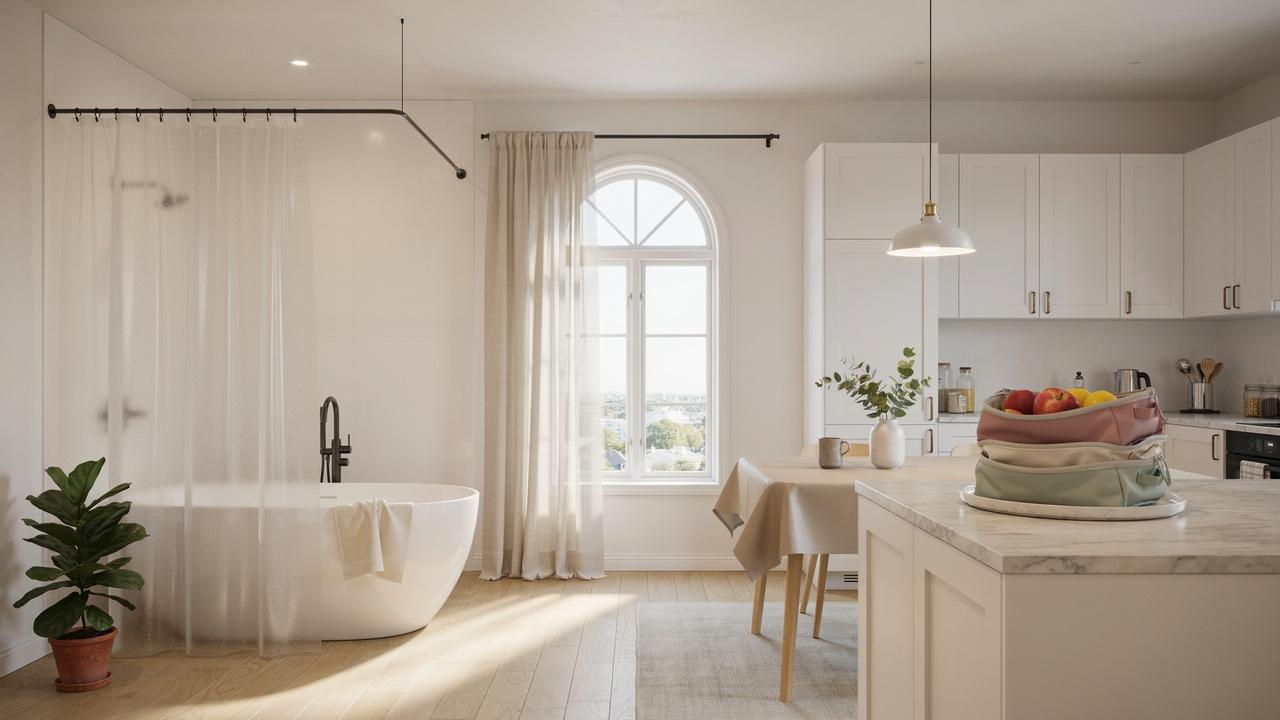
People looking to avoid vinyl products often turn to PEVA instead. It offers the same waterproof qualities without the chlorine content or strong chemical smell.
This makes PEVA popular in bathrooms, kitchens, and kids' rooms, where parents and shoppers want fewer chemicals around daily life.
It gives the practical benefits of vinyl, like water resistance and durability, minus some of the common concerns tied to PVC products.
What Are the Properties of PEVA Material?
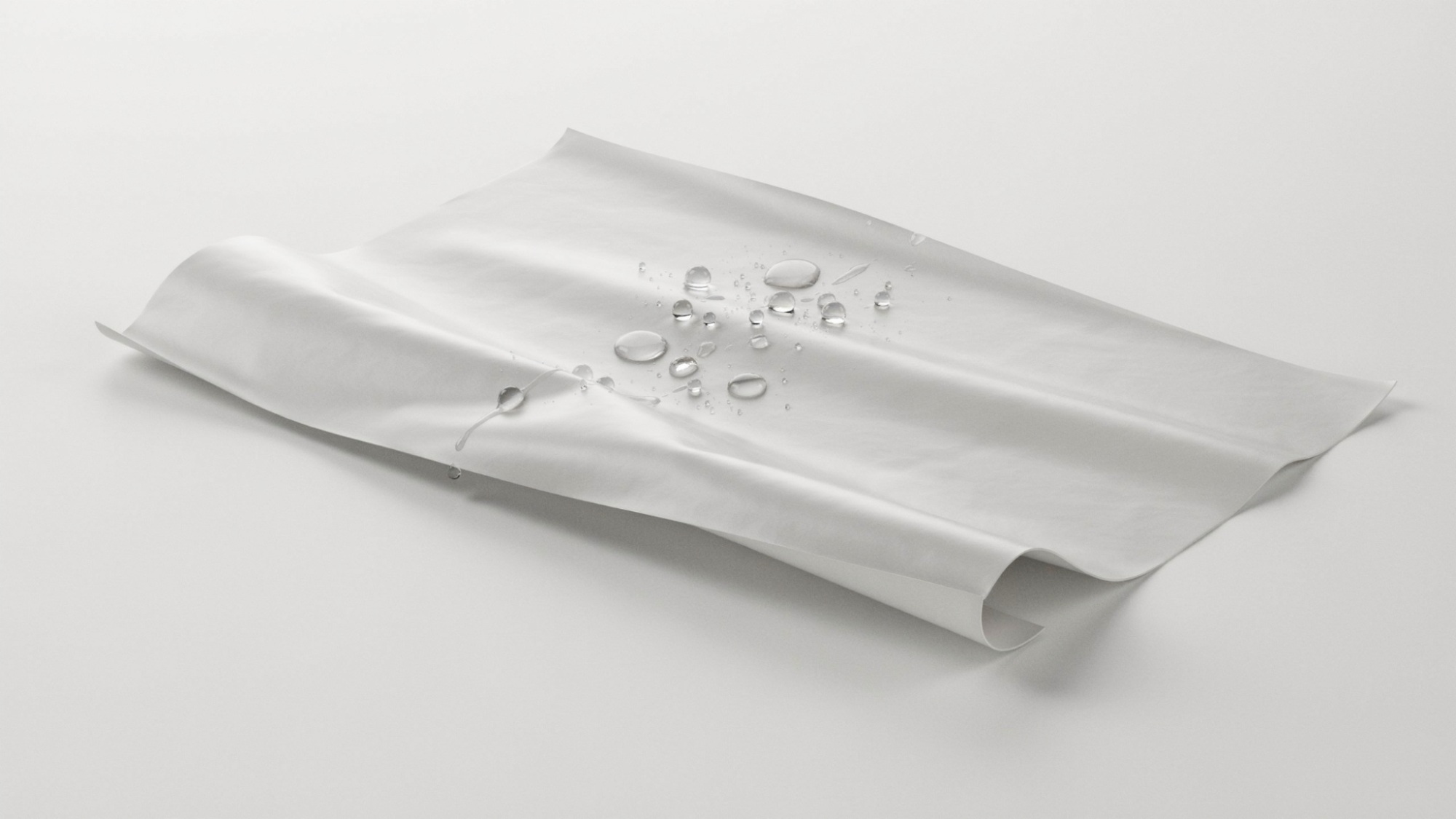
PEVA has a few standout qualities that make it useful for so many household products. It holds up well under daily wear, resists water, and stays flexible even in cold temperatures.
Let's break down the main properties that make PEVA a practical choice.
Waterproof and Moisture Resistant
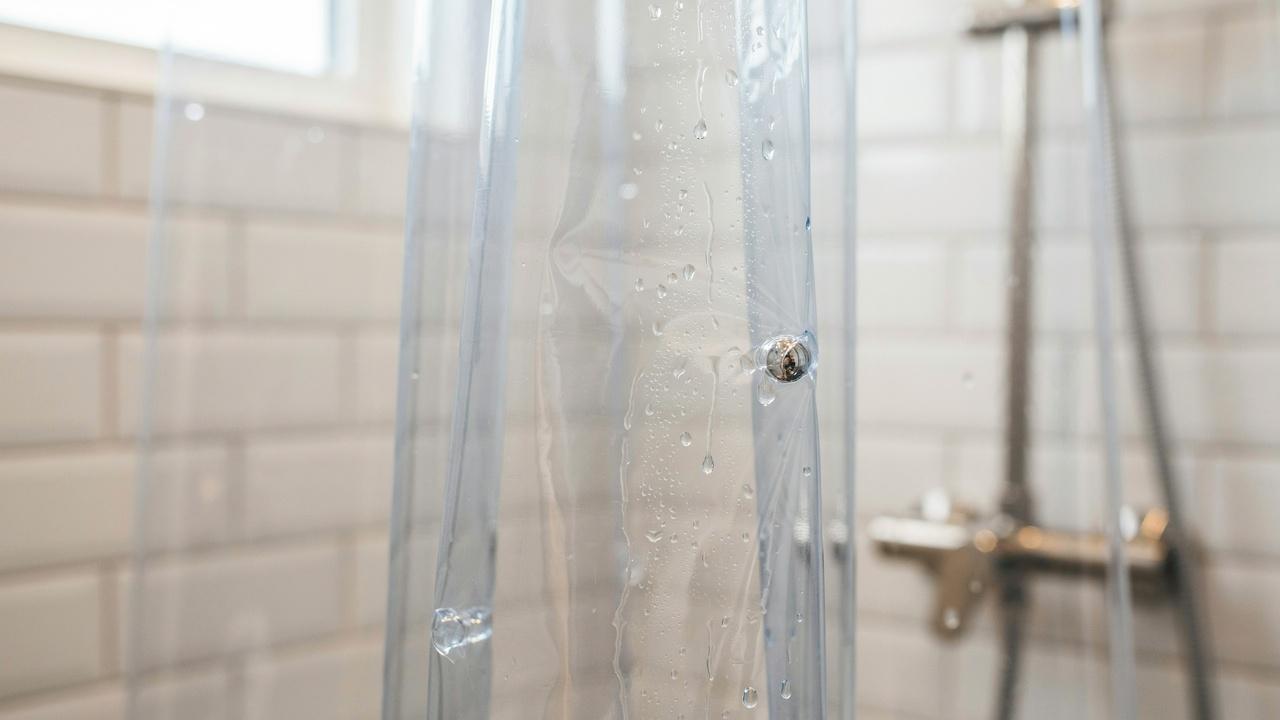
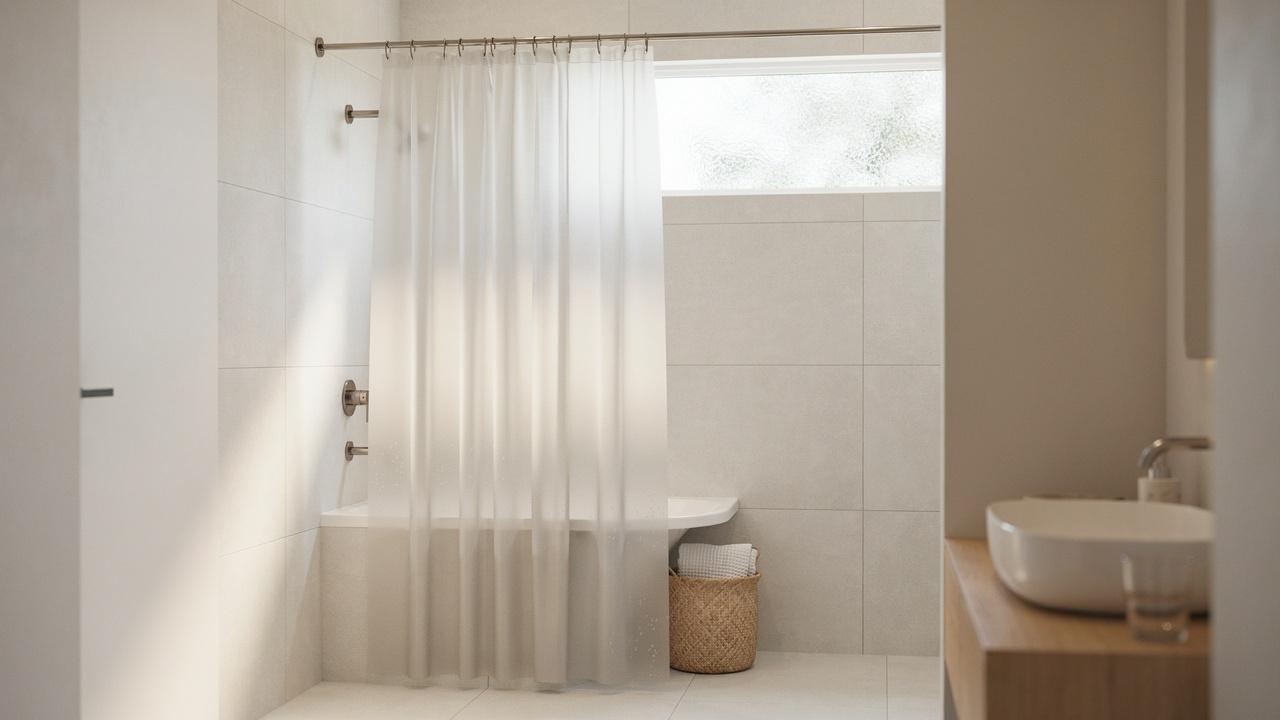
PEVA blocks water completely, which is why it's the top choice for shower curtain liners. Water beads up and rolls off the surface instead of soaking through.
This same quality makes it useful for mattress protectors and tablecloths. Spills and splashes stay on top of the material instead of seeping into what's underneath.
Flexible, Lightweight, and Durable

PEVA stays soft and bendable, even when folded or rolled up for storage. Unlike stiffer plastics, it won't crack or become brittle over time.
It's also lightweight, making it easy to hang, fold, or carry. Despite being thin, PEVA holds up to regular use and resists tearing under normal conditions.
Odor and Chemical Resistance
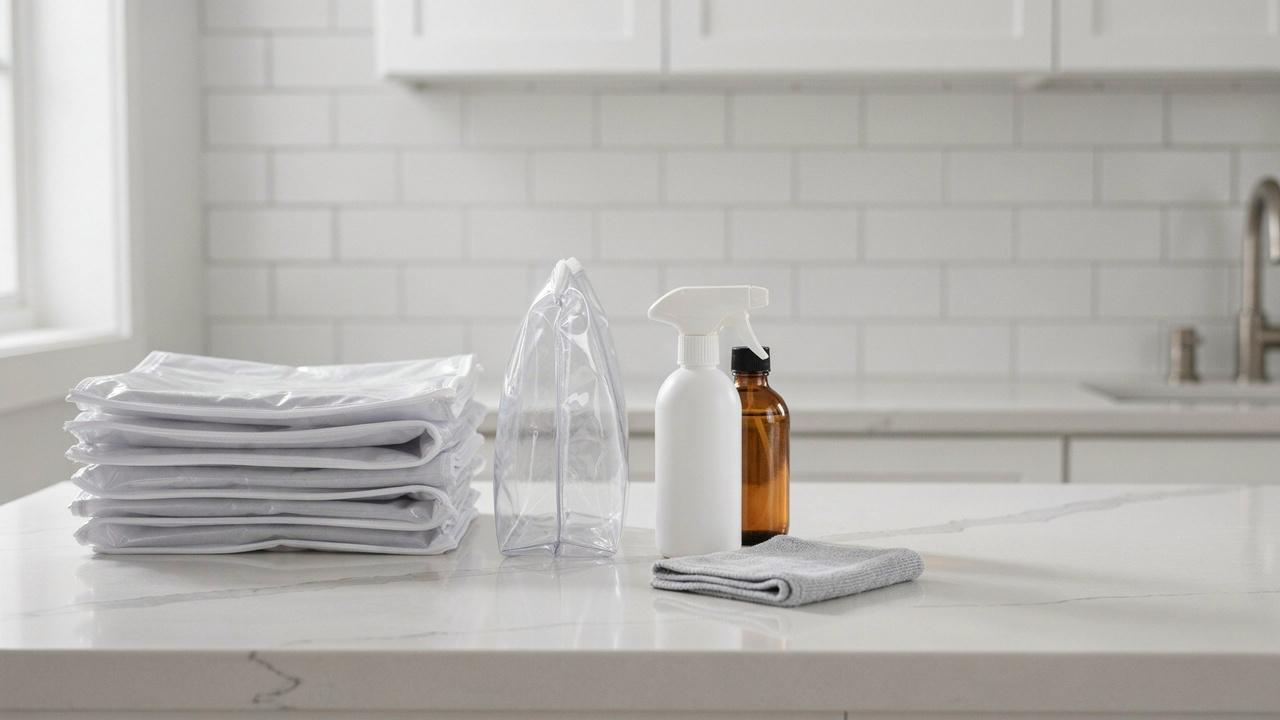
One common complaint about vinyl shower curtains is the strong plastic smell right out of the package. PEVA typically has little to no odor, which is a big reason people choose it over PVC.
It also resists many household chemicals, so cleaning products won't easily damage or discolor it.
Is PEVA Material Safe?
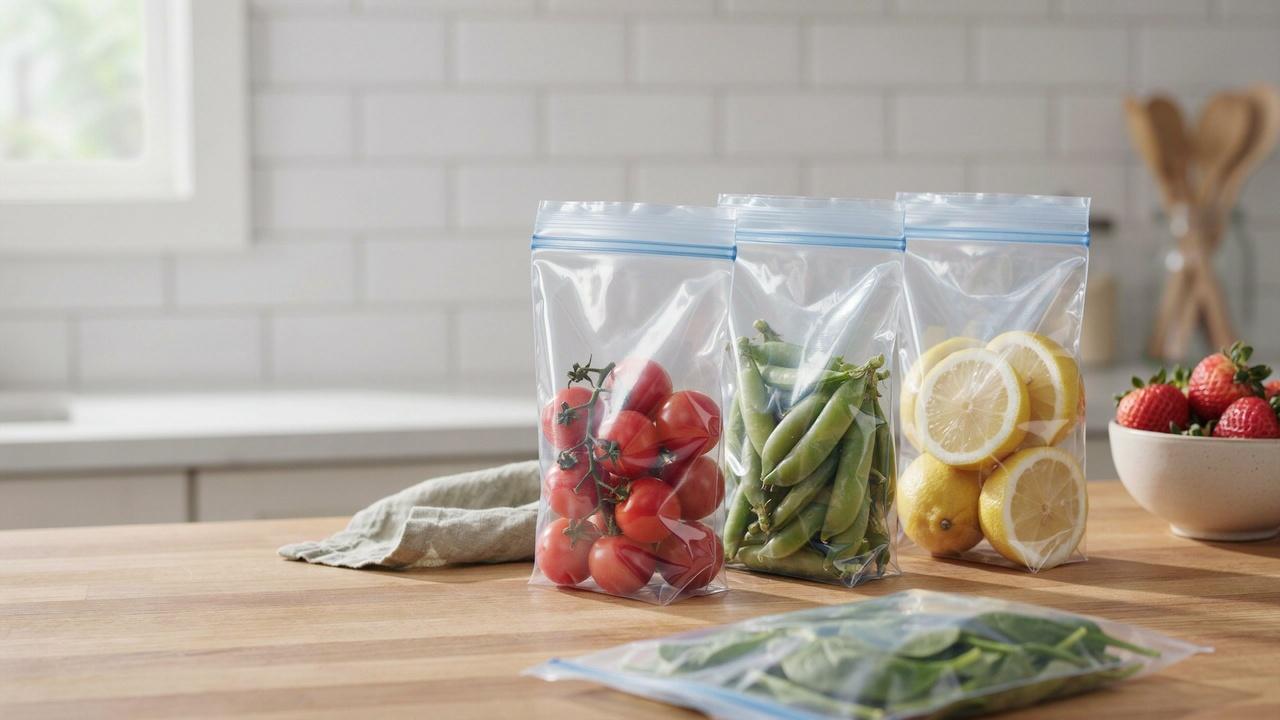
Safety is often the first question people ask before buying PEVA products, especially for kitchens, bathrooms, or kids' rooms, and the good news is that PEVA is generally considered a safer plastic option.
It's widely marketed as non-toxic since it skips the chlorine base found in PVC, lowering the risk of harmful chemical release, though it's still smart to check for third-party safety certifications for added peace of mind. .
Is PEVA Eco-Friendly?
PEVA is often marketed as a more eco-friendly alternative to PVC because it is made without chlorine and typically does not require phthalates.
While that makes it a cleaner plastic option, it is still a synthetic material and should not be considered fully sustainable.
Why PEVA Is Better Than PVC
PEVA avoids the chlorine-based manufacturing process used for PVC, which can reduce the release of certain harmful byproducts during production.
It also has a lower odor and is commonly used in products designed as PVC-free alternatives.
Environmental Limitations
PEVA is not biodegradable, so it will not naturally break down in landfills.
Like most plastics, its environmental impact depends largely on how it is used, reused, and disposed of after its lifespan.
Can PEVA Be Recycled?
Some recycling facilities accept PEVA, but availability varies by location.
Before disposing of PEVA products, check your local recycling guidelines or see whether the manufacturer offers a take-back or recycling program.
Common Uses of PEVA Material
PEVA shows up in more places than most people realize.
Its waterproof and flexible nature makes it useful across many everyday products, including:
- Shower curtains and liners: The most common use for PEVA. It keeps water inside the shower or tub while resisting mold and mildew better than fabric alternatives.
- Tablecloths: Wipe clean in seconds, making them a practical pick for kids' meals or outdoor dining.
- Mattress protectors: Guard against spills, sweat, and accidents without adding bulk.
- Storage bags: Reusable sandwich bags and similar products rely on PEVA's flexibility and water resistance.
- Garment covers and household products: A go-to material for storage solutions around the house.
PEVA vs PVC vs EVA: What's the Difference?
These three materials sound alike, but they have real differences worth knowing before you buy.
Material Comparison Table
| Feature | PEVA | PVC | EVA |
| Chlorine content | No | Yes | No |
| Common smell | Little to none | Strong plastic odor | Mild, slightly sweet |
| Flexibility | High | Moderate | High |
| Common uses | Curtains, bags, covers | Pipes, flooring, curtains | Foam mats, sports gear |
| Phthalates needed | Usually not | Often yes | Usually not |
Which Material Is Best for Different Applications?
For shower curtains and household items, PEVA is often the top pick due to its low odor and lack of chlorine. PVC works well for more rigid uses like pipes or flooring, where flexibility matters less.
EVA is best suited for foam-based products like yoga mats or sports padding, since it's built for cushioning rather than sheet-like waterproofing.
How to Choose PEVA Products

Not all PEVA products are made the same way, so a bit of label-checking goes a long way, starting with certifications like OEKO-TEX or other safety testing labels that confirm the product has been checked for harmful substances.
It also helps to read the product description for terms like "PVC-free" or "phthalate-free," which are good signs of quality PEVA material, and thicker PEVA products tend to last longer and resist tearing better than thinner, cheaper versions.
In general, PEVA works best when you need something waterproof, lightweight, and low in odor, making it a solid pick for bathrooms, kids' spaces, and any area where moisture protection
matters most, so if you're specifically trying to avoid PVC or reduce chemical exposure at home, PEVA is generally a smart substitute.
Common Myths About PEVA Material
A few misunderstandings about PEVA continue to circulate, so let's clear them up.
1. PEVA smells like plastic Fresh:PEVA products may have a very mild smell right out of the packaging, but it's much lighter than the strong odor common with PVC. Airing the product out for a day or two usually removes any remaining smell.
2. PEVA is completely environmentally friendly:While PEVA is a better option than PVC in some ways, it's still a plastic product that doesn't break down naturally. Calling it fully environmentally friendly would be misleading. It's more accurate to call it a lower-impact plastic choice rather than a truly green one.
3. PEVA is the same as PVC:Since both materials are used for similar products like curtains and covers, people often assume they're identical. In reality, PEVA skips the chlorine base found in PVC, which sets the two materials apart in both safety and smell.
4. PEVA is just as toxic as other plastics:Some shoppers lump all plastics into one category and assume PEVA carries the same risks as PVC or other vinyl products. PEVA is generally free from phthalates and BPA, which makes it a lower-risk choice for everyday household items.
5. All PEVA products are the same quality
Not every PEVA product on the shelf is made to the same standard. Thickness, certifications, and manufacturing processes can vary between brands, so a cheap PEVA item may not hold up as well as one from a trusted, tested source.
Expert Tips for Using and Maintaining PEVA
A little care goes a long way in keeping PEVA products in good shape.
- Avoid folding PEVA products too tightly for long periods, since this can cause creasing over time.
- Clean with a damp cloth and mild soap rather than harsh chemical cleaners, which can wear down the surface faster.
- Hang shower curtains or liners to dry fully after use to prevent mold buildup in the folds.
- Store tablecloths and covers flat or loosely rolled instead of tightly folded.
- Check products regularly for signs of wear so you can replace them before they crack or tear.
Conclusion
PEVA material offers a practical, low-odor, and waterproof option for everyday household products.
It skips the chlorine and phthalates found in PVC, making it a safer pick for bathrooms, kitchens, and kids' spaces. While it's not a perfect environmental solution, it's a solid step up from traditional vinyl.
Now that you know what PEVA material is and how it compares to other plastics, you can shop with more confidence.
Try checking the labels on your next shower curtain or tablecloth purchase. Have questions or tips of your own? Drop a comment below and share this guide with anyone else curious about safer plastic choices.
Frequently Asked Questions
How long does PEVA material typically last?
With proper care, PEVA products like shower curtains or mattress protectors can last one to two years before showing signs of wear, cracking, or discoloration.
Can PEVA be washed in a washing machine?
Most PEVA items should not go in the washing machine, since the agitation and heat can cause creasing or damage. Hand washing with mild soap works best.
Does PEVA fade or discolor in sunlight?
Yes, prolonged sun exposure can cause PEVA to yellow or become brittle over time. Keeping products away from direct sunlight helps them last longer.
Is PEVA more expensive than PVC products?
PEVA products are often priced similarly to PVC, though prices can vary by brand, thickness, and certifications. Higher-quality PEVA may cost slightly more.
Can people with plastic sensitivities use PEVA safely?
Most people tolerate PEVA well since it lacks common irritants like chlorine and phthalates. Those with sensitivities should still check labels or consult a doctor first.