
Picking the wrong curtain rod is more common than you think. I've done it myself.
Bought a rod that looked great in the store, got home, hung my curtains, and watched the whole thing slowly bow in the middle. Frustrating doesn't even cover it.
So if you've ever stopped and asked yourself, what size curtain rod do I need, you're already thinking smarter than I was back then.
In this post, I'll walk you through rod diameters, curtain weight, window size, and style preferences.
By the end, you'll know exactly what works for your space. No guessing. No second trips to the store. No curtains that look completely off.
Just a straight, simple answer that saves you time and gets it right the first time around.
Curtain Rod Size Basics: Why Diameter Matters More Than You Think
Most people focus on rod length and completely ignore diameter. That's a mistake.
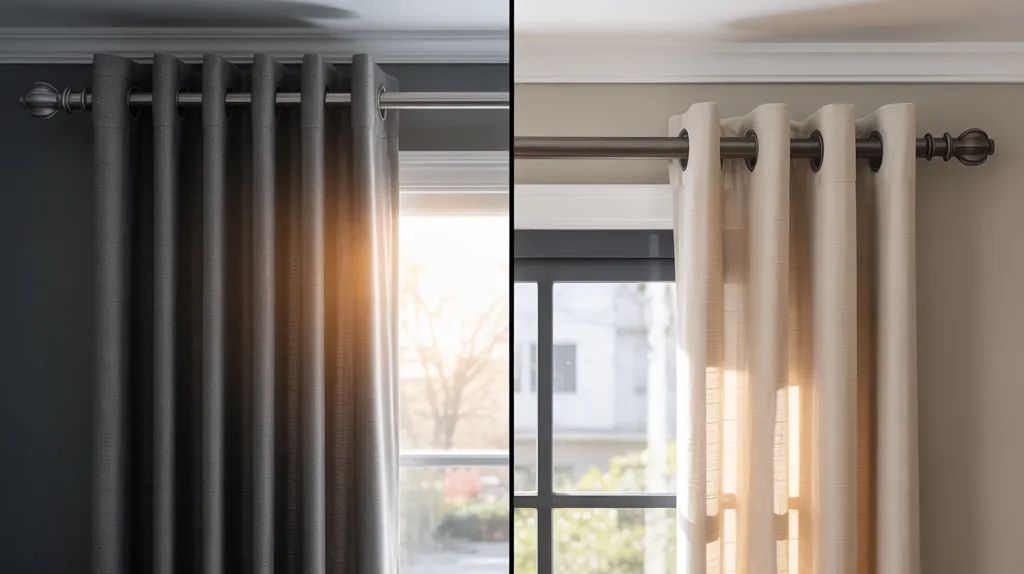
The diameter of your curtain rod decides how much weight it can hold and how long it stays straight. A thin rod under heavy drapes will bend over time.
The wider the rod, the stronger the support. This is true especially for larger windows with wide spans.
Before you buy anything, check the weight and fabric of your curtains. That one step saves you a lot of trouble later.
Standard Curtain Rod Diameter Options Explained
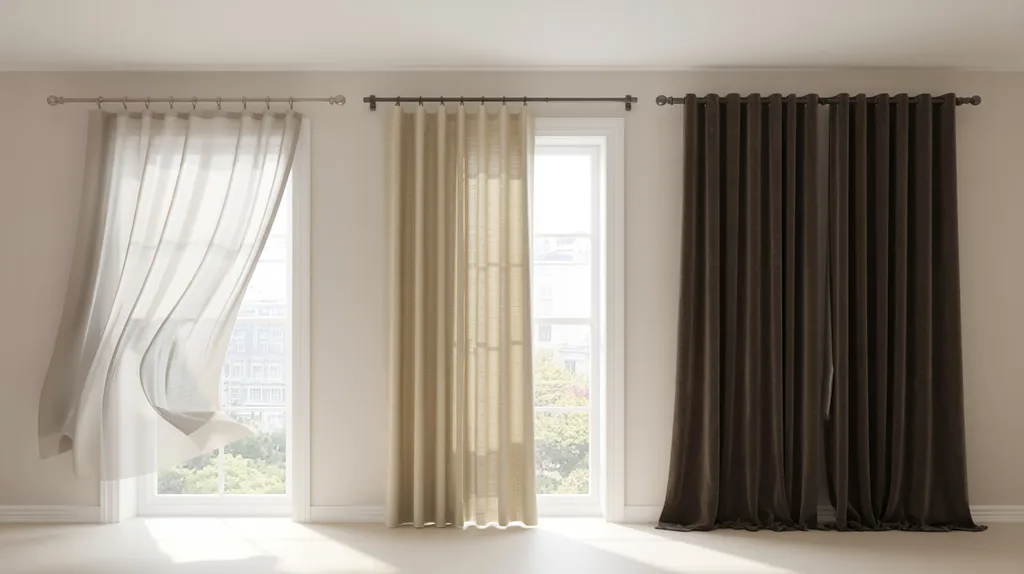
There are three main diameter ranges you'll come across. 0.75"–1" rods are made for lightweight curtains and sheer fabrics.
They're slim and work fine for small, breezy panels. 1"–1.25" rods are the most common choice for everyday home curtains.
They handle cotton, linen, and mid-weight fabrics without any issues. 1.25"–1.5"+ rods are built for the heavy stuff.
Blackout curtains, velvet drapes, and layered panels need this level of support. Going thicker than you think you need is almost never a bad call.
How to Choose Curtain Rod Diameter Based on Curtain Type
Your curtain fabric tells you exactly which rod to get.
- Sheer curtains need thin rods. The fabric is light and doesn't put pressure on the rod.
- Cotton or linen curtains work well with medium rods. They're not too heavy, not too light.
- Blackout or heavy curtains require thick rods. These fabrics are dense and put real weight on the rod.
- Layered curtains always need a step up in rod thickness. Double layers mean double the weight.
The fabric type is one of the most direct clues you have when figuring out what size curtain rod you need.
Choosing Curtain Rod Size Based on Weight
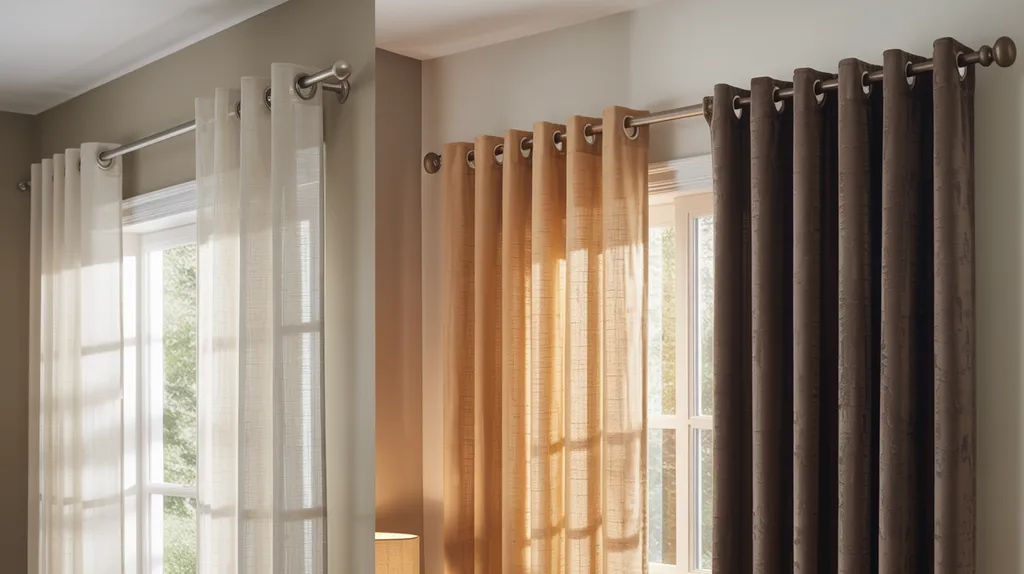
Weight is the single most important thing to check before buying a rod. Most people underestimate it completely.
Lightweight setups like sheers and voiles need minimal diameter since the fabric puts almost no pressure on the rod.
Medium-weight curtains in cotton or linen work well with standard rods in the 1"–1.25" range without any sagging issues.
Heavy curtains are a different story altogether. You need reinforced, thick rods for these because anything under 1.25" will struggle and bend over time.
Here's what I've noticed when people ask "what size curtain rod do i need" they're usually thinking about color or finish.
Weight barely crosses their mind. Don't make that mistake. A rod that bends after three months isn't worth it.
Matching Curtain Rod Diameter with Style and Preference
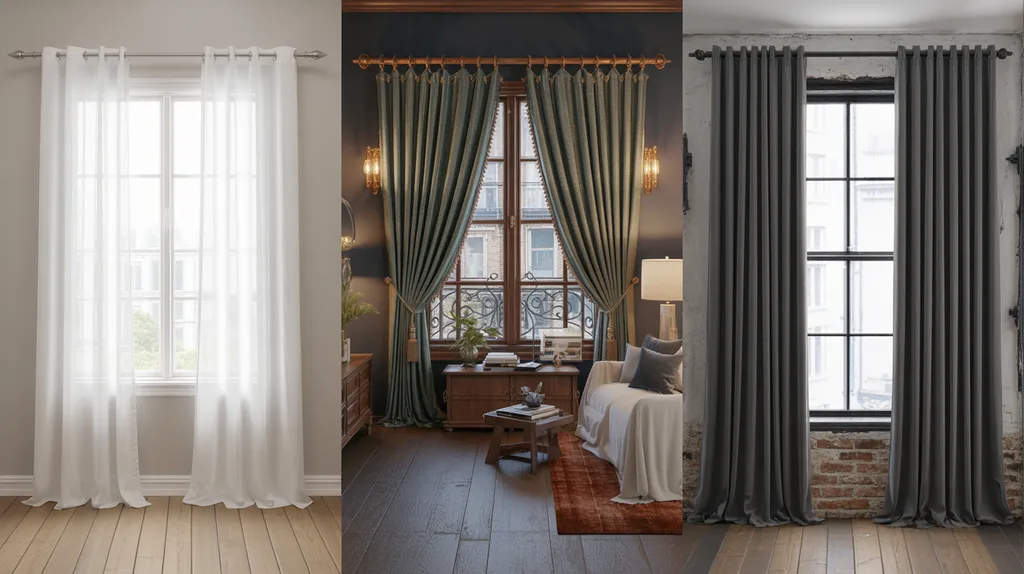
Function matters, but so does how it looks. Your room style should guide the finish and thickness of your rod.
Modern minimalist homes work best with slim rods because clean lines keep the space looking sharp and simple. Luxury or traditional interiors call for thicker rods that add a bold, grounded presence to the room.
Industrial styles look great with matte black, heavy rods where the thickness actually adds to the overall look. If you're using decorative finials, always pick a strong rod base.
Heavy finials on a thin rod look off and feel unstable. Your style and your rod diameter can work together once you know what to look for.
Curtain Style Compatibility and Rod Diameter
Match your curtain style to the right rod before you buy.
- Grommet curtains:Medium to thick rods for smooth glide. The grommets slide easily over wider rods.
- Pinch pleat curtains: Structured rods for stable movement. These curtains need a firm base.
- Rod pocket curtains:Thinner rods work but offer limited support for heavier fabrics.
- Double-layer curtains: Always upgrade rod thickness. Two layers means twice the strain on the rod.
Window Size and Rod Diameter Relationship
Window size plays a bigger role in rod choice than most people realize.
- Small windows: Thin to medium rods work best visually. A thick rod can overpower a small frame. Stick to rods under 1" to keep the window looking balanced and proportionate.
- Large windows: Thicker rods prevent sagging across a wide span. Never go thin here. A rod under 1" on a large window will start bending within weeks.
- Wide spans: Reinforced rods are required regardless of curtain type. The longer the span, the more stress on the rod. Always check the rod's maximum span rating before buying.
Pro Tips for Choosing the Perfect Curtain Rod Diameter
A few things I always keep in mind.
- Always prioritize curtain weight over look. A pretty rod that bends is useless.
- When unsure, go one size thicker. It's always better to have more support than less.
- Match rod diameter with bracket strength. A thick rod on weak brackets still fails.
- Think about future upgrades. If you plan to layer curtains later, buy a thicker rod now.
- Don't underestimate span length stress. Long rods sag under their own weight. Go reinforced for wide windows.
Conclusion
I used to overthink curtain rods until I realized the answer is almost always simpler than it looks.
Check your curtain weight, match your rod diameter, and make sure your brackets are strong enough. That's really it.
If you're still unsure what size curtain rod you need, drop a comment below. I'd love to help you figure it out.
Share this post with anyone redecorating their space right now. It might save them one very frustrating trip back to the store.
Frequently Asked Questions
What is the most common curtain rod diameter for home use?
The 1"–1.25" diameter rod is the most widely used size for standard home curtains.
Can I use a thin rod for blackout curtains?
No, blackout curtains are heavy and need a thick rod of at least 1.25" for proper support.
Does curtain rod diameter affect how curtains hang?
Yes, the right diameter keeps curtains hanging straight without sagging or bowing.
What size curtain rod do I need for a wide window?
Wide windows need reinforced, thicker rods to prevent bending across the full span.
Should rod diameter match curtain ring size?
Yes, always check that your curtain rings or grommets fit the rod diameter you choose.