
Hanging curtain rods sounds simple until you actually pick up the drill.
I learned this the hard way when I installed my first rod too low and too close to the window frame, and my living room looked smaller for months before I fixed it.
This guide covers exactly where to install curtain rods, how high to place them, how wide they should extend, and where the brackets go.
I have redone window treatments in three homes now, so I know the small details that make a big difference.
By the end of this article, you will know exactly how to measure, mark, and mount your rods so your windows look taller, wider, and better dressed.
Where to Install Curtain Rods for Best Results
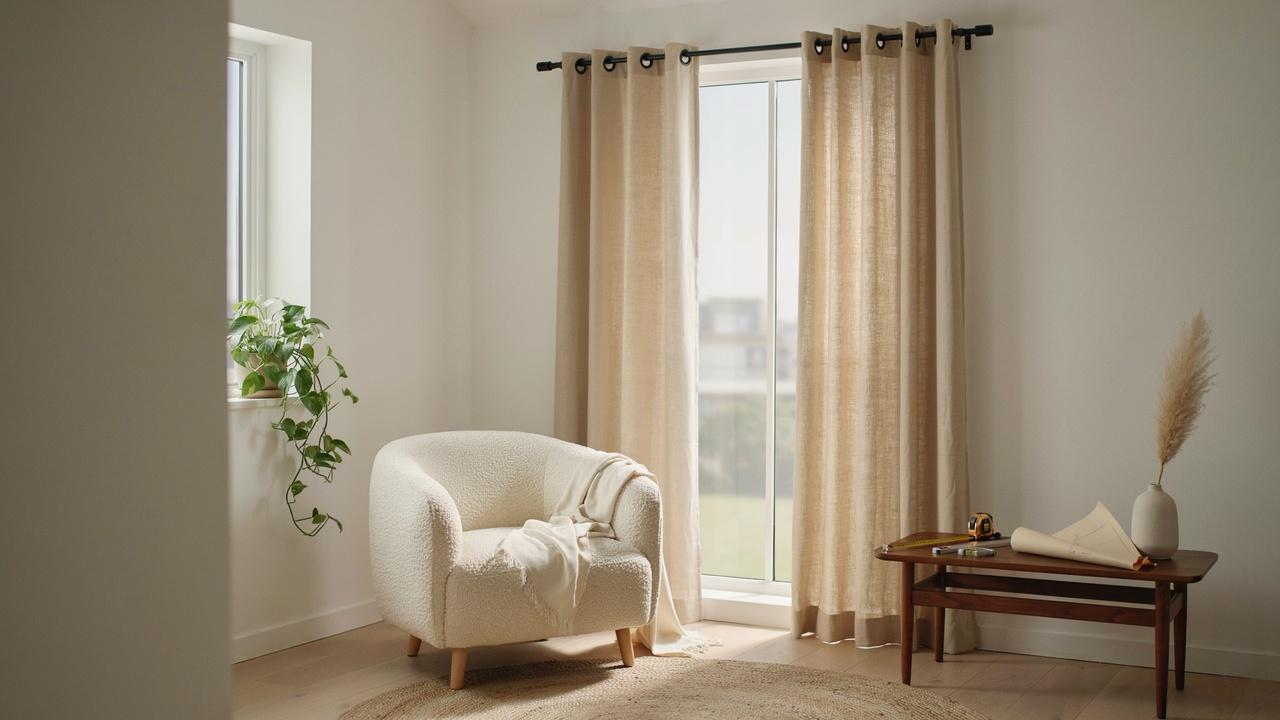
Here is the short version before we get into the details.
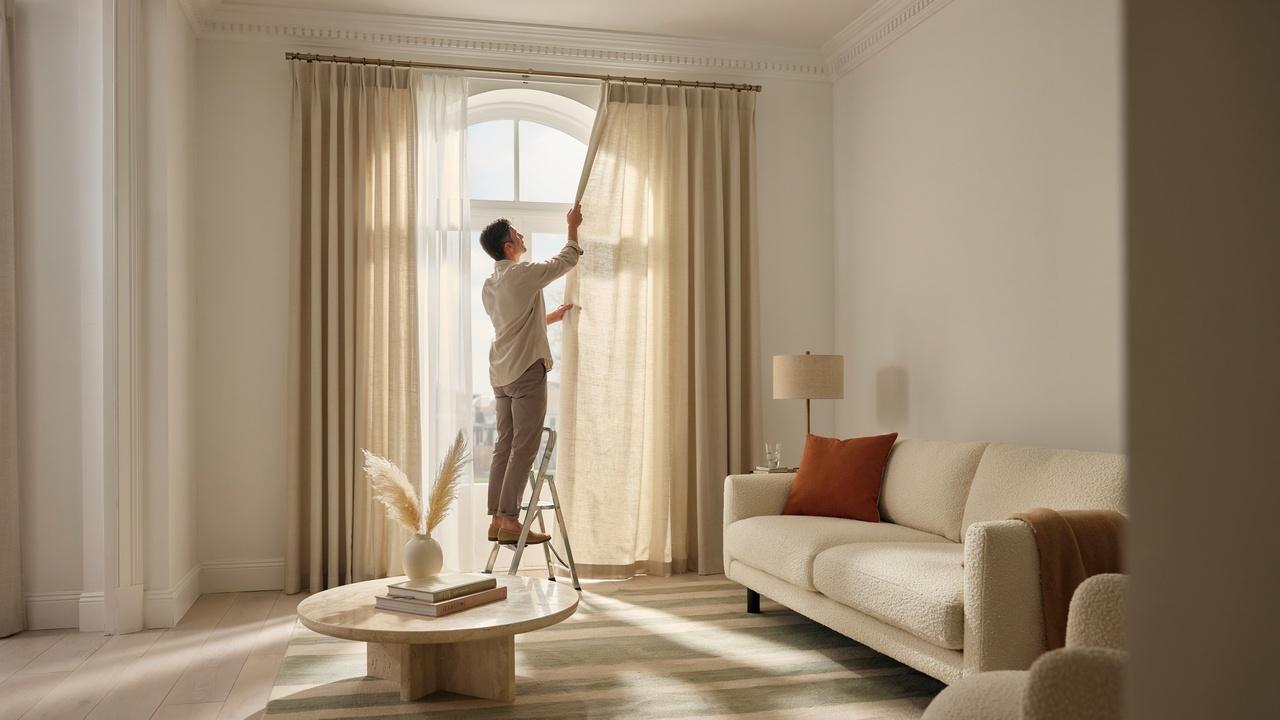
Most rooms look best when the rod sits four to six inches above the window frame, and up to twelve inches if your ceilings are higher than eight feet for a more dramatic look.
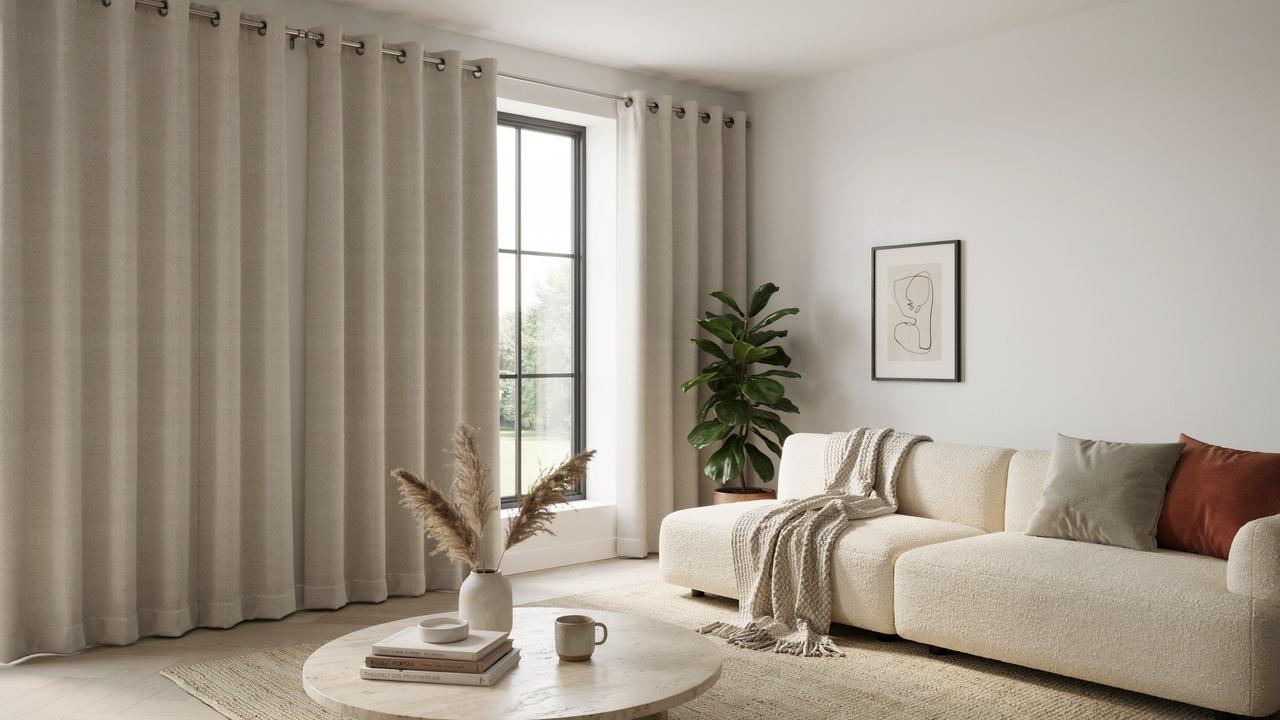
Extend the rod three to ten inches beyond each side of the window so curtains fully clear the glass, letting in more light and making the window appear larger.
The simple rule to remember is high and wide. Mount the rod high and wide, and this habit instantly makes ceilings feel taller and windows feel bigger, even in a small room.
Where to Install Curtain Rods Above Windows (Height Guide)
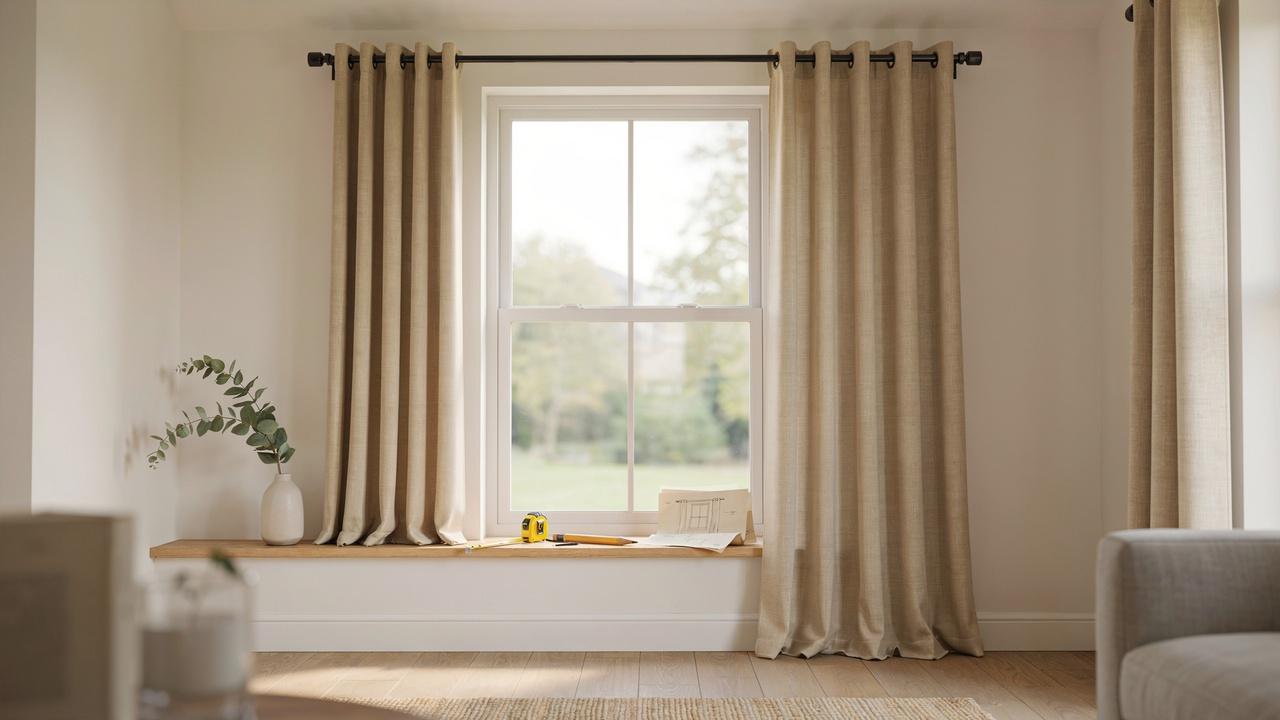
Height changes everything about how a window feels.
Standard Placement (4 to 6 Inches Above Window Frame)
This is the safest choice for most homes. It works well with standard eight-foot ceilings and keeps proportions balanced.
Most contractors default to this range for good reason. It rarely looks wrong, no matter the room style.
High Placement for Dramatic Effect (6 to 12 Inches Above Frame)
Taller ceilings can handle rods mounted higher. This creates a more dramatic entrance for the curtains and adds height to the whole wall.
It works especially well in living rooms and formal spaces. The extra distance gives the fabric room to breathe.
Ceiling-Mounted Curtain Rods for Modern Interiors
Mounting the rod directly on the ceiling is a modern trend that maximizes height. It works especially well in rooms with floor-to-ceiling curtains.
This method hides the rod almost completely once curtains are hung. It gives a clean, streamlined finish that suits newer builds.
Placement Near Crown Molding or Trim
If your room has crown molding, mount the rod just below it. This keeps the line clean and avoids interrupting the trim work.
It also respects the architectural detail already built into the room. A rod placed too close can crowd the molding and look cramped.
How Far Curtain Rods Should Extend Beyond Windows (Width Guide)
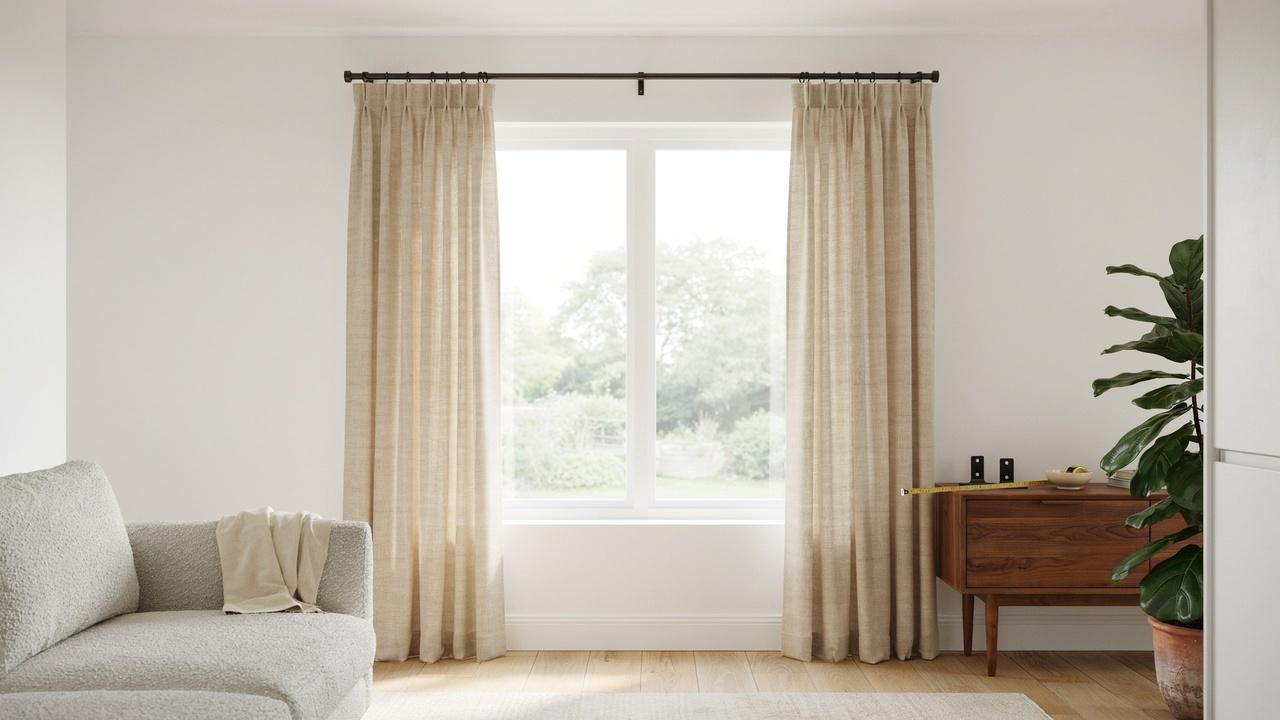
Width decides how open or closed your window feels.
Standard Extension Rule (3 to 6 Inches Each Side)
This range works for most standard windows and keeps curtains from blocking the glass when pulled open.
It is a safe starting point for almost any room. Most hardware kits are built around this same spacing. You rarely need to adjust much beyond it.
Wider Extension (6 to 10+ Inches for Large Windows)
Large or wide windows benefit from extra extension. This keeps the proportions balanced and avoids a cramped look.
Without it, curtains can appear too small for the wall. Extra width also gives the fabric more room to stack neatly.
Why Wider Rods Improve Light Flow and Openness
More space on each side means curtains stack fully off the glass. Sunlight comes through without any fabric in the way.
Rooms feel more open and less boxed in as a result. It is a small detail that makes a noticeable daily difference.
Curtain Rod Bracket Placement Guide
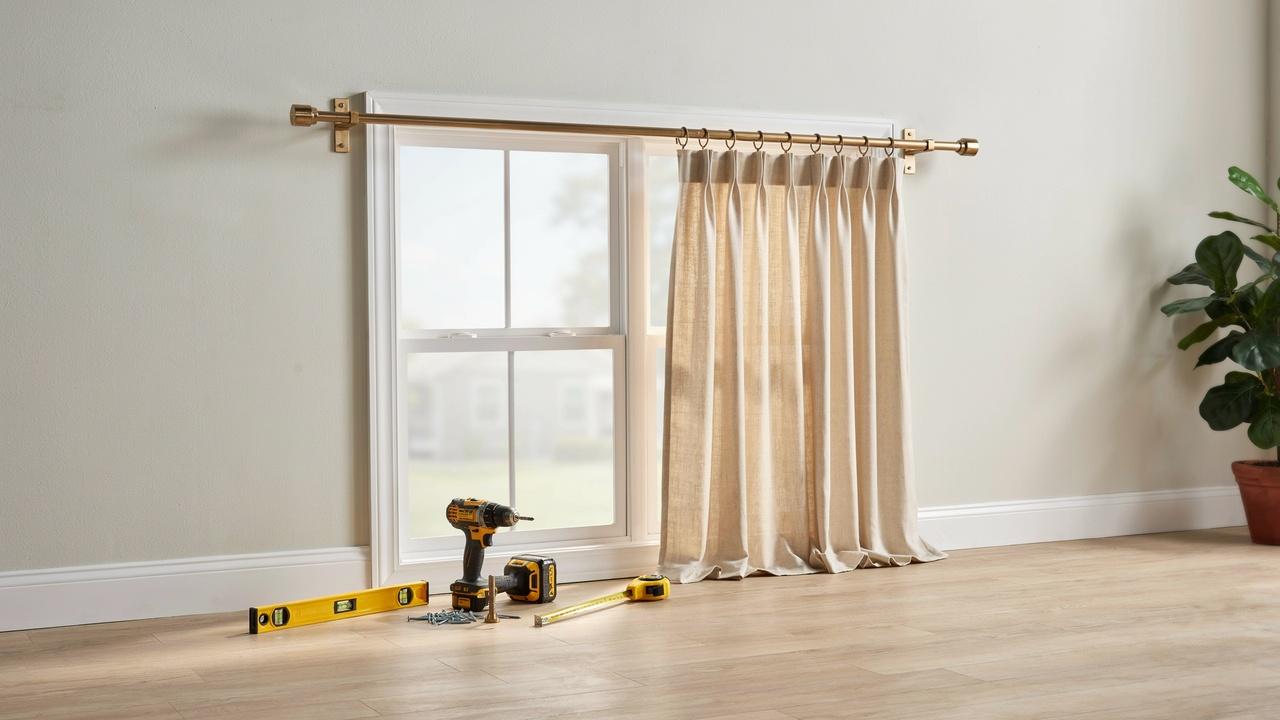
Brackets hold everything together, so placement matters.
Where Brackets Should Sit (4 to 6 Inches From Rod Ends)
Placing brackets too close to the ends can cause sagging. Keep them a few inches in for proper support.
This spacing gives the rod a stable base to rest on. It also helps prevent stress on the wall anchors over time.
How Many Brackets You Need Based on Rod Length
Short rods usually need two brackets. Anything over six feet should have a center bracket added for extra strength.
Skipping this step is one of the most common installation errors. The added support keeps the rod from bowing under weight.
When to Use a Center Support Bracket
Heavy curtains or long rods need a center bracket to prevent bowing in the middle over time.
This is especially true for thick fabrics like blackout or velvet. Without it, the rod can visibly dip within a few months. A center bracket keeps the line straight and steady.
Ensuring Proper Leveling for Professional Results
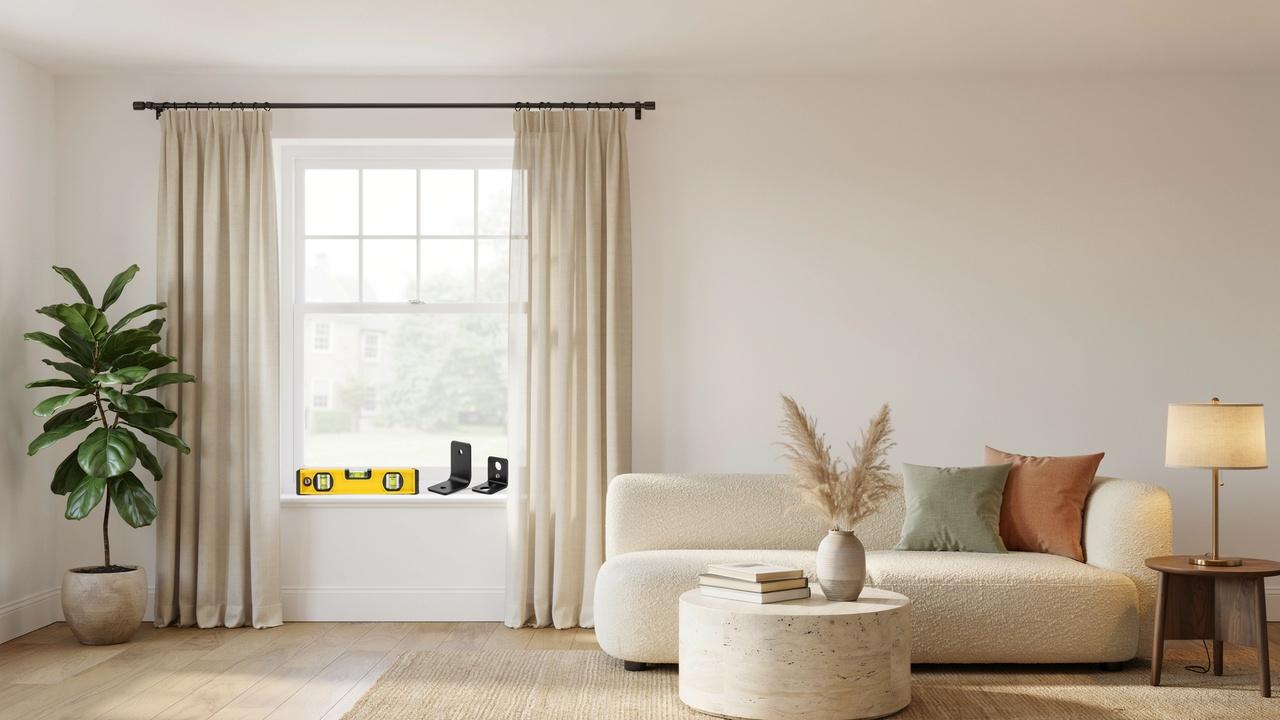
Use a level before drilling. A rod that tilts even slightly will be obvious once curtains are hanging.
Even a small tilt draws the eye and makes the whole setup look unfinished. Taking a few extra minutes here saves you from redoing the job later.
Common Curtain Rod Placement Mistakes to Avoid
These small errors are easy to fix once you spot them.
- Rods hung too low make the ceiling feel shorter and curtains look cramped
- Rods that do not extend far enough block sunlight and cover part of the glass
- Weak or missing bracket support causes the rod to sag in the middle over time
- Poor leveling makes curtains hang unevenly and pulls the whole window off balance
- Any of these mistakes can make a window look smaller and the room feel tighter
Where to Install Curtain Rods for Different Window Types
Not every window needs the same setup.
Small Windows (Creating a Wider Illusion)
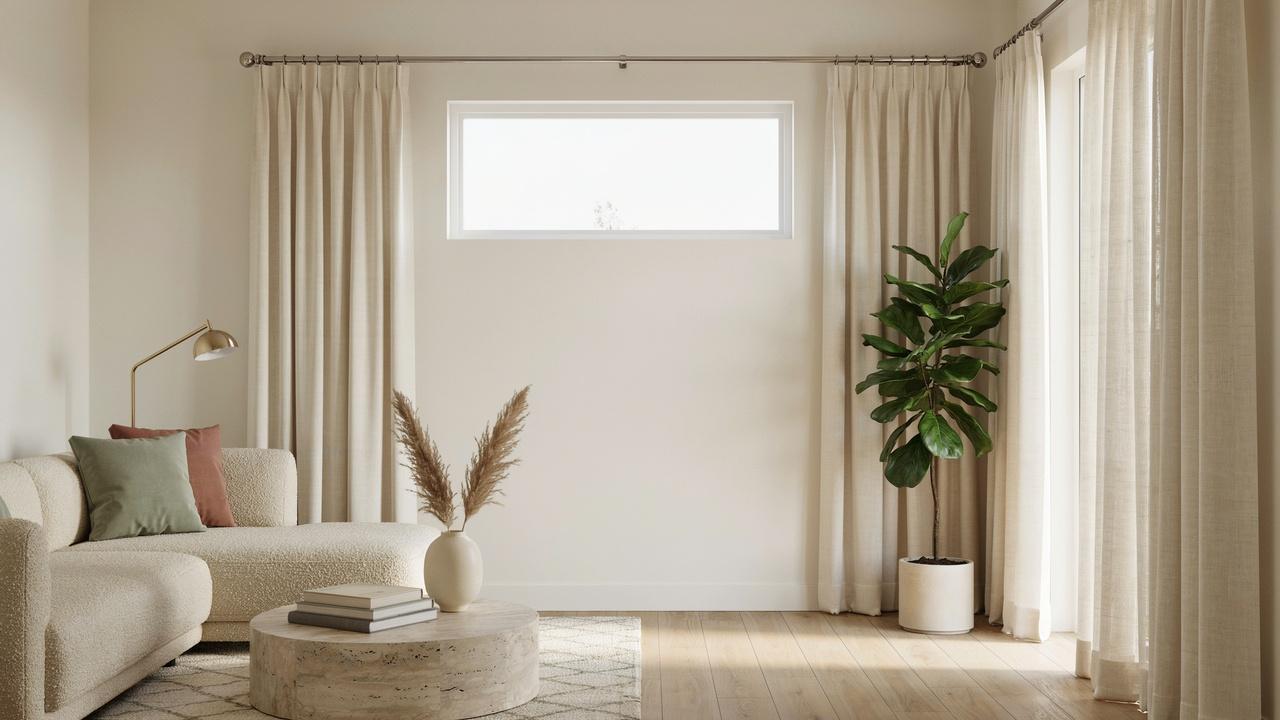
Extend the rod further than usual on small windows. This makes the window look bigger than it really is.
Curtains hung wide on either side trick the eye into seeing more glass than exists. It is a simple fix for rooms with smaller openings.
Large or Wide Windows (Balancing Proportions)
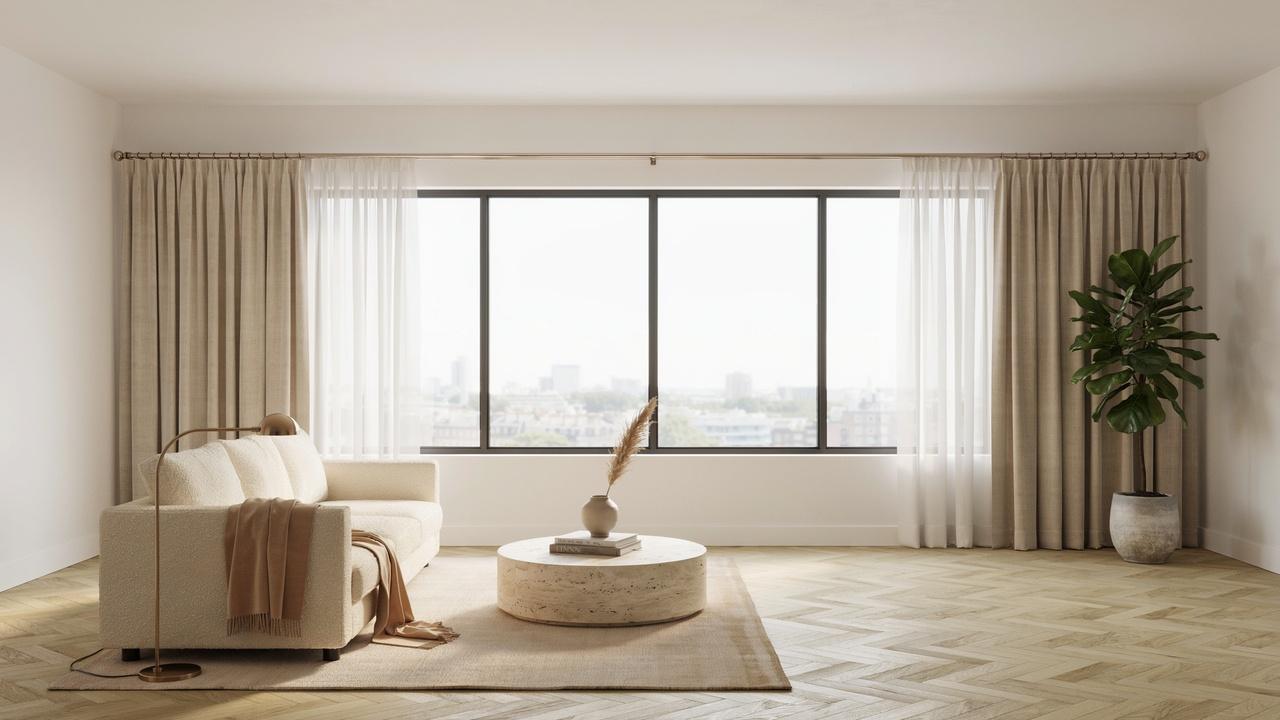
Keep extension proportional so the curtains do not overwhelm the wall space around a large window.
Too much fabric can make the window feel busy rather than balanced. The goal is to frame the glass, not overpower it. A measured approach keeps the whole wall looking intentional.
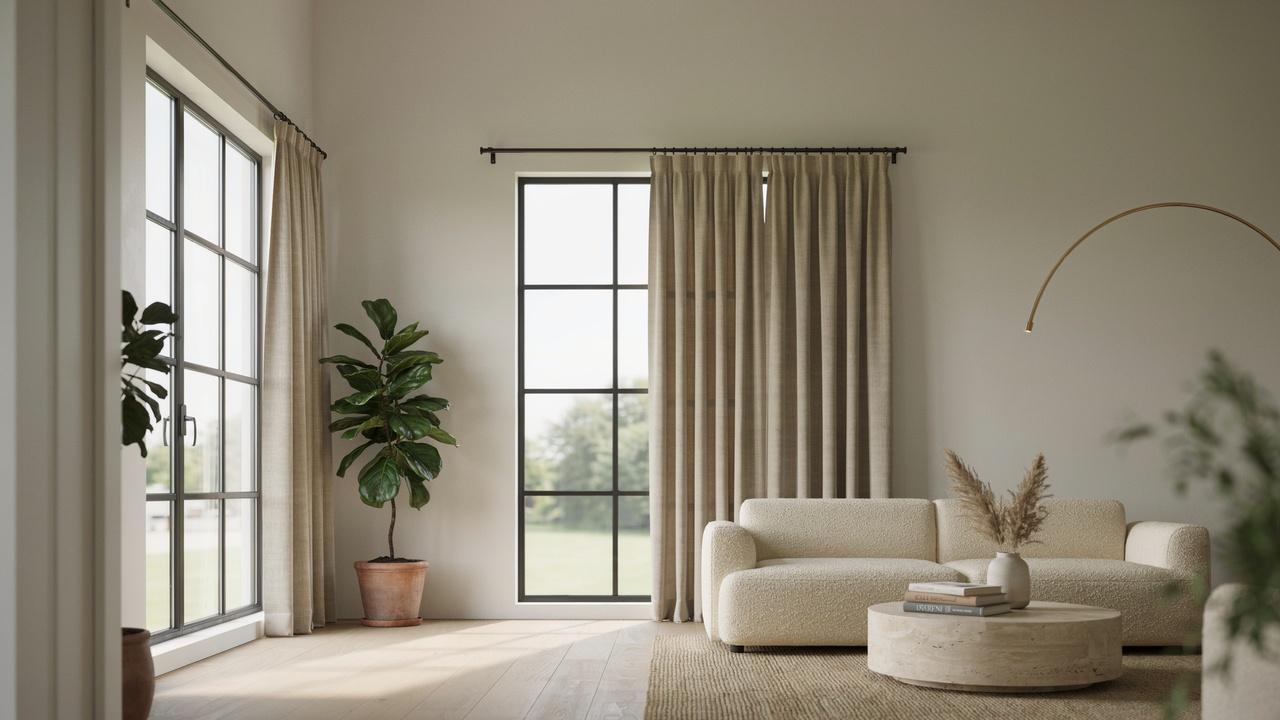
Floor-to-Ceiling Windows (Maximizing Height Effect)

Mount the rod as close to the ceiling as possible. This draws the eye all the way up and makes the most of the height.
It is one of the best ways to make a room feel grand. Full length curtains paired with this placement create a dramatic finish.
Bay Windows and Corner Windows (Custom Placement Tips)

Curved or angled rods work best here. Measure each section separately since bay windows rarely have equal widths.
Standard straight rods often do not fit these shapes properly. Taking accurate measurements for each angle prevents gaps and awkward overlaps later.
Expert Design Tips for Perfect Curtain Rod Placement
A few extra habits make the whole setup look professional.
- Always follow the higher and wider rule for the best proportions
- Match rod placement with ceiling height and overall room size
- Choose rod strength based on how heavy your curtains are
- Balance symmetry on both sides for a clean, finished look
Conclusion
I still think about that first rod I hung too low, and how much better my room looked the moment I fixed it.
Small changes really do add up more than you would expect. If you take one thing from this guide, let it be the higher and wider rule.
It has worked in almost every room I have tried it in, no matter the window size or style. So give your own windows a try this weekend and see the difference for yourself.
If this guide helped, drop a comment below and let me know how your curtains turned out.
Frequently Asked Questions
How High Should Curtain Rods Be Installed Above the Window?
Most rods should sit four to six inches above the frame. Taller ceilings can support higher placement, up to twelve inches.
How Far Should Curtain Rods Extend Past the Window?
Extend the rod three to six inches on each side for standard windows. Larger windows can handle six to ten inches or more.
Do I Need a Center Support Bracket?
Yes, if your rod is longer than six feet or your curtains are heavy. It prevents sagging in the middle over time.
Should Curtain Rods Match the Ceiling Height?
Yes, taller ceilings allow for higher rod placement. This keeps the proportions balanced and avoids a cramped look.
What Is the Biggest Mistake People Make With Curtain Rod Placement?
Hanging the rod too low and too narrow. This shortens the room and blocks natural light when curtains are open.