
I remember the first bathroom project where a client asked about putting a window in shower. My first thought was "that's tricky." My second thought was "but it could look amazing."
Turns out, both were right.
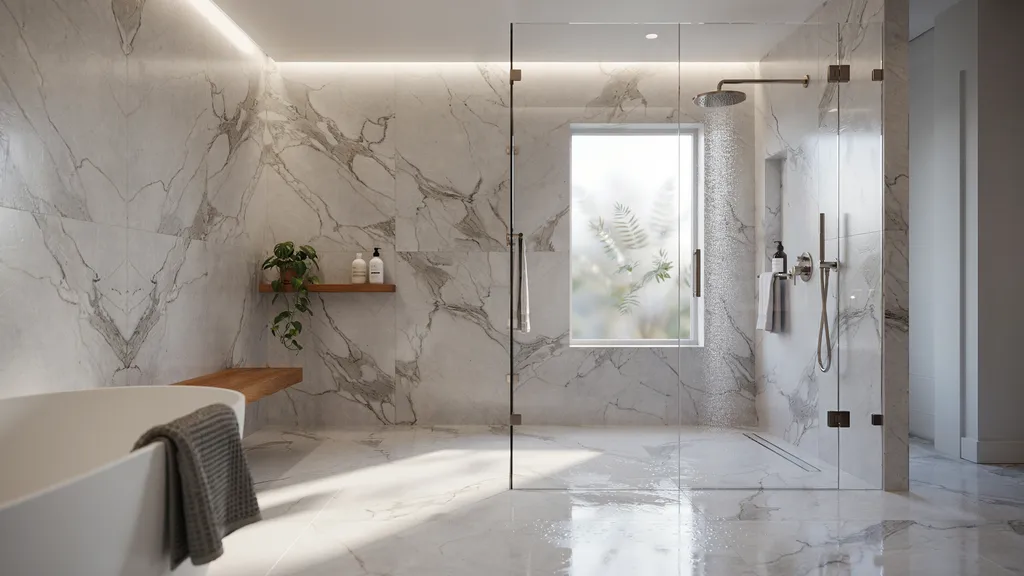
A shower window done well is one of those details that makes a bathroom feel completely different. More light, better air, and a look that's hard to achieve any other way.
But there are things most people don't consider before going ahead with it. Privacy, waterproofing, glass type, placement height. Get those wrong and it becomes a problem fast.
This guide covers all of it.
Can You Really Have a Window in Shower?
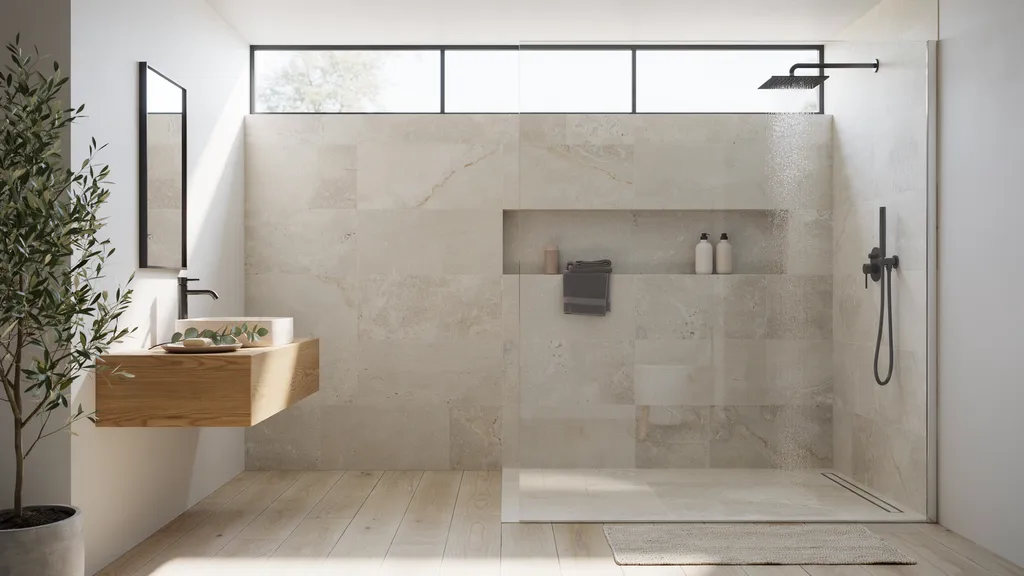
Yes, you can. A window in shower is completely feasible in both new builds and renovations when the key conditions are met.
Placement height matters most. A window positioned higher on the wall stays out of the direct spray zone, making waterproofing far more manageable.
Climate plays a role too. Warmer regions give you more flexibility. In cold climates, think carefully about heat loss and condensation.
When done correctly, a window in shower is standard in many contemporary bathroom designs today. It adds light and ventilation that no artificial fixture can fully replicate.
Key Design and Planning Considerations for a Window in Shower
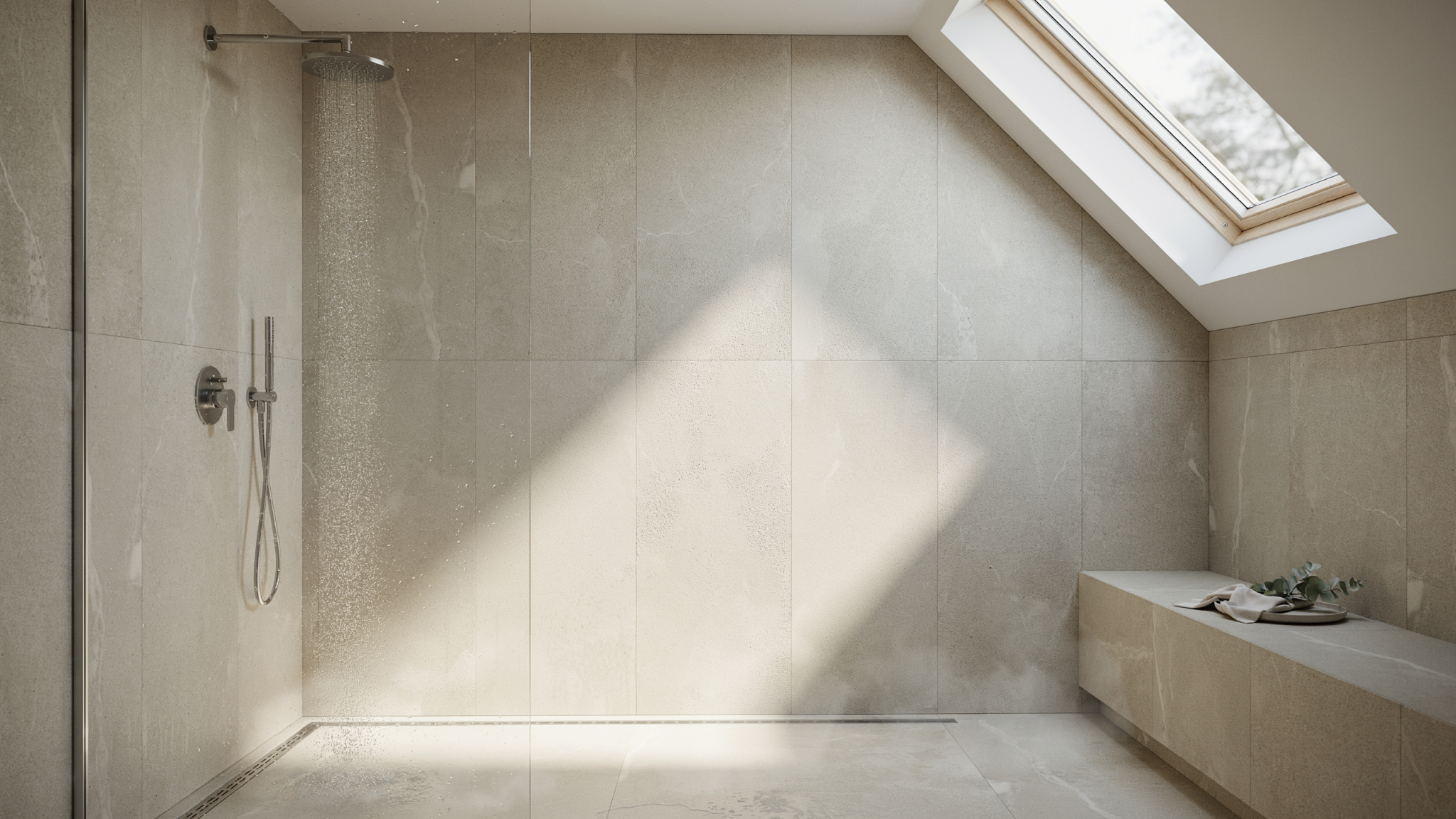
Before choosing a style or size, a few planning decisions will determine how well the installation holds up over time.
Ideal Placement and Height
Higher placement is almost always the better choice. A window near the top of the shower wall brings in light without sitting in the direct water spray path.
Avoid placing the window at head height or lower unless you're using fully waterproofed framing throughout. The closer to the spray zone, the more demanding the requirements become.
Corner placement is worth considering too. It brings light in from an angle and reduces direct water contact compared to a centered wall window.
Frame and Glass Selection
Vinyl and aluminum frames handle moisture well and won't warp or rot over time. Treated wood can work but demands more upkeep.
Tempered glass is the standard safety choice. Strong, heat-resistant, and if it breaks, it fragments into small blunt pieces rather than sharp shards.
Frosted or textured glass handles privacy and safety together. Laminated safety glass is a solid option for larger panes where added strength matters.
Privacy Solutions for Shower Windows
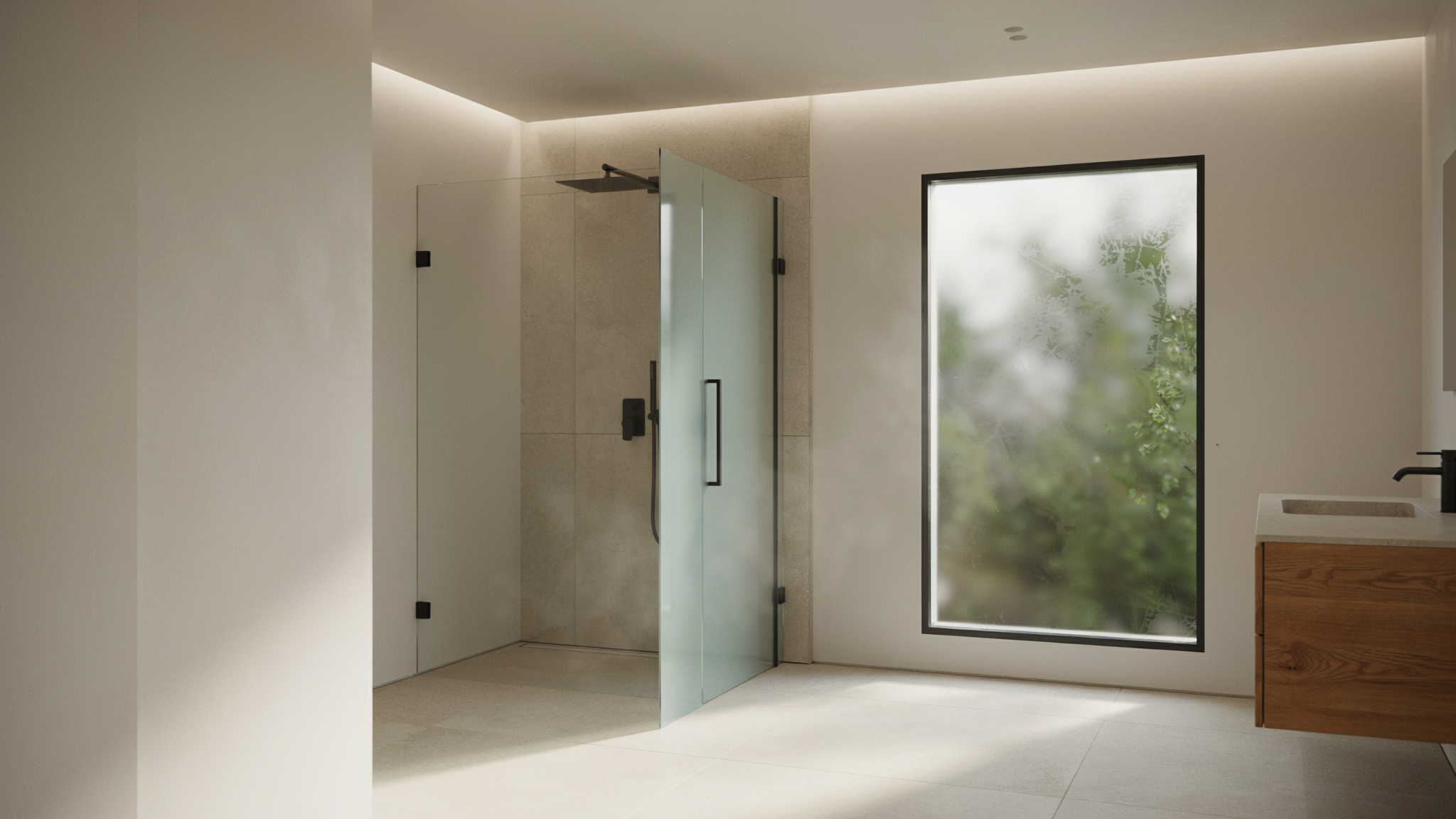
Privacy is the first concern most people have, and it's valid. The good news is there are several ways to keep light coming in while blocking outside visibility completely.
Frosted or textured glass is the most popular solution. It diffuses light while making it impossible to see through, and it works in any bathroom style.
Tinted glass reduces outside visibility, especially during daylight hours. Window films are a flexible, affordable alternative that apply directly to existing glass and come in frosted or one-way mirror finishes.
For exterior-facing windows near neighboring properties, strategic landscaping like tall hedges adds privacy without touching the window itself.
Waterproofing and Moisture Protection
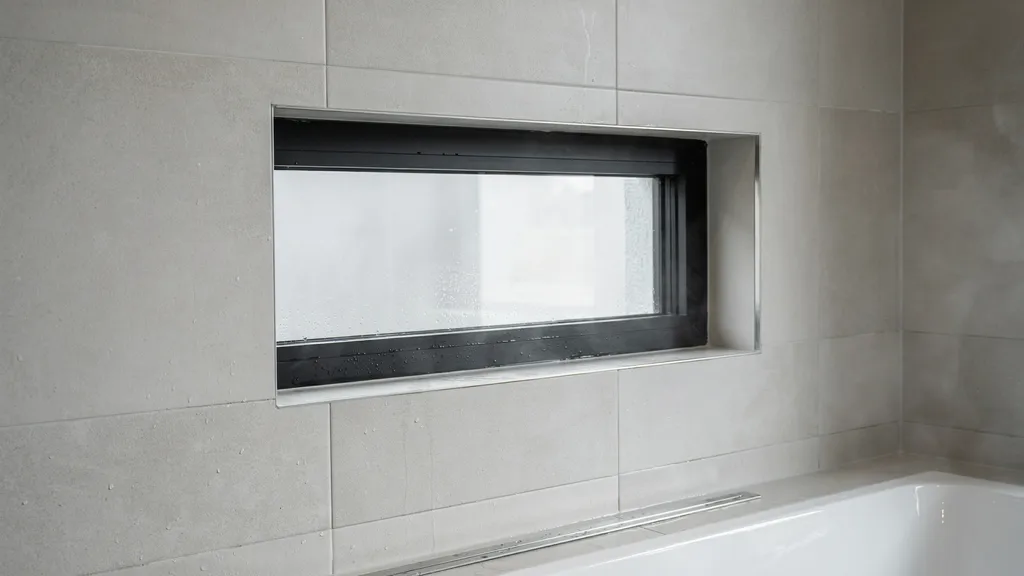
Waterproofing is the part most people underestimate. Get it wrong and you're dealing with mold, rot, and structural damage within a few years.
Silicone caulking around the entire frame is non-negotiable. It creates a flexible waterproof seal and should be rechecked and reapplied every year or two.
The window sill needs a slight outward slope so water runs away from the wall rather than pooling against the frame. Grout and tile work around the window should include a waterproof membrane behind the tiles.
Check seals annually, clean frame tracks regularly, and address any discoloration around the window immediately as it can signal early mold growth.
Ventilation Benefits of a Window in Shower
Natural airflow through an operable window does something an exhaust fan alone often can't fully replicate. It's one of the most underrated reasons to add a shower window.
Here's what good ventilation helps prevent:
- Mold and mildew growth on walls, grout, and ceilings
- Damp, musty smells that linger in poorly ventilated bathrooms
- Paint peeling and surface deterioration from trapped humidity
- Condensation buildup on mirrors, tiles, and fixtures
In mild climates, an operable shower window can complement or even replace a mechanical exhaust fan. Casement or awning-style windows that open outward work best for directing airflow up and out.
Large Window in Shower: Is It Practical?
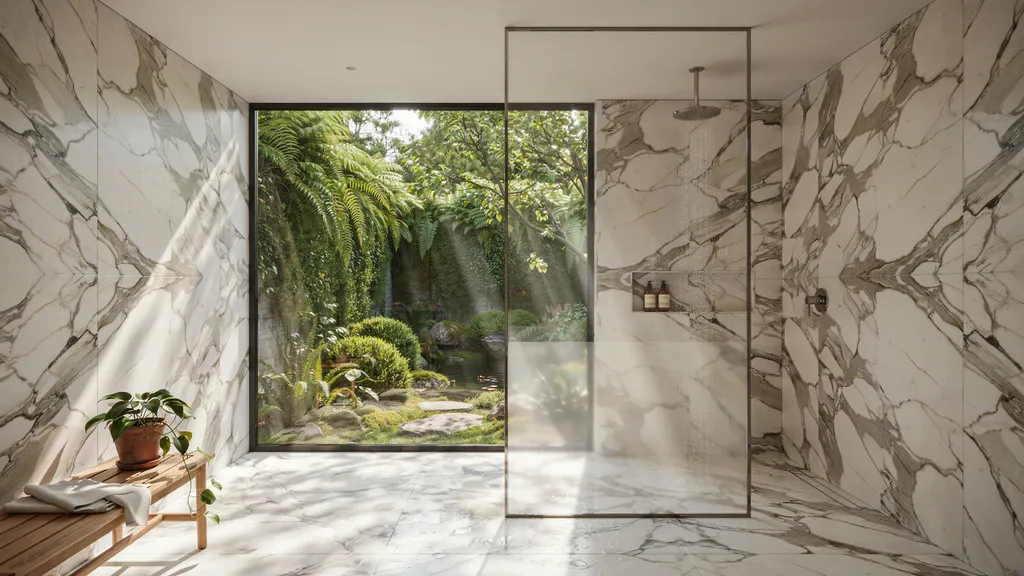
A large window in shower has become a signature feature in luxury bathroom design.
Oversized glazing floods the shower with natural light and creates a spa-like atmosphere that smaller windows can't match.
The visual impact is hard to argue with. But the practical demands are higher.
More glass means more surface area to waterproof, more heat loss in colder months, and greater privacy exposure if placement isn't carefully planned.
This option works best in private homes with outdoor space, warm climates, or bathrooms facing a secluded view.
In those settings, a large window in shower genuinely adds value to both daily experience and the property itself.
Pros and Cons of Having a Window in Shower
A shower window adds a lot to a bathroom, but it's not the right fit for every situation.
Pros
Here's what a well-placed shower window brings to the space:
- Natural light makes the bathroom feel brighter and more open
- Better airflow reduces humidity and keeps the space fresher
- Adds a strong visual design feature
- Can increase the perceived value of the bathroom and property
Cons
The real trade-offs to know before committing:
- Privacy requires a deliberate solution, it doesn't come automatically
- Poor installation leads to water damage and costly repairs
- Maintenance needs are higher than a standard shower wall
- Small bathrooms may have limited placement options
Alternatives If a Window in Shower Isn't Ideal
Not every layout or location can accommodate a direct shower window.
Here are the best alternatives depending on your priority:
- Skylights bring in overhead natural light with no privacy concerns, ideal for top-floor bathrooms
- Glass block walls let diffused light pass through while staying fully waterproof and private
- LED daylight lighting systems replicate natural light color and brightness when structural changes aren't possible
- Transom windows above the shower area sit outside the wet zone, bringing in light without waterproofing complexity
Most alternatives involve fewer waterproofing demands but deliver less ventilation benefit than a direct window in shower setup.
Maintenance Tips for Shower Windows
A shower window stays in great shape with regular, simple upkeep.
These habits prevent the damage that turns into expensive repairs:
- Clean glass and frame weekly to stop soap scum and mineral deposits from building up
- Check caulking and seals annually and reapply wherever cracking appears
- Use anti-mold solutions on grout and frame edges regularly
- Open the window or run the exhaust fan after every shower to clear moisture
- Keep tracks and sill dry by wiping them down after use
Conclusion
Most people assume a window in shower is complicated, risky, or just not worth it.
But after seeing the difference it makes in real bathrooms, I genuinely think it's one of the most rewarding design decisions you can make.
The planning isn't difficult. It just needs to be done right.
So if you've been sitting on the fence about this, take the next step. Measure your space, pick your glass type, and make it happen.
Have a specific question about your bathroom? Drop it in the comments below. I answer every single one.
Frequently Asked Questions
Is It Safe to Have a Window in a Shower?
Yes, as long as it uses waterproof materials and proper sealing to prevent water damage and structural issues.
What Type of Glass Is Best for a Window in Shower?
Tempered or frosted glass is the best choice due to its safety properties and built-in privacy benefit.
How Do You Maintain Privacy With a Shower Window?
Use frosted glass, window films, or position the window above eye level to keep light while blocking visibility.
Can a Large Window in Shower Cause Moisture Problems?
Not if properly sealed and ventilated, but poor installation significantly increases the risk of moisture damage.
What Is the Best Alternative to a Window in Shower?
Skylights or glass block walls provide natural light without the privacy concerns of a direct shower window.