
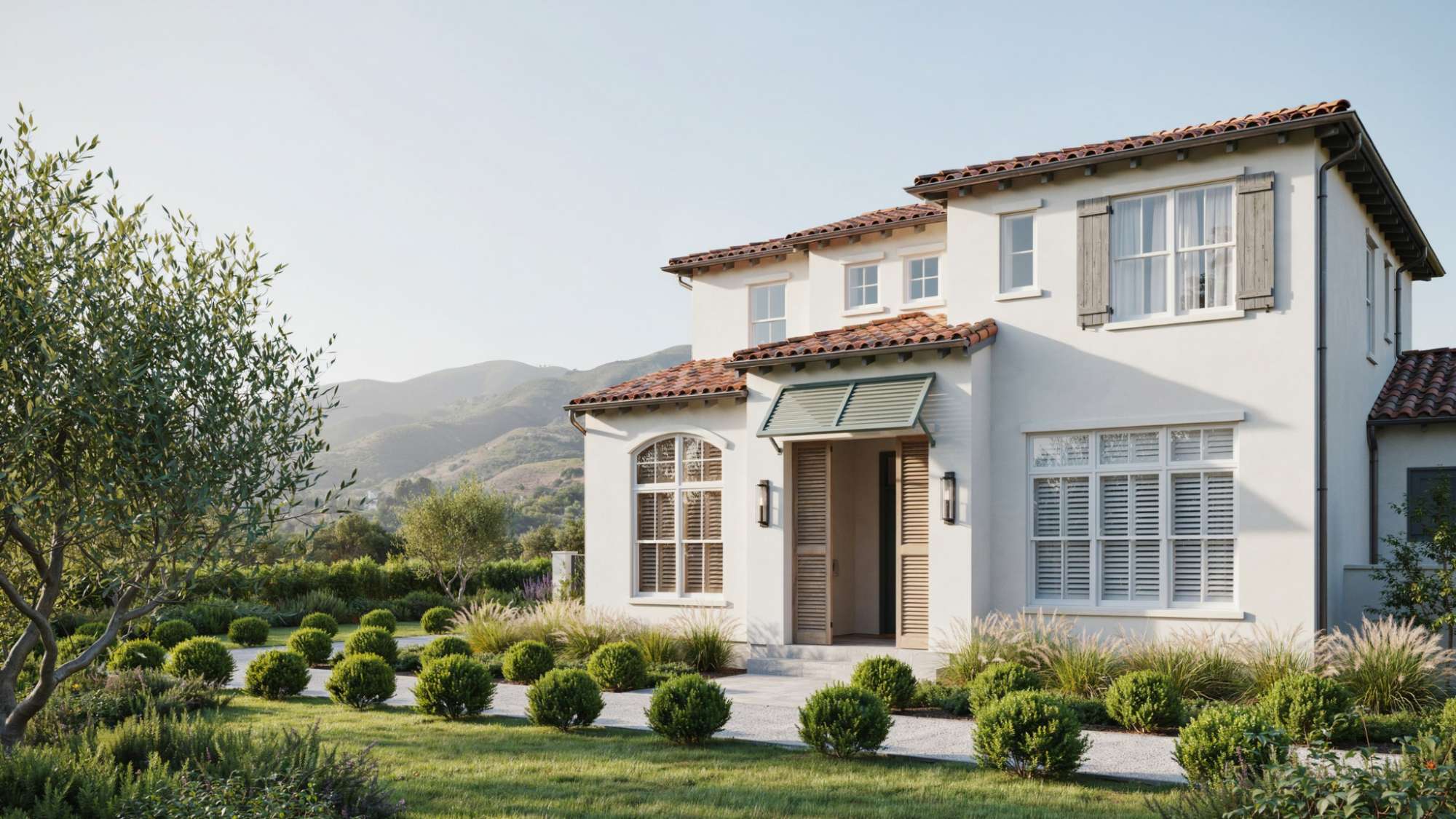
Choosing the right types of shutters for your home can feel confusing. There are so many styles, materials, and price points to compare. This guide breaks down everything you need to know before you buy.
You will learn about the main types of shutters, how they differ, and which ones work best for each room in your house.
We will also cover materials, common buying mistakes, and tips that help your shutters last for years.
After helping many homeowners plan their window treatments, I have seen how the right choice makes a real difference in comfort and style.
By the end of this guide, you will know exactly which shutters fit your needs and budget.
What Are Shutters?
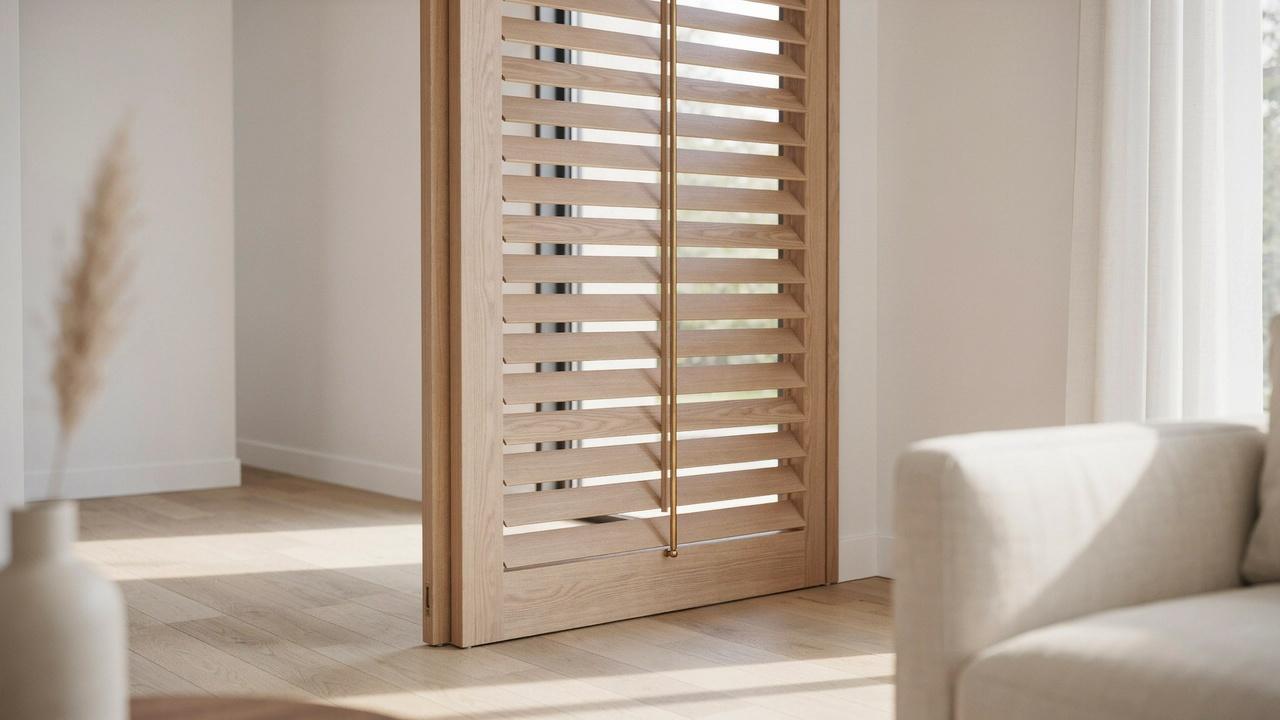
Shutters are hard window coverings made from slats, panels, or louvers. They attach directly to your window frame and can open or close to control light and privacy.
Unlike curtains or blinds, shutters are fixed to the wall or window casing, giving your home a more permanent and finished look.
Shutters also come in two working types. Functional shutters close fully over the window and were originally built to block out weather before glass panes were common.
Decorative shutters stay fixed in place and are used mostly for style today.
People use shutters for several reasons. They block sunlight, add privacy, improve insulation, and boost curb appeal.
Many homeowners also like that shutters need less cleaning than fabric curtains and last longer than most blinds.
11 Types of Shutters You Should Know
Here are the most common shutter styles, from classic plantation to storm-ready hurricane options.
1. Plantation Shutters
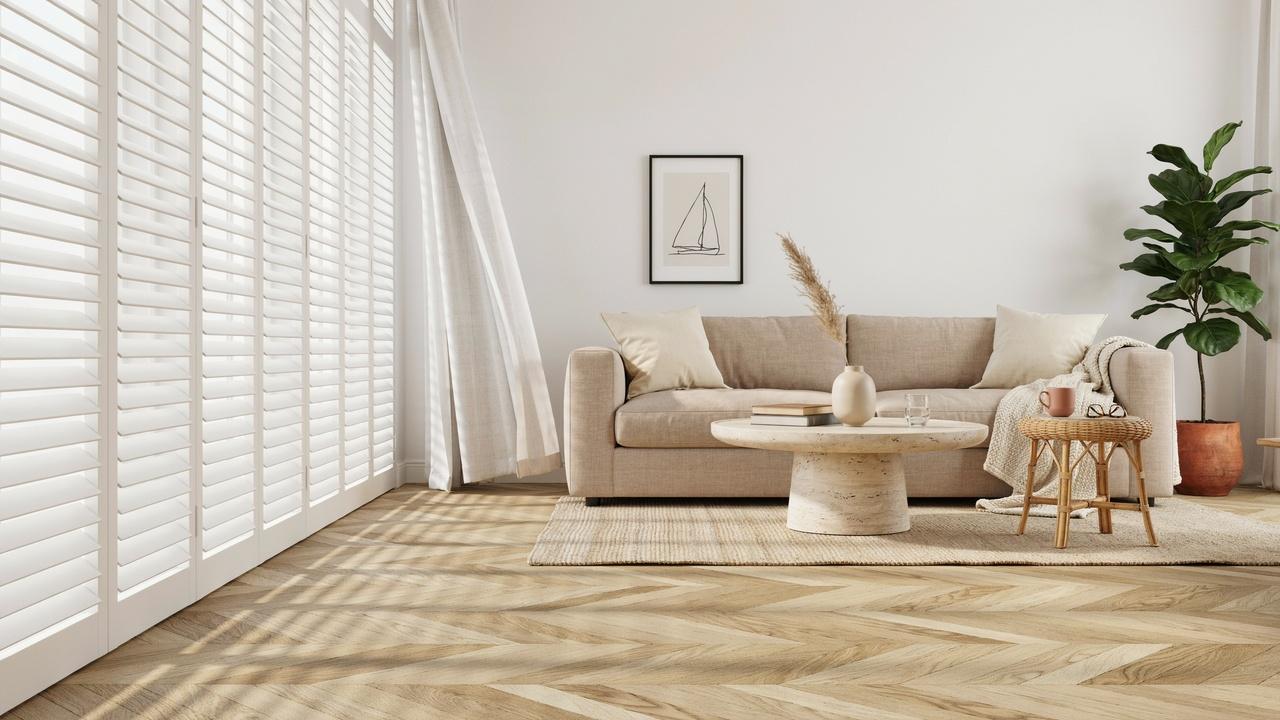
Appearance: Wide louvers, usually 2.5 to 4.5 inches, tilted open on a center rod or hidden tilt mechanism.
Use: The most common interior shutter style, typically full-height or cafe configuration in living rooms, bedrooms, and family rooms.
Advantages: Wide louvers let in more light and give a clearer outdoor view when open, the look reads as clean and contemporary, easy to adjust with a single tilt bar.
Limitations: Slightly less privacy when louvers are angled open, since gaps between slats are larger, tends to cost more than narrow-louver alternatives.
Best for: Living rooms and bedrooms in modern, coastal, or transitional-style homes. A 3.5-inch louver is a common sweet spot between light control and view.
2. Traditional Shutters
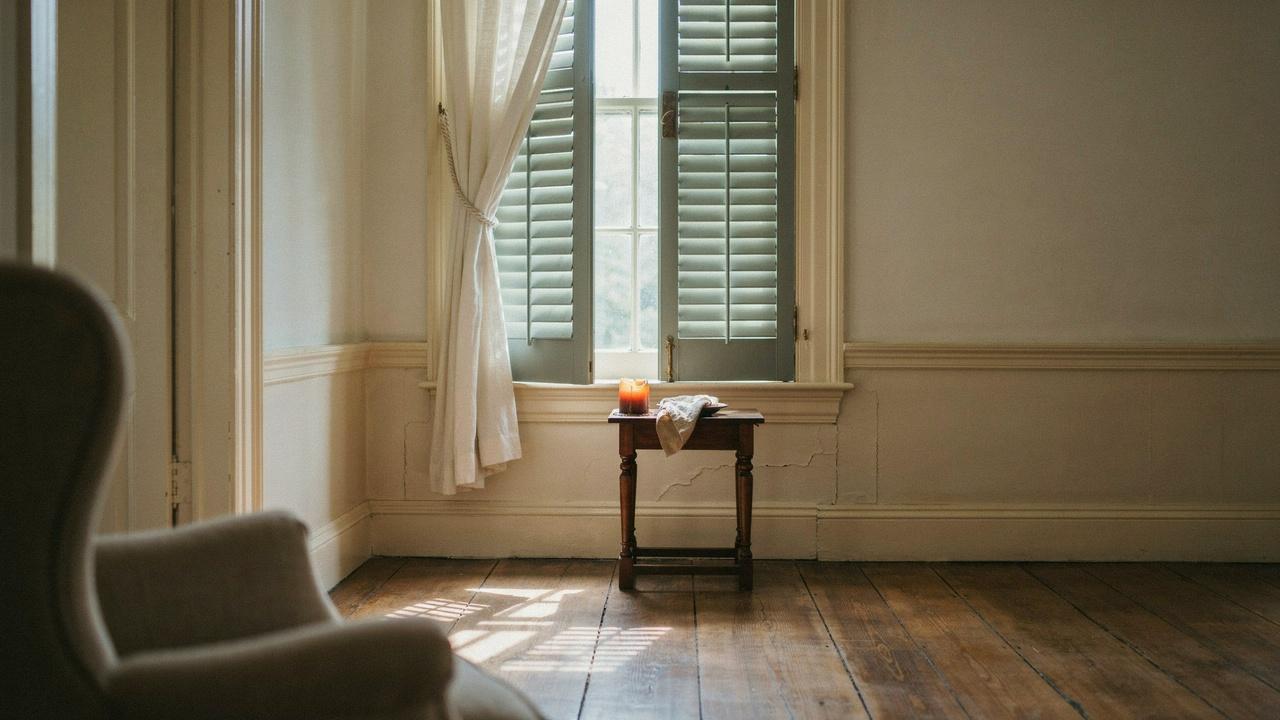
Appearance: Narrow louvers, generally under 2.5 inches, often with a visible tilt rod running down the center of the panel.
Use: Interior shutters for formal rooms or older/historic homes where a plantation shutter's wide louvers would look out of place.
Advantages: Narrower slats overlap more tightly, giving better privacy and light-blocking even when the louvers are cracked open, the smaller scale suits detailed, traditional trim work.
Limitations: Less airy, more restricted view when open compared to plantation shutters.
Best for: Historic homes, formal dining rooms, and spaces with classic millwork.
3. Café Shutters
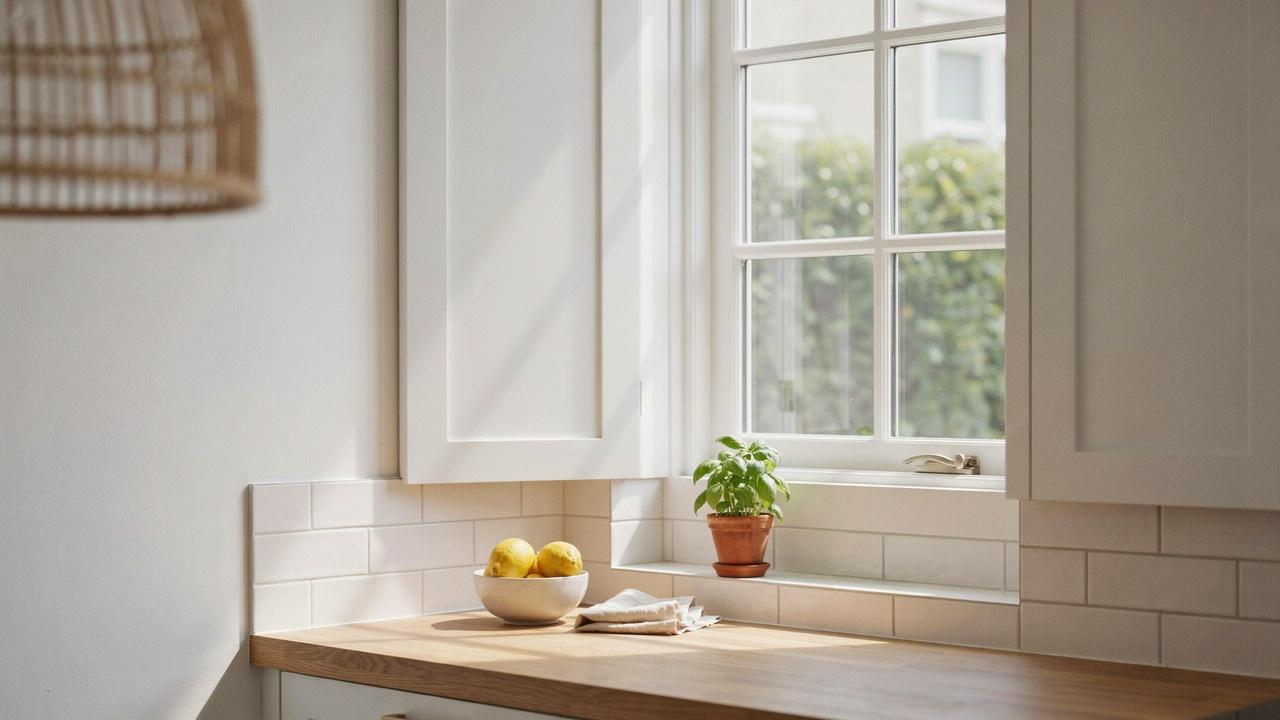
Appearance: Cover only the lower half of the window, the top half is left completely uncovered.
Use: Kitchens, dining rooms, and street-facing rooms where you want privacy at eye level but still want daylight from above.
Advantages: Lower cost than full-coverage styles since less material is used, keeps upper light unobstructed, casual, cottage-friendly look.
Limitations: No way to block light or gain privacy in the upper half of the window, not ideal for bedrooms or bathrooms.
Best for: Kitchen sinks, breakfast nooks, and street-level windows.
4. Tier-on-Tier Shutters

Appearance: Two independent panels stacked vertically, each in its own frame, that open and close separately.
Use: Rooms where you want the flexibility of a café shutter's split control but full coverage of the whole window when needed.
Advantages: Open the top for light while keeping the bottom closed for privacy (or vice versa), more precise light and privacy control than a single full-height panel.
Limitations: More hardware and a visible center frame line, higher cost than full-height or café styles.
Best for: Bedrooms and bathrooms on upper floors or street-facing rooms where privacy needs change throughout the day.
5. Full-Height Shutters

Appearance: One continuous panel (or a hinged pair) spanning the entire window in a single frame.
Use: The simplest, most common configuration for smaller or standard-sized windows.
Advantages: Clean, uncluttered look with no visible center divider, typically the least expensive configuration since it uses the least hardware.
Limitations: No independent control between top and bottom the whole window opens or closes together.
Best for: Smaller windows, minimalist interiors, and budget-conscious projects.
6. Solid Panel Shutters
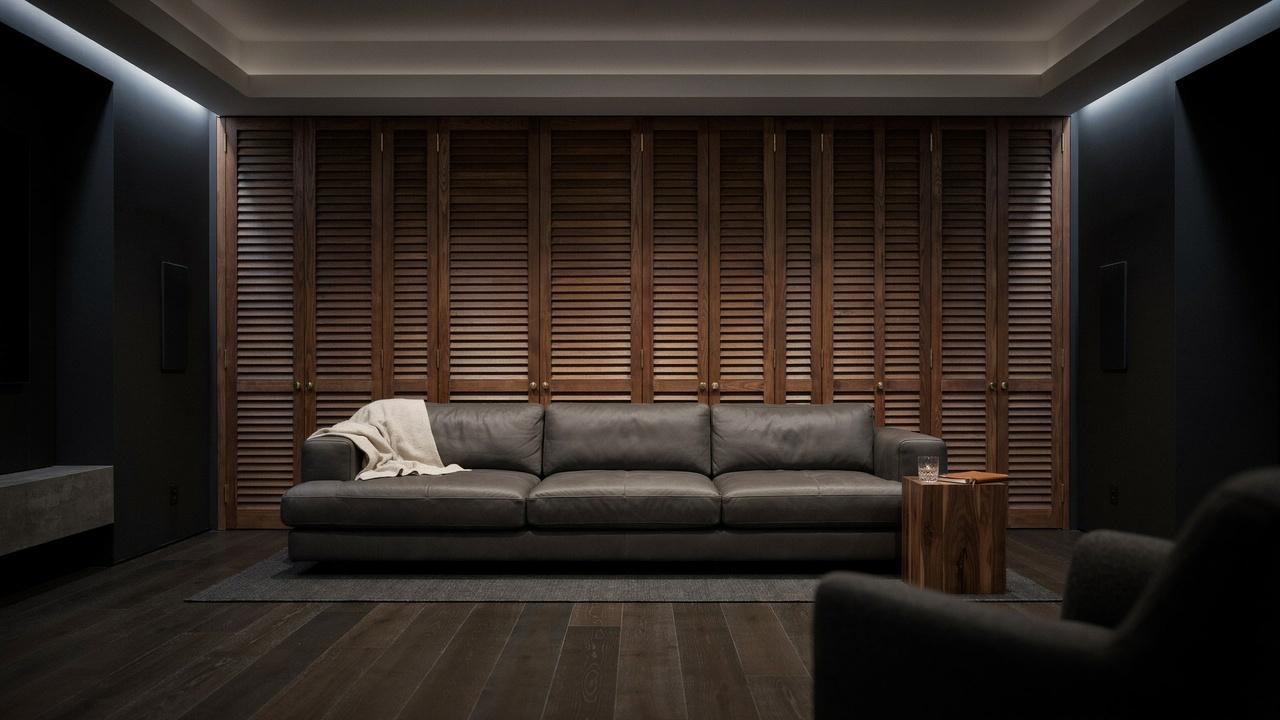
Appearance: Flat, uninterrupted panels with no louvers or moving slats.
Use: Interior rooms needing total light blockage rather than adjustable light control.
Advantages: Blocks all light and sound better than any louvered style, adds real insulation value, no moving parts to maintain.
Limitations: No way to let in partial light it's fully open or fully closed, can feel heavy or plain without added trim details like raised or recessed panels.
Best for: Media rooms, nurseries, and bedrooms in cold climates where insulation matters.
7. Board and Batten Shutters

Appearance: Vertical wood boards joined by horizontal battens, giving a rustic, plank-built look.
Use: Almost exclusively an exterior, decorative style rather than a functional one.
Advantages: Inexpensive to build, strongly reinforces a farmhouse or cottage aesthetic, simple to repaint or repair board by board.
Limitations: Rarely functional (won't close over the window), wood boards are prone to warping outdoors without regular sealing.
Best for: Farmhouse, cottage, and rural exteriors.
8. Bahama Shutters
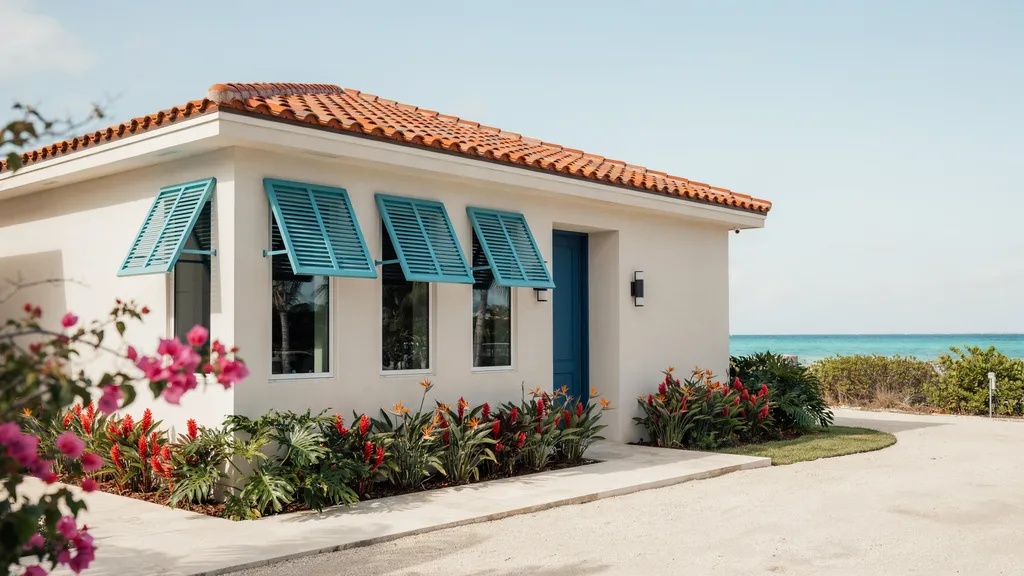
Appearance: A solid center panel with a raised, three-dimensional molded profile, similar to a raised-panel door.
Use: Decorative exterior accents on colonial and traditional-style homes.
Advantages: The raised profile creates shadow and texture that reads well from the street, adding curb appeal to plain window frames.
Limitations: Purely decorative in almost all cases, not designed to close or provide any functional light or storm control.
Best for: Colonial and traditional exteriors looking for architectural detail.
9. Louvered Shutters
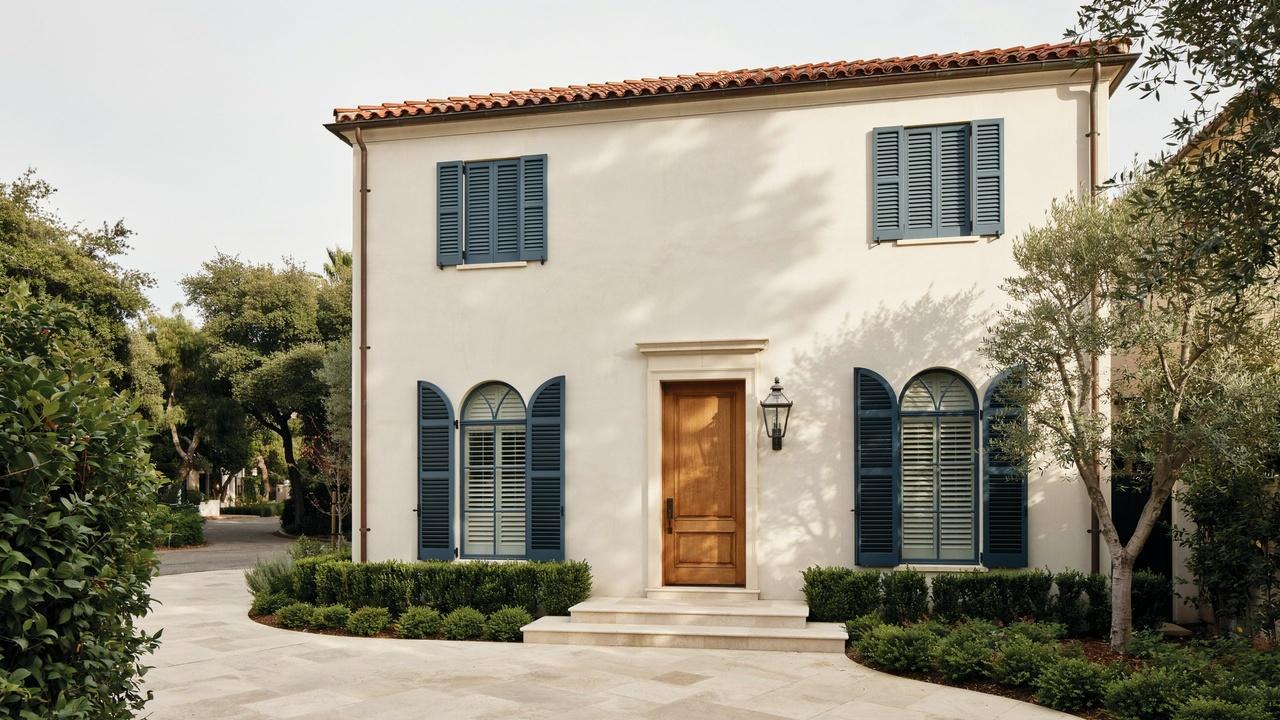
Appearance: Angled slats mounted in a frame, adjustable by a tilt rod or hidden tilt mechanism so they open, close, or sit at any angle in between.
Use: "Louvered" describes the slat construction itself rather than a single distinct style plantation and traditional shutters are both louvered shutters, differing only in louver width, and the same slat look also appears as a purely decorative exterior treatment.
Advantages: Flexible, continuous light and airflow control instead of an all-or-nothing open/close, adjustable throughout the day as sun position changes, works equally well as a functional interior treatment or a decorative exterior one.
Limitations: Even fully closed, angled slats let in more light and sound than a solid panel, so it's not the right choice for total blackout or maximum noise blocking, exterior louvered shutters are usually fixed rather than operable, so despite the name they typically offer no real storm or privacy protection easy to confuse with a Bahama or hurricane shutter, which look similar but actually close over the window.
Best for: Rooms needing adjustable daylight and airflow (via a plantation or traditional shutter), or exterior trim where the classic slatted look is wanted for curb appeal rather than function.
10. Raised Panel Shutters

Appearance: A solid center panel with a raised, three-dimensional molded profile, similar in construction to a raised-panel door, rather than a flat surface.
Use: An exterior decorative treatment used to dress up plain window frames, most often on colonial and traditional-style homes.
Advantages: The raised profile creates shadow and texture that a flat panel can't, giving noticeably more depth and curb appeal from the street, it pairs naturally with the formal, symmetrical look of colonial and traditional architecture.
Limitations: Purely decorative in almost all cases, not built to close over the window, so it offers no functional light, privacy, or storm protection despite the "shutter" name.
Best for: Colonial and traditional-style exteriors looking for architectural detail and curb appeal rather than function.
11. Sliding Shutters
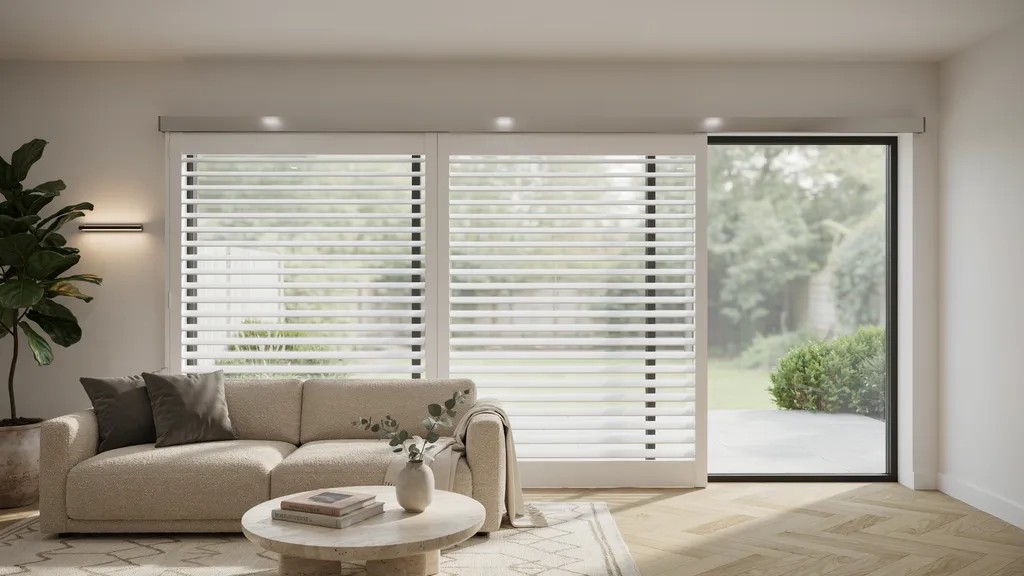
Appearance: Panels hang from an overhead track and glide side to side instead of swinging on hinges.
Use: Wide windows, sliding glass doors, and openings used as room dividers.
Advantages: No swing radius needed, so furniture can sit close to the window, wider panels mean fewer seams for a cleaner, more modern look, good for openings too large for a practical hinged panel.
Limitations: Track hardware requires more overhead clearance and periodic cleaning to keep gliding smoothly, not typically available with the full range of louver or panel styles.
Best for: Sliding glass doors, patio openings, and tight-furniture layouts.
Interior vs Exterior Shutters: Which Is Better?

The right choice depends on what you need. Interior shutters focus on light control and privacy inside your home. Exterior shutters focus on curb appeal, weather protection, and sometimes storm safety.
| Factor | Interior Shutters | Exterior Shutters |
| Main Purpose | Light control and privacy | Curb appeal and weather protection |
| Common Materials | Wood, faux wood, vinyl | Aluminum, composite, treated wood |
| Built to Withstand | Indoor conditions only | Rain, wind, extreme temperatures |
| Louvers | Often movable for adjusting light | Usually fixed, mainly decorative |
| Function | Adjustable for daily use | May close over windows for storm protection |
| Best For | Privacy and a finished look indoors | Boosting curb appeal or protecting windows in severe weather |
| Ideal Use | Living rooms, bedrooms, bathrooms | Home exteriors, storm-prone areas |
Many homeowners use both together for a complete look inside and out. Interior shutters handle daily comfort and privacy, while exterior shutters add character and protection from the outside.
How to Choose the Right Type of Shutters

Picking the right shutters means thinking about more than just looks. Here are the main factors to weigh.
Based on room and privacy needs, bedrooms and bathrooms usually need more privacy, so solid panels or traditional shutters with narrow louvers work well.
Living rooms and kitchens often benefit from plantation shutters, which let in more light while still offering privacy when closed.
Based on window shape and size, standard rectangular windows work with most shutter styles, while arched, circular, or oddly shaped windows need custom shutters built to match the exact frame. Always measure carefully, since a poor fit can affect how well the shutters open and close.
Based on home style, it's worth matching your shutter style to your home's architecture.
Plantation shutters suit modern and coastal homes, while board and batten shutters fit farmhouse or cottage styles, and raised panel shutters work well on colonial or traditional homes.
Based on budget and long-term value, wood shutters cost more upfront but often last longer and add resale value, while vinyl and faux wood options cost less and still perform well, especially in humid rooms.
Think about how long you plan to stay in your home when deciding how much to spend.
Which Shutter Material Should You Choose?
Material affects durability, price, and how well your shutters handle moisture or temperature changes.
Wood Shutters: Offer a warm, natural look and can be painted or stained to match your decor. Cedar, mahogany, and pine are popular picks for exterior wood shutters, while basswood is common indoors. They are strong and long-lasting but can warp or crack in humid rooms like bathrooms if not properly sealed.
Faux Wood Shutters: Look similar to real wood but are made from composite materials. They resist moisture better than solid wood, making them a smart choice for kitchens and bathrooms.
Vinyl Shutters: Affordable, easy to clean, and highly resistant to moisture. They work well in humid climates but may not offer the same premium look as wood or faux wood.
Composite Shutters: Combine wood fibers with synthetic materials. They offer good durability and moisture resistance at a mid-range price, making them a practical middle ground between wood and vinyl.
Aluminum Shutters: Mostly used outdoors. They resist rust, hold up well in harsh weather, and are a common choice for storm shutters in coastal areas.
Shutter Style Comparison Table
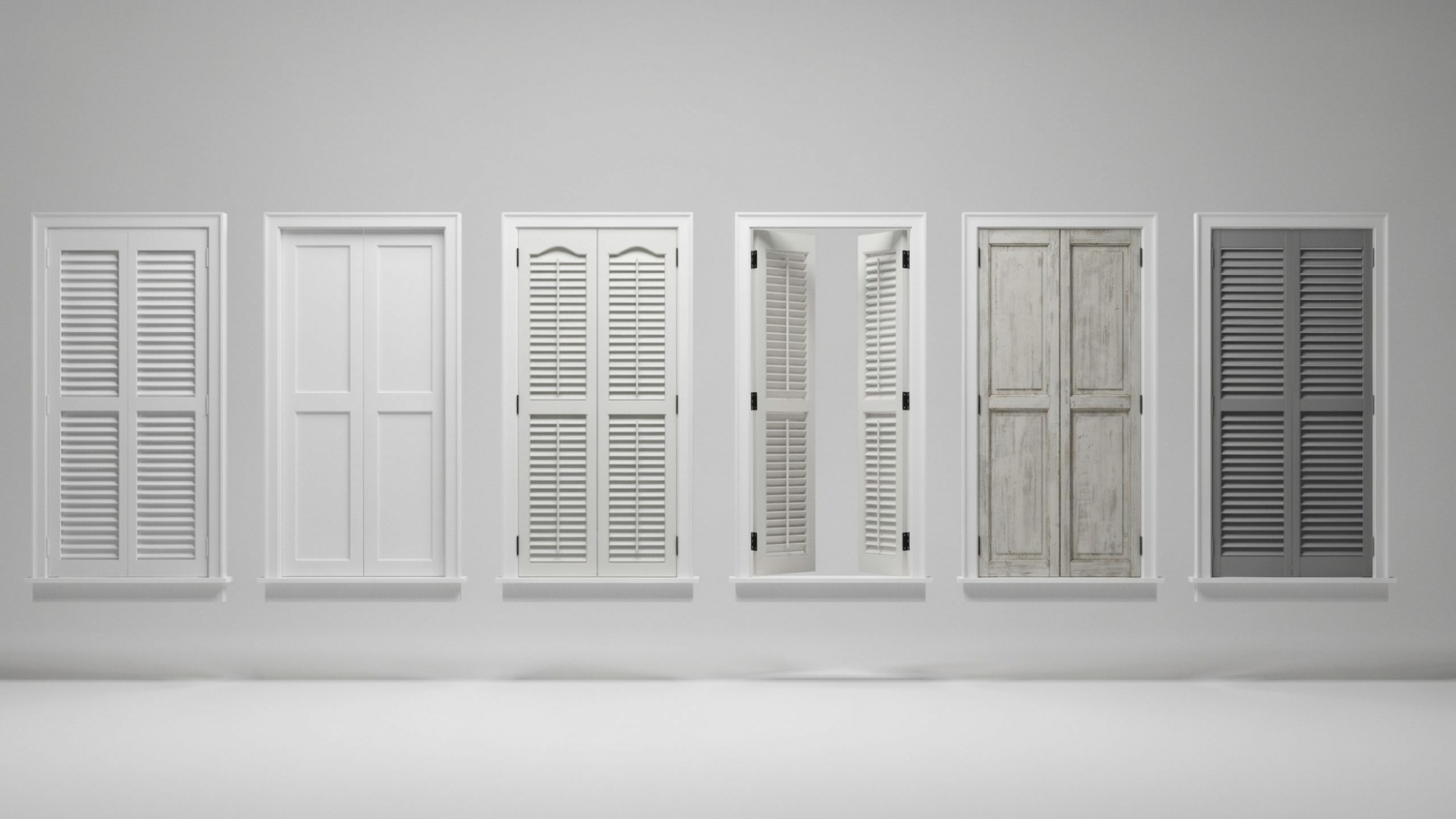
Use this quick reference to see how each shutter style stacks up before making your final choice.
| Shutter Type | Privacy Level | Durability | Cost Range | Best For |
| Plantation | Medium | High | Mid to High | Living rooms, bedrooms |
| Traditional | High | High | Mid | Formal or historic homes |
| Café | Low | Medium | Low | Kitchens, dining areas |
| Tier-on-Tier | High | High | High | Bedrooms, bathrooms |
| Full-Height | Medium | High | Mid | Small to medium windows |
| Solid Panel | Very High | High | Mid | Nurseries, media rooms |
| Board and Batten | Low (exterior) | Medium | Low | Farmhouse exteriors |
| Bahama | Medium (exterior) | High | Mid to High | Coastal, tropical homes |
| Louvered | Medium | Medium to High | Mid | Flexible light control |
| Raised Panel | Low (exterior) | Medium | Mid | Decorative exteriors |
Best Shutters for Different Rooms
Different rooms have different needs, so the best shutter style often depends on where you plan to use it.
Living Room: Plantation shutters work well here since they balance natural light with privacy. Their wide louvers also give the room an open, airy feel.
Bedroom: Tier-on-tier or solid panel shutters are good picks for bedrooms. They let you control light separately at the top and bottom, or block it out completely for better sleep.
Kitchen: Café shutters are a practical choice for kitchens. They cover the lower half of the window for privacy while letting sunlight in from above, which is helpful over a sink or countertop.
Bathroom: Faux wood or vinyl shutters handle moisture better than real wood, making them the safer choice for bathrooms. Solid panel styles also work well if privacy is a top concern.
Common Mistakes to Avoid When Buying Shutters
Small errors during the buying process can cost you time and money later, so keep these points in mind.
- Incorrect measurements are one of the most common shutter mistakes. Always measure the width and height of your window frame in three places, since older homes often have slightly uneven frames. When in doubt, have a professional measure for you.
- Installing real wood shutters in a bathroom or humid kitchen without proper sealing can lead to warping over time. Choose faux wood, vinyl, or composite materials in rooms with high humidity instead.
- The cheapest option is not always the best value. Low-quality shutters may need replacing within a few years, costing you more in the long run. Balance your budget with the expected lifespan of the material.
- Shutters that do not match your home's style can look out of place and even lower curb appeal. Take time to research which styles suit your home's design before making a purchase.
- Skipping professional advice can lead to costly errors. A quick consultation with a shutter specialist can help you avoid many of the mistakes listed above
Expert Tips for Buying Shutters That Last
A few smart habits during the buying process can help your shutters stay in good shape for years.
- Always request a sample of the material and color before ordering a full set. Lighting in your home can change how a shutter looks compared to a showroom.
- Ask about warranty coverage on hardware like hinges, shutter dogs, and louver controls, since these moving parts wear out first. Shutter bolts also matter if you plan to close your shutters over windows during storms. A good warranty often signals that the manufacturer trusts their product.
- Consider custom sizing for older homes, since standard sizes rarely fit perfectly. Custom shutters cost more but reduce gaps that let in light or drafts.
- Hire a professional installer if you are not confident in DIY projects. Poor installation can cause shutters to sag, stick, or fail to close properly over time.
- Clean your shutters regularly with a dry or slightly damp cloth to prevent dust buildup and keep moving parts working smoothly.
Conclusion
Picking the right types of shutters comes down to knowing your goals, whether that is privacy, light control, curb appeal, or storm protection.
This guide covered the main styles, materials, and room-by-room recommendations to help you make a confident choice.
Take your time comparing options, measure carefully, and choose materials suited to your climate and budget.
A little planning now saves you from costly mistakes later. If this guide helped you, share it with a friend who is planning a similar project, or leave a comment below with any questions you still have.
Frequently Asked Questions
How long do shutters typically last?
Quality shutters usually last 15 to 25 years with proper care. Wood and composite options often last longer than vinyl, especially when installed correctly and cleaned regularly.
Can I install shutters myself, or do I need a professional?
DIY installation is possible for standard windows with basic tools. However, custom or oddly shaped windows usually require professional fitting for a proper, secure fit.
Do shutters help reduce energy bills?
Yes, shutters add an extra layer of insulation and can improve a window's R-value. They help block heat in summer and retain warmth in winter, which can lower your overall heating and cooling costs.
Are shutters better than blinds for noise reduction?
Solid wood or composite shutters block more outside noise than blinds due to their thickness and tight fit. They work well in bedrooms facing busy streets.
How often should shutters be cleaned?
Dust shutters every one to two weeks with a soft cloth or brush. Deep clean every few months using a damp cloth and mild soap for buildup.