


If you have ever pulled a cord to close your blinds and worried about your kids or pets getting tangled, you are not alone. Cordless blinds solve this problem by removing the string altogether.
This guide explains how cordless blinds work, from the lift system inside to the way they lock at any height.
You will learn the different mechanism types, how to use them the right way, and how to fix common issues.
Having installed and tested several cordless blind systems in real homes, I can say the mechanics are simpler than most people expect once you see them in action.
What Are Cordless Blinds?

Cordless blinds are window coverings that raise and lower without a hanging cord or chain. Instead of pulling a string, you lift or push the bottom rail by hand.
A hidden internal tension mechanism inside the headrail controls the movement and holds the blind in place.
These blinds became popular because they remove the safety risk that cords create, especially in homes with young children or pets. This is part of why many cordless blinds now carry a Best for Kids™ Certification from the window covering industry.
They also give a cleaner look since there is nothing dangling on the side of the window.
Most cordless blinds work using tension springs, though some newer models rely on motors instead.
Either way, the goal is the same:smooth movement without any loose cord hanging down.
How Do Cordless Blinds Work?
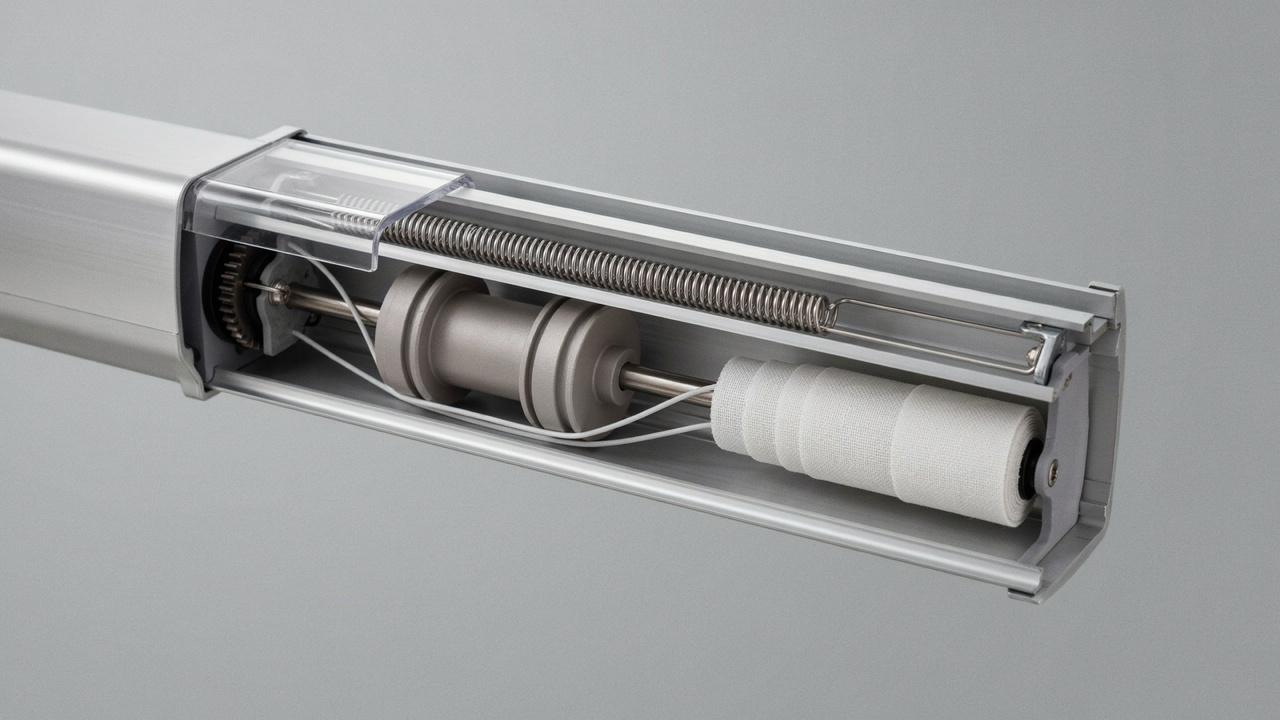
Cordless blinds rely on a mechanism hidden inside the headrail, the box at the top of the blind. This part does all the work that a cord used to do. Understanding the basic parts helps you use and maintain your blinds better.
It's worth knowing that cordless blinds are not fully cord-free on the inside. Blinds still have ladder cords between the slats, and many shades have hidden cords inside the housing that help the fabric move smoothly.
What Happens Inside the Headrail?
When you push the bottom rail upward, the hidden lift cords wind around an internal spool while the spring stores tension.
As you pull the blind downward, the spring releases that stored energy in a controlled way, allowing the blind to move smoothly instead of dropping suddenly.
A locking clutch works alongside the spring by gripping the internal lift cords whenever you stop moving the blind.
This combination of spring tension and clutch resistance is what allows cordless blinds to stay securely at almost any height.
The Spring-Loaded Lift Mechanism
Most cordless blinds use a coiled spring system inside the headrail. When you lift the bottom rail, the spring stores energy. As you let go, that stored tension holds the blind steady instead of letting it fall.
This spring works a bit like the mechanism in a retractable tape measure. It resists sudden movement but still allows smooth adjustment when you apply gentle pressure.
How The Blinds Stay at Any Height
The spring is not the only part doing the work. A locking gear or clutch system inside the headrail grips the lift cords (the internal ones, not exposed strings) and stops them from unwinding once you release the blind.
This is why cordless blinds can stay at any height you choose, whether that is fully open, halfway down, or completely closed. The clutch holds the position until you apply force again to move it.
Push-Up and Pull-Down Operation
To raise cordless blinds, you simply push up on the bottom rail. To lower them, you pull down gently. There is no cord to wrap around a cleat or tangle behind furniture.
Some cordless shades use a top-down, bottom-up control instead, which lets you lower the top of the shade for privacy or raise the bottom for a view, all without a cord.
This push-pull motion feels different from corded blinds at first, but most people adjust within a day or two of regular use.
What Makes Cordless Blinds Different from Corded Blinds?

The biggest difference between cordless and corded blinds comes down to safety, ease of use, and how they look on your window. Each type has its own strengths depending on what you need.
Safety Differences
Corded blinds pose a strangulation risk for young children and pets. The Consumer Product Safety Commission has flagged looped cords as a serious hazard in homes with kids under six.
Cordless blinds remove this risk entirely since there is no loose cord to reach or wrap around. This is why many parents and caregivers choose cordless options for nurseries and playrooms.
Ease of Use and Convenience
Cordless blinds are easier to operate for most people. You do not need to line up a cord or untangle it if it gets stuck. A simple push or pull gets the job done.
That said, very tall, wide, or heavy blinds can be harder to lift by hand without a cord for leverage.
Windows that are hard to reach, like ones behind furniture or high on a wall, can also be tricky. In these cases, motorized cordless options or a continuous loop control work better.
Appearance And Maintenance
Without a hanging cord, windows look cleaner and less cluttered. There is also less to clean since cords tend to collect dust over time.
Maintenance is generally simpler too, since there are fewer parts exposed to wear from repeated pulling.
Types of Cordless Blind Mechanisms
Not all cordless blinds work the same way. Knowing the type you have, or the type you want to buy, helps you understand how to use and maintain it properly.
Spring Cordless Blinds
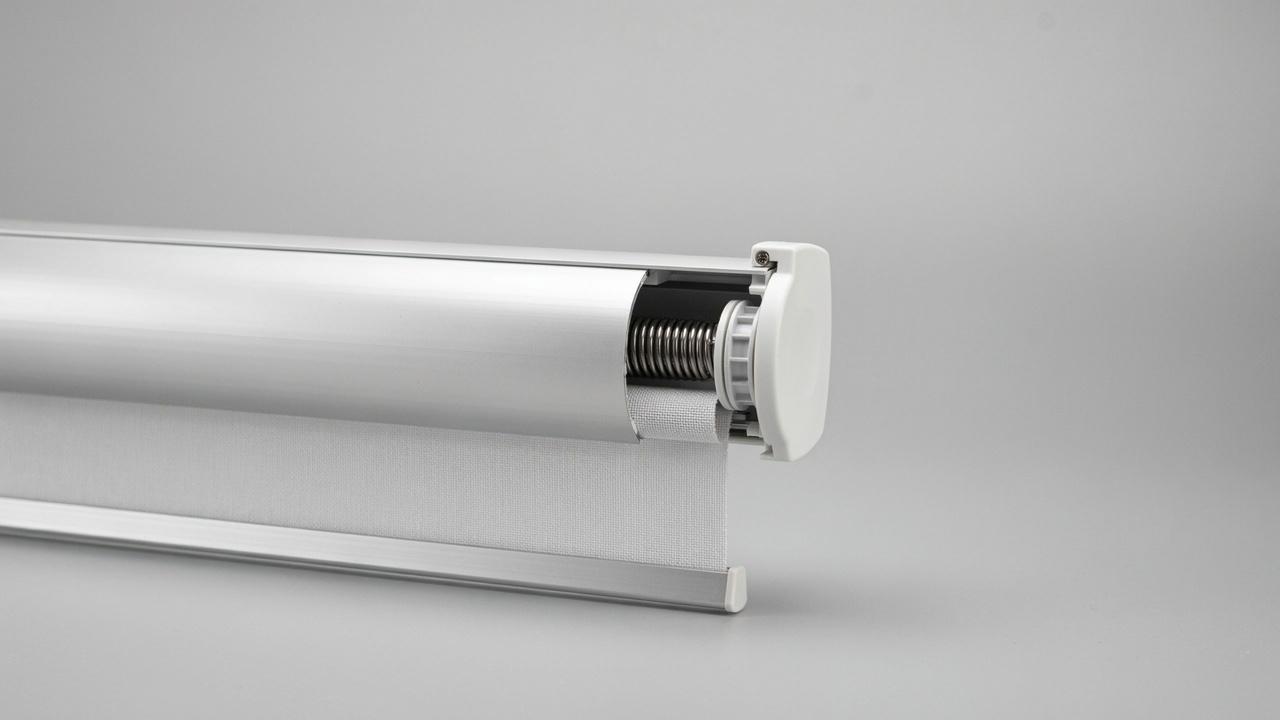
These use the coiled spring system described earlier. They are the most common type found in stores today and tend to be affordable and reliable for standard window sizes.
Tension and Friction Systems
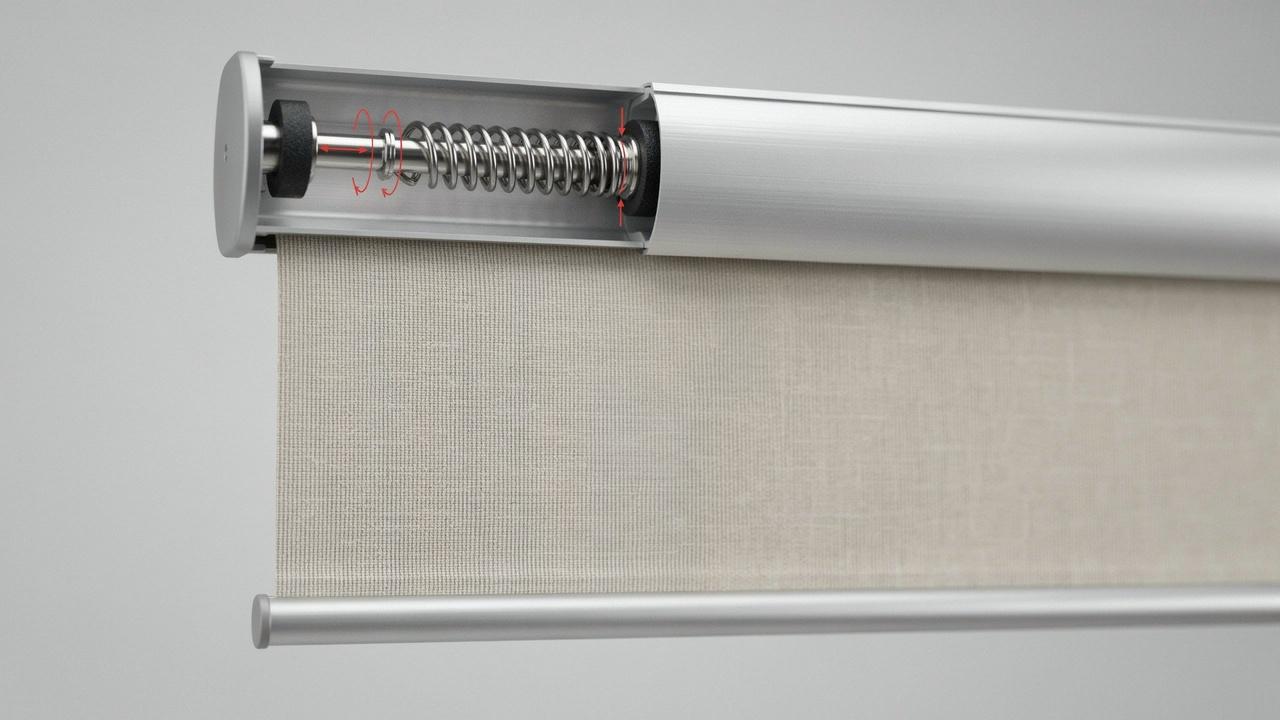
Some cordless blinds use friction-based rollers instead of springs. These rely on resistance between parts to hold the blind steady rather than a coiled spring.
They tend to work well for lighter fabric blinds like cellular shades.
Motorized Cordless Blinds

Motorized blinds use a small electric motor instead of manual tension. You can raise or lower them with a remote, a wall switch, or a smartphone app.
These are a good choice for large windows, skylights, or hard-to-reach spots among your other window treatments.
How Can You Identify Your Blind Mechanism?
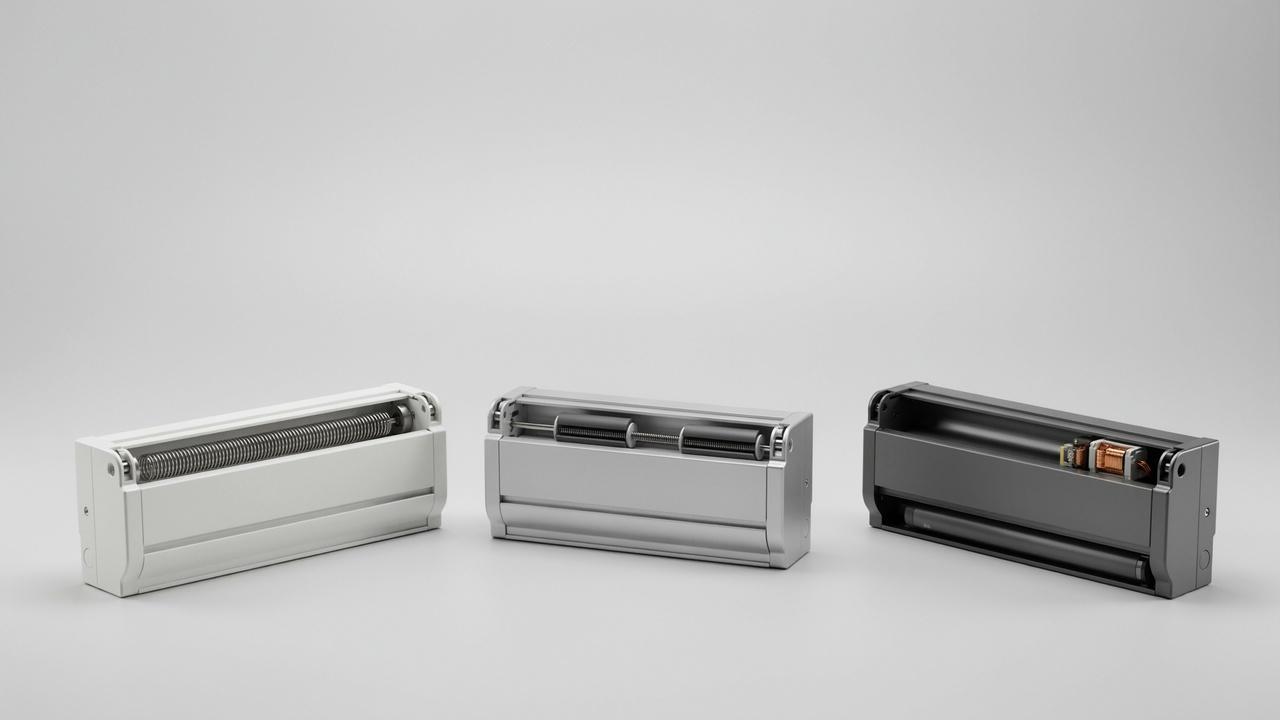
You can often tell which mechanism your blinds use by how they operate. Spring-loaded blinds offer gentle resistance while lifting, friction systems move more freely, and motorized models use a remote or wall control instead of manual movement.
Knowing the mechanism makes troubleshooting easier and helps you choose compatible replacement parts if repairs are needed.
How to Raise and Lower Cordless Blinds Correctly
Using cordless blinds the right way helps them last longer and work smoothly. A few small habits make a real difference over time.
| Action | What to Do | Why It Matters |
| Lifting | Grip the bottom rail with both hands and push up in one steady motion | Jerking it upward too fast can strain the internal spring or clutch mechanism |
| Lifting | Lift from the center of the rail rather than one side | Lifting unevenly puts extra stress on one part of the mechanism and wears it out faster |
| Lowering | Pull down gently and evenly, using both hands when possible | Letting go suddenly can cause the blind to drop too fast, straining the spring over time |
| Lowering | If the blind feels stuck partway down, do not force it. Check for an obstruction, then try again with light, even pressure | Forcing a stuck blind can damage the internal mechanism |
For the smoothest operation, hold the bottom rail near the center on narrow blinds or use both hands on wider blinds.
Even pressure helps prevent one side from lifting faster than the other and reduces strain on the internal mechanism.
Common Problems and How They Work Around Them
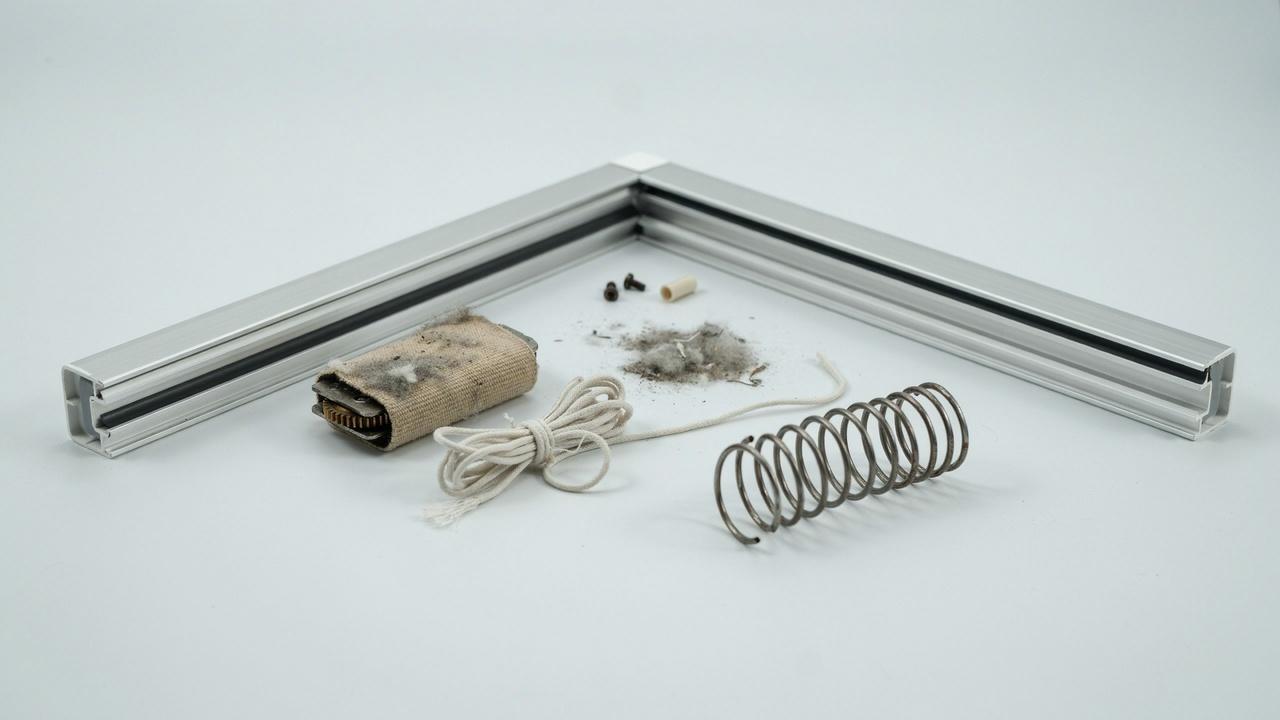
Most issues come down to a worn spring, a dusty clutch, or an off-balance mechanism.
Even well-made cordless blinds run into issues over time, and most problems trace back to a simple cause.
- Blinds Won't Go Up:A worn or loose spring is usually the cause. Springs lose tension with repeated use, and some models let you adjust this manually. If not, the lift mechanism or blind may need replacing.
- Blinds Won't Stay in Place:This points to a weak locking clutch, often clogged with dust. Cleaning the headrail with a soft brush or compressed air usually fixes it.
- Blinds Move Unevenly:One side lifting faster than the other means tangled cords or an off-balance mechanism, often from lifting on one side too much.
Working the blind up and down gently a few times can usually rebalance it and solve the unevenness.
When Should You Repair Or Replace The Mechanism?
Most cordless blind problems can be solved by cleaning the headrail or resetting the blind.
However, if the spring has completely lost tension, the clutch no longer locks, or the mechanism makes grinding noises, replacing the lift mechanism is usually the better long-term solution.
Are Cordless Blinds Worth It?

Cordless blinds cost slightly more than corded versions, but for most households, the benefits outweigh the price difference.
They work well in nurseries, kids' bedrooms, and playrooms because of the safety benefits.
They also suit kitchens and bathrooms, where a hanging cord can get in the way or collect moisture.
The main advantages are safety, a cleaner look, and simple operation. The main downside is that very large, heavy, or hard-to-reach blinds can be harder to manage without a cord for extra force, and repairs sometimes need professional help.
For most standard windows, the pros clearly outweigh the cons.
Expert Tips for Keeping Cordless Blinds Working Longer
A little regular care keeps the internal tension mechanism working smoothly for years.
- Clean the headrail every few months using a soft brush or vacuum attachment to prevent dust buildup inside the mechanism.
- Avoid overloading the lift system by adding heavy attachments like extra fabric layers or decorative valances that were not designed for the blind.
- Operate the blind gently and avoid quick, forceful movements, since sudden pressure is the most common cause of spring wear.
- Address resistance or slower movement early, since small issues tend to get worse quickly if ignored.
- Check the mounting brackets once a year to make sure the headrail sits level, since an uneven headrail can strain the lift mechanism on one side.
Conclusion
Cordless blinds work through a simple system of springs, clutches, or motors hidden inside the headrail, giving you a safer and cleaner way to control light in your home.
Now that you know how cordless blinds work, you can use them correctly and spot problems before they get worse. Try applying these tips the next time you adjust your blinds at home.
If this guide helped you understand your blinds better, share it with a friend who might need it too, or leave a comment with your own experience. Small changes in how you use your blinds can make them last much longer.
Frequently Asked Questions
Can You Convert Corded Blinds To Cordless?
Usually not without replacing the headrail or buying a new blind. Some brands sell retrofit kits, but full conversion at home is rare and often not cost-effective.
How Long Do Cordless Blinds Typically Last?
With normal use and care, cordless blinds usually last 7 to 10 years before the spring or clutch mechanism needs servicing or replacing.
Can Cordless Blinds Be Installed On Sliding Glass Doors?
Yes, but taller sliding doors may need motorized or continuous loop control instead, since manual cordless lifting gets harder on larger window sizes.
Are Cordless Blinds Harder To Install Than Corded Ones?
No, installation steps are nearly identical. The brackets and mounting process stay the same, only the internal lift mechanism differs between the two types.
Do Cordless Blinds Work Well In Humid Rooms Like Bathrooms?
Yes, most materials used in cordless blinds resist moisture well, though vinyl or faux wood options handle humidity better than natural wood blinds.